
How do I remove brown diatom algae from aquarium glass without chemicals in 2027?
 Curated byKory White · Fractional CRO · Maryland
 PULSEKNOWLEDGE LIBRARY
Quality
Certified
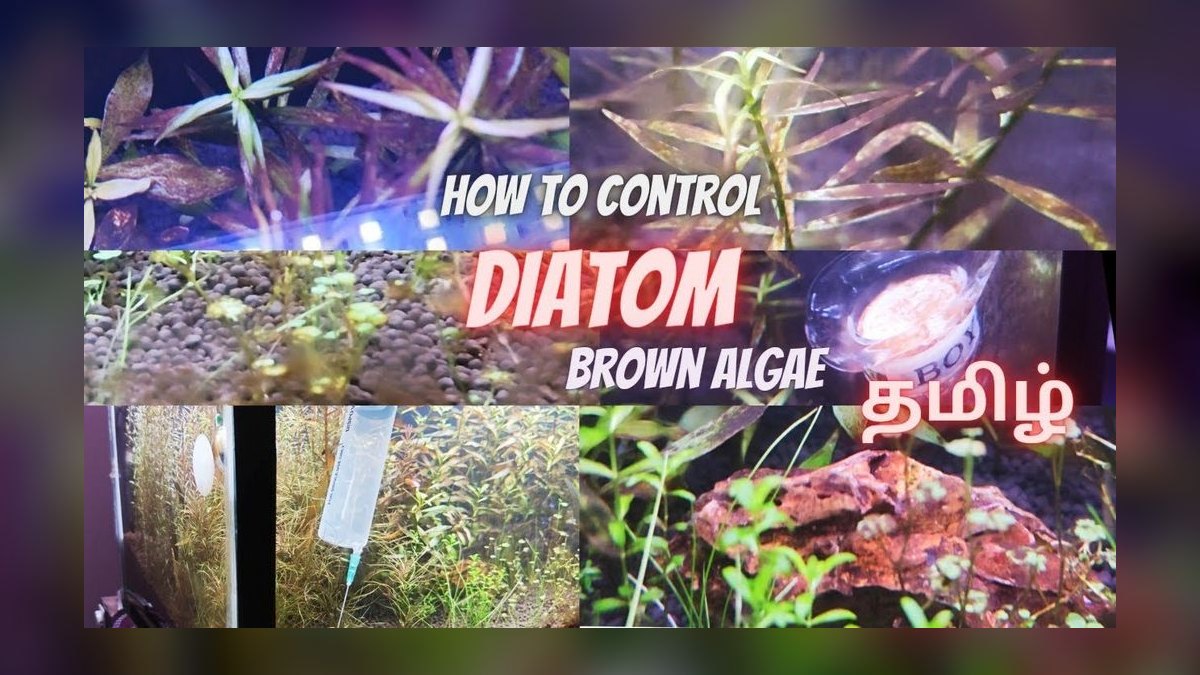
Scrape the glass mechanically with a razor blade or magnetic cleaner, then starve the diatoms by removing their silica supply — switch water changes to RO/DI or silicate-filtered water, cut the photoperiod to six to eight hours, and add Nerite snails or Otocinclus. Most tanks clear within one to three weeks without chemicals.
The tank that browns over every Tuesday
Picture a 29-gallon freshwater setup, five weeks old, planted with Java fern and a few Amazon swords. The glass is wiped clean on Sunday during a 25% water change. By Tuesday evening there is a fine cinnamon-colored dust on the front pane, on the leaves, on the sand, on the heater cord. By Friday it's a solid brown film you can write your name in with a fingertip. Wipe it again, and the cycle repeats on exactly the same schedule.
That repeating rhythm is the single most useful diagnostic clue in the whole problem, and it is the reason so many people end up buying a bottle of algaecide they didn't need. The bloom is not returning at random. It is returning on a fixed interval tied to a recurring input event. Something you do every Sunday is refilling the pantry that the diatoms eat out of, and the two-day lag is simply how long the population needs to rebuild visible biomass after being physically stripped off the glass.
Brown diatom algae — the group is *Bacillariophyceae*, and in a tank it's usually a mix of benthic genera like *Navicula*, *Nitzschia*, and *Achnanthes* — is unusual among nuisance algae because it builds its cell wall out of glass. The frustule, that ornate two-piece silica shell, requires dissolved silicic acid. No other common aquarium alga has that requirement. Green spot algae, black beard, hair algae, cyanobacteria: none of them need silicate. Diatoms cannot make a single new cell without it. That single biochemical fact is the entire lever, and it is what makes a genuinely chemical-free fix possible. You are not poisoning an organism. You are cutting off a supply chain.
Trace the weekly cycle in the 29-gallon scenario and it usually resolves into one of four sources. First, the tap water: municipal supplies commonly run anywhere from around 1 mg/L to well over 20 mg/L of dissolved silica depending on local geology, and utilities in some regions deliberately dose sodium silicate as a corrosion inhibitor to protect old lead and iron service lines. Second, the substrate: a tank set up on play sand or pool filter sand — both essentially crushed quartz — leaches silica slowly for months. Third, new hardscape and new silicone, which release trace silicate for the first few weeks of a tank's life. Fourth, and most often overlooked, the tank is simply young. A five-week-old tank is still in the successional window where diatoms colonize first because nothing else has established enough biomass to outcompete them.

The practical implication of the Tuesday pattern is that scraping alone will never end it. Scraping is symptom management with a two-day half-life. It matters — you should absolutely do it, and there's a real reason to do it that goes beyond appearance — but it is one of three legs. Remove the food supply, reduce the light energy, and add grazers, and the scraping becomes a weekly two-minute chore instead of a losing daily battle. Skip the food-supply leg and you will be scraping that tank in six months.
One more framing point, because it changes how much anxiety this deserves: a diatom bloom in a new tank is close to a normal developmental stage. It is not a sign that you've failed, and it is not dangerous. Diatoms don't produce toxins, don't strip oxygen the way a cyanobacterial mat can, and don't smother healthy plants the way hair algae does. In an established tank that suddenly browns over, though, the bloom is genuinely informative — it means an input changed. New sand, a new water source, a moved light, a filter that stopped exporting nutrients. Treat it as a signal to audit, not a disease to medicate.
How diatoms actually build themselves out of your water
Understanding the mechanism is what lets you skip the trial-and-error phase entirely, so it's worth being precise about what is happening chemically.

Silicon enters your tank as silicic acid, H₄SiO₄, the dissolved monomeric form. It's weakly acidic and stays almost entirely un-ionized at normal aquarium pH, which matters because it means it does not behave like phosphate — it isn't strongly bound by most resins, isn't precipitated by common water conditioners, and isn't consumed by any of the bacterial processes in your nitrogen cycle. It sits in the water column, chemically boring, until something with the right transport machinery grabs it.
Diatoms have that machinery. They carry dedicated silicic acid transporter proteins in their cell membranes that actively pull silicic acid inside against a concentration gradient. Inside the cell, a specialized compartment called the silica deposition vesicle polymerizes it into amorphous, opaline silica and molds it into the frustule. When the cell divides, each daughter inherits one half of the parent's shell and must build a new second half — meaning silicon uptake is directly and rigidly coupled to reproduction. A diatom that cannot get silicic acid cannot divide. It can sit there, photosynthesizing, staying alive, but the population stops growing.
That coupling is why silicate limitation works so cleanly and why it is not immediate. Existing cells don't die the moment you switch to RO water. They persist, they keep their brown color from the fucoxanthin pigment that masks their chlorophyll, and they slowly get outcompeted, grazed, or senesce. What stops is recruitment. This is exactly why people abandon the approach at day four, conclude it "didn't work," and buy a chemical treatment — they were looking for a die-off and instead got a plateau. The plateau *is* the win. Hold it for another week.
The second input is light, and it works differently. Diatoms are shade-adapted relative to green algae and most aquatic plants. Their accessory pigments harvest blue-green wavelengths efficiently, which is an adaptation to living in deeper or turbid water where red light has been filtered out. In practice this means a dim tank does not discourage them the way it discourages green algae — it can actively favor them. Cutting the photoperiod reduces total daily energy and slows growth; cutting intensity to very low levels sometimes makes the problem worse by handicapping the plants and green algae that would otherwise compete. The right move is a shorter photoperiod at healthy intensity, not a long dim one.

The third mechanism is competition, and it's the one that quietly does most of the work in a well-planted tank. Fast-growing stem plants and floating plants — hornwort, water sprite, duckweed, guppy grass — draw down nitrate, phosphate, CO₂, and trace metals hard. They don't consume meaningful silicate, so they don't compete for that directly, but they do strip everything else the diatom cell needs alongside its shell. A diatom with unlimited silica and no nitrogen is just as stuck.
There is a fourth mechanism worth naming because it explains why blooms in brand-new tanks often end on their own: microbial succession. In a maturing tank, the biofilm on every surface shifts from a simple diatom-dominated community toward a more complex assemblage of heterotrophic bacteria, green algae, and microfauna. Once that mature biofilm is established, diatoms have a much harder time finding open substrate to colonize. This is the actual reason "just wait it out" is real advice for a six-week-old tank and terrible advice for a two-year-old tank that suddenly browned over.
Numbers worth knowing before you change anything
Vague advice is what makes this problem drag on for months, so here are the ranges that actually guide decisions. Treat them as practical operating targets, not laboratory constants — biological systems vary.
Silica in source water. Municipal tap water varies enormously by region: some supplies test near zero, others sit in the teens or higher, and utilities that dose silicate for corrosion control can push it higher still. Well water drawn through sandstone or volcanic rock is frequently on the high end. Your utility's annual water quality report often lists silica; if not, a hobby silicate test kit will tell you in five minutes. The number that matters for action is whether your source contributes meaningfully every water change — anything you can measure with a hobby kit is enough to sustain a bloom.

Silica in the tank. Aquarium silicate test kits typically read in a 0–2 mg/L or 0–4 mg/L range with a resolution around 0.1–0.25 mg/L. Diatoms become silica-limited at low concentrations, so the practical goal is "below the kit's meaningful detection," not a specific decimal. If your test reads clean and the bloom persists, silicate isn't your bottleneck — look at photoperiod, tank age, or nutrient loading instead.
RO/DI performance. A properly functioning RO membrane paired with a mixed-bed DI resin should deliver 0 TDS on a handheld meter. Reverse osmosis alone typically rejects the large majority of dissolved solids but not all — silica rejection by RO membranes is notably less complete than for most ions, which is precisely why the DI stage matters for this particular problem. A TDS meter reading 0 after the DI stage is your practical confirmation. If your DI resin is exhausted, silica is often among the first things to break through, sometimes before the TDS meter moves much.
Photoperiod. Six to eight hours is the working band for a tank fighting diatoms. Start at six. If you're running a planted tank and the plants suffer, add thirty minutes per week and watch. A siesta schedule — three hours on, three off, three on — works well for some setups and has the side benefit of letting CO₂ recover in injected tanks. Ten to twelve hours is where most diatom problems live.

Water change volume and cadence. Twenty to thirty percent weekly is standard maintenance. During an active bloom, some people go to twice weekly at 25% to accelerate silica export, but this only helps if the replacement water is silica-free — otherwise you are refilling the pantry twice as often. This is the single most common own-goal in the whole process.
Cleanup crew stocking. Roughly one Nerite snail per five gallons is a common guideline for diatom control; Otocinclus want a group of at least five or six and are best in tanks of twenty gallons or more; Amano shrimp are often stocked around one per two to three gallons. Overstocking any of them creates a starvation problem once the algae is gone.
Timeline. With mechanical removal, silica cut off, and photoperiod trimmed, expect visible slowing within about five to seven days and clear glass in roughly two to three weeks. A tank with a silica-leaching substrate takes longer — sand beds can release silica for months, so plan on managing rather than eliminating in that case.
Cost. A hobby silicate test kit and a TDS meter together are modest one-time purchases. A basic RO/DI unit is a larger up-front cost but replaces recurring bottled-water or additive spending, and the membrane lasts years with reasonable maintenance. If you're on a tight budget and your tank is small, buying RO water by the jug from a fish store or grocery machine for water changes only is often the cheaper path — do the math on your actual water change volume before buying hardware.

Choosing between the paths — and what each one costs you
There are several legitimate ways to attack this, and they trade off differently depending on tank size, budget, and how much you enjoy fiddling with equipment.
Path one: switch the source water. Buy or make RO/DI water and use it for every water change. This is the most complete fix because it addresses the input directly and permanently. The cost is either equipment and a bit of plumbing hassle, or a recurring trip to fill jugs. The catch nobody mentions up front: RO/DI water is stripped of everything, including the general hardness and carbonate hardness your fish and plants need. You must remineralize it. For a freshwater community tank that means a GH/KH booster or cutting the RO water with a measured fraction of tap. Dumping pure RO into a tank without remineralizing is a real way to hurt livestock, and it's a mistake people make in their enthusiasm to solve the algae problem.
Path two: filter the silica out of tap water. Silicate-adsorbing media — the iron-oxide-based and aluminum-oxide-based products sold for reef tanks — will pull silica out. Run it in a filter bag or a small reactor. Cheaper up front than RO/DI, no remineralization needed since it leaves hardness alone. The downsides are real: the media exhausts and must be replaced on a schedule you'll have to establish by testing, it can pull phosphate down alongside silica which occasionally starves plants, and some aluminum-based media can leach if used carelessly in soft, acidic water. It's a good middle path for someone with moderately high tap silica who doesn't want an RO unit.

Path three: outcompete rather than starve. Load the tank with fast-growing plants, dose them properly, and let biological competition plus a mature biofilm push the diatoms out. This costs almost nothing and produces the nicest-looking tank, but it's the slowest and least reliable, and it doesn't work at all if silica is very high and light is long. It's best as a supporting strategy rather than a standalone one.
Path four: mechanical plus grazers only. Scrape, and let snails and Otocinclus handle maintenance. Perfectly viable for a mature tank with a mild recurring film, and it's what most established tanks end up doing anyway. It will not resolve a heavy bloom driven by a high-silica source — you'll be scraping forever.
What to avoid. Blackouts work well against cyanobacteria and can knock back green water, but they are a poor tool here: diatoms tolerate low light better than your plants do, so a multi-day blackout often hurts the competition more than the target. Hydrogen peroxide, while technically an option people use, is a chemical treatment and falls outside a chemical-free approach — it also risks your biofilter and invertebrates. UV sterilizers address free-floating organisms and do essentially nothing for a benthic film glued to your glass. Skip all three.
There's also a scale question. A ten-gallon tank changed at 25% weekly needs a couple of gallons of RO water a week — trivially bought in jugs. A 125-gallon reef needs thirty-plus gallons a week, and hauling that is miserable, so the RO/DI unit pays for itself in convenience alone long before it pays for itself in dollars. Match the solution to the volume.

The mistakes that keep tanks brown for months
Refilling the source while scraping the symptom. The number one failure. Someone scrapes diligently every day, then does a water change with the same high-silica tap water that caused the bloom. Fix the input first, then scrape — in that order.
Reaching for a chemical because day four looked the same as day one. Covered above, but it bears repeating: silicate limitation stops division, it doesn't kill existing cells. The visible film lags the chemistry by a week or more. Judging the approach at four days guarantees you'll abandon a working fix.
Cranking the light down to near-nothing. Diatoms handle dim light better than your plants do. A long, weak photoperiod is close to the ideal diatom environment. Short and adequately bright beats long and dim every time.
Using a razor on acrylic. A steel razor will permanently haze an acrylic panel on the first pass, and there is no fixing it short of a full wet-sand and polish. Acrylic gets plastic blades or a magnet cleaner with a soft pad, full stop. If you're not certain which material your tank is, tap it — glass rings, acrylic thuds — or check the top trim and seams for the telltale bonded corners of acrylic.

Dragging a sand grain across the glass. The classic magnet-cleaner injury. A single grain caught under the pad cuts a scratch the length of your stroke. Always rinse the inside pad before use, keep the magnet well above the substrate line, and if you do drop it into the sand, pull it out and rinse rather than sliding it back up. Some people keep a second cleaner reserved for the lower third of the tank for exactly this reason.
Scraping the film back into the water column. Every scraped diatom is a packet of nutrients that either resettles or feeds the next bloom. Do your scraping immediately before a water change, and siphon the loosened material off the substrate while you drain. Running a fine filter pad or a bit of floss for the following day catches the rest. This is the single easiest improvement to most people's routine.
Stocking a cleanup crew as the first move. Snails and Otocinclus are maintenance, not remediation. Adding them to a tank in the middle of a heavy bloom means they get overwhelmed; adding a large group to a tank you're about to clear means they starve two weeks later. Add grazers as the bloom is coming under control, and stock conservatively.
Buying Otocinclus without a plan. They are wild-caught, frequently arrive underfed and stressed, and have a genuinely high early mortality rate. They need a mature tank with established biofilm, a group of at least five, stable parameters, and supplemental feeding — blanched zucchini or cucumber, weighted down — once the diatoms are gone. Buying three for a two-month-old tank is how they die.
Ignoring the filter's role in nutrient export. Diatoms need nitrogen and phosphorus alongside silica. A filter clogged with detritus is a nutrient factory, not an export mechanism. Rinse mechanical media in tank water regularly, don't overfeed, and keep the substrate vacuumed. This won't solve a silicate problem on its own but it removes a co-factor.
Assuming brown film always means diatoms. Brown-to-rusty patches can also be cyanobacteria — a slimy sheet that peels off in one piece and smells earthy or musty — or, in newly planted tanks, decaying plant matter. Diatoms are dusty, powdery, and wipe away easily leaving no slime. If it peels rather than dusts, you have a different problem with a different fix, and no amount of silicate control will touch it.
Forgetting the equipment. Heater, intake strainer, spray bar, thermometer, airline, suction cups, and the underside of the lid all hold diatoms and reseed the glass. A soft toothbrush kept for aquarium use only handles all of it in two minutes. Clean the gear the same day you scrape the glass, or you'll wonder why the front pane browns again so quickly.
Related questions
Are brown diatoms harmful to fish or shrimp?
No. Diatoms produce no toxins, don't strip oxygen the way a cyanobacterial mat can, and are grazed happily by snails and shrimp. Heavy coverage on plant leaves can shade them enough to slow growth, which is a plant problem rather than a livestock one.
Why did diatoms appear in a tank that ran clear for two years?
Something upstream changed. Common culprits: a new bag of sand, a municipal water source switch or seasonal shift in your utility's supply, a replaced light, a longer timer setting, exhausted filter media, or a new corrosion-control additive at the treatment plant. Audit the last month of changes.
Will diatoms go away on their own?
In a tank under roughly three months old, frequently yes — they're an early successional stage that fades as the biofilm matures and competitors establish. In an established tank, no. A bloom in a mature system means an input changed, and it will persist until you find it.
Does a UV sterilizer clear brown algae from the glass?
No. UV kills free-floating microorganisms passing through the chamber. Benthic diatoms are firmly attached to glass, substrate, and leaves and never enter the water stream. UV is useful for green water and some pathogens; it does nothing for a film on the front pane.
Can I just wipe the glass with paper towel instead of buying a scraper?
For a light film, yes — a clean, unscented paper towel or a dedicated aquarium sponge works on fresh growth. It won't touch a hardened multi-day film, and reaching the bottom of a deep tank means putting your arm in every time. A magnet cleaner is worth the modest cost.
FAQ
How do I remove brown diatom algae from aquarium glass without chemicals if I can't afford an RO/DI unit?
Buy RO water by the jug for water changes only — most fish stores and many grocery stores sell it cheaply by the gallon. Remineralize it with a GH/KH booster, or blend it with a measured fraction of tap water to hit your target hardness. For a tank under twenty gallons this is far cheaper than equipment, and it removes the silica input just as completely. Pair it with a six-hour photoperiod and weekly scraping.
Is a razor blade safe on aquarium glass?
On glass, yes, with technique. Use a single-edge blade in a rigid holder, hold it at a shallow angle around 30–45 degrees, and pull in long continuous strokes rather than sawing. Keep it away from the silicone seams — a blade will nick the seal and that's a leak risk, not just a cosmetic issue. Never use steel on acrylic under any circumstances; use a plastic blade instead.
Do I need to test for silicate, or can I just switch to RO water?
You can just switch, and many people do. Testing is worth it in two situations: when you want to confirm your tap water is actually the culprit before spending money, and when the bloom persists after switching — in that case the test tells you whether silica is still present from a leaching substrate or whether you should be looking at photoperiod and tank age instead. It's a cheap diagnostic that prevents expensive guessing.
How many Nerite snails should I add to a 20-gallon tank?
Around four is a reasonable target using the common one-per-five-gallons guideline. Add them once the bloom is under control rather than at its peak, and be aware they'll lay small hard white eggs on hardscape and glass that don't hatch in freshwater but are stubborn to scrape off. Some people accept them as part of the deal; if that bothers you, Amano shrimp are an egg-free alternative.
Will reducing my light to four hours a day clear it faster?
Probably not, and it may backfire. Diatoms are shade-tolerant relative to your plants and to green algae, so very short or very dim lighting handicaps the competition more than the target. Six hours at normal intensity is the practical floor. If plants start declining, that's a signal you've cut too far — add thirty minutes back and hold.
Why does the brown film come back a day after I clean the glass?
Because scraping removes biomass, not the resource that built it. As long as dissolved silica, light, and nitrogen are all available, the surviving cells on your substrate, leaves, and equipment reseed the pane within a day or two. Cut the silica supply and the regrowth rate drops noticeably within a week; the reseeding slows and eventually stops.
Sources
- NOAA — What is a diatom?
- Encyclopaedia Britannica — Diatom (Bacillariophyceae)
- USGS — Silica in water resources
- EPA — Drinking water treatment and corrosion control
- University of California Museum of Paleontology — Introduction to the Bacillariophyta
- Seachem — product and media information
- Bulk Reef Supply — RO/DI systems and education
- Smithsonian Ocean — Diatoms
Related on PULSE
- How do you remove ammonia from an aquarium quickly?
- Top 10 Algae Eaters for Planted Aquariums Without Eating Plants
- Top 10 Low-Tech Aquarium Plants That Thrive Without CO2
- How to cycle a saltwater aquarium without using live rock?
- How do I treat fin rot in freshwater fish without medication?
- How to treat ich in a planted tank without harming invertebrates?
This page will be disappearing soon. Save it to your device for $1 — or read it free while it is here.
@Kory-White- · if Venmo asks, the last 4 of my number are 2012
This page is gone.
This one is off the shelf now. $1 keeps it on your phone for good — the whole page, pictures and diagrams included.
 pulse-aquariumsHow to acclimate saltwater fish from the LFS without drip acclimation in 2027?
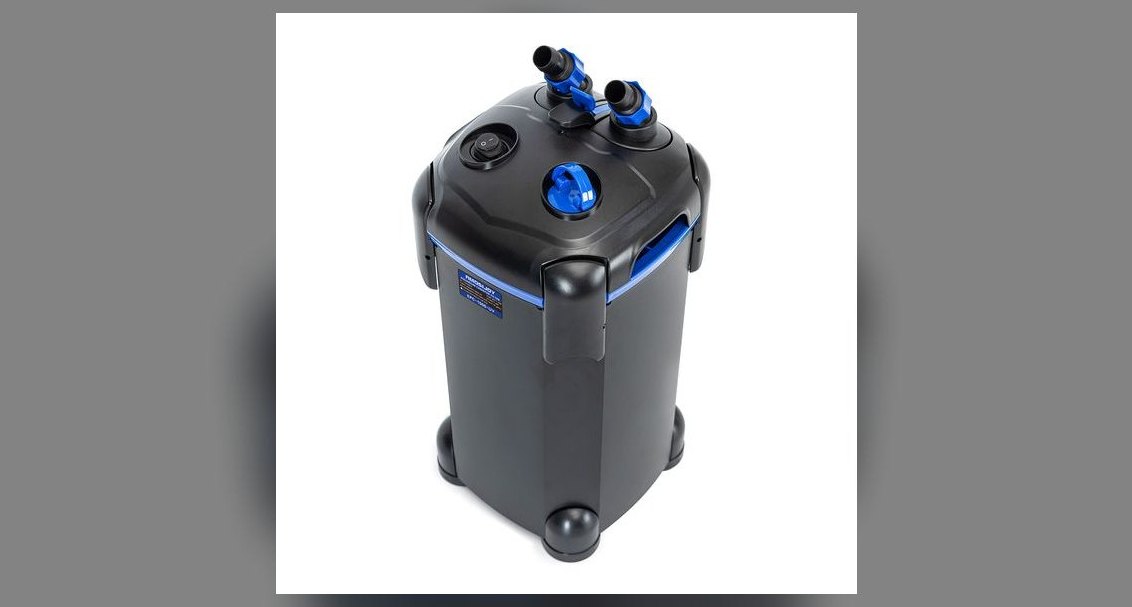 pulse-aquariumsWhat is the best quiet canister filter for a 40-gallon breeder tank in a bedroom in 2026?
 pulse-aquariumsHow to set up a hospital tank for fin rot without medicating the main display in 2026?
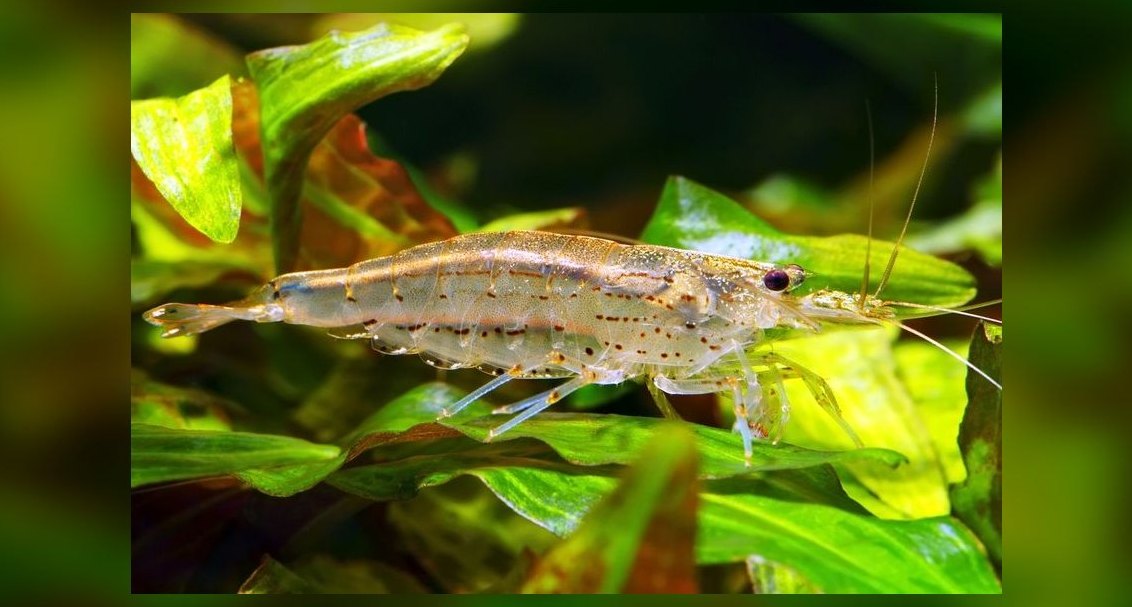 pulse-aquariumsTop 10 Snail-Free Algae Eaters for Small Community Aquariums in 2027
 pulse-aquariumsHow to treat ich in a planted tank without harming invertebrates in 2026?
 pulse-aquariumsTop 10 Nano Reef Tank Builds for Beginners in 2027
 pulse-aquariumsTop 10 Aquarium Backgrounds with 3D Rock Textures for Natural Tanks (2027)
 pulse-aquariumsWhy is my aquarium pH dropping overnight and how to prevent it in 2026?
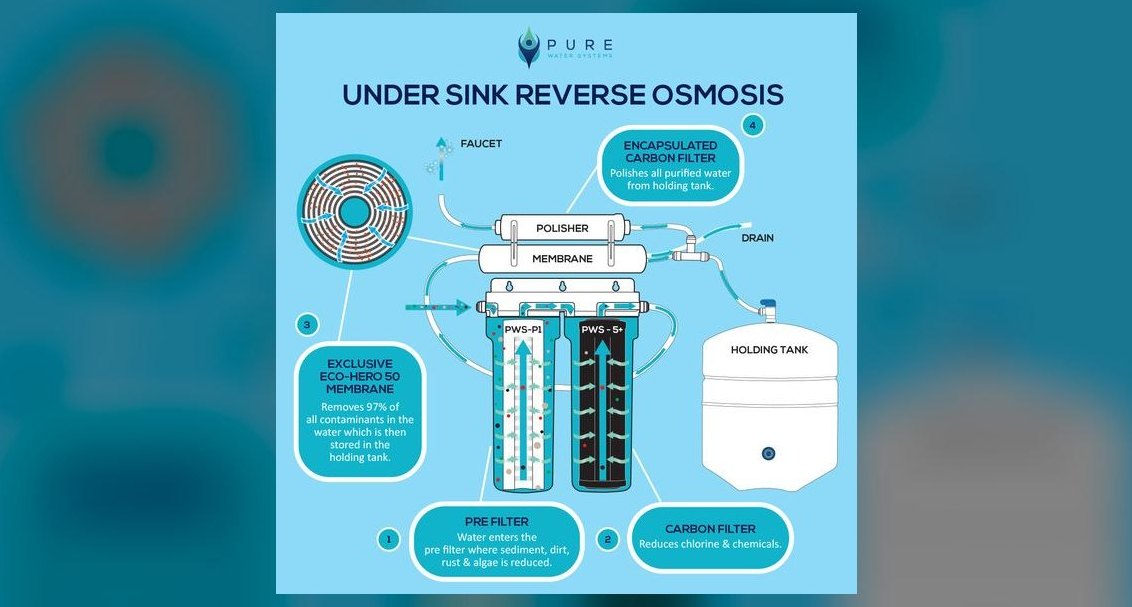 pulse-aquariumsCan I use reverse osmosis water for a freshwater community tank in 2026?
 pulse-aquariumsTop 10 Sand Sifting Cleaner Kits for Bare-Bottom Aquarium Maintenance (2027)