

Best LED lighting schedule for low-light aquatic plants like Java moss?
 Curated byKory White · Fractional CRO · Maryland
Quality
Certified
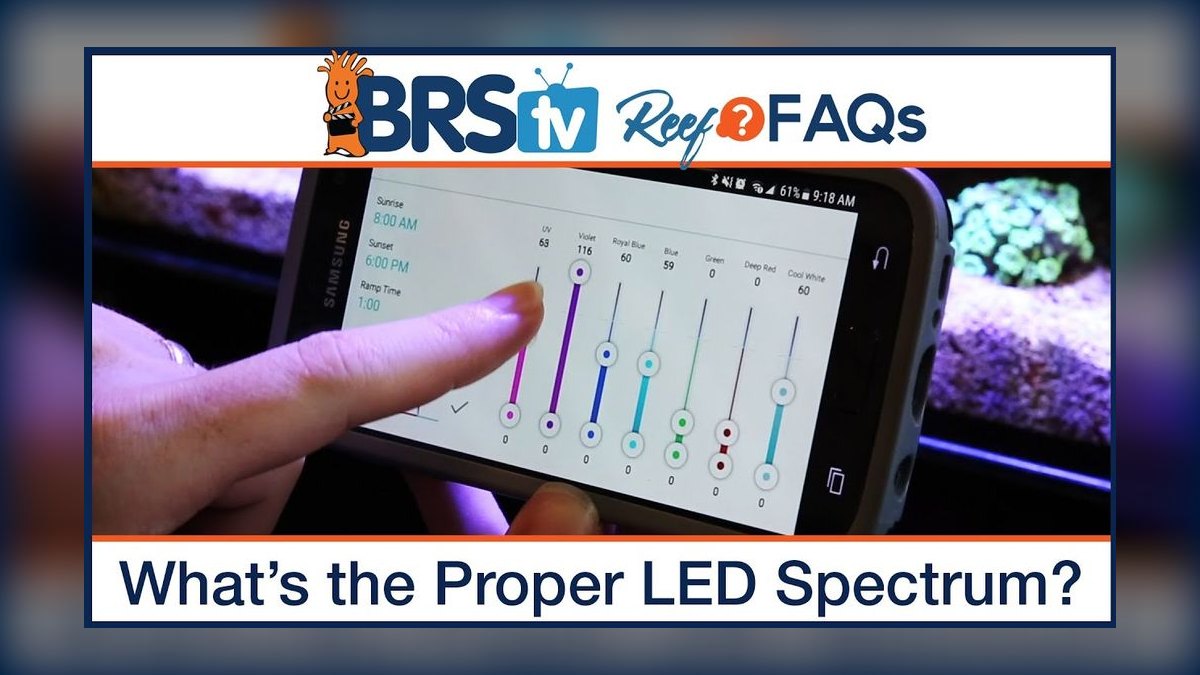
Run low-light plants like Java moss on 8–10 hours of LED light per day at roughly 15–30 µmol/m²/s PAR at the substrate, with a 20–40 minute ramp at each end and an uninterrupted dark period. Start at 8 hours and dim output; extend only if growth stalls and no algae appears.
What a low-light photoperiod actually is and why the number matters
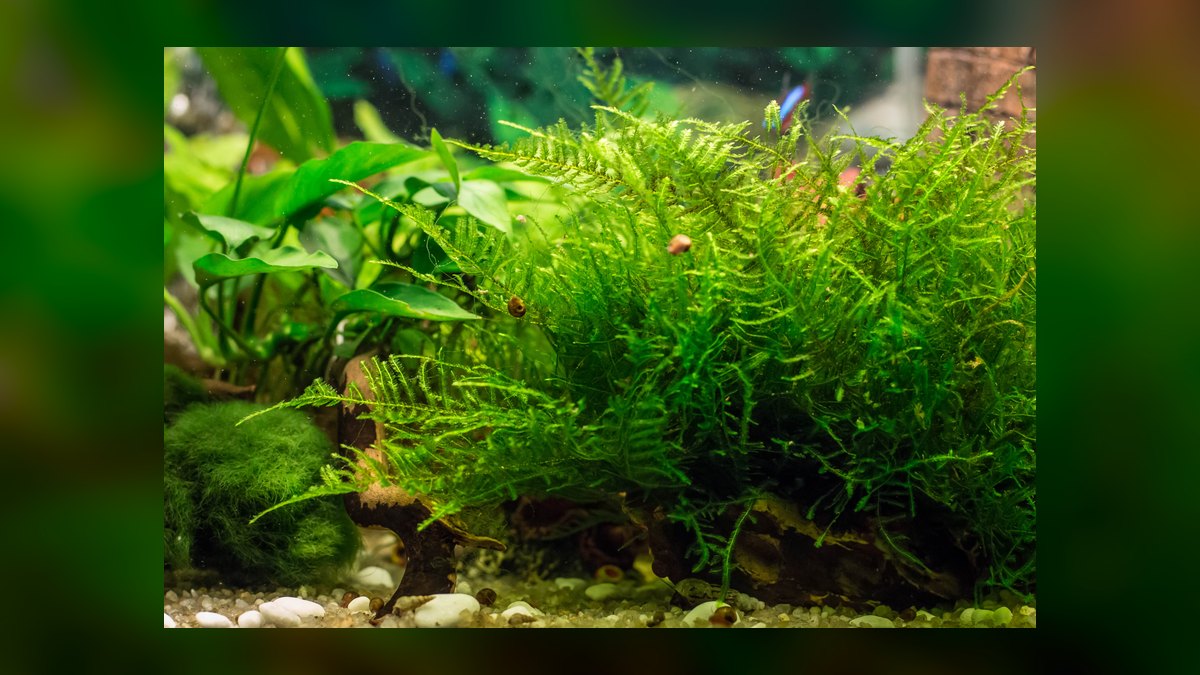
A photoperiod is nothing more than the number of hours per day your fixture is on, but the number gets treated like a magic constant when it is really one leg of a three-legged stool: duration, intensity, and the nutrients available to use them. Java moss (*Taxiphyllum barbieri*) is famously tolerant, which is exactly why people get its lighting wrong. It survives in a dim corner of a shrimp tank running six hours a day, and it survives blasted under a high-output fixture for twelve — but the growth habit, color, and algae load in those two tanks are wildly different, and only one of them is low-maintenance.
The useful mental model is that the plant has a ceiling on how much light it can convert into growth. Below that ceiling, more light means more photosynthesis. Above it, the extra photons do not become moss — they become dissolved oxygen, waste heat, and, crucially, food for algae, which have no such ceiling in a nutrient-rich aquarium and will happily exploit surplus energy your moss cannot use. Java moss saturates at a low light level compared with stem plants; that is the whole definition of a "low-light plant." So the schedule question is really a question about *how long to hold the plant near its saturation point without handing algae an advantage*.
Two units come up constantly and they are not the same thing. PAR (photosynthetically active radiation) describes light in the 400–700nm band that plants can actually use. PPFD (photosynthetic photon flux density) is the measurement of how many of those photons land on a surface per second, expressed in µmol/m²/s — that is the number people mean when they say "my tank gets 30 PAR." Lumens and lux, printed on most consumer fixture boxes, are weighted for human eye sensitivity and are close to useless for plants; they overweight green light, which plants reflect. If a fixture's spec sheet lists lumens and nothing else, you are being sold brightness, not growth.
For Java moss and its low-light cousins — Anubias, Java fern, Cryptocoryne, Bucephalandra, most Vesicularia mosses — the working band is roughly 10–35 µmol/m²/s at the plant's own depth, not at the water surface. That distinction matters enormously. Water attenuates light fast, and a fixture that reads 80 at the surface of a 20-inch-tall tank may read 25 at the substrate. If your moss is tied to driftwood halfway up the water column, it is living in an entirely different light environment than the moss carpeting the bottom, and one schedule serves both only because the plant is forgiving.
Duration and intensity trade against each other, but not linearly and not infinitely. Daily Light Integral (DLI) — total photons delivered per day — is the horticultural metric that captures the combination, and low-light aquarium plants generally do well somewhere in the range of a few mol/m²/day. You can reach a similar DLI with six hours of moderate light or eleven hours of dim light. The reason practitioners still converge on the 8-hour neighborhood is that long, dim photoperiods favor algae disproportionately: cyanobacteria and diatoms are more efficient at low light levels than higher plants are, so stretching a weak light out over twelve hours tilts the competitive balance toward the organisms you do not want. Shorter and slightly brighter usually beats longer and dimmer for a planted tank, up to the point where "brighter" exceeds what the plant can consume.
The dark period is not dead time. Plants respire around the clock, and the dark phase is when a range of metabolic housekeeping happens — carbohydrate transport, repair, and, in the aquarium context, the recovery of CO₂ levels in an un-injected tank. A continuous dark block of at least eight hours is the norm, and there is no credible benefit to breaking it up. Moonlight LEDs are decorative, not horticultural; if you run them, run them at a level that is genuinely dim, and know that they buy the plant nothing.
The anchors here are worth stating plainly: a lighting schedule for aquatic plants is a management decision about competition. You are not optimizing for the fastest possible moss. You are optimizing for the moss to out-compete algae with the least intervention from you.
The step-by-step process for dialing in a schedule
The mistake most people make is treating this as a one-time setting. It is a short tuning loop that converges in about six to eight weeks and then runs itself for a year. Here is the sequence that works.
Step one: establish the baseline before you touch the timer. Note your fixture, its mounting height, the water depth to the moss, and whether the fixture has a dimmer. Photograph the moss against a fixed reference — the same corner of the tank, same angle, same time of day. You will be comparing to this photo in two weeks and your memory is not reliable. If your tank is new, note the date; a tank under about three months old is still cycling its biofilm and bacterial populations, and algae blooms in that window are usually maturity problems, not lighting problems. Shortening the photoperiod in a six-week-old tank often just slows the plants without touching the actual cause.
Step two: set the conservative starting point. Eight hours of full output, with a ramp of 20–40 minutes on each end if the fixture supports it. If the fixture has a dimmer, start at roughly one-third output; most modern LED fixtures sold for planted tanks are substantially over-powered for a moss-and-Anubias setup. If it has no dimmer, raise it further from the water, add floating plants, or in the worst case put a layer of window screen material between fixture and glass — old-fashioned, and it works. Pick a clock window that suits *you*, because the one thing worse than a suboptimal schedule is one you keep overriding to look at the tank in the evening. If you are home at 6pm, run 12:00–20:00, not 07:00–15:00.
Step three: hold it for two full weeks, changing nothing else. This is the step people skip. If you adjust light and dosing and flow in the same week you learn nothing, because you cannot attribute the result. Two weeks is roughly the resolution at which Java moss growth becomes visible — it is not a fast plant, and expecting a verdict in four days will lead you to over-correct.

Step four: read the tank, in this priority order. First the glass and hardscape: is there new algae, and what kind? Green dust on the glass, brown diatom film on leaves and decor, dark green or blue-green sheets that peel off in mats, or black tufts on moss tips — each points somewhere different and I will unpack them below. Second the moss itself: new bright-green growth at the tips means the schedule is working; pale, stringy, stretched growth means it is reaching for light; browning interior means either shading, detritus accumulation, or heat. Third the water: an unexplained pH swing, a filter that has slowed, or a temperature creep are confounders that will masquerade as lighting problems.
Step five: change exactly one variable, by a small amount. If growth is fine and there is no algae, you are done — leave it. If growth is slow and there is no algae, add 30 minutes to the photoperiod, or raise intensity slightly, and hold two more weeks. If there is algae, cut 60 minutes off the photoperiod *or* drop intensity, and hold. The discipline of one change per cycle is what makes the loop converge instead of oscillating.
Step six: lock it and write it down. Once you have two consecutive stable cycles, record the settings — hours, ramp, intensity percentage, fixture height — somewhere that survives a power outage or a fixture replacement. This is the single highest-value five minutes in the whole process, and almost nobody does it. When the timer resets after a storm, or you upgrade the light in eighteen months, that note is the difference between reproducing a known-good setup and starting the tuning loop over from scratch.
The loop above is deliberately boring. Its value is that it forces a two-week observation window between changes, which is the shortest interval at which a slow-growing plant gives you an honest signal.
One adjacent workflow worth borrowing: if you keep multiple tanks, stagger their photoperiods rather than running them all on the same clock. It spreads the electrical load, it spreads *your* maintenance attention across the evening, and it gives you a natural A/B comparison — if two tanks share a fixture model and differ only in hours, you learn something real about your own water. The same logic applies if you run an emersed setup or a paludarium alongside a submerged tank; emergent growth tolerates and often wants noticeably more light than the same species growing underwater, so a shared fixture over a split setup usually needs to be positioned rather than scheduled to serve both.
Costs, timelines, and typical ranges
Money first, because it is usually smaller than people expect and it changes the calculus on hardware.
Electricity is nearly a rounding error at this scale. A fixture appropriate for a low-light 10–20 gallon tank draws something in the range of 10–30 watts. Run 20 watts for 8 hours and you have used 0.16 kWh — at typical residential rates in the US, low single-digit cents per day, on the order of a dollar or two a month. Going from 8 hours to 12 adds roughly half again to that, which is real but trivial. This means the argument for a shorter photoperiod is almost entirely about algae and plant health, not about your power bill, and anyone selling you a schedule on energy-savings grounds is selling you the least important benefit. Where wattage does matter is in aggregate: a rack of ten tanks in a fishroom turns a rounding error into a line item, and that is the context where dimming and shorter photoperiods pay for themselves.
Timers and controllers span an order of magnitude. A basic mechanical outlet timer is inexpensive and works, with two caveats — it has no ramp, and cheap mechanical timers drift, so they need a monthly glance. A basic digital outlet timer costs a little more, holds time better, and handles multiple on/off blocks. A smart plug adds phone control and scheduling that survives power cuts if it re-syncs, but a plug can only switch power on and off; it cannot ramp a fixture that has no dimming circuit of its own. Ramping requires either a fixture with a built-in controller or a dimmable driver — no outlet-level device can fake it. That is the main functional reason to spend more on the fixture rather than on the timer.
PAR meters are the expensive item and mostly not worth buying. A proper quantum sensor is a professional instrument priced accordingly, and for one or two low-tech tanks the purchase makes little sense. The practical alternatives: borrow one from a local aquarium club (many clubs own one and lend it), consult the PAR charts that reputable fixture manufacturers publish for their own products at given depths and mounting heights, or use one of the smartphone apps that estimate PPFD from the phone's ambient light sensor. The apps are approximate — accuracy depends on calibration for your light's spectrum and on the phone model — but for the question "am I at 20 or at 120," approximate is genuinely sufficient. You do not need a precise number. You need to know which order of magnitude you are in.
Timelines are where expectations most often break. Java moss under a correct low-light schedule is not a fast plant. Expect the first clear signal — bright new tip growth — in one to three weeks, and expect a visible change in the overall mass of a portafolio-sized clump on the order of a month or more. A moss wall or carpet filling in is a multi-month project, commonly two to four months from a thin initial tie-down to something that reads as dense. If you are impatient and crank the light to accelerate it, you will get algae before you get moss, because the algae respond within days and the moss responds within weeks. That asymmetry in response time is the single most important thing to internalize about lighting a low-tech tank.
Trimming and maintenance follow from that: a healthy moss clump typically wants a trim every four to eight weeks to stop the interior from browning out as the outer layer shades it. Trimming is also a light management action — thinning the mass lets light reach the interior, which is often the actual fix when someone diagnoses "my moss is browning underneath" as a lighting-schedule problem. It usually is not the schedule. It is self-shading.
Fixture lifespan and output decay are worth budgeting for. LEDs do not fail like incandescent bulbs; they dim gradually, and the diodes plus their drivers degrade over years, not months. A quality fixture holds usable output for a long time; budget fixtures degrade faster and can shift color as individual diodes fail. Practically, if a tank that was stable for two years starts showing stretchy, reaching growth with no other change, aging output is a legitimate suspect — but check the cheap causes first. A film of hard-water spray and dust on the underside of the fixture or on the tank's cover glass can cut delivered light substantially, and wiping it takes thirty seconds. Clean the glass before you conclude your LED is dying.
Adjacent cost note for anyone scaling up: if you are running a shrimp colony, a breeding rack, or a small aquascaping side business, the schedule decision compounds. Standardizing every tank on the same fixture model and the same photoperiod makes problems diagnosable — when one tank in ten misbehaves, the nine others are your control group. Bespoke settings per tank feel like optimization and are actually how you lose the ability to troubleshoot.
Where people get this wrong
Chasing "dull-looking moss" with more light. This is the number one failure mode. The moss looks less vibrant than the photo on the forum, so the instinct is to turn the light up. But Java moss's appearance is driven at least as much by nutrient availability, flow, and cleanliness of the fronds as by photon count, and cranking intensity in a tank that is already at the plant's saturation point does nothing except feed algae. If the moss is growing but looks unspectacular, the answer is almost never more light. Check flow first — moss in dead water accumulates detritus in its fronds and goes grey-brown regardless of the schedule.
Changing three things at once. Someone sees algae, so they cut the photoperiod, start dosing a liquid carbon product, and do a big water change in the same afternoon. The algae recedes and they have learned nothing transferable. Six weeks later it comes back and they have no idea which lever mattered. One change, two weeks, observe — the loop above exists precisely to prevent this.
Blaming the schedule for a new-tank problem. Diatoms (the brown dusty film on glass and leaves in a young tank) are close to a rite of passage and typically resolve on their own as the tank matures and silicates deplete. Cutting the photoperiod in month one slows your plants during the exact period you most want them establishing. In a tank under three months old, default to patience over intervention.

Ignoring ambient room light entirely. A tank near a south-facing window may be getting more total daily light from the sun than from the fixture, and that contribution swings seasonally. This is why a schedule that was perfect in December produces an algae bloom in June with nothing else changed. If your tank gets meaningful indirect daylight, treat the fixture as a supplement and expect to shorten it in summer. Direct sun on the glass is a different and larger problem — move the tank or block the window.
Running the light while the tank is unobserved. If the light runs 8am–4pm and you get home at 6, you never see the tank lit. Beyond the aesthetic loss, you lose your diagnostic channel — problems get spotted weeks late. Shift the window.
The "siesta" argument. Splitting the photoperiod into two blocks with a midday gap is a long-standing hobby practice, usually justified on the grounds that it lets CO₂ recover in a non-injected tank. Some people report it helps with algae. The evidence is largely anecdotal, and the mechanism is plausible for CO₂-limited tanks but not obviously relevant to a low-light moss setup that is unlikely to be carbon-limited in the first place. It is a legitimate thing to try if a single block is not working, but it is not a default and it should not be the first change you make. Try the simpler lever — total hours — first.
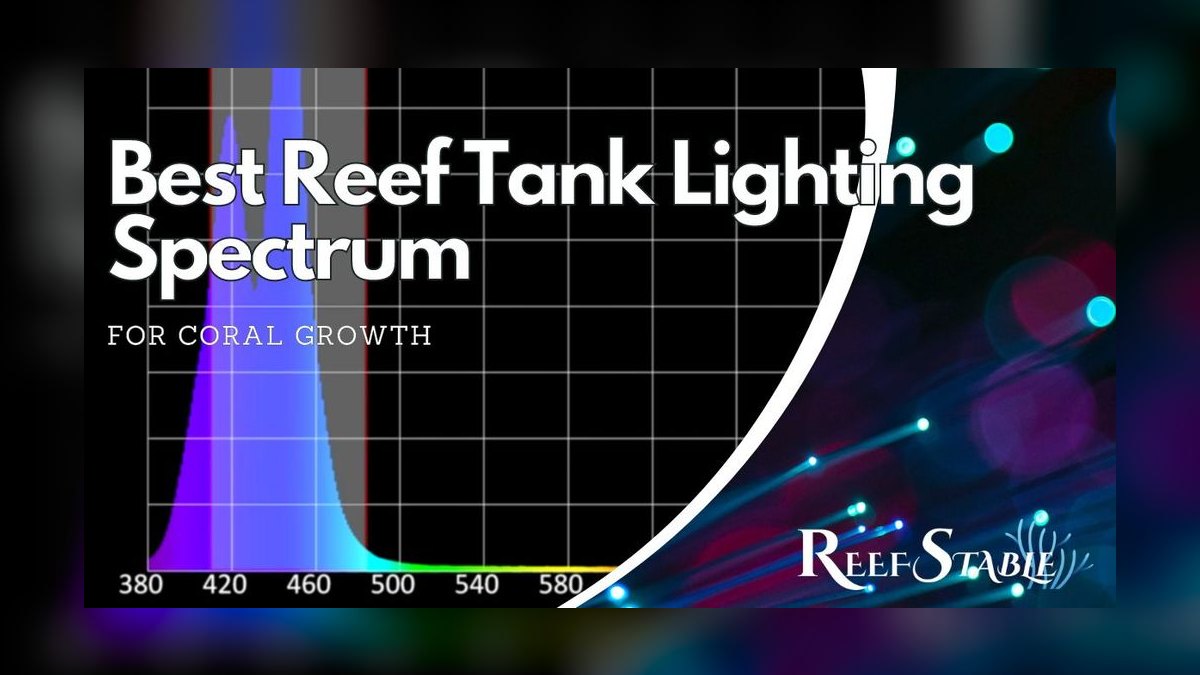
Confusing spectrum problems with schedule problems. A fixture heavy in cool white with little red output will grow low-light plants, but plant-oriented fixtures with substantial output in the red band generally produce better color and denser growth in the same hours. If your moss grows but stays leggy and pale under a schedule that should work, the fixture spectrum is a legitimate suspect — and no amount of schedule adjustment fixes a spectrum problem. That is a hardware swap, not a timer change.
Forgetting heat. A high-output fixture sitting directly on a covered tank contributes real heat to a small volume. Java moss prefers the cooler end of tropical — it does noticeably better in the low-to-mid 70s Fahrenheit than in the low 80s — and it browns and thins in sustained warmth. A tank that browns every summer with an unchanged schedule is telling you about temperature, not photoperiod. Lift the fixture, add a clip fan, or shorten the run during hot months.
Never revisiting. The schedule that was right for a sparsely planted new tank is often wrong two years later when the same tank is full of mature plants shading each other, running an older fixture through a hazy cover glass. A quarterly ten-minute check — clean the fixture, look at growth habit, confirm the timer has not drifted — prevents the slow drift that people notice only when something has gone visibly wrong.
A decision framework: matching the schedule to the symptom
Rather than memorizing a number, work from what the tank is showing you. The framework below covers the common branches; the diagram formalizes it.
Green dust or green spot algae on the glass usually means light is out of balance with nutrients — frequently too much light relative to available phosphate, or simply more total light than the plants can use. In a low-light moss tank this most often means the fixture is over-powered. Dim before you shorten; a shorter blast of too-bright light is still too-bright light.
Brown diatom film in a mature tank (over six months) points toward low light or excess silicate rather than too much light. Counterintuitively, this may call for slightly *more* light or a longer photoperiod, not less — one of the few situations where the fix is upward.
Blue-green sheets that peel off in mats and smell earthy are cyanobacteria, which are bacteria rather than true algae. They thrive in low flow and organic-rich zones, and while a shorter photoperiod is part of the response, the real fixes are increasing circulation, removing the mats physically, and cleaning up detritus. Cutting light alone rarely resolves cyano because it is not fundamentally a light problem.
Black tufts on moss tips — black beard algae — typically correlate with unstable CO₂ and low flow more than with photoperiod length, though excess light contributes. In a moss-focused tank, the practical response is manual removal of affected fronds, improved flow, and a modest reduction in intensity.
No algae, no growth means you are under-lit or under-fed. Extend by 30 minutes, or raise intensity a step, and hold two weeks. If several rounds of that produce nothing, look at nutrients — moss absorbs through its fronds from the water column, so a modest liquid fertilizer dose is more relevant to it than root tabs, which do essentially nothing for a plant with no roots.
Growth plus no algae means stop. Do not optimize a working system.
A few branches worth calling out because they sit just outside the narrow question. If the tank holds shrimp, err shorter and dimmer — the biofilm that shrimp graze develops fine at low light, and shrimp tanks are usually kept cooler, which suits moss. If the moss is a spawning substrate for fish, the priority shifts to density over speed, which means adequate light plus regular thinning so the interior does not brown out. If the moss shares a tank with fast stem plants, you have a conflict: the stems want more light than the moss needs, and the resolution is usually to place the moss in the shaded lower or rear portion of the tank and light for the stems. Zoning by placement solves what no single schedule can.
If the setup is emersed or paludarium-style, throw most of this out — emergent growth has direct access to atmospheric CO₂ and generally tolerates and rewards considerably more light than the same plant submerged. And if the tank runs injected CO₂, the schedule becomes part of a coordinated system: gas typically starts an hour or so before lights and stops around the time lights go off, so the peak is available during peak photosynthesis. Java moss does not need CO₂, but if it is sharing a high-tech tank, its schedule is set by the demanding plants, and the moss simply has to be placed where the resulting light level does not cook it.
Related questions
How many hours of light does Java moss need?
Eight to ten hours daily is the standard working range, with eight as the safe starting point. Six hours will keep it alive but slow. Beyond about eleven hours you are inviting algae without meaningfully increasing moss growth, since the plant saturates at low light levels.
Does Java moss need a dark period?
Yes — a continuous dark block of at least eight hours. Do not split it. Decorative moonlight LEDs are fine aesthetically but provide no plant benefit, and there is no horticultural reason to interrupt the dark phase.
Will more light make Java moss grow faster?
Only up to its saturation point, which is low. Past that, surplus light feeds algae rather than moss. Growth is more often limited by nutrients in the water column, flow, or temperature than by photon count in a tank that already has an adequate fixture.
Should I use a siesta split photoperiod?
It is a legitimate thing to try if a single block is not working, but not a default. The CO₂-recovery rationale applies mainly to carbon-limited tanks, and a low-light moss setup usually is not carbon-limited. Adjust total hours first.
Does the LED spectrum matter or just the hours?
Both. Fixtures with meaningful output in the red band alongside blue generally produce denser, better-colored growth than cool-white-heavy lights at identical hours. A spectrum problem cannot be fixed by changing the timer — that requires different hardware.
FAQ
How do I know if my LED is too bright for Java moss without a PAR meter?
Read the tank instead of the meter. Persistent green spot algae on the glass, black tufts on moss tips, and moss that browns or thins on its most exposed surfaces all point to excess light. On the plant side, healthy low-light growth is compact and bright green; if it looks bleached or the exposed tips die back while shaded interior growth thrives, the fixture is too strong for the setting. Manufacturer PAR charts for your specific fixture at your depth and mounting height are a reasonable free substitute, and a smartphone PPFD app gets you close enough to distinguish 20 from 120.
Can I just use a cheap mechanical outlet timer?
Yes, for most low-light setups. The two limitations are that it cannot ramp — the light goes from off to full instantly — and that mechanical timers drift over weeks. Neither is fatal. A hard on/off is not harmful to plants; the ramp argument is mostly about fish startle response and aesthetics rather than plant physiology. Just glance at the timer monthly to confirm it has not slipped, and check it after any power outage.
My moss is browning in the middle of the clump. Is my schedule wrong?
Probably not. Interior browning in a dense moss mass is usually self-shading — the outer layer grows over the inner layer, which then dies back from lack of light and accumulated detritus. The fix is mechanical: trim the clump back, thin it, and improve water flow through it so debris does not settle in the fronds. If browning is happening on the *outside* surfaces instead, then look at heat, excess light, or water quality.
Should I change the schedule seasonally?
Only if ambient light in the room changes meaningfully. A tank in an interior room with no windows needs no seasonal adjustment. A tank receiving significant indirect daylight often does — the fixture is supplementing a variable natural contribution, so the same setting delivers more total daily light in summer. A modest reduction of an hour during the brightest months is a reasonable response if you see a seasonal algae pattern.
Does Java moss need CO₂ or fertilizer to justify a longer photoperiod?
Java moss does not require CO₂ injection at low light. Fertilizer matters more: because it has no functional roots, it takes nutrients from the water column, so root tabs do nothing for it while a modest comprehensive liquid dose can. If you are extending the photoperiod and seeing no additional growth, nutrient limitation is the likelier constraint than light duration — and extending hours into a nutrient-limited tank mostly grows algae.
What is the single most common mistake with low-light plant schedules?
Impatience. Algae respond to a change in days; Java moss responds in weeks. So people make a change, see algae before they see moss growth, over-correct in the opposite direction, and oscillate indefinitely without ever giving a setting the two weeks it needs to declare itself. Set eight hours, dim the fixture, and leave it alone long enough to learn something.
Sources
- Photosynthetically active radiation — Wikipedia
- Daily light integral — Wikipedia
- Taxiphyllum barbieri (Java moss) — Wikipedia
- Photoperiodism — Britannica
- Cyanobacteria — Britannica
- Aquatic Plants — University of Florida IFAS Center for Aquatic and Invasive Plants
- Lighting Indoor Houseplants — University of Missouri Extension
- Diatom — Wikipedia
- Aquascaping — Wikipedia
Related on PULSE
- Top 10 Types of Moss for Aquascaping (Java, Christmas, Riccia, Flame)
- Top 10 LED Grow Lights for Emergent Aquatic Plants in Paludariums
- Top 10 LED Light Fixtures for Low-Light Aquarium Plants
- Top 10 LED Lighting Fixtures for Planted Aquariums Under $200
- Top 10 Aquarium Moss Species for Aquascaping
- Top 10 Zoo Med Aquatic Products
This page will be disappearing soon. Save it to your device for $1 — or read it free while it is here.
@Kory-White- · if Venmo asks, the last 4 of my number are 2012
This page is gone.
This one is off the shelf now. $1 keeps it on your phone for good — the whole page, pictures and diagrams included.
 pulse-aquariumsTop 10 Submersible Aquarium Heaters with External Controllers for Safety (2027)
 pulse-aquariumsHow to acclimate saltwater fish from the LFS without drip acclimation in 2027?
 pulse-aquariumsTop 10 Canister Filters for Large Cichlid Tanks Over 100 Gallons (2027)
 pulse-aquariumsTop 10 Planted Tank CO2 Regulators for Beginner Aquascapers in 2027
 pulse-aquariumsHow to cycle a saltwater aquarium without using live rock in 2026?
 pulse-aquariumsCan I keep multiple male fancy guppies together without aggression in 2026?
 pulse-aquariumsTop 10 Sand Sifting Cleaner Kits for Bare-Bottom Aquarium Maintenance (2027)
 pulse-aquariumsBest way to quarantine new plants to avoid snail infestation?
 pulse-aquariumsWhat is the best quiet canister filter for a 40-gallon breeder tank in a bedroom in 2026?
 pulse-aquariumsCan I use reverse osmosis water for a freshwater community tank in 2026?