
How to acclimate saltwater fish from the LFS without drip acclimation in 2027?
 Curated byKory White · Fractional CRO · Maryland
 PULSEKNOWLEDGE LIBRARY
Quality
Certified

Float the sealed bag 15–20 minutes to match temperature, then net the fish straight into a bucket of tank water — never pour bag water in. If salinity differs by more than 0.002, add tank water in small doses over 20–30 minutes instead. Fast beats slow once the bag is open.
The outcome you should expect when you skip the drip
Done correctly, a no-drip transfer of a hardy saltwater fish takes 20–40 minutes from the moment you walk in the door to the moment the fish is swimming in the tank, and the fish looks essentially the same on the other side of it: upright, breathing at a steady rate, color mostly intact, tucked into a rock crevice within the first minute. That last part alarms new hobbyists — a fish that vanishes into the rockwork is not a fish that is dying. Hiding for the first 6–24 hours is the normal, expected outcome. What you are watching for instead is the absence of specific distress signals, which the sections below spell out.
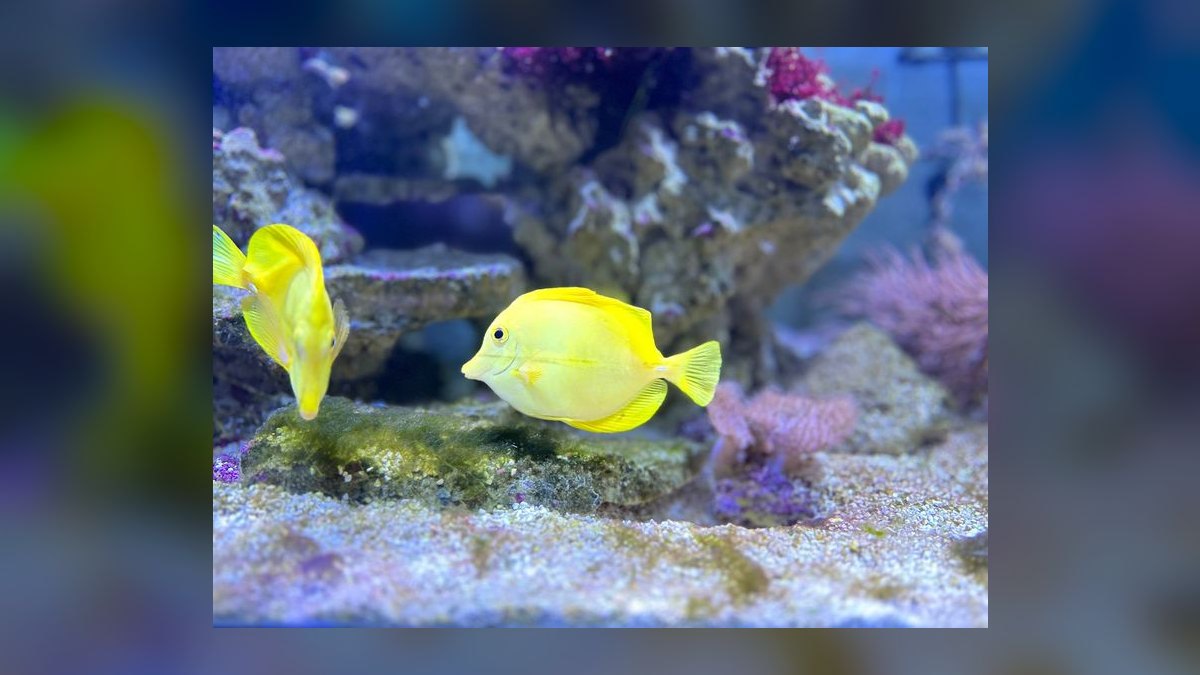
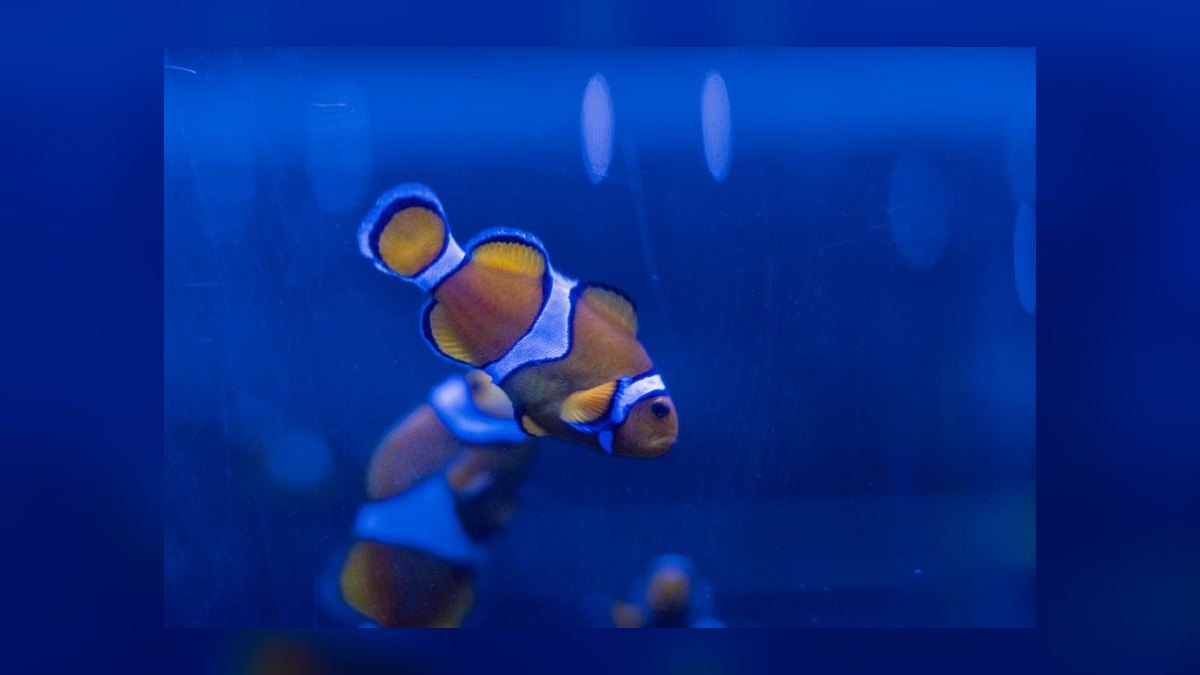
The realistic performance envelope looks like this. For captive-bred clownfish, chromis, damsels, most dottybacks, cardinalfish, and hardy gobies coming from a local fish store with a short transit time and clean bag water, a temperature-match plus a fast, controlled salinity change performs about as well as a 60–90 minute drip. For fish that have been in a bag for several hours, that came from an online shipper, or that arrived with dark, cloudy, or foul-smelling water, skipping the drip is not just acceptable — it is frequently the *safer* choice, for reasons of bag chemistry covered in the next section. For sensitive species — tangs, angelfish, butterflyfish, anthias, mandarins, seahorses, and any wild-caught wrasse — and for all invertebrates, you should expect measurably worse results without a slow acclimation, and you should plan the extra 45 minutes rather than gamble.
A second outcome to expect: the fish will probably not eat on day one. Many will not eat until day two or three. This is not evidence that your acclimation failed. Offer a small amount of food roughly six hours after release, siphon out whatever is refused, and try again the next morning. Dim the lights for the first evening — leaving actinics or a low blue channel on rather than full daylight — and resist the urge to keep checking with a flashlight. Every observation you make with your face at the glass is a stress event for a fish that has spent the day in a plastic bag.
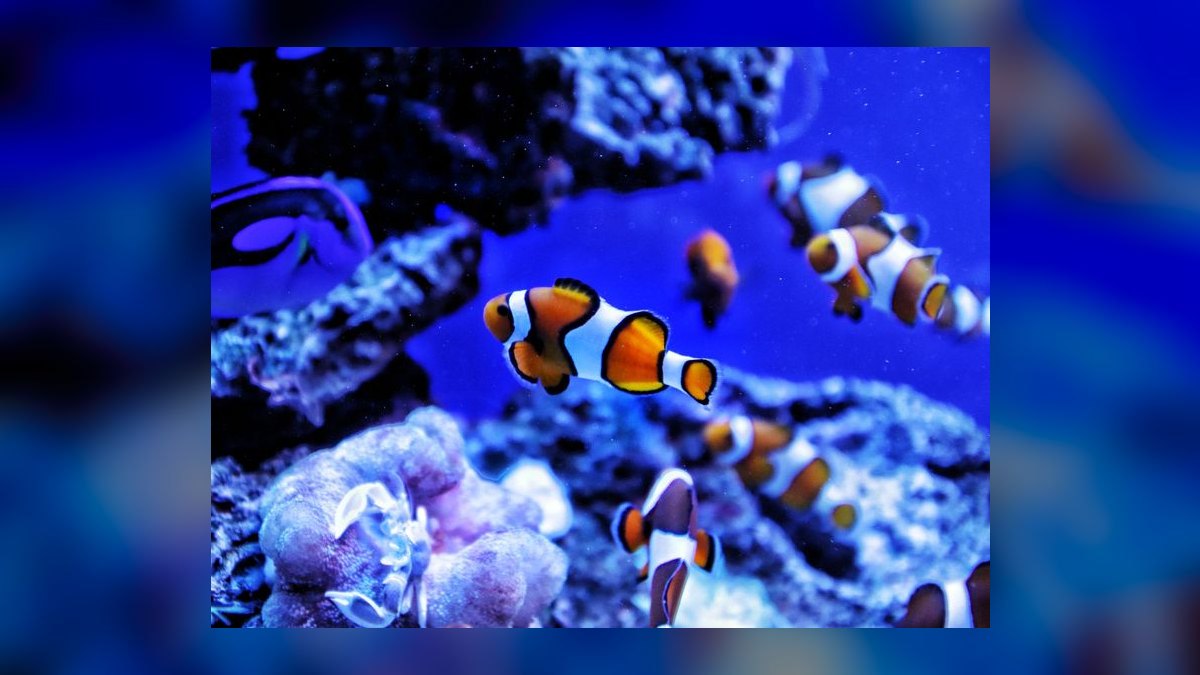
The final expected outcome is the one nobody wants to hear: a small failure rate is baked into the process no matter which method you use. Fish die after transport for reasons that have nothing to do with the last thirty minutes — a rough netting at the store, a collection injury, an existing parasite load, weeks of poor nutrition in a wholesaler's system. If a fish dies within 24 hours of a clean, correctly executed transfer, the acclimation was rarely the cause. Chasing that outcome by adding another hour of dripping usually makes things worse, not better.
What actually drives the outcome
The single most important thing to understand about acclimating saltwater fish without a drip line is what happens to the chemistry inside a sealed bag. While the bag is closed, the fish keeps respiring. Carbon dioxide accumulates, dissolves into the water as carbonic acid, and pushes the pH down — a bag that left the store at pH 8.2 can easily sit at 7.6 or lower after a few hours. That falling pH is doing you a favor. Total ammonia in water exists in equilibrium between ammonium (NH4+, relatively harmless) and free ammonia (NH3, acutely toxic to gill tissue), and that equilibrium is driven by pH and temperature. In acidic or near-neutral water, the overwhelming majority of the ammonia the fish has excreted is locked up as ammonium and the fish is, for the moment, tolerating it.
The instant you open the bag, that protection starts to evaporate. Carbon dioxide off-gasses, pH climbs back toward 8.0+, and a meaningful fraction of that stored ammonium converts to free ammonia — in the same small volume of water the fish is still sitting in. This is the mechanism that makes a long, slow drip into bag water an actively bad idea for a fish that has been bagged for hours. The drip is protecting the fish from an osmotic change that takes minutes to matter, while exposing it to an ammonia spike that takes minutes to build. Speed is not a compromise here. Below a certain bag-water quality threshold, speed is the correct technique and the drip is the mistake.
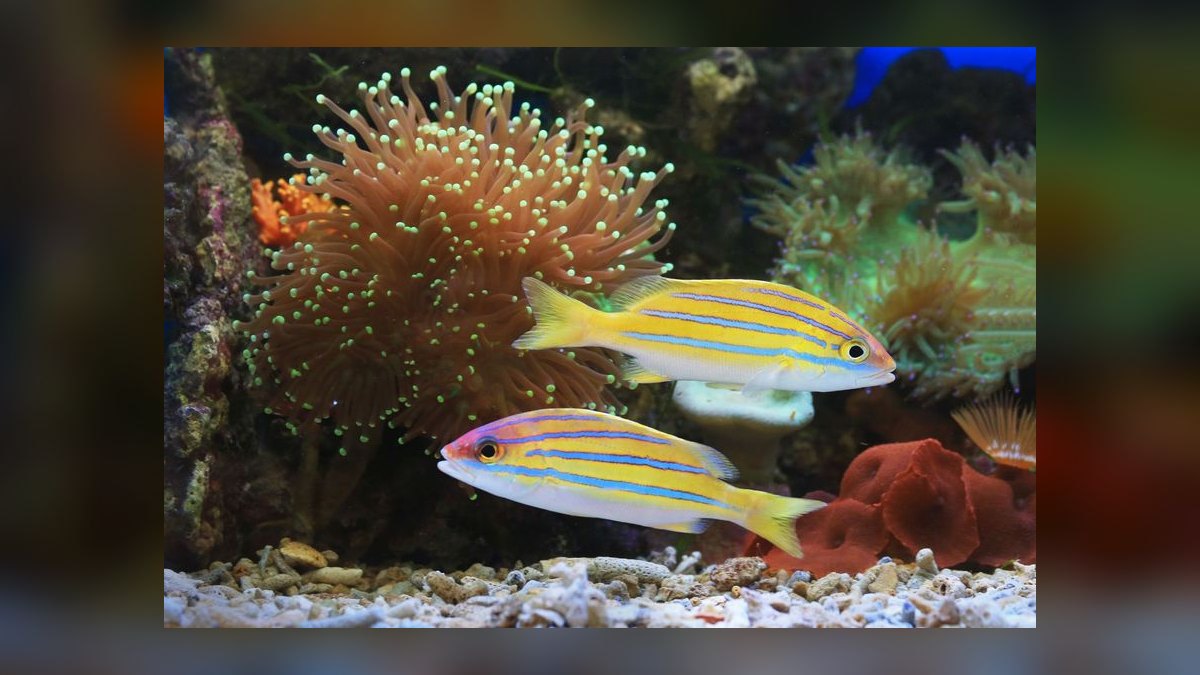
The second driver is temperature, and it is the one variable you should never rush. Thermal shock is fast, physical, and unforgiving — a swing of more than about 2°F in a few seconds stresses a fish far more than a comparable salinity change does. Floating the sealed bag costs you nothing chemically, because the bag is still closed and the CO2 is still holding pH down. This is why every non-drip protocol starts with a float and why the float is the one step you never trim.
The third driver is the salinity delta itself. Marine fish osmoregulate — they actively drink seawater and pump out excess salt through chloride cells in the gills. They can adjust to a modest change in ambient salinity in a matter of minutes to hours; hobbyist hyposalinity treatment moves fish from roughly 35 ppt to 16 ppt over a day or two routinely. A gap of 0.002 in specific gravity is trivial. A gap of 0.010 is not, and it is far more common than people expect, because many stores deliberately run their fish systems at reduced salinity to suppress parasites. Measuring is what converts this from a guess into a decision.
The fourth driver is dissolved oxygen. A sealed bag has a finite oxygen headroom, and a warm bag has less than a cool one. Once you open it, surface area and agitation matter — which is the main argument for decanting into a bucket rather than working inside the bag.
Benchmarks and realistic ranges
Work from numbers, not vibes. A typical reef or fish-only marine display runs 75–80°F, specific gravity 1.024–1.026 (roughly 33–35 ppt), pH 8.0–8.4, ammonia and nitrite at zero. Those are your targets on the receiving end. What you are comparing them against is whatever the store keeps its holding system at, and the honest answer is that you often do not know until you test.
Temperature: aim to be within 1°F before you open anything. A sealed bag floating in a display equalizes surprisingly slowly because the plastic and the trapped air insulate it — 15 minutes is the working minimum for a standard 1-gallon bag, 20 minutes is better, and if the bag came home in a cold car in winter, give it 25. Beyond about 30 minutes floating, you start trading a shrinking temperature benefit against a growing oxygen and ammonia problem, so 30 minutes is a practical ceiling, not a "longer is safer" situation.
Salinity: a delta of 0.002 or less in specific gravity is a non-event — net the fish across directly. From 0.003 to 0.005, step it over 20–30 minutes. Above 0.005, and especially above 0.008, you are outside the safe envelope for a fast method and should either drip properly or extend the stepped approach to 45–60 minutes in a bucket with airflow. Note the asymmetry: moving a fish from lower salinity *up* to full-strength seawater is the harder direction, because the fish has to ramp up its salt-excretion machinery. Stores running hyposalinity at 1.018–1.021 are common, which means the fast method is off the table more often than hobbyists assume.
pH: a difference of 0.2 is fine. Around 0.3–0.4 you should slow down. Larger than that, and you almost certainly have a bag that has been sitting — which loops you straight back to the ammonia problem, and argues for getting the fish *out* quickly rather than blending the two waters for an hour.
Time in bag: under two hours is the comfortable window for treating bag water as usable. Between two and six hours, treat the bag water as compromised and prioritize getting the fish out of it. Past six hours — typical for overnight shipping — the bag water should be considered hostile, and the standard practice is a short float followed by a direct net-across into properly matched water, sometimes with a dose of an ammonia-binding conditioner in the receiving container.
Volume ratios matter more than most guides admit. A 1-gallon bag holding maybe a quart of water, sitting in a 5-gallon bucket, is a very different dilution problem than the same bag sitting in a 1-gallon container. If you decant into a bucket and add tank water in 1-cup increments every 5 minutes for 30 minutes, you have added roughly 1.5–2 quarts to about 1 quart of bag water — enough to cut the original bag chemistry to roughly a third. That is the whole mechanism: dilution by a known amount on a known clock, achieved without a drip line.
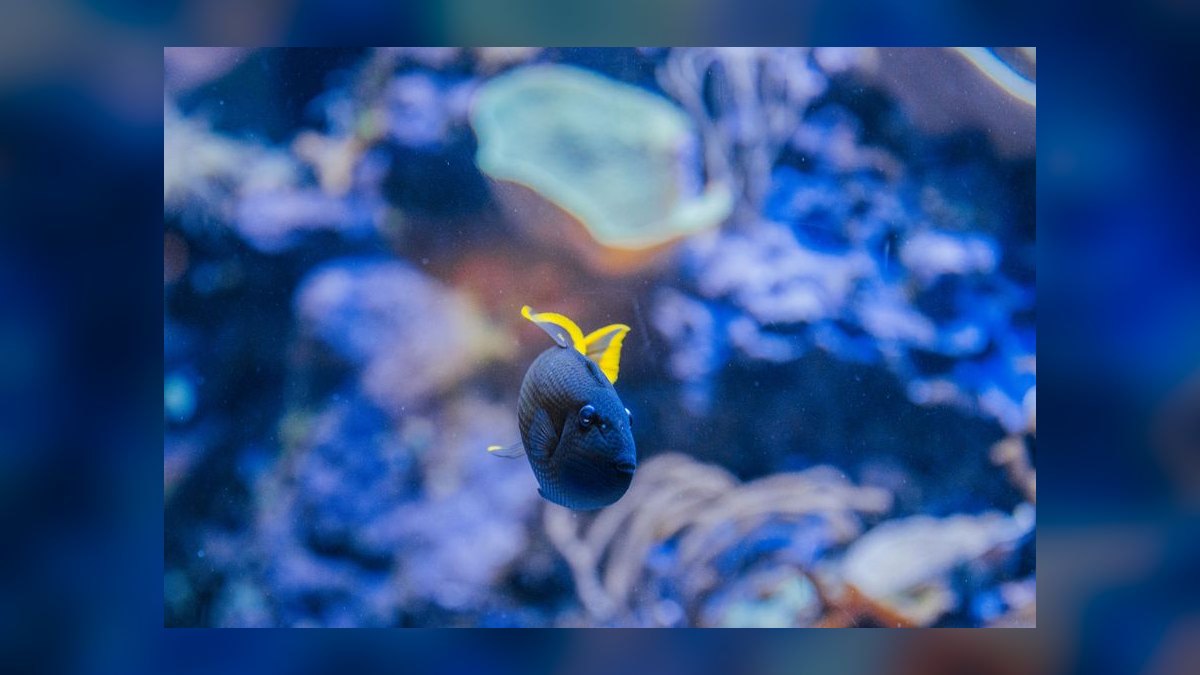
Gear benchmarks: a handheld refractometer, calibrated with a proper 35 ppt calibration fluid rather than tap water, is the tool that makes every number above real. Swing-arm hydrometers drift badly with age, salt crust, and temperature, and a hydrometer reading off by 0.003 is enough to make you confident about a transfer that is actually risky. Beyond that, the list is short: a clean 5-gallon bucket used for nothing else, a soft net or a specimen container, a small air pump with an airstone, and a timer.
Risks, edge cases, and failure modes
The most common way this goes wrong is also the easiest to avoid: pouring bag water into the display. Store water carries whatever is circulating in a shared system — ich tomonts, velvet, flukes, brooklynella, plus copper or other medications if the store treats prophylactically. Copper in particular is a problem, because even trace amounts are toxic to shrimp, snails, and corals and will bind into rock and sand where you cannot easily remove it. Always net the fish or lift it in a specimen cup, and put the bag water down the drain. The one nuance worth naming: netting is itself abrasive to slime coat and stressful, so for very small, delicate, or spiny fish, scooping with a rigid container and pouring the fish over a net held above the bucket beats chasing it around with mesh.
The second failure mode is the slow drip into fouled water, described above. If the bag water is cloudy, yellowed, or smells sharp or sulfurous, the drip becomes the risk. Get the fish out. This is exactly the case where acclimating without a drip is the superior technique, not a shortcut.
The third is thermal, and it usually happens on the release rather than the transfer. A bucket sitting on a cold garage floor for 40 minutes can drop several degrees while you are carefully managing salinity. Either float the receiving container in the display, put a small heater in the bucket, or work in a warm room and check the bucket temperature before you release.
Oxygen depletion is the quiet one. A fish in a small volume of warm, ammonia-laden water with no surface agitation will start showing rapid, shallow gill movement and may hang at the surface. An airstone on the bucket costs almost nothing and removes the entire failure mode. Do not use a powerhead pointed at a small, weak fish — gentle bubbles are enough.
Species edge cases deserve their own list. Invertebrates are the big one: shrimp, crabs, snails, starfish, urchins, and corals are osmoconformers, meaning their internal fluids track ambient salinity directly and they have no active mechanism for buffering a change. They genuinely need slow acclimation and are the worst candidates for a fast method — starfish and urchins especially, where a rushed transfer causes damage that shows up days later as tissue loss. Among fish, tangs, angelfish, butterflyfish, anthias, mandarins, seahorses, pipefish, and wild-caught wrasses all sit on the sensitive end. Wrasses add a second wrinkle: many dive into the sand when stressed, so a bare-bottom quarantine can leave them with nowhere to hide and no rest.
There is also the failure mode of doing everything right and then releasing into a tank that is not ready. A tank that is not fully cycled, a display with an established aggressive fish that will hammer a newcomer, or a system with the lights blazing at noon will undo a flawless transfer. Feed the existing residents first, rearrange rockwork if you are adding to an established territory, kill the main lights, and release with the tank as calm as you can make it.
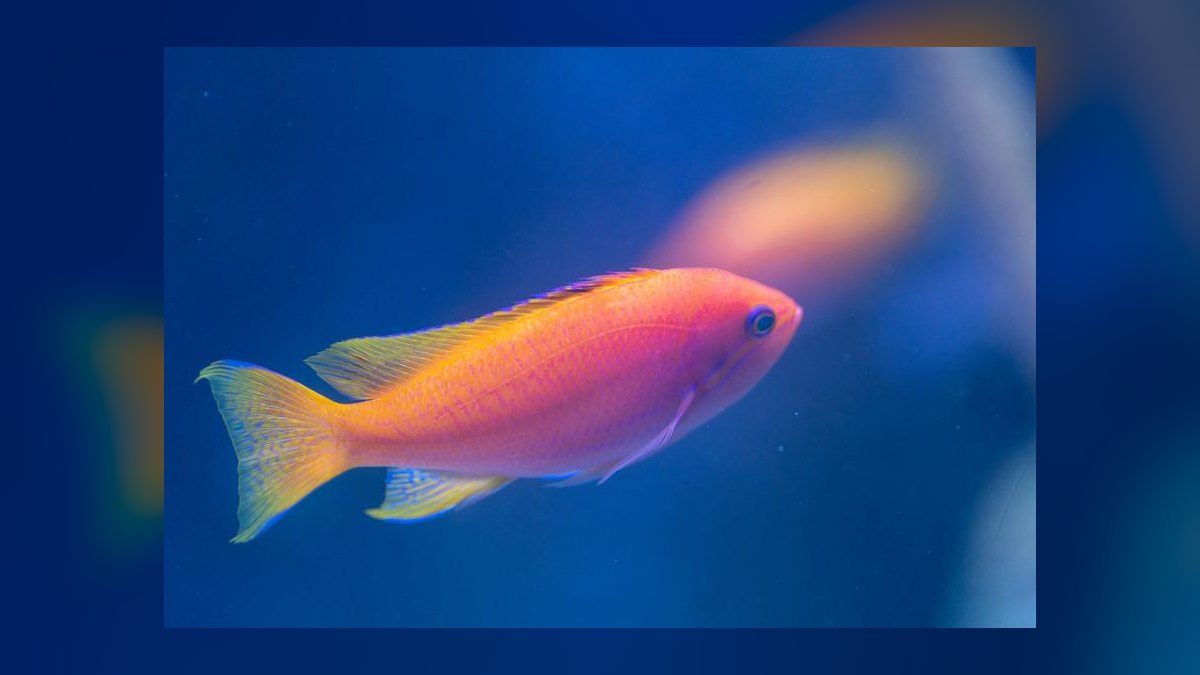
Finally, monitoring. Watch for gill rate roughly double the resting rate, clamped fins held tight to the body, scratching against rock or sand, loss of color, listing to one side, or hanging motionless at the surface or in high flow. If any of these appear in the first few hours, the correct response is patience plus stable water — not a chemical intervention. Test ammonia and pH, do a modest water change if anything reads high, keep the lights off, and leave the fish alone. Automated controllers such as the Neptune Systems Apex can alarm on temperature and pH drift overnight, which is useful for catching a heater failure during the vulnerable first week, but no controller substitutes for looking at the animal.
A practical rollout plan
Here is the sequence, with a clock, for a standard local fish store purchase where you have decided to acclimate the fish without a drip.
Before you leave the house. Confirm your own parameters: temperature, specific gravity on a calibrated refractometer, pH. Write them down. Have the bucket, airstone, net, and specimen container clean, dry, and staged. If you run quarantine, get the QT up to matched parameters at least a day ahead.
At the store. Ask two questions: what salinity the holding system runs at, and how long the fish has been in-house. A store that answers "1.021" has just told you the fast method may not apply. Ask them to bag with as much air headroom as water, and put the bag in a dark bag or box for the ride — darkness meaningfully reduces stress and activity, which slows ammonia production.
Minute 0 to 15–20. Get home fast and float the sealed bag in the destination tank. Do not open it. Do not add anything. Clip it to the rim so it cannot tip. While it floats, set the bucket beside the tank and drop the airstone in.
Minute 20. Open the bag and immediately test the bag water — salinity at minimum, pH and ammonia if you have quick tests. This one measurement decides everything that follows.
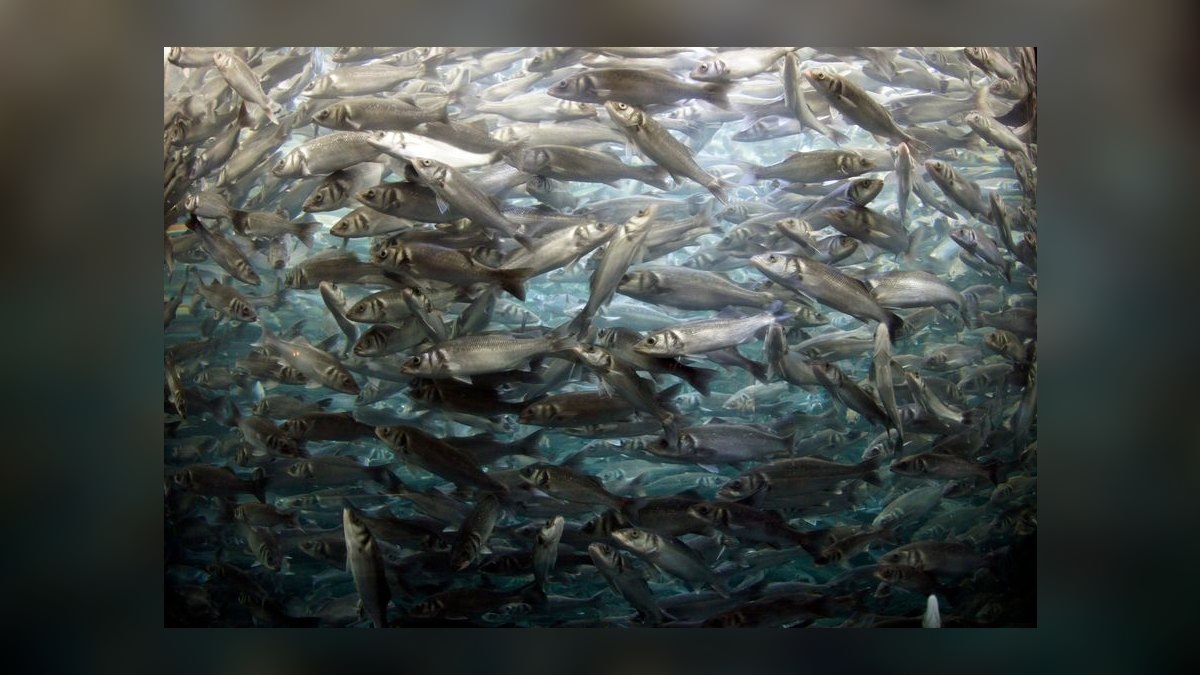
If the delta is small (≤0.002 SG, ≤0.2 pH, clear water): net the fish directly into the display or quarantine and discard the bag water. Total elapsed time about 22 minutes. There is nothing more to gain.
If the delta is moderate (0.003–0.005 SG): pour the fish and bag water into the bucket, discard about half the bag water, and add tank water in 1-cup increments every 5 minutes for 25–30 minutes. Retest, then net across. Total elapsed time about 50 minutes.
If the bag water is fouled or the fish has been bagged more than a couple of hours: skip the blending entirely. Net the fish into a container of clean, temperature-matched tank water — the salinity difference is a smaller threat than the ammonia flip — and give it 10 minutes in that clean water before releasing. Getting it out of the bag is the intervention.
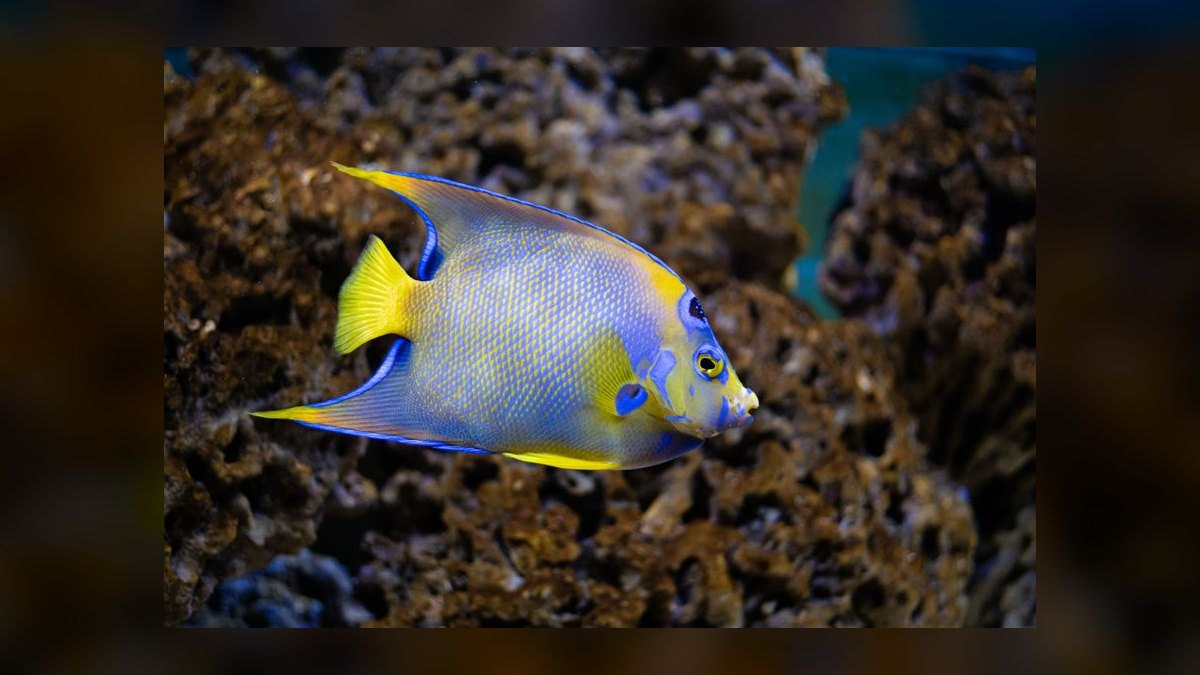
If the delta is large (>0.005 SG) or the species is sensitive: stop. Set up a real drip or run the bucket method out to 60 minutes with an airstone and a heater. There is no version of a fast transfer that makes a 0.010 swing safe for a tang.
After release. Lights off or dimmed for the evening. No feeding for about six hours, then a small offering. Do not chase the fish, do not net it back out to "check on it," and do not dose anything preventively. Test ammonia the next morning, especially in a small quarantine, and change water rather than reaching for additives if it reads above zero.
The repeatable version. Once you have done this three or four times, the whole protocol collapses into a habit: float twenty, test once, decide, dilute or net, discard the bag water, dim the lights, walk away. The discipline is in the single measurement at minute twenty. Everything else follows from it, and the hobbyists who lose fish to fast transfers are almost always the ones who skipped that test and assumed the store ran the same salinity they do.
Related questions
Is drip acclimation actually better, or just traditional?
For invertebrates and sensitive fish species, it is measurably better — they cannot buffer a rapid salinity change. For hardy fish with clean bag water and a small salinity delta, it offers little advantage, and for fish sitting in fouled bag water it can be actively harmful by prolonging ammonia exposure after the bag is opened.
How long can a fish safely stay in the bag?
Under two hours is comfortable. Past that, waste accumulates and oxygen falls, and the bag chemistry becomes the dominant risk. Overnight-shipped fish are routinely bagged 12–24 hours and are handled with a short float and an immediate net-across rather than any blending method.
Do I still need quarantine if I skip the drip?
Yes — the two are unrelated. Acclimation manages temperature, salinity, and pH. Quarantine manages parasites and disease, which no acclimation method addresses. A separate observation tank run for several weeks remains the single highest-value practice for a marine system.
What if I do not own a refractometer?
Then you are guessing, and you should default to the slower method. If you must proceed, use the bucket approach with a full 30–40 minutes of stepped dilution, which covers a wider range of unknown deltas. Then buy a refractometer and calibration fluid before the next purchase.
Can I acclimate corals and shrimp the same fast way?
No. Invertebrates track ambient salinity internally with no active regulation, so they need a genuinely slow change — typically 45–60 minutes or more. Shrimp, starfish, and urchins are the least forgiving of a rushed transfer, and the damage often appears days later.
FAQ
Can I pour the bag water in if the fish came from a store I trust?
No. Trust is not the variable — shared holding systems are. Even a spotless store circulates water through a central sump serving dozens of tanks, and pathogens, plus any copper or medication in that system, ride along. Net the fish across and pour the bag water down the drain every single time, regardless of source.
What is the minimum float time before opening the bag?
Fifteen minutes for a standard bag in a room-temperature house, twenty if the bag traveled in a cold or hot car. The float is the step you never compress, because thermal shock acts in seconds while osmotic adjustment plays out over minutes to hours. Thirty minutes is a sensible upper bound.
The fish is hiding and will not eat. Did the acclimation fail?
Almost certainly not. Hiding for 6–24 hours and refusing food for two or three days is normal after transport. Keep the lights dim, offer small amounts, siphon out uneaten food, and leave the fish undisturbed. Intervening — netting it out, dosing medication, moving rockwork — is what turns a normal adjustment into a real problem.
Should I dose an ammonia binder in the bucket?
It is reasonable insurance when a fish has been bagged for hours or the bag water looks or smells bad, since conditioners such as Seachem Prime bind free ammonia into a less toxic form. It is unnecessary for a short trip home with clean water, and it is never a substitute for getting the fish out of the bag promptly.
Does this work for saltwater fish bought online rather than at a local store?
The principle holds but the emphasis shifts hard toward speed. Shipped fish arrive with badly depressed pH and high total ammonia, so the standard approach is a brief float followed by a direct net-across into clean, temperature-matched water. Blending shipped bag water over an extended period is the specific thing to avoid.
How do I know whether my species counts as hardy?
Captive-bred clownfish, chromis, damsels, most dottybacks, cardinalfish, and common gobies sit on the hardy end. Tangs, angelfish, butterflyfish, anthias, mandarins, seahorses, and wild-caught wrasses do not. When a species sits in the middle or you are unsure, treat it as sensitive and spend the extra thirty minutes — the cost of being wrong is asymmetric.
Sources
- Bulk Reef Supply
- Reef2Reef community forums
- Reef Builders
- LiveAquaria
- Seachem Prime product information
- EPA aquatic life criteria for ammonia
- Osmoregulation overview
- Neptune Systems Apex controllers
- Tropical Fish Hobbyist Magazine
Related on PULSE
This page will be disappearing soon. Save it to your device for $1 — or read it free while it is here.
@Kory-White- · if Venmo asks, the last 4 of my number are 2012
This page is gone.
This one is off the shelf now. $1 keeps it on your phone for good — the whole page, pictures and diagrams included.
 pulse-aquariumsTop 10 Aquarium Backgrounds with 3D Rock Textures for Natural Tanks (2027)
 pulse-aquariumsHow do I treat fin rot in freshwater fish without medication in 2026?
 pulse-aquariumsWhat is the best quiet canister filter for a 40-gallon breeder tank in a bedroom in 2026?
 pulse-aquariumsHow to set up a hospital tank for fin rot without medicating the main display in 2026?
 pulse-aquariumsCan I use reverse osmosis water for a freshwater community tank in 2026?
 pulse-aquariumsTop 10 Sand Sifting Cleaner Kits for Bare-Bottom Aquarium Maintenance (2027)
 pulse-aquariumsBest way to quarantine new plants to avoid snail infestation?
 pulse-aquariumsTop 10 Airline Tubing & Check Valve Kits for Multi-Tank Systems (2027)
 pulse-aquariumsHow do I remove brown diatom algae from aquarium glass without chemicals in 2026?
 pulse-aquariumsCan I keep multiple male fancy guppies together without aggression in 2026?