

What are GH and KH and why do they matter in aquariums in 2027?
 Curated byKory White · Fractional CRO · Maryland
Quality
Certified
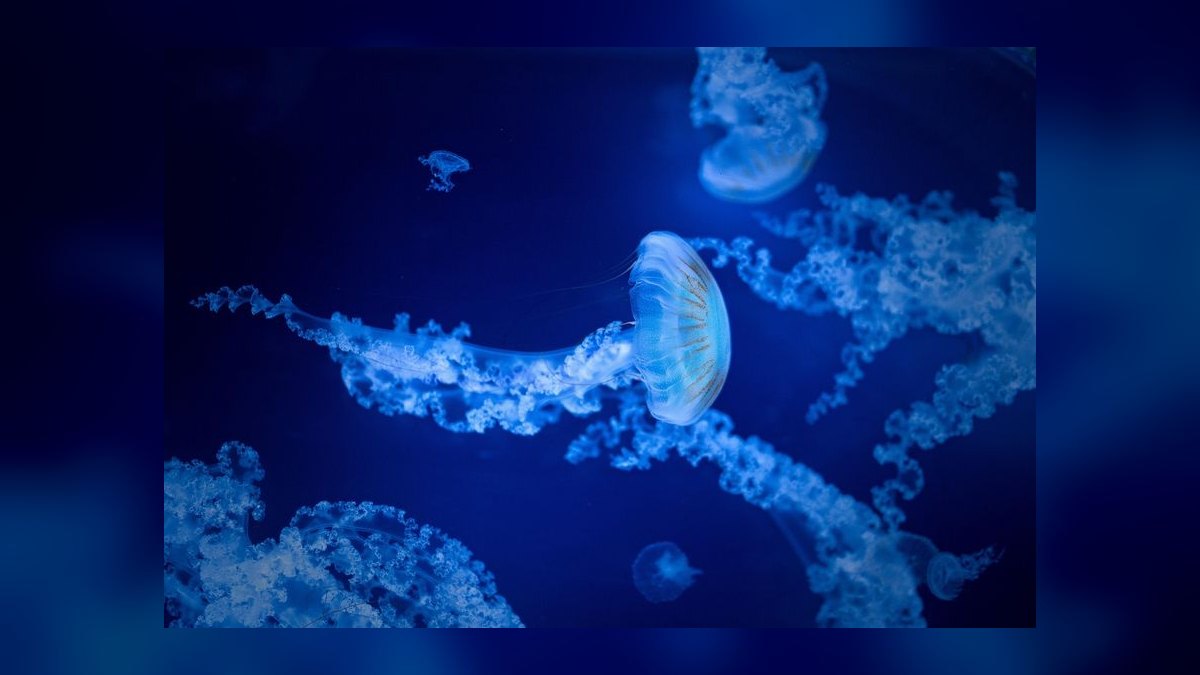
GH (general hardness) measures the total dissolved calcium and magnesium in your water, while KH (carbonate hardness) measures the carbonate and bicarbonate that buffer pH. GH affects the mineral content fish and plants need and which species will thrive; KH stabilizes your pH and prevents dangerous pH crashes. They are different things and you should test both. Most community fish do well around GH 4-12 dGH and KH 3-8 dKH, but the right targets depend on the species you keep.
What GH (General Hardness) Actually Measures
%20Actually%20Measures%20What%20are%20GH%20and%20KH%20and%20why%20do%20they%20%2C%20realistic%20magazine%20style%2C%20warm%20light%2C%20no%20text%2C%20no%20watermark?width=1200&height=675&nologo=true&model=flux&seed=2745)
GH is the concentration of divalent mineral ions in the water, primarily calcium and magnesium. It's commonly expressed in degrees of general hardness (dGH) or in ppm (1 dGH ≈ 17.9 ppm). "Soft" water is low in these minerals; "hard" water is high. GH matters biologically because fish use calcium and magnesium for osmoregulation, bone and scale health, and many bodily functions, and plants and shrimp draw on these minerals too. Soft-water species like many tetras, discus, and wild bettas evolved in mineral-poor water, while livebearers (guppies, mollies, platies), African cichlids, and snails and shrimp that build shells need harder, mineral-rich water. Matching GH to your livestock is one of the quiet keys to long-term health and successful breeding.
What KH (Carbonate Hardness) Actually Measures
%20Actually%20Measures%20What%20are%20GH%20and%20KH%20and%20why%20do%20the%2C%20realistic%20magazine%20style%2C%20warm%20light%2C%20no%20text%2C%20no%20watermark?width=1200&height=675&nologo=true&model=flux&seed=70522)
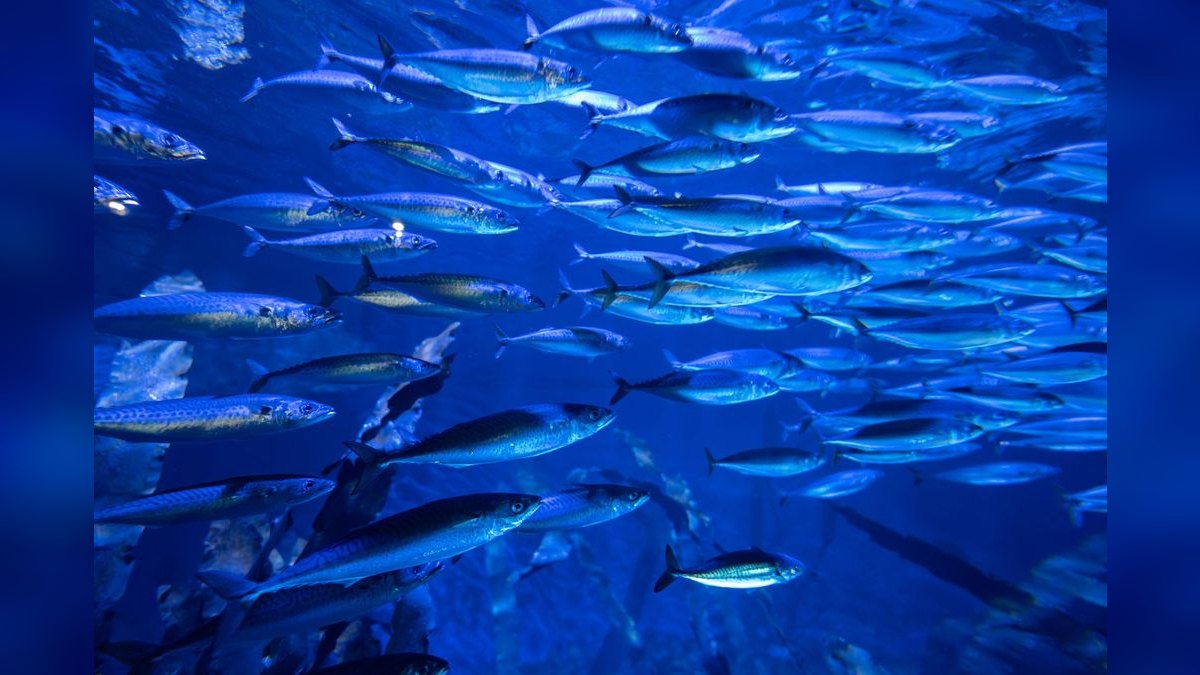
KH measures carbonates and bicarbonates, the ions that act as your tank's pH buffer. It's also called alkalinity or buffering capacity and is expressed in dKH or ppm. KH doesn't directly affect fish the way GH does; instead it protects pH stability. Acids constantly form in an aquarium — from fish waste, CO2, and the nitrogen cycle producing nitric acid — and these acids try to push pH down. KH neutralizes those acids, holding pH steady. When KH is high, pH is stable; when KH is exhausted (near 0), pH can crash suddenly and lethally, an event called a "pH crash" or "old tank syndrome."
How GH and KH Relate to pH
KH and pH are linked: KH is the buffer that keeps pH from moving. Water with healthy KH resists pH swings, while water with very low KH lets pH bounce or crash. In planted tanks injecting CO2, KH is part of the equation people use with a drop checker to estimate dissolved CO2, because CO2 forms carbonic acid that lowers pH against the KH buffer. Importantly, GH and KH are independent — you can have high GH and low KH or vice versa — which is why a single "hardness" reading isn't enough. Test both with a liquid titration kit (count the drops until the color changes) for reliable numbers.
Target Ranges by Type of Tank
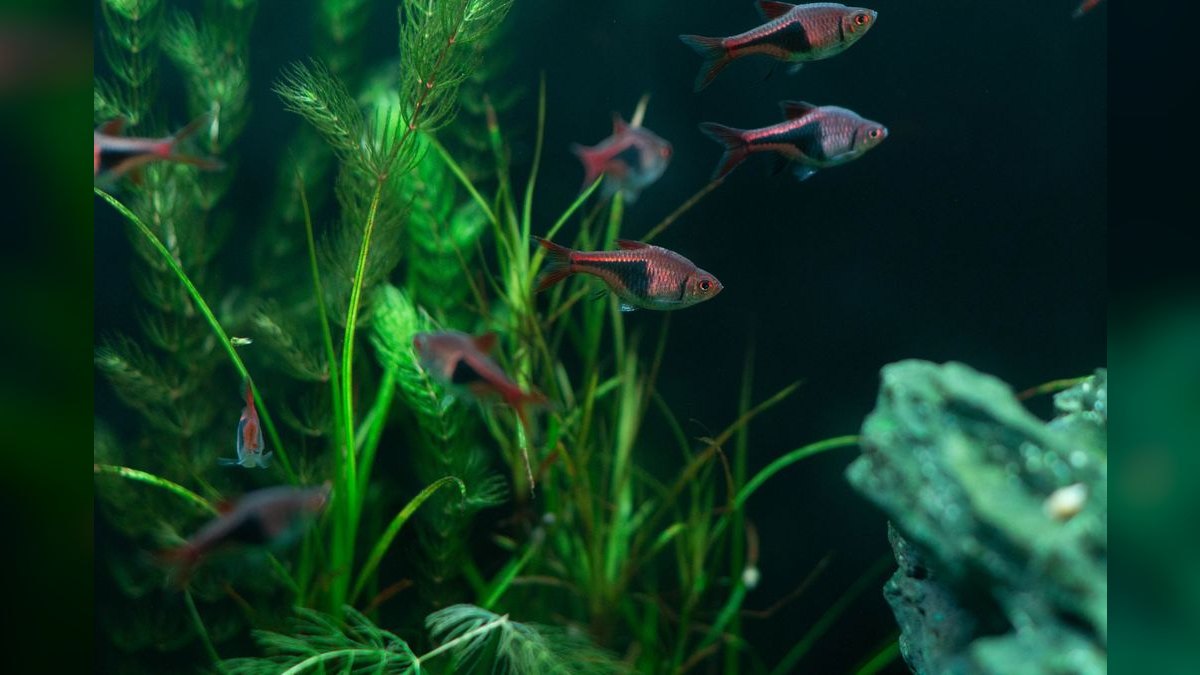
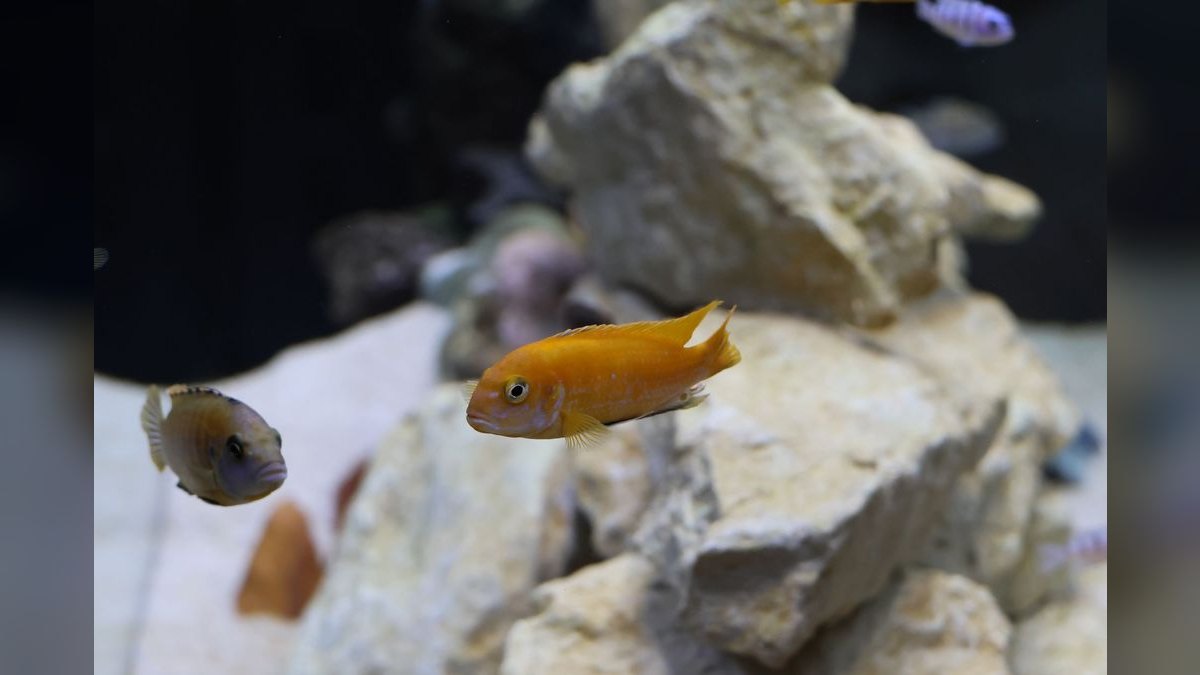
For a general tropical community tank, GH around 4-12 dGH and KH around 3-8 dKH keep most popular fish and plants happy with a stable, mildly acidic-to-neutral pH. Soft-water and blackwater species (discus, many wild tetras, chocolate gouramis) prefer lower GH and KH, often GH under 4 and KH 1-3. Livebearers and African cichlids want hard, well-buffered water — Rift Lake cichlids thrive at high GH and KH with a basic pH near 8. Shrimp vary: neocaridina (cherry shrimp) like moderate GH and some KH, while caridina (crystal/bee shrimp) prefer low-KH, soft, slightly acidic water made with remineralized RO. Always research your specific species before adjusting.
How to Raise or Lower GH and KH
To raise GH, add calcium and magnesium via crushed coral, aragonite, a shrimp GH remineralizer, or commercial mineral additives. To raise KH specifically, add carbonates — crushed coral, baking soda (sodium bicarbonate) in measured amounts, or an alkalinity buffer. To lower GH and KH, dilute hard tap water with RO/DI water (mixing to your target), use peat or botanicals like Indian almond leaves to gently soften and acidify, or run an RO unit and remineralize from scratch. Change parameters gradually — large, fast swings in hardness stress fish as much as pH swings do. Test, adjust in small steps, and re-test before adding more.
Why Beginners Should Care
Many "mystery" fish deaths and failed breeding attempts trace back to mismatched hardness. Soft-water fish kept in very hard water, or hard-water fish in soft, struggle to osmoregulate and slowly decline. And a tank with near-zero KH is a ticking clock for a pH crash that can wipe out livestock overnight. Knowing your tap water's GH and KH (your water utility report or a test kit will tell you) lets you choose fish suited to your water — the easiest path — or adjust water deliberately for species you want to keep.
How to Test GH and KH and Read the Results
You can't manage what you don't measure, and neither GH nor KH shows up on the standard pH or ammonia tests most beginners start with. The two main tools are liquid titration kits and test strips. Liquid kits work by adding drops of reagent to a fixed volume of tank water until the color changes — each drop counts as one degree of hardness. For GH, the water typically shifts from orange/red to green; for KH, from blue to yellow. The number of drops equals your reading in degrees (dGH or dKH). Liquid kits are inexpensive per test, last a long time, and are generally more accurate than strips, which makes them the preferred choice for anyone dialing in water for sensitive fish or breeding.
Test strips are faster and more convenient — you dip, wait, and compare to a color chart — but they tend to be less precise, can read inaccurately if expired or stored in humidity, and give you a coarse range rather than a sharp number. They're fine for a quick "is anything wildly off?" check, but if a strip shows hardness near the edge of your target range, confirm with a liquid kit before acting.
A few testing habits worth building:
- Test your source water separately. Knowing what comes out of your tap (or RO unit) tells you what the tank started with and how much your substrate, rocks, or additives are changing it.
- Watch the trend, not just the snapshot. KH especially drifts downward over time as buffering capacity gets consumed. A single reading is a data point; a series tells you whether your tank is stable or slowly losing its buffer.
- Mind your units. Results come in either degrees (dGH/dKH) or ppm/mg/L. They're easy to confuse, and mixing them up is a common reason people think their water is ten times harder or softer than it really is. Roughly, 1 degree ≈ 17.9 ppm.
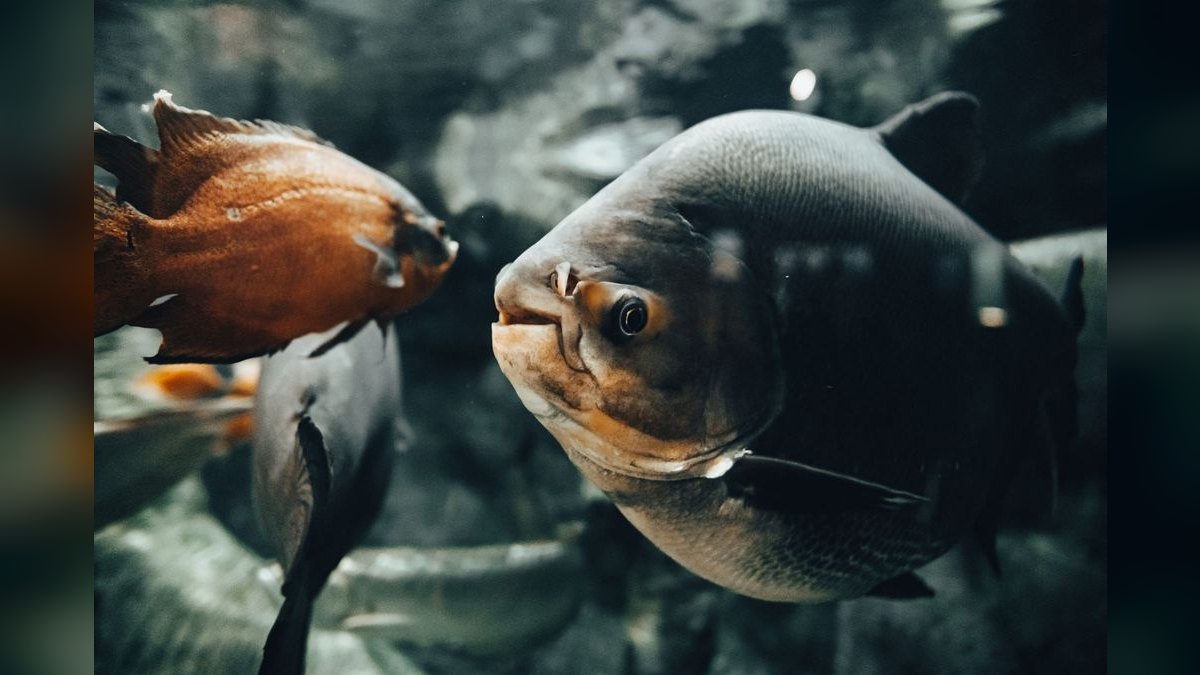
Test after water changes, after adding new hardscape (rocks and substrate can leach minerals for weeks), and any time fish look stressed without an obvious cause. Hardness problems are slow and quiet, so regular checks catch them before they become emergencies.
How to Raise or Lower GH and KH
Once you know your numbers and your target species, you may need to adjust. The key principle is that GH and KH can be changed independently — raising one doesn't automatically raise the other, which is exactly why you test both.
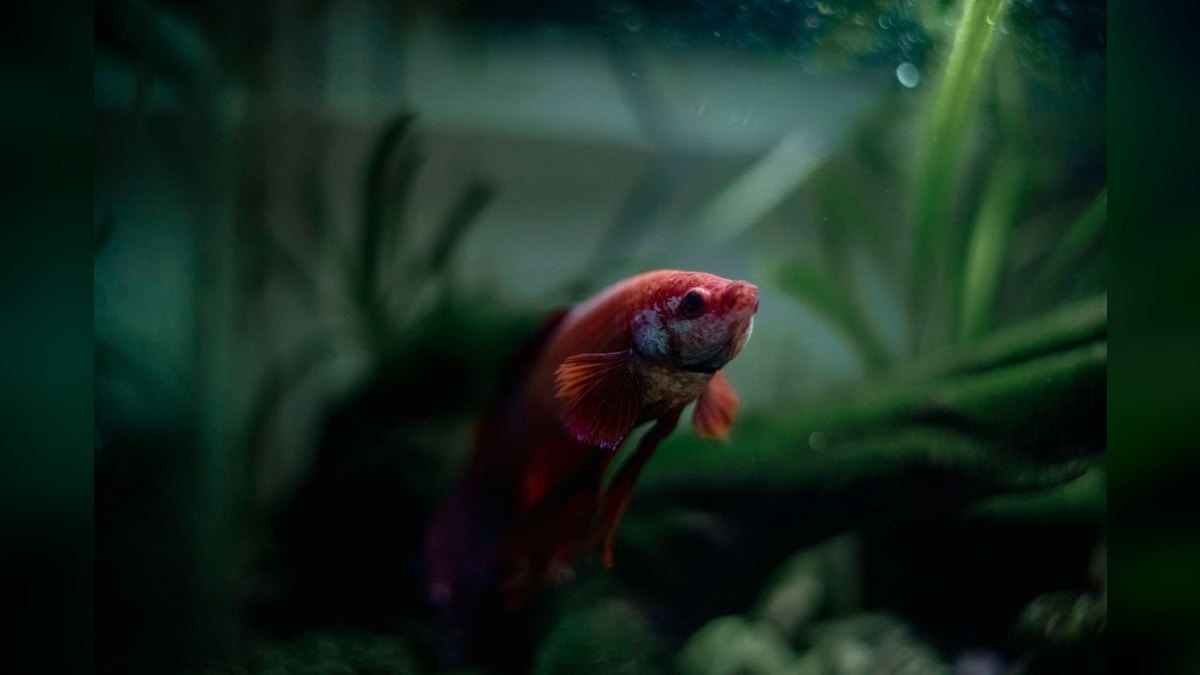
To raise GH (add calcium and magnesium): commercial GH-boosting remineralizers are the most controllable option and are designed to add calcium and magnesium in sensible ratios. Many keepers of plants and shrimp favor these because they target GH without forcing KH up. Crushed coral and aragonite substrate also raise hardness, though they tend to lift both GH and KH together and act gradually.
To raise KH (add buffering/carbonates): crushed coral, aragonite sand, and baking soda (sodium bicarbonate) all increase carbonate hardness. Crushed coral in a filter or as substrate dissolves slowly and self-limits, which makes it forgiving. Baking soda works fast but is easy to overdose, so add small amounts, dissolve fully in a cup of tank water first, and retest before adding more. Commercial KH or alkalinity buffers are also available and give predictable results.
To lower GH and KH (remove minerals): you generally can't subtract minerals from existing water chemically — you dilute them out. The standard method is to mix in reverse osmosis (RO) or RO/DI water, distilled water, or rainwater (where clean and legal to collect) to bring the average down. Peat moss and botanicals like Indian almond leaves can soften water and gently lower KH through tannins and humic acids, which is popular for blackwater setups with soft-water species. Driftwood contributes a similar mild effect.

A reliable approach for soft-water specialists is to start with RO water and build it back up with a measured dose of GH/KH remineralizer. This gives you a blank slate and full control over the final numbers, rather than fighting whatever your tap happens to deliver.
Two cautions: change chemistry slowly. Fish handle gradual shifts far better than sudden swings, so adjust over days, not minutes, and never chase a number so aggressively that you shock your livestock. And stability usually beats perfection — water that sits steadily at a "wrong" but tolerable value is often kinder than water you're constantly yanking toward the ideal.
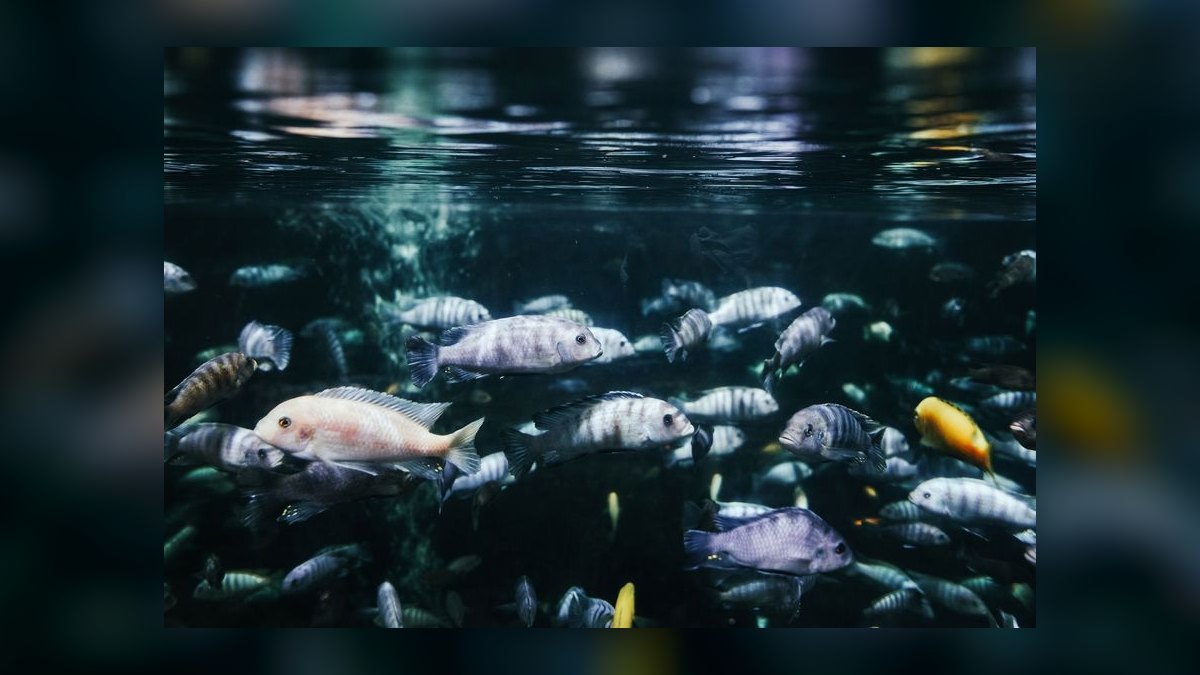
Why KH Is Your Insurance Against pH Crashes
The single most practical reason to care about KH is that it quietly prevents one of the more sudden killers in fishkeeping: the pH crash. Aquariums continuously generate acids — from fish waste breaking down, from CO2 dissolving into the water (especially in planted tanks running CO2 injection or in heavily stocked tanks at night), and from the nitrogen cycle producing nitric acid. KH is the reserve that neutralizes those acids before they can move the pH.
When KH is healthy, incoming acids get buffered and pH holds roughly steady. But that buffer is a finite tank of fuel, not a renewable shield — every acid it neutralizes consumes a little of it. As KH drains over weeks (and it does, especially in tanks that don't get regular water changes), you eventually hit a point where the buffer runs out. Past that threshold, even a small amount of new acid sends pH plummeting fast, sometimes dropping by a full point or more in a short span. That kind of swing is far more dangerous to fish than a stable pH that's simply higher or lower than the "ideal."
This is why a KH reading near zero is a warning sign even if pH currently looks fine — it means there's no safety margin left. Regular water changes are the simplest defense, because fresh water replenishes carbonates and resets the buffer. If your source water is naturally very soft and KH stays stubbornly low, adding a buffering source keeps a cushion in place. The goal isn't a specific pH number; it's making sure pH can't move suddenly.

Frequently Asked Questions
What's the difference between GH and KH? GH measures calcium and magnesium (the minerals fish, plants, and shrimp use), while KH measures carbonates and bicarbonates that buffer pH. GH is about mineral content; KH is about pH stability. They are independent and both should be tested.
What GH and KH should a community tank have? A general tropical community tank is comfortable around GH 4-12 dGH and KH 3-8 dKH, which supports most popular fish and plants and keeps pH stable. Specific species may want softer or harder water, so match your stock.
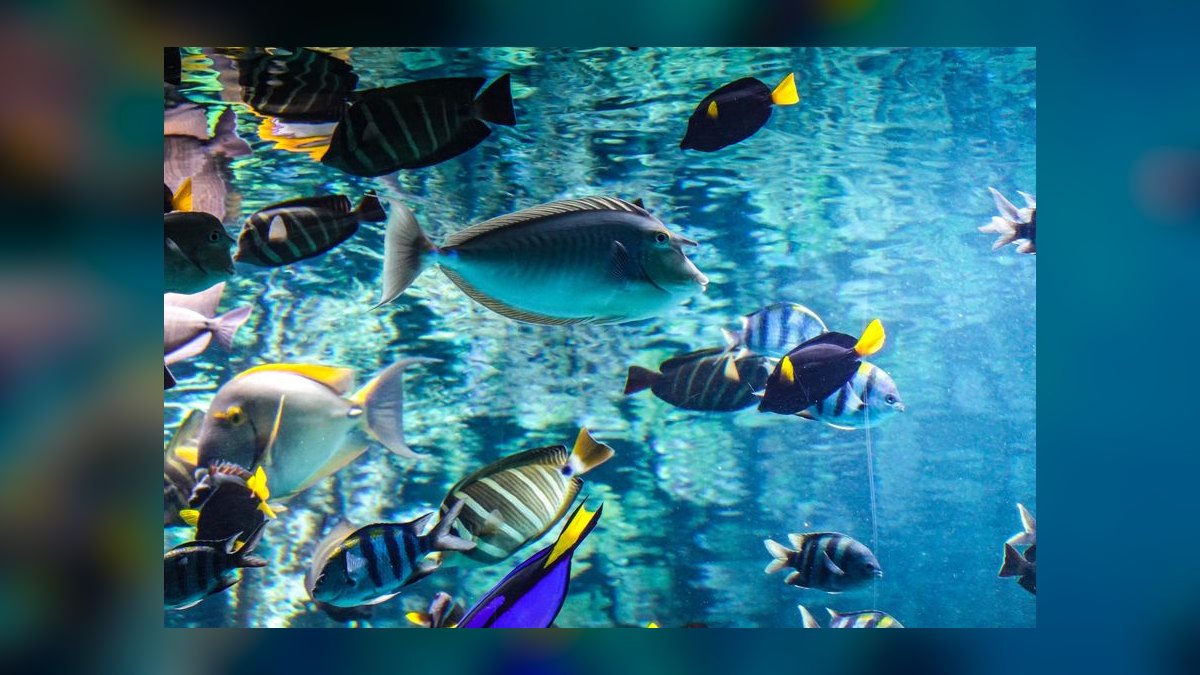
Can KH be too low? Yes. Very low KH (near 0) removes the buffer that holds pH steady, allowing sudden, dangerous pH crashes. Keeping at least a few degrees of KH protects against this. Adding crushed coral or a carbonate buffer is the fix.
Does high KH raise pH? KH stabilizes pH and tends to keep it on the higher (more basic) side, so high-KH water usually has a higher, very stable pH. KH resists downward pH movement rather than directly setting a number, but practically, more KH means higher, steadier pH.
How do I lower hardness for soft-water fish? Mix your tap water with RO/DI water to dilute minerals, or run pure RO and remineralize to a low target. Peat moss and botanicals like Indian almond leaves also soften and gently acidify. Change parameters gradually to avoid stressing fish.

How do I test GH and KH? Use a liquid titration test kit: add reagent drop by drop to a water sample and count the drops until the color changes — each drop equals one degree. Liquid kits are more accurate than strips for hardness, which matters when fine-tuning for sensitive species.
Related on PULSE
- How much light do planted aquariums need?
- Top 10 Reef-Safe Tangs for Saltwater Aquariums
- Top 10 UV Sterilizers for Aquariums in 2027
- Top 10 Clownfish Varieties for Saltwater Aquariums
- Top 10 Livebearer Fish for Beginner Aquariums
- Top 10 Catfish Species for Community Aquariums
Sources
- API Fishcare — GH and KH testing and water hardness basics: https://www.apifishcare.com/
- Seachem — Alkalinity, buffering, and hardness reference: https://www.seachem.com/
- Aquarium Co-Op — Understanding GH and KH in aquariums: https://www.aquariumcoop.com/
- The Spruce Pets — Water hardness and pH for aquariums: https://www.thesprucepets.com/
- 2hr Aquarist — GH, KH, and remineralization for planted/shrimp tanks: https://www.2hraquarist.com/
- Tetra — Aquarium water chemistry guidance: https://www.tetra-fish.com/
This page will be disappearing soon. Save it to your device for $1 — or read it free while it is here.
@Kory-White- · if Venmo asks, the last 4 of my number are 2012
This page is gone.
This one is off the shelf now. $1 keeps it on your phone for good — the whole page, pictures and diagrams included.
 pulse-aquariumsTop 10 Auto Top-Off Systems for Saltwater Tanks in 2027
 pulse-aquariumsWhat is old tank syndrome and how do you avoid it in 2027?
 pulse-aquariumsTop 10 Reef-Safe Tangs for Saltwater Aquariums in 2027
 pulse-aquariumsWhat is the nitrogen cycle in an aquarium in 2027?
 pulse-aquariumsTop 10 Freshwater Aquarium Plants for Beginners in 2027
 pulse-aquariumsHow do you keep a betta and other fish together peacefully in 2027?
 pulse-aquariumsTop 10 Sponge Filters for Shrimp Tanks in 2027
 pulse-aquariumsWhat should you know before investing in Aquariums in 2027?
 pulse-aquariumsWhat causes algae blooms in aquariums and how do you stop them in 2027?
 pulse-aquariumsTop 10 Internal Aquarium Filters in 2027