
What is the best food for tropical aquarium fish in 2027?
 Curated byKory White · Fractional CRO · Maryland
 PULSEKNOWLEDGE LIBRARY
Quality
Certified

The best food for tropical aquarium fish is a rotating diet built on a high-quality staple flake or pellet matched to your species' protein needs, supplemented two or three times weekly with frozen or freeze-dried protein and a vegetable-based food. No single product feeds every fish well; rotation covers nutritional gaps and mimics natural foraging.
What "best" actually means when you are standing in the fish food aisle
The word *best* does a lot of hidden work in this question, and untangling it is most of the answer. There is no universally best tropical fish food in the way there is a best-selling paint or a best-rated tire, because "tropical fish" is not a diet category — it is a temperature category. A neon tetra, a bristlenose pleco, an angelfish, and a betta all live comfortably at 78°F, and all four eat completely different things in the wild. Lumping them into one bag of flakes is the original sin of the hobby, and it is why so many community tanks quietly limp along with dull colors, stringy waste, and fish that die at a third of their expected lifespan.
Practically, "best" resolves into four separate criteria that pull against each other. First, crude protein matched to the species: carnivores such as most dwarf cichlids, bettas, and killifish do well in the 40–50% range; omnivores like barbs, danios, rainbowfish, and most tetras sit comfortably around 38–45%; herbivores and aufwuchs grazers like plecos, otocinclus, and Siamese algae eaters need to come down into the low 30s with meaningful fiber and algae content, because a high-protein diet fed to a gut built for scraping biofilm produces bloating, fatty liver, and long-term organ damage. Second, ingredient transparency: the first three ingredients on the panel tell you more than any marketing claim on the front. Whole fish, krill, black soldier fly larvae, shrimp, or spirulina in the first slot is a real signal; "fish meal" followed immediately by wheat flour and wheat gluten means you are paying largely for binder. Third, water-column behavior: a food that dissolves before it reaches the mid-water fish or, worse, before the bottom dwellers find it, converts directly into ammonia. Fourth, your own habits — the best food in the world is the one you actually store correctly, close tightly, and replace before the fat-soluble vitamins oxidize.
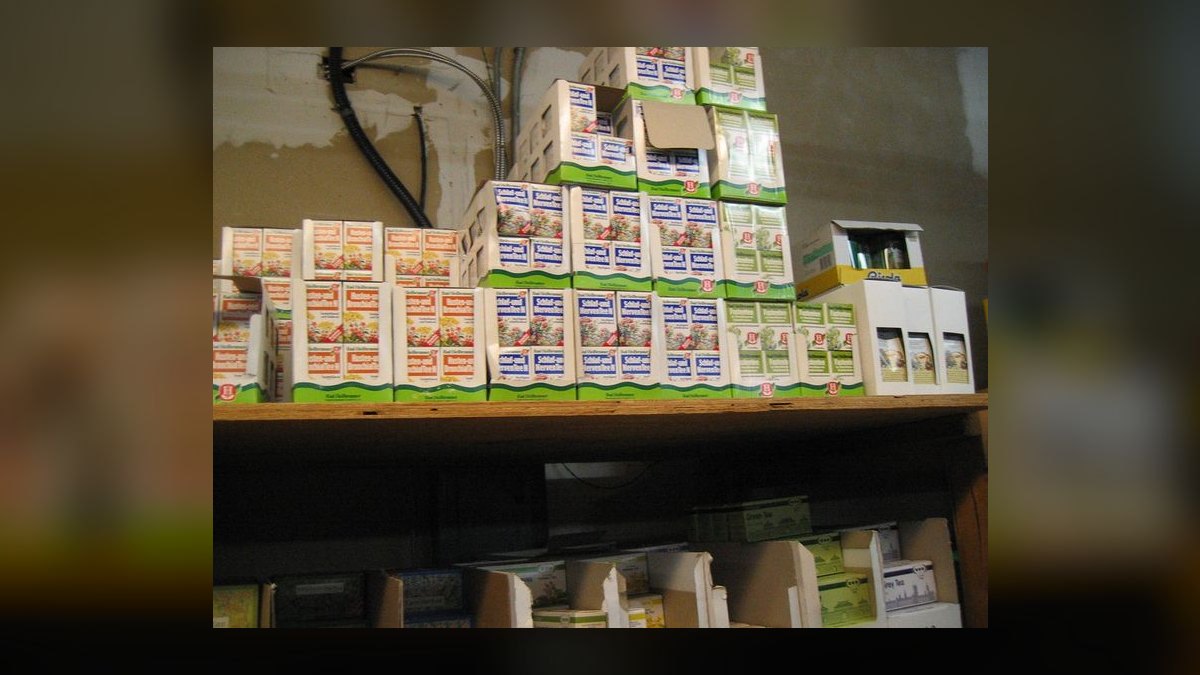
That last criterion is the one hobbyists systematically undervalue. Vitamin C degrades in an opened flake container faster than anyone expects, which is why serious keepers buy the small canister rather than the bulk tub even though the per-ounce price looks worse. A half-used two-year-old jar of premium flake is nutritionally inferior to a fresh jar of mid-tier flake. Buy for turnover, not for unit price. If a container will take you more than three or four months to finish, you bought too much.
There is also the ecological argument that has moved from fringe to mainstream over the last several years. Traditional fish meal is wild-caught, and the fishmeal supply chain is under real pressure. Insect-based proteins — principally black soldier fly larvae — have become a credible staple ingredient rather than a novelty, and they carry an incidental benefit: chitin acts as a prebiotic fiber. Whether you weigh sustainability heavily is a personal call, but the nutritional case for insect protein no longer requires you to sacrifice anything.
Finally, note what *best* does not mean: most expensive, most colorful packaging, or most popular on a forum. Premium foods earn their price through ingredient quality and freshness, but there is a real ceiling. Past roughly the mid-tier of any reputable line, additional spend buys marginal returns — you are far better off putting that money into a second and third food for rotation than into a single luxury staple.
The step-by-step process for building a feeding routine that holds up
Building a diet is a sequence, not a purchase. Work it in this order and you will not have to redo it.

Step one: inventory your tank by feeding zone, not by species name. Write down what actually lives in your aquarium and sort each fish into surface feeder, mid-water feeder, or substrate grazer. A community tank with hatchetfish, rasboras, and corydoras needs three different delivery mechanisms — floating flake, slow-sinking micro-pellet, and a dense sinking wafer — regardless of how similar their nutritional profiles look on paper. Zone mismatch is the single most common reason a "well-fed" tank still has a starving fish in it, and corydoras are the usual victim because the mid-water crowd intercepts everything before it lands.
Step two: pick one staple that covers your numeric majority. In most community tanks that is an omnivore formula in the high-30s to mid-40s protein range. This is your everyday food, fed roughly four or five days a week. Buy the smallest container the brand sells.

Step three: add a protein supplement. Frozen bloodworms, frozen brine shrimp, frozen mysis, or their freeze-dried equivalents, fed two to three times per week. Freeze-dried is the convenience option and keeps for well over a year unopened, but it must be soaked in tank water for five to ten minutes before feeding, because dry material that rehydrates inside a fish's gut causes exactly the buoyancy and constipation problems people then blame on the food itself. Frozen requires freezer space and thawing discipline — thaw in a small cup of tank water, never under hot tap water, and never drop the frozen cube in whole.
Step four: add a vegetable component. Spirulina flake, an algae wafer, a gel food with kelp and spirulina, or literally blanched vegetables. Zucchini, cucumber, deshelled peas, and spinach all work; blanch for 60–90 seconds, cool, weigh down with a fork or a veggie clip, and remove any remainder after 24 hours. Even a tank with no dedicated herbivore benefits from a plant day — most "omnivore" tropicals get meaningful plant matter in the wild.

Step five: calibrate the portion. Feed what the fish consume in roughly two minutes with nothing reaching the substrate uneaten (bottom dwellers excepted — they get their own targeted portion after lights-out or in a quiet corner). Start deliberately under-feeding and increase. Underfed fish are visibly hungry and recover instantly; overfed tanks crash.
Step six: watch the waste, not the fish. Feces tells you whether the diet is working. Short, dark, segmented waste means digestion is fine. Long, stringy, pale or clear waste means the food is passing through undigested — the classic sign of either an inappropriate protein level, an internal parasite, or plain overfeeding.

mermaid flowchart TD A["What lives in the tank?"] --> B{"Dominant feeding guild"} B -->|Carnivore: betta, dwarf cichlid, killifish| C["Staple 40-50% protein pellet"] B -->|Omnivore: tetra, barb, danio, rainbowfish| D["Staple 38-45% flake or micro pellet"] B -->|Herbivore: pleco, otocinclus, algae eater| E["Staple 30-35% spirulina wafer or gel"] C --> F{"Any bottom dwellers present?"} D --> F E --> F F -->|Yes| G["Add dedicated sinking food after lights out"] F -->|No| H["Skip sinking food"] G --> I["Supplement: frozen or freeze-dried protein 2-3x weekly"] H --> I I --> J["Supplement: vegetable or spirulina 1-2x weekly"] J --> K{"Goal for the next month?"} K -->|Breeding| L["Condition: high protein, small meals 3x daily, 1-2 weeks"] K -->|Growth of juveniles| M["Higher protein, 4-6 small meals daily"] K -->|Maintenance| N["Standard rotation, one fast day weekly"] L --> O["Reassess waste, color, body condition monthly"] M --> O N --> O </parameter>
Two practical notes on using this. First, when a tank spans guilds — a common planted community with tetras up top and plecos below — you are not choosing between branches, you are running two of them in parallel. That is normal and correct. Second, resist the urge to optimize past the point of returns. Once you have a decent staple, a protein supplement, a vegetable, and disciplined portions, you have captured the overwhelming majority of the available benefit. Additional foods add variety and enjoyment but not much health.

Related questions
How many times a day should tropical fish be fed?
Two small feedings daily suits most adult tropical community fish, spaced morning and evening. Juveniles and fry need three to six smaller meals. One larger feeding works but tends toward overfeeding. A weekly fast day is harmless and helps heavily fed tanks.
Can tropical fish eat goldfish food?
Occasionally, without harm, but not as a staple. Goldfish formulas are built for a coldwater omnivore with different protein and carbohydrate requirements. Long-term feeding leaves tropical carnivores short on protein and tropical herbivores short on the plant fiber they need.
How long can tropical fish go without food?
Healthy adults tolerate a week comfortably; many go longer. Fry and very small species are far less resilient and should not be left more than a day or two. For trips beyond a week, use an automatic feeder with pellets rather than trusting a neighbor.
Does fish food expire?
Yes. Unopened dry food generally keeps a year or more, but once opened, vitamins degrade and fats oxidize within months. Replace opened flake and pellet containers every three to four months, store cool and dark, and never return damp food to the jar.
Is frozen or freeze-dried better?
Frozen generally retains more of the original nutrition and hydrates naturally; freeze-dried wins on shelf life and convenience. Use frozen if you have freezer space and thawing discipline, freeze-dried otherwise — soaked five to ten minutes before feeding either way.
FAQ
What is the single best all-around food for a mixed community tank?
A quality omnivore staple in the high-30s to mid-40s protein range, delivered in a form your fish actually reach — floating flake for surface feeders, slow-sinking micro pellet for mid-water. Then treat that as a base rather than a complete solution: rotate in frozen or freeze-dried protein two or three times a week and a spirulina or vegetable food once or twice. The staple is 60–70% of the diet; the supplements close the gaps.
How do I know if I am overfeeding?
Three signals. Food reaching the substrate and sitting uneaten. Rising nitrate between water changes without any other explanation. And persistent algae despite reasonable lighting. Inside the fish, look for long stringy pale waste and a rounded, soft belly profile. Cut the portion by a third and hold for two weeks — a genuinely underfed tank shows it quickly in flattened bellies and frantic substrate searching, so the experiment is low risk.
Do my bottom-dwelling fish get enough from what falls to the substrate?
Usually not. Mid-water fish are fast and will intercept the great majority of what you drop before it lands. Feed corydoras, loaches, and plecos deliberately with dense sinking wafers or gel, ideally after the lights go out when the upper-level fish have settled. If your bottom dwellers look thin or spend all day frantically sifting, they are not being fed — they are foraging on scraps.
Is insect-based food actually better than fish meal?
It is a credible alternative on sustainability grounds and nutritionally sound, with a real incidental benefit — chitin functions as a prebiotic fiber that supports gut flora. It is not magic, and a good fish-meal-based food is not harmful. Treat it as a strong option to include in your rotation rather than a mandatory upgrade, and judge any specific product by its ingredient panel like any other.
Can I feed vegetables from my kitchen?
Yes, and it is one of the cheapest improvements available. Blanch zucchini, cucumber, spinach, or deshelled peas for a minute or so to soften them, cool, and weight them down with a clip or fork. Remove any remainder within 24 hours before it fouls the water. Avoid anything salted, oiled, seasoned, or cooked with the family dinner.
Should I fast my fish?
A weekly fast day is a reasonable practice in well-fed tanks and does no harm to healthy adults — it lets the digestive tract clear and gives you a natural check on how much waste is accumulating. Skip fasting for fry, for very small species, and for fish that are actively recovering from illness or being conditioned for breeding, all of which need consistent nutrition.
Sources
- NOAA Fisheries — Feeds for Aquaculture
- FAO — Fish Nutrition and Feed Technology
- Merck Veterinary Manual — Nutrition of Fish
- University of Florida IFAS — Nutritional Requirements of Fish
- Smithsonian's National Zoo — Aquarium Animal Care
- The Spruce Pets — Aquarium Fish Feeding Basics
- PetMD — Fish Care and Nutrition
- Texas A&M AgriLife Extension — Aquaculture and Fish Nutrition
Related on PULSE
- Top 10 Live Foods for Tropical Fish (Brine Shrimp, Daphnia, Bloodworms)
- Top 10 colorful tropical fish 2027
- Top 10 Tropical Fish Foods 2027
- What is the ideal water temperature for a tropical community tank?
- Best automatic fish feeder for pelleted food that doesn't clog or overfeed?
- Top 10 best fish food brands 2027
This page will be disappearing soon. Save it to your device for $1 — or read it free while it is here.
@Kory-White- · if Venmo asks, the last 4 of my number are 2012
This page is gone.
This one is off the shelf now. $1 keeps it on your phone for good — the whole page, pictures and diagrams included.
 pulse-aquariumsTop 10 Anemone Species for Clownfish Tanks in 2027
 pulse-aquariumsHow do you treat fin rot in aquarium fish in 2027?
 pulse-aquariumsTop 10 Aquarium Air Pumps in 2027
 pulse-aquariumsHow do you get started with Aquariums in 2027?
 pulse-aquariumsTop 10 Aquarium Plant Grow Lights in 2027
 pulse-aquariumsHow do you set up a low-tech planted shrimp tank in 2027?
 pulse-aquariumsHow do you remove ammonia from an aquarium quickly in 2027?
 pulse-aquariumsWhat size aquarium is best for beginners in 2027?
 pulse-aquariumsHow do you lower pH in a freshwater aquarium naturally in 2027?
 pulse-aquariumsHow do you set up a shrimp-only aquarium in 2027?