
How Do I Sublease Excess Office Space I'm Not Using in 2027?
 Curated byKory White · Fractional CRO · Maryland
 PULSEKNOWLEDGE LIBRARY
Quality
Certified

Subleasing excess office space recovers part of a cost you're already paying, but read your lease first—most require landlord consent and many allow recapture. Price the space 15–30% below comparable direct rents, offer it turnkey with furniture in place, keep terms short, and expect to recover only 50–75% of your rent in a soft market.
What subleasing actually gets you—and what it doesn't
Subleasing turns a dead cost into partial recovery, and that framing matters because it sets realistic expectations. You are not going to break even in most markets. When sublease space is abundant—which it is anytime companies are shedding footprint—you are competing against a wall of discounted inventory, so the honest goal is to minimize your carry, not to profit.
The core math is the sublease spread. Suppose you signed a prime lease at $45 per square foot. With the sublease market flooded, realistic achievable rent might be $25–$35 per square foot, meaning you eat a $10–$20 gap on every foot. That sounds painful until you compare it to the alternative: an empty room you're paying 100% on. On 5,000 square feet, recovering even $25/SF is $125,000 a year back in your pocket versus paying full freight on space nobody occupies. Recovering 50–75% of a real obligation beats recovering zero every single time.
Understand the two liabilities you keep. First, you stay primarily liable on the master lease—the landlord's contract is with you, not your subtenant, so a subtenant default is your problem to cover. Second, you take on landlord-style responsibilities toward your subtenant. You are now managing a tenant relationship, collecting rent, handling disputes, and papering a legal agreement, all while your original obligation runs in the background. Subleasing is a recovery strategy, not an exit—if you want to truly walk away, you're looking at assignment or a buyout instead.
Read your lease before you list anything
You cannot sublease space you don't control the right to sublease, so the master lease is the first document to pull—before you spend a dollar on marketing. Four clauses decide everything.
The sublease and assignment clause tells you whether you need landlord consent and on what standard. The tenant-friendly version reads "consent not to be unreasonably withheld, conditioned, or delayed"—that language gives you leverage, because the landlord must have a defensible reason to reject a qualified subtenant. The hostile version grants the landlord "sole and absolute discretion," meaning they can say no for any reason or none. If you're stuck with sole-discretion language, your whole strategy depends on the landlord's cooperation, so open that conversation early rather than marketing space you may never be allowed to fill.

The recapture right is the trap that catches most first-timers. Many leases let the landlord take the space back rather than approve your subtenant—and some let them recapture any profit if your sublease rent exceeds your rent. In a soft market you won't have profit to lose, but recapture still matters: if the landlord can simply reclaim the space, you may be better off pushing for a formal termination and release rather than spending months marketing space the landlord intends to grab back anyway.
Profit-sharing provisions require you to split sublease profit—commonly 50/50—with the landlord. Again, mostly irrelevant when you're subleasing below your own rent, but know the rule so a rare above-market deal doesn't surprise you. Finally, check use, signage, and operating restrictions: your subtenant's business must fit the permitted use in the master lease, and a conflicting use—say, a walk-in retail concept in a quiet professional building—can be a legitimate reason for the landlord to withhold consent.
If the clause is genuinely hostile, negotiating a lease amendment, a partial termination, or a blend-and-extend directly with the landlord may be cheaper than carrying empty space and fighting for consent you may never get.

Decide: sublease, assign, or buy out
Subleasing is one of three exits, and choosing the wrong one costs real money. Each has different economics and a different risk profile, so model all three over the remaining lease term before you commit.
Sublease keeps you on the hook to the landlord while you become a landlord to your subtenant. It's the right move when you want to recover some cost and keep optionality—maybe you'll need the space back, or the market will improve. You bear both the spread and the default risk, but you retain control of the underlying lease.
Assignment transfers the entire lease to a new tenant and, ideally, comes with a release of liability that cleans you off the obligation entirely. It's the cleaner exit, but it's harder to arrange: you need someone willing to take your full obligation for the full remaining term, and landlords rarely grant a genuine release without a replacement tenant at least as creditworthy as you. If you can find a strong taker, assignment beats subleasing because it ends the relationship instead of managing it.
Lease buyout or termination means paying the landlord a lump sum to walk away. This makes sense when the carrying cost of empty space over the remaining term exceeds the buyout price. Buyouts commonly run 6–18 months of rent plus unamortized tenant-improvement allowances and unamortized broker commissions the landlord fronted. Sometimes paying that lump sum today beats bleeding a $15/SF spread for five more years—do the arithmetic rather than assuming subleasing is always cheapest.
The decision usually comes down to time horizon and appetite for risk: subleasing if you might want the space or need optionality, assignment if a strong taker appears, buyout if the remaining term is long and the space is truly dead weight.
Price it to move and make it turnkey
Sublease space competes against direct space that landlords are actively discounting with free rent and generous tenant-improvement packages. You can't match a landlord's concessions—you don't have their balance sheet—so you compete on price and convenience instead.

Price 15–30% below comparable direct asking rents. The difference between a deal and a vacancy is stark: a sublease at $28/SF sitting next to direct space at $40/SF moves quickly, while the same space priced at $38/SF sits empty for a year while you pay full rent on it. Underpricing feels like leaving money on the table, but every month vacant is a 100% loss, so the discount pays for itself almost immediately.
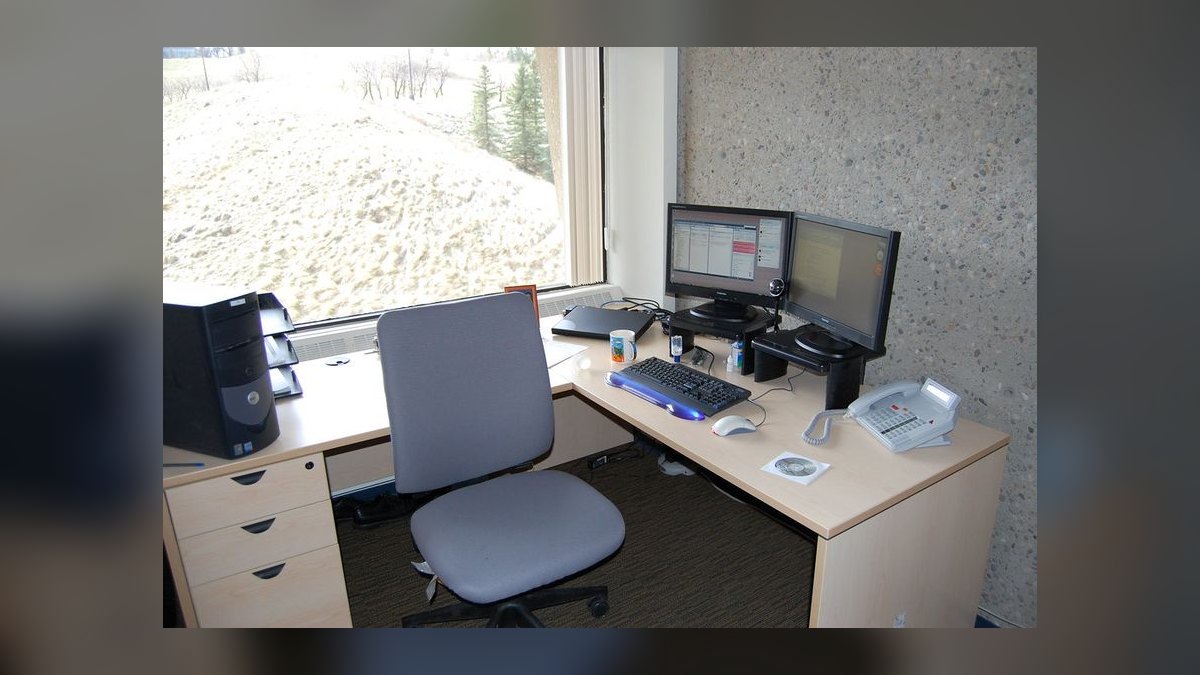
Offer it plug-and-play. Leave the furniture, cabling, phones, and built-out conference rooms in place. Small and mid-size tenants will pay a premium to skip $50–$120/SF in buildout costs and a four-to-six-month construction delay. A furnished, wired, move-in-ready floor is worth far more to a startup than a bare shell, and it costs you nothing—you already own the improvements you'd otherwise be paying to demolish or restore.

Offer short, flexible terms. Subtenants love that a sublease can run one to three years when direct leases demand five to ten. A growing company that can't predict its headcount two years out will choose your flexible sublease over a long direct commitment even at a similar rent. Flexibility is your genuine competitive advantage—lean into it in every conversation and every listing.
Be willing to give a little free rent. One or two months of free rent to close a deal is far cheaper than six months of vacancy. Concessions feel like defeat, but they're just math: a small giveaway that lands a subtenant this month beats holding firm and paying full carry for another quarter.
Protect yourself: you're still on the hook
The brutal truth of subleasing is that your master-lease liability does not go away. If your subtenant stops paying, you still owe the landlord in full. Every protection below exists to keep that gap from opening.

Vet credit hard. Require financial statements, bank references, and a security deposit of two to six months' rent depending on the subtenant's strength. For thin or early-stage companies, consider a personal or corporate guarantee. The deposit and guarantee are your cushion when a subtenant defaults, so size them to the risk—a well-capitalized subtenant might justify two months, a shaky startup six.
Mirror the master lease. Your sublease should pass through every obligation you owe the landlord—permitted use, operating hours, insurance, maintenance, surrender and restoration—so you're never caught owing the landlord something your subtenant isn't contractually bound to cover. Any gap between the two documents is a liability you personally absorb.
Require subtenant insurance naming both you and the landlord as additional insureds, with certificates on file before move-in and proof of renewal each term. Build strong default and cure rights: short cure periods, the right to re-enter and re-let, and the right to apply the deposit quickly. And get the landlord's written consent as a formal consent agreement—verbal approval is worthless the moment a dispute arises, and an unauthorized sublease can itself be a default that lets the landlord terminate your master lease.

Beyond the basics, four clauses most first-time sublandlords overlook are worth insisting on. A non-disturbance clause protects your subtenant—and therefore your rent stream—if your landlord defaults on the master lease, so a foreclosure doesn't let the subtenant walk. Attornment language has the subtenant agree to recognize a new building owner as landlord if your master lease ends. A subordination clause clarifies that the subtenant's rights sit below your master lease. And a restoration clause requires the subtenant to return the space to its pre-sublease condition, so any alterations they make don't become your surrender expense at the end.
Market the space without wasting money
Marketing a sublease is different from marketing a primary lease—you're selling a short-term solution at a discount, not a long-term commitment, so lead with the advantages that direct space can't match: shorter remaining term, furnished and built-out condition, and immediate availability with no construction delay.
Start with commercial listing platforms. LoopNet, Crexi, and similar sites reach brokers and tenants actively searching, and a basic listing typically runs a few hundred dollars a month. Then target specific tenant profiles that fit your layout. Open-plan floors suit startups, remote teams needing a hub, or satellite offices of larger companies. Private-office suites suit law firms, accountants, and consultants who want professional space without a decade-long lease. Match the marketing to the floor plate you actually have.

Hire the right broker. A tenant-rep or sublease broker who specializes in subleases knows which direct concessions you're competing against and how to position turnkey space, and their commission—commonly 4–6% of total sublease value—is well worth paying to fill the space months faster. Every month a specialist shaves off your marketing timeline is a month of recovered rent, so the commission usually pays for itself several times over. Pair the broker with a real-estate attorney to paper the sublease and the landlord consent agreement so your liability is properly mirrored.
Keep total marketing spend disciplined—aim to spend less than one month's rent finding a subtenant, because the whole point is recovery, not a new cost center. Exhaust free channels first: post on LinkedIn, work your network, and tell your building's property manager, who may keep a waiting list for temporary space. Consider fractionalizing—subleasing half the floor to one tenant and half to another—if your master lease permits it, since two smaller subtenants often fill faster than one large one.

Run the numbers and plan the exit
Before you commit, model net recovery over the full remaining term. Take gross sublease income—rent times square feet times term—then subtract the broker commission (4–6%), any free rent or tenant improvements you give, and any landlord profit-share that applies. What's left is your net recovery. Compare that against the net cost of a buyout and the net cost of carrying the space empty, and pick the lowest. Factor in time-to-sublease, too: flooded markets can take six to eighteen months to fill sublease space, and every month of marketing is carry cost you're still paying.
Plan for how the sublease ends, because misalignment here is expensive. Never sublease beyond your own lease end date. If your master lease ends before the sublease term, the subtenant can pursue you for breach and damages, so align the sublease expiration to your master lease—if you have eighteen months left, sublease for eighteen, not twenty-four. If the sublease ends first, you regain the space: inspect it immediately for damage beyond normal wear, apply the subtenant's deposit to repairs and cleaning, and document everything with a signed move-out checklist and photos.
Two end-of-term clauses save real money. A restoration clause requires the subtenant to return the space to its pre-sublease condition, so any walls they painted or cubicles they removed are their cost to reverse, not yours to absorb at surrender. A holdover clause sets penalty rent—commonly 150–200% of the sublease rate—if the subtenant stays past term, and it should require the landlord's written approval before any holdover is allowed, since an unauthorized holdover can put you in default on your master lease. The cleanest exit is a mutual walk-through roughly thirty days before term end, with a written agreement on any charges or repairs so nothing is disputed after the subtenant is gone.
Related questions
How much rent can I realistically recover in a soft market?
Plan for 50–75% of your master rent. Sublease space competes against heavily discounted direct space, so you typically price 15–30% below comparable direct asks. The goal is minimizing carry on space you'd otherwise pay 100% on empty, not breaking even.
Do I need my landlord's permission to sublease?
Almost always yes. Most commercial leases require written landlord consent, and subleasing without it can be a default that lets the landlord terminate your entire lease. Review the clause first, notify the landlord early, and get consent as a formal written agreement.
What if my subtenant stops paying rent?
You remain primarily liable to your landlord and must cover any shortfall yourself. That's why you require a security deposit of two to six months, vet the subtenant's financials, and consider a personal or corporate guarantee—those cushions absorb a default before it becomes your out-of-pocket loss.
Can I sublease just part of my space?
Usually yes, if your lease allows partial subleasing. You can offer a few private offices, a section of open floor, or shared amenities. Partial subleasing attracts smaller tenants and can fill space faster than waiting for one taker for the entire footprint.
Is a buyout ever cheaper than subleasing?
Yes. When the remaining term is long and the space is truly dead weight, paying a lump-sum buyout—commonly 6–18 months of rent plus unamortized TI and commissions—can beat bleeding the sublease spread for years. Model both over the full remaining term before deciding.
FAQ
How long does a typical sublease take to finalize? From listing to signed sublease, expect four to twelve weeks depending on how fast you find a qualified tenant and negotiate terms. A direct deal with a known contact can move faster than a public listing. In flooded markets, the search phase alone can stretch to six months or more.
What costs should I expect when subleasing? Budget for legal fees to draft the sublease and consent agreement, broker commissions of roughly 4–6% of total sublease value, and any concessions—one to two months of free rent or minor improvements—you offer to close. There may also be a landlord consent or review fee. Expect several thousand dollars upfront.
Can I sublease just part of my floor or only the whole space? You can sublease a portion—a few offices, a section of open space, or shared amenities—as long as your lease permits partial subleasing. Splitting the space can attract smaller tenants and fill gaps faster than holding out for one taker for the entire footprint.
What happens if my landlord has a recapture right? The landlord can take the space back instead of approving your subtenant, and some leases let them capture any profit above your rent. Check for this before spending on marketing—if recapture is likely, negotiating a termination or buyout may beat marketing space the landlord intends to reclaim.
How do I set a competitive sublease rent? Research comparable subleases in your building and nearby, then price 15–30% below your own rent in a soft market. Too high and the space sits empty at full carry; too low and you give away more spread than necessary. A sublease broker can benchmark current concessions for you.
Do I stay liable after the sublease is signed? Yes. Subleasing does not release you from the master lease—the landlord's contract remains with you, so a subtenant default is yours to cover. Only an assignment with a written release of liability truly removes you, and landlords grant that rarely and only for strong replacement tenants.
Sources
- https://www.cbre.com/insights/figures/us-office-figures
- https://www.us.jll.com/en/trends-and-insights/research/office-market-statistics-trends
- https://www.cushmanwakefield.com/en/united-states/insights/us-marketbeats
- https://www.boma.org/
- https://www.irem.org/
- https://www.naiop.org/research-and-publications/
- https://www.savills.us/research/research-and-publications.aspx
- https://www.colliers.com/en/research
Related on PULSE
- How Do I Sublease My Space to Cut My Rent?
- What Insurance Does My Lease Require and How Do I Not Overpay?
- How Do I Structure a Buildout So I'm Not Stuck With the Cost If the Deal Falls Through?
- How Do I Budget an Optometry Office With an On-Site Lab?
- How Do I Budget a Call Center or BPO Office Buildout?
- How Do I Budget an Orthodontics or Oral-Surgery Office Buildout?
This page will be disappearing soon. Save it to your device for $1 — or read it free while it is here.
@Kory-White- · if Venmo asks, the last 4 of my number are 2012
This page is gone.
This one is off the shelf now. $1 keeps it on your phone for good — the whole page, pictures and diagrams included.
 pulse-recentWhat percentage does a landlord typically charge as a construction management fee when they're funding my buildout in 2027?
 pulse-recentHow do I get the landlord to approve my buildout plans without unnecessary delays in 2027?
 pulse-recentWhat Percentage of My Total Buildout Budget Will the Landlord Actually Fund Through the TI Allowance in 2027?
 pulse-recentHow do I calculate the total landlord-funded buildout budget for a 15,000 sq ft office in 2027?
 pulse-recentHow much cash reserve should I keep on hand while waiting for the landlord to reimburse my TI allowance draws in 2027?
 pulse-recentHow Do I Budget for the Gap Between My TI Allowance and My Actual Buildout Cost in 2027?
 pulse-recentHow do I budget a buildout when the landlord only agrees to fund 50% of my total construction cost in 2027?
 pulse-recentHow Do I Calculate My Real Cost When the Landlord Funds the Buildout in 2027?
 buildoutsHow Do I Compare Two Lease Offers on a True All-In Basis in 2026?
 pulse-recentHow Do I Estimate the Total Landlord Fund I'll Need Before Signing the LOI in 2027?