
How Do I Budget a Coffee Roastery Buildout?
 Curated byKory White · Fractional CRO · Maryland
 PULSEKNOWLEDGE LIBRARY
Budget a coffee roastery buildout at $150,000 to $500,000 — roughly $80 to $250 per square foot for a 1,500 to 4,000 square foot space — plus a separate $25,000 to $250,000 for the roaster itself. Price the exhaust, afterburner, and gas system first; they dominate the budget and drive air-permit review.
Where the money actually goes
A roastery is half café, half light-manufacturing plant, and the budget reflects that split. Two cost centers dwarf everything else: the roaster's venting and gas system, and the electrical service and floor it sits on. Get those two priced before you fall in love with a space, because they decide whether the building even works.
Here is how a typical production buildout breaks down:
- Roaster venting, afterburner, and make-up air: $30,000 to $90,000. The single most expensive system and the one that triggers air-permit review. Price it first, always.
- Gas line upgrade and meter: $10,000 to $30,000. A commercial roaster demands far more gas than a café range, and utility upgrades run on their own timeline.
- Electrical service: $15,000 to $50,000. A production roaster plus grinders, packaging equipment, and a café load often forces an upgrade to 400-amp three-phase power.
- Reinforced flooring and roaster pad: $5,000 to $20,000. A loaded drum roaster plus pallets of green coffee is heavy; the slab may need reinforcement.
- HVAC and dust/chaff collection: $10,000 to $40,000. Roasting throws heat and chaff; a cyclone chaff collector is standard equipment, not an upgrade.
- Café finish-out, if attached: $40,000 to $150,000. Counters, espresso plumbing, seating, and ADA restroom work.
- Green-coffee storage and production area: $10,000 to $30,000. Pallet racking, climate control, and enough workflow space to move bags without bottlenecks.
The roaster itself sits outside the buildout budget as a separate capital line. A 5 kg sample-to-small machine runs $25,000 to $60,000; a 12 kg to 35 kg production roaster runs $60,000 to $250,000. A machine that size typically needs 150,000 to 600,000 BTU of gas, which is exactly why the gas line becomes its own five-figure line item rather than an afterthought.
The venting and afterburner reality
This is where roastery budgets explode, so price it before anything else. Coffee roasting emits smoke, volatile organic compounds (VOCs), and particulate, and most metropolitan air districts regulate it. The system has four parts, and any one of them can be a deal-breaker for a given building.
The exhaust stack runs from the roaster up through the roof. The duct run, the roof penetration, and the stack height needed to meet code can cost $8,000 to $25,000 — and you cannot install any of it without landlord-granted roof rights. A building where you cannot legally cut the roof is simply the wrong building for a roaster.
The afterburner or catalytic oxidizer burns off smoke and VOCs before they leave the stack. It is increasingly mandatory above a roaster-size threshold and costs $15,000 to $50,000, plus it carries its own gas load on top of the roaster's. California's South Coast Air Quality Management District and many other districts require it, so confirm the local rule before you assume you can skip it.
The make-up air unit replaces the conditioned air the exhaust pulls out of the room; without it, doors slam and the roaster starves for air. Budget $8,000 to $25,000. Finally, the air permit itself — filing plus stamped engineering — runs $3,000 to $15,000 and takes weeks of lead time. It is frequently the long pole that delays opening, so start it the day you sign, not the day you finish construction.
The disciplined move is to have a mechanical engineer and the roaster manufacturer spec the entire exhaust path together before you sign the lease. If the building cannot host the stack height or the afterburner, you want to know that during due diligence, not after you have spent $200,000.
How not to get screwed by the landlord
A roastery's value to you is locked into expensive, permanent, building-altering systems, and that permanence hands the landlord leverage. You are pouring capital into a stack, an afterburner, and a reinforced floor that you cannot take with you. Defend against the predictable traps.
The "shell delivered as-is" trap. A bare shell with no roof access, undersized gas, and single-phase power quietly shoves $50,000 or more of building work onto you. Negotiate a written base-building definition that puts roof rights, adequate gas capacity, and 400-amp three-phase service to the suite on the landlord's side of the ledger.
The restoration clause. Standard leases require you to "restore to base building" at move-out — which literally means ripping out your $60,000 stack, afterburner, and floor reinforcement at your own cost. Strike the clause, cap it at a fixed dollar amount, or limit removal to non-permanent items only.
The zoning bait-and-switch. A landlord eager to fill space may downplay that the zoning is café-only and bans on-site roasting. Get a written zoning representation in the lease and independently pull your own zoning verification from the municipality. This one point can void the entire business concept after the money is spent.
The roof-penetration veto. Some landlords later refuse the roof penetration your stack requires, or price it punitively once you are committed. Lock roof and stack rights into the lease with a fixed or zero fee, and require the landlord to warrant the roof against your penetration so a future leak fight does not land on you.
Skimpy TI on a heavy build. Roasteries cost far more to build than a café, so a standard retail tenant-improvement allowance will not cover the infrastructure. Push for $40 to $100 per square foot and a four-to-eight-month free-rent buildout window, since the air permit alone can eat months before you can open the doors.
The percentage-rent reach. In a retail center, the landlord may try to claim percentage rent on your wholesale roasting revenue as well as café sales. Limit any percentage rent to on-premises café sales only. Coffee shipped out the back door to wholesale accounts is not their tenant traffic and should not feed their rent.
Make the landlord pay for the bones
The biggest lever on your out-of-pocket cost is not the equipment — it is the tenant-improvement allowance you negotiate into the lease. Roasteries need three-phase power, make-up air, gas service sized for the burner, and a roof penetration for the stack. Every one of those is a landlord-grade improvement that stays with the building after you leave, so argue that they belong in base-building work, not in your buildout budget.
On a multi-year lease, a TI package in the $20 to $60 per square foot range is common, and on a longer term you can sometimes get the landlord to amortize additional work into the rent instead of paying cash up front. That amortization can be attractive when your opening capital is tight, because it converts a lump sum you do not have into a monthly cost you can plan around.
Two clauses matter more than the headline rental rate. First, NNN (triple-net) charges — property taxes, insurance, and common-area maintenance — can add $5 to $15 per square foot on top of base rent, so a rate that looks cheap can be misleading once fully loaded. Always model the all-in occupancy cost, not the headline number. Second, insist on a venting and permit contingency in writing: if the city will not permit your stack height or afterburner, you need a clean exit rather than a signed lease on a building you cannot legally operate. Never sign before your mechanical engineer confirms the building can physically vent a commercial roaster.
Budget the money the spreadsheet forgets
First-timers fund the machine and the room, then run out of cash on the very things that let them operate. Carve out a separate, protected line for each of these, because they are not optional and they rarely show up in an equipment quote.
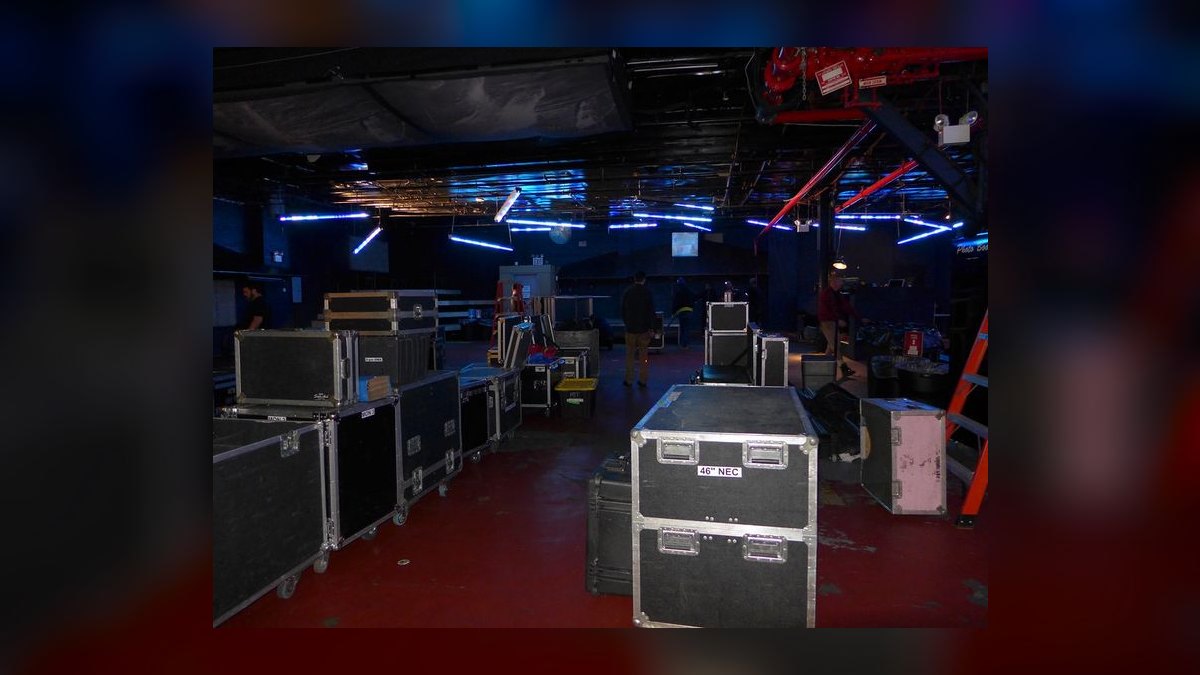
Working capital and green coffee. You buy inventory months before revenue arrives, and green coffee is priced by the pallet. Plan for three to six months of operating expenses plus a green-coffee float, which alone can run well into the tens of thousands depending on your volume and sourcing.
Permits, engineering, and inspections. Mechanical review, fire-suppression review, and stamped drawings are typically a low-to-mid five-figure add, and they gate your opening date. A project that is physically finished but not signed off cannot make a dollar, so treat the permit timeline as a hard schedule dependency, not paperwork.
Packaging and fulfillment. Bag sealers, scales, labelers, and a roast-profiling and inventory software subscription are small per item but stack up quickly once you actually start shipping. Budget them as a real category rather than petty cash.
Contingency. Hold 15% to 20% of the hard-cost budget in reserve, kept liquid. Roastery buildouts almost always uncover a surprise in the gas line, the electrical panel capacity, or the floor load, and a single inspection finding should not be able to stall the whole project. The visible cost is the equipment; the invisible costs decide whether you survive month one.
Phase it so you don't over-build
You rarely need year-three capacity on day one, and installing it early is how first-timers strand cash. Buy a roaster one size up from current demand — not three sizes up — and leave stubbed utilities and open floor space for the second machine instead of installing it now. A smaller batch roaster run over longer hours can carry you a surprisingly long way, and you will have learned your true throughput before committing six figures to a bigger burner and a second afterburner.
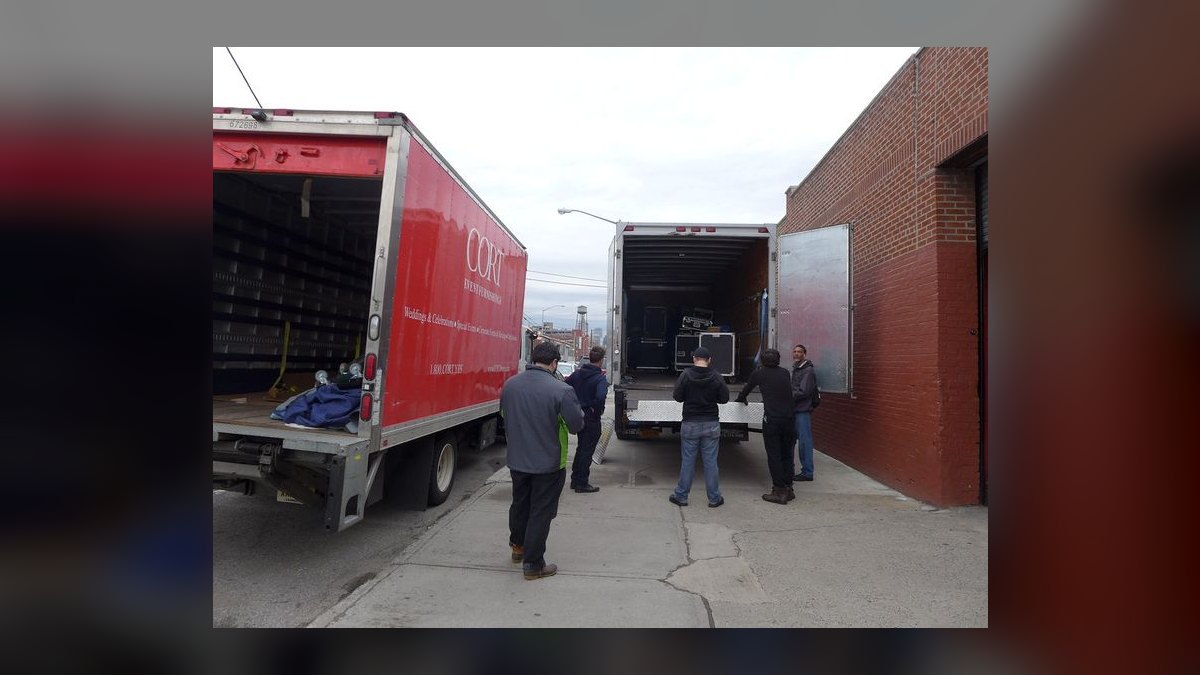
Phasing also protects your lease negotiation. A modest initial footprint paired with a right-of-first-refusal on adjacent space lets you expand later without re-permitting from scratch. If cash is tight, open roasting and wholesale first and add the café build-out as a later phase, once the roasting side is generating revenue. Match the buildout to demand you can actually prove, and let the roastery fund its own next stage rather than borrowing against a forecast.
A budget sequence that saves money
Order of operations is itself a money-saver, because the cheapest checks kill the most expensive mistakes. Verify zoning and the air-permit path first — both are outright deal-killers and cost almost nothing to confirm. Next, spec the venting and afterburner with the roaster maker and a mechanical engineer before you commit to a space, so you never sign a lease on a building that cannot host the exhaust. Then confirm gas BTU capacity and electrical service against the roaster's actual nameplate rather than a rough guess, because undersized utilities become the single most common surprise upgrade. Only after those gates are green do you negotiate the TI allowance and free rent to absorb the infrastructure, not just the cosmetics. Finally, phase the café so a tight opening budget goes to the revenue-producing roasting and wholesale side first. Followed in that order, the sequence spends your due-diligence dollars where they prevent six-figure regrets.
Related questions
How much does the roaster machine itself cost versus the buildout?
The machine is a separate capital line. A 5 kg sample-to-small roaster runs $25,000 to $60,000, and a 12 kg to 35 kg production machine runs $60,000 to $250,000. The buildout that supports it — venting, gas, electrical, floor — often costs as much or more than the roaster.
Can I put a roaster in a café-zoned space?
Usually no. On-site roasting is generally treated as a light-manufacturing use, and café-only zoning frequently bans it. Get a written zoning representation and pull your own municipal verification before signing. Discovering the ban after buildout can void the entire business concept.
Why is the exhaust system so expensive?
Roasting emits smoke, VOCs, and particulate that most metro air districts regulate. Meeting code can require a tall stack, a make-up air unit, and an afterburner or catalytic oxidizer running $15,000 to $50,000, plus an air permit with weeks of lead time. It is the most regulated system in the build.
Should I buy a new or used roaster?
Both work, and used production roasters can meaningfully cut machine cost. The bigger expense is the venting, gas, and electrical infrastructure, which is nearly identical whether the machine is new or used. Factor installation and code-driven infrastructure into any used-equipment savings before assuming it is a bargain.
How long does a roastery buildout take?
Plan for several months, driven largely by the air permit and utility upgrades rather than construction itself. That is why negotiating a four-to-eight-month free-rent buildout window matters — you can be paying rent long before you are legally cleared to roast and sell.
FAQ
What's the single biggest line item in a roastery buildout?
The roaster's exhaust, venting, and gas system, closely followed by the electrical service and the floor it sits on. These two cost centers typically dwarf the price of the machine itself. Budget them first and treat everything else as secondary — the reverse of how most first-timers plan.
Should the landlord pay for any of this?
Yes. Push for the landlord to cover building infrastructure — base electrical, HVAC, structural, and sometimes gas and venting rough-in — before you spend on the machine. This is usually negotiated as a tenant-improvement allowance in the lease. The more you get the landlord to fund upfront, the less capital you sink into a space you don't own.
What does NNN mean and how does it affect my budget?
NNN (triple net) means you pay base rent plus your share of property taxes, insurance, and common-area maintenance on top. It can add $5 to $15 per square foot to your true occupancy cost beyond the headline rent. Always budget the all-in NNN figure, not just the base rate.
Do I need a new roaster or can I buy used?
Both are viable, and used production roasters can cut machine cost significantly. The bigger risk isn't the roaster's price — it's the venting, gas, and electrical work to support it, which is similar whether the machine is new or used. Factor installation and infrastructure into any used-equipment savings.
How much should I set aside for contingency?
Hold 15% to 20% of your hard-cost budget in reserve and keep it liquid. Buildouts routinely run over because of permitting surprises, venting routing, and code-driven infrastructure upgrades. A meaningful contingency buffer is prudent rather than optional, so a single inspection finding doesn't stall the whole project.
What permits and approvals drive roastery costs up?
Commercial kitchen, mechanical and venting, gas, and fire-suppression approvals are the usual culprits, and requirements vary widely by jurisdiction. They can dictate expensive changes to exhaust and gas systems before you're allowed to operate. Confirm local code and air-district rules before signing a lease so you're not buying someone else's problem.
Sources
- https://www.cbre.com/insights
- https://www.jll.com/en-us/insights
- https://www.cushmanwakefield.com/en/united-states/insights
- https://www.rsmeans.com/
- https://sca.coffee/
- https://www.aqmd.gov/
- https://www.naiop.org/research-and-publications/
- https://www.boma.org/
Related on PULSE
- [How Do I Budget a Coffee Shop or Cafe Buildout?](/knowledge/bo0109)
- [How Do I Budget a Funeral Home Buildout?](/knowledge/bo0220)
- [How Do I Budget an Ambulatory Surgery Center Buildout?](/knowledge/bo0219)
- [How Do I Budget an Imaging Center (MRI/CT) Buildout?](/knowledge/bo0218)
- [How Do I Budget a Dialysis or Infusion Center Buildout?](/knowledge/bo0217)
- [How Do I Budget a Physical Therapy Clinic Buildout?](/knowledge/bo0216)
This page will be disappearing soon. Save it to your device for $1 — or read it free while it is here.
@Kory-White- · if Venmo asks, the last 4 of my number are 2012
 buildoutsHow Do I Budget a Medical or Dental Office Buildout?
 buildoutsHow Do I Budget a Barbershop Buildout?
 buildoutsHow Do I Budget a Sushi Restaurant Buildout?
 buildoutsHow Do I Budget a Commissary or Shared Kitchen Buildout?
 buildoutsHow Do I Budget a Car Wash Site Buildout?
 buildoutsHow Do I Budget an Indoor Golf or Golf-Simulator Buildout?
 buildoutsHow Do I Budget a Pet Grooming Buildout?
 buildoutsHow Do I Budget a Call Center or BPO Office Buildout?
 buildoutsHow Do I Budget a Trampoline Park Buildout?
 buildoutsHow Do I Budget a Bookstore-Cafe Buildout?