


What happens to my deposit if the buildout runs past the rent commencement date in 2027
Quality
Certified
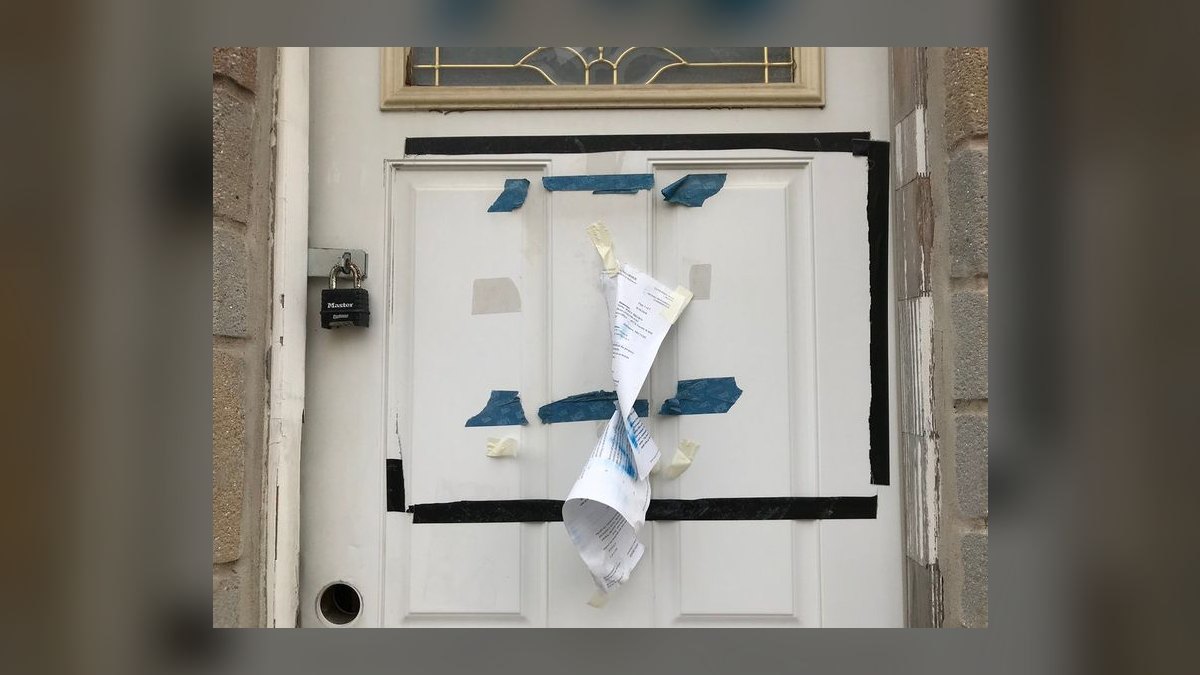
Your deposit is not automatically forfeited when a buildout runs past the rent commencement date. It stays a separate, refundable security asset unless the lease ties it to unpaid rent and the landlord follows formal default procedures. If the landlord's contractor caused the delay, you generally haven't defaulted, so the deposit remains protected.
What a deposit is versus what the rent commencement date triggers
A commercial security deposit is usually one to three months of base rent that the landlord holds as collateral against property damage, unpaid rent, or a lease breach. It is not prepaid rent, and it is not a penalty fund the landlord can raid because a construction schedule slipped. The rent commencement date (RCD) is a legally distinct trigger: it is the calendar day your monthly rent obligation begins, set either as a fixed date ("June 1") or tied to substantial completion of the buildout. Those are two separate mechanisms, and a late buildout does not convert your deposit into rent by itself.
The deposit sits in the landlord's account as security; the RCD flips a switch on your payment duty. For the landlord to reach into that deposit, they typically must prove you defaulted on a specific lease obligation, deliver written notice, and let a cure period run before applying any funds. Insist that your lease states the deposit is "held as security only" and that any application to rent requires your written consent or a completed default process. That single sentence forces the landlord to litigate rather than self-help, and it removes the ambiguity that lets a schedule delay get reframed as a monetary default.

When you read the lease, find three clauses and map how they interact. First, the definition of the deposit and its permitted uses. Second, the definition of the RCD and exactly what "substantial completion" means — certificate of occupancy issued, all landlord work finished, or something vaguer. Third, the default section listing what actually triggers forfeiture. If delayed rent commencement is not named in the default clause as a forfeiture event, the landlord has weak footing to keep your money over a construction slip. Most standard leases define forfeiture narrowly — damage beyond ordinary wear and tear, or rent unpaid after a formal notice and expired cure period — which is exactly why the fine print protects you here.
When the delay is the landlord's fault
If the landlord's contractor, the landlord's permitting, landlord-driven change orders, or landlord-supplied material shortages cause the slip, your deposit is generally safe because you have not breached anything. You cannot have "failed to pay rent" on a space that is not ready for occupancy, and most leases will not let a landlord manufacture a default out of their own contractor's delay. Force majeure clauses excuse landlord delays from strikes, natural disasters, or governmental action, but routine contractor slowness is rarely covered — and that cuts both ways, because it also means the landlord cannot hide behind force majeure to shift blame onto you.

The genuine financial risk in a landlord-caused delay is usually not the deposit at all — it is double rent. If your existing lease is still running while the new space sits unfinished, you can end up paying two rents at once, and your cash flow buckles. The deposit does nothing to solve that; it is collateral, not a line of credit. Protect yourself two ways. First, negotiate a rent abatement or rent-free period that begins at substantial completion rather than on a fixed date, so you never owe rent on a space you cannot occupy. Second, if the landlord insists on a fixed RCD, add a day-for-day extension: the RCD moves back one day for every day of landlord-caused delay. That keeps the deposit as pure security and denies the landlord any leverage to treat the delay as your problem.
Document the cause as it happens. Keep dated emails, inspection reports, and change-order records showing that the holdup traced to the landlord's side. If a dispute later arises over whose delay it was, a contemporaneous paper trail is what pressures a landlord to release the money rather than argue in front of a judge.
When the delay is the tenant's fault
If you cause the slip — slow plan approvals, indecision on finishes, failure to pull your own permits, or a contractor you hired falling behind — the landlord has a stronger claim on your deposit. Many leases state that if the tenant fails to reach substantial completion by the RCD, the tenant is in default and the landlord may apply the deposit to cover lost rent during the gap. At typical commercial rent levels, even a one-month delay can let the landlord tap a full month of deposit, and a longer slip can eat through more.
Even then, the landlord cannot simply seize the money. Standard default procedures require written notice and a cure period, commonly ten to thirty days. If you fix the problem inside that window — approve the plans, sign off on finishes, secure the permit — the deposit stays whole. The strongest protection you can negotiate is a tenant-delay cap: if you cause the delay, your total exposure is limited to the deposit itself, with no additional rent, interest, or legal-fee claims layered on top. Without that cap, a landlord can pursue lost rent, carrying costs, interest, and attorney's fees well beyond the deposit amount, turning a scheduling problem into an open-ended liability.
Two provisions to refuse outright. Reject any clause labeling the deposit "non-refundable," which signals a predatory posture and strips your right to recover it under almost any circumstance. And reject any language letting the landlord apply the deposit to tenant-improvement cost overruns — deposits are for rent and damages, not construction financing. Keep your own log of every approval and decision date so that if a dispute arises, you can show precisely which delays were yours and which were the landlord's, and hold your exposure to only the portion you actually caused.
How to negotiate a buildout-delay clause that protects the deposit
The single most valuable lease term is an explicit buildout-delay clause spelling out what happens to the deposit and the RCD when completion slips. Build it from these components:

- Substantial-completion trigger. Define the RCD as the date the space is genuinely ready for occupancy — certificate of occupancy issued and all landlord work finished — not a fixed calendar date. This prevents rent from starting while the buildout is half-done and keeps your deposit from being pulled into a manufactured default.
- Automatic day-for-day extension. State that the RCD extends one day for each day of delay caused by the landlord, its contractors, third parties like city inspectors, or force majeure. This keeps the deposit functioning as security only and removes the landlord's leverage to reclassify the gap as unpaid rent.
- Tenant-delay cap. If the tenant causes the delay, cap total liability at the deposit amount, with no additional rent or damages. For a small business, this should be non-negotiable — it converts an unlimited risk into a known, bounded one.
- Deposit-return timeline. Require the deposit be returned within a defined window — commonly thirty to sixty days — after lease expiration or substantial completion, whichever is later, so it cannot be held indefinitely while the landlord decides whether to make a claim.
- Separate account and interest. Require the deposit be held in a separate trust or escrow account, not commingled with operating funds. Where your state does not already mandate interest on long-held deposits, negotiate for it, so a delay that stretches for months does not quietly erode your money's value.
A workable sample sentence: *"If the Rent Commencement Date is delayed due to Landlord's failure to achieve Substantial Completion, the Rent Commencement Date shall be extended one day for each day of such delay, and Tenant's Security Deposit shall remain unaffected and fully refundable."* One clause like this converts an open-ended dispute into a mechanical, self-executing rule — which is exactly what you want when money and timing are both moving at once and tempers are short.
How state law shapes deposit handling during delays
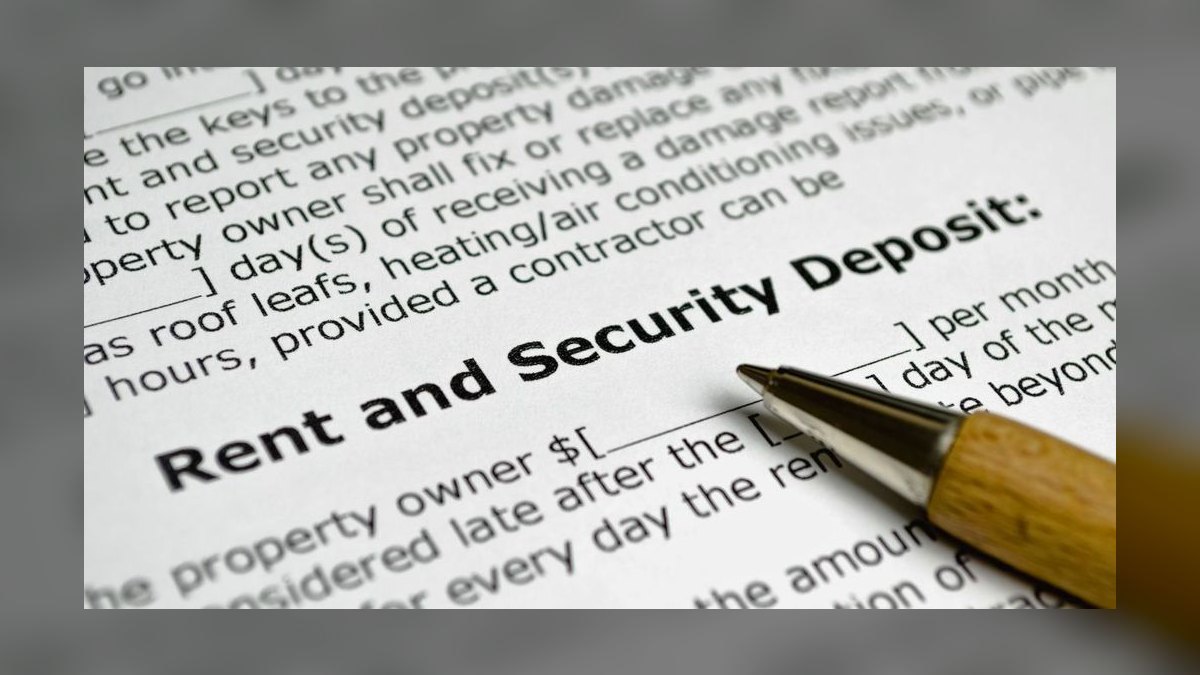
State law on commercial security deposits varies widely, and it matters most when your lease is silent. Some states require landlords to hold commercial deposits in separate accounts and to remit interest earned when the deposit is held for an extended period. Others mandate return within a set number of days after lease termination, sometimes with penalties for late or undocumented withholding. Many states have no specific commercial-deposit statute at all, leaving everything to the contract — which is precisely why your negotiated language becomes your only shield. A few jurisdictions permit commingling but require a written receipt.
The practical takeaway is to assume the lease governs and draft as if there is no statutory backstop. Put the separate-account language, the itemized-accounting requirement, and the return timeline directly in the document rather than relying on default state rules you may not actually have. Because commercial leases generally receive far less statutory protection than residential ones, a review by a commercial real estate attorney licensed in your state is a modest cost against the risk of losing a multi-month deposit. Have them confirm which local rules are mandatory versus waivable, then make sure your lease meets or beats the mandatory floor. If your state does require interest, separate accounts, or fast return, verify the lease does not quietly waive protections you are legally owed.
Practical steps to avoid a deposit dispute
Concrete habits protect the deposit better than any single clause, and most of them cost nothing but discipline:
- Document everything. Keep a buildout log of every approval, contractor visit, inspection, and delay, and email weekly summaries to the landlord. A contemporaneous paper trail is what wins a dispute over who caused the slip, because memories fade and self-serving accounts appear only after money is at stake.
- Insist on a separate deposit account. Ask that the deposit sit in trust or escrow so the landlord cannot spend it on operating costs and later claim it is depleted or apply it informally to their own carrying costs.
- Negotiate rent abatement. Even with a fixed RCD, secure a rent-free period after substantial completion to absorb any overlap with your old lease and relieve the cash-flow pressure that makes deposits vulnerable in the first place.
- Use a tenant-rep broker. A broker representing tenants knows which landlords flex on deposit terms and can win protections you would otherwise miss, often at no direct cost to you.
- Get every agreement in writing. Verbal assurances about deposit handling are worthless in a dispute. Amend the lease to include the delay clause before you sign — never after, when your leverage is gone.
- Know your exit. A landlord who refuses to protect the deposit will likely be rigid on repairs, increases, and subleasing too. Rigidity on the deposit is a preview of the whole relationship, and it is cheaper to learn that before signing than after.
How landlords try to leverage a late buildout

Landlords sometimes argue the deposit should cover "lost income," "opportunity cost," or "extra management time" caused by delayed rent commencement. These arguments only carry weight if your lease specifically lists delayed rent commencement as a default that triggers forfeiture — and most standard leases do not. Typical leases define forfeiture narrowly: damage beyond ordinary wear and tear, or unpaid rent after a formal default notice and expired cure period. When the delay traces to landlord-approved contractor work, permit holdups, or material shortages, you have strong grounds to demand the full deposit back.
Push back with process rather than argument. Request a written, itemized accounting of any proposed deduction; many states require landlords to provide one within a set period after termination, and the mere request often deflates a speculative claim. If a landlord signals they intend to keep the deposit, act quickly: preserve every email, text, and notice showing the delay's cause, then send a formal written demand referencing your lease terms and any applicable statutory return period. If they still refuse, mediation or small claims court resolves most deposit disputes without full litigation, and a well-documented record showing the delay was not your fault usually pressures a landlord to settle rather than face a judge. Never let a threat of deposit loss pressure you into signing an amendment that waives your rights or reclassifies a landlord-caused delay as yours.
Related questions
Does the deposit automatically pay rent during a buildout delay?

No. Unless the lease explicitly permits applying the deposit to unpaid rent, it stays security for damages and breaches. The landlord must typically issue a formal default notice and let a cure period run before touching it.
What actually causes financial pain when a buildout runs late?
Usually double rent — still paying your old lease while owing rent on an unfinished space. The deposit does not help. Fix it with rent abatement starting at substantial completion or a day-for-day RCD extension.
Can I get the deposit back if I walk away during a delay?
Often no. Early termination is generally itself a default, letting the landlord keep the deposit as liquidated damages — unless you negotiated a right to terminate for excessive landlord-caused delay before you signed.
Should I tie the rent commencement date to a calendar date or completion?
Tie it to substantial completion whenever possible. A fixed date can start your rent while the space is unusable; a completion trigger keeps rent and deposit aligned with actual occupancy readiness.
FAQ
Can the landlord keep my deposit if the buildout is delayed only briefly? Only if the lease says the deposit is forfeited upon any default, and most leases do not. A short delay rarely triggers a deposit claim unless it causes the landlord to lose a tenant or miss a financing deadline. Check the default clause for the specific cure period before assuming exposure.
Does the deposit cover rent during the buildout delay?

No, unless the lease explicitly allows applying the deposit to unpaid rent during a default. Most leases require a formal default notice and a cure period first. The deposit exists for damages and breaches, not automatic rent coverage.
What if I can't pay rent because the buildout isn't finished and I'm still on my old lease? That is a cash-flow problem, not a deposit issue, and the deposit will not fund double rent. Negotiate a rent abatement or a delay clause that extends the RCD until substantial completion so the two obligations never overlap.
Is my deposit refundable if I walk away during a delay? Usually not. Terminating early generally puts you in default, letting the landlord retain the deposit as liquidated damages. If the landlord caused the delay and you hold a right-to-terminate clause, you may recover it, so negotiate that right up front.
Do I need a lawyer to protect my deposit during buildout negotiations? For a small business or first-time tenant, yes. A commercial real estate attorney spots predatory clauses and negotiates protections you would miss. The fee is modest against the risk of losing a multi-month deposit.
Can the landlord use my deposit to pay for buildout cost overruns? Only if the lease specifically allows applying the deposit to tenant-improvement costs, which is rare. Most deposits are limited to rent and damages. If the landlord tries, demand a written accounting and have the clause reviewed before you agree.
Sources
- https://www.icsc.com/
- https://www.nar.realtor/commercial
- https://www.americanbar.org/groups/real_property_trust_estate/
- https://www.boma.org/
- https://www.law.cornell.edu/wex/security_deposit
- https://www.sba.gov/business-guide/manage-your-business/buy-lease-commercial-space
- https://www.nolo.com/legal-encyclopedia/commercial-real-estate-leases
Related on PULSE
- How do I negotiate a rent credit if the landlord delays the buildout completion date?
- How do I force the landlord to pay for my temporary space while my buildout runs over schedule
- How Do I Protect My Security Deposit From a Landlord Who Won't Return It?
- What's a Fair Security Deposit on a Commercial Lease and How Do I Reduce It?
- What happens to my buildout schedule if the landlord's lender withholds approval?
- What happens if the landlord's construction inspects my buildout and finds violations?
This page will be disappearing soon. Save it to your device for $1 — or read it free while it is here.
@Kory-White- · if Venmo asks, the last 4 of my number are 2012
This page is gone.
This one is off the shelf now. $1 keeps it on your phone for good — the whole page, pictures and diagrams included.
 boShould I accept an allowance that depreciates over lease years or get it all upfront in 2027?
 pulse-buildoutsWhat are the most common mistakes in Buildouts in 2027?
 boWhat are the hidden costs of a warm shell delivery that landlords don’t disclose in 2027?
 boHow do I negotiate a co-working flex space buildout with shared corridors and common areas in 2027
 boCan I get the landlord to reimburse my moving and storage costs during the buildout in 2027
 boHow do I negotiate a clause that credits my TI allowance against future rent if I underspend in 2027
 boHow do I negotiate a cap on my out-of-pocket costs for the buildout in 2027?
 boCan I require the landlord to use my preferred subcontractors for the buildout in 2027?
 boHow do I get the landlord to fund my data and power floor boxes in 2027?
 boHow do I negotiate a hard cap on my shared plaza maintenance costs after the buildout in 2027?