


How much does a 5,000 sq ft quick-service restaurant buildout cost in 2027?
Quality
Certified
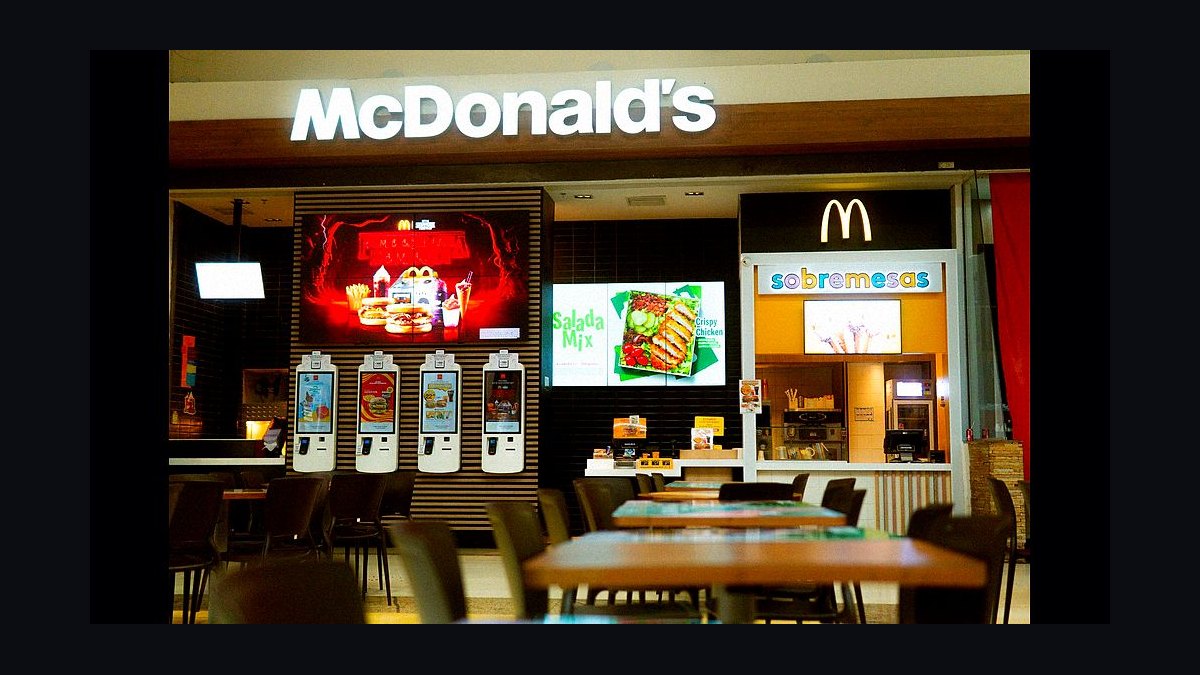
It depends — a 5,000 sq ft quick-service restaurant (QSR) buildout in 2027 is driven far more by kitchen intensity, whether you inherit a "second-generation" restaurant space or a raw shell, and your local labor and permitting market than by the square footage alone. The single biggest swing factor is the condition of the space you sign for: a former restaurant with usable hoods, grease traps, and gas service can cost a fraction of building the same kitchen from bare walls. Plan your budget as a range, not a point estimate, and pad it with a real contingency.
Restaurant construction is one of the most cost-dense categories of commercial buildout because a QSR packs heavy mechanical, electrical, plumbing (MEP), and code-driven infrastructure into a small footprint. This guide breaks the cost into its real drivers, shows where 2027-specific pressures (labor, equipment lead times, energy code) land, and gives you a framework to pressure-test any contractor bid before you sign.
What actually drives the cost of a 5,000 sq ft QSR buildout?
Square footage is the headline number owners fixate on, but it's a poor predictor on its own. A 5,000 sq ft QSR is unusual — it's on the larger end for the format, implying a bigger dining room, a drive-thru, or a production kitchen serving multiple locations. The cost per square foot for the *kitchen and back-of-house* zone is dramatically higher than for the *dining and seating* zone, so two 5,000 sq ft restaurants can differ enormously depending on how that area splits. A concept that is 60% kitchen (think a high-volume fried-chicken or burger operation with a drive-thru) will cost far more than one that is mostly dining room with a compact assembly line.
The real cost drivers cluster into a handful of categories: the base condition of the space (shell vs. second-generation), the mechanical/electrical/plumbing systems, the kitchen equipment package, the hood and fire-suppression system, finishes and millwork, and the "soft costs" — design, permits, impact fees, and professional services. Each of these can move your total by a wide margin, which is why an honest bid is presented as a schedule of values across these line items rather than a single per-square-foot figure. When you're comparing contractors, insist on that line-item breakdown so you can see where the money is actually going. For a broader look at how operators model these decisions, see the RevOps buildout planning primer at https://pulserevops.com/knowledge/qsr-buildout-planning.
The diagram above is the mental model to keep: every dollar in a QSR buildout falls into one of these buckets, and the buckets are wildly unequal. Kitchen and MEP typically dominate. That's why professionals warn against benchmarking a restaurant against generic "commercial construction cost per square foot" figures — those averages are pulled down by office and retail projects that carry a fraction of the mechanical load.
Shell space vs. second-generation space: why the starting point matters most
The most consequential decision you make happens before any construction — it's the lease you sign. A raw shell (sometimes a "cold dark shell" or "vanilla box") gives you a floor, exterior walls, and a stubbed utility point, and nothing else. From there you build the entire kitchen infrastructure: cut and pour the grease trap, run new gas service sized for your equipment, bring in the electrical capacity, penetrate the roof for the exhaust hood and make-up air, and add the dedicated ventilation a cooking operation requires. Each of those is expensive and slow, and several trigger structural, roofing, and utility-company work outside your four walls.
A second-generation space — a former restaurant — can carry over the most expensive bones. If the previous tenant left a functioning hood, an adequately sized grease interceptor, gas service, floor drains, and a walk-in pad, you may reuse a large share of the infrastructure that would otherwise consume the bulk of your budget. The catch is that "reusable" is a claim to verify, not assume: hoods must meet current code and match your equipment layout, grease traps must be sized for your projected flow, and inherited electrical may be undersized for a modern all-electric kitchen. Before signing, get a qualified restaurant contractor and a mechanical engineer to walk the space and tell you what genuinely survives. A cheap second-gen space with a hood you must rip out is not cheap. This is the single highest-leverage cost decision in the entire project, which is why it belongs in your site-selection stage, not your construction stage — more on that framework at https://pulserevops.com/knowledge/second-generation-restaurant-space.
Beyond the infrastructure, second-generation spaces shorten your timeline, and time is money in restaurant buildouts — every month of construction is a month of rent paid with no revenue, plus carrying costs on financing. A faster opening compounds in your favor. Weigh a slightly higher rent on a well-equipped second-gen space against the capital and months you'd sink into a "cheaper" shell.
What's different about building in 2027?
Several forces specific to the mid-decade construction market shape a 2027 buildout. First, skilled trade labor remains the tightest constraint in most metros. Restaurant work demands specialized MEP trades, and their availability — not material price — is often what sets your schedule and a meaningful share of your cost. In hot markets, the premium to get a qualified crew on your timeline is real, and it's why booking your general contractor early matters.
Second, equipment and long-lead items deserve early attention. Commercial refrigeration, exhaust hoods, custom stainless fabrication, and specialized cooking equipment can carry lead times that gate your entire schedule. Ordering late is a classic way to blow a timeline and rack up extra rent. In 2027, plan your equipment procurement as a parallel track that starts during design, not after framing.

Third, energy codes and electrification continue to evolve. A growing number of jurisdictions favor or mandate electric kitchen equipment and higher-efficiency HVAC, which changes your electrical service sizing and can raise both equipment and infrastructure cost — while sometimes qualifying you for utility rebates or incentives. Check your local code and utility programs early, because a late discovery that you need a service upgrade is expensive and slow. Finally, permitting and inspection timelines vary enormously by jurisdiction; some cities move quickly, others take many months, and that calendar risk should live in your pro forma as both a time and a carrying-cost line. Tie your buildout budget to your unit economics so a cost overrun doesn't quietly wreck your payback period — the connection between capex and RevOps modeling is covered at https://pulserevops.com/knowledge/restaurant-unit-economics.
How should I structure and sequence the budget?
Treat the buildout as a sequence of gated stages, each with a go/no-go decision, rather than one lump commitment. The order below reflects how risk and cost actually accumulate, and it lets you kill or renegotiate a deal before you're too deep to walk away.
The critical insight in the sequence is that your feasibility and MEP walk (stage 3) happens *before* you're locked in — during the letter-of-intent or contingency period of your lease. That's your last cheap chance to discover a deal-killer, like an inadequate power service or a grease-trap problem, while you can still renegotiate tenant improvement allowances or walk. Landlords often contribute a TI allowance toward the buildout, and negotiating that allowance is part of your cost strategy; a larger allowance directly offsets your out-of-pocket capital.
Two budgeting disciplines separate operators who open on-budget from those who don't. The first is a genuine contingency reserve — a meaningful percentage held back for the unknowns that restaurant construction reliably surfaces once walls are open (undersized utilities, code-required upgrades, hidden conditions). Treat it as spent-until-proven-otherwise, not as a bonus. The second is value engineering as a deliberate step: after the first contractor bid, you and the GC systematically look for substitutions — finishes, equipment tiers, layout tweaks — that preserve the concept while trimming cost. Value engineering done collaboratively protects the guest experience; done as a panic cut, it hollows out the concept. Build both the contingency and the VE step into your schedule from day one.
How do I pressure-test a contractor's bid?
A trustworthy bid is legible. Demand a schedule of values that breaks the total into the categories from the first diagram — base building, MEP, kitchen equipment, hood and suppression, finishes, and soft costs — with quantities and unit assumptions you can actually check. A single blended per-square-foot number is a red flag, because it hides where the risk lives and makes apples-to-apples comparison between bidders impossible.
Ask each bidder the same clarifying questions and watch for consistency: What's assumed about the existing utility capacity? Who's responsible if the power service needs upgrading? What are the equipment lead-time assumptions and who carries the risk if they slip? Is the grease trap sized for your projected flow, and does it meet current code? Bidders who've done real QSR work will have crisp answers; those who haven't will wave them off. The cheapest bid is frequently the one with the most unstated assumptions — it gets "cheap" by leaving out the exact items that later become change orders. Compare scopes, not just totals, and normalize the bids to the same assumptions before you pick. Finally, confirm the bid separates owner-furnished items (often the kitchen equipment package, which you may buy directly) from contractor-furnished work, so you're not double-counting or leaving a gap.
Related questions
Is a drive-thru worth the added buildout cost?

Often yes for QSR economics, since drive-thru revenue can dominate sales — but it adds significant cost: dedicated lanes, order-and-pickup infrastructure, signage, and site/civil work. It also depends heavily on zoning approval and lot geometry, which you must confirm before assuming a drive-thru is even permitted.
How long does a 5,000 sq ft QSR buildout take?
Timelines vary widely by jurisdiction and space condition. A well-equipped second-generation space can open far faster than a raw shell, which may add many months for utility work, structural changes, and permitting. Build permitting calendar risk into your pro forma explicitly.
Should I buy kitchen equipment new or used?
Both have a place. Used or refurbished equipment can cut the equipment line meaningfully, but verify code compliance, warranty, and remaining service life. Some items — especially anything tied to fire suppression, ventilation, or refrigeration reliability — are usually worth buying new for peace of mind and code certainty.
Does the landlord pay for any of the buildout?
Frequently, partially. Many restaurant leases include a tenant improvement (TI) allowance the landlord contributes toward construction, negotiated as part of the lease. The allowance directly reduces your out-of-pocket capital, so treat it as a core negotiation lever, not an afterthought.
What's the most common way QSR buildouts blow their budget?
Signing a "cheap" shell without a proper MEP feasibility walk, then discovering the utilities, grease trap, or ventilation need major work. The second most common is under-reserving contingency and ordering long-lead equipment too late, which drives change orders and extra rent.
FAQ

Why is a restaurant so much more expensive to build than office or retail space of the same size? Because a QSR concentrates heavy mechanical, electrical, and plumbing systems into a small footprint — exhaust hoods, make-up air, grease interceptors, gas service, dedicated electrical, and a large equipment package. Generic commercial construction averages are pulled down by low-intensity office and retail projects and badly understate a cooking operation's cost. Benchmark against restaurant-specific data only.
What is a second-generation restaurant space and why does everyone recommend it? It's a location that was previously a restaurant, so it may already have reusable infrastructure — a hood, grease trap, gas service, floor drains, and utility capacity — that would otherwise be the most expensive part of your buildout. Reusing that infrastructure can save significant capital and time, provided a qualified contractor verifies what genuinely meets current code and matches your layout.
How much contingency should I budget? Hold a meaningful reserve specifically for the hidden conditions restaurant construction reliably surfaces once walls are open — undersized utilities, code-required upgrades, and change orders. The exact percentage depends on how much unknown your space carries; a raw shell or an older building warrants more reserve than a recent, well-documented second-generation space. Treat the contingency as committed capital, not a bonus.
What are the biggest long-lead items I should order early? Commercial refrigeration, custom exhaust hoods, stainless fabrication, and specialized cooking equipment often carry the longest lead times and can gate your entire schedule. Start procurement as a parallel track during the design phase so equipment arrival doesn't push your opening — and your rent-with-no-revenue window — out by months.

Do I need an architect and engineers, or can the contractor handle everything? For a project of this size and complexity you'll generally need licensed design and engineering — architecture plus mechanical, electrical, and plumbing engineering — to produce permit-ready drawings and satisfy code. These are soft costs, but they're not optional; they de-risk the build and are what inspectors and permitting authorities require. A design-build contractor may bundle them, but confirm the scope is genuinely covered.
How do 2027 energy codes affect my buildout? Many jurisdictions increasingly favor or require electric kitchen equipment and higher-efficiency HVAC, which can raise your electrical service sizing and equipment cost — while sometimes qualifying you for utility rebates. Check local code and utility incentive programs during design, because discovering a required service upgrade late is expensive and slow to remedy.
Should the kitchen equipment be in the construction contract or bought separately? Either works, but be explicit. Many operators buy the equipment package directly (owner-furnished) and have the contractor install and connect it, which can give you more control over selection and pricing. The key is a bid that clearly separates owner-furnished from contractor-furnished items so nothing is double-counted or left as a gap between scopes.
How do I compare two contractor bids that are far apart on price? Normalize them to the same assumptions before judging. Get both as a line-item schedule of values, then check what each assumes about utility capacity, who carries service-upgrade and lead-time risk, and whether the grease trap and hood meet code. The cheaper bid often omits exactly the items that become change orders later. Compare scopes, not headline totals.
Sources
- U.S. Small Business Administration — Fund your business
- International Code Council — International Building Code & International Mechanical Code
- National Fire Protection Association — NFPA 96: Ventilation Control and Fire Protection of Commercial Cooking Operations
- U.S. Food and Drug Administration — FDA Food Code
- National Restaurant Association — Research and operations resources
- U.S. Department of Energy — Commercial Buildings Energy Efficiency
- U.S. Bureau of Labor Statistics — Producer Price Indexes (construction inputs)
- ENERGY STAR — Commercial Kitchen Equipment
Related on PULSE
- How much does a 10,000 sq ft cold storage warehouse buildout cost in 2027?
- How much does a 10,000 sq ft cold storage buildout with racking cost in 2027
- How much does a 10,000 SF medical office buildout cost per square foot in 2027?
- What's the average per-square-foot cost for a restaurant buildout with full kitchen in 2027?
- What’s the average timeline for a full-service restaurant buildout approval in 2027
- What's the average cost to run new electrical for a private server room buildout in 2027?
Recently Added — Related
This page will be disappearing soon. Save it to your device for $1 — or read it free while it is here.
@Kory-White- · if Venmo asks, the last 4 of my number are 2012
This page is gone.
This one is off the shelf now. $1 keeps it on your phone for good — the whole page, pictures and diagrams included.
 pulse-buildoutsTop 10 best Buildouts options in 2027
 pulse-buildoutsIs Buildouts worth it in 2027?
 pulse-buildoutsHow do you get started with Buildouts in 2027?
 pulse-buildoutsHow much do Buildouts cost in 2027?
 pulse-buildoutsWhat should you know before investing in Buildouts in 2027?
 pulse-buildoutsWhat are the most common mistakes in Buildouts in 2027?
 pulse-buildoutsTop 10 Buildouts strategies for 2027
 pulse-buildoutsWhat is the best way to approach Buildouts in 2027?
 buildoutsWhen Should I Demolish an Old Building Versus Build-to-Suit in 2026?
 buildoutsWhat Is a Tenant Improvement (TI) Allowance and How Do I Get the Landlord to Pay for It in 2027?