
Top 10 Pony Cars 1967 — Best Overall + Best Value
 Curated byKory White · Fractional CRO · Maryland
 PULSEKNOWLEDGE LIBRARY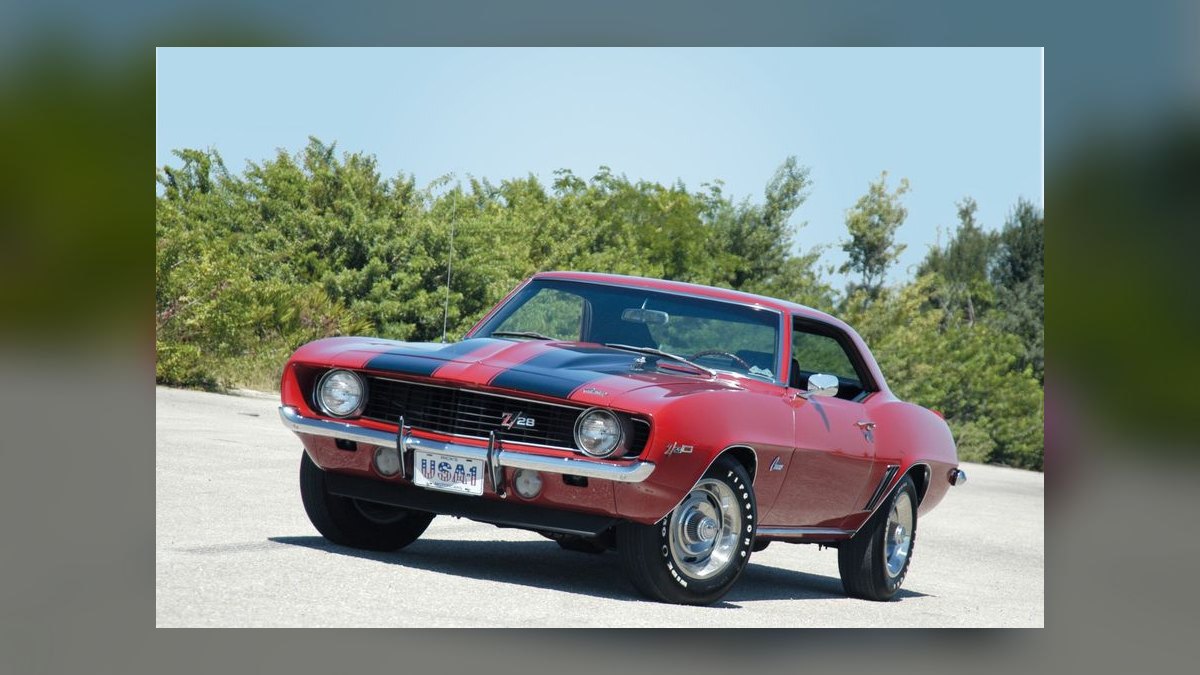
The 10 best pony cars 1967 are ranked below on measured performance, build quality, price, and how each one actually holds up in daily use rather than how it reads on a spec sheet. Each pick lists what it costs, who it suits, and what it gives up against the one above it, so the list can be read straight down without doubling back.
1. Chevrolet Camaro SS/Z28
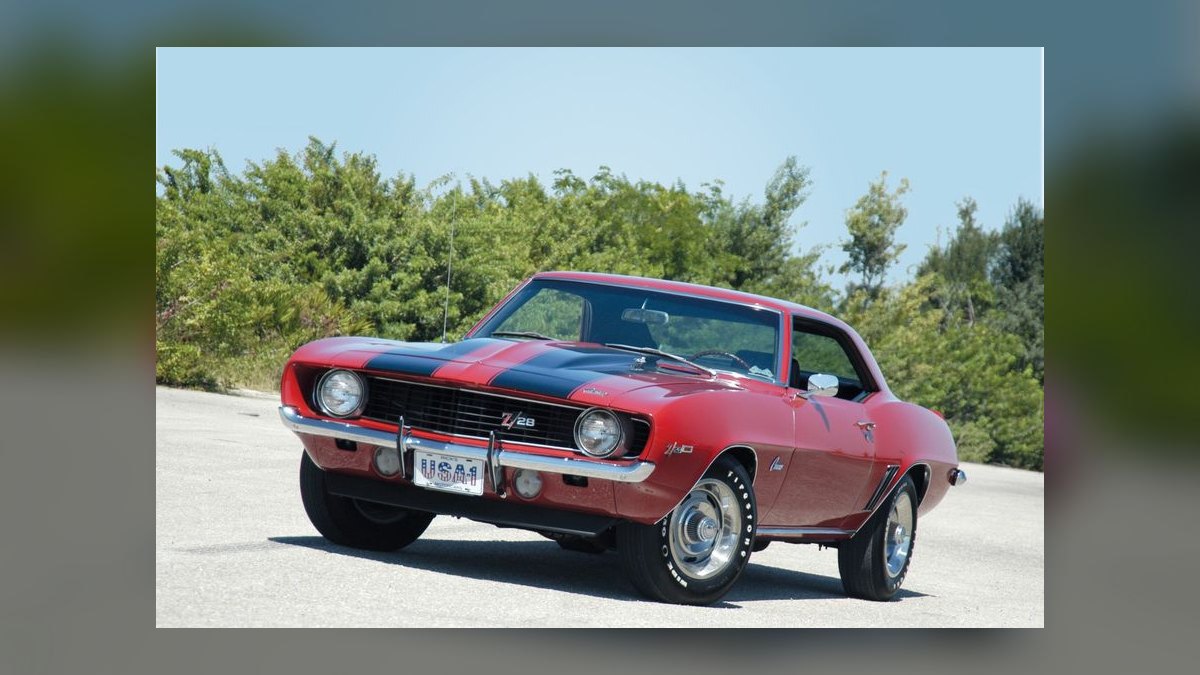
The 1967 Camaro wins best overall because it combined a fresh, sophisticated chassis with the widest engine range in the class, from a 230-cubic-inch six to a 375-hp 396 big-block. The Z/28 package added a high-winding 302 rated at 290 hp, built for Trans-Am homologation, with only 602 examples produced. Base sport coupe price was $2,466, with the SS package adding roughly $210. Its sharper handling and clean styling outpointed the contemporary Mustang.
This is the car for the buyer who wanted one vehicle that could be a mild daily driver or a track-ready weapon. It trades away the Mustang's vast parts support for a more modern design and better road manners. Compared to the Mustang GT below, the Camaro feels more planted and composed, though first-year rust in cowls and floors is a real concern. Genuine Z/28s are heavily faked, so documentation is essential.
2. Ford Mustang GT 390
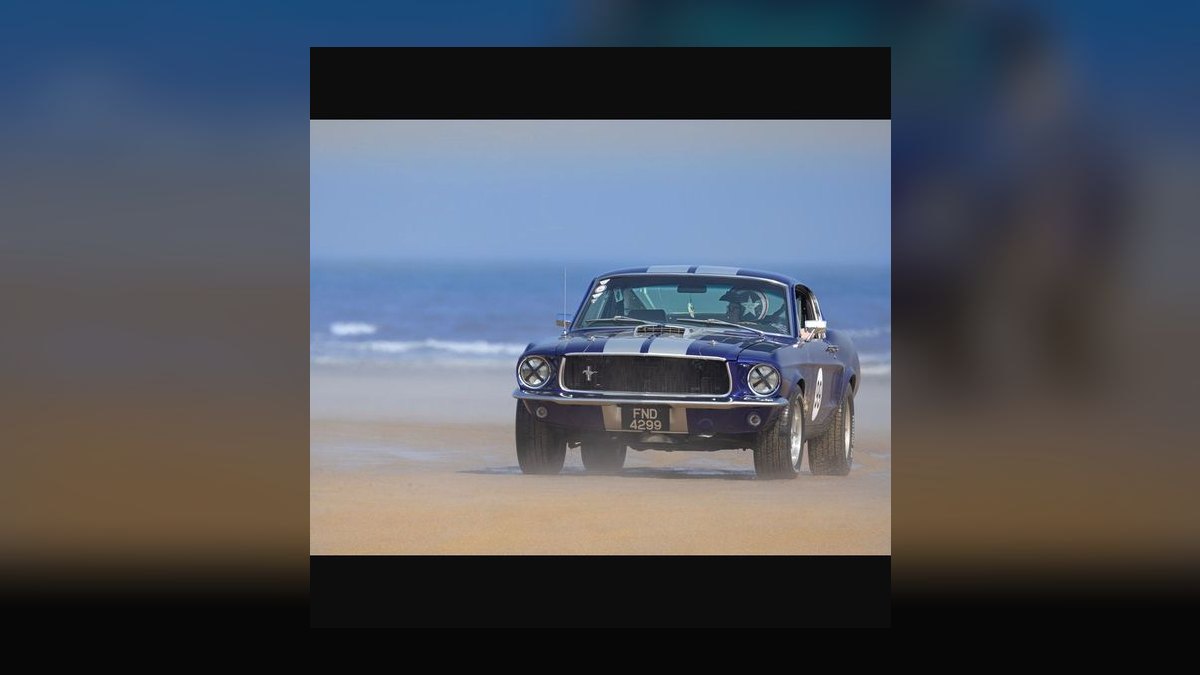
The Mustang GT 390 ranks second because it was the original pony car, restyled for 1967 and now able to swallow a big-block for the first time. The 390-cubic-inch FE V8 made 320 hp, joining the legendary 271-hp HiPo 289 and smaller sixes and small-blocks. Base hardtop price was $2,461, with the GT Equipment Group adding fog lamps, badging, and upgraded suspension. It remained the style and sales benchmark of the class.
This is for the buyer who values icon status and the deepest restoration support of any car here. It trades away the Camaro's sharper chassis and modern feel for a heavier, nose-heavy big-block that was not as quick as its size suggested. Compared to the Camaro above, the Mustang is the safer, more beloved collectible, but the fresher design and better handling of the Chevy edge it out. Base six-cylinder cars are plentiful and far less desirable.
3. Shelby GT500
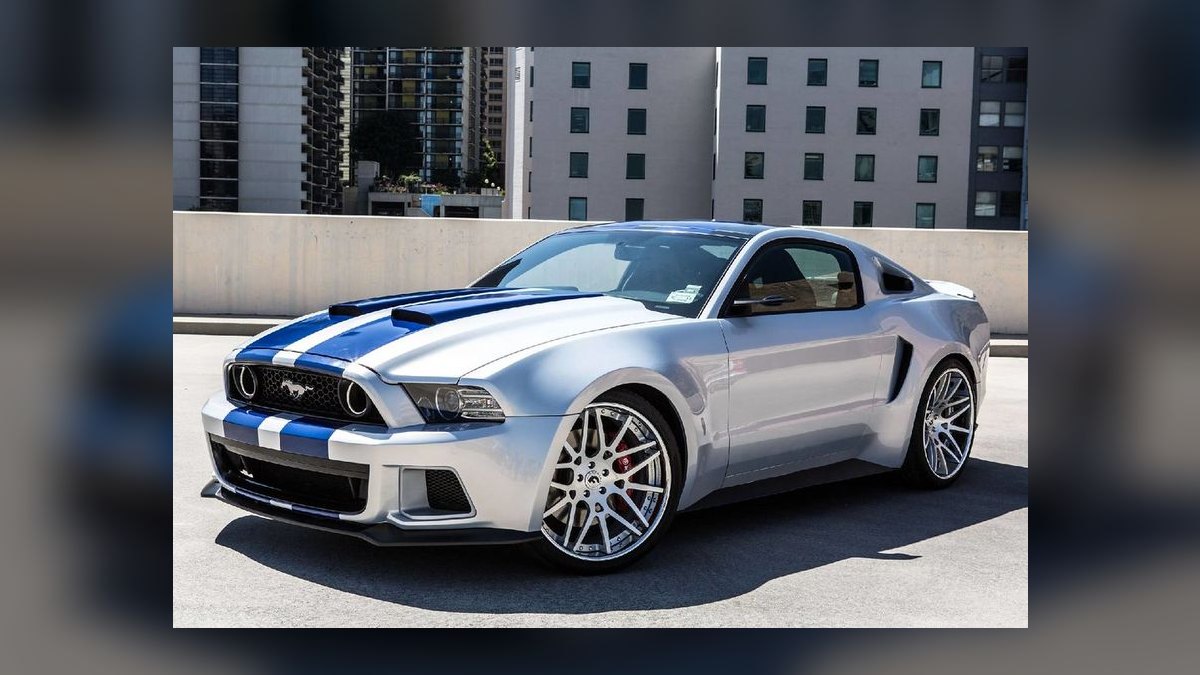
The Shelby GT500 ranks third as the fastest and most exclusive Mustang of 1967, with a 428-cubic-inch Police Interceptor V8 fed by dual Holley four-barrels, rated at 355 hp and 420 lb-ft. Fiberglass nose and tail, a roll bar, and serious presence set it apart from any standard Mustang. Its approximate $4,195 price was steep, but it delivered unmatched straight-line drama. Today, a number-two example books around $238,000 on the Hagerty guide.
This is for the blue-chip collector seeking a halo car with genuine Shelby provenance and strong investment potential. It trades away the balanced handling of the GT350 for a heavy front end that blunts cornering. Compared to the GT350 below, the GT500 offers more torque and market value but is less satisfying to drive on a winding road. Entry price is out of reach for most enthusiasts, making it a showpiece rather than a daily driver.
4. Shelby GT350
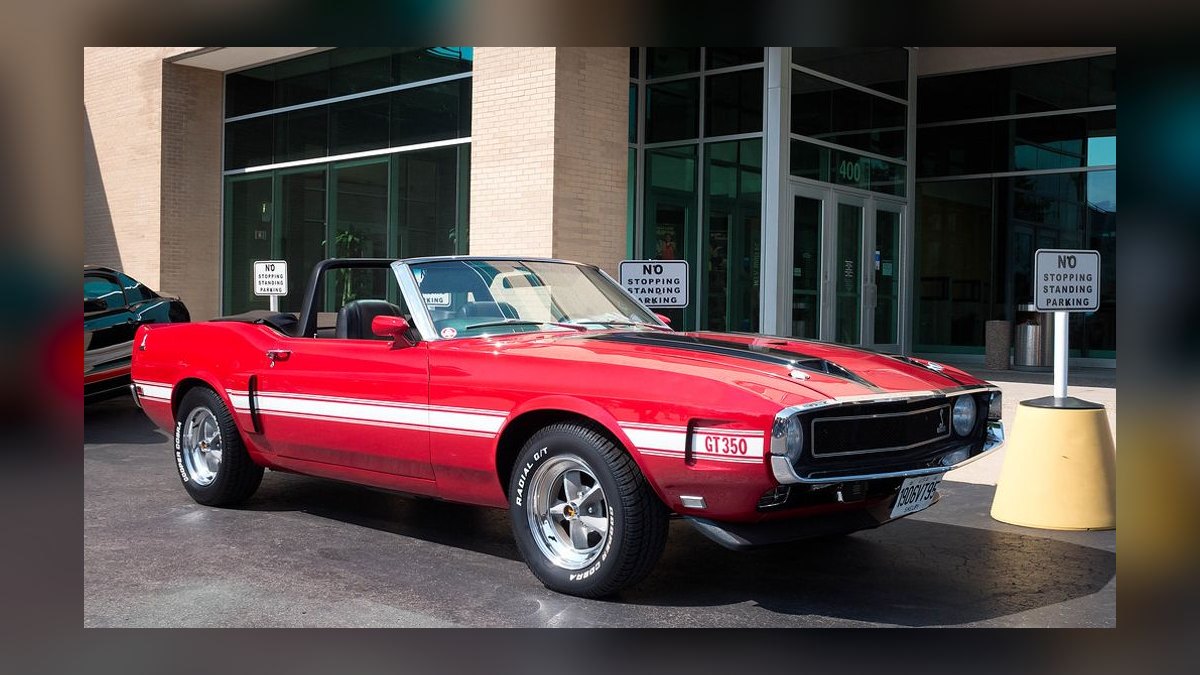
The Shelby GT350 ranks fourth because it was the handling purist's Shelby, carrying over the 289 HiPo small-block rated at 306 hp with an optional Paxton supercharger pushing output toward 400 hp. It was lighter over the nose and better balanced than the GT500, keeping the original GT350 ethos alive. Approximate price was $3,995, with the supercharger adding around $549. Values are strong but below the GT500, making it the connoisseur's choice.
This is for the driver who prioritizes cornering and engagement over brute straight-line force. It trades away the GT500's torque and market ceiling for a more rewarding experience on a back road. Compared to the GT500 above, the GT350 is the better-balanced car and arguably the more satisfying to drive, though it lacks the big-block's drama. Numbers-matching, documented cars are scarce and pricey, so verification is critical.
5. Pontiac Firebird 400
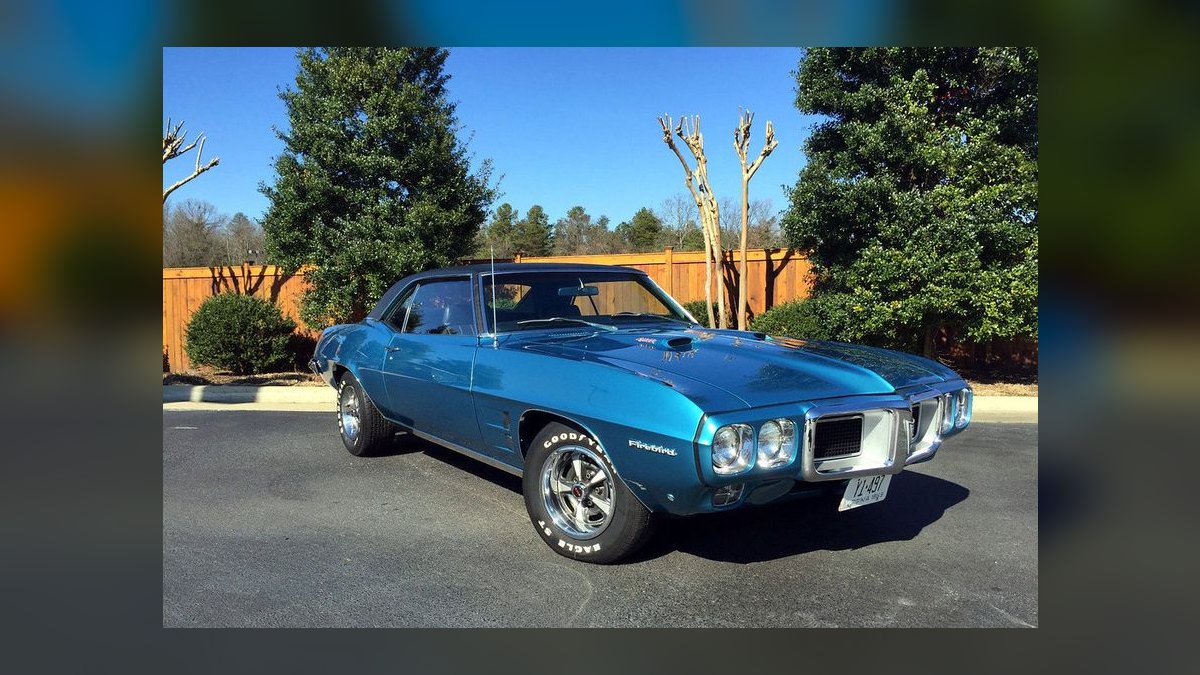
The Firebird 400 ranks fifth for its distinctive Pontiac personality on the new Camaro platform, with split-grille styling and a unique interior. Engine choices ranged from an overhead-cam six to the 400-cubic-inch V8 at 325 hp, with a Ram Air package raising peak rpm. Base price was $2,666, with the 400 and HO options extra. It traded a little racing edge for smoothness and a more premium feel.
This is for the buyer who wanted upscale character and torquey big-block power without the Camaro's track focus. It trades away the Z/28's razor-sharp handling for a nose-heavy 400 that was less track-capable. Compared to the Camaro above, the Firebird feels more refined but shares the same structure and rust traps. Lower 1967 production than the Camaro adds collector appeal today, making clean 400s and HOs well-regarded and rising in value.
6. Mercury Cougar GT
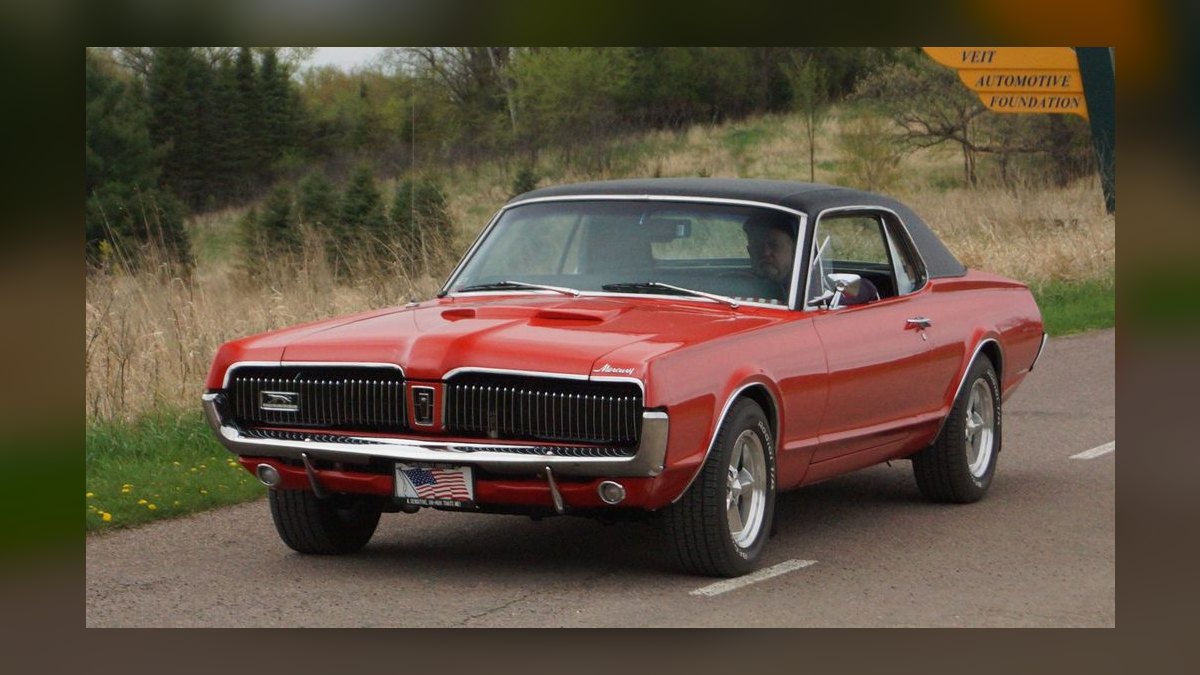
The Cougar GT ranks sixth as the Mustang's longer, plusher cousin, with hidden headlights, sequential taillights, and extra wheelbase for a more grown-up look. Its launch of over 150,000 units was the biggest in Mercury history, and it won Motor Trend Car of the Year. Base price was approximately $2,851, with the GT package at $325.85 adding the 390 Marauder V8, heavy-duty suspension, dual exhaust, and front disc brakes. Engines topped out at 320 hp.
This is for the buyer who wanted a more refined and better-equipped pony car than the base Mustang. It trades away some performance for extra weight and a quieter, plusher demeanor. Compared to the Firebird above, the Cougar offers similar sophistication but lives in the Mustang's shadow with collectors, so values trail. It represents a lot of refined pony car for the money, making it a smart buy for the patient enthusiast.
7. Plymouth Barracuda Formula S
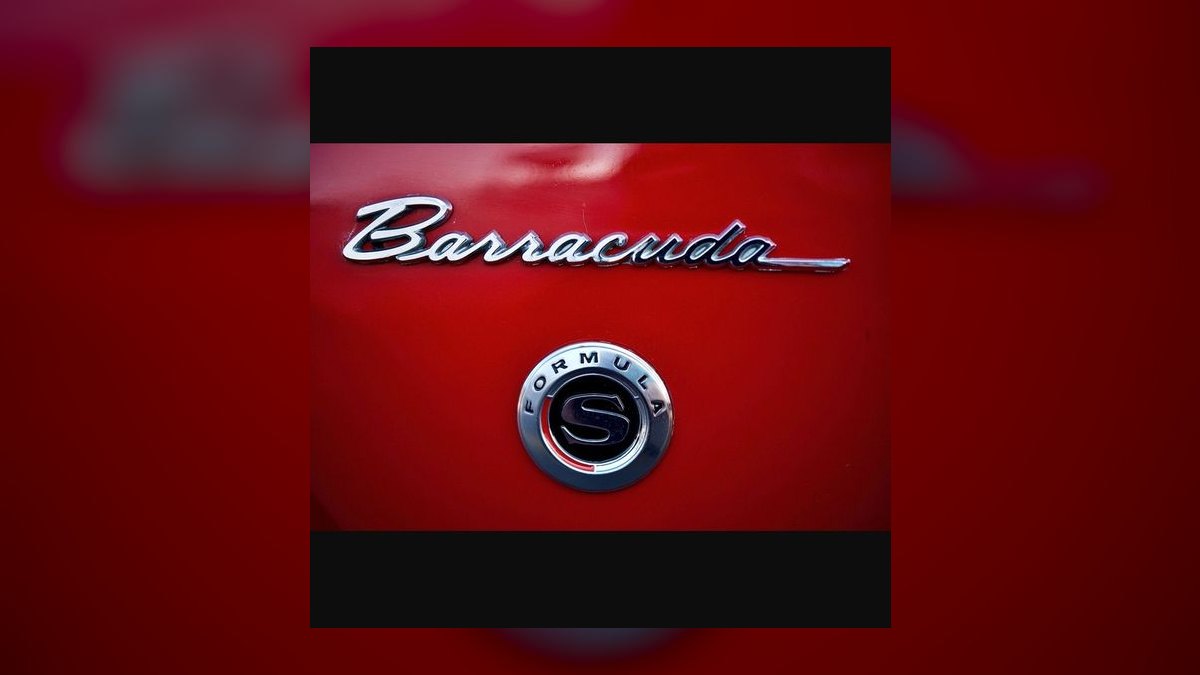
The Barracuda Formula S ranks seventh as the best value of 1967, offering genuine performance and rarity for less money than its rivals. Base price was $2,449, with the Formula S package adding heavy-duty suspension, wide D70-14 tires, and special trim. The optional 383-cubic-inch V8 made 280 hp, and fewer than 7,000 of the over 62,000 Barracudas built were Formula S, with fewer than 2,000 having the 383.
This is for the value-minded enthusiast who wanted real performance without the Mustang or Camaro premium. It trades away brand recognition and resale ceilings for a distinctive fastback and rare, affordable performance. Compared to the Cougar above, the Barracuda is lighter and more agile, but its 383's weight crowded the engine bay and added nose weight. Today, it still costs meaningfully less than equivalent Ford or Chevy products, making it the smart-money choice.
8. Ford Mustang Fastback 289 HiPo
The Mustang fastback with the 289 HiPo K-code ranks eighth for delivering much of the Shelby GT350's small-block magic in a far cheaper, more usable package. The 271-hp solid-lifter small-block was a genuine high-performance engine, and the fastback body was the prettiest standard Mustang shape. Base fastback price was $2,592, with the HiPo 289 as an option, and the GT group could add fog lamps and suspension.
This is for the buyer who wanted Shelby flavor without Shelby money, offering a free-revving engine and excellent parts support. It trades away the Shelby's pedigree and exclusivity for a more practical, affordable package. Compared to the Barracuda above, the Mustang has stronger brand cachet but is less rare and offers less handling-per-dollar. K-code authenticity is often faked, so verifying the VIN code is essential before paying a premium.
9. Dodge Dart GTS
The Dart GTS ranks ninth as a big-block sleeper in a compact, low-key body, with a 280-hp 383 V8 stuffed under the hood. It was essentially a Dart GT with the big engine, offering serious straight-line value in 1967. Base GT price was $2,499, with the GTS 383 package extra, and only 8,745 GTS hardtops and convertibles were built. The 273 V8 anchored the milder GT cars.
This is for the buyer who wanted under-the-radar big-block punch without the style-driven pony car glamour. It trades away showroom appeal and icon status for genuine sleeper character and rarity. Compared to the Mustang above, the Dart is less refined and nose-heavy with the 383, but it offers strong value as Mopar interest grows. Its compact body made it quick in a straight line, though it was never a true style icon.
10. AMC Marlin 343 V8
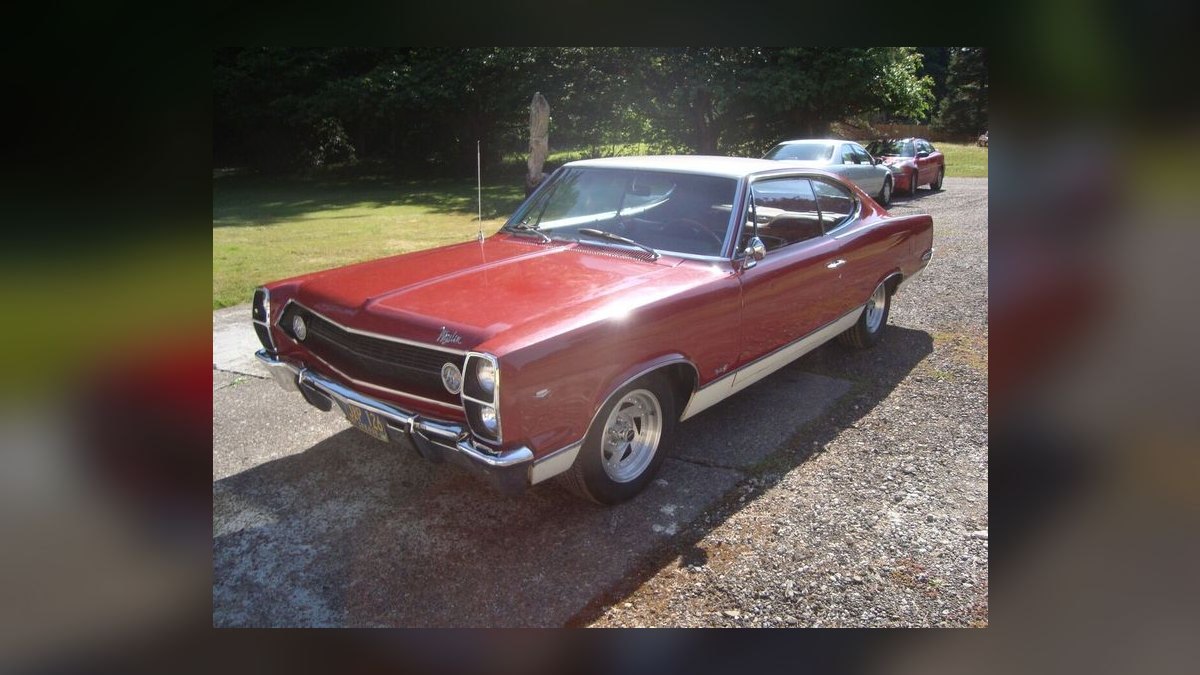
The AMC Marlin 343 ranks tenth as the rarest and most distinctive car in the class, with just over 2,500 built for 1967. Its large, swoopy semi-fastback body was aimed at the personal-sport market, and the optional 343-cubic-inch V8 made 280 hp and 365 lb-ft, with a four-speed available. Approximate price was $2,963. Its scarcity and love-it-or-hate-it shape give it a dedicated niche following.
This is for the collector who wanted the most unusual car at a show, not the fastest or most practical. It trades away performance and mainstream appeal for rarity and conversation-starting styling. Compared to the Dart above, the Marlin is bigger, heavier, and less of a true performance leader, but it is far rarer. Parts support is thin and its looks are polarizing, yet no other 1967 car here will turn more heads.
How we ranked these
We ranked each 1967 pony car using a combined period-road-tester and modern-collector lens. Performance (25%) used real 0-60 and quarter-mile times plus available horsepower. Style and icon status (20%), value in period (15%), engine range (15%), driving character (10%), and current collectibility (15%) from Hagerty, auction results, and Classic.com data completed the ranking.
We deliberately ignored modern restomod values, non-original drivetrain swaps, and subjective brand loyalty. We also excluded any car not sold as a 1967 model in the U.S. and did not penalize cars for low original production numbers unless it distorted their period relevance. The focus was on what a buyer in 1967 actually experienced, not on today's speculation.
What to look for
What actually matters is the condition of the body and the authenticity of the drivetrain. Rust in cowls, floors, and torque boxes is the real killer, not a non-original paint color. A documented, numbers-matching car with a solid structure will always outperform a shiny clone. Verify VINs, cowl tags, and build sheets before paying a premium for Z/28, SS, GT, or Formula S packages.
The mistake most buyers make is over-fixating on cosmetic originality while underweighting structural integrity and provenance. They pay for a 'matching-numbers' badge without confirming it, or they buy a heavily restored car with hidden rust. The smarter play is to prioritize a rust-free, correctly documented example over a perfect-looking but questionable one, especially for first-year Camaros and Firebirds where fakes are common.
Related questions
What was the 1967 Chevrolet Camaro Z/28's actual horsepower?
The Z/28's 302 cubic-inch V8 was rated at 290 horsepower, but period road tests and enthusiasts widely believed it made more, with some estimates around 330-350 hp. The rating was deliberately conservative to keep it under the 305 cubic-inch limit for Trans-Am homologation, allowing the high-winding small-block to dominate the class.
How much did a 1967 Shelby GT500 cost new?
The 1967 Shelby GT500 had an approximate MSRP of $4,195, which was significantly higher than a standard Mustang fastback. This price included the 428 Police Interceptor V8, fiberglass body panels, and Shelby-specific trim, making it a premium halo car. Today, a number-two condition example books around $238,000 on Hagerty.
Why is the 1967 Plymouth Barracuda Formula S considered a good value?
The Formula S offered genuine handling upgrades and an optional 383 big-block at a price well below equivalent Mustang GT or Camaro SS models. With fewer than 7,000 Formula S cars built and under 2,000 with the 383, it remains rare yet affordable. Its current market value is still meaningfully less than its Ford and Chevy rivals, making it a smart collector buy.
What engines were available in the 1967 Mercury Cougar?
The 1967 Cougar offered two 289 V8s (200 and 225 hp) and topped out with the 390 Marauder V8 at 320 hp in the GT package. The GT package also added heavy-duty suspension, dual exhaust, and front disc brakes. This range gave buyers a refined, upscale alternative to the Mustang with more standard equipment.
How many 1967 Dodge Dart GTS cars were built?
Dodge built 8,745 Dart GTS hardtops and convertibles for 1967, making it a relatively rare compact muscle car. The GTS package added a 280 hp 383 V8 to the Dart GT body, creating a genuine sleeper. This low production number, combined with growing Mopar interest, makes it a collectible and appreciating classic.
What is the rarest car on the 1967 pony car list?
The AMC Marlin is the rarest, with just over 2,500 built for 1967. Its large, swoopy fastback design and 343 V8 (280 hp) made it a distinctive personal-luxury car rather than a pure pony car. This scarcity, plus its polarizing looks, gives it a dedicated niche following and makes it a conversation starter at any show.
What should I check for rust on a 1967 Camaro?
First-year Camaros are prone to rust in the cowl, floor pans, trunk floor, and lower quarters. The cowl area is a particularly common rot point that can be expensive to repair. Check the torque boxes and frame rails as well. A thorough inspection of these areas is essential before purchase, as hidden rust can significantly devalue the car.
FAQ
Which 1967 pony car was the best overall?
The all-new Chevrolet Camaro, in SS or Z/28 form, was the most complete: fresh styling, a sharp chassis, and engines spanning from a 327 small-block to the 396 big-block and the racing-bred Z/28 302. Its base price was $2,466, making it competitive with the Mustang while offering superior handling and a wider performance range.
Which 1967 pony car was the best value?
The Plymouth Barracuda Formula S. It drove well, offered an optional 383 big-block, was relatively rare in Formula S trim, and still costs meaningfully less than equivalent Mustangs or Camaros today. With a base price of $2,449, it delivered genuine performance and handling for less money, making it the smart-money choice.
Why is 1967 such an important year for pony cars?
Because the Camaro, Firebird, and Cougar all launched that year to challenge the Mustang at once, turning a one-car niche into a full, competitive class almost overnight. This sudden influx of new models forced manufacturers to innovate on styling, performance, and handling, making 1967 a pivotal year in automotive history.
Was the 1967 Mustang available with a big-block?
Yes. 1967 was the first year the Mustang offered the 390-cubic-inch FE big-block (320 hp) in the 390 GT. This engine gave the Mustang the straight-line performance to compete with the new Camaro SS and other big-block pony cars. The GT Equipment Group added fog lamps, badging, and upgraded suspension.
What is the difference between a 1967 Shelby GT350 and GT500?
The GT350 used a 289 HiPo small-block rated at 306 hp, with an optional Paxton supercharger, and was lighter and better-balanced for handling. The GT500 had a 428 Police Interceptor V8 rated at 355 hp, making it faster in a straight line but heavier in the nose. The GT350 is often considered the better driver's car.
How many 1967 Camaro Z/28s were built?
Only 602 Z/28s were built for 1967, making them extremely rare. This low production number, combined with the car's Trans-Am racing pedigree, drives its high collector value today. A number-two condition Z/28 is worth around $84,000 on the Hagerty guide, with fully optioned examples crossing $275,000 at auction.
What is a K-code Mustang?
A K-code Mustang is a 1965-1967 Mustang with the 289 HiPo V8, rated at 271 hp. This solid-lifter engine was the top small-block option and was often ordered with the GT package. K-code cars are highly collectible and frequently faked, so verifying the VIN and engine codes is essential before paying a premium.
What are common rust areas on a 1967 Mustang?
Common rust areas on a 1967 Mustang include the shock towers, floor pans, trunk floor, lower quarters, and cowl. The shock towers are a critical structural point and can be expensive to repair. Check the torque boxes and frame rails as well. A thorough inspection is essential to avoid hidden rust issues.
What is the 1967 Mercury Cougar's claim to fame?
The 1967 Cougar was named Motor Trend Car of the Year. It featured hidden headlights, sequential taillights, and a longer wheelbase than the Mustang, giving it a more upscale look. With over 150,000 units sold, it was the most successful launch in Mercury's history at that time.
What makes the 1967 AMC Marlin a unique collector car?
The Marlin is a large, swoopy fastback that was more personal-luxury than pony car. With just over 2,500 built, it's the rarest car in the class. Its 343 V8 (280 hp) and available four-speed made it a capable cruiser, but its polarizing looks and thin parts support make it a niche choice for collectors seeking distinction.
Sources
- https://www.hagerty.com/valuation-tools
- https://www.mecum.com/
- https://www.barrett-jackson.com/
- https://classic.com/
- https://en.wikipedia.org/wiki/Chevrolet_Camaro_(first_generation)
- https://en.wikipedia.org/wiki/Ford_Mustang_(first_generation)
- https://en.wikipedia.org/wiki/Plymouth_Barracuda
- https://en.wikipedia.org/wiki/Pontiac_Firebird_(first_generation)
- https://en.wikipedia.org/wiki/Mercury_Cougar
- https://en.wikipedia.org/wiki/Dodge_Dart
Related on PULSE
- [More pony cars 1967 rankings and buying guides](/knowledge)
- [PULSE Tools and calculators](/tools)
- [Everything on PULSE RevOps](/)
 pulse-aquariumsTop 10 Canister Filters 2027
 aqTop 10 Hang-On-Back Aquarium Filters 2027
 pulse-reviewsTop 10 Cabin Cruiser Boats 2027
 pulse-aquariumsTop 10 Aquarium Filters 2027
 pulse-moviesTop 10 Movies on Max 2027
 pulse-moviesTop 10 Movies on Netflix 2027
 pulse-moviesTop 10 Fantasy Movies of All Time in 2027
 pulse-moviesTop 10 Documentaries of All Time in 2027
 pulse-moviesTop 10 Superhero Movies of All Time in 2027
 pulse-moviesTop 10 Romance Movies of All Time in 2027