
Best Cars for Reliability in 2027
 Curated byKory White · Fractional CRO · Maryland
 PULSEKNOWLEDGE LIBRARY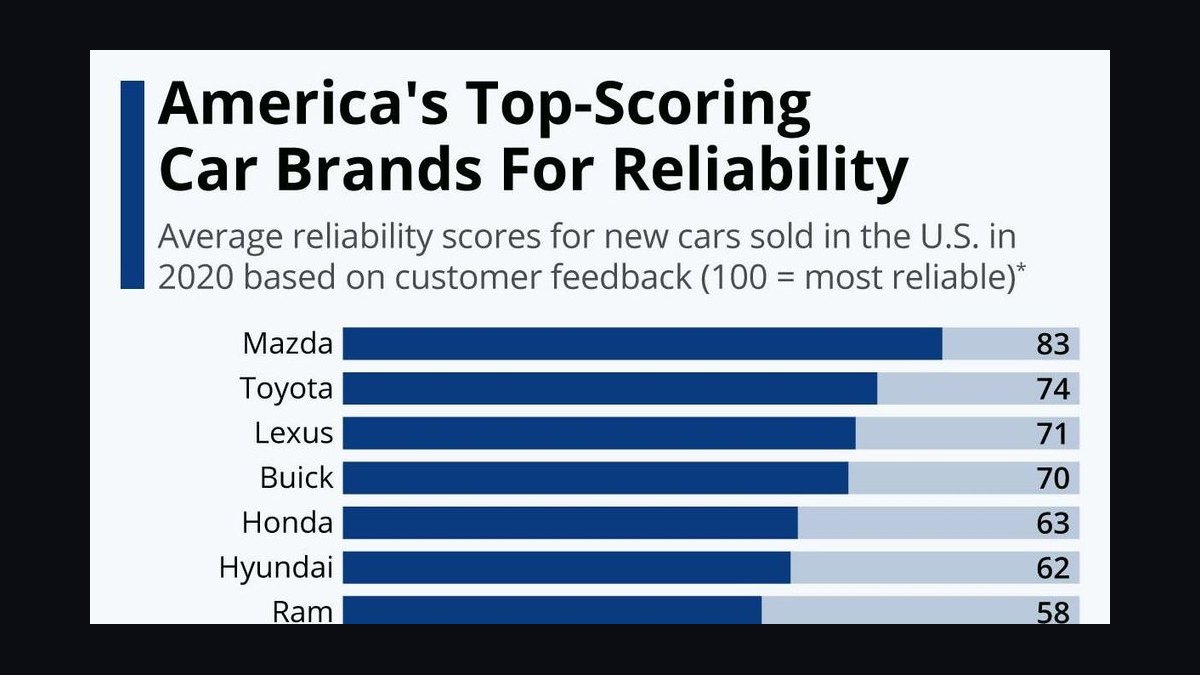
The most reliable 2027 cars come from Toyota, Lexus, Honda, and Mazda — brands built on conservative engineering and proven powertrains. The Toyota Corolla is the safest overall bet, the Mazda3 the best value, and the Lexus ES the top luxury pick. Reliability tracks simplicity: fewer novel systems, fewer failures.
What reliability actually means and why it decides your total cost
Reliability is not a feeling. It is a measurable rate of unscheduled repair events per vehicle over a defined ownership window, and the industry measures it in problems per 100 vehicles across a three-year window — the standard used by long-term dependability studies, as distinct from initial-quality studies that only look at the first 90 days. Those two numbers frequently disagree. A vehicle can score brilliantly on initial quality because its infotainment is intuitive and its panel gaps are tight, then fall apart at year four when a turbocharger wastegate, a dual-clutch actuator, or a first-generation battery management module starts throwing codes. Buyers who read the wrong study buy the wrong car.
The financial consequence is larger than most shoppers model. Take two otherwise similar compact sedans, one priced around $22,000 and one around $24,000. If the cheaper car averages one extra unscheduled shop visit per year past the warranty, and a typical out-of-warranty repair on a modern vehicle runs several hundred to well over a thousand dollars depending on whether it touches the powertrain or just a sensor, the "cheaper" car erases its price advantage inside three years. Then resale compounds the gap. Toyota, Honda, and Lexus consistently sit at the top of retained-value rankings precisely because used buyers price in expected repair exposure. You pay the reliability premium once at purchase and collect it twice — in avoided repairs and in a stronger trade-in.

There is a second cost nobody puts on a spreadsheet: downtime. A vehicle in a service bay is a vehicle not doing its job. For a household that is an inconvenience. For anyone running a small fleet — contractors, mobile service techs, delivery operators, field sales teams — an unavailable vehicle directly suppresses revenue, because the appointment does not happen, the route does not run, and the customer reschedules with someone else. This is why commercial buyers overwhelmingly standardize on a narrow list of proven models rather than chasing the newest feature set. The uptime math dominates the sticker math.
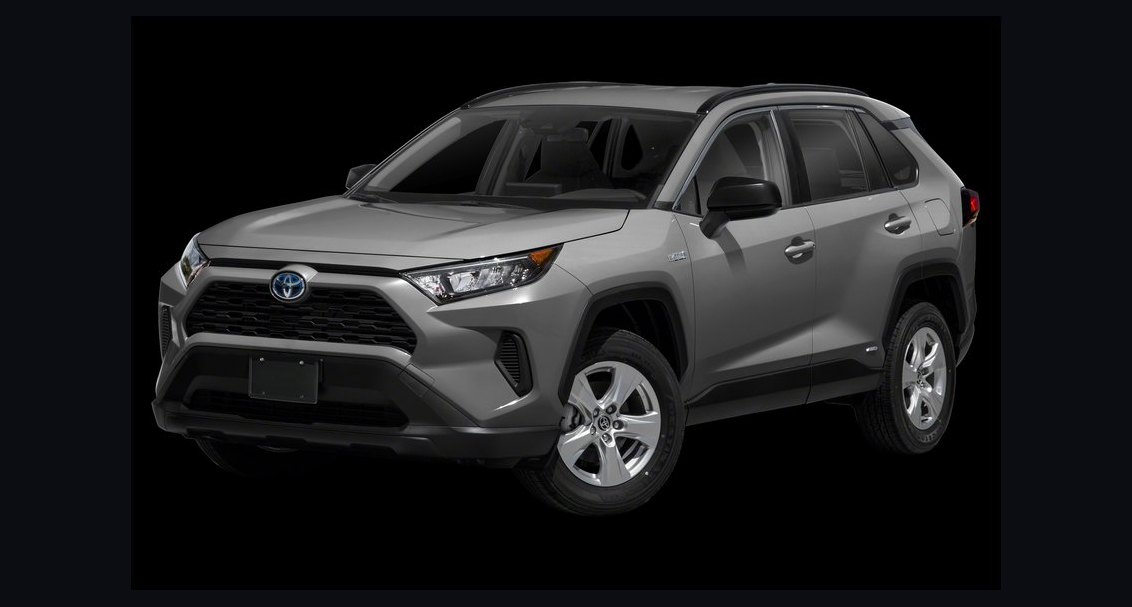
The brands that win here win for structural reasons, not marketing ones. Toyota's engineering culture defers new technology until it has been validated across millions of miles, then deploys it broadly and refines it for a decade. The hybrid system in a 2027 Camry or RAV4 is not a new invention; it is the latest iteration of an architecture that has been in continuous production and continuous improvement for a very long time, with electric motors, a planetary power-split device, and no conventional stepped automatic transmission to wear out. Lexus inherits that same mechanical foundation and wraps it in better materials. Honda's discipline shows up in similar places — long-running engine families, conservative transmission choices in its core models, and a Sensing safety suite standardized across the lineup. Mazda has quietly joined this tier by resisting the industry's rush toward small, heavily boosted engines paired with exotic transmissions; its naturally aspirated 2.5-liter four and conventional torque-converter automatic are deliberately unfashionable and deliberately durable.
The step-by-step process for buying for reliability
Reliability shopping is a sequence, not a vibe. Run it in this order and you will not talk yourself into the wrong car in the showroom.

Step one: define the body style before you look at any brand. The most reliable vehicle you can buy is worthless if it does not fit your life. The 2027 list spans compact sedans (Corolla around $22,000, Mazda3 around $25,000), compact crossovers (RAV4 around $30,000, CR-V around $30,000), midsize sedans (Camry around $29,500 and hybrid-only, Accord around $29,000), three-row SUVs (Highlander around $40,000), and luxury (Lexus ES around $44,000, NX around $42,000, RX around $50,000). Pick the shape first, then find the most reliable entry in that shape. Reversing the order produces buyers who own a car they resent.
Step two: read three-to-five-year dependability data, never initial quality. Look for the study that measures original owners of three-year-old vehicles. Cross-reference at least two independent sources — a large-sample owner survey and a dependability study — because each has methodological blind spots. A model that ranks well in both is a genuinely safe bet.

Step three: interrogate the powertrain, not the badge. Within a single reliable brand, individual powertrains vary. Ask three questions: how long has this exact engine family been in production, how long has this exact transmission been in production, and is this the first model year of either. A naturally aspirated engine with a conventional automatic that has shipped for five-plus years is a known quantity. A brand-new downsized turbo paired with a brand-new dual-clutch is an experiment you are funding.
Step four: avoid first-model-year anything. Redesigns concentrate defects. The second or third year of a generation is meaningfully safer than the first, because the manufacturer has issued service bulletins and running production changes by then. If a 2027 model is the first year of a new generation, the outgoing generation's final year is often the smarter buy at a lower price.

Step five: verify the maintenance burden before signing. Pull the manufacturer's published maintenance schedule and price the 60,000- and 90,000-mile services at a local dealer. Two cars with identical repair rates can have very different scheduled-service costs. Timing belts versus timing chains, transmission fluid intervals, and whether the engine requires premium fuel all show up here.
Step six: confirm parts and service availability locally. A reliable car two hours from the nearest competent service point is less available than a merely average car with a dealer four miles away. Toyota, Honda, and Lexus win here on density as much as on engineering.
Costs, timelines, and typical ranges
Set expectations with numbers. Entry pricing for the 2027 reliability leaders clusters in three bands. The compact band runs roughly $22,000 to $25,000: Corolla near $22,000 for the gas sedan and near $24,000 for the hybrid, Mazda3 near $25,000 with a 191-horsepower 2.5-liter four returning about 31 mpg combined and optional all-wheel drive. The mainstream crossover and midsize band runs roughly $29,000 to $33,000: Camry hybrid-only near $29,500 at up to 47 mpg combined, Accord near $29,000 with a hybrid up to 48 mpg combined, RAV4 near $30,000 and near $33,000 as a hybrid at about 39 mpg combined, CR-V near $30,000 with a 190-horsepower turbo 1.5-liter at about 30 mpg combined. The three-row and luxury band runs roughly $40,000 to $50,000: Highlander near $40,000 with a hybrid around 35 mpg combined, Lexus NX near $42,000 with hybrid and plug-in options up to about 39 mpg combined, Lexus ES near $44,000 with a hybrid up to 44 mpg combined, Lexus RX near $50,000 with hybrid and plug-in options up to about 37 mpg combined.

Now the ownership timeline. Years one through three are effectively free of unscheduled cost on any vehicle in this tier — you are inside the basic warranty, and your only outlay is oil, filters, tires, and wiper blades. The meaningful divergence starts in years four through seven, after the powertrain warranty lapses on most mainstream vehicles. This is the window where transmission and turbocharger designs separate the durable from the merely adequate, and it is exactly the window that initial-quality scores tell you nothing about. Years eight through fifteen are where the reliability leaders earn their reputation: a well-maintained Corolla, Camry, Accord, CR-V, or RAV4 routinely passes 200,000 miles on routine maintenance, and Toyota hybrid powertrains have demonstrated durability well past 300,000 miles in high-mileage commercial use.
Budget the recurring costs honestly. Tires are the largest predictable line item and scale with wheel size — a compact sedan on modest wheels is dramatically cheaper to shoe than a luxury crossover on large-diameter low-profile rubber. Brakes last far longer on hybrids because regenerative braking does most of the deceleration work; hybrid owners commonly report original pads surviving beyond 100,000 miles, which partially offsets the hybrid purchase premium. Insurance varies more by model and repair cost than most buyers expect, so quote it before you buy, not after. And factor the fuel delta: at 47 mpg combined versus roughly 30, a midsize hybrid saves a substantial amount annually at typical mileage, which is why the hybrid premium of a couple thousand dollars usually pays back within the first ownership window rather than at the end of it.

One adjacent note on electrification. Battery-electric vehicles have fewer moving parts and no oil changes, which should favor them, but in practice their reliability scores have been dragged down by software defects, charging-system faults, and body-hardware issues rather than by drivetrain failure. Hybrids occupy the sweet spot right now: mature, heavily validated, and free of the charging-infrastructure and thermal-management complexity that still troubles some full EVs. If your priority is the lowest probability of an unplanned repair between 2027 and 2037, a mature hybrid is the defensible choice.
Where buyers and fleet managers get it wrong
The most common error is confusing brand reputation with model-level truth. Brand rankings are averages, and averages conceal variance. Every reliable brand has at least one model or one powertrain that underperforms the badge, usually the newest or most heavily boosted one. Verify at the trim and powertrain level, because that is the level at which parts actually fail.
The second error is over-optioning into complexity. Every additional powered, sensed, or motorized system is another failure mode: panoramic roofs leak and their shades jam, air suspension is expensive to replace, power-folding mirrors and powered liftgates have motors and switches, and large touchscreen head units are among the most-reported problem areas in modern owner surveys. A mid-trim car with cloth seats and a modest screen is statistically more dependable than the same car loaded, and it costs less. Buyers routinely spend thousands to make their car less reliable.

The third error is deferring maintenance to save money. Skipped transmission fluid changes, stretched oil intervals, and ignored coolant services convert a durable vehicle into an average one. Reliability rankings assume maintained vehicles. The engineering only pays out if you hold up your end.
The fourth error is trusting anecdotes over sample size. Every model has an owner with a nightmare story and an owner at 300,000 miles. Forum posts are self-selecting toward the aggrieved. Large-sample surveys are the only defense against that bias, and you should weight them accordingly.

The fifth error, specific to anyone running vehicles commercially, is optimizing acquisition cost while ignoring uptime. A small operator who buys three cheap crossovers instead of two proven ones has not saved money if one is in the shop every month — the lost billable days and the rescheduled appointments cost more than the price gap, and the revenue impact lands on the busiest weeks, when a substitute vehicle is hardest to arrange. Fleet buyers who model total cost per available day rather than cost per unit almost always land on the same short list of Toyota, Honda, and Lexus models that top consumer dependability charts, for exactly the same reason.
The sixth error is the redesign trap. Enthusiast coverage rewards novelty; dependability rewards its opposite. When a beloved model gets a ground-up redesign with a new engine, a new transmission, and a new electrical architecture in a single year, its historical reliability record does not transfer. Treat the first year of a new generation as an unknown regardless of the badge on it.

Decision framework: matching the right reliable car to the right buyer
Work the decision as a short tree rather than a ranked list, because "best" depends entirely on constraints.
If you need maximum dependability at minimum cost and you do not need cargo volume, the Corolla is the answer — a naturally aspirated 2.0-liter four or a mature hybrid, durable transmissions, standard Toyota Safety Sense, and the deepest parts network in the country. If you want that same durability tier but refuse to drive something anonymous, the Mazda3 trades a small amount of proven-ness for a materially better interior and a genuinely engaging chassis, at a modest price premium.
If you need a crossover, the choice is RAV4 versus CR-V, and it is close enough that it comes down to preference. The RAV4 leans on Toyota's hybrid architecture and leads its class on resale. The CR-V counters with more rear legroom, a larger cargo hold, and a more refined ride, with Honda Sensing standard. Both are benchmarks. If you need three rows, the Highlander seats up to eight on proven hybrid and V6 powertrains and holds value better than most rivals.

If you want luxury, the critical insight is that premium and reliable are not opposites — they are only opposites in certain segments. Lexus builds on Toyota mechanicals, which is why the ES tops luxury sedan dependability, the NX leads compact luxury crossovers, and the RX leads midsize luxury crossovers. A buyer who wants a quiet, richly finished cabin without the maintenance exposure common to some European rivals has three straightforward answers.
If your annual mileage is high, bias hard toward hybrids regardless of segment. The fuel savings compound, regenerative braking extends brake life, and the powertrain has the longest documented high-mileage record of anything on the list. If your annual mileage is low, the hybrid premium takes longer to repay and a well-chosen gas model is perfectly defensible.
Related questions
Does a hybrid battery failure ruin the reliability case?
Rarely in practice. Hybrid batteries in mature systems are warrantied for long terms and high mileages, and failures cluster well beyond that in vehicles with heavy use. Replacement is a known, priced repair with a healthy aftermarket, not an open-ended risk.
Are extended warranties worth it on a reliable car?
Generally no. Extended coverage is priced against expected claims, and on a top-tier dependable model the expected claims are low enough that the policy is usually a losing bet. Put the premium in a repair fund instead.
Do reliable cars cost more to insure?
Not usually, and often less. Insurance prices repair cost and claim frequency. Models with common parts, dense service networks, and strong safety suites tend to quote favorably — but always get a real quote before purchase, since it varies by model.
Should I buy used instead of new for the best value?
Often yes. A two- or three-year-old Corolla, Camry, RAV4, or Lexus ES has absorbed the steepest depreciation while retaining most of its durable life. Buy the model year after a redesign to skip first-year defects.
FAQ
What makes a car reliable in 2027?
Proven engineering, simple powertrains, and strong owner-survey track records. The most dependable models avoid overly complex electronics and unproven new technologies, relying on components refined over many production years — naturally aspirated engines, conventional automatics, and mature hybrid systems rather than first-generation designs.
How much more does a reliable car cost upfront?
Expect a modest premium of several hundred to a few thousand dollars versus an average vehicle in the same class. Lower long-term maintenance costs and stronger resale value typically recover that premium within the first ownership window, so the effective lifetime cost is lower despite the higher sticker.
Are electric cars as reliable as gas cars in 2027?
Some electric models score very well, but the most dependable vehicles overall are still predominantly gasoline and hybrid. EVs have fewer moving parts yet face battery, charging, and software issues that manufacturers are still refining. Mature hybrids currently offer the lowest unplanned-repair probability.
How long should a reliable 2027 car last?
With proper maintenance, a highly reliable 2027 model can exceed 200,000 miles and stay dependable for 15 to 20 years. Toyota hybrid powertrains in particular have demonstrated durability well past 300,000 miles in high-mileage service, provided fluids and cooling systems are maintained on schedule.
Does brand matter more than model for reliability?
Brand reputation is a useful starting filter, but specific models and powertrains vary within every brand. Toyota and Lexus consistently rank high overall, yet even they field individual models that underperform the badge. Verify at the trim and powertrain level before committing.
Should I buy a 2027 model or wait for 2028?
If you need a car now, a 2027 model from a proven lineup is safe. Year-over-year reliability leaps are rare on established models. The one exception: if the 2028 brings a full redesign, buying the mature 2027 is the more conservative choice, not the less.
Sources
- https://www.jdpower.com/cars/ratings/dependability
- https://www.consumerreports.org/cars/car-reliability-owner-satisfaction/
- https://www.fueleconomy.gov/
- https://www.iseecars.com/longest-lasting-cars-study
- https://www.toyota.com/
- https://www.lexus.com/
- https://automobiles.honda.com/
- https://www.mazdausa.com/
- https://www.nhtsa.gov/recalls
- https://www.kbb.com/car-news/best-resale-value-awards/
Related on PULSE
- [Top 10 Performance Electric Cars in 2027](/knowledge/ca0993)
- [Top 10 Long-Range Electric Cars in 2027](/knowledge/ca0991)
- [Top 10 High-Performance Muscle Cars in 2027](/knowledge/ca0985)
- [Top 10 Sports Cars Under $100,000 in 2027](/knowledge/ca0979)
- [Best Used Hybrid Cars Under $35,000 in 2027 (Ranked)](/knowledge/ca0952)
- [Best Used Luxury Cars Under $35,000 in 2027 (Ranked)](/knowledge/ca0950)
This page will be disappearing soon. Save it to your device for $1 — or read it free while it is here.
@Kory-White- · if Venmo asks, the last 4 of my number are 2012
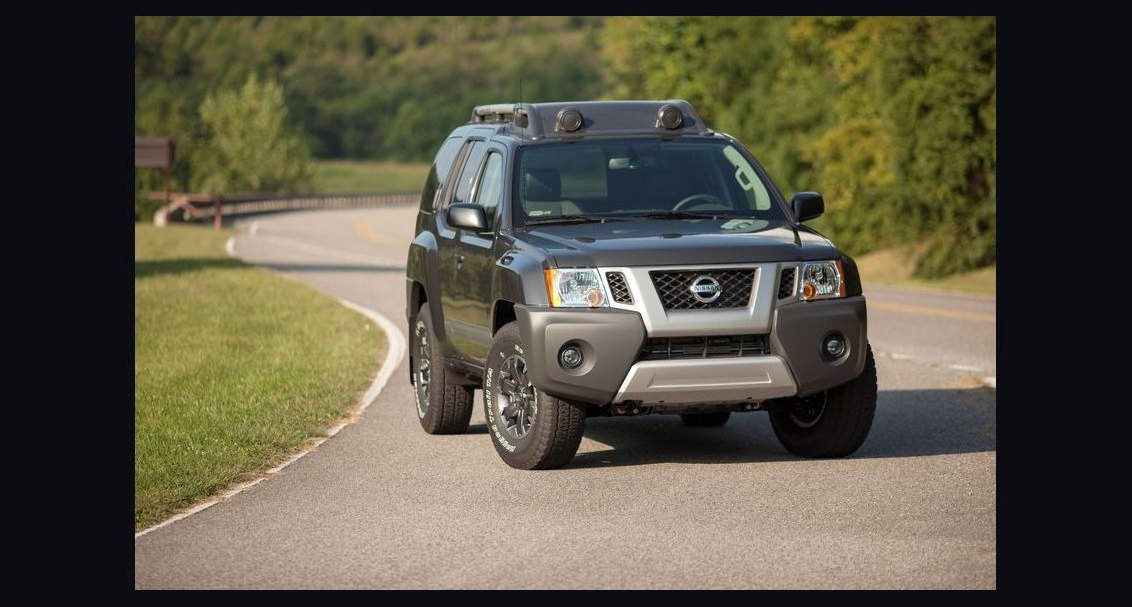 pulse-carsBest Nissan Xterra Model Years (Ranked) in 2027
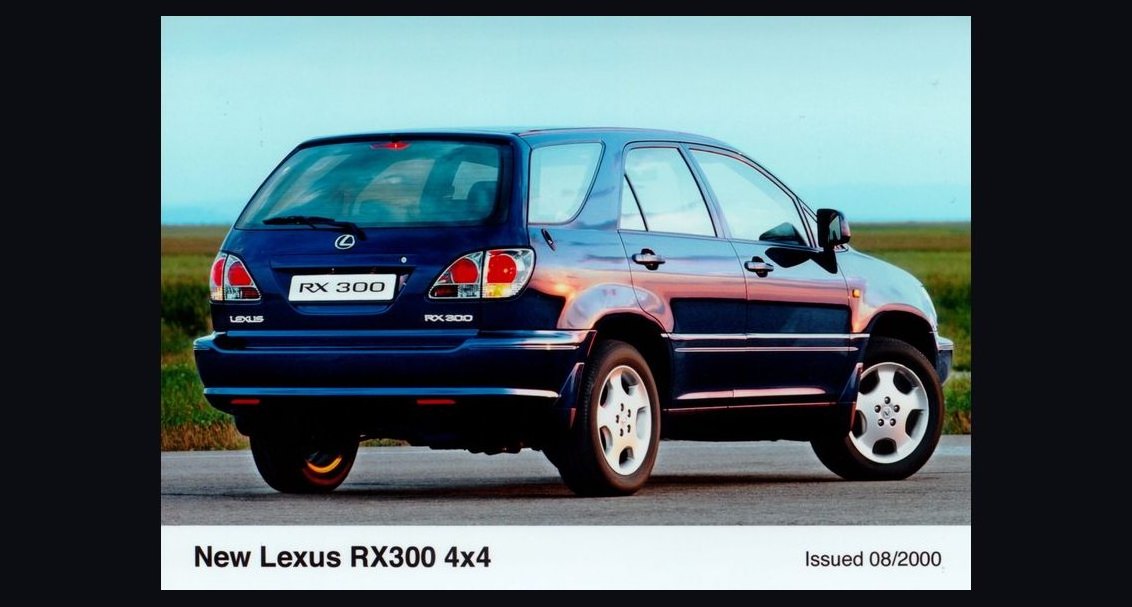 pulse-carsTop 10 SUVs 2000 — Best Overall + Best Value
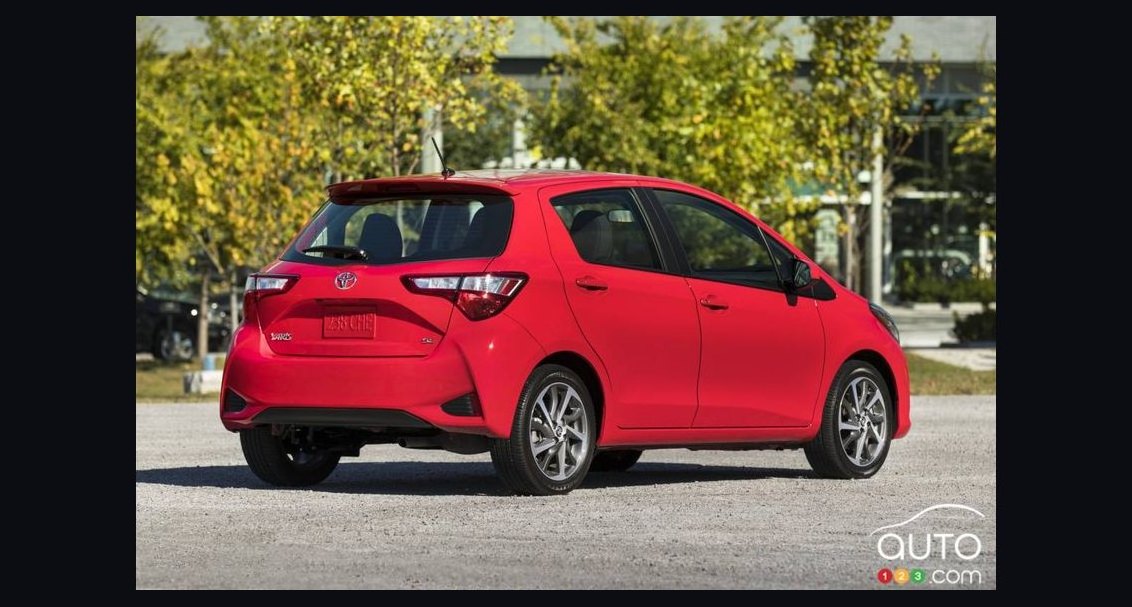 pulse-carsBest Toyota Yaris Model Years (Ranked) in 2027
 pulse-carsBest Acura NSX Generations (Ranked) in 2027
 pulse-carsBest Chrysler PT Cruiser Model Years (Ranked) in 2027
 pulse-carsBest Used Off-Road SUVs Under $30,000 in 2027 (Ranked)
 pulse-carsBest Volkswagen GTI Generations (Ranked) in 2027
 pulse-carsTop 10 Sports Cars 1990 — Best Overall + Best Value
 pulse-carsBest Used Crossovers Under $25,000 in 2027 (Ranked)
 pulse-carsTop 10 Sports Cars 2027 — Best Overall + Best Value