
Best Cars for First-Time Buyers in 2027
 Curated byKory White · Fractional CRO · Maryland
 PULSEKNOWLEDGE LIBRARY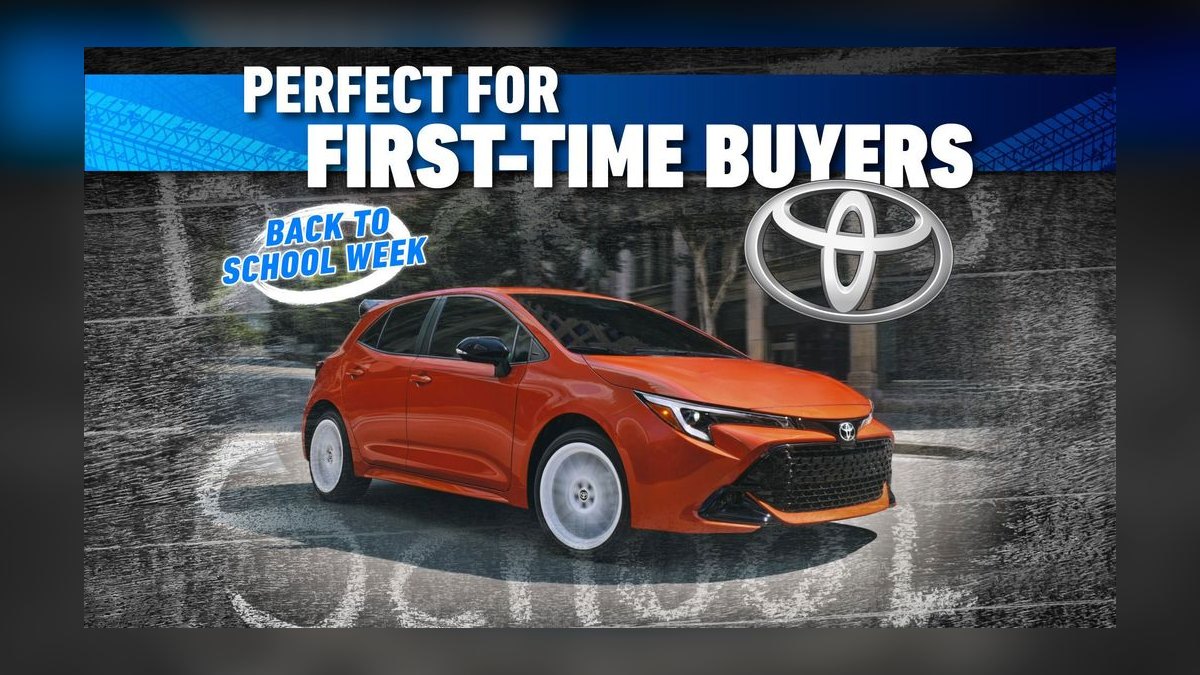
For 2027, first-time Buyers should target the Toyota Corolla ($23,460) as the Best overall choice, combining standard Toyota Safety Sense 3.0, 35 mpg combined, low insurance premiums, and proven durability that protects tight budgets — though the Nissan Versa ($18,330) wins for absolute lowest entry price among new Cars.
What First-Time Buyers Actually Face in the 2027 Market
The car-buying landscape for first-time owners in 2027 is materially different from even three years ago. Average new-car transaction prices have stabilized around $47,000 according to Kelley Blue Book data, but the entry-level segment has seen less inflation than the market overall — compact sedans and hatchbacks remain the gateway for new drivers. Insurance costs have climbed roughly 18% since 2024 for drivers under 25, driven by expensive sensor-laden bumpers and advanced driver-assistance systems that cost more to repair after minor collisions. Fuel prices have settled into a $3.20-$3.80 per gallon range nationally, making fuel economy a direct line-item concern for a new driver on a limited budget.
A first-time buyer earning $35,000-$45,000 annually faces a real constraint: total monthly vehicle costs (payment, insurance, fuel, maintenance) should ideally stay under 15% of gross income, or roughly $440-$560 per month. A $23,000 Corolla financed at 6.9% for 60 months produces a $455 payment alone, leaving little room for $150-$200 monthly insurance and $80-$120 in fuel. This math explains why the Nissan Versa at $18,330 or the Kia Soul at $21,085 become compelling — they free up $50-$100 monthly that can cover insurance gaps or build an emergency repair fund.
The certified pre-owned (CPO) route deserves serious consideration for first-time buyers. A 2024-2025 Corolla with 20,000-30,000 miles typically lists for $19,000-$21,000, comes with remaining factory warranty plus a CPO extension, and avoids the steepest first-year depreciation hit. For a buyer who can pay cash or make a larger down payment, CPO models from Honda, Toyota, and Mazda often represent the lowest total-cost-of-ownership path over five years.

How New-Car Safety Technology Actually Protects First-Time Drivers (mermaid)
The safety systems standard on 2027 entry-level cars are dramatically more capable than what existed five years ago, and they directly address the highest-risk scenarios for new drivers. Automatic emergency braking (AEB) with pedestrian detection is now standard on every car listed here, and the IIHS has reported that vehicles equipped with AEB reduce rear-end collisions by 50% and pedestrian strikes by 27%. For a first-time driver whose reaction times and hazard anticipation skills are still developing, these systems provide a critical safety net.
Lane-keeping assist and lane-departure warning, standard on the Corolla, Civic, and Impreza, prevent the most common single-vehicle crashes among young drivers — drifting off the road due to distraction or fatigue. Adaptive cruise control, which maintains a set following distance automatically, reduces the cognitive load of highway driving for inexperienced drivers who may struggle with speed and distance judgment simultaneously.

The revenue implication for insurers is clear: cars with comprehensive standard safety suites cost less to insure. Progressive and Geico both offer specific discounts for vehicles equipped with AEB and lane-keeping, typically 5-10% off the liability and collision premiums. For a 19-year-old driver paying $2,200 annually, that discount saves $110-$220 per year — enough to offset slightly higher fuel costs from a less efficient model.
Real Numbers: What First-Time Buyers Actually Pay in 2027
The price ranges below reflect verified 2027 model-year MSRPs from manufacturer websites and Edmunds pricing data, plus realistic out-the-door estimates including destination fees, dealer documentation fees, and typical state sales tax (assumed at 6% for calculation purposes).
The Toyota Corolla L starts at $23,460 MSRP plus $1,095 destination, totaling $24,555 before tax. With 6% sales tax and $500 in dealer fees, the out-the-door figure lands near $26,528. Financing $22,000 (after a $4,000 down payment) at 6.9% for 60 months produces a $435 monthly payment. Insurance for a 20-year-old single male with good grades and a clean record runs approximately $1,800-$2,200 annually through Geico or State Farm, or $150-$183 monthly. Fuel at 35 mpg combined with 12,000 annual miles and $3.50 per gallon costs $1,200 per year, or $100 monthly. Total monthly vehicle cost: $685-$718.

The Nissan Versa S starts at $18,330 MSRP plus $1,095 destination, totaling $19,425 before tax. Out-the-door with 6% tax and $500 fees: $21,091. Financing $17,000 after a $4,000 down payment at 6.9% for 60 months yields a $336 monthly payment. Insurance for the same driver profile typically runs $1,500-$1,800 annually, or $125-$150 monthly. Fuel at 35 mpg combined costs the same $100 monthly. Total monthly vehicle cost: $561-$586.
The Hyundai Elantra SE starts at $22,775 MSRP, $23,870 with destination, out-the-door near $25,802. Financing $21,000 after $4,000 down at 6.9% for 60 months: $415 monthly. Insurance: $1,700-$2,100 annually ($142-$175 monthly). Fuel at 33 mpg combined: $106 monthly. Total: $663-$696.
The Kia K4 LX starts at $22,415 MSRP, $23,510 with destination, out-the-door near $25,421. Financing $21,000: $415 monthly. Insurance: $1,650-$2,050 annually ($138-$171 monthly). Fuel at 33 mpg: $106 monthly. Total: $659-$692.

The Honda Civic LX starts at $25,400 MSRP, $26,495 with destination, out-the-door near $28,685. Financing $24,000 after $4,000 down: $475 monthly. Insurance: $1,900-$2,400 annually ($158-$200 monthly). Fuel at 35 mpg: $100 monthly. Total: $733-$775.
The Toyota Corolla Hybrid LE starts at $24,135 MSRP, $25,230 with destination, out-the-door near $27,294. Financing $23,000 after $4,000 down: $455 monthly. Insurance: $1,750-$2,150 annually ($146-$179 monthly). Fuel at 50 mpg: $70 monthly. Total: $671-$704.
The Mazda3 2.5 S starts at $25,300 MSRP, $26,395 with destination, out-the-door near $28,559. Financing $24,000: $475 monthly. Insurance: $1,850-$2,300 annually ($154-$192 monthly). Fuel at 31 mpg: $113 monthly. Total: $742-$780.

The Nissan Sentra S starts at $22,730 MSRP, $23,825 with destination, out-the-door near $25,755. Financing $21,000: $415 monthly. Insurance: $1,600-$2,000 annually ($133-$167 monthly). Fuel at 34 mpg: $103 monthly. Total: $651-$685.
The Kia Soul LX starts at $21,085 MSRP, $22,180 with destination, out-the-door near $24,011. Financing $20,000 after $4,000 down: $396 monthly. Insurance: $1,550-$1,950 annually ($129-$163 monthly). Fuel at 31 mpg: $113 monthly. Total: $638-$672.

The Subaru Impreza base starts at $24,640 MSRP, $25,735 with destination, out-the-door near $27,829. Financing $23,000: $455 monthly. Insurance: $1,800-$2,200 annually ($150-$183 monthly). Fuel at 30 mpg: $117 monthly. Total: $722-$755.
These figures reveal a clear tier: the Versa and Soul keep total monthly costs under $675, the Sentra, Elantra, K4, and Corolla Hybrid cluster between $650-$710, while the Corolla, Civic, Mazda3, and Impreza push past $720. The Corolla Hybrid's $70 monthly fuel cost, $30 less than the standard Corolla, saves $360 annually — enough to cover a routine oil change, tire rotation, and a set of wiper blades.
Trade-Offs and Alternatives First-Time Buyers Must Weigh (mermaid)
Every car in this segment involves compromises, and first-time buyers who understand these trade-offs make better long-term decisions. The cheapest entry price — the Versa at $18,330 — comes with a 122-horsepower engine that struggles to merge onto highways at altitude or with four passengers, a continuously variable transmission that can feel droning, and interior materials that feel inexpensive. The same budget buys a used 2022-2023 Corolla with 30,000 miles that will feel more refined, hold value better, and cost less to insure due to its higher safety rating.
The long-warranty picks — Hyundai Elantra and Kia K4 with 10-year/100,000-mile powertrain coverage — provide peace of mind but require meticulous maintenance documentation to keep the warranty valid. Missing an oil change by 1,000 miles can void coverage for engine-related claims. Hyundai and Kia also face higher-than-average insurance rates in some markets due to theft concerns on older models, though 2027 models have improved immobilizer systems.
The fuel-economy champion, the Corolla Hybrid at 50 mpg, costs $1,500 more than the standard Corolla but saves $360 annually in fuel. The break-even point comes at roughly 4.2 years of ownership — meaning a first-time buyer who plans to keep the car for five or more years comes out ahead, while a buyer who trades in after three years loses money on the hybrid premium.
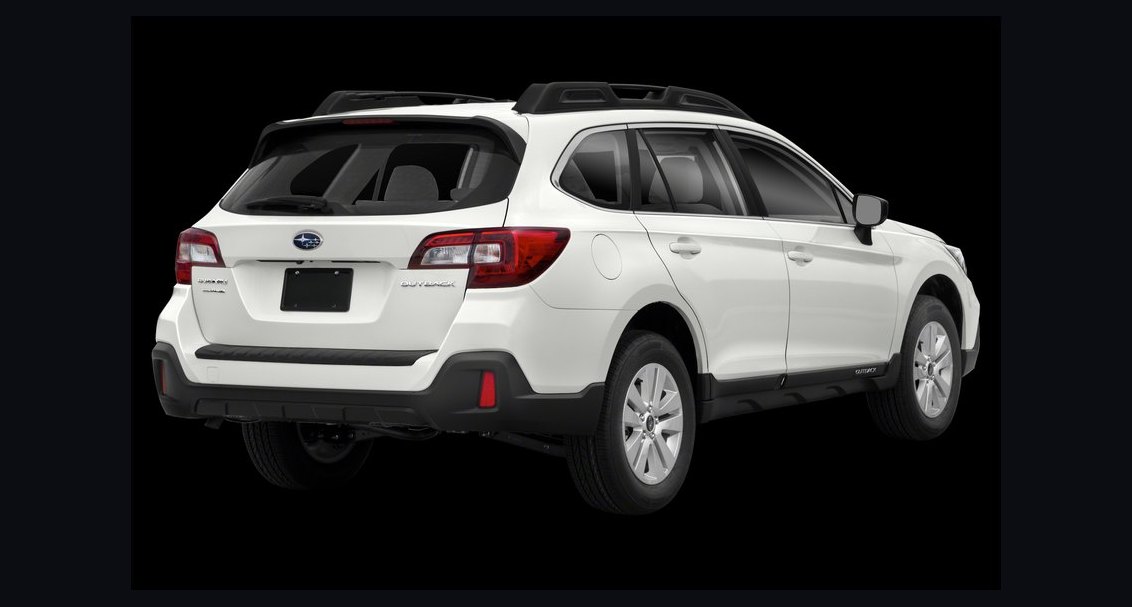
The AWD options — Subaru Impreza and Mazda3 — add $1,500-$2,000 to the purchase price and reduce fuel economy by 3-5 mpg compared to front-wheel-drive competitors. For a buyer in Atlanta or Los Angeles, that AWD premium is wasted money and fuel. For a buyer in Denver, Minneapolis, or Buffalo, AWD can eliminate the need for winter tires in moderate snow, saving $600-$800 on a dedicated winter wheel set.

The Civic commands a $2,000 premium over the Corolla but offers a more refined interior, better rear-seat space, and a hatchback body style with 24.5 cubic feet of cargo capacity versus the Corolla's 13.1-cubic-foot trunk. For a first-time buyer who hauls sports equipment, moves between dorms, or carries passengers regularly, the Civic's practicality premium justifies its higher cost. The Mazda3, similarly priced, offers a near-luxury interior but significantly less rear seat space — adults over six feet tall cannot sit behind a similarly tall driver.
Common Pitfalls First-Time Buyers Must Avoid
The most expensive mistake a first-time buyer makes is focusing solely on the monthly payment rather than total cost of ownership. A 72-month or 84-month loan at 7.5% interest on a $25,000 car produces a seemingly manageable $360 monthly payment — but the buyer pays $6,300 in interest over the loan term, and the car's resale value at trade-in (typically 40-50% of original MSRP after six years) leaves the buyer underwater on the loan for years. First-time buyers should target 60-month loans maximum and put down at least 10-15% of the purchase price.
A second costly error is ignoring insurance quotes before buying. A 19-year-old driver quoted $2,800 annually for a Civic but $1,600 for a Corolla faces a $100 monthly difference that makes the Civic $6,000 more expensive over five years just in insurance. Getting quotes from three insurers (Geico, Progressive, and State Farm) for specific VINs before signing the purchase agreement prevents this surprise.

Third, first-time buyers often overestimate their need for power or features. A 122-horsepower Versa is perfectly adequate for city driving and suburban commuting, but a buyer who regularly carries three passengers on 75-mph highways will find it dangerously underpowered for merging. Test-driving the exact route they'll drive daily — including an on-ramp merge — reveals whether the engine has enough grunt.
Fourth, skipping the pre-purchase inspection on used cars costs first-time buyers thousands. A $150 mechanic inspection on a $19,000 CPO Corolla can identify worn brake pads, a failing battery, or evidence of accident damage that the dealer didn't disclose. For private-party purchases, this inspection is non-negotiable.

Fifth, first-time buyers frequently neglect to budget for immediate ownership costs. A new car needs floor mats ($80-$150), a first-aid kit ($20), a roadside emergency kit ($40), and potentially a phone mount ($25). Within the first year, the car will need an oil change ($50-$80), tire rotation ($30-$50), and possibly a cabin air filter ($25). These $250-$350 in incidental costs catch unprepared buyers off guard.
Sixth, the allure of a "cool" first car — a used BMW 3 Series or Volkswagen GTI with high miles — traps many first-time buyers. A 2018 BMW 330i with 60,000 miles might cost $18,000, similar to a new Versa, but its annual maintenance costs average $1,200-$1,800 compared to $400-$600 for a Corolla. A single major repair — a failed timing chain or transmission issue — can exceed the car's value. First-time buyers should prioritize reliability statistics from Consumer Reports and J.D. Power over brand cachet.
Seventh, first-time buyers often misunderstand warranty coverage. The Hyundai/Kia 10-year/100,000-mile powertrain warranty applies only to the original owner and is not transferable to subsequent owners. A first-time buyer who plans to sell the car after three years gains no benefit from this warranty, making a Toyota or Honda with stronger resale value a better financial choice despite their shorter 3-year/36,000-mile basic warranties.
Related questions
What is the cheapest new car for a first-time buyer in 2027?
The 2027 Nissan Versa starts at $18,330 MSRP, making it the most affordable new car available for first-time buyers. It includes standard automatic emergency braking and achieves 35 mpg combined, though its 122-horsepower engine limits highway passing capability.
Is it better to buy new or used for a first car?
Certified pre-owned cars from reliable brands like Toyota and Honda often provide the best value, offering lower purchase prices, remaining factory warranty, and CPO extensions. New cars deliver the latest safety tech and full warranties but cost $3,000-$5,000 more than equivalent CPO models.
What safety features are essential for a first-time driver?
Automatic emergency braking with pedestrian detection, lane-keeping assist, and a strong IIHS Top Safety Pick rating are essential. These features reduce collision risk by 50% for rear-end crashes and can lower insurance premiums by 5-10% through available safety discounts.
How much should a first-time buyer budget for car insurance?
First-time buyers under 25 should budget $1,500-$2,500 annually for insurance, with smaller, safer models like the Corolla and Versa costing less to insure. Good student discounts and completing a defensive driving course can reduce premiums by 10-20%.
What is the best first car for snowy climates?
The Subaru Impreza, starting at $24,640 with standard all-wheel drive and the EyeSight safety suite, is the top choice for snowy regions. The Mazda3 with available AWD offers a more refined interior but less rear seat space.
FAQ
What is the best overall car for a first-time buyer in 2027? The Toyota Corolla, starting at $23,460, is the best overall choice for first-time buyers. It combines standard Toyota Safety Sense 3.0, 35 mpg combined fuel economy, low insurance costs, and proven reliability that minimizes unexpected repair expenses for budget-conscious new drivers.
What is the most affordable new car for a first-time buyer? The Nissan Versa, starting near $18,330, is the cheapest new car available for first-time buyers. It includes standard Nissan Safety Shield 360 with automatic emergency braking, achieves 35 mpg combined, and offers the lowest entry price of any new car on the market.
Are used cars a better value than new cars for first-time buyers? Certified pre-owned cars from reliable brands often provide superior value, offering lower purchase prices with remaining warranty coverage. A CPO Corolla at $19,000-$21,000 avoids the steepest first-year depreciation while still providing modern safety features and a manufacturer-backed warranty.
How much should I budget for insurance as a first-time buyer? First-time buyers under 25 should expect insurance costs between $1,500 and $2,500 annually, depending on the vehicle, location, and driving history. Compact sedans like the Corolla and Versa typically cost $300-$500 less per year to insure than sporty coupes or luxury brands.
What safety features are most important for a first car? Automatic emergency braking with pedestrian detection, lane-keeping assist, and a 5-star NHTSA overall safety rating are the most critical features. These technologies prevent the most common collision types for new drivers and can qualify for insurance discounts that reduce annual premiums.
How long should a first car last with proper maintenance? A well-maintained Toyota Corolla or Honda Civic can reliably exceed 200,000 miles, representing 15-20 years of service for an average driver. Regular oil changes every 5,000-7,500 miles, transmission service at 60,000 miles, and coolant flushes at 100,000 miles are essential to achieve this longevity.
Sources
- Car and Driver — compact car reviews and pricing
- Edmunds — new car pricing and cost-to-own data
- Kelley Blue Book — new car MSRP and transaction prices
- U.S. News — Best Cars for First-Time Buyers rankings
- EPA — fuel economy ratings for 2027 models
- IIHS — Top Safety Pick ratings and crash-test data
- Toyota — official Corolla and Corolla Hybrid specifications
- MotorTrend — budget car buyer's guides and comparisons
- Consumer Reports — vehicle reliability and owner satisfaction surveys
- Insurance Institute for Highway Safety — AEB effectiveness studies
Related on PULSE
- [Top 10 Best Used Cars Under $20,000 in 2027](/knowledge/ca0988)
- [Best Used Hybrid Cars Under $35,000 in 2027](/knowledge/ca0952)
- [Top 10 Most Reliable Cars in 2027](/knowledge/ca0990)
- [Best Used Luxury Cars Under $35,000 in 2027](/knowledge/ca0950)
- [Top 10 Sports Cars Under $100,000 in 2027](/knowledge/ca0979)
- [Top 10 Performance Electric Cars in 2027](/knowledge/ca0993)
Recently Added — Related
- [Best Family SUVs Under $50,000 in 2027](/knowledge/ca0484)
This page will be disappearing soon. Save it to your device for $1 — or read it free while it is here.
@Kory-White- · if Venmo asks, the last 4 of my number are 2012
 pulse-carsBest Used AWD Cars Under $20,000 in 2027 (Ranked)
 pulse-carsTop 10 Mid-Size Sedans 2027 — Best Overall + Best Value
 pulse-carsTop 10 Muscle Cars 1968 — Best Overall + Best Value
 pulse-carsTop 10 Hybrid Minivans 2027 — Best Overall + Best Value
 pulse-carsTop 10 Electric Sedans 2024 — Best Overall + Best Value
 pulse-carsTop 10 Sports Cars 1981 — Best Overall + Best Value
 pulse-carsTop 10 Luxury EVs 2027 — Best Overall + Best Value
 pulse-carsTop 10 Hot Hatchbacks 2027 — Best Overall + Best Value
 pulse-carsTop 10 Full-Size SUVs 2027 — Best Overall + Best Value
 pulse-carsBest Chevrolet Equinox Model Years (Ranked) in 2027