
Best Track-Day Cars Under $60,000 in 2027
 Curated byKory White · Fractional CRO · Maryland
 PULSEKNOWLEDGE LIBRARY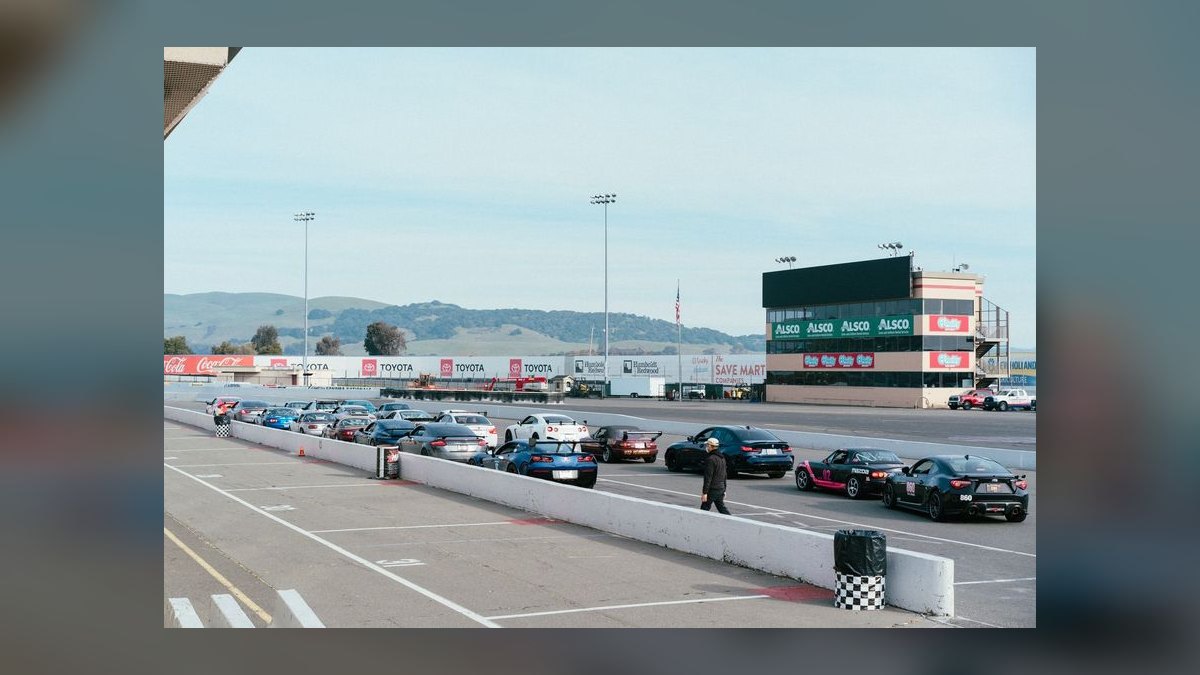
Under $60,000 in 2027, the Honda Civic Type R (~$46,000) is the best all-around track-day car thanks to its front-drive chassis, factory brake cooling, and daily usability. The Mazda MX-5 Miata (~$30,500) is the best value and best teacher, while the GR Supra, Nissan Z, GR Corolla, GR86, and Mustang Dark Horse round out a deep field.
What a track-day car actually is, and why the $60,000 cap matters
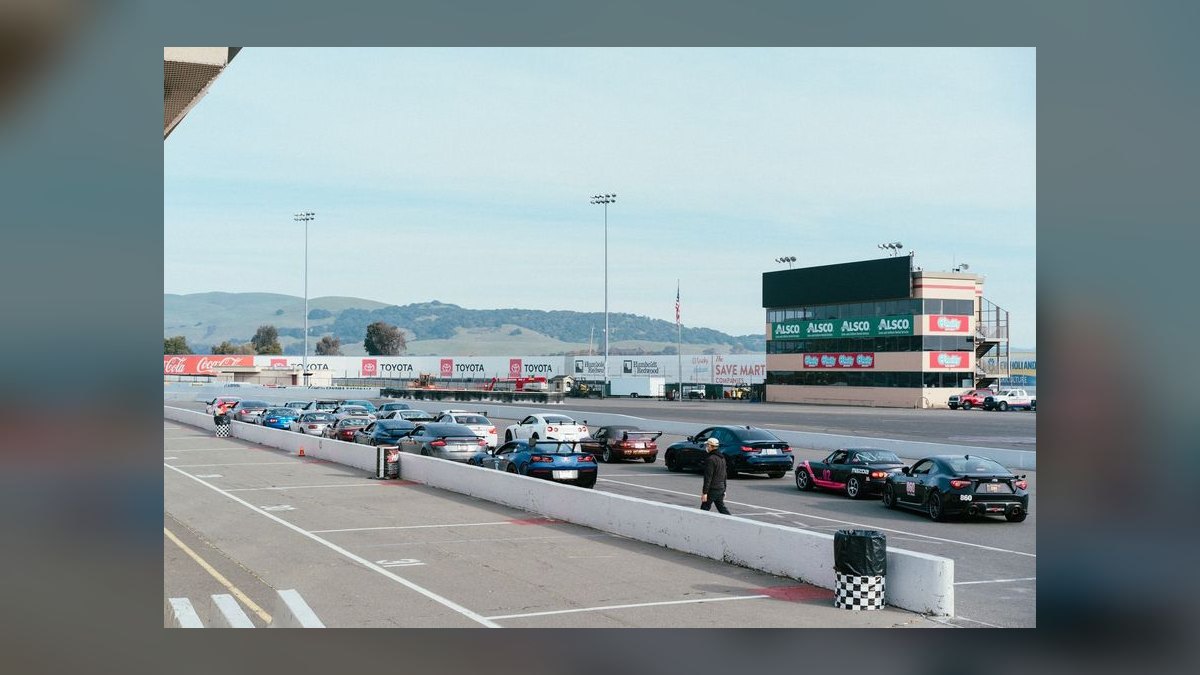
A track-day car is not a race car and it is not simply a fast street car. It is a street-legal vehicle engineered to survive twenty-minute sessions at sustained high load — repeated threshold braking, sustained lateral g, oil and coolant temperatures that never get a chance to fall back to cruising numbers — and then drive you home on the same tires. That endurance requirement, not peak horsepower, is what separates the cars on this list from equally quick machines that wilt after four laps.
The $60,000 cap is not arbitrary. It is roughly where the market splits between factory-prepared performance cars sold through normal dealer channels and the low-volume specials — GT-badged Porsches, Corvette Z06s, M4 CSLs — that carry six-figure transaction prices and dealer markups. Under $60K you are buying volume-production hardware, which has two enormous practical advantages for someone who actually intends to lap: parts are cheap and available, and the aftermarket has already solved the car's known weaknesses. A set of track pads for a Civic Type R or a GR86 costs a few hundred dollars and ships next day. The equivalent consumable on an exotic can run four figures per axle and sit on backorder through the summer season.
There is also a psychological argument for the cap. The single biggest predictor of how much a person improves as a driver is how many track days they actually attend, and attendance collapses when the car is too expensive to risk. A $30,500 Miata gets driven at ten events a year. A $150,000 coupe gets trailered to two, babied through both, and sold. Buying under the cap buys seat time, and seat time is the only thing that reliably lowers a lap time.
The adjacent effect worth noticing is on insurance and storage. Cars under $60K generally remain insurable under standard policies with a track-day rider or a per-event HPDE policy costing roughly $150 to $400 per event depending on agreed value and deductible. Once you cross into six figures, agreed-value collector policies and specialty track coverage become the norm, and the annual carrying cost of simply owning the thing starts to rival the cost of the events themselves.
The field under the cap in 2027 is unusually deep. The Civic Type R makes 315 horsepower from a 2.0-liter turbo four through a six-speed manual and a helical limited-slip differential, with body stiffening and brake cooling that let it lap consistently rather than fading. The GR Supra brings 382 horsepower from a 3.0-liter inline-six with a manual option and a short, eager-to-rotate wheelbase, hitting 60 mph in about 3.9 seconds from roughly $54,500. The Nissan Z pairs a 400-horsepower twin-turbo V6 with rear drive from about $43,000, with the Performance trim adding a limited-slip diff and larger brakes. The GR Corolla's 300-horsepower three-cylinder and torque-biasing all-wheel drive start near $39,000. The Mustang Dark Horse sits right at the cap at $60,000 with a 500-horsepower naturally aspirated V8, Brembos, a Torsen diff, and factory cooling built for circuit duty. The BMW M2's 453-horsepower inline-six is the most premium option here, though at roughly $66,000 base it clears the cap at sticker and only lands under it with a lightly equipped car or incentives. Below all of them, the GR86 and BRZ twins deliver 228 horsepower in a 2,800-pound rear-drive package from about $31,000, and the Subaru WRX offers 271 horsepower and symmetrical all-wheel drive from $33,500. The Hyundai Elantra N rounds the field out at roughly $35,000 with 276 horsepower, an electronically controlled limited-slip differential, and an N Grin Shift overboost function.
The step-by-step process of going from purchase to a confident first session
Buying the car is the smallest part of the project. The sequence that gets you from delivery to a clean, fade-free twenty-minute session looks the same regardless of which car you chose, and skipping steps in it is the most common reason a first track day ends early on a flatbed or in the paddock with a boiled pedal.
Step one is a full fluid and wear inspection, ideally by a shop that does HPDE prep rather than a general service department. You are checking brake fluid condition and boiling point, brake pad and rotor thickness, tire age and tread depth, wheel bearing play, and whether every lug nut is torqued to spec. Cars under warranty are not exempt from this — a new car can leave the factory with a fluid that is perfectly adequate for street use and completely unfit for a hot lap.
Step two is brake fluid. This is the single highest-return modification in the entire hobby and it typically costs $120 to $250 installed. Factory fluids in most of these cars have a dry boiling point in the 400 to 500°F range and absorb moisture over time, which drops the wet boiling point substantially. A high-temperature racing fluid moves the dry number well north of 570°F. When people describe a "long pedal" or a pedal that goes to the floor after five laps, they are almost always describing boiled fluid rather than worn pads.
Step three is pads. Street pads are formulated to bite when cold and be quiet in a parking lot; track pads are formulated to hold a stable coefficient of friction at 900 to 1,200°F and are typically noisy and grabby when cold. Expect $250 to $600 per axle for a reputable track compound. Front-only is the standard starting point for the front-drive cars here; rear-drive cars with meaningful rear brake bias often want a matched set. The GR86, Miata, and WRX in particular are transformed by a pad upgrade, because their factory calipers are perfectly adequate and only the friction material is the limit.
Step four is tires, and this is where most people overspend too early. The factory tire on a Type R, GR Corolla, or Dark Horse is already a competent performance tire, and a novice will not out-drive it. Run it. When you do upgrade, the meaningful step is a 200-treadwear extreme performance summer tire, which costs roughly $900 to $1,600 per set depending on size and will last anywhere from six to fifteen track days depending on car weight and your smoothness. Heavier cars punish tires geometrically — a 3,900-pound Mustang will chew through a set in a fraction of the events a 2,350-pound Miata needs.
Step five is cooling and fluid capacity for cars that need it. This is car-specific rather than universal. Cars that arrived from the factory with track intent — Type R, GR Corolla Circuit and Morizo editions, Dark Horse — generally do not need supplemental coolers for typical twenty-minute sessions. Cars adapted to track use, particularly turbocharged sedans and hatches running in hot climates, benefit from an oil cooler in the $600 to $1,400 range and sometimes a transmission or differential cooler if the event format runs longer sessions.
Step six is the mundane checklist that tech inspection will enforce anyway: battery secured, no loose items in the cabin or trunk, no fluid leaks, functional seat belts, a helmet meeting current Snell or FIA certification, and lug torque verified with a wrench rather than a memory. Budget $200 to $700 for a helmet and buy it new — a used helmet with an unknown impact history is not a saving.
Costs, timelines, and the numbers nobody quotes you at the dealership
The purchase price is the number people fixate on and the least important one over a three-year ownership window. Here is what the real ledger looks like for someone attending eight to twelve events a year.
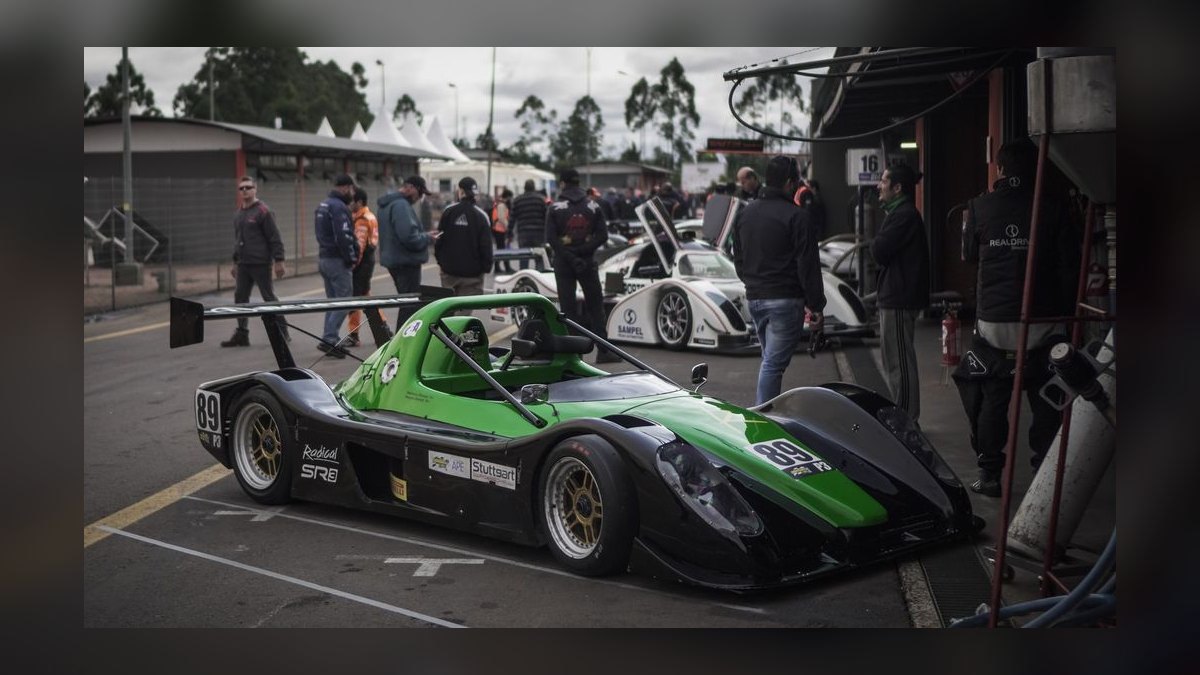
Event entry itself runs roughly $250 to $600 per day for a club HPDE, depending on region, track rental cost, and whether instruction is included. Novice groups almost always include an assigned instructor in that fee, which is an extraordinary bargain — you are getting several hours of one-on-one coaching bundled into the entry. Some organizations run half-day or evening formats for $150 to $300.
Consumables are where the cars separate. Tires are the dominant line item. A lightweight, modest-power car on a 200-treadwear tire might return twelve to fifteen event days from a set; a 3,900-pound V8 coupe on the same compound might return four to six, and it will also want a wider, more expensive size. Multiply that difference across a season and the Miata's running cost advantage over the Dark Horse is not marginal, it is a factor of three or more. This is the concrete reason the Miata is the value pick despite making only 181 horsepower — at roughly 2,350 pounds it barely stresses its consumables.
Brake pads follow the same weight and speed relationship. Front pads on a light car may last a full season; on a heavy, fast car they can need replacing every three or four events, and rotors will follow every second or third pad set. Budget $400 to $1,000 per event-heavy season for a light car and $1,500 to $3,500 for a heavy one.
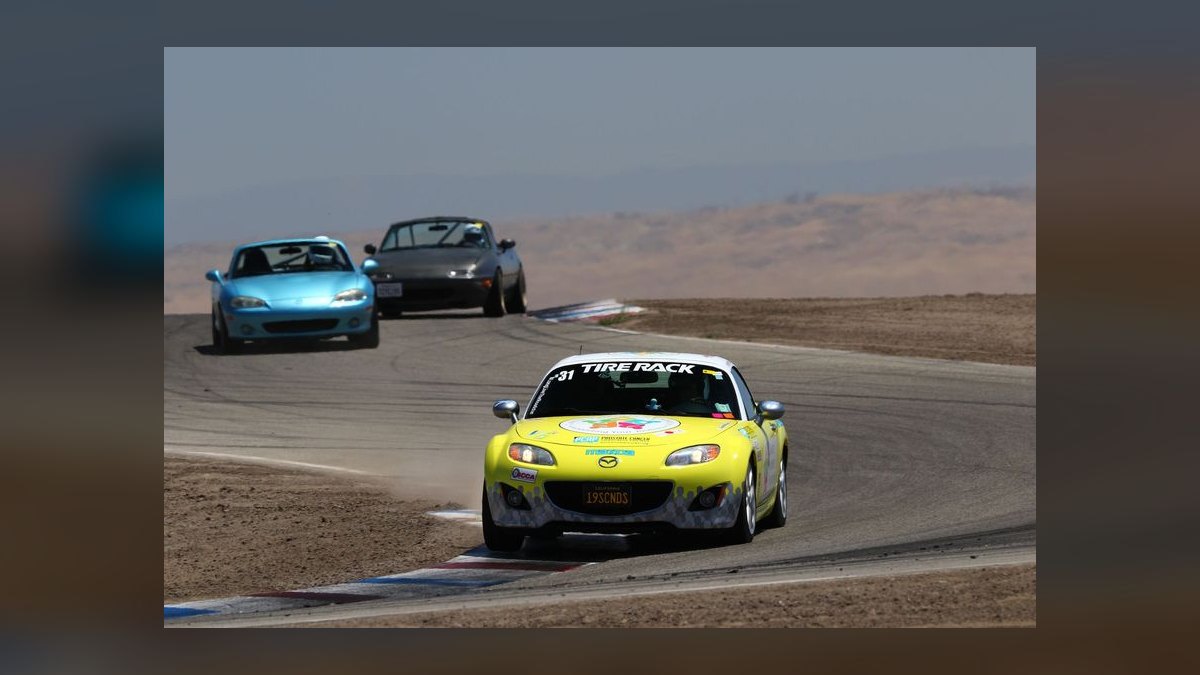
Fuel is easy to underestimate. A track day burns fuel at roughly three to five times street consumption. Plan on two to three full tanks across a single event day, plus the drive to and from. On a big-displacement V8 that is a real number; on a Miata it is background noise.
Oil changes should happen more often than the maintenance minder suggests. A reasonable rule is a change every two to four event days for a car being lapped hard, which at $80 to $200 per service adds up over a season. Differential and transmission fluid on rear-drive and all-wheel-drive cars deserve annual attention if you lap regularly.
Then there is the depreciation and risk column that people leave out entirely. Tracked cars carry a resale discount when disclosed, and honest disclosure is the right call. More significantly, the tail risk of an off is real. HPDE incident rates are low in novice groups with instructors, but they are not zero, and standard auto policies frequently exclude "timed or competitive events" — read the actual language, because some carriers exclude all on-track operation regardless of timing. Per-event HPDE coverage exists precisely for this gap and costs on the order of $150 to $400 per day.
On timelines: expect a realistic ramp of three to five events before the car stops feeling fast and the track starts feeling slow. Most drivers plateau around event eight to twelve, and the thing that breaks the plateau is either data — a lap timer with video and throttle/brake traces, available for $200 to $500 — or a coach, at $200 to $400 per day. Both are dramatically better investments at that stage than horsepower.
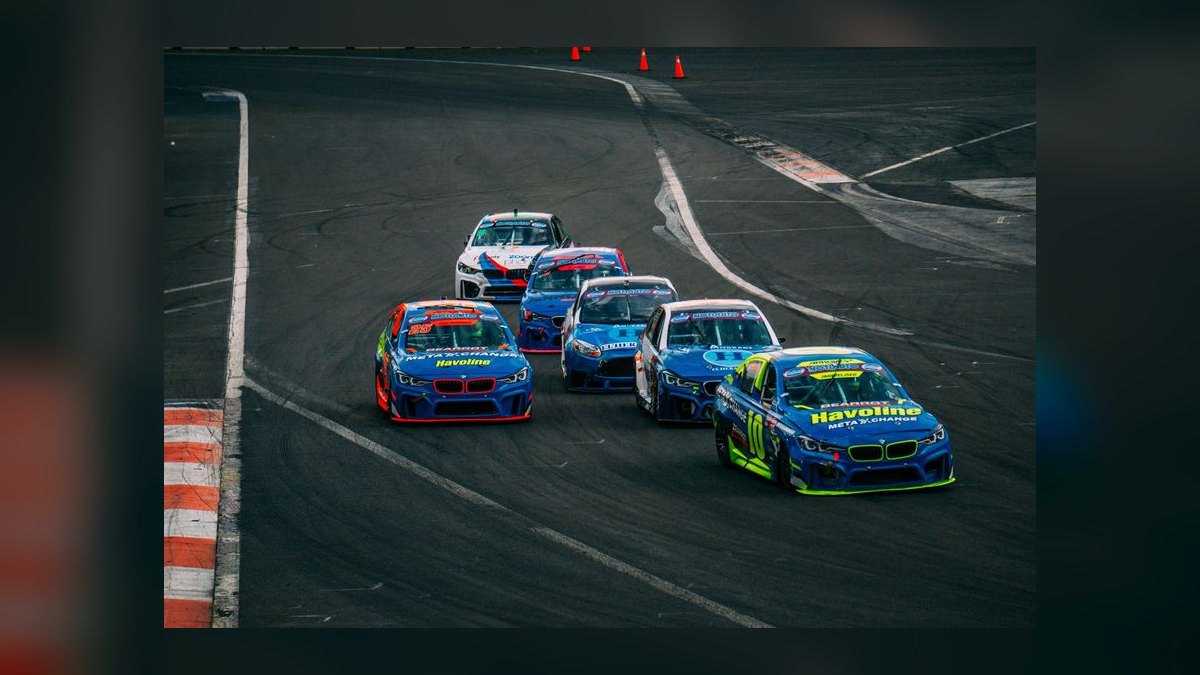
The adjacent market worth mentioning is the rental and arrive-and-drive path. Several organizations rent prepared cars — often Miatas, GR86s, or spec-series machines — for $600 to $1,500 per day inclusive of tires, fuel, and damage waiver. For someone unsure whether the hobby will stick, or someone whose only car is a lease, two rental days cost less than one set of tires and answer the question honestly.
Where buyers and first-timers get it wrong
The most common and most expensive mistake is buying power before skill. A 500-horsepower car does not make a novice faster; it makes them slower, because the extra straight-line speed arrives at the braking zone before their reference points do, and the natural response is to brake earlier and roll less speed through the corner. Instructors see this constantly — the Miata that gets passed on the straight and reels the fast car back in through the esses. If you cannot consistently hit the same brake marker three laps in a row, more power is not your limiting factor.
The second mistake is treating brakes as a purchase rather than a system. People buy a big brake kit for $2,500 when the actual problem was $180 of boiled fluid. Bigger rotors add thermal mass, which is genuinely useful on heavy cars over long sessions, but the ordering is fluid first, pads second, cooling ducts third, and larger hardware a distant fourth. A big brake kit on stock fluid still boils.
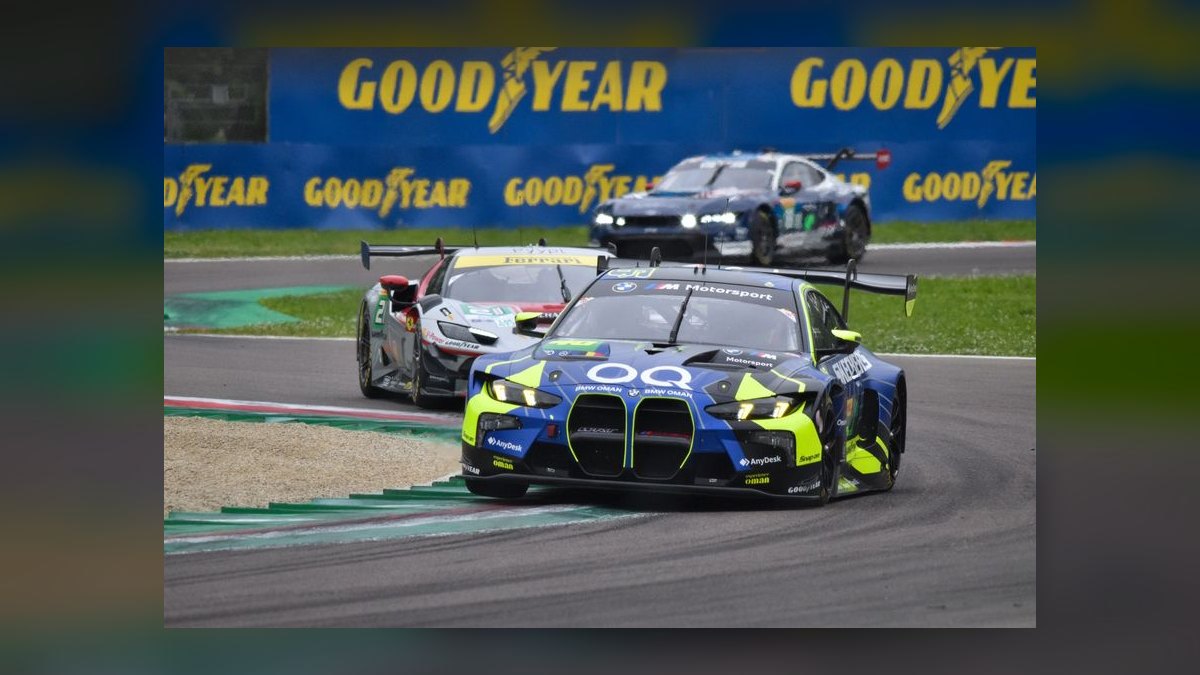
The third is misreading what "track-ready from the factory" covers. Cars like the Type R, GR Corolla Circuit, and Dark Horse ship with genuine engineering for circuit duty — cooling capacity, brake ducting, oil control, stiffer structure. That does not mean zero prep. It means the prep list is shorter and the failure modes are further out. Conversely, an Elantra N or WRX is entirely capable on track but was optimized across a broader use case, and its first limit will typically show up as brake fade rather than anything mechanical.
Fourth: ignoring drivetrain-specific habits. Front-drive cars like the Type R and Elantra N reward trail braking and punish early throttle with understeer and cooked front tires; the fix is patience with the right pedal and attention to front tire pressures, which climb fast on a hard-driven front-driver. All-wheel-drive cars like the GR Corolla and WRX flatter the driver on exit and hide mistakes, which is pleasant but slows learning — many instructors deliberately have AWD students spend a session focusing on entry speed rather than exit. Rear-drive cars like the GR86, Miata, Z, Supra, and Mustang teach throttle modulation honestly, which is why they dominate driver-development recommendations even when they are not the quickest thing in the paddock.
Fifth: neglecting tire pressures. Hot pressures matter far more than cold ones, and most people never check. Coming in after a session and dropping pressures to a target hot number is free lap time and free tire life. It is the highest-return five minutes in the paddock and it costs the price of a decent gauge.
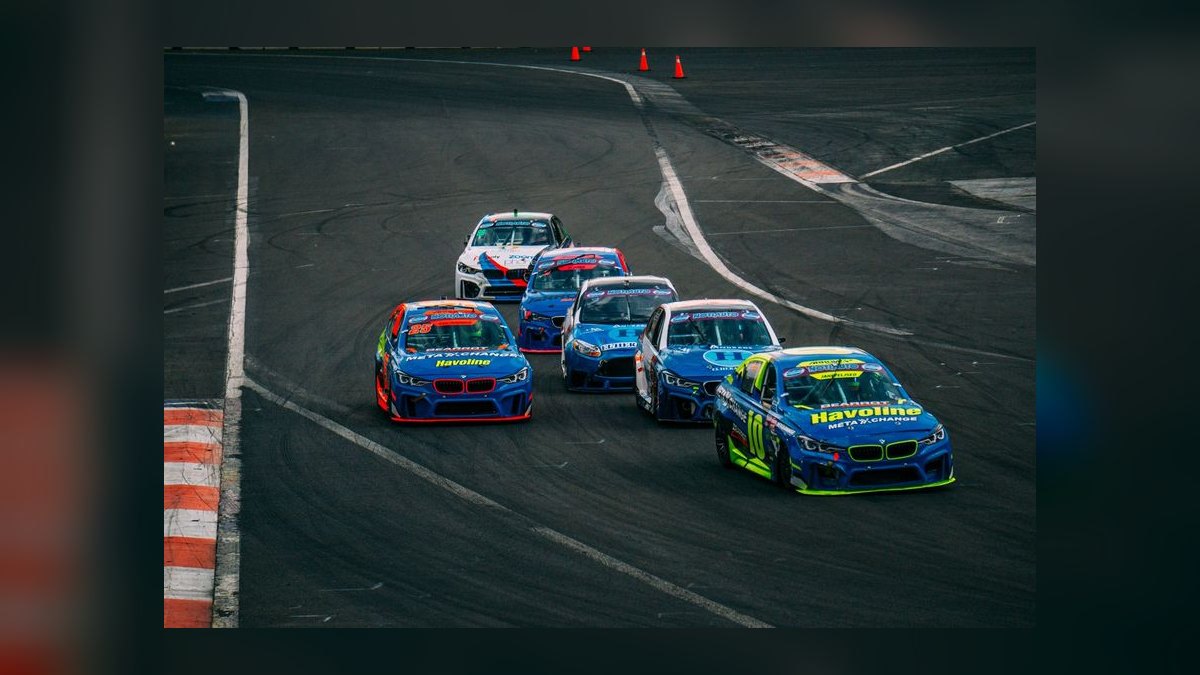
Sixth: skipping the post-event inspection. After every day, re-torque the wheels, look at pad thickness, check for fluid weeping around calipers and hoses, and inspect tire wear patterns for evidence of alignment or pressure problems. Excessive outer-shoulder wear on a front-driver almost always means not enough negative camber, and a modest alignment adjustment — often available within factory adjustment ranges for $150 to $300 — recovers both grip and tire life.
Seventh, and this one is about the purchase decision itself: buying a car that is miserable to drive to the track. Most people under this cap use one car for both commuting and lapping. A stiff, loud, low car that punishes a two-hour highway drive gets driven to fewer events. The Type R's five-door practicality and the WRX's four-door usability are genuine track-day features precisely because they remove the friction that keeps people home.
Decision framework: matching the car to the driver
There is no single best answer, only a best answer given your experience, your budget for consumables rather than purchase, and your tolerance for compromise on the drive home. The framework below is the one experienced instructors tend to use informally when a student asks what to buy next.
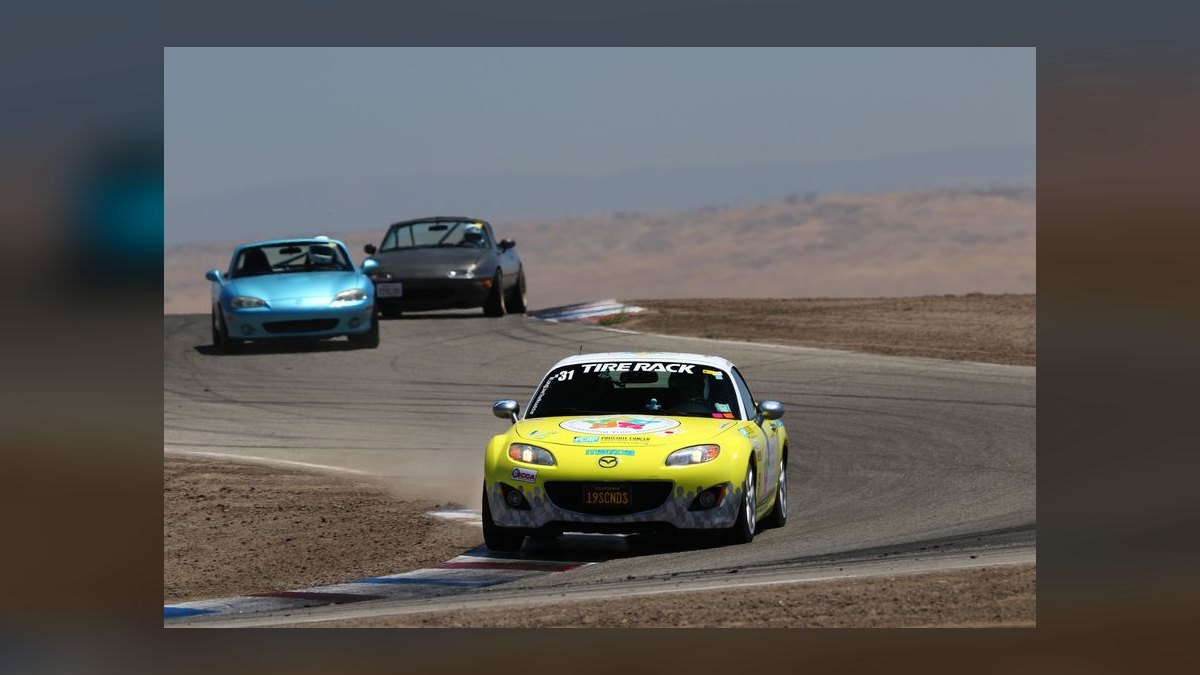
If you have fewer than five event days, buy light and modest. The Miata at $30,500 and the GR86 or BRZ at roughly $31,000 exist for exactly this. Both teach weight transfer and throttle steering at speeds where a mistake means a spin rather than a rebuild, and both have deep, cheap aftermarkets and enormous spec-series communities to learn from. The Miata Club trim's limited-slip differential and Bilstein dampers are worth the step up if you plan to lap regularly.
If you want one car that commutes five days a week and laps on weekends, and you value not fading, the Civic Type R at $46,000 is hard to argue with. It carries people and cargo, it is quiet enough on a highway, and the brake and cooling engineering means the seventh lap feels like the second. Its limitation is that it is a front-driver, so it will not teach you throttle-on rotation.
If you live somewhere with weather and want to use the car year-round, the all-wheel-drive options are the honest answer. The GR Corolla at $39,000 with its adjustable torque bias is the more focused choice and the Circuit and Morizo editions add real brake and cooling upgrades; the WRX at $33,500 is the more practical and durable one, and responds well to a pad and fluid upgrade.
If you specifically want rear-drive power and you have the seat time to use it, the Nissan Z at $43,000 gives 400 horsepower and traditional front-engine balance, while the GR Supra at $54,500 gives 382 horsepower in a shorter, more agile chassis with better factory damping. Between them the Supra is the better circuit tool and the Z is the better value.
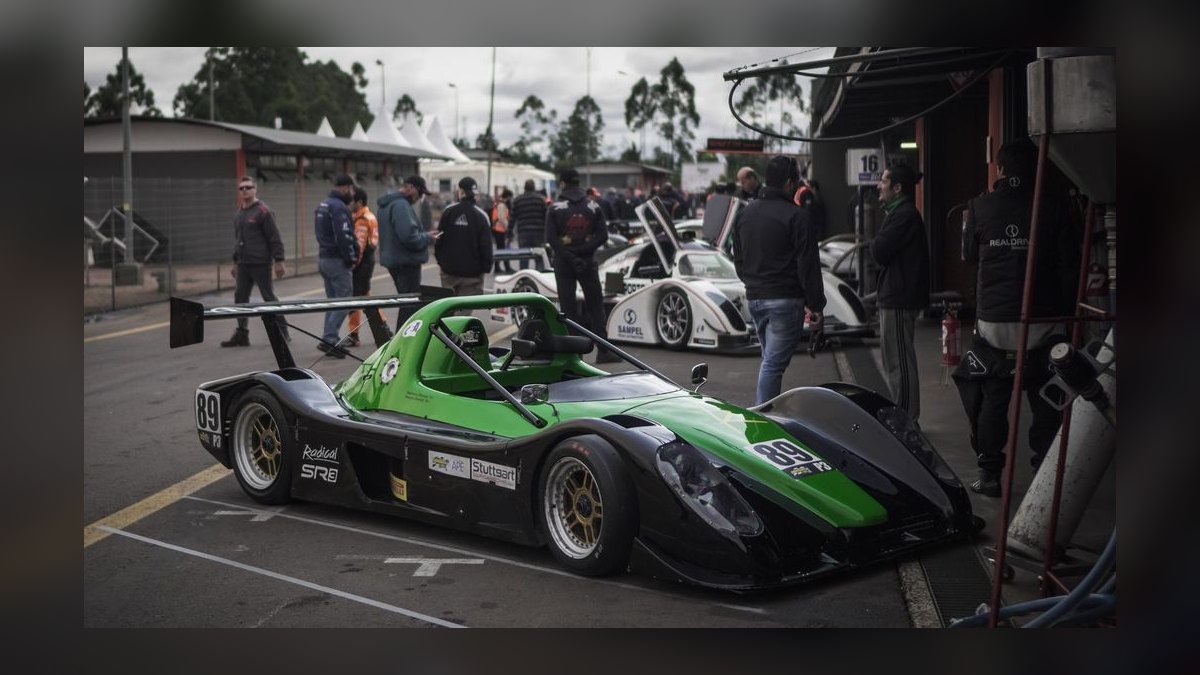
If you want a naturally aspirated V8 and you are willing to pay the consumables bill, the Mustang Dark Horse at $60,000 sits right at the cap with genuine factory track engineering. Understand what you are signing up for: it is the heaviest car here, it will eat tires and pads at the fastest rate, and it will be spectacular every single lap.
If badge and interior quality matter and you can find one at the right number, the BMW M2 delivers 453 horsepower and real M-division chassis engineering, but at roughly $66,000 base it clears the cap at sticker — it only qualifies with a lightly equipped example or an incentive.
And if you are not certain the hobby will stick, rent first. Two arrive-and-drive days will tell you more about what you want than any amount of reading.
Related questions
Do I need a dedicated track car, or can I use my daily driver?
For the first several seasons a well-prepped daily driver is the better choice. Dedicated cars require a trailer, a tow vehicle, storage, and a second registration. Every car on this list is street-legal and designed to be driven to the circuit, lapped, and driven home on the same tires.
How much power is too much for a first track car?
Roughly 250 to 320 horsepower is a comfortable ceiling for a novice. Above that, straight-line speed outpaces a new driver's reference points and encourages early braking. The GR86 at 228 horsepower and the Miata at 181 are deliberately below that band and remain the fastest route to improvement.
Are automatics a disadvantage on track?
No. Modern dual-clutch and torque-converter automatics shift faster than any human and let a novice focus entirely on braking and lines. Manuals are more engaging and teach heel-toe technique, which is why the Type R, GR Corolla, Z, Supra, and Dark Horse all offer one, but a good automatic costs nothing in lap time.
What breaks first on a stock car being lapped?
Brake fluid, then pads, then tires — in that order, almost universally. Mechanical failures are rare on modern cars during twenty-minute sessions. Address the friction and hydraulic system before spending anything on power, suspension, or aerodynamics.
Does tracking a car void the warranty?
Not automatically, but manufacturers can deny claims tied to track use, and some performance warranties explicitly exclude competitive events. Policies differ by brand and by component. Read the written warranty language rather than relying on a salesperson's assurance.
FAQ
What is the best track-day car under $60,000 in 2027?
The Honda Civic Type R at roughly $46,000 is the strongest all-around choice. Its 315-horsepower turbo four, helical limited-slip differential, stiffened body, and factory brake cooling let it lap consistently without fade, and it remains a genuinely practical five-door for the commute to and from the circuit.
Is the Mazda MX-5 Miata fast enough to be worth tracking?
Yes, and the question misses the point. At about 2,350 pounds and 181 horsepower it is slow in a straight line but exceptional at teaching weight transfer, throttle control, and racing lines. Its consumables cost a fraction of what heavier cars burn, which means more laps per dollar and faster improvement.
Which car here has the lowest running cost per track day?
The Miata, comfortably. Light weight translates directly into tire and brake pad life, and its modest power keeps fuel consumption low. The GR86 and BRZ are next. The Mustang Dark Horse sits at the opposite end — spectacular to drive, but the most expensive to feed.
Can I take a Subaru WRX or Hyundai Elantra N seriously as track cars?
Yes. The WRX's symmetrical all-wheel drive and 271-horsepower turbo flat-four make it durable and confidence-inspiring, and the Elantra N's 276 horsepower, electronically controlled limited-slip differential, and track-tuned suspension arrive from the factory. Both benefit noticeably from a brake pad and fluid upgrade before serious lapping.
Is the BMW M2 actually under $60,000?
Not at base sticker. The M2 starts near $66,000, so it clears the cap unless you find a lightly equipped car or a meaningful incentive. It earns a mention because its 453-horsepower inline-six and M-division chassis are the closest thing to genuine race-program engineering near this price band.
What should I spend money on first?
High-temperature brake fluid, then track brake pads, then a helmet. Together those typically run $600 to $1,200 and eliminate the most common reasons a first track day ends early. Tires, suspension, and power upgrades all belong later, after several events of seat time.
Sources
- https://automobiles.honda.com/civic-type-r
- https://www.mazdausa.com/vehicles/mx-5-miata
- https://www.toyota.com/grsupra/
- https://www.nissanusa.com/vehicles/sports-cars/z.html
- https://www.ford.com/cars/mustang/
- https://www.bmwusa.com/vehicles/m-models/m2-coupe/overview.html
- https://www.subaru.com/vehicles/wrx.html
- https://www.hyundaiusa.com/us/en/vehicles/elantra-n
- https://www.fueleconomy.gov/
- https://www.scca.com/
Related on PULSE
- [Best Luxury SUVs Under $60,000 in 2027](/knowledge/ca0483)
- [Top 10 Performance Electric Cars in 2027](/knowledge/ca0993)
- [Top 10 Long-Range Electric Cars in 2027](/knowledge/ca0991)
- [Top 10 High-Performance Muscle Cars in 2027](/knowledge/ca0985)
- [Top 10 Sports Cars Under $100,000 in 2027](/knowledge/ca0979)
- [Best Used Hybrid Cars Under $35,000 in 2027 (Ranked)](/knowledge/ca0952)
This page will be disappearing soon. Save it to your device for $1 — or read it free while it is here.
@Kory-White- · if Venmo asks, the last 4 of my number are 2012
 pulse-carsBest Cadillac XT6 Model Years (Ranked) in 2027
 pulse-carsBest Nissan Titan Model Years (Ranked) in 2027
 pulse-carsTop 10 Sports Cars 2027 — Best Overall + Best Value
 pulse-carsBest Honda Crosstour Model Years (Ranked) in 2027
 pulse-carsBest Ford Falcon Model Years (Ranked) in 2027
 pulse-carsBest Lexus RX Generations (Ranked) in 2027
 pulse-carsBest Acura NSX Generations (Ranked) in 2027
 pulse-carsTop 10 Luxury Pickup Trucks 2026 — Best Overall + Best Value
 pulse-carsTop 10 SUVs 2000 — Best Overall + Best Value
 pulse-carsBest Mercedes-Benz CLA Model Years (Ranked) in 2027