
Best Used Mid-Size SUVs Under $30,000 for Pacific Northwest Families (2027): Rain, Mountain, and Reliability Focus
 Curated byKory White · Fractional CRO · Maryland
 PULSEKNOWLEDGE LIBRARY
Quality
Certified
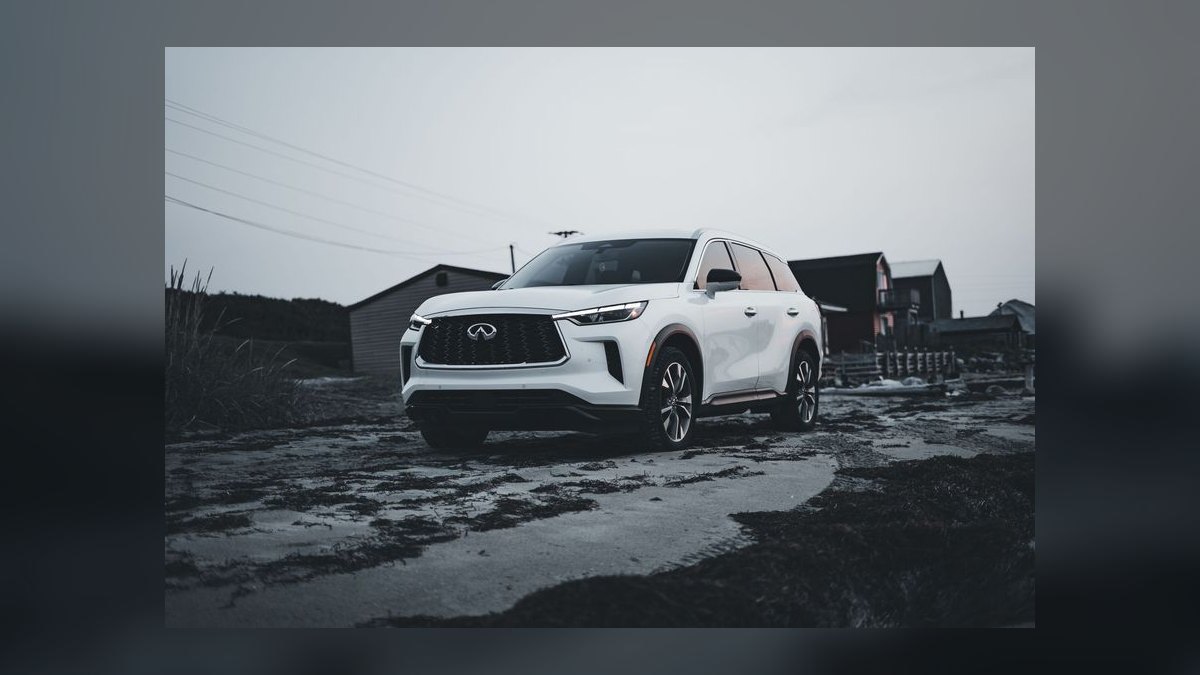
For Pacific Northwest families under $30,000, the most reliable used mid-size SUVs are the Toyota Highlander, Subaru Outback and Ascent, Honda Pilot, Mazda CX-9, and Toyota 4Runner. Prioritize all-wheel drive, documented brake and cooling service, and fresh tires — wet-weather traction and mountain-grade heat management matter more than horsepower here.
What "reliable in the Pacific Northwest" actually means
Reliability is regional. A used SUV that never misses a beat in Phoenix can be a maintenance headache in Seattle, Portland, or Bellingham, because the failure modes that get triggered here are different. The Pacific Northwest applies a specific combination of stresses: persistent moisture nine months a year, mild but relentless winter damp rather than deep freeze, steep sustained grades on I-90 over Snoqualmie Pass and I-84 through the Gorge, and a cabin-air environment that stays humid enough to grow mildew in a neglected HVAC box.
Start with what the wet does. Standing water on I-5 between Olympia and Everett means hydroplaning risk is a weekly reality, not a once-a-winter event, so tire condition outranks nearly every mechanical item on a used SUV inspection. Rubber below about 5/32 inch of tread depth loses meaningful wet-braking performance long before it hits the 2/32 legal minimum. On a family vehicle that carries kids on wet freeway at 60 mph, that gap between "legal" and "safe" is the entire margin. Budget $700 to $1,100 for a set of four all-season or all-weather tires in a common mid-size SUV size, and treat a seller's worn set as a negotiating lever rather than a dealbreaker.
Next, the moisture that never dries. Constant damp accelerates corrosion in places that road salt never touches, because the Pacific Northwest coastal corridor mostly uses magnesium chloride de-icer rather than heavy rock salt, and magnesium chloride is aggressive toward aluminum and electrical connectors. Look at brake lines where they run along the frame rail, the rear subframe mounting points, the trailer wiring connector if one is fitted, and the ground straps behind the wheel wells. Surface rust is normal and cosmetic. Flaking, scaling, or a brake line you can dent with a thumbnail is a walk-away.
Then the grades. Sustained descents from Snoqualmie, Stevens, Santiam, or the long drop into the Columbia River Gorge are what expose thermal weaknesses. Brake fade, transmission fluid degradation, and cooling-system marginality all show up on downhill runs with a loaded family vehicle. This is why cooling-system and transmission-service history matters far more here than raw mileage does. A 110,000-mile Highlander with documented transmission fluid changes and a replaced radiator is a better mountain vehicle than an 80,000-mile example that has never had either.
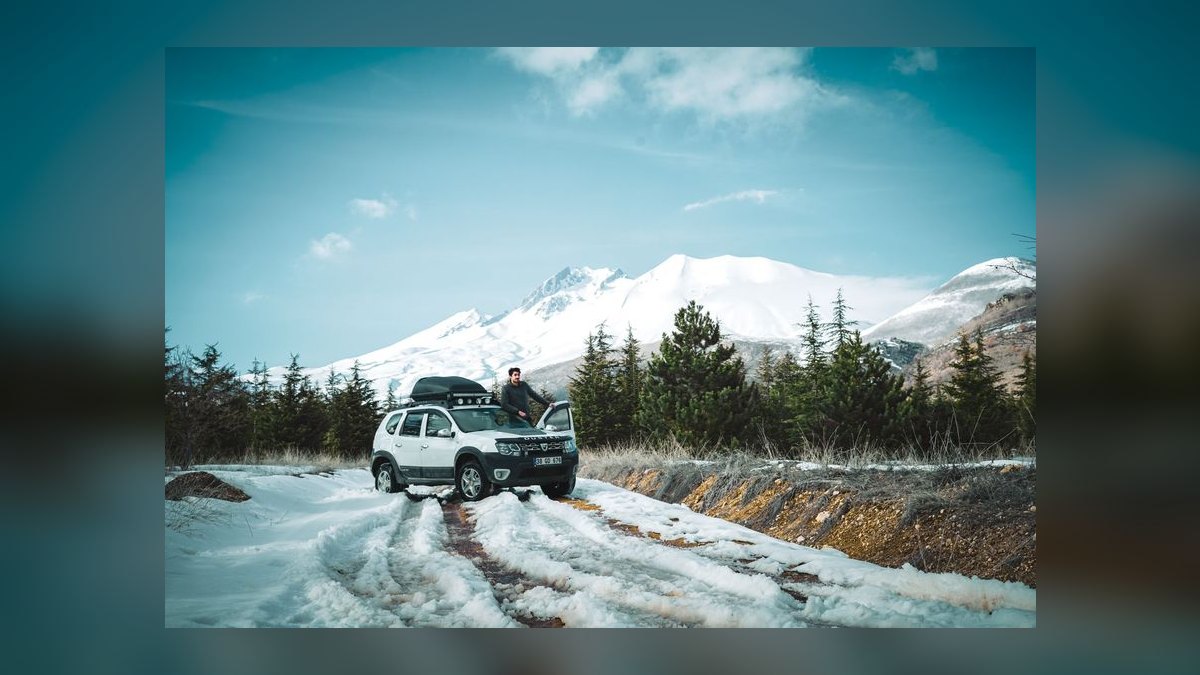
Finally, the humidity inside the cabin. Cabin air filters clog and mildew faster in this climate. A musty smell on the test drive usually means a $25 filter and an evaporator cleaning, not a serious defect — but it also tells you the previous owner skipped routine items, which is a reliable proxy for what else they skipped.
The realistic shortlist and how the candidates compare
Under $30,000 in 2027, you are shopping a broad band of model years, and the right frame is not "which nameplate is best" but "which combination of nameplate, generation, and drivetrain fits Northwest duty." Here is the honest comparison across the vehicles that genuinely belong on a Pacific Northwest family shortlist.
Toyota Highlander. The default answer for a reason. Three rows, a long-running naturally aspirated V6 in most non-hybrid trims, and an all-wheel-drive system that is unobtrusive and durable. The V6 has no turbo to heat-soak on a mountain climb and no dual-clutch complexity to shudder in stop-and-go on the 520 bridge. Its weakness is fuel economy and price: Highlanders hold value stubbornly, so under $30,000 you are typically shopping older or higher-mileage examples than you would for a comparable Pilot. Highlander Hybrid variants add a proven planetary hybrid system that is genuinely excellent on long descents because regenerative braking absorbs a meaningful share of the deceleration load, saving the friction brakes.

Subaru Outback and Subaru Ascent. Subaru's regional dominance in the Northwest is not just cultural. Symmetrical all-wheel drive is standard, the boxer engine sits low for a planted feel in crosswinds through the Gorge, and X-Mode adds low-speed traction logic that helps on wet gravel forest-service roads. The Outback straddles the wagon/SUV line but has the ground clearance and cargo capacity families actually use; the Ascent is the three-row option. Watch for two things: on older four-cylinder Subarus, verify head gasket history, and on turbocharged and CVT-equipped models, confirm the transmission fluid has been serviced according to severe-duty intervals, since mountain towing and grade driving qualify as severe duty even when the owner's manual language is vague.
Honda Pilot. Roomier than the Highlander in the third row and often available for less money at the same age, which matters when the budget is a hard ceiling. Honda's V6 is durable, and the all-wheel-drive system is competent for wet pavement. The historical caution is transmission service on certain generations and the variable cylinder management system, which some owners disable via aftermarket devices because of oil-consumption and misfire complaints. Ask directly whether the seller has ever seen a misfire code and check whether a VCM-defeat device is installed, because that tells you the owner was managing a known behavior.
Mazda CX-9. The driver's choice, and better in the wet than most of the field because the chassis communicates clearly and the steering gives you early warning when the front tires start to give up grip. The turbocharged four-cylinder makes strong low-end torque, which is genuinely useful on a grade, but a turbo adds heat and one more system to maintain. The third row is small — treat it as occasional-use rather than a daily carpool seat. Interior quality is a class above the price.
Toyota 4Runner. The outlier. Body-on-frame, part-time four-wheel drive on most trims, and legitimately capable on snow-covered forest roads and unmaintained access roads to trailheads. It also rides like a truck, drinks fuel, and has less usable cargo volume than its size suggests. For a family whose weekends actually involve unpaved mountain access, it earns its place. For a family whose "mountain driving" is I-90 to a ski resort parking lot, an all-wheel-drive crossover on winter-rated tires is the better and cheaper answer.
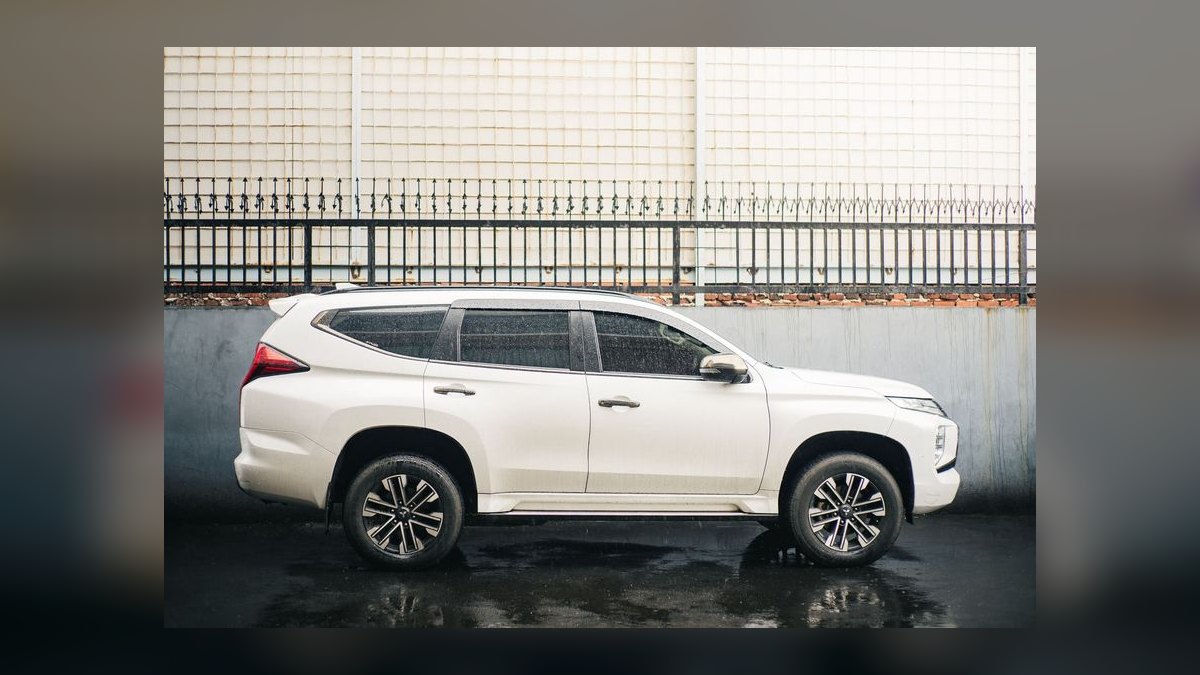
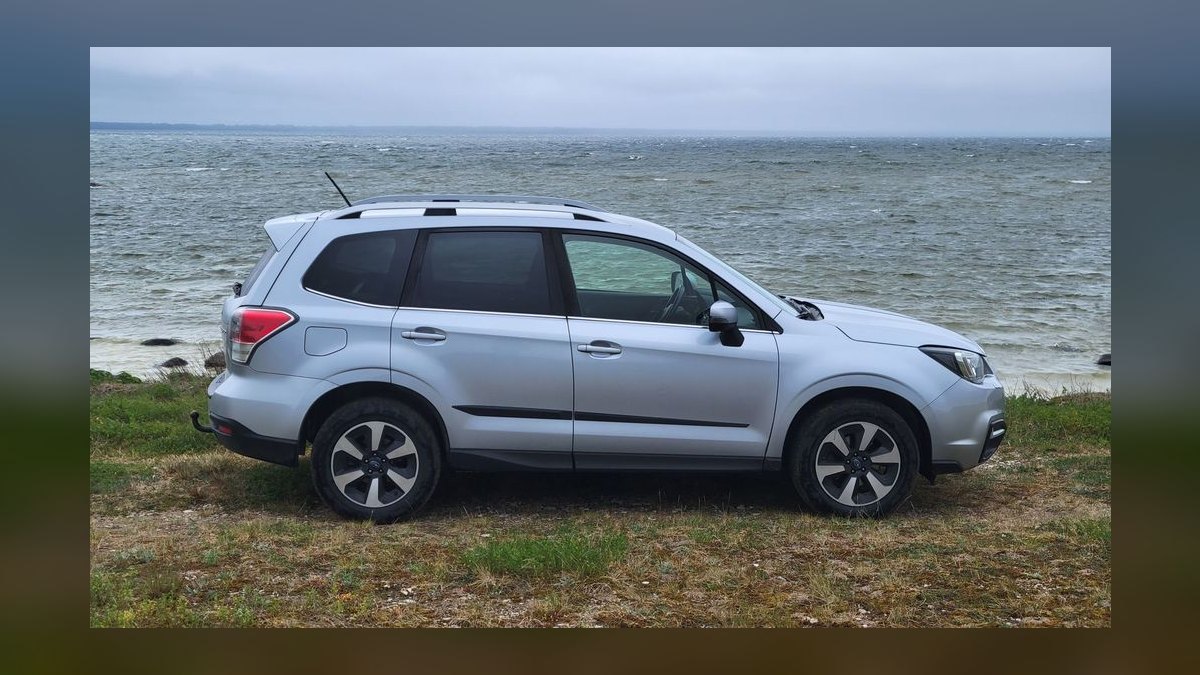
The adjacent options worth considering. A Toyota Sienna all-wheel-drive minivan is, for many Northwest families, objectively the better vehicle than any of the above — more usable interior room, sliding doors that do not swing into a parked car in a wet lot, and the same drivetrain durability. It simply does not look like an SUV. Similarly, a Subaru Forester costs less than an Outback of the same year while delivering nearly identical traction, and a Lexus RX is a Highlander mechanically with better sound insulation and a stiffer price. If the goal is reliability per dollar rather than segment loyalty, all three deserve a look.
How to decide between the candidates
The decision is not really about brand preference. It is a sequence of filters, and once you run them honestly, the field usually narrows to two or three vehicles.
Start with seat count, because it is the only truly binary constraint. If you regularly carry more than five people, the Highlander, Pilot, and Ascent are your field, and the two-row options drop out entirely. If five is enough, the Outback, Forester, CX-5, and RAV4 open up and your money goes considerably further at any given model year.
Second, be honest about surface. There is a large difference between "we drive to Crystal Mountain twice a winter on a plowed highway" and "we regularly drive gravel forest-service roads to trailheads in October." The first needs all-wheel drive plus proper tires. The second wants ground clearance, a skid plate, and ideally a low-range transfer case, which is where the 4Runner separates itself.
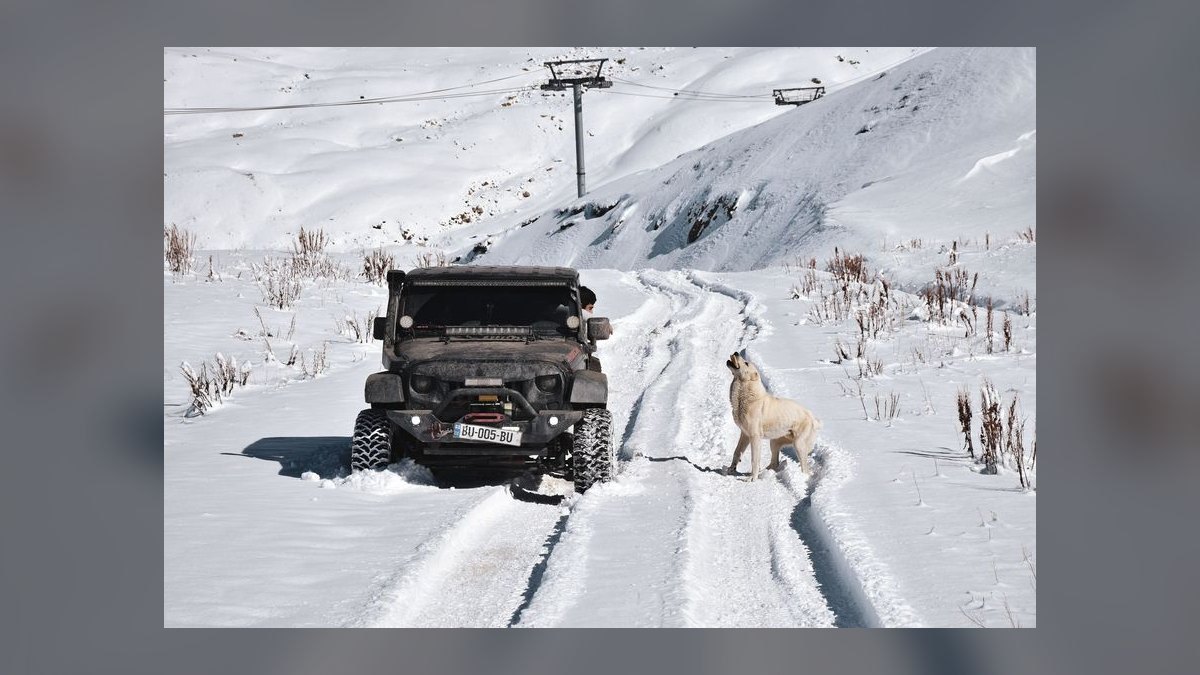
Third, weigh fuel cost against purchase price. A hybrid Highlander commands a premium of several thousand dollars over a comparable non-hybrid, and at Pacific Northwest fuel prices — historically among the higher regional averages in the continental U.S. — that premium can pay back within a few years for a family driving 15,000 miles annually. For a family driving 7,000 miles a year, it will not.
Fourth, decide your maintenance tolerance. A naturally aspirated V6 with a conventional automatic is the lowest-variance choice. A turbocharged four with a CVT is not fragile, but it demands adherence to fluid intervals that many previous owners treated as optional.
Run the tree once with your real weekend calendar rather than your aspirational one. Most families overestimate how often they leave pavement and underestimate how much of their driving is wet freeway commuting, which is the condition that should actually drive the purchase.
The numbers that decide the purchase
Sticker price is the smallest number in this decision. Here is what actually moves the total.
Tires. A quality all-weather tire — the three-peak-mountain-snowflake-rated category that splits the difference between all-season and dedicated winter rubber — runs meaningfully more than a basic all-season but eliminates the seasonal swap. Expect roughly $180 to $280 per tire in common mid-size SUV sizes, plus mounting and balancing. For a family that crosses a pass regularly, this is the single highest-return dollar in the entire purchase. Washington and Oregon both enforce traction tire requirements on mountain passes during declared conditions, and a three-peak-rated tire satisfies those requirements without chains in most declarations. Check current state DOT rules before each season, since requirements change.
Brakes. Mountain descents eat pads and rotors. Assume a front pad-and-rotor job in the $400 to $700 range at an independent shop for a mid-size SUV, and inspect rotor thickness rather than trusting a "brakes are fine" claim. On the test drive, find a long downhill and check for pedal pulsation, which indicates warped or unevenly deposited rotor surfaces — common on vehicles that have been ridden down grades rather than engine-braked.
Cooling system. On any candidate with more than 90,000 miles, price in a coolant flush, and inspect hoses for softness and the radiator for weeping at the seams. A radiator replacement runs several hundred dollars in parts and labor, and a cooling failure on a sustained climb is how a good engine becomes a bad engine. On Highlanders and Pilots with V6 engines, confirm the timing-belt-versus-chain question for the specific model year and whether the belt was replaced on schedule, because that job is expensive and its neglect is catastrophic.
Transmission fluid. The cheapest insurance in this whole list and the most frequently skipped. A drain-and-fill is typically in the low hundreds. On CVT-equipped vehicles, the service is non-negotiable at manufacturer intervals, and mountain driving pushes you into the severe-duty column.
Pre-purchase inspection. Budget $150 to $250 for an independent shop with a lift. Ask specifically for an underbody corrosion assessment, a brake measurement in millimeters or thirty-seconds rather than a percentage, and a scan for stored and pending codes. A pending code is the most useful thing on that report because it reveals a problem the seller may have cleared before listing.
Insurance and registration. Rates vary widely by county and by vehicle theft desirability. Certain Toyota and Honda models carry elevated comprehensive rates in the Portland and Seattle metros because of theft frequency. Get a real quote on the specific VIN before committing, since a $40-per-month difference is $2,400 over five years — real money against a $30,000 budget.
Reserve. Keep $1,500 to $2,500 uncommitted after purchase. On a used vehicle at this price point, something will need attention in the first six months. Buyers who spend the entire budget on the vehicle end up deferring the tires or the fluid service, which is exactly the deferral that turns a good purchase into a bad one.
Inspecting and sequencing the buy
The order of operations matters as much as the checklist itself, because the cheap filters should eliminate candidates before you spend money on the expensive ones.
Step one: the paper. Run the VIN through a history report and read it for geography, not just accidents. A vehicle that spent its life in the Midwest salt belt before being resold in Portland is a different risk than a lifelong Oregon car. Check for title branding, odometer inconsistencies, and gaps of more than a year in reported service. Look up open recalls on the NHTSA VIN lookup, which is free — outstanding safety recalls are repaired at no cost by a franchised dealer, so an open recall is leverage, not a defect.
Step two: the photos and the questions. Before driving anywhere, ask the seller three specific questions: when was the transmission fluid last changed, when were the brakes last done, and has the cooling system ever been serviced. A seller who answers with dates and mileage has records. A seller who says "it's never given me any trouble" is telling you there are no records.
Step three: the test drive, structured. Do not let the seller pick the route. Include a wet-surface stretch if the weather cooperates, a sustained uphill of at least a mile, a downhill of similar length, and a stretch of freeway at 60 mph or above. On the climb, watch the temperature gauge and listen for the transmission hunting between gears. On the descent, use engine braking and note whether the transmission downshifts cleanly. At freeway speed, take your hands briefly off the wheel on a flat straight to check for pull, and feel for steering-wheel vibration that indicates balance or suspension issues. Run the HVAC on full defrost and confirm the air conditioning compressor engages — in this climate the A/C is your primary dehumidifier for windshield clearing, and a dead compressor is a genuine winter safety problem, not a summer luxury.
Step four: the lift inspection. This is where you spend money to avoid spending more. Independent shop, not the selling dealer. Ask for photographs of the underbody.
Step five: the negotiation. Come with the inspection report and specific line items. "The front pads measure 3 millimeters and the fluid service is overdue" is a concrete argument worth several hundred dollars. "It seems a little expensive" is not.
Step six: the first thirty days. Immediately after purchase, do the deferred maintenance rather than waiting. Cabin air filter, engine air filter, oil change with the correct specification, wiper blades — Northwest wipers work hard and streaking blades at night in rain are genuinely dangerous — and a tire assessment. Then set a maintenance calendar keyed to severe-duty intervals rather than normal-duty, because mountain grades and stop-and-go metro driving both qualify.

Living with the vehicle in Northwest conditions
The purchase is half the job. How you operate the vehicle here determines whether it stays reliable.
On descents, use the transmission. Every modern automatic in this class has either a manual gate, paddle shifters, or an L position. Selecting a lower gear on a long grade holds engine speed up and lets compression do the braking work, which keeps pad temperature down and prevents the fade that catches people out on the Snoqualmie westbound descent. Riding the brakes for six miles is how rotors warp.
On wet freeway, increase following distance beyond what feels necessary. Wet-pavement stopping distances extend substantially, and all-wheel drive does nothing for braking — it helps you accelerate, not stop. This is the most persistent misconception among Northwest drivers, and it is why all-wheel-drive vehicles are overrepresented in some winter incident data despite their traction advantage: drivers overestimate their capability.
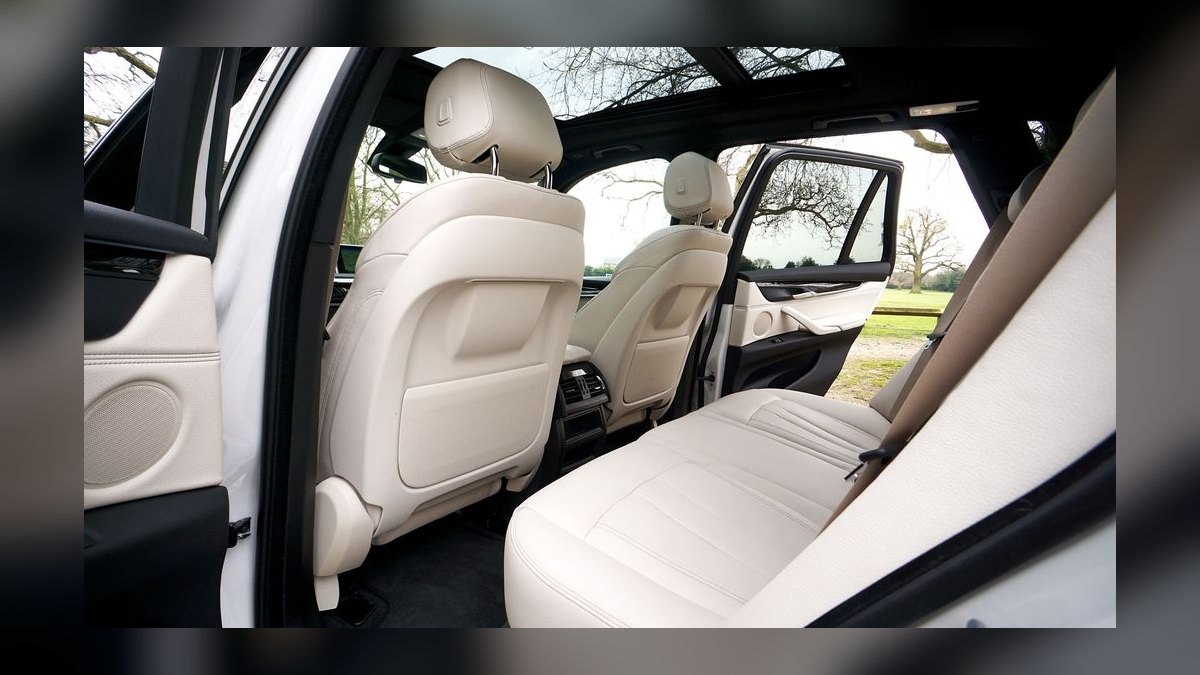
Manage the cabin humidity. Run the air conditioning with the defroster, keep the recirculation off in wet weather, and replace the cabin filter annually rather than at the manual's interval. A clogged filter reduces defroster airflow, which slows windshield clearing, which is a visibility problem on a dark rainy commute.
Watch the wiper and washer system as a safety system rather than a convenience. Replace blades every six to twelve months and keep the reservoir full of a solution rated for the temperatures you will see at pass elevation, not just at sea level. Freezing washer fluid on a pass is a legitimate hazard.
Carry chains even if your tires are three-peak rated. Washington's traction requirements have tiers, and the most restrictive declarations require chains on all vehicles regardless of tire rating or drivetrain. A set of chains that fits your specific tire size lives in the cargo area from November through March. Practice fitting them once in a dry driveway rather than learning on a shoulder in the dark.
Finally, respect the difference between capability and conditions. The vehicles on this list handle Pacific Northwest weather well, but the conditions on a pass can exceed any vehicle's limits. Checking WSDOT or ODOT pass reports before departure is a five-minute habit that prevents most of the situations where the vehicle's capability would be tested at all.
Related questions
Is all-wheel drive actually necessary in the Pacific Northwest?
For lowland Seattle or Portland commuting, no — good tires on a front-wheel-drive vehicle handle rain fine. All-wheel drive earns its cost if you frequently cross mountain passes, use unpaved roads, or live at elevation where snow accumulates. Tires matter more than drivetrain in nearly every scenario.
Should I buy from a private seller or a dealer here?
Private sellers price lower and negotiate more. Dealers may offer limited warranty coverage and handle title paperwork. Neither substitutes for an independent lift inspection. In wet-climate markets, a private seller who can show you a folder of local service receipts is often the safer transaction.
How many miles is too many for a used mid-size SUV?
Documented service history matters more than the odometer. A Toyota or Honda V6 with complete records at 130,000 miles is a lower risk than an undocumented example at 80,000. Set your ceiling by maintenance evidence and by remaining timing-service life rather than by a round number.
Do I need dedicated winter tires or are all-weather tires enough?
For most Northwest families, three-peak-mountain-snowflake all-weather tires are the right compromise — they satisfy traction tire requirements and avoid seasonal swaps. Families who ski weekly or live above pass level benefit from dedicated winter tires mounted on a second set of wheels.
Is a minivan a better choice than an SUV for a family here?
Often, yes. An all-wheel-drive minivan offers more usable space, easier child-seat access, and sliding doors that are safer in tight wet parking lots. The main trade-offs are ground clearance and resale perception, neither of which affects daily reliability.
FAQ
Which used mid-size SUV under $30,000 is the safest bet for a Pacific Northwest family?
A well-documented Toyota Highlander is the lowest-variance choice: three rows, a durable naturally aspirated V6 in most non-hybrid trims, and an all-wheel-drive system with few known failure points. Its drawback is price — Highlanders hold value, so your budget buys an older or higher-mileage example than it would in a Pilot or Ascent. Buy the one with cooling and transmission records, not the one with the lowest odometer.
What should I inspect specifically because of the wet climate?
Focus on brake lines along the frame rail, rear subframe mounting points, electrical ground straps, and the trailer wiring connector if fitted. The region uses magnesium chloride de-icer, which is aggressive toward aluminum and connectors. Also check for water intrusion at the sunroof drains and rear hatch seals, and note whether the cabin smells musty, which signals a neglected cabin filter and evaporator.
How do mountain grades change what I should look for mechanically?
Sustained climbs and descents stress cooling and braking far more than flat driving does. Prioritize documented coolant service, inspect hoses and the radiator for weeping, verify transmission fluid history, and measure brake pad and rotor thickness rather than accepting a verbal assurance. On the test drive, include a real grade in both directions and watch the temperature gauge under load.
Are turbocharged engines a bad idea for this kind of driving?
Not inherently. Turbo engines like the Mazda CX-9's produce useful low-end torque on grades. They do run hotter and add a component that depends on clean oil and proper cooldown habits. If you buy one, insist on oil-change records at or better than the manufacturer interval and treat the service schedule as severe-duty given the driving conditions.
Does all-wheel drive reduce my need for good tires?
No — this is the most common and most costly misconception. All-wheel drive improves acceleration traction and does essentially nothing for braking or cornering grip on wet or icy pavement. Tread depth and rubber compound determine stopping distance. Budget for quality tires before you budget for a drivetrain upgrade.
How much should I hold back for post-purchase work?
Keep $1,500 to $2,500 uncommitted. On any used vehicle at this price point, something surfaces within six months — commonly tires, brakes, or a deferred fluid service. Buyers who spend the entire budget on the vehicle itself end up deferring exactly the maintenance that protects the purchase.
Sources
- NHTSA Recall Lookup by VIN
- IIHS Vehicle Ratings
- EPA Fuel Economy Data
- WSDOT Mountain Pass Reports
- Oregon Department of Transportation TripCheck
- Consumer Reports Used Cars
- Edmunds
- Kelley Blue Book
- Tire Rack Tire Tech
Related on PULSE
- [Best Used Compact SUVs Under $30,000 in 2027 (Ranked)](/knowledge/ca0817)
- [Best Used Full-Size SUVs Under $30,000 in 2027 (Ranked)](/knowledge/ca0818)
- [Best Used Off-Road SUVs Under $30,000 in 2027 (Ranked)](/knowledge/ca0821)
- [Best Used Hybrid SUVs Under $30,000 in 2027 (Ranked)](/knowledge/ca0941)
- [Best Used Subcompact SUVs Under $30,000 in 2027 (Ranked)](/knowledge/ca0943)
This page will be disappearing soon. Save it to your device for $1 — or read it free while it is here.
@Kory-White- · if Venmo asks, the last 4 of my number are 2012
 pulse-carsBest Used Crossovers Under $25,000 in 2027 (Ranked)
 pulse-carsTop 10 Luxury EVs 2027 — Best Overall + Best Value
 pulse-carsBest EVs for Cold Weather in 2027
 pulse-carsBest Cadillac XT5 Model Years (Ranked) in 2027
 pulse-carsTop 10 Electric Minivans 2027 — Best Overall + Best Value
 pulse-carsTop 10 Diesel Trucks 2027 — Best Overall + Best Value
 pulse-carsBest Lexus RX Generations (Ranked) in 2027
 pulse-carsBest Toyota Tercel Model Years (Ranked) in 2027
 pulse-carsTop 10 Compact SUVs 2025 — Best Overall + Best Value
 pulse-carsTop 10 Compact Cars 2027 — Best Overall + Best Value