
Best Used Subcompact SUVs for Colorado Snow: Top 5 Under $30,000 in 2027
 Curated byKory White · Fractional CRO · Maryland
 PULSEKNOWLEDGE LIBRARY
Quality
Certified
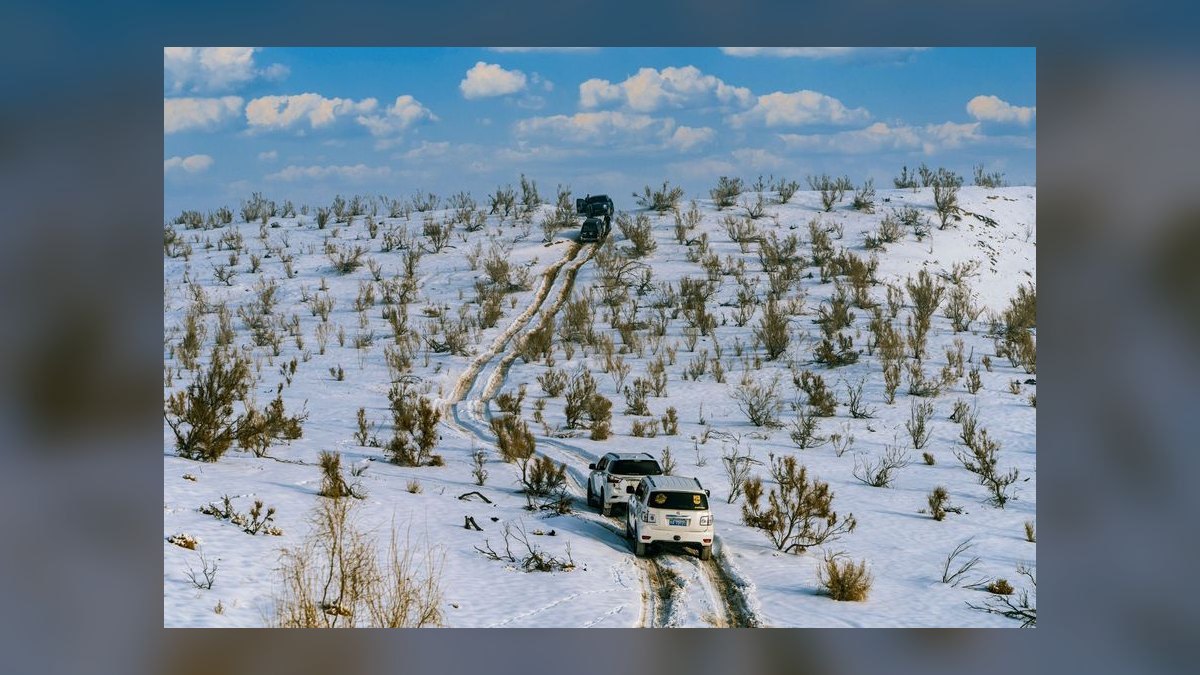
For snowy Colorado mountain commuting under $30k in 2027, the most reliable used subcompact SUVs are the Subaru Crosstrek, Toyota RAV4 and Honda CR-V (compact but common cross-shops), Mazda CX-5, and Subaru Forester. Prioritize standard all-wheel drive, documented maintenance, rust-free underbody, and a dedicated set of winter tires over trim level.
The outcome you should expect
Set expectations before you shop, because the Colorado mountain use case punishes vague shopping. A used subcompact or small crossover bought well under $30,000 in 2027 should give you a vehicle that starts reliably at 10°F in an unheated driveway, holds a lane on packed snow up I-70 or US-285 with proper tires, clears the Colorado Traction Law without a citation, and costs you somewhere in the range of a few hundred to about a thousand dollars a year in routine maintenance if the previous owner kept up with fluids.
What you should *not* expect is that all-wheel drive alone makes the vehicle mountain-capable. AWD helps you accelerate from a stop and pull out of an unplowed side street. It does essentially nothing for braking distance or cornering grip on ice — those are tire functions. A front-wheel-drive subcompact SUV on four dedicated winter tires will out-brake and out-corner an all-wheel-drive one on worn all-seasons, and it is not close. If you take one thing from this page, take that.
The second thing to expect: elevation changes how the vehicle behaves. A naturally aspirated 2.0L four-cylinder loses roughly 3% of its power per 1,000 feet of altitude gain. Climbing from Denver at 5,280 feet to Eisenhower Tunnel at 11,158 feet, you are asking an engine that made 150-ish horsepower at sea level to do the work with meaningfully less. That is survivable — hundreds of thousands of Coloradans do it daily — but it shapes which vehicles feel adequate. Turbocharged engines lose far less power at altitude because the turbo compensates by spinning harder, which is why a turbo Forester or a turbo CX-5 feels notably stronger at Vail Pass than a naturally aspirated equivalent. That advantage comes with turbo maintenance sensitivity: oil quality and change intervals matter much more.
Third, expect the vehicle's *history* to matter more than its badge. A Toyota with a skipped-service history and salt-belt rot is a worse buy than a well-kept Hyundai with folders of receipts. Colorado uses magnesium chloride deicer rather than heavy rock salt, so locally-owned vehicles tend to have less catastrophic frame rot than Midwest or Northeast cars — but mag chloride is corrosive in its own way, attacking aluminum, brake lines, and electrical connectors. Cars shipped in from Ohio, Michigan, or upstate New York are a real risk at this price point, and a large fraction of the used inventory on Front Range lots is out-of-state auction stock.
Finally, expect the shopping timeline to be short once you find a clean one. Well-maintained AWD crossovers in Colorado are the single most demanded used segment in the state. A clean-history Crosstrek or Forester with under 100,000 miles and service records will get multiple inquiries the day it lists. Have financing arranged, a mechanic on standby who can do a same-day pre-purchase inspection, and a decision framework already set so you are not deliberating for three days.
What drives that outcome
The reliability of a mountain-commuting SUV is not one variable. It is a stack of them, and they compound.
Drivetrain architecture. Subaru's symmetrical AWD is a full-time system — power goes to all four wheels always, with no waiting for slip detection. That is why Subarus dominate mountain-town parking lots. Toyota's and Honda's systems in this era are primarily front-drive-biased with on-demand rear engagement; they react fast enough for the vast majority of commuting, but a full-time system feels more planted on a steep, snow-packed switchback. Mazda's i-ACTIV predictive AWD monitors steering, throttle, and wiper input and pre-emptively sends torque rearward before slip occurs, which is a genuinely clever middle ground. For the Colorado Traction Law, any of these qualify as AWD/4WD — but the law *also* requires a minimum 3/16-inch tread depth, and on the tighter Passenger Vehicle Traction Law the tire must carry a mud-and-snow, all-weather, or snowflake designation.
Tires — the dominant variable. Winter compound rubber stays pliable below about 45°F; all-season rubber hardens and loses grip. On packed snow, a dedicated winter tire can shorten stopping distance dramatically compared to a worn all-season. Budget $700–$1,200 for a set of four winter tires on steel wheels for a subcompact SUV, mounted and balanced. That is the highest-return thing you can spend money on, full stop — a better use of $1,000 than upgrading from a $22,000 example to a $23,000 example of the same model.
Cooling and brake thermal management. Mountain commuting is not just climbing; it is descending. A 6% grade for eleven miles down from the Eisenhower Tunnel toward Silverthorne will cook brakes that are marginal. Vehicles with well-sized rotors and a transmission that will hold a low gear on demand fare better. Check for warped rotors on any pre-purchase inspection: a pulsing pedal on a mountain-region car is common and cheap to fix, but tells you the previous owner rode the brakes rather than engine-braking.
Corrosion exposure. Inspect brake lines, fuel lines, subframe mounts, and the rear suspension trailing arms. On mag-chloride-exposed cars, brake line failure is the corrosion event that actually strands people. It is a $300–$600 repair if caught early and a genuinely dangerous failure if not.
Maintenance history density. Vehicles with documented transmission fluid service — particularly CVT-equipped models — hold up substantially better. Both Subaru and Nissan used CVTs widely in this era. Subaru's Lineartronic has proven durable when fluid is changed on schedule and abused when it is not. Nissan's Xtronic in the 2013–2016 Rogue era earned a poorer reputation and is the single most common reason to walk away from an otherwise attractive cheap Rogue.
Benchmarks and realistic ranges
Here is what the money actually buys, framed honestly.
Subaru Crosstrek — the closest thing to a true subcompact answer for this question. Standard symmetrical AWD across every trim, roughly 8.7 inches of ground clearance which is more than most of its class and genuinely useful when the plow hasn't come through, and a body-on-Impreza platform that is simple to work on. Under $30,000 in 2027 you are looking at a broad band of model years, and cleaner low-mileage examples from the second generation sit comfortably inside budget. Watch for CVT fluid history and, on earlier examples, oil consumption in the FB-series engines. Real-world winter fuel economy will land noticeably below the EPA combined figure — expect a meaningful penalty from cold starts, winter tires, and idling.

Subaru Forester — larger, taller, boxier, with excellent outward visibility that matters more than people expect when you are judging a snowy lane line. Standard AWD, generous clearance, and cargo space that swallows ski gear without a roof box. Same CVT-fluid caveat. Turbo XT variants from the fourth generation are quick and altitude-friendly but require disciplined oil service.
Toyota RAV4 — not literally subcompact, but the constant cross-shop and probably the strongest pure-reliability play in the price band. AWD is optional rather than standard, so verify the badge and the actual driveline rather than trusting a listing. The 2.5L four is conventionally geared with a traditional automatic in the fourth generation, which sidesteps CVT anxiety entirely. Long service life, deep parts availability at every Front Range independent shop, and predictable repair costs.
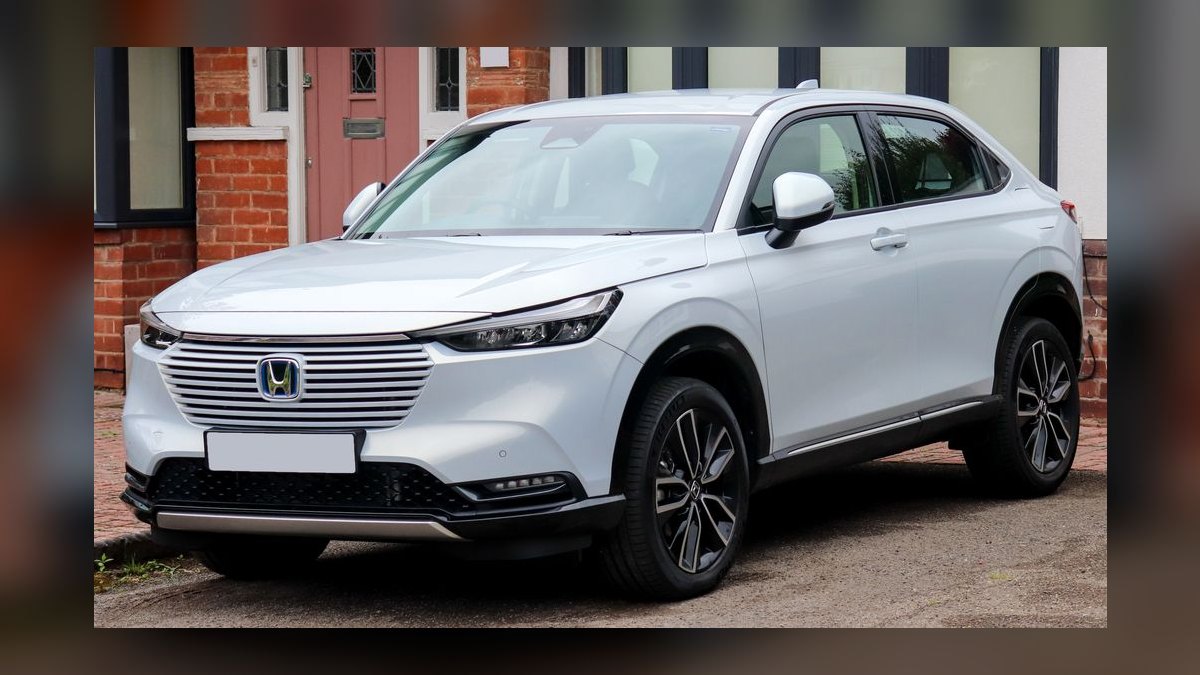
Honda CR-V — comparable reliability profile, roomier interior than the exterior suggests, and a real-time AWD system that is adequate for commuting. Later generations moved to a CVT and a turbocharged 1.5L; that turbo engine had a well-documented fuel-dilution-into-oil issue in cold climates that Honda addressed through a service campaign and software updates. If you are looking at a turbo CR-V for Colorado specifically, confirm the update was applied and check the oil level and smell at inspection.
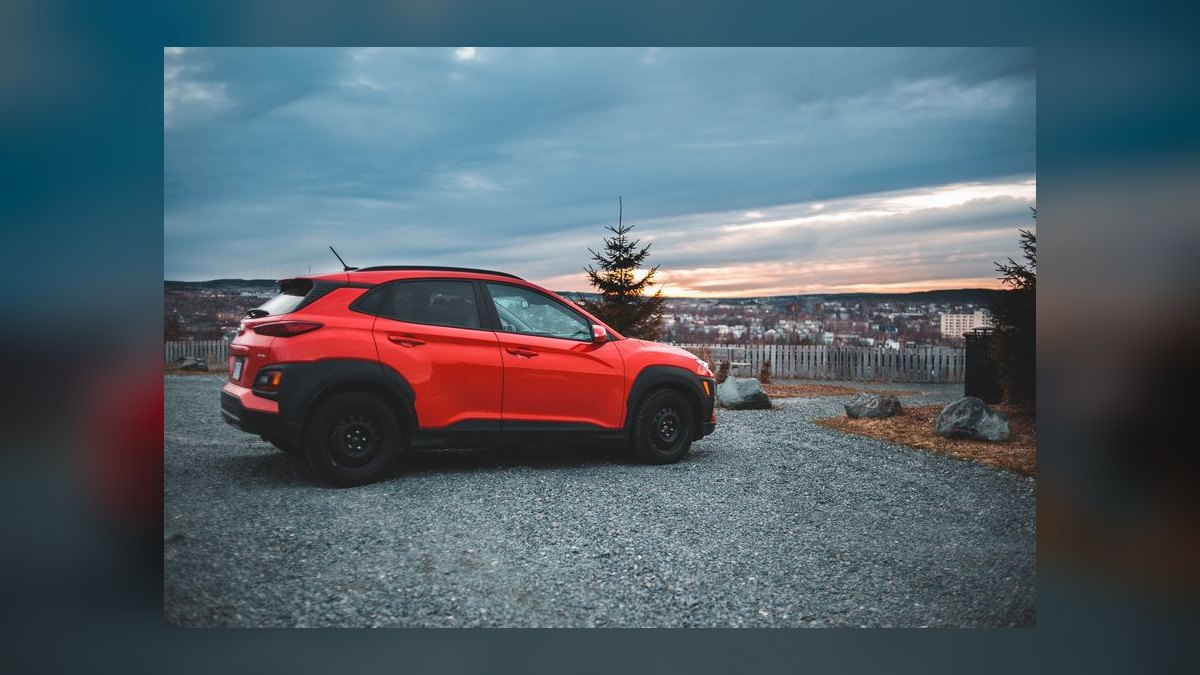
Mazda CX-5 — the enthusiast answer. Best steering and body control in the group, an interior that punches far above its price, and the predictive i-ACTIV AWD system. Conventional six-speed automatic rather than a CVT. Trade-offs: less rear-seat and cargo room than a CR-V or Forester, a firmer ride, and slightly lower ground clearance than a Crosstrek.
Hyundai Tucson and Kia Sportage — the value plays. You get more equipment per dollar and often lower mileage for the money. Reliability is good rather than legendary; the meaningful check is whether the original powertrain warranty has any remaining coverage and whether the specific engine family in that model year was subject to a recall or extended-warranty campaign, several of which exist across this era's Hyundai/Kia four-cylinders. Verify the VIN against open recalls before you commit.
Mileage and price framing. In this segment, an AWD example with full records at 110,000 miles is generally a better buy than a no-history example at 70,000 miles. Colorado mileage accumulates on highway miles, which are gentler than stop-and-go, so a higher-mileage mountain-corridor commuter is often in better mechanical shape than the odometer suggests. Budget beyond the purchase price: $150–$250 for a pre-purchase inspection, $700–$1,200 for winter tires and wheels, and a $500–$1,500 reserve for the deferred maintenance that nearly every used vehicle carries.
Risks, edge cases, and failure modes
The out-of-state rust car. The most common expensive mistake. A Michigan or Ontario auction car arrives on a Front Range lot, gets detailed and undercoated, and looks fine from six feet away. Get it on a lift. Look at the rear subframe, the fuel and brake lines where they run along the floor pan, the strut tower tops, and the rocker panel seams. Flaky, scaling rust — not surface film — is the disqualifier.
The CVT that was never serviced. Continuously variable transmissions in this class are not inherently fragile, but they are fluid-sensitive and the fluid is not lifetime despite what some manuals imply. Mountain driving means sustained high-load climbing, which raises transmission temperatures. A CVT with no fluid service record and 100,000 mountain miles is a coin flip on a $3,500–$6,000 replacement. Ask directly, and if the answer is vague, price the risk in or walk.
Head gaskets on older Subarus. The EJ-series engines in older Foresters and Outbacks had a well-documented head gasket weakness. The later FB engines largely resolved it, but if you are shopping the cheap end of the Forester range you may drift into EJ territory. Look for coolant staining at the block seams and ask whether the gaskets were already replaced — if they were, that is a positive, not a negative.
Turbo oil coking. Turbocharged engines that spend their life climbing at wide-open throttle and then get shut off immediately at the trailhead will coke oil in the turbo bearing. Extended-interval synthetic oil is not the friend of a hard-worked turbo at altitude. Shorten the interval and let the engine idle briefly after a hard climb.
The traction law citation. During an active Traction Law on I-70, a vehicle without qualifying tires or AWD/4WD can be cited, and the fine escalates substantially if your stuck vehicle blocks the roadway. This is not theoretical — closures on the I-70 mountain corridor caused by unprepared vehicles are a routine winter occurrence. Compliance is cheap. Non-compliance can be genuinely expensive and, more to the point, dangerous for everyone behind you.
Battery and cold-start failure. A battery that is fine in Denver in October will fail at 8,500 feet in January. Cold cranking amps degrade with age, and a marginal battery is the single most common winter no-start. Test the battery at inspection, not the first cold snap. Budget for a replacement on any vehicle whose battery is over three years old.

Ground clearance versus approach angle. Clearance numbers get quoted; approach angle rarely does. What actually strands a low crossover is a plowed berm at the end of a driveway, not trail rock. A vehicle with 8.7 inches of clearance and a short front overhang will climb a berm that a longer-nosed vehicle with similar clearance will plow into.
Heated everything. Heated seats and mirrors read as luxury features on a spec sheet and as practical safety equipment on a January commute. Heated mirrors clear ice you would otherwise scrape. A heated windshield-wiper park area — present on some Subaru and Hyundai trims — prevents the wiper blades from freezing to the glass. These are worth trim-shopping for.
A practical rollout plan
Treat the purchase as a project with phases rather than a weekend errand. The people who end up happy in a mountain-commuting vehicle are the ones who did the boring parts.
Phase one — define the route honestly. Write down what you actually drive. A commute from Golden to Denver is a different vehicle problem than Frisco to Vail over the pass every day, which is different again from a Front Range base with weekend trips to the high country. Frequency and grade determine how much you should weight AWD, clearance, and braking capacity. If you climb a pass daily, weight the drivetrain and cooling heavily. If you drive mostly plowed interstate with occasional storms, tires plus a competent FWD vehicle may genuinely be enough, and that opens the inventory considerably.
Phase two — build the shortlist and set alerts. Pick three to four models, not one. Single-model tunnel vision on a Crosstrek in Colorado means you compete with everyone else in the state for the same cars and pay a premium for the badge. Set saved searches with alerts on the major aggregators, filtered to AWD, your mileage ceiling, and a radius that includes the Front Range plus dry-climate feeder markets — Wyoming, New Mexico, Arizona, and Utah inventory is often less corroded than Midwest stock.
Phase three — screen remotely before you drive anywhere. Pull the VIN and run history. Ask the seller for photos of the underbody, the oil filler cap, and the service records — not the glamour shots. A seller who will not photograph a lift or produce receipts is telling you something. Check open recalls by VIN on the federal database.
Phase four — the pre-purchase inspection, non-negotiable. Independent shop, on a lift, before money moves. Specify what you want checked: brake line and fuel line corrosion, rotor thickness and runout, CV boots, transmission fluid condition, coolant condition and any block seepage, battery load test, tire tread depth on all four with the spare, and any stored diagnostic codes. This costs $150–$250 and is the highest-leverage money in the entire process.
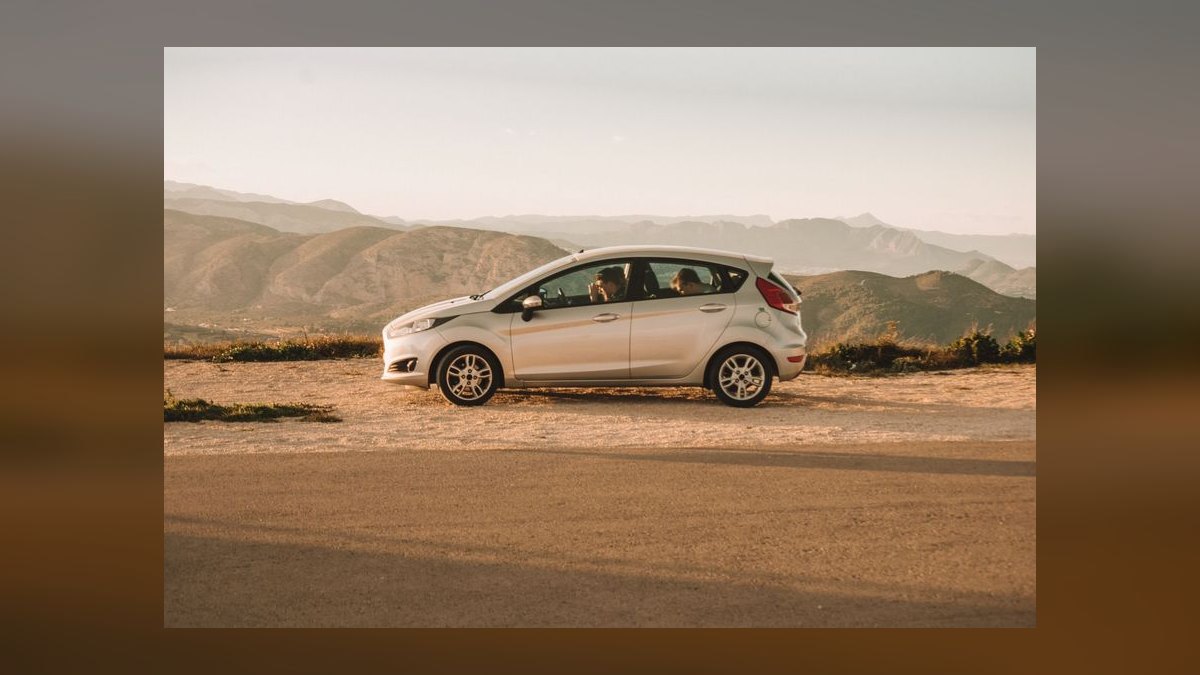
Phase five — negotiate on findings, not on feelings. The inspection gives you a written list. Price the deferred items — tires, brakes, fluids, battery — and negotiate against that list rather than against a vague sense of the market. Sellers respond to itemized numbers far better than to lowballs.
Phase six — winterize immediately, before the first storm. Winter tires mounted on their own wheels so the seasonal swap is a driveway job rather than a shop appointment. Fresh wiper blades in a winter-rated design. Washer fluid rated to at least -20°F. Fresh coolant tested for freeze point. A trunk kit: blanket, traction boards or a bag of sand, folding shovel, headlamp, jumper pack, water, and snacks. The trunk kit costs under $200 and is the difference between an inconvenience and an emergency when I-70 closes and you sit for four hours.
Phase seven — set a maintenance cadence and hold it. Shorter oil intervals than the manual suggests if the engine is turbocharged or the commute is all climbing. Transmission fluid on a real schedule, especially for a CVT. Brake fluid every two to three years, because moisture-laden fluid boils on long descents. An annual underbody wash after the deicer season ends — this one habit does more for a Colorado vehicle's ten-year outlook than almost anything else.
Related questions
Does all-wheel drive replace winter tires in Colorado?
No. AWD improves acceleration and getting unstuck; it does not shorten braking distance or improve cornering grip on ice. Winter tires do both. A FWD vehicle on winter tires stops better than an AWD vehicle on worn all-seasons. Colorado's Traction Law recognizes both paths, but tires are the safety variable.
What ground clearance do I actually need for a Colorado commute?
Roughly 7 to 8.7 inches covers nearly every plowed-road scenario, including driveway berms. More clearance mainly helps on unplowed forest roads and deep unbroken snow. Approach angle and front overhang matter as much as the raw number when climbing a plow berm.
Is a CVT a dealbreaker for mountain driving?
Not by itself. Subaru and Toyota CVTs hold up well with documented fluid service. The risk is an unserviced unit with high mountain mileage, where sustained climbing load has cooked the fluid. Demand fluid-change records, or budget for a replacement that can run several thousand dollars.
Should I avoid turbocharged engines at altitude?
The opposite — turbos lose far less power at elevation than naturally aspirated engines, which shed roughly 3% per 1,000 feet. The trade-off is maintenance discipline: shorter oil intervals, quality synthetic, and a brief idle after hard climbs to avoid coking the turbo bearing.
How do I check for magnesium chloride corrosion?
Put it on a lift. Inspect brake and fuel lines along the floor pan, the rear subframe, strut tower tops, and rocker seams. Surface film is normal on any Colorado vehicle; flaking, scaling rust that leaves debris when tapped is the disqualifier — especially on brake lines.
FAQ
Which used subcompact SUV is the most reliable choice for a snowy Colorado mountain commute under $30k?
The Subaru Crosstrek is the most direct fit — standard symmetrical all-wheel drive on every trim, about 8.7 inches of ground clearance, and a simple, widely-serviced platform. If you can flex into the compact class, a Toyota RAV4 with AWD and a conventional automatic is the strongest pure-reliability play, and a Honda CR-V or Mazda CX-5 are close behind. In every case, the specific car's service history outweighs the badge.
How much of my budget should go to the vehicle versus winterizing it?
Reserve roughly $1,000 to $1,500 outside the purchase price. Winter tires on dedicated wheels are $700–$1,200 for this class, a pre-purchase inspection is $150–$250, and a trunk emergency kit runs under $200. Spending $1,000 less on the car to fund proper tires produces a safer vehicle than the reverse trade, every time.
Does the Colorado Traction Law require all-wheel drive?
No. It requires either 4WD/AWD with adequate tread, or a two-wheel-drive vehicle with mud-and-snow, all-weather, or snowflake-rated tires, or chains or an approved traction device. The consistent requirement across all paths is a minimum 3/16-inch tread depth. Enforcement is active on the I-70 mountain corridor during storms, and fines escalate if a non-compliant vehicle blocks traffic.
Are out-of-state used SUVs from the Midwest worth considering?
Only after a lift inspection. Road salt in the Midwest and Northeast causes structural corrosion far more aggressive than Colorado's magnesium chloride. Undercoating and a fresh detail can hide a great deal. Dry-market inventory from Arizona, New Mexico, Utah, and Wyoming is a much safer sourcing lane and often costs no more.
How many miles is too many for a mountain-commuting used SUV?
There is no hard cap. A documented 120,000-mile highway commuter is frequently a better vehicle than an undocumented 70,000-mile car. Colorado miles skew highway, which is gentler on drivetrains than urban stop-and-go. Weight service records, corrosion condition, and transmission fluid history far above the odometer reading.
What should I check on the test drive specifically for mountain suitability?
Find a real grade. Confirm the transmission holds a lower gear on descent without hunting, that the brake pedal is firm and not pulsing, that the engine climbs without excessive heat creep on the temperature gauge, and that the heater, defroster, and heated mirrors all work at full output. Then check the cabin air filter — a clogged one cripples the defroster.
Sources
- Colorado Department of Transportation — Winter Driving and Traction Laws
- NHTSA — Recalls by VIN
- IIHS Vehicle Ratings
- EPA / DOE Fuel Economy
- Consumer Reports — Used Cars
- Edmunds
- Car and Driver
- Kelley Blue Book
- Tire Rack — Winter Tire Testing
- AAA — Winter Driving Tips
Related on PULSE
- [Best Used Subcompact SUVs Under $25,000 in 2027 (Ranked)](/knowledge/ca0939)
- [Best Used Subcompact SUVs Under $20,000 in 2027 (Ranked)](/knowledge/ca0935)
- [Best Used Subcompact SUVs Under $35,000 in 2027 (Ranked)](/knowledge/ca0967)
- [Best Used Subcompact SUVs Under $40,000 in 2027 (Ranked)](/knowledge/ca0971)
- [Best Used Subcompact SUVs Under $15,000 in 2027 (Ranked)](/knowledge/ca0931)
This page will be disappearing soon. Save it to your device for $1 — or read it free while it is here.
@Kory-White- · if Venmo asks, the last 4 of my number are 2012
 pulse-carsTop 10 Sedans 2010 — Best Overall + Best Value
 pulse-carsTop 10 Diesel Trucks 2027 — Best Overall + Best Value
 pulse-carsBest Hyundai Genesis Coupe Model Years (Ranked) in 2027
 pulse-carsTop 10 Hydrogen Cars 2027 — Best Overall + Best Value
 pulse-carsTop 10 Electric SUVs in 2027
 pulse-carsBest Volkswagen Golf Generations (Ranked) in 2027
 pulse-carsBest Mazda CX-9 Model Years (Ranked) in 2027
 pulse-carsBest Volkswagen GTI Generations (Ranked) in 2027
 pulse-carsTop 10 Luxury EVs 2027 — Best Overall + Best Value
 pulse-carsBest EVs for Cold Weather in 2027