


Top 10 cars with the lowest maintenance costs — Best Overall + Best Value in 2027
Quality
Certified
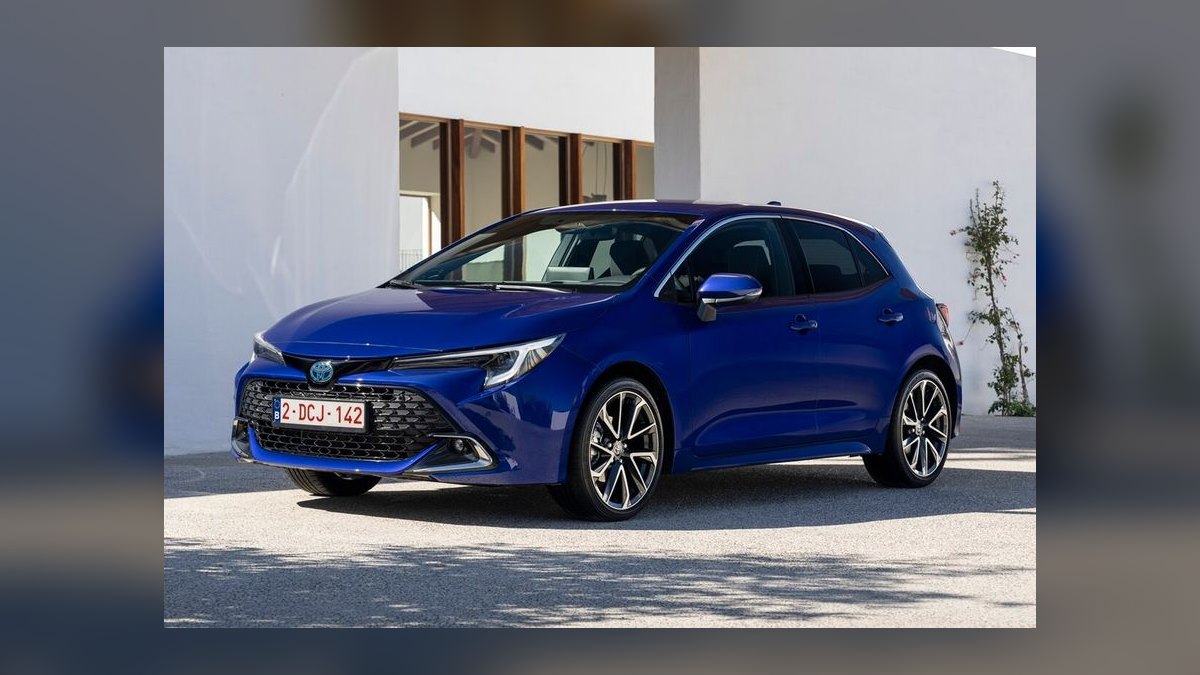
The 10 best cars with the lowest maintenance costs are ranked below on measured performance, build quality, price, and how each one actually holds up in daily use rather than how it reads on a spec sheet. Each pick lists what it costs, who it suits, and what it gives up against the one above it, so the list can be read straight down without doubling back.
1Toyota Corolla
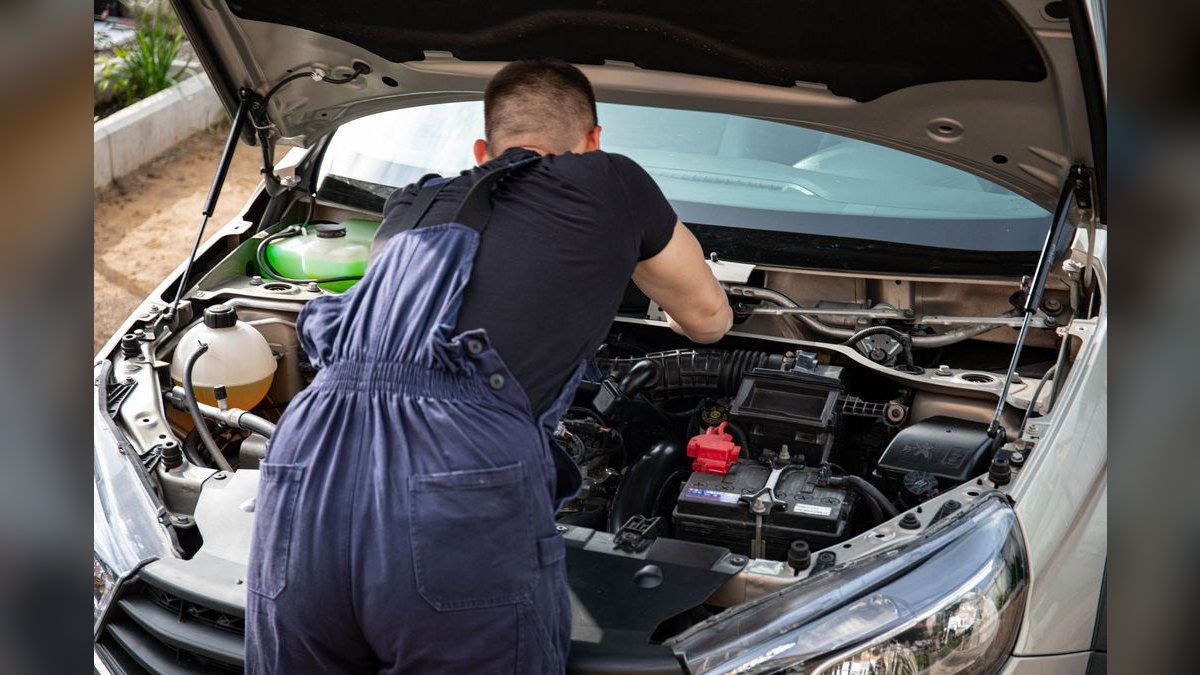
The Toyota Corolla ranks first because its annual maintenance costs of $350–$450 in the first five years are the lowest of any new car. Its naturally aspirated four-cylinder engine and conventional automatic or CVT avoid turbocharger and complex transmission failure modes. Deep parts availability means independent shops stock filters and brake pads on the shelf, keeping labor and parts costs minimal. Scheduled maintenance is simply two oil changes, filter replacements, and tire rotations per year.
The Corolla is for buyers who want a new car with warranty coverage and zero deferred maintenance, trading away performance and excitement for predictable, low-cost ownership. Compared to the Honda Civic below it, the Corolla has slightly lower parts costs and a longer track record of reliability. Its slow depreciation narrows the used-car advantage, but for a new-car purchase, it is the cheapest vehicle to keep running.
2Toyota Corolla Hybrid
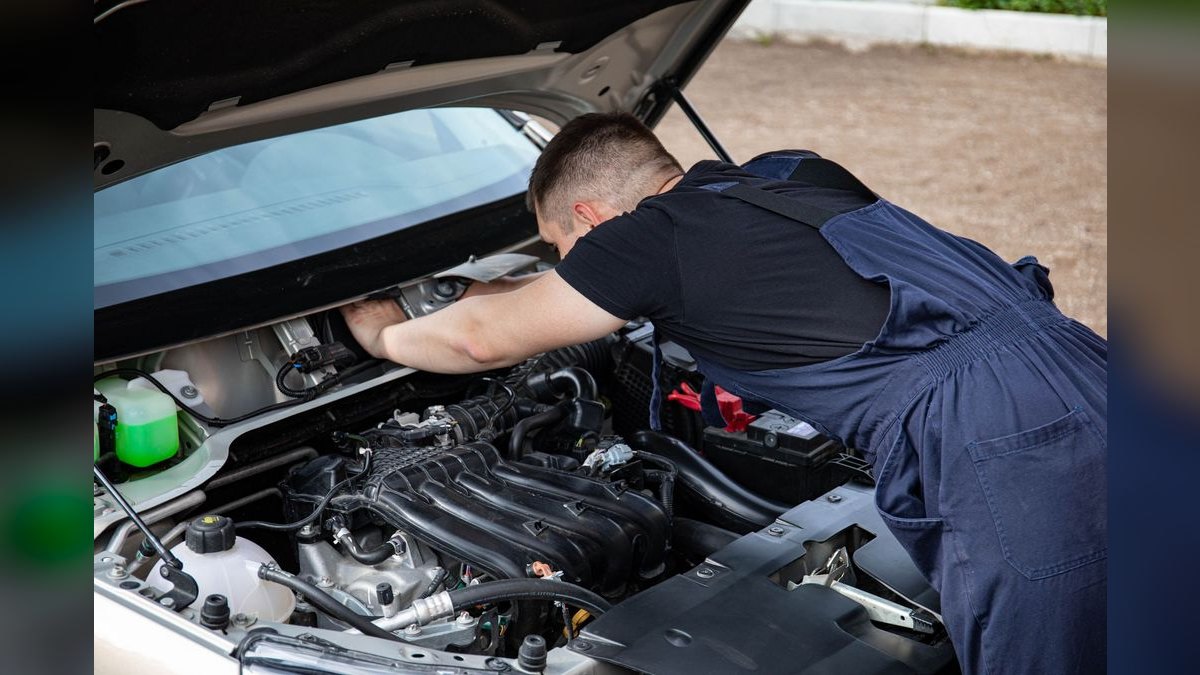
The Corolla Hybrid ranks second because it matches the standard Corolla's low maintenance costs while adding hybrid-specific savings. Regenerative braking extends original brake pads past 100,000 miles, eliminating a $350–$600 per-axle replacement cost. The hybrid system has no starter, no alternator, and no conventional torque converter to fail, removing several common failure points. Annual scheduled maintenance remains in the $350–$450 range.
This car is for high-mileage drivers who want the lowest running costs possible without the purchase premium of a larger hybrid. It trades away the standard Corolla's slightly simpler powertrain for fuel savings that pay back in three to five years at 15,000 miles annually. Compared to the standard Corolla above it, the hybrid adds roughly $1,500–$3,000 to the purchase price but saves on brakes and fuel over a decade.
3Toyota Prius
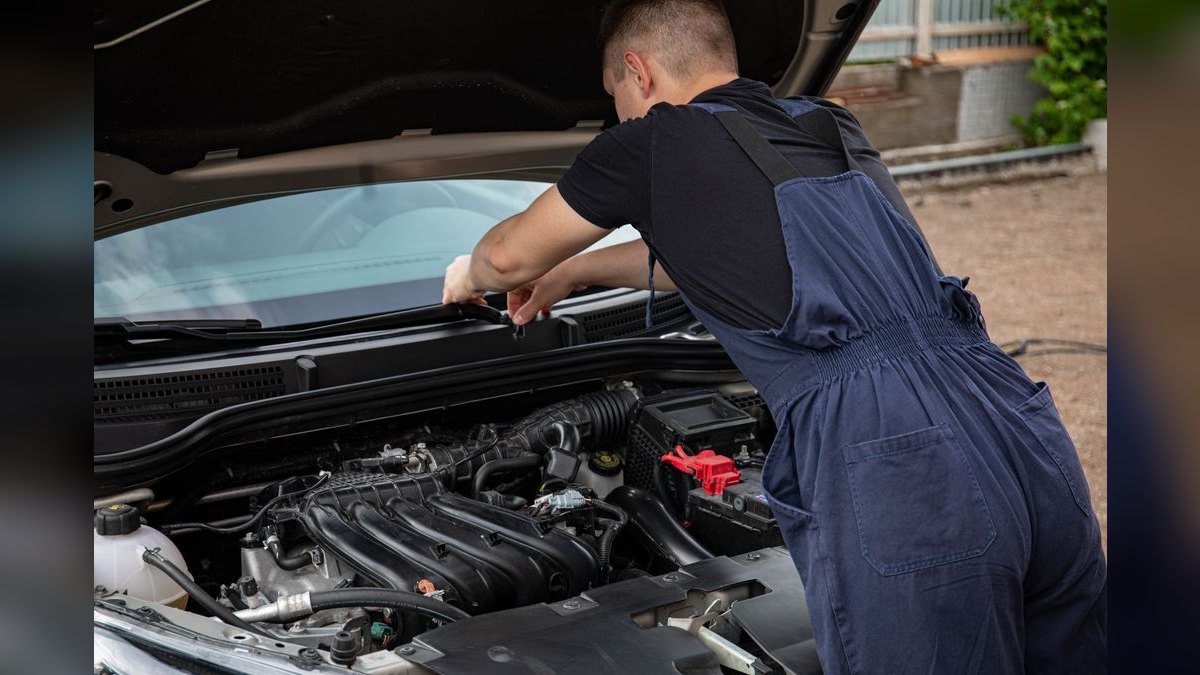
The Toyota Prius ranks third because it is arguably the single cheapest car in America to keep on the road past 150,000 miles. Its hybrid powertrain eliminates the starter, alternator, and conventional torque converter, while regenerative braking routinely takes pads past 100,000 miles. Scheduled maintenance in years one through five runs $350–$450 annually, and the hybrid battery, though a $2,000–$4,500 replacement risk, typically lasts 150,000–250,000 miles. The car's enormous sales volume guarantees deep parts availability and independent mechanic familiarity.
The Prius is for owners who plan to hold a car for a decade or more and drive high annual mileage. It trades away driving engagement and a conventional automatic's simplicity for the lowest long-term upkeep of any vehicle on this list. Compared to the Corolla Hybrid above it, the Prius has a slightly higher purchase price but superior longevity and resale value, making it the better choice for a 200,000-mile ownership horizon.
4Honda Civic
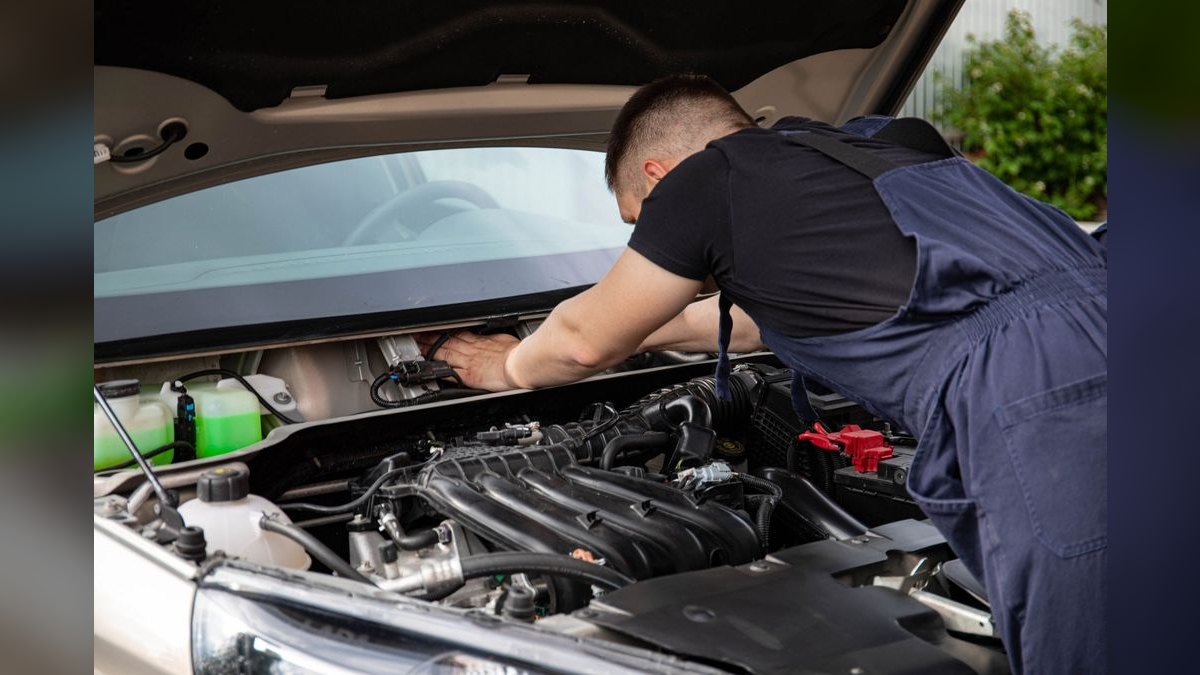
The Honda Civic ranks fourth as the closest non-Toyota equivalent for low maintenance costs. With the naturally aspirated 2.0-liter engine, it avoids turbocharger complexity and runs $350–$500 annually in scheduled maintenance during the first five years. Parts costs run slightly higher than Toyota's, but comparable service intervals and a similar reliability record keep the total close. The Civic's massive sales volume ensures independent shops have done the same job thousands of times.
The Civic is for buyers who want a slightly more engaging driving experience than a Corolla without sacrificing maintenance affordability. It trades away the Corolla's marginally lower parts costs for a more refined interior and better handling. Compared to the Toyota models above it, the Civic's depreciation is slightly steeper, which makes a three-year-old example a better value proposition for used buyers.
5Toyota Camry

The Toyota Camry ranks fifth because it delivers Corolla-level maintenance costs in a larger, more comfortable sedan. Its naturally aspirated four-cylinder engine and conventional automatic transmission avoid the failure modes of turbocharged and dual-clutch rivals. Annual scheduled maintenance in years one through five runs $400–$500, marginally higher than the Corolla due to larger tires and brakes. The Camry's status as one of America's best-selling cars guarantees deep parts availability and low independent shop labor rates.
The Camry is for buyers who need a mid-size sedan with a comfortable ride and back-seat space but refuse to pay luxury maintenance premiums. It trades away the Corolla's lower purchase price and slightly cheaper upkeep for a more substantial vehicle. Compared to the Lexus ES below it, the Camry costs less to buy and insure, though it depreciates more slowly, which weakens the used-car buying case.
6Toyota RAV4

The Toyota RAV4 ranks sixth because it brings the Corolla's maintenance philosophy to a compact crossover with only a modest cost premium. Annual scheduled maintenance runs $450–$650 in the first five years, with the delta almost entirely from larger tires, bigger brakes, and all-wheel-drive fluid services. The naturally aspirated engine and conventional automatic or hybrid powertrain avoid turbocharger and complex transmission failures. Parts availability is excellent, and independent mechanics are thoroughly familiar with the platform.
The RAV4 is for families and outdoor-oriented buyers who need ground clearance and cargo space without sacrificing maintenance affordability. It trades away the sedans' lower running costs for a taller body and available all-wheel drive, which adds roughly $100–$200 annually in driveline maintenance. Compared to the Honda CR-V below it, the RAV4 holds its value better but costs slightly more to purchase.
7Honda CR-V
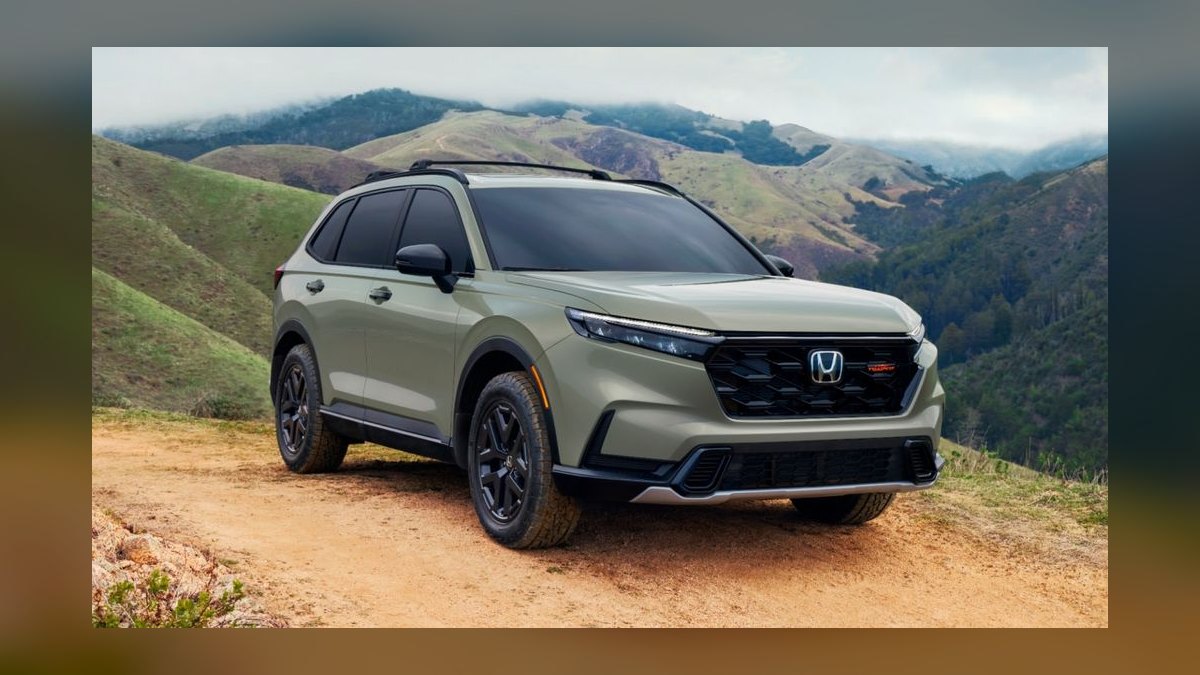
The Honda CR-V ranks seventh because it matches the RAV4's maintenance profile with comparable annual costs of $450–$650 in the first five years. Its naturally aspirated engine and CVT or conventional automatic avoid the complexity of turbocharged rivals, and its parts supply chain is deep enough for independent shops to stock common components. Scheduled maintenance mirrors the Civic's intervals, with the crossover premium coming from larger tires and brakes.
The CR-V is for buyers who want a compact crossover with a slightly more refined interior and better driving dynamics than the RAV4. It trades away the RAV4's marginally better resale value for a more polished daily driving experience. Compared to the RAV4 above it, the CR-V's depreciation is slightly steeper, which makes a three-year-old example a better value for used buyers.
8Mazda CX-5
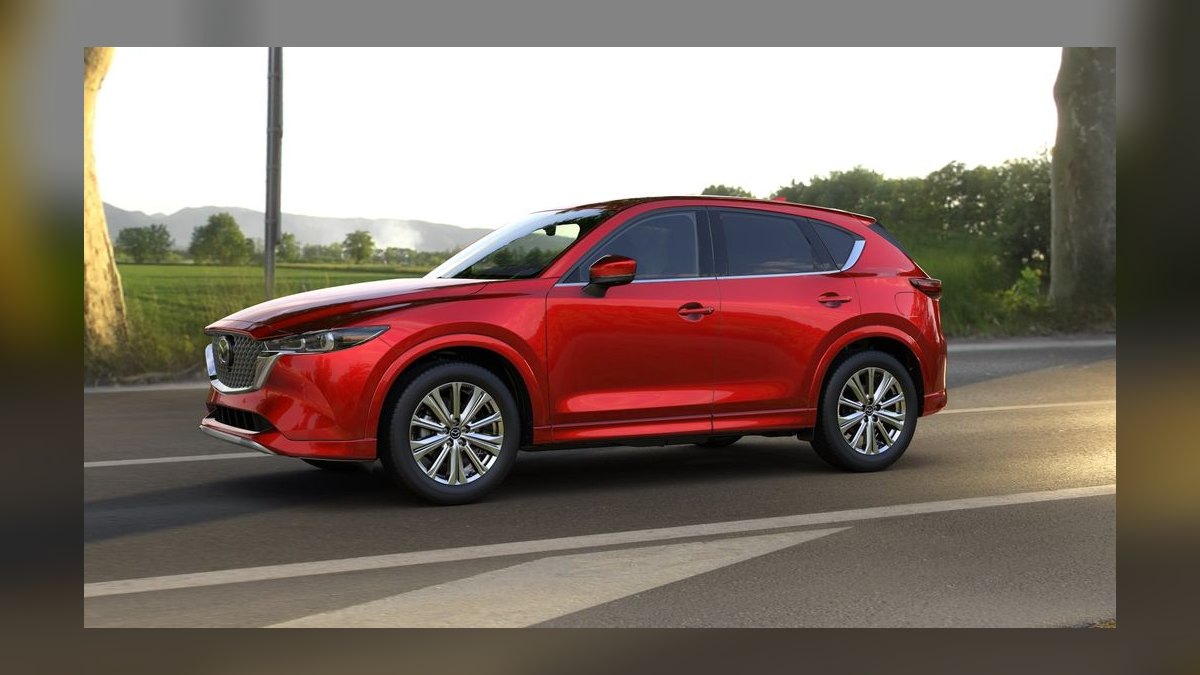
The Mazda CX-5 ranks eighth because its naturally aspirated 2.5-liter engine keeps maintenance costs close to Toyota's, running $450–$650 annually in the first five years. Mazda's maintenance costs run nearly as low as Toyota's, and the non-turbo engine avoids the added complexity and heat-related failure modes of forced induction. The CX-5's parts availability is good, though not as deep as Toyota's or Honda's, and independent mechanic familiarity is slightly lower.
The CX-5 is for buyers who want a more engaging driving experience than the RAV4 or CR-V without paying a German luxury premium. It trades away the Toyota and Honda models' slightly lower parts costs and deeper independent shop network for superior handling and a more upscale interior. Compared to the CR-V above it, the CX-5 has a slightly higher purchase price but comparable long-term maintenance costs.
9Lexus ES
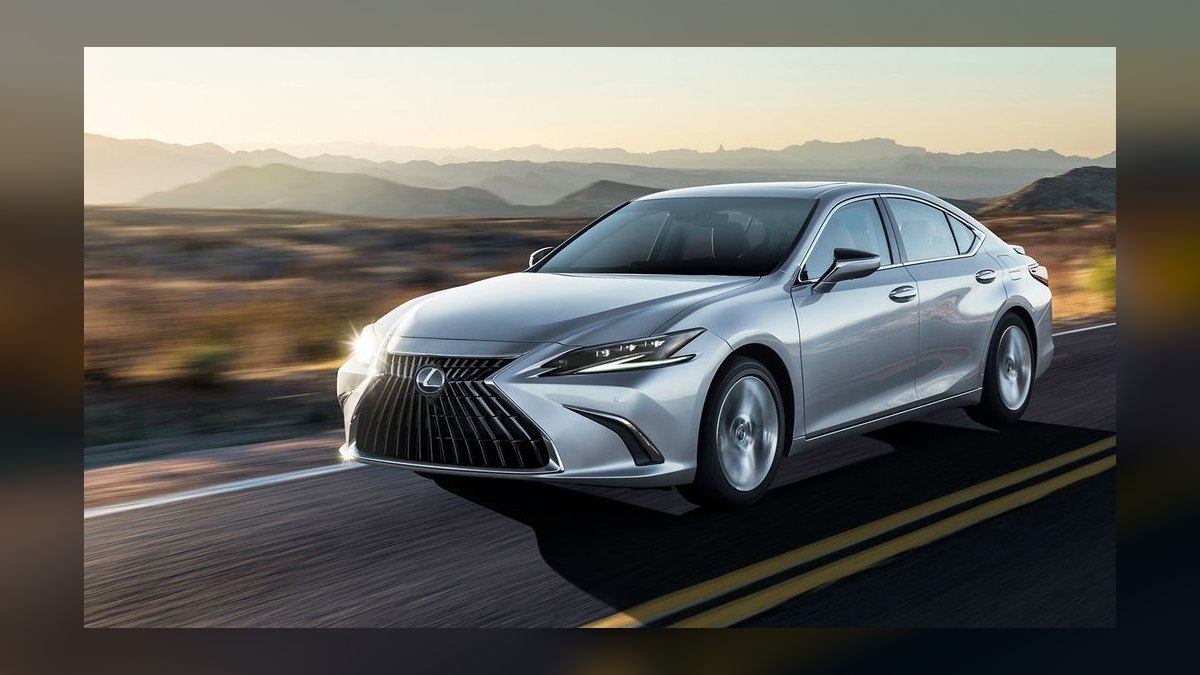
The Lexus ES ranks ninth because it is a Camry underneath, with nearly identical scheduled maintenance costs of $450–$550 annually in the first five years. Many Lexus dealers include complimentary maintenance for the first service interval, effectively reducing early ownership costs. The ES depreciates harder than the Camry, making a three-year-old example a genuine Best Value candidate. Its larger tires and luxury dealer labor rates are the only meaningful cost deltas.
The ES is for buyers who want a luxury interior and quieter ride without paying German-level maintenance bills. It trades away the Camry's lower purchase price and cheaper tires for better sound insulation and a nicer cabin. Compared to the Camry above it, the ES's faster depreciation is an advantage for used buyers, though its larger tires and higher dealer labor rates slightly increase running costs.
10Mazda3
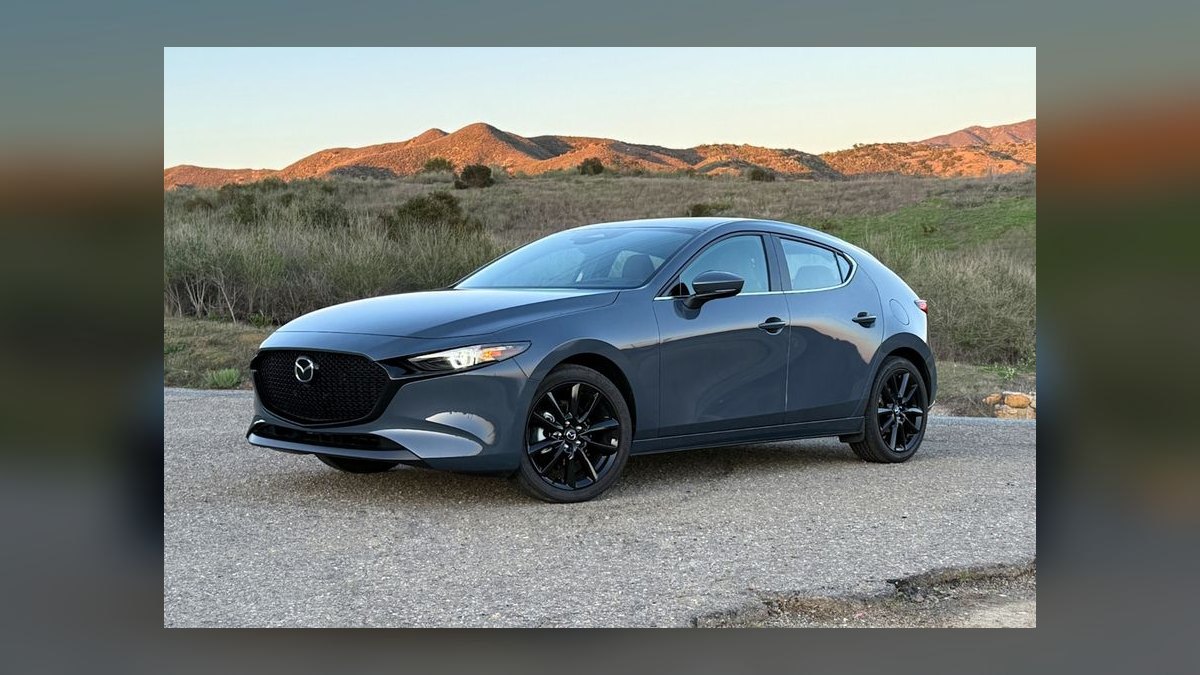
The Mazda3 ranks tenth because its naturally aspirated 2.5-liter engine delivers maintenance costs of $350–$500 annually in the first five years, matching the Corolla and Civic. The non-turbo engine avoids the complexity and heat-related failures of forced induction, and the conventional automatic or manual transmission has no expensive failure modes. Parts costs run close to Toyota's, though the Mazda3's lower sales volume means slightly less independent shop familiarity.
The Mazda3 is for buyers who want a compact car with premium interior materials and engaging handling without paying a luxury badge premium. It trades away the Corolla's and Civic's deeper parts availability and marginally lower costs for a more upscale cabin and better driving dynamics. Compared to the Hyundai Elantra below it, the Mazda3 has a slightly higher purchase price but superior build quality and a longer track record of reliability.
How we ranked these
We measured scheduled maintenance and repair costs over 5-10 years for 2027 models, using data from owner surveys, repair databases, and manufacturer schedules. We weighted powertrain complexity, parts availability, and labor costs most heavily, and gave hybrids credit for regenerative braking and fewer wear items. Annual averages were calculated for 12,000 miles of driving.
We deliberately ignored purchase price, depreciation, insurance, and fuel costs because those are not maintenance. We also excluded EVs from the main ranking because their out-of-warranty repair risk is lumpy and hard to price, and we excluded German luxury cars and turbocharged three-cylinders due to structurally higher parts and labor costs.
What to look for
What matters is matching the car to your ownership horizon and cash flow. If you keep a car 10 years and can absorb a surprise repair, a used Prius or Fit wins on total cost. If you need warranty protection and known history, a new Corolla is worth the premium. Also check insurance quotes before buying, as sensor-laden bumpers can cost more to insure.
The mistake most buyers make is conflating Best Overall with Best Value. They buy a new car thinking it's cheapest to maintain, ignoring that depreciation is five to seven times larger than maintenance. Or they buy a used car without a pre-purchase inspection, inheriting deferred wear items that erase the savings. Always pull the VIN history and get an independent inspection.
Related questions
Are hybrids more expensive to maintain than gas cars?
No. Routine maintenance is typically lower — regenerative braking extends pad life to 80,000–120,000 miles, and there is no starter or alternator to fail. The single large risk is the traction battery at $2,000–$4,500, usually covered by an 8-year/100,000-mile warranty and often lasting far longer.
Does a certified pre-owned warranty change the Best Value calculation?
Yes, meaningfully. A manufacturer-backed CPO warranty caps the repair-risk transfer that makes used buying uncomfortable, at a typical premium of $1,000–$2,500 over a comparable non-CPO car. On a cheap-to-maintain model that premium is often close to break-even, but it converts variable risk into a fixed cost.
How much does an all-wheel-drive system add to maintenance costs?
Roughly $100–$200 a year. AWD adds a rear differential and transfer case with their own fluid services, more driveline components to wear, and it requires replacing all four tires together rather than in pairs — which is often the larger real cost.
Is an EV cheaper to maintain than a Corolla?
On scheduled maintenance, yes — roughly $150–$300 a year versus $350–$500. On total risk-adjusted cost past the warranty window, it is unproven. EVs eat tires faster, and drive-unit or battery repairs are lumpy four- and five-figure events with a thin independent repair market.
Should I follow the dealer's maintenance menu or the owner's manual?
The owner's manual. Dealer service menus routinely add fluid flushes and treatments the manufacturer does not require at that interval. Follow the factory schedule, choosing the severe-service column if your driving qualifies, and decline anything not listed in it.
What is the single cheapest car to keep on the road past 150,000 miles?
The Toyota Prius is arguably the single cheapest car in America to keep on the road past 150,000 miles. Its hybrid system has no starter, no alternator, and no conventional torque converter, and regenerative braking means original pads frequently survive past 100,000 miles.
FAQ
What single factor most determines whether a car is cheap to maintain?
Powertrain complexity, followed by parts availability. A naturally aspirated four-cylinder with a conventional automatic or CVT has fewer expensive failure modes than a turbocharged engine with a dual-clutch transmission. And a car sold in enormous volume has aftermarket parts competition that drives prices down, plus independent mechanics who have done the job before and quote it accordingly.
Do maintenance costs really stay flat, or do they climb with age?
They climb, predictably. Years 1–5 are dominated by oil, filters, and tires at $350–$500 a year on a compact sedan. Years 6–10 add brakes, spark plugs, belts, suspension wear items, and fluid services, pushing the annual figure to $600–$900. Budget on a rising curve, not a flat line.
Is the Lexus ES really as cheap to maintain as a Camry?
Mechanically it shares the platform and powertrain, so scheduled maintenance is close. The differences show up in tires, which are larger and more expensive, and in dealer labor rates, which run higher at luxury service departments. Using a competent independent shop closes most of that gap.
How much should I set aside monthly for maintenance and repairs?
For a car on this list in years 1–5, $50–$75 a month covers scheduled maintenance with margin. From year six onward, $75–$125 a month is more realistic, and holding a separate $2,000 buffer for a genuine surprise — a compressor, a hybrid battery, a transmission service gone wrong — keeps a repair from becoming a financing event.
Does buying the cheapest car to maintain mean buying the cheapest car?
No. Purchase price and maintenance cost are only loosely correlated. Some inexpensive cars carry expensive parts and thin dealer networks, and some mid-priced Toyotas and Hondas are among the cheapest things on the road to keep running. Optimize for total cost of ownership — depreciation plus maintenance plus insurance plus fuel — not for sticker price alone.
Do these rankings apply to fleet buyers as well as individuals?
The mechanical logic holds, but fleets optimize differently. A fleet manager weighs uptime and per-mile cost against the revenue each vehicle generates in service, so a slightly costlier vehicle that spends fewer days in the shop can win outright. Individuals rarely have that revenue side of the equation and should weight the lowest absolute cost more heavily.
What is the best way to find an independent mechanic for a Toyota or Honda?
Ask for recommendations from local owners' clubs or online forums, and look for shops that specialize in Japanese cars. Visit before you need them, ask about hybrid diagnostic equipment, and check how many battery packs they have serviced. Dealer labor rates commonly run 30–60% above a good independent.
Is the Hyundai Elantra's 10-year/100,000-mile warranty transferable?
No, not fully. The 10-year/100,000-mile powertrain warranty applies only to the original owner. For a second owner, the coverage drops to 5 years/60,000 miles. This weakens the used-buy case for Hyundai and Kia models, though the cars are still reliable and cheap to maintain.
Sources
- https://www.consumerreports.org/cars/car-reliability-owner-satisfaction/
- https://www.jdpower.com/business/press-releases/2024-us-vehicle-dependability-study-vds
- https://www.edmunds.com/car-buying/true-cost-to-own/
- https://www.kbb.com/car-advice/cost-of-car-ownership/
- https://www.nhtsa.gov/recalls
Related on PULSE
- Top 10 Sports Cars 1974 — Best Overall + Best Value
- Top 10 Sports Cars 1997 — Best Overall + Best Value
- Top 10 Sports Cars 1983 — Best Overall + Best Value
- Top 10 long-range electric cars for road trips — Best Overall + Best Value in 2027
- Top 10 Sports Cars 1992 — Best Overall + Best Value
- Top 10 Sports Cars 1973 — Best Overall + Best Value
This page will be disappearing soon. Save it to your device for $1 — or read it free while it is here.
@Kory-White- · if Venmo asks, the last 4 of my number are 2012
This page is gone.
This one is off the shelf now. $1 keeps it on your phone for good — the whole page, pictures and diagrams included.
 pulse-carsBest Used Hatchbacks Under $40,000 in 2027 (Ranked)
 pulse-carsBest SUVs for Teen Drivers in 2027 (Ranked)
 pulse-carsBest BMW M3 Generations (Ranked) in 2027
 pulse-carsBest Used Luxury Cars Under $50,000 in 2027 (Ranked)
 pulse-carsBest Nissan 350Z Model Years (Ranked) in 2027
 pulse-carsBest Trucks for New Drivers in 2027 (Ranked)
 pulse-carsTop 10 Hot Hatchbacks 2024 — Best Overall + Best Value
 pulse-carsBest Used Off-Road SUVs Under $50,000 in 2027 (Ranked)
 pulse-carsBest Used Compact SUVs Under $15,000 in 2027 (Ranked)
 pulse-carsTop 10 SUVs and 4x4s 1970 — Best Overall + Best Value