
Top 10 Sports Cars 1974 — Best Overall + Best Value
 Curated byKory White · Fractional CRO · Maryland
 PULSEKNOWLEDGE LIBRARY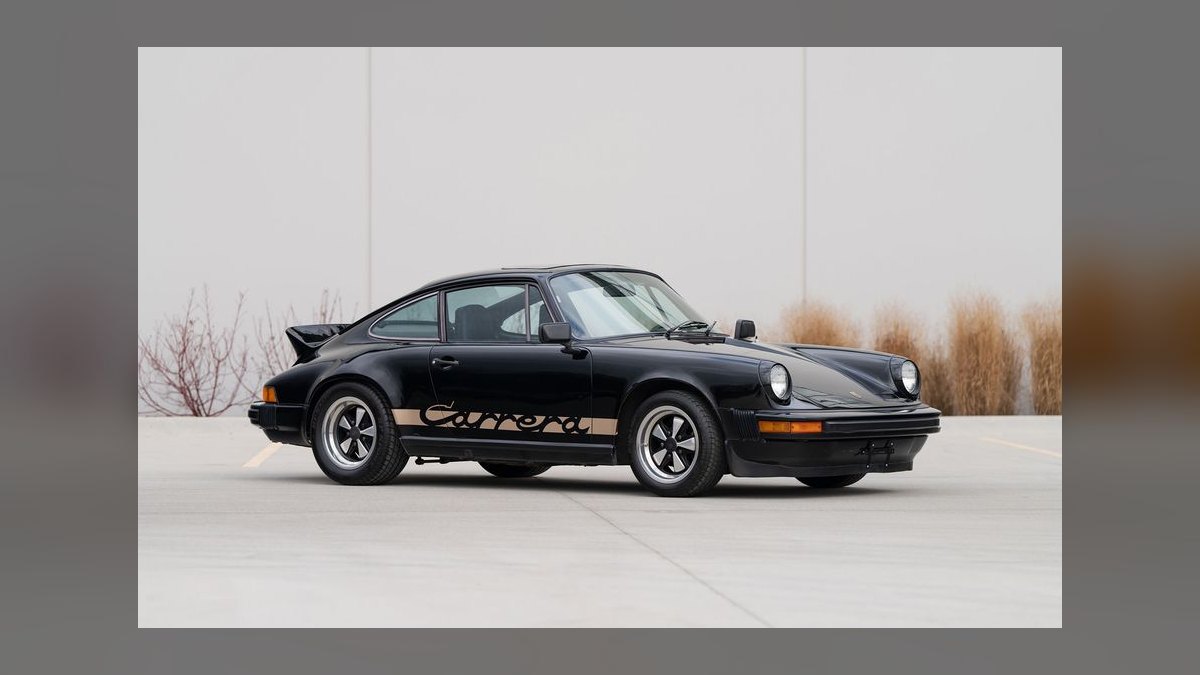
The 10 best sports cars 1974 are ranked below on measured performance, build quality, price, and how each one actually holds up in daily use rather than how it reads on a spec sheet. Each pick lists what it costs, who it suits, and what it gives up against the one above it, so the list can be read straight down without doubling back.
1. Porsche 911 Carrera 2.7
The 1974 Carrera 2.7 ranks first because it was the fastest, most capable sports car of a deeply compromised year. Its 2.7-liter air-cooled flat-six with Bosch mechanical fuel injection made about 210 hp in European tune, reaching 60 mph in roughly 6.1 seconds and a top speed near 146 mph. The chassis was communicative and progressive, offering a driving experience that left every other 1974 rival behind.
This is the pick for the driver who refused to accept the malaise era's limitations and demanded genuine performance. It trades away affordability and approachability, demanding respect for its lift-throttle oversteer and a hefty purchase price. Compared to the Datsun 260Z below, it is far faster and more rewarding, but it costs more than twice as much and requires more mechanical sympathy.
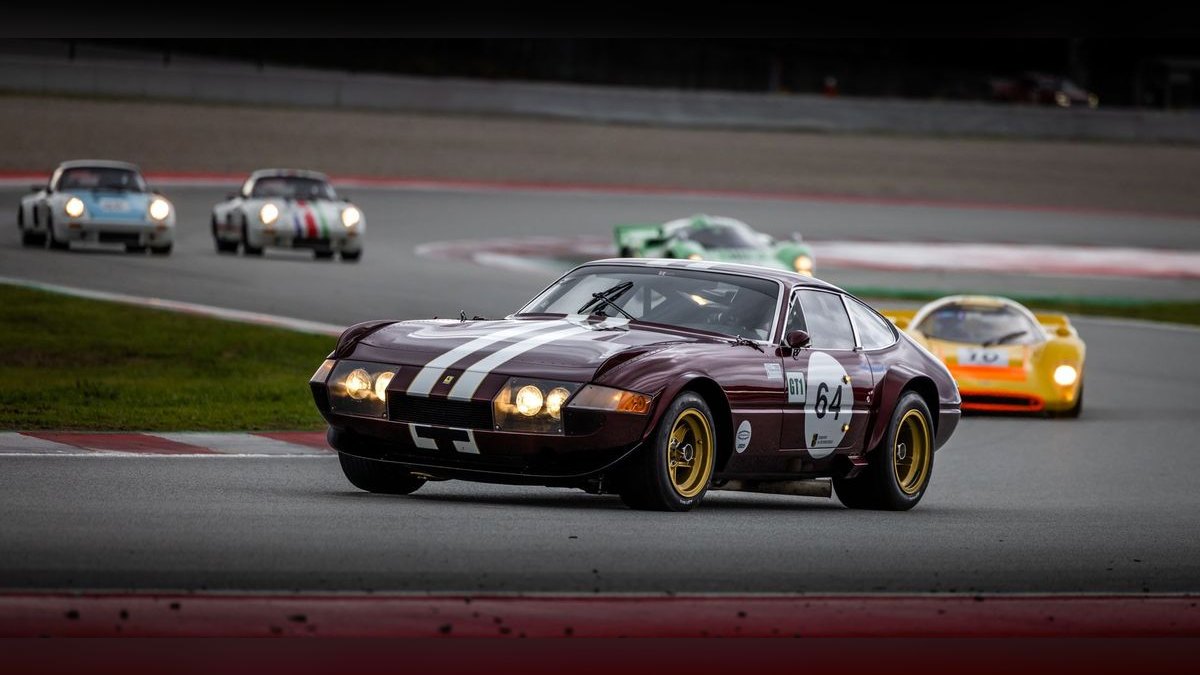
2. Datsun 260Z
The 260Z ranks second for delivering European-style sports car looks and driving engagement with Japanese reliability at a sensible price. Its 2.6-liter L26 inline-six made about 139 hp in US emissions tune, pushing the long-hood coupe to 60 mph in roughly 9.5 to 10 seconds. The chassis was well balanced and the manual gearbox slick, making it genuinely enjoyable on a back road.
This is the car for the buyer who wanted the exotic look of a 240Z but needed a car that would start every morning without drama. It trades away the outright pace of the Porsche 911 Carrera 2.7 above, but it is far more affordable and easier to live with. Compared to the Jaguar E-Type below, it is more reliable and cheaper to maintain, though it lacks the V12's silken power and prestige.
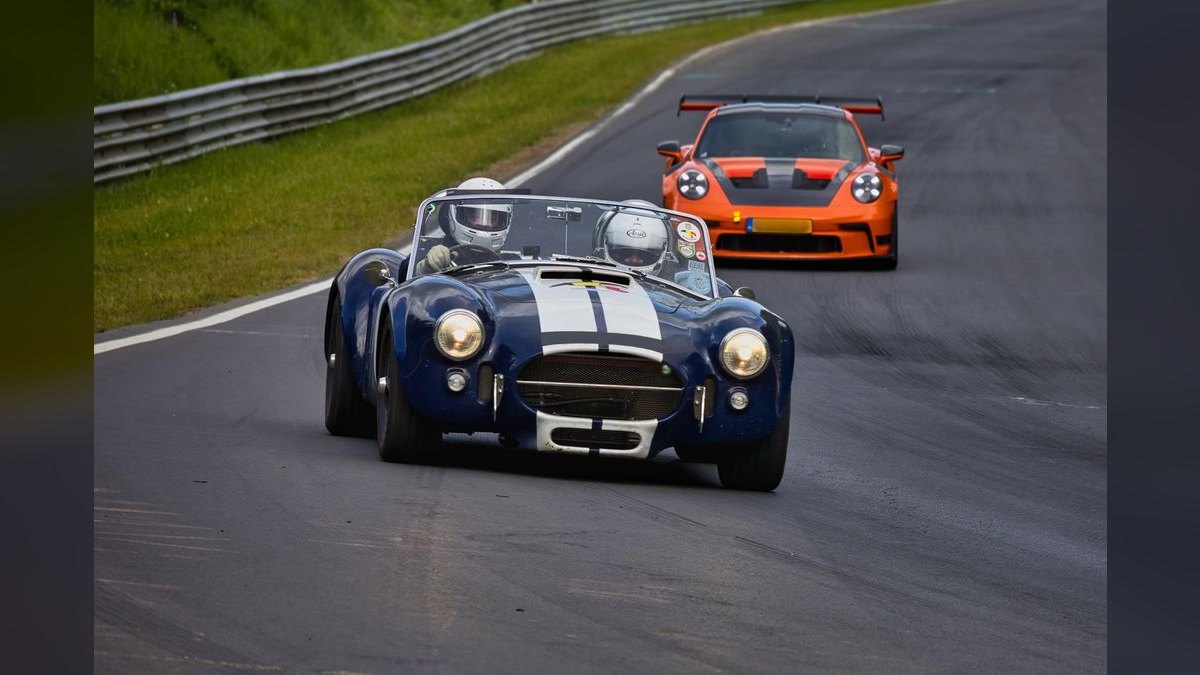
3. Jaguar E-Type Series 3 V12
The E-Type Series 3 ranks third because it offered a majestic V12 experience and iconic styling in its final year of production. Its 5.3-liter V12 produced around 250 to 272 hp, enough for 0-60 in under 7 seconds, with a smoothness that few cars of any era could match. Power steering and uprated brakes made the big cat surprisingly easy to drive, despite the added weight of federal bumpers and emissions gear.
This is the pick for the romantic who wanted a beautiful grand tourer with genuine presence and a sonorous twelve-cylinder soundtrack. It trades away the reliability and lower running costs of the Datsun 260Z above, requiring patient ownership to manage Lucas electrics and cooling system quirks. Compared to the 260Z, it is far more powerful and prestigious, but it is also more expensive to buy and maintain. It remains a blue-chip collectible, with values steadily appreciating.
4. De Tomaso Pantera L
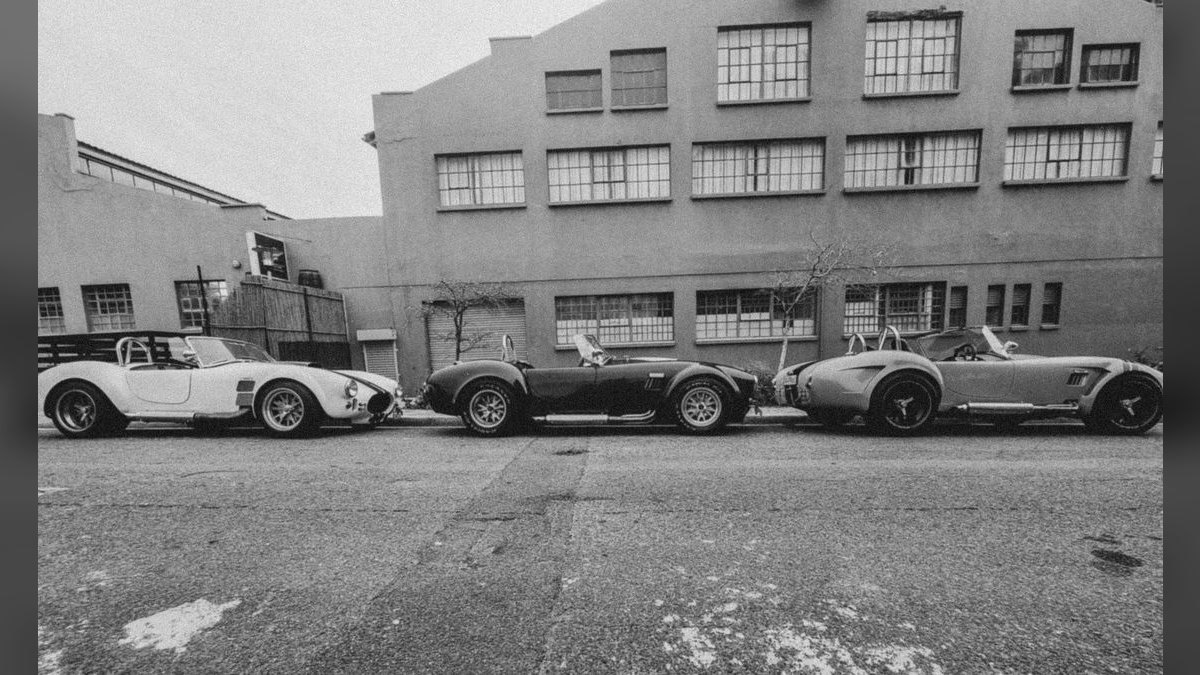
The Pantera L ranks fourth for offering mid-engined exotic styling and genuine supercar performance at a fraction of Ferrari money. Its 351-cubic-inch Ford Cleveland V8 made about 264 hp, driving the rear wheels through a 5-speed ZF transaxle, with 0-60 in roughly 7 seconds. The L designation brought the impact-absorbing black bumpers required for 1974, while the wedge bodywork retained its dramatic presence. With a 1974 MSRP of $11,149, it undercut Italian rivals significantly.
This is the car for the buyer who wanted exotic drama with the practicality of an American V8 that any competent mechanic could service. It trades away the refinement and reliability of the Jaguar E-Type above, with notorious cabin heat and early cooling and electrical gremlins to sort. Compared to the E-Type, it is more aggressive and faster in a straight line, but it is less comfortable and more demanding as a daily driver.
5. Chevrolet Corvette (C3) Stingray L48
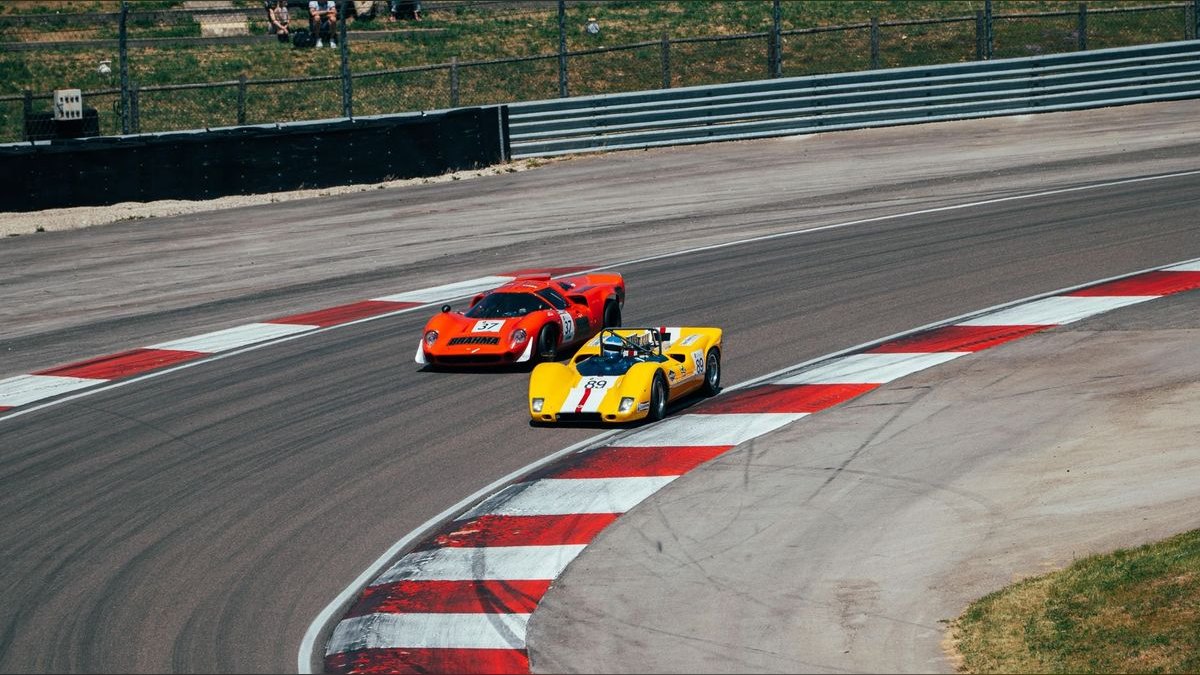
The Corvette C3 ranks fifth because it delivered unmistakable American sports car styling and accessible V8 performance in a year of compromised power. Its 5.7-liter L48 V8 was rated at 195 hp (SAE net), providing relaxed straight-line urge through the rear wheels. The 1974 model featured a body-color soft tail, hidden headlights, and the removable T-top roof, keeping it desirable despite the emissions handcuffs.
This is the pick for the buyer who wanted big-car presence, easy cruising, and the fun of removable T-tops without the high cost of European exotics. It trades away the sharp handling and mid-engine balance of the De Tomaso Pantera above, instead offering a more boulevard-oriented ride. Compared to the Pantera, it is far cheaper to buy and maintain, with abundant parts and a strong club community.
6. BMW 2002 tii
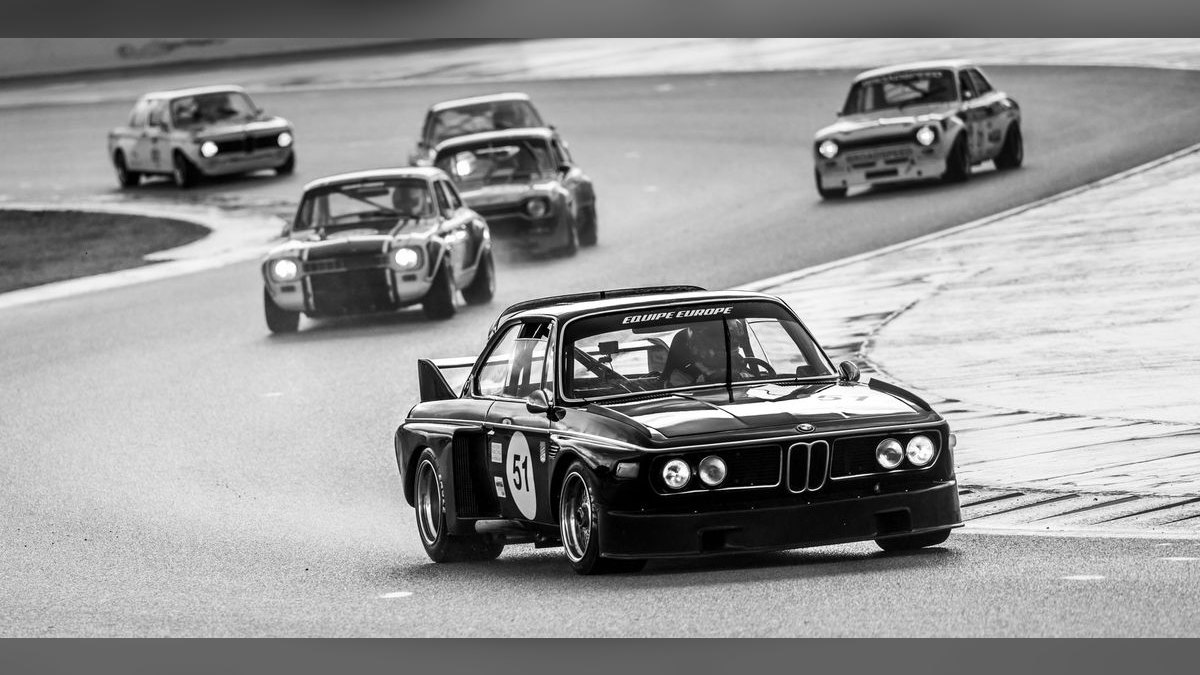
The 2002 tii ranks sixth for being the thinking driver's choice, offering superb chassis balance and fuel-injected eagerness in a practical package. Its 2.0-liter inline-four with Kugelfischer mechanical fuel injection made about 130 hp, propelling the light two-door sedan with genuine enthusiasm. The rear-drive chassis was beautifully balanced, turning ordinary roads into entertainment while seating four people. With a 1974 MSRP around $4,970, it was an affordable, reliable sport sedan.
This is the car for the enthusiast who valued driving engagement and daily usability over badge drama or straight-line speed. It trades away the V8 power and presence of the Chevrolet Corvette above, but it offers far better handling and a more rewarding connection to the road. Compared to the Corvette, it is more practical and economical, though it lacks the American car's muscle-car charisma.
7. Alfa Romeo 2000 Spider Veloce
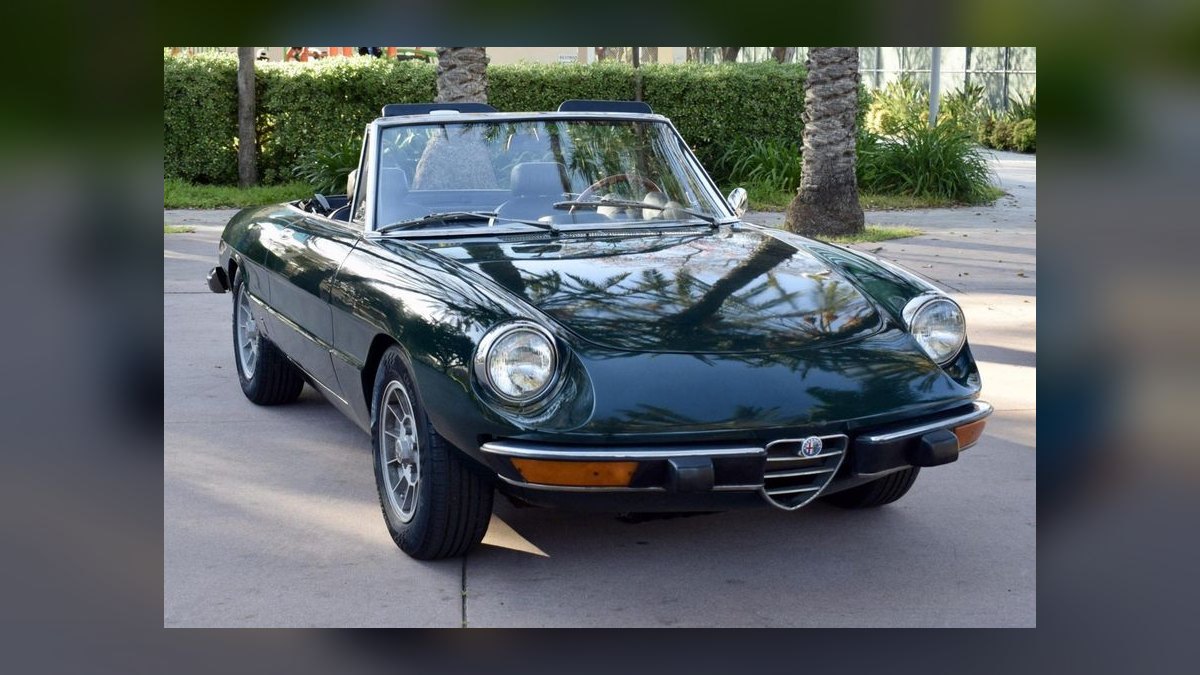
The 2000 Spider Veloce ranks seventh for delivering a soulful, twin-cam driving experience wrapped in timeless Pininfarina styling. Its 2.0-liter all-alloy inline-four made about 129 hp (SAE net), with a top speed near 118 mph and a willingness to rev that made it a joy to drive. The 5-speed gearbox was crisp and the rear-drive handling engaging, even with the added bulk of federal bumpers.
This is the pick for the open-air romantic who wanted a beautiful convertible with a glorious engine note and a direct, tactile feel. It trades away the reliability and parts availability of the BMW 2002 tii above, with rust and electrical quirks requiring diligent maintenance. Compared to the tii, it is less practical but far more charismatic, with a soundtrack that no spec sheet can capture.
8. Triumph TR6
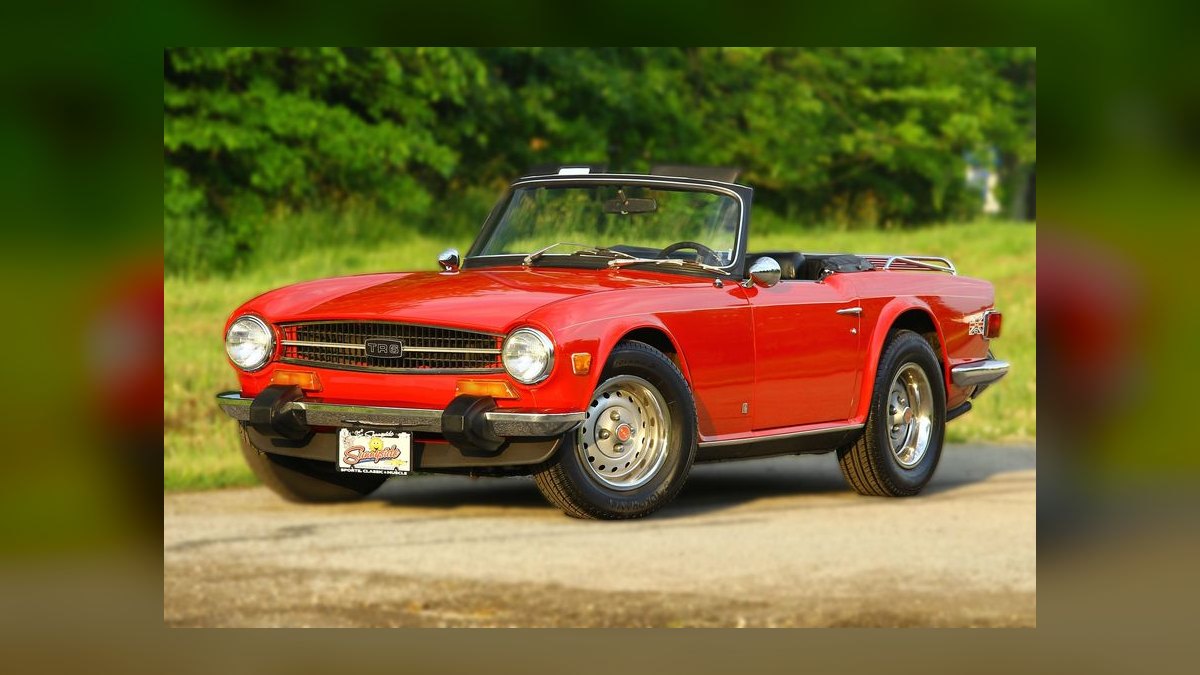
The TR6 ranks eighth for being the last of the brawny British roadsters, offering muscular styling and an elemental top-down driving experience. Its 2.5-liter inline-six, in US tune with twin Stromberg carburetors, made about 104 hp, pushing the car to 60 mph in roughly 8 to 10 seconds. The Karmann-styled body looked tough and sounded gruff, delivering the wind-blasted, no-nonsense character that defined the breed.
This is the car for the traditionalist who wanted a simple, characterful roadster with a strong club community and easy maintenance. It trades away the sophistication and rev-happiness of the Alfa Romeo 2000 Spider Veloce above, but it offers a more muscular presence and a torquier straight-six feel. Compared to the Alfa, it is less refined but more robust, with better parts availability and a lower entry price.
9. Jensen-Healey Mk II
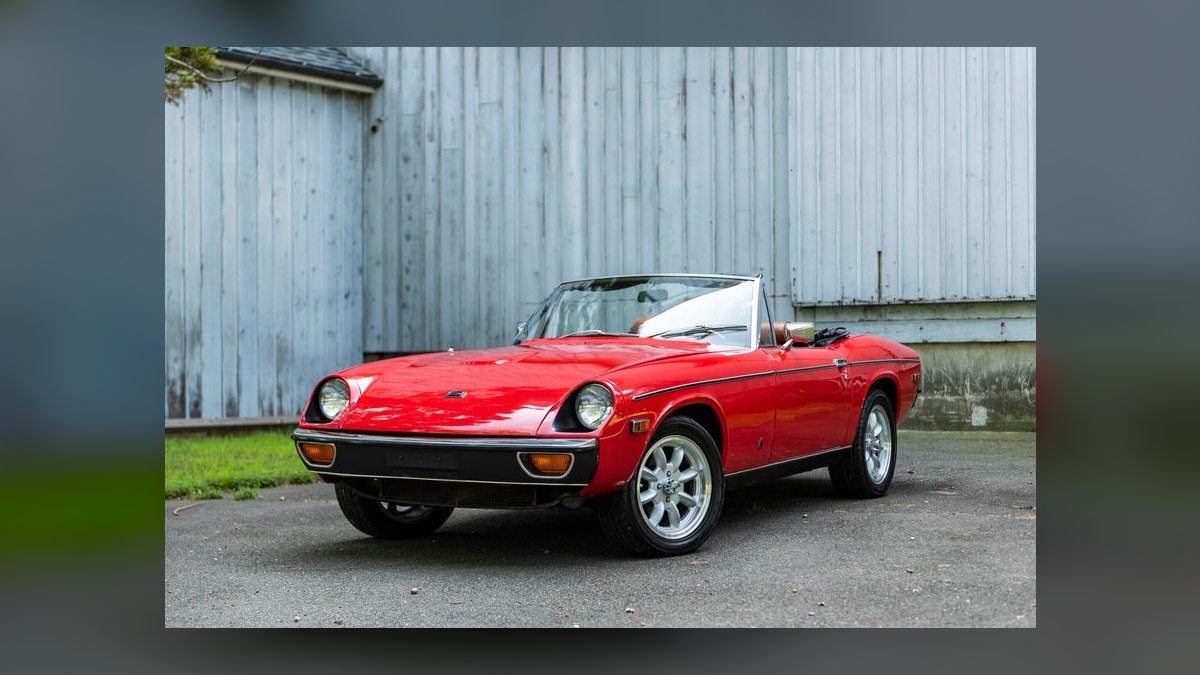
The Jensen-Healey Mk II ranks ninth for offering strong performance-per-dollar with an advanced Lotus engine and sharp handling. Its 2.0-liter Lotus 907 16-valve twin-cam made about 140 hp, allowing 0-60 in roughly 8 seconds, undercutting heavier rivals while weighing less than a TR6. On paper, it was one of the quickest and best-handling bargains of 1974. The catch was early reliability issues with the engine and build quality, which hurt its reputation.
This is the pick for the adventurous buyer who wanted a rapid, lightweight roadster with an unusual badge and genuine pace. It trades away the proven reliability and parts support of the Triumph TR6 above, requiring more diligence to keep it sorted. Compared to the TR6, it is faster and more advanced, but it is also more fragile and harder to maintain. Survivors are now an affordable curiosity, and a properly sorted example is a rewarding, characterful period roadster.
10. Fiat X1/9
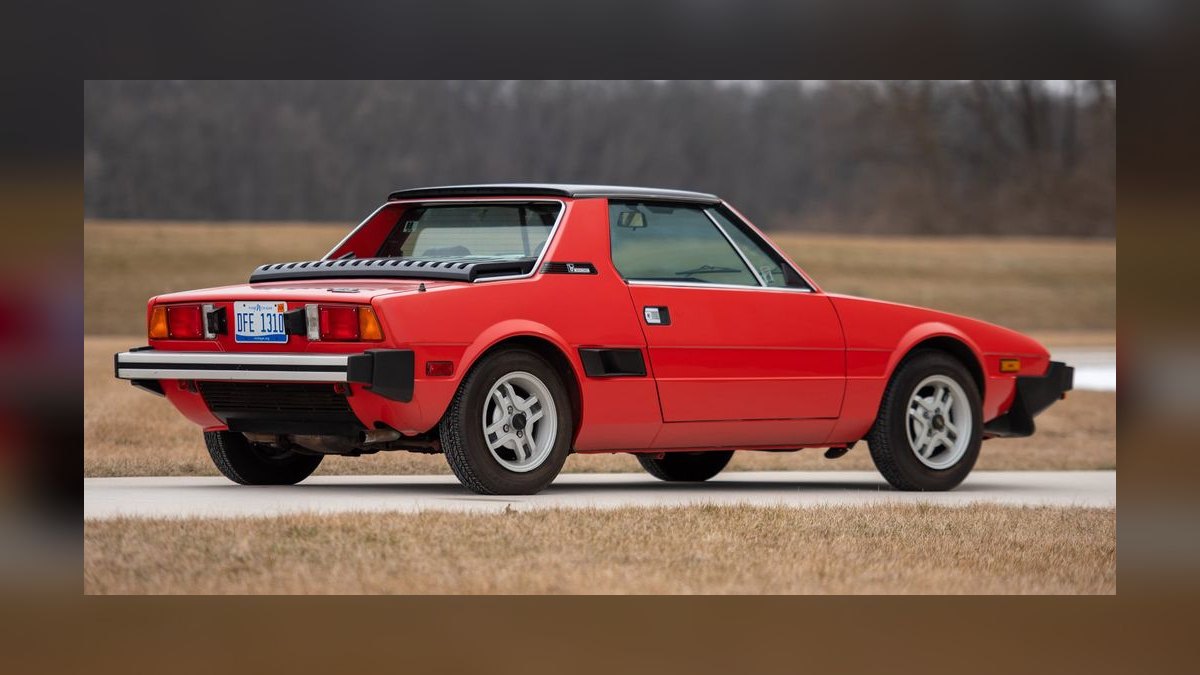
The Fiat X1/9 ranks tenth as the Best Value of 1974, proving that mid-engine handling and exotic styling could be had for economy-car money. Its transverse 1.3-liter inline-four made only about 67 hp, with 0-60 taking a leisurely 15 seconds, but the car weighed under 2,000 pounds. The mid-engine layout gave it beautifully poised, tossable handling that shamed far more expensive cars.
This is the car for the canyon carver who valued cornering agility and driving joy over straight-line speed. It trades away the power and muscle of the Jensen-Healey above, but it offers a more balanced and engaging chassis that is pure fun on a twisty road. Compared to the Jensen-Healey, it is slower but more reliable and cheaper to run, though rust and patchy parts supply challenge restorers.
How we ranked these
We ranked the top 10 sports cars of 1974 by weighting driving fun and handling at 30%, performance relative to the era at 15%, value in period at 15%, reliability at 15%, style and legacy at 15%, and collectibility now at 10%. This mix reflects what an owner who drove these cars in period and a collector eyeing them today would care about, balancing nostalgia with practical ownership concerns.
We deliberately ignored modern performance metrics, rarity hype, and investment-only potential. The goal was to capture the authentic 1974 experience, not to judge these cars against today's standards. We also set aside brand prestige and marketing narratives, focusing instead on the real-world driving charm, usability, and character that survived the era's emissions and bumper regulations.
What to look for
When choosing between these 1974 sports cars, what matters most is the condition of the body and frame, especially rust in floors, sills, and bumper mounts. Verify the emissions and smog equipment is intact and functioning, as hacked-out systems hurt value and driveability. Check the electrical health, particularly on British and Italian cars, and prioritize documented history and originality over period-correct performance modifications.
The biggest mistake buyers make is obsessing over horsepower figures and 0-60 times, which were universally depressed in 1974. Instead, focus on the driving experience and the car's overall charm. A sorted, rust-free car with a sympathetic history will provide far more enjoyment and appreciation potential than a numbers-matching car with hidden rot or a tired, neglected engine.
Related questions
What was the best overall sports car of 1974?
The Porsche 911 Carrera 2.7 was the best overall sports car of 1974. It sidestepped the era's emissions and bumper regulations with a fuel-injected flat-six making about 210 hp in European tune, reaching 60 mph in about 6.1 seconds. Its communicative chassis and genuine pace made it the rare 1974 car that felt truly fast.
What was the best value sports car of 1974?
The Fiat X1/9 was the best value of 1974. Priced at just $3,917, it offered a true mid-engine layout, Bertone styling, and a removable Targa top. While its 67 hp made it slow in a straight line, its featherweight agility and go-kart handling provided driving joy that shamed cars costing far more.
How did 1974 emissions regulations affect sports car performance?
1974 emissions regulations forced automakers to adopt lean carburetor tuning, air pumps, and EGR valves, which significantly reduced horsepower across the board. For example, the Corvette's L48 V8 was rated at just 195 net hp, and the Triumph TR6's US-market six made only 104 hp. This made the era a low point for straight-line performance.
What were the 5-mph bumper regulations and how did they impact cars?
The 5-mph bumper standards required cars to withstand a 5-mph impact without damage to safety systems. This forced manufacturers to add heavy, protruding bumpers, which added weight and bulk to cars like the MGB, Pantera L, and E-Type. The bumpers often disrupted the original styling and increased the cars' overall mass.
Which 1974 sports car is the most reliable?
The Datsun 260Z was the most reliable 1974 sports car. Its 2.6-liter inline-six was tough and dependable, and it simply ran without the electrical or cooling issues that plagued British and Italian rivals. This reliability made it a smart choice for buyers who wanted European flair with Japanese dependability.
What is the best-handling 1974 sports car?
The Fiat X1/9 is widely considered the best-handling 1974 sports car. Its mid-engine layout and weight of under 2,000 pounds gave it exceptional balance and agility. It could change direction like a go-kart, making it a canyon-carving gem despite its modest 67 hp.
Which 1974 sports car is the best collector investment?
The Porsche 911 Carrera 2.7 and the Jaguar E-Type Series 3 V12 are the blue-chip collector investments of 1974. Both have deep, rising markets, with clean examples trading at six figures. The Datsun 260Z and BMW 2002 tii are also strong appreciating value plays.
FAQ
Why was 1974 considered such a low point for sports cars?
The OPEC oil embargo spiked fuel prices and anxiety, while new federal emissions limits and 5-mph bumper standards forced lean tuning and heavy impact bumpers. The result was lower horsepower and added weight across nearly the entire field, making 1974 a challenging year for performance enthusiasts.
What is the best-handling 1974 sports car for the money?
The Fiat X1/9. Its mid-engine layout and roughly 1,940-pound weight gave it balance and agility that embarrassed far pricier cars, even with only about 67 hp on tap. It remains an affordable, fizzy entry into classic ownership.
Which 1974 sports car is the safest collector investment?
The Porsche 911 Carrera 2.7 and the final-year Jaguar E-Type V12 are the blue-chip anchors, with deep, rising markets. The Datsun 260Z and BMW 2002 tii are the strongest appreciating value plays, offering more accessible entry points with solid growth potential.
Did any 1974 sports car actually feel fast?
Yes — the fuel-injected Porsche 911 Carrera 2.7 reached 60 mph in about 6.1 seconds and topped 146 mph, which was supercar-adjacent for the era. The Jaguar E-Type V12 also felt quick with its 250-272 hp, but most other 1974 sports cars were noticeably slower due to emissions tuning.
What should I look for when buying a 1974 sports car today?
Focus on rust, especially in floors, sills, frames, and bumper mounts. Verify the emissions and smog equipment is intact and functioning. Check the electrical health, particularly on British and Italian cars. Prioritize originality, documented history, and rust-free metal over period modifications.
How much does a 1974 Porsche 911 Carrera 2.7 cost today?
Clean examples of the 1974 Porsche 911 Carrera 2.7 trade anywhere from $50,000 to well over $250,000, depending on spec, provenance, and condition. The car's blue-chip status and limited production of about 1,600 units have driven strong appreciation.
Is the 1974 Datsun 260Z a good classic car to buy?
Yes, the 1974 Datsun 260Z is an excellent classic car buy. It offers exotic long-hood styling, reliability, and a smooth inline-six. Values range from $11,000 to $30,000 on the Hagerty scale, making it an accessible and appreciating entry into classic Japanese sports cars.
What are the common problems with the 1974 Jaguar E-Type V12?
Common problems include Lucas electrics, cooling system issues, and the complexity of the V12 engine. Rust can also be a concern, especially in the floors and sills. These issues require patient, knowledgeable ownership, but a well-sorted example is a stunning and rewarding grand tourer.
Why is the Fiat X1/9 considered the best value of 1974?
The Fiat X1/9 offered a true mid-engine layout, Bertone styling, and a removable Targa top for just $3,917. While its 67 hp made it slow, its handling was sublime. It proved that fun does not require horsepower, making it the clear best value of the year.
Sources
- https://www.hagerty.com/valuation-tools
- https://bringatrailer.com/
- https://www.classic.com/
- https://rmsothebys.com/
- https://en.wikipedia.org/wiki/Porsche_911_(classic)
- https://en.wikipedia.org/wiki/Datsun_Z
- https://en.wikipedia.org/wiki/Jaguar_E-Type
- https://en.wikipedia.org/wiki/De_Tomaso_Pantera
- https://en.wikipedia.org/wiki/Chevrolet_Corvette_(C3)
- https://en.wikipedia.org/wiki/BMW_2002
Related on PULSE
- [Top 10 Sports Cars 1997 — Best Overall + Best Value](/knowledge/ca0209)
- [Top 10 Sports Cars 1983 — Best Overall + Best Value](/knowledge/ca0194)
- [Top 10 Sports Cars 1992 — Best Overall + Best Value](/knowledge/ca0204)
- [Top 10 Sports Cars 1973 — Best Overall + Best Value](/knowledge/ca0149)
- [Top 10 JDM Sports Cars 1995 — Best Overall + Best Value](/knowledge/ca0045)
- [Top 10 Sports Cars 1970 — Best Overall + Best Value](/knowledge/ca0084)
 pulse-aquariumsTop 10 Canister Filters 2027
 aqTop 10 Hang-On-Back Aquarium Filters 2027
 pulse-reviewsTop 10 Cabin Cruiser Boats 2027
 pulse-aquariumsTop 10 Aquarium Filters 2027
 pulse-moviesTop 10 Movies on Max 2027
 pulse-moviesTop 10 Movies on Netflix 2027
 pulse-moviesTop 10 Fantasy Movies of All Time in 2027
 pulse-moviesTop 10 Documentaries of All Time in 2027
 pulse-moviesTop 10 Superhero Movies of All Time in 2027
 pulse-moviesTop 10 Romance Movies of All Time in 2027