


Top 10 Hatchbacks for City Driving in 2027
Quality
Certified
The 10 best hatchbacks for city driving are ranked below on measured performance, build quality, price, and how each one actually holds up in daily use rather than how it reads on a spec sheet. Each pick lists what it costs, who it suits, and what it gives up against the one above it, so the list can be read straight down without doubling back.
1Toyota Yaris Hybrid
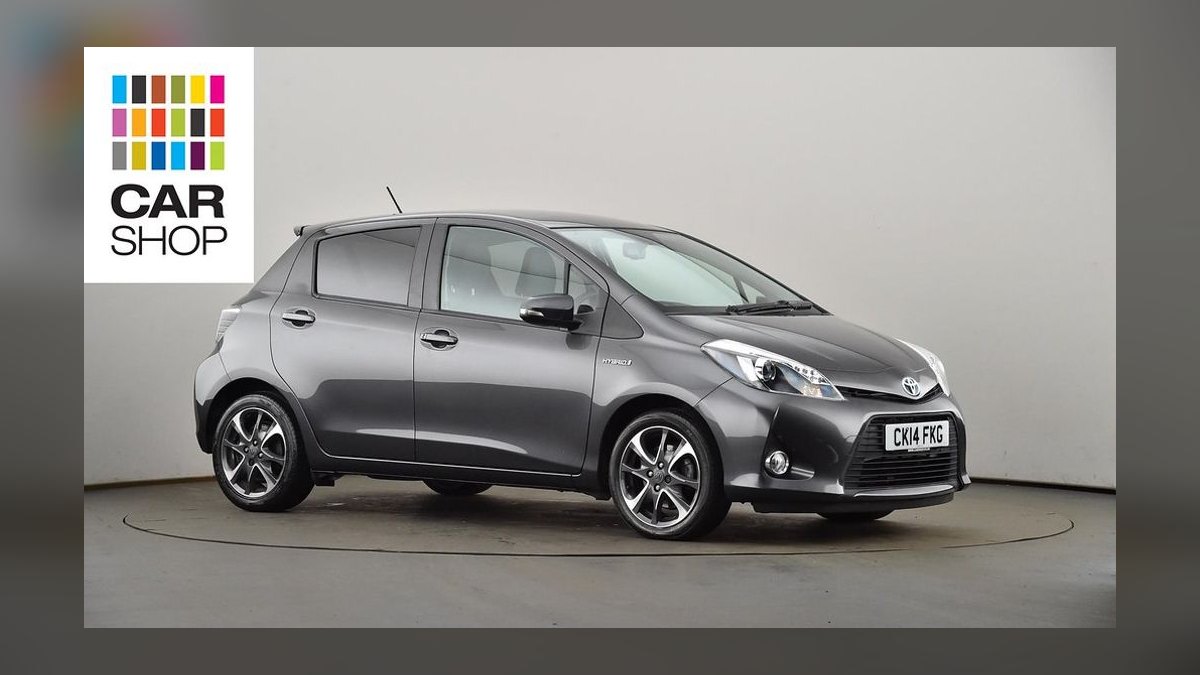
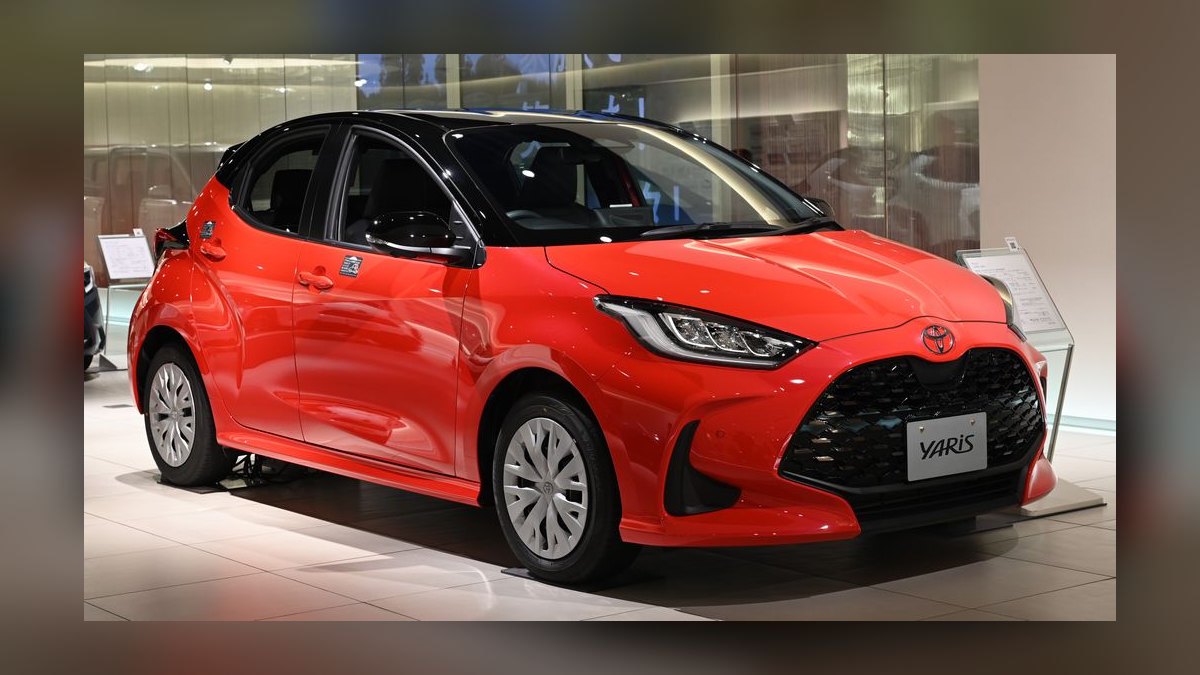
The Toyota Yaris Hybrid ranks first because its full-hybrid system delivers class-leading urban efficiency, achieving 4.0 to 5.0 liters per 100 km in dense stop-start traffic where petrol rivals use 7.5 to 9.0. Its 4.0-meter length and 9.4-meter turning circle make it exceptionally maneuverable in tight parking garages. The electric motor handles low-speed driving, reducing brake wear and fuel consumption dramatically. Toyota's reputation for reliability keeps depreciation low, with strong three-year value retention.
This car is for the urban commuter who cannot charge at home but drives over 10,000 km annually in congested conditions. It trades away a modest rear seat and a firm ride on larger wheels for its efficiency and dependability. Compared to the Honda Jazz below, the Yaris is less spacious but more efficient and cheaper to insure. It sacrifices outright interior versatility for benchmark hybrid economy.
2Honda Jazz Hybrid
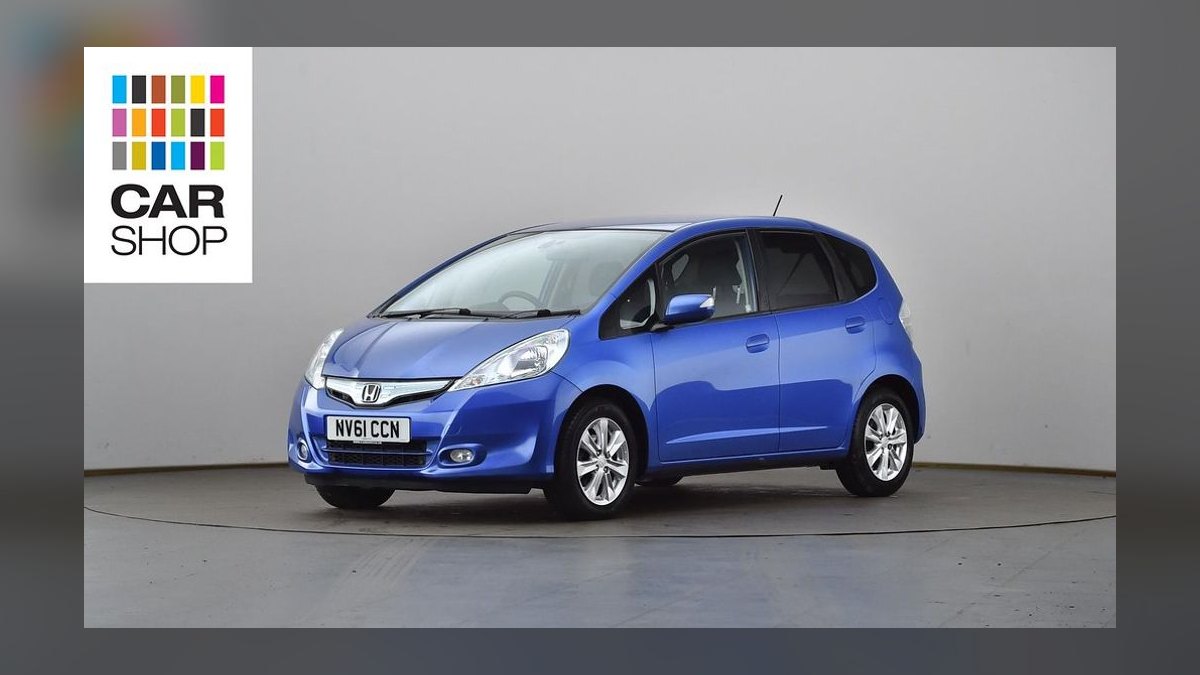
The Honda Jazz Hybrid ranks second due to its unmatched interior packaging, with the center-tank layout enabling the fold-flat Magic Seat system that carries tall items upright. Its 4.05-meter length and 10.0-meter turning circle fit tight bays easily, while interior space rivals C-segment cars. The hybrid drivetrain suits city driving well, returning 4.5 to 5.5 liters per 100 km in urban use. Ride comfort is excellent on broken roads, absorbing potholes better than most rivals.
This hatchback is for buyers who need maximum practicality from a small footprint, such as urban families or those who frequently haul bulky cargo. It trades away driving excitement and sporty handling for its versatile seating and smooth ride. Compared to the Toyota Yaris above, it offers more usable space and comfort but slightly lower efficiency. It is the rational choice when cargo versatility matters more than ultimate fuel economy.
3Volkswagen Polo
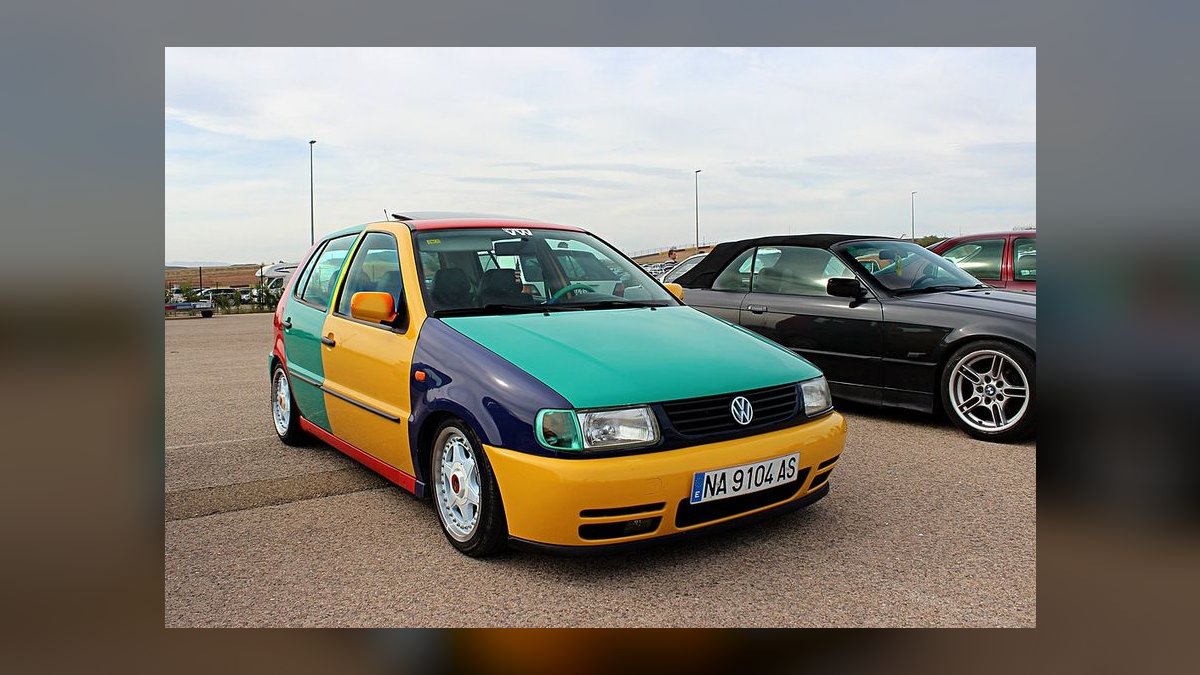
The Volkswagen Polo ranks third because it feels a segment larger on the motorway than its rivals, with the 1.0 TSI turbo triple delivering peak torque from 1,500 rpm for effortless urban acceleration. Its 4.07-meter length and 10.0-meter turning circle make it nimble in city streets, while interior materials and switchgear quality lead the class. The refined cabin and solid build reduce fatigue during long commutes.
This car suits professionals who want a premium-feeling small hatchback for both city use and occasional highway trips. It trades away the hybrid efficiency of the Yaris and the packaging genius of the Jazz for superior refinement and motorway composure. Compared to the Honda Jazz above, it offers less interior space but a more polished driving experience. The criticized touch-based climate controls are a notable compromise for eyes-off-road interaction in traffic.
4Hyundai i20
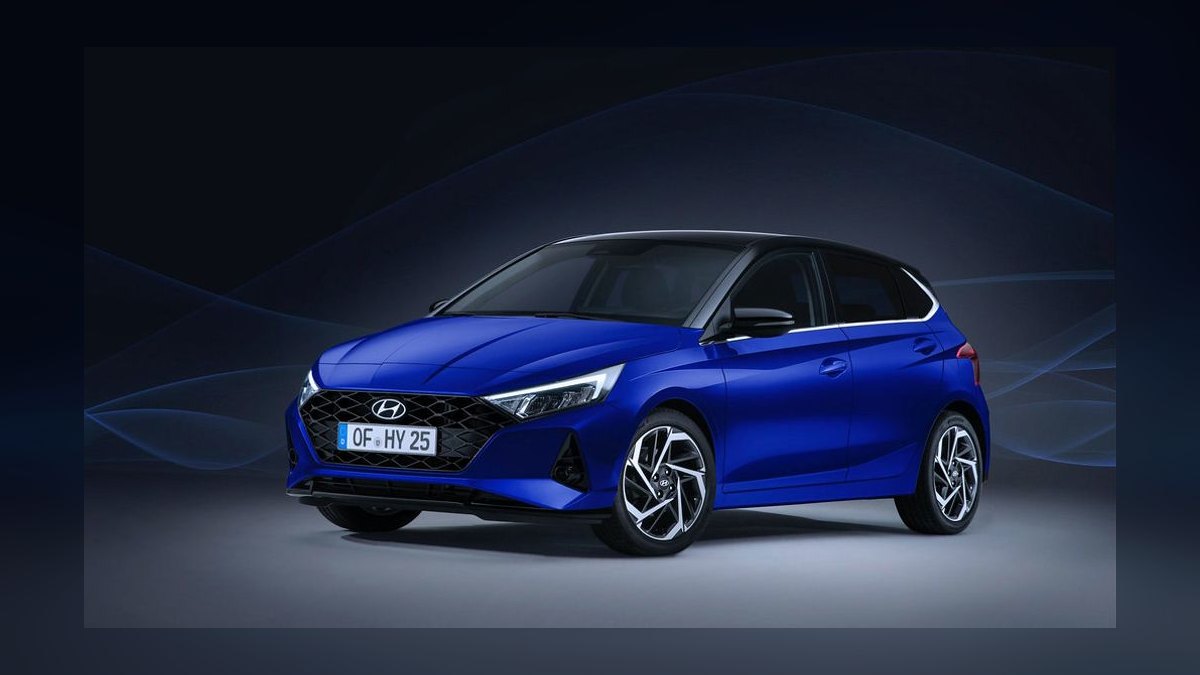
The Hyundai i20 ranks fourth because it offers the strongest warranty terms in the segment, commonly five to seven years depending on market, reducing long-term ownership risk. Its 4.04-meter length and 10.0-meter turning circle handle dense urban environments well, while the 1.0 TSI-class turbo engine provides responsive low-end torque. Standard equipment at mid-trim includes driver-assist features genuinely useful in traffic, such as autonomous emergency braking and lane-keeping assist.
This hatchback is for value-conscious buyers who plan to keep their car through the full warranty period, seeking peace of mind over badge prestige. It trades away the premium interior of the Polo and the hybrid efficiency of the Yaris for comprehensive coverage and generous standard features. Compared to the Volkswagen Polo above, it is less refined but offers better warranty protection and lower purchase price. It is the practical choice for risk-averse urban owners.
5MG3 Hybrid
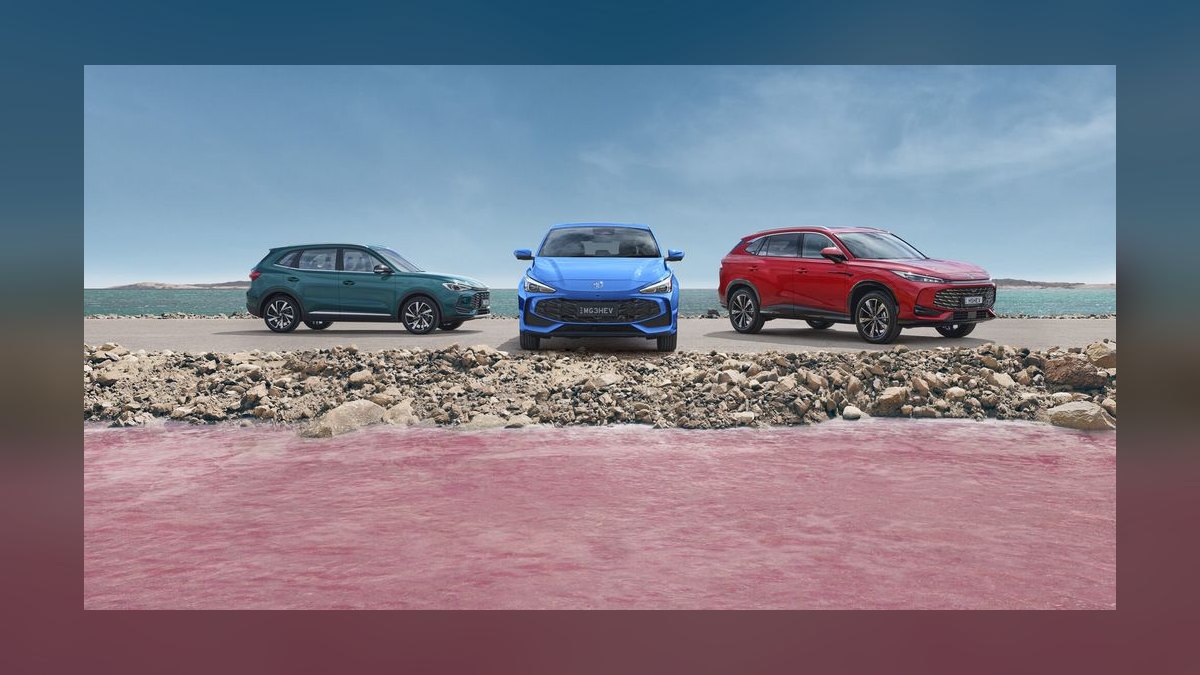
The MG3 Hybrid ranks fifth because it aggressively undercuts established rivals on price while offering a hybrid option and a long warranty, making it the segment's value proposition. Its 4.07-meter length and 10.2-meter turning circle are competent in tight urban spaces, and the hybrid system delivers around 4.5 to 5.5 liters per 100 km in city driving. The up-front saving is substantial, appealing to budget-conscious buyers who expect parking scars anyway.
This car is for first-time buyers or those prioritizing initial cost over long-term refinement, accepting that interior materials do not match the Polo. It trades away resale certainty and premium finishes for significant savings and a hybrid drivetrain. Compared to the Hyundai i20 above, it offers a lower purchase price but less established reliability and weaker residuals. It is the rational choice when minimizing upfront expenditure is the primary goal.
6Peugeot e-208
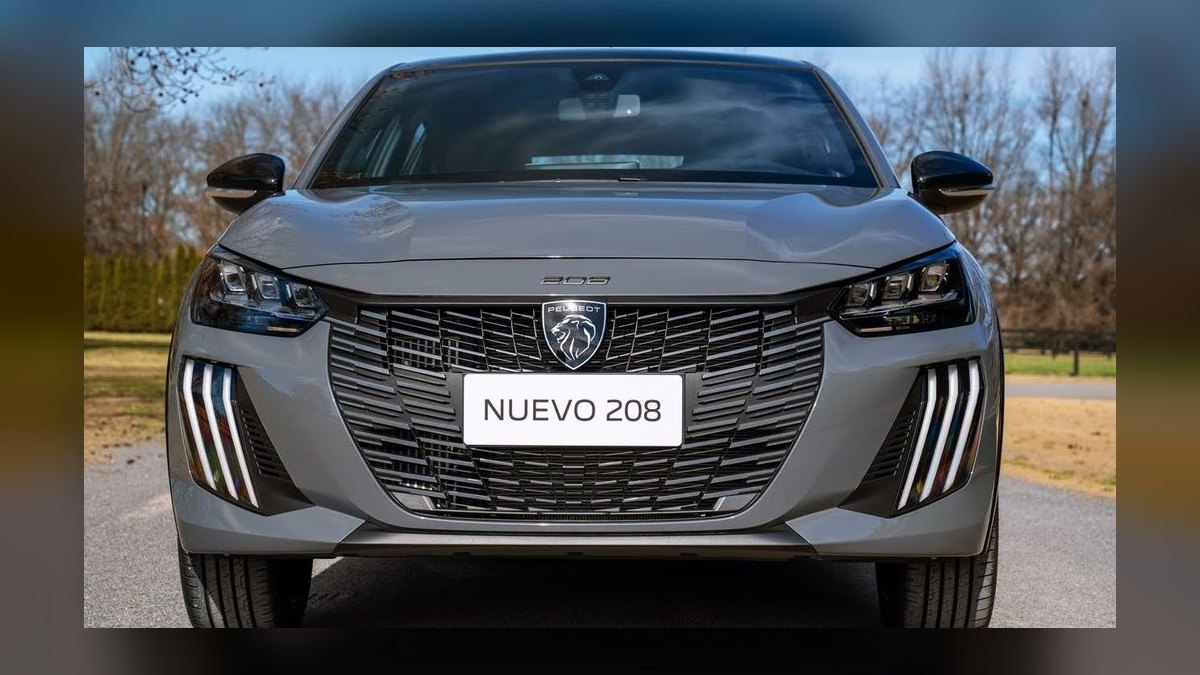
The Peugeot e-208 ranks sixth because its electric drivetrain provides instant torque from zero rpm, making it feel quicker in traffic than petrol rivals, with urban consumption of 13 to 17 kWh per 100 km. Its 4.06-meter length and 10.4-meter turning circle are excellent for tight city parking, and the small-diameter steering wheel enhances maneuverability. The 50 kWh battery offers a realistic 250 to 350 km mixed range, which is ample for daily urban use.
This EV is for urban dwellers with home charging access who want silent, responsive city driving and low running costs. It trades away motorway refinement and rear passenger space for its agile city character and zero-emission access. Compared to the MG3 Hybrid above, it offers superior driving experience and efficiency but requires charging infrastructure and costs more upfront. The high-set instrument display divides opinion, so a test drive is essential before committing.
7Renault Clio E-Tech
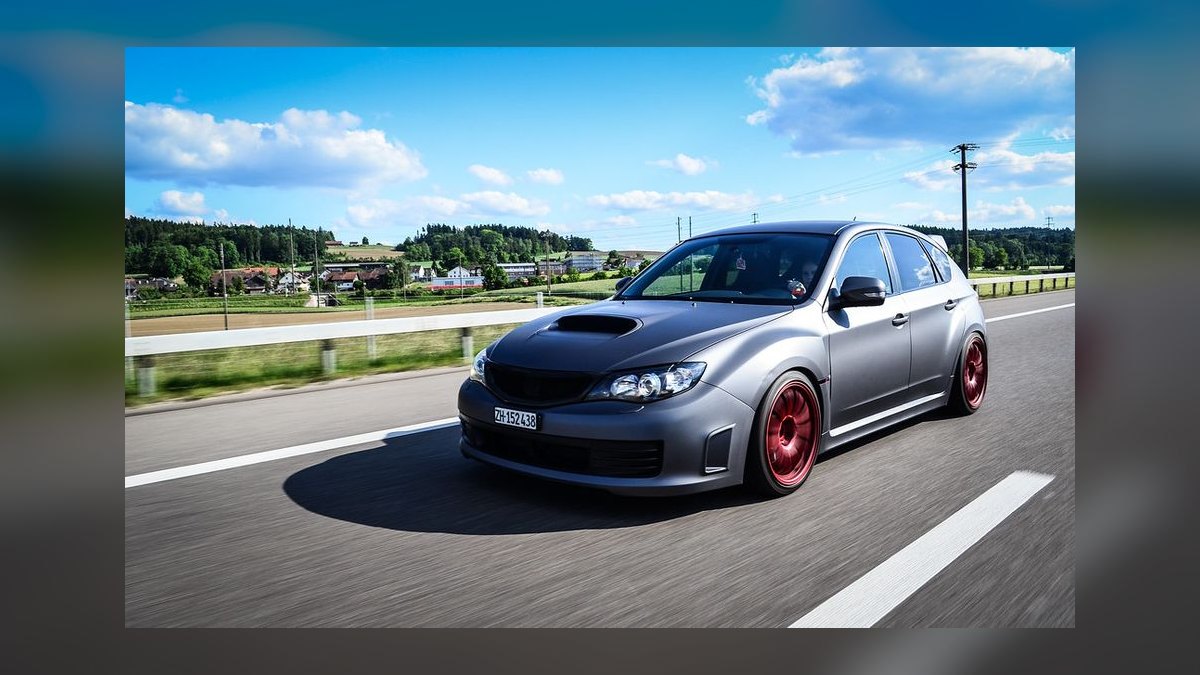
The Renault Clio E-Tech ranks seventh because its hybrid variant uses a clutchless multi-mode gearbox that behaves exceptionally well in stop-start traffic, eliminating the hesitation found in dual-clutch systems. Its 4.05-meter length and 10.3-meter turning circle handle urban streets with ease, while ride comfort on poor surfaces is among the best in class. The hybrid system returns 4.5 to 5.5 liters per 100 km in city driving, leveraging decades of B-segment expertise.
This hatchback is for drivers who prioritize ride comfort and smooth low-speed behavior over sporty handling, making it ideal for rough city roads. It trades away the EV efficiency of the e-208 and the warranty of the i20 for a polished hybrid experience. Compared to the Peugeot e-208 above, it offers a more comfortable ride but lacks zero-emission capability and instant electric torque.
8Škoda Fabia
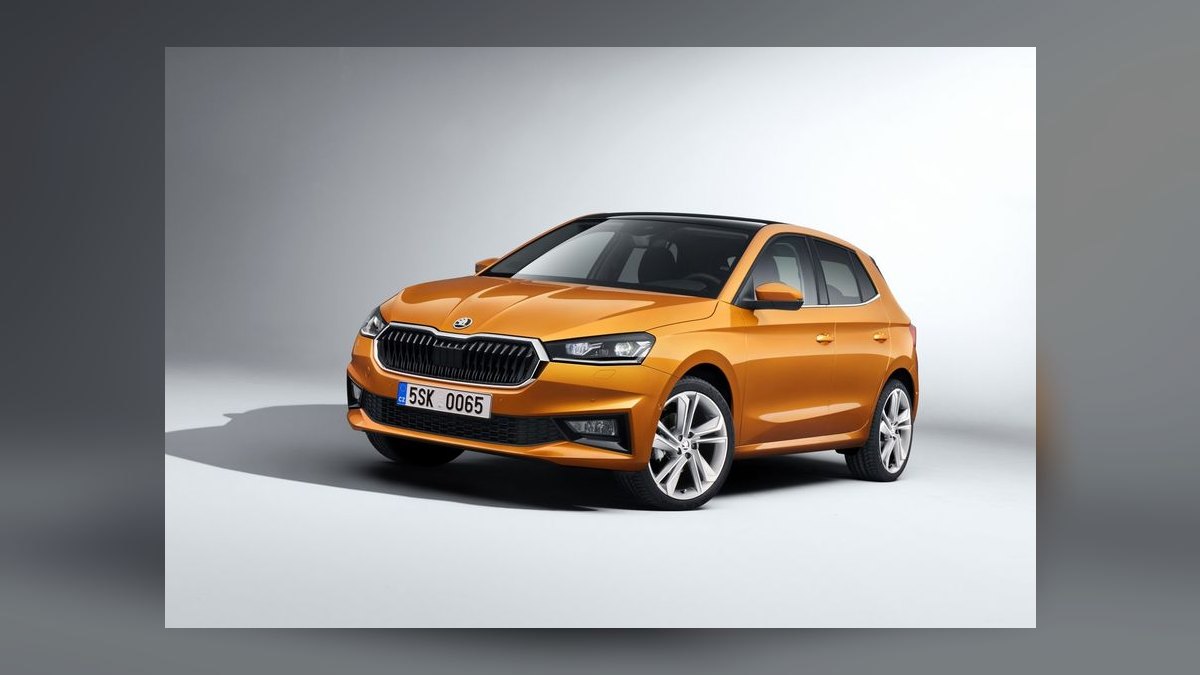
The Škoda Fabia ranks eighth because it offers the best practicality-per-euro within the Volkswagen Group, sharing mechanicals with the Polo but providing a larger boot and more interior storage for less money. Its 4.11-meter length and 10.0-meter turning circle are city-friendly, and the 1.0 TSI turbo engine delivers responsive urban performance. Boot volume is class-leading at around 380 liters, with square, deep load spaces that maximize usability.
This car is for budget-minded buyers who need maximum cargo space and clever storage solutions, such as the ice scraper and bag hooks, without paying a premium. It trades away the plush interior finishes of the Polo for more space and lower cost. Compared to the Renault Clio above, it offers superior boot capacity and similar efficiency but a slightly firmer ride. It is the rational pick when load-lugging ability is a priority in a small hatchback.
9Suzuki Swift Hybrid
The Suzuki Swift Hybrid ranks ninth because its obsessive weight reduction gives it an agility and fuel economy advantage that heavier rivals cannot match, with urban consumption around 4.5 to 5.5 liters per 100 km. Its 3.86-meter length is one of the shortest in the segment, making it exceptionally easy to park in tight spaces, with a 9.6-meter turning circle. The mild-hybrid system adds efficiency without significant mass, keeping the car light and nimble.
This hatchback is for drivers who prioritize low running costs and ease of parking over interior space and refinement, accepting a modest cabin and firmer ride. It trades away the boot capacity of the Fabia and the hybrid sophistication of the Clio for its featherweight agility. Compared to the Škoda Fabia above, it offers better fuel economy and maneuverability but less practicality and comfort. It is the choice for minimalists who want the cheapest possible urban motoring.
10Fiat 500e
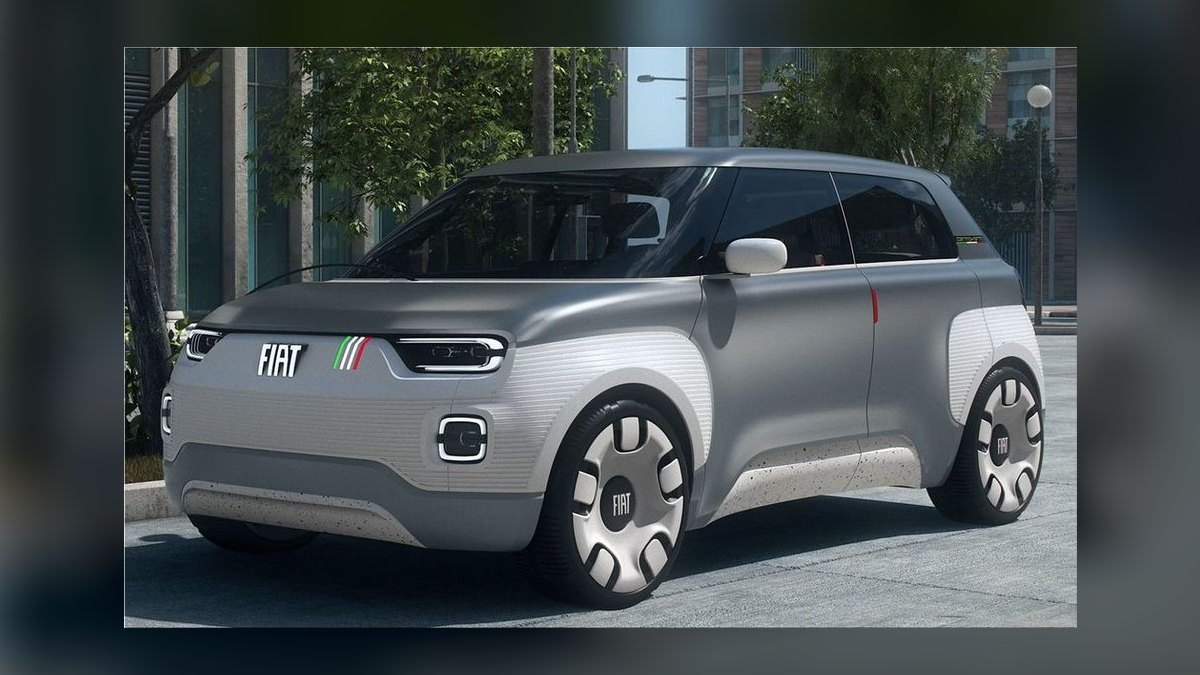
The Fiat 500e ranks tenth because its sub-3.75-meter length is unbeaten for the tightest urban environments, fitting parking spaces that reject everything else, with an 8.7-meter turning circle. The electric drivetrain delivers instant torque and silent operation, with urban consumption of 13 to 15 kWh per 100 km. Its retro styling and premium interior materials make it a style statement in the city.
This car is for style-conscious urbanites whose driving is genuinely 90 percent city, accepting severe compromises in rear seat space, boot capacity, and motorway refinement. It trades away the practicality of the Swift and the space of the Fabia for its iconic design and extreme maneuverability. Compared to the Suzuki Swift above, it offers superior style and zero emissions but costs more and is less practical.
How we ranked these
We measured five physical attributes that determine real-world urban usability: overall length, width including mirrors, height, kerb-to-kerb turning circle, and weight. Each was weighted against a fixed parking-bay scenario (4.60 x 1.85 m, 1.90 m height bar). We also scored drivetrain response in the 0-50 km/h band, transmission behavior in stop-start traffic, and suspension compliance on broken roads, using manufacturer specifications and independent test data.
We deliberately ignored styling, brand prestige, and interior design aesthetics, as these do not affect parking feasibility or running costs. We also excluded subjective driving enjoyment on open roads, because city driving rarely rewards it. Resale value was noted but not weighted, as it varies sharply by market and trim. We focused strictly on measurable, repeatable criteria that a buyer can verify on a spec sheet before test-driving.
Related questions
What is the most important dimension for city parking?
Overall length is the primary constraint in a standard bay, but width including mirrors is the more common cause of parking failure. A car listed at 1.80 meters wide is actually 2.00-2.05 meters across with mirrors. Always measure your bay's width between pillars and compare against the mirror-inclusive figure, not the body width.
Why do small EVs feel quicker in city traffic than petrol cars?
Electric motors deliver full torque from zero rpm, while a turbo petrol engine needs 1,500-1,750 rpm and a naturally aspirated engine needs 3,500-4,500 rpm for the same shove. In the 0-50 km/h band that dominates urban driving, a modest 100 kW EV will out-accelerate a 150 hp petrol car, making gap acceptance and roundabout merges easier.
How much does a crossover version of a hatchback cost in fuel?
A small SUV built on the same platform as a hatchback typically weighs 60-120 kg more and uses 5-10 percent more fuel. The roofline climbs 5-12 cm, which can lock you out of a 1.90-meter parking garage. Interior space is rarely better because the wheelbase is identical, so the hatchback is the rational urban choice.
What is the best transmission for stop-and-go traffic?
A torque-converter automatic or a single-speed EV drivetrain is least fatiguing in heavy traffic. Dual-clutch transmissions are excellent once moving but hesitant in the 0-15 km/h crawl where clutch packs slip. If your commute involves more than 20 minutes of stop-and-go each way, this is a real quality-of-life difference, not a spec-sheet abstraction.
Should I choose 16-inch or 18-inch wheels for city driving?
Choose the smaller 16-inch wheels with a 55-series tire sidewall. They absorb pothole edges that will crack an 18-inch wheel with a 40-series tire. Larger wheels cost 40-70 percent more per tire, ride harsher, and are more prone to bent rims on broken urban roads. The smaller wheel also improves official efficiency figures.
How much range do I need in an urban EV?
For a buyer with home charging, a 40-50 kWh pack is usually ample for city driving. A larger battery adds weight, cost, and charging time. The money saved by choosing a smaller pack is better spent on a heat pump (which preserves winter range) or a 360-degree camera system. Urban range anxiety is largely a myth when you start every day full.
What is the real-world fuel economy of a 1.0-liter turbo hatchback?
A modern 1.0-liter turbo petrol supermini typically returns 5.5-7.0 liters per 100 km in mixed urban use, worsening to 7.5-9.0 in heavy stop-start traffic. Official test-cycle figures are routinely 20-35 percent optimistic for combustion cars. A full hybrid in the same body achieves 4.0-5.0 liters per 100 km in the city, its largest advantage.
Why is the Honda Jazz considered the packaging champion?
Honda's center-tank layout enables the fold-flat 'magic seat' arrangement, allowing you to carry tall items upright behind the front seats. Interior space is closer to a C-segment car than its exterior footprint suggests. The hybrid drivetrain suits city work well, and ride comfort is good, though outright driving fun is not the priority.
FAQ
What is the ideal turning circle for a city hatchback?
Under 10.0 meters kerb-to-kerb feels genuinely nimble for three-point turns and U-turns. Most superminis land between 9.4 and 10.2 meters. Over 11.0 meters, you will find yourself doing five-point turns in spaces where a smaller car does three. Rear-motor EVs feel even smaller than their dimensions suggest due to short front overhangs.
How much does a 360-degree camera system help in tight parking?
It pays for itself the first time you avoid a scraped alloy. Rear parking sensors on a short car give usable warning distances, but on longer, more sloped vehicles the geometry stretches and drivers misjudge the last 20 centimeters. A 360-degree camera eliminates that blind zone and is the single most damage-preventing option you can buy.
What is the difference between a hybrid and a petrol hatchback in city fuel economy?
A full hybrid typically achieves 4.0-5.0 liters per 100 km in the city, versus 5.5-7.0 for a turbo petrol. The hybrid's electric motor handles the low-speed band, and the engine only engages when efficient. The cost premium over petrol is usually recovered within three to five years at urban mileage of 10,000-25,000 km per year.
Should I avoid diesel for city driving?
Yes. Short urban trips prevent the diesel particulate filter from reaching regeneration temperature, causing expensive blockages. Many cities now restrict or charge diesel entry. A 1.0-liter turbo triple with a torque converter automatic is the most comfortable city configuration. Diesel only makes sense for very high annual mileage with significant highway use.
How much does cold weather affect EV range?
Expect a 15-30 percent winter range reduction unless the car has a heat pump. Cabin heating draws directly from the traction battery in cold weather. If you live somewhere cold, prioritize the heat pump option over a larger battery. A 40-50 kWh pack with a heat pump is usually ample for urban driving, even in winter.
What is the typical boot volume of a supermini hatchback?
Expect 250-380 liters seats-up in a supermini, and 330-400 liters in a C-segment hatch. With rear seats folded, superminis offer 1,000-1,300 liters. The Honda Jazz and Škoda Fabia sit at the top of their class; style-led models like the Peugeot 208 sit lower. Quoted figures use different standards across markets, so compare only within one market.
How long does it take to charge a small EV hatchback?
Home AC charging at 7 kW refills a 50 kWh pack from 20 to 80 percent in roughly four to five hours—an overnight non-event. DC rapid charging peaks vary from 50 kW on budget models to 100 kW-plus on newer platforms; the 10-80 percent window typically takes 25-40 minutes. Without home charging, the cost advantage narrows sharply.
What is the biggest mistake buyers make when choosing a city hatchback?
Buying the crossover version of the same car. It costs more, weighs 60-120 kg more, uses 5-10 percent more fuel, and is taller—the one dimension that can lock you out of a parking structure. It rarely offers more usable interior space because the wheelbase is identical. Unless you need higher seating for mobility reasons, the hatchback is the better urban buy.
How much does depreciation affect the true cost of a city hatchback?
Depreciation is the largest single cost for most buyers. Expect 45-60 percent value retention at three years for strong nameplates like Toyota and Honda, and less for weaker ones. Model it: purchase price minus realistic three-year trade value, plus energy, insurance, servicing, and tires, divided by expected kilometers. That number, not the monthly payment, is the honest comparison.
What is the best drivetrain for a city car if I can't charge at home?
Choose a full hybrid if you drive 10,000-25,000 km per year, mostly urban. The electric motor covers the low-speed band, the engine runs only in its efficient window, and you never think about charging infrastructure. Choose petrol if you drive under 10,000 km per year. Avoid electric without home or work charging, as public rapid charging is expensive enough to weaken the running-cost case.
Sources
- https://www.toyota.com/yaris/
- https://www.honda.com/cars/fit
- https://www.vw.com/en/models/polo.html
- https://www.hyundai.com/worldwide/en/cars/i20
- https://www.kia.com/worldwide/vehicles/rio
- https://www.mg.co.uk/mg3
- https://www.peugeot.co.uk/range/peugeot-208.html
- https://www.renault.co.uk/cars/clio.html
- https://www.skoda-auto.com/models/fabia
- https://www.suzuki.co.uk/cars/swift
Related on PULSE
This page will be disappearing soon. Save it to your device for $1 — or read it free while it is here.
@Kory-White- · if Venmo asks, the last 4 of my number are 2012
This page is gone.
This one is off the shelf now. $1 keeps it on your phone for good — the whole page, pictures and diagrams included.
 pulse-carsBest Used Luxury Cars Under $25,000 in 2027 (Ranked)
 pulse-carsBest Used Minivans Under $15,000 in 2027 (Ranked)
 pulse-carsBest Lexus LX Model Years (Ranked) in 2027
 pulse-carsTop 10 Three-Row SUVs 2027 — Best Overall + Best Value
 pulse-carsBest Used Hatchbacks Under $20,000 in 2027 (Ranked)
 pulse-carsBest SUVs for New Drivers in 2027 (Ranked)
 pulse-carsBest Lexus RC Model Years (Ranked) in 2027
 pulse-carsBest Used Sports Cars Under $10,000 in 2027 (Ranked)
 pulse-carsBest SUVs for Short Drivers in 2027 (Ranked)
 pulse-carsBest Used Compact SUVs Under $15,000 in 2027 (Ranked)