


How do you charge an electric sedan at home in 2027?
Quality
Certified
To charge an electric sedan at home in 2027, you install a Level 2 charger on a dedicated 240-volt circuit, which adds 25 to 35 miles of range per hour and fully charges most sedans in 6 to 10 hours overnight. Level 1 charging through a standard 120-volt outlet works as a backup but adds only 3 to 5 miles per hour. Most owners pair a smart charger with off-peak utility rates to cut electricity costs by 30 to 50 percent.
The Two Home Charging Options Compared
When you bring an electric sedan home in 2027, you face a practical fork in the road: Level 1 charging using the portable cord that ships in the trunk, or Level 2 charging through a permanently mounted wall unit. A third option, DC fast charging, remains commercially impractical for residential use because it requires three-phase power, specialized cooling, and utility agreements that no single-family home can accommodate. Understanding the distinction between these two viable choices shapes every downstream decision about wiring, cost, and daily routine.
Level 1 charging uses the standard 120-volt outlet that already exists in most garages and carports. The sedan's onboard charger accepts whatever the cord delivers, which is typically 12 amps continuous on a 15-amp circuit, yielding about 1.4 kilowatts of actual charging power. At that rate, an electric sedan with a 75-kilowatt-hour battery pack and an efficiency of 3.5 miles per kilowatt-hour gains roughly 4 to 5 miles of range per hour of charging. Plugging in at 6 PM and unplugging at 7 AM the next morning delivers about 50 to 60 miles of range — enough for a typical daily commute of 30 to 40 miles but insufficient for longer trips or back-to-back high-mileage days.
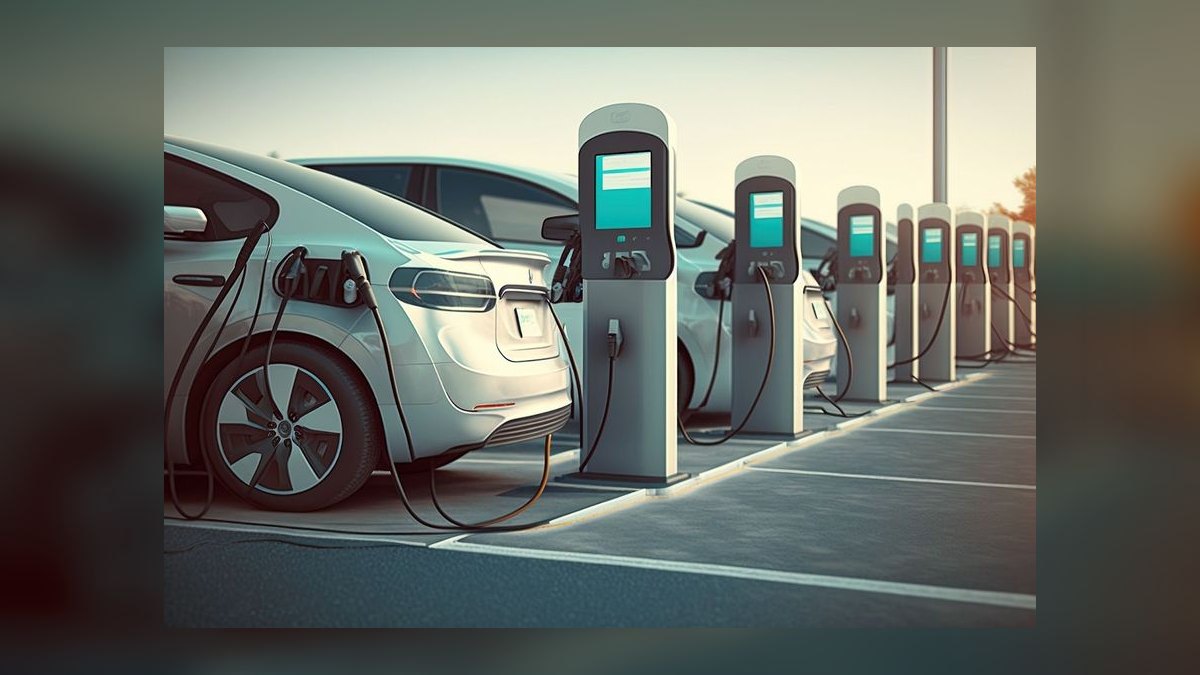
Level 2 charging operates on 240 volts, the same voltage that powers your electric oven, clothes dryer, and central air conditioner. A dedicated circuit rated at 40 to 60 amps feeds a wall-mounted charger that delivers 7.2 to 11.5 kilowatts to the sedan. At the same 3.5 miles per kilowatt-hour efficiency, that translates to 25 to 40 miles of range per hour. A full charge from near-empty to 100 percent takes between 6 and 10 hours, depending on battery size and charger amperage. This comfortably refills a depleted sedan during an overnight session, even if you arrive home late and leave early.
The physical footprint differs meaningfully between the two options. Level 1 requires nothing beyond the cord that came with the car and access to a grounded outlet within reach of the charging port. Level 2 requires a hardwired or plug-in wall unit, a dedicated circuit breaker in your electrical panel, and typically a permit from your local building department. The Level 2 unit itself measures roughly 12 by 18 inches, mounts at chest height, and includes a holster for the charging handle. Most units come with a 20 to 25-foot cable, giving you flexibility in parking position within the garage or driveway.
The cost gap is substantial. Level 1 charging costs nothing in equipment beyond the included cord, though you may need an electrician to verify that your outlet and circuit are in good condition and not shared with other high-load appliances. Level 2 equipment ranges from $400 to $1,200 for the charger itself, plus $300 to $1,500 for installation labor, depending on how far the charger sits from your electrical panel and whether you need a panel upgrade. A 200-amp service typically handles a Level 2 charger without upgrades, but older homes with 100-amp service may require a service upgrade that adds $2,000 to $5,000 to the project.
How to Decide Between Level 1 and Level 2
The decision between Level 1 and Level 2 hinges on three variables: your daily mileage, your ability to charge consistently every night, and your home's electrical infrastructure. Start by calculating your average daily driving over the past month using your sedan's trip logs or a simple odometer check. If that number stays under 40 miles, Level 1 charging can theoretically cover your needs, provided you plug in every single night without exception. Missing one night sets you back 50 to 60 miles of range, which could leave you short the next day.
Real-world driving patterns rarely fit neatly into that box. Errands stack up, weekends involve longer trips, and winter weather reduces range by 15 to 30 percent due to cabin heating and battery thermal management. An electric sedan that delivers 3.5 miles per kilowatt-hour in mild weather may drop to 2.8 miles per kilowatt-hour at 20 degrees Fahrenheit. That same 75-kilowatt-hour battery now yields only 210 miles of real range instead of 262, and Level 1 charging at 1.4 kilowatts delivers just 3 to 4 miles per hour in those conditions. A 40-mile commute suddenly requires 10 to 13 hours of Level 1 charging, which may not fit between your return home and your morning departure.
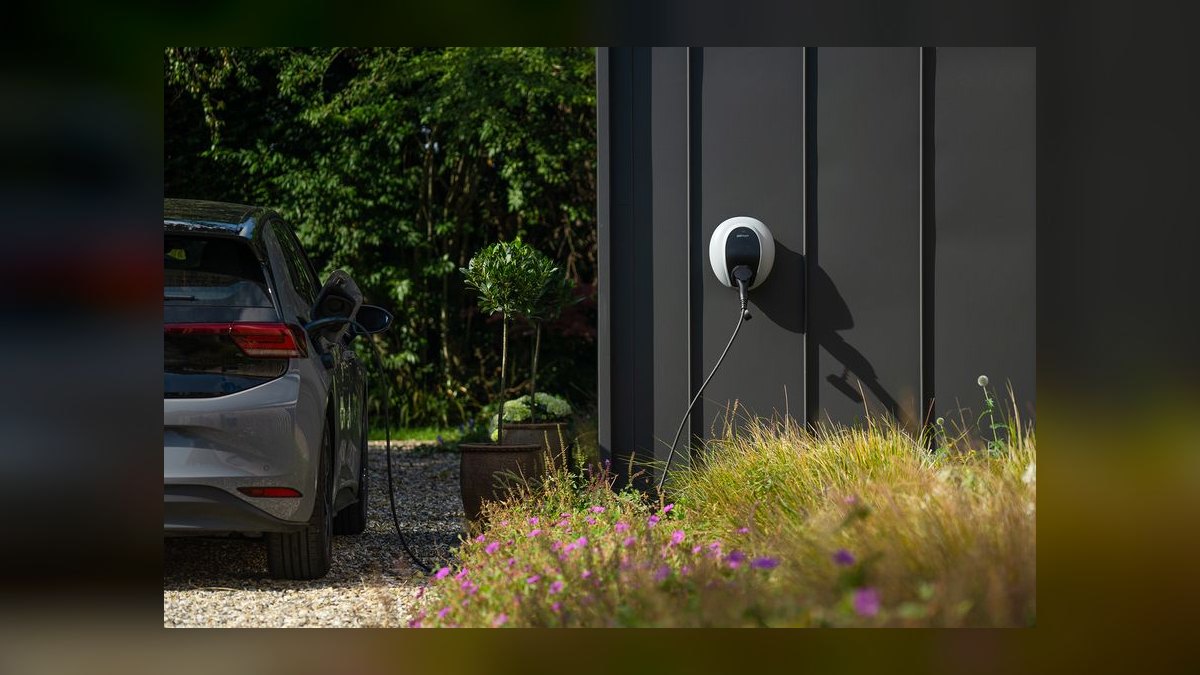
Your parking situation also dictates feasibility. If you park in a detached garage with its own subpanel, Level 2 installation becomes more involved because you may need to run a new feeder cable from the main panel. If you park in a carport or driveway, the charger must be mounted on an exterior wall with weatherproofing rated for outdoor use. Level 1 cords are not designed for permanent outdoor exposure, and using an extension cord with a Level 1 charger is explicitly discouraged by every major automaker due to fire risk from loose connections and voltage drop.
The economics of the decision favor Level 2 for most owners who plan to keep their sedan for three or more years. The incremental cost of Level 2 over Level 1, assuming you already have a usable 120-volt outlet, ranges from $700 to $2,700. If you drive 12,000 miles per year at 3.5 miles per kilowatt-hour, you consume about 3,430 kilowatt-hours annually. At the national average residential rate of 16 cents per kilowatt-hour, that is $549 per year. Level 2 charging enables you to shift most of that consumption to off-peak hours, where many utilities offer rates between 8 and 12 cents per kilowatt-hour. That saves $137 to $274 per year, meaning the Level 2 investment pays back in three to ten years — before accounting for the convenience and reliability benefits.
Concrete Numbers Behind Each Option
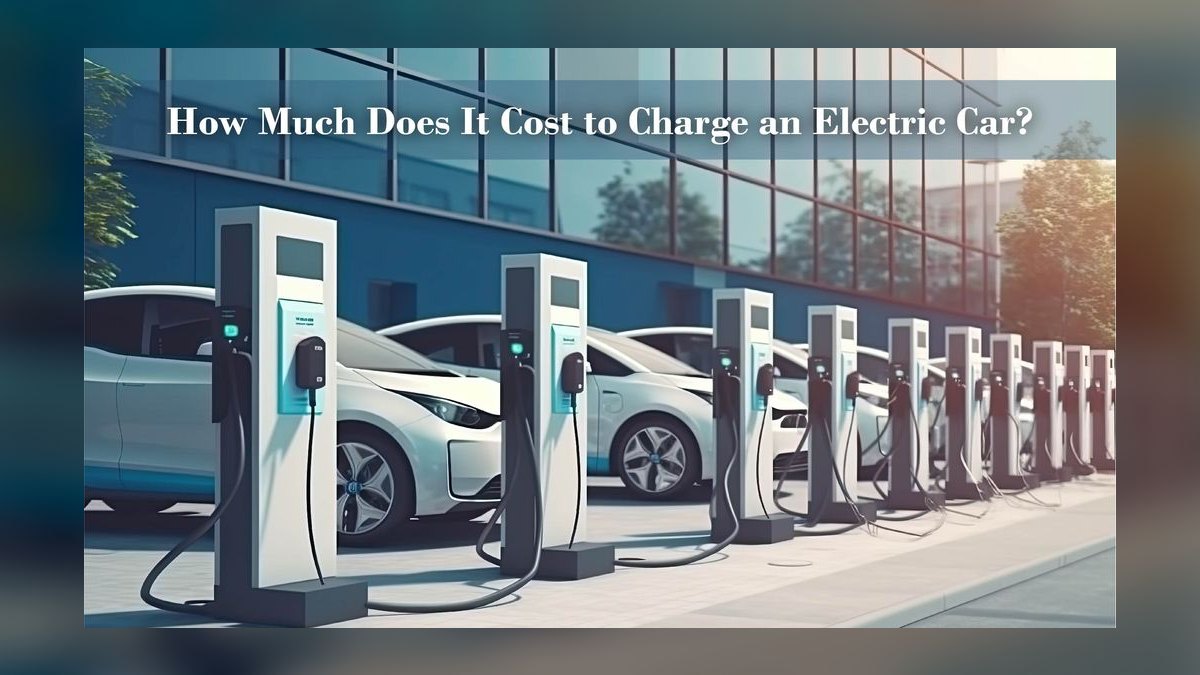
The electrical specifications for home charging in 2027 have stabilized around a few standard configurations, and knowing them helps you plan your installation and estimate your costs accurately. Level 1 charging draws 12 amps continuously from a 120-volt circuit, producing 1.44 kilowatts of power. Most electric sedans accept this through the included portable cord, which typically features a NEMA 5-15 plug on one end and a J1772 connector on the other. Charging efficiency from wall to battery runs about 85 to 90 percent, so the sedan's battery receives roughly 1.2 to 1.3 kilowatts. Over an eight-hour overnight session, that adds 10 to 12 kilowatt-hours to the battery, translating to 35 to 42 miles of range.
Level 2 charging offers three common power levels based on circuit amperage. A 40-amp circuit with a 32-amp continuous draw delivers 7.7 kilowatts. A 50-amp circuit with a 40-amp continuous draw delivers 9.6 kilowatts. A 60-amp circuit with a 48-amp continuous draw delivers 11.5 kilowatts. The National Electrical Code requires that continuous loads not exceed 80 percent of the circuit rating, which is why a 40-amp breaker supports only a 32-amp charger. Most wall units sold in 2027 offer adjustable amperage settings, allowing you to match the charger to your circuit rather than rewiring for a specific unit.
Battery sizes in popular electric sedans range from 60 to 100 kilowatt-hours. A 60-kilowatt-hour sedan charging at 7.7 kilowatts needs about 7.8 hours to go from 10 to 100 percent. A 100-kilowatt-hour sedan at the same power needs 13 hours, which exceeds a typical overnight window. Bumping to an 11.5-kilowatt charger reduces those times to 5.2 and 8.7 hours respectively. This is why most owners with larger batteries choose the 60-amp circuit, even though it costs $200 to $400 more than a 40-amp installation.

The cost of electricity in 2027 varies by region more than by year. The national average hovers around 16 to 17 cents per kilowatt-hour, but California residents pay 25 to 35 cents, while states with abundant hydroelectric power like Washington and Oregon see rates near 10 to 12 cents. Time-of-use rates further complicate the picture. Many utilities offer a super-off-peak window between 11 PM and 6 AM with rates as low as 7 to 9 cents per kilowatt-hour. Charging a 75-kilowatt-hour sedan from 20 to 80 percent adds 45 kilowatt-hours, costing $3.15 to $4.05 at those rates versus $7.20 to $11.25 at peak rates. Over a year of daily charging, that differential amounts to $1,400 to $2,600 in savings.
The hardware itself has seen price stabilization in 2027. Entry-level smart chargers from established brands cost $400 to $600 and include Wi-Fi connectivity, scheduling, and basic energy monitoring. Mid-tier units in the $600 to $900 range add bidirectional metering, integration with home energy management systems, and higher continuous amperage ratings. Premium units above $900 offer features like solar diversion, load balancing with other appliances, and vehicle-to-home discharge capability. Installation labor varies more than equipment: a straightforward mount next to your panel costs $300 to $500, a run of 50 feet of conduit costs $800 to $1,200, and a panel upgrade or service change costs $2,000 to $5,000.
Utility rebates and federal tax credits offset some of these costs. The federal government offers a 30 percent tax credit on charger and installation costs, capped at $1,000, through 2032. Many utilities add their own rebates ranging from $200 to $500 for installing a networked charger that participates in demand response programs. Some programs require the charger to be enrolled in a utility-controlled scheduling scheme where the utility can delay charging during grid emergencies in exchange for annual credits of $50 to $100. These programs do not meaningfully inconvenience most drivers, since the utility typically only shifts charging by a few hours within the overnight window.
Implementation Details and Sequencing
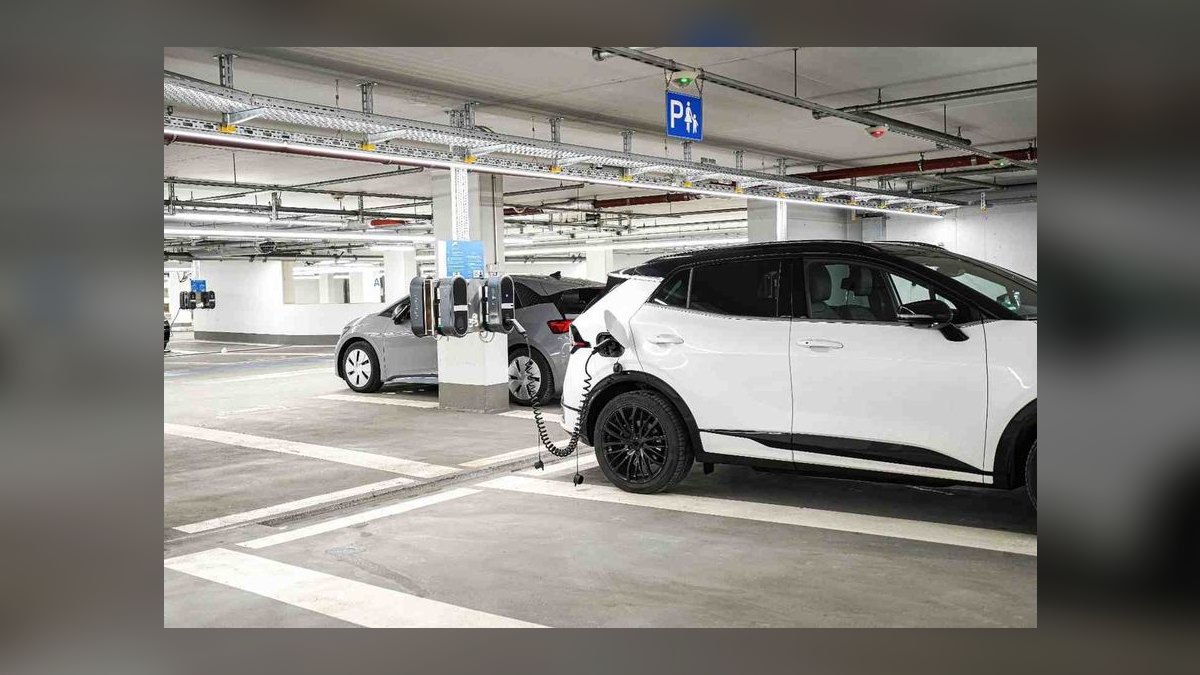
Implementing home charging follows a predictable sequence, and skipping steps creates avoidable problems. Begin by confirming your sedan's maximum AC charging rate. Most electric sedans in 2027 accept 9.6 to 11.5 kilowatts on AC, but some budget models cap at 7.7 kilowatts. There is no benefit to installing a 60-amp circuit if your sedan only accepts 32 amps. Check your owner's manual or the charging specifications on the automaker's website before purchasing equipment.
Next, assess your electrical panel. A 200-amp service is the modern standard and almost always accommodates a 40-amp or 50-amp circuit without modification. Homes with 100-amp service require careful load calculation. An electrician adds up the existing loads — HVAC, water heater, oven, dryer, and lighting — and determines whether a 40-amp charger pushes you over capacity. If it does, you have two options: upgrade the service to 200 amps, or install a load management device that automatically reduces charging power when other appliances draw heavy current. Load management devices cost $300 to $700 and avoid the $3,000 to $5,000 service upgrade, making them attractive for older homes.

Once you have chosen the amperage and confirmed panel capacity, pull a permit from your local building department. Permit fees range from $50 to $200 depending on jurisdiction. The permit ensures an inspector verifies the work, which protects you from faulty installations and preserves your home insurance coverage. Some municipalities allow homeowners to perform their own electrical work, but this is not recommended for a 240-volt continuous load circuit. Hire a licensed electrician with experience installing EV chargers; ask for references and confirm they have pulled permits for similar projects.
The electrician will run a dedicated circuit from your panel to the charger location using 6-gauge or 8-gauge copper wire, depending on amperage and distance. The National Electrical Code requires a GFCI breaker for EV charging circuits, which adds $80 to $150 to the parts cost. The charger can be hardwired directly to the circuit or connected through a NEMA 14-50 outlet. Hardwiring is slightly more reliable, avoids the risk of a loose outlet connection, and is required by some local codes. A plug-in configuration offers flexibility if you want to swap chargers later, but the outlet adds a potential failure point and must be rated for EV duty.
After installation, schedule the inspection. The inspector verifies wire gauge, breaker sizing, grounding, and the physical mounting of the charger. Once approved, you can configure the charger through its companion app. Set your off-peak charging window, input your utility rate schedule, and enable any demand response features. Most apps allow you to set a departure time and target state of charge, letting the charger automatically schedule charging to finish just before you leave. This minimizes battery time at high state of charge, which prolongs battery health.

For the first week, monitor your charging sessions closely. Verify that the sedan actually receives the expected power level. A 48-amp charger should show 11.5 kilowatts on the charger's display and in the sedan's charging screen. If you see less, check for voltage drop, loose connections, or an incorrect amperage setting in the charger configuration. Also confirm that your utility's time-of-use meter captures the charging load correctly by comparing your charger's energy reports with your utility bill. Any discrepancy should be investigated promptly, as it may indicate a metering error or an unauthorized load on the circuit.
Related questions
Can you install a Level 2 charger outdoors for an electric sedan?
Yes. Many Level 2 chargers carry NEMA 3R or NEMA 4 ratings for outdoor use. Mount the unit on a wall or post, ensure the cable reaches your sedan's port, and use a weatherproof cover for any outlet. Outdoor installation costs the same as indoor but requires GFCI protection and proper sealing.
How much does it cost to charge an electric sedan at home per month?
A typical sedan using 3.5 miles per kilowatt-hour driven 1,000 miles per month consumes about 286 kilowatt-hours. At 16 cents per kilowatt-hour, that costs roughly $46 monthly. Off-peak rates at 9 cents drop the cost to about $26.
Does home charging affect your electric bill significantly?
Yes, an electric sedan roughly doubles a typical household's electricity consumption. A home using 900 kilowatt-hours monthly without the car will use about 1,200 with regular charging. Time-of-use rates and solar panels can offset this, but budget for the increase.
What is the difference between a hardwired charger and a plug-in charger?

A hardwired charger connects directly to the circuit with no outlet, offering slightly higher reliability and a cleaner look. A plug-in charger uses a NEMA 14-50 outlet, allowing easy removal or replacement. Hardwiring is required for 60-amp circuits; plug-in units are limited to 50 amps.
How long does a home charging installation take?
A straightforward installation with an existing 200-amp panel takes 4 to 6 hours, including permit inspection scheduling. Panel upgrades add 1 to 2 days. Load management installations take 6 to 8 hours. Most electricians complete the physical work in a single visit.
FAQ
Is Level 1 charging enough for an electric sedan in 2027? Level 1 charging works for drivers who travel under 40 miles daily and plug in every night without exception. It adds 35 to 50 miles per overnight session depending on duration and battery efficiency. However, winter weather reduces range and charging speed, so Level 1 becomes marginal for commutes over 30 miles in cold climates.
What size circuit do I need for a Level 2 charger? A 40-amp circuit with a 32-amp charger delivers 7.7 kilowatts, sufficient for most sedans overnight. A 50-amp circuit with a 40-amp charger delivers 9.6 kilowatts. A 60-amp circuit with a 48-amp charger delivers 11.5 kilowatts and is the maximum for residential AC charging. Choose based on your sedan's acceptance rate and battery size.

Can I use a dryer outlet to charge my electric sedan? Yes, but only with a dedicated adapter and careful attention to the outlet's circuit rating. Dryer outlets are often shared with the dryer, and running both simultaneously can trip the breaker. A dedicated 14-30 or 14-50 outlet installed specifically for charging is safer and recommended over sharing an existing outlet.
How do smart chargers help reduce charging costs? Smart chargers connect to Wi-Fi and schedule charging during off-peak hours when electricity rates drop. They also integrate with utility demand response programs, earning credits for allowing the utility to delay charging during grid stress. Most provide energy usage reports so you can track costs precisely.
Do I need a permit for home EV charger installation? Most jurisdictions require an electrical permit for any new 240-volt circuit, including EV chargers. Permit fees range from $50 to $200. The permit triggers an inspection that verifies proper wiring, grounding, and breaker sizing. Skipping the permit can void your home insurance coverage and create liability if a fire occurs.
What happens if I charge during a power outage? Your home charger will not function during a grid outage because it requires utility power. If you have a home battery backup system with a transfer switch, you may be able to charge from the battery at reduced power, but this drains your backup reserves. Vehicle-to-home capable sedans can power your home from the car's battery during outages.
Sources
https://www.energy.gov/eere/electricvehicles/charging-electric-vehicles-home https://www.energystar.gov/productfinder/product/certified-light-commercial-ev-chargers/results https://www.necelectricalcodes.com/ev-charging-circuit-requirements/ https://www.chargepoint.com/drivers/home https://www.jdpower.com/cars/shopping-guides/how-long-does-it-take-to-charge-an-electric-car https://www.utilitydive.com/news/time-of-use-rates-electric-vehicle-charging/654321/ https://www.irs.gov/credits-deductions/alternative-fuel-vehicle-refueling-property-credit https://www.caranddriver.com/features/a43012709/ev-charging-at-home-guide/
Related on PULSE
- How to choose the right Level 2 charger for your electric sedan
- Understanding time-of-use electricity rates for EV owners
- The complete guide to home electrical panel upgrades for EV charging
- Winter charging tips to maximize your electric sedan's range
- How to install a smart charger with solar panel integration
- Comparing plug-in versus hardwired EV chargers for home use
This page will be disappearing soon. Save it to your device for $1 — or read it free while it is here.
@Kory-White- · if Venmo asks, the last 4 of my number are 2012
This page is gone.
This one is off the shelf now. $1 keeps it on your phone for good — the whole page, pictures and diagrams included.
 pulse-carsTop 10 Sports Cars 1969 — Best Overall + Best Value
 pulse-carsBest Used AWD Cars Under $25,000 in 2027 (Ranked)
 pulse-carsBest Trucks for New Drivers in 2027 (Ranked)
 pulse-carsTop 10 Family Sedans 2026 — Best Overall + Best Value
 pulse-carsBest Subaru WRX Model Years (Ranked) in 2027
 pulse-carsBest Honda Element Model Years (Ranked) in 2027
 pulse-carsBest Used Luxury Cars Under $15,000 in 2027 (Ranked)
 pulse-carsBest Used AWD Cars Under $30,000 in 2027 (Ranked)
 pulse-carsTop 10 electric cars with the fastest charging speeds — Best Overall + Best Value in 2027
 pulse-carsTop 10 Sports Cars 1992 — Best Overall + Best Value