


How do I convert my gas-powered sedan to electric in 2027?
Quality
Certified
Converting a gas-powered sedan to electric in 2027 means removing the engine, fuel system, and exhaust, then installing an electric motor, battery pack, charger, and controller. Expect roughly $25,000–$60,000 and 200–500 labor hours through a professional shop, plus state inspection and title reclassification before the car is legal to drive.
The outcome you should expect
Set expectations before you spend a dollar, because the gap between what people imagine and what a finished conversion actually delivers is where most projects die halfway through with a stripped shell in the garage.
A well-executed sedan conversion in 2027 produces a car that drives like a torquey, quiet, mid-range EV — not a Model 3 and not a Porsche Taycan. Realistically you are looking at 100 to 200 miles of range depending on how much battery you can physically fit and afford, DC fast charging that is either absent or limited, and a curb weight 200 to 600 pounds heavier than the donor started at. The instant torque is genuinely transformative on a car that originally made 140 horsepower; the 0–60 time often drops by two seconds or more even with a modest motor, because an electric drive unit delivers peak torque from zero rpm and never needs to downshift.
What you do not get is the integrated software experience of a factory EV. There is no manufacturer-managed thermal preconditioning tied to a navigation route, no over-the-air update path, no plug-and-charge authentication at public stations, no one-pedal regen calibrated by a team of engineers over millions of test miles. You get the sum of the parts you bought and the quality of the integration work. A conversion done by a competent shop with a modern CAN-based controller can feel remarkably factory-like. A conversion done cheaply with mismatched components feels like exactly what it is: a science project with license plates.
The financial outcome is worth stating bluntly, because it drives most rational decisions here. A conversion almost never pencils out as a money-saving move. For the $30,000 to $50,000 a typical professional sedan conversion costs, you can buy a used factory EV with a warranty, a fast-charge port, crash-tested battery packaging, and a service network. People convert anyway for reasons that are not financial: they love a specific car, they want a vehicle that does not exist in the market, they enjoy the build, or they need to keep a historically significant chassis on the road in a jurisdiction tightening its rules on internal combustion. Those are all legitimate reasons. "It'll save me money on gas" is not one of them, and any shop that leads with that claim should make you nervous.
The time outcome matters as much as the money. A professional shop with an established platform kit for your specific chassis might turn a car around in six to twelve weeks. A shop doing a one-off engineering job on an uncommon sedan can take six months to a year, because every bracket, every harness routing decision, and every mounting point has to be designed, fabricated, tested, and often redone. A DIY build in a home garage, done by someone with real fabrication and electrical skill working weekends, commonly runs eighteen months to three years. Ask anyone who has finished one and they will tell you their original estimate was off by a factor of two or three.
What drives that outcome

Four variables dominate every conversion outcome, and understanding how they interact is the difference between a car you drive daily and a car that sits.
Battery capacity and packaging. This is the single largest cost line and usually 40 to 60 percent of the total budget. Usable capacity determines range at roughly 250 to 350 watt-hours per mile for a converted sedan — worse than a factory EV because you are hauling more weight through worse aerodynamics with a less efficient drivetrain. A 40 kWh pack therefore yields something like 115 to 160 miles of real-world range. The constraint is rarely money alone; it is physical volume. A sedan was designed around a fuel tank, a driveshaft tunnel, an engine bay, and a spare tire well. You are fitting rectangular modules into those irregular spaces, and every module you add pushes weight distribution around. Many builders end up with less capacity than they budgeted for simply because the cells would not fit anywhere that kept the car balanced and the crumple zones intact.
Motor and drive-unit selection. The two dominant approaches are a standalone AC motor coupled to the existing manual transmission, or a complete salvaged drive unit from a factory EV. The transmission-coupled approach uses an adapter plate and a hub to mate the motor to the stock bellhousing, keeps the original driveshaft and differential, and is mechanically simple. The salvaged-drive-unit approach replaces the entire rear or front subassembly with a factory motor-inverter-gearbox package, which typically gives more power for less money but demands far more fabrication and far more work on the control side to make a proprietary inverter talk to your accelerator pedal.

Control electronics and integration. The motor controller, battery management system, DC-DC converter, onboard charger, and contactor box are what turn a pile of parts into a car. This is where amateur builds most often fail. Getting a BMS to correctly balance cells, cut off at safe voltage limits, and communicate state of charge to a gauge the driver can read is genuinely hard. So is making the original power steering, power brakes, HVAC, instrument cluster, and immobilizer behave when the engine that used to drive them is gone.
Auxiliary systems. Your gas sedan used engine vacuum for brake boost, a belt-driven pump for power steering, engine coolant for cabin heat, and a belt-driven compressor for air conditioning. Every one of those needs an electric replacement: a vacuum pump or electric booster, an electric power steering rack or hydraulic pump, a PTC or coolant heater, and an electric AC compressor. These are individually inexpensive and collectively a huge share of the integration labor.
Benchmarks and realistic ranges
Numbers keep conversations honest, so here are the ranges practitioners actually see. Treat them as planning brackets, not quotes — pricing varies sharply by region, by chassis, and by how much of the work you do yourself.
Battery. New automotive-grade lithium modules typically land somewhere in the low-to-mid hundreds of dollars per kilowatt-hour once you account for the modules themselves, the BMS, the enclosure, the contactors, the fusing, and the wiring. Salvaged packs from wrecked factory EVs run substantially cheaper per kilowatt-hour but carry unknown cycle history, may require reverse-engineering the pack's communication protocol, and can be a nightmare to warranty or replace if a module fails. Budget $12,000 to $30,000 for a 30 to 50 kWh pack installed, and expect the enclosure and mounting fabrication to be a meaningful fraction of that.
Motor and controller. A complete AC motor-and-controller package sized appropriately for a compact-to-midsize sedan generally falls in the $4,000 to $12,000 band. Salvaged factory drive units can be had for a fraction of that, but the savings evaporate quickly once you add a third-party inverter-control board, custom mounts, and the engineering hours to make it all cooperate.
Auxiliaries and integration hardware. Onboard charger, DC-DC converter, charge port, contactors, high-voltage fusing, cabling and lugs, vacuum pump, heater, and AC compressor collectively run $3,000 to $8,000. These parts are unglamorous and easy to under-budget.
Labor. This is the number that surprises people. A professional conversion is 200 to 500 hours of skilled work. At typical independent shop rates, that alone is $20,000 to $60,000. Kit-based conversions for a chassis the shop has done before sit at the low end because the brackets, harnesses, and mounts are already designed. A first-of-its-kind build on an unusual sedan sits at the high end or above it.
Range and efficiency. Plan on 250 to 350 Wh/mi. Highway driving at 70 mph is dramatically worse than city driving because aerodynamic drag scales with the cube of speed and a 1990s sedan body has a coefficient of drag that a modern EV designer would find embarrassing. Cold weather with resistive cabin heat can cut usable range 30 to 40 percent, because unlike a factory EV with a heat pump, most conversions heat the cabin with a straight resistive element that pulls kilowatts directly from the traction pack.
Charging. Most conversions use AC Level 2 charging only, at 6.6 to 11 kW, which means roughly four to eight hours for a full charge. DC fast charging requires a pack, BMS, and contactor arrangement designed to handle it plus the communication stack to negotiate with the station — achievable but a significant additional engineering burden that many builders skip. Practically, this makes a converted sedan an excellent commuter and a poor road-trip car.
Weight. A removed four-cylinder engine, transmission, fuel tank, exhaust, and radiator might total 500 to 700 pounds. A 40 kWh pack with enclosure is often 700 to 1,000 pounds. Net gain of 200 to 600 pounds is typical, and it lands in different places than the original mass did. That changes spring rates, brake requirements, and tire loading — plan on new springs at minimum, and take a hard look at whether the stock brakes are still adequate.
Risks, edge cases, and failure modes
The failure modes cluster in a few predictable places, and knowing them in advance is most of the defense.
High-voltage safety is not optional and not intuitive. A traction pack at 300 to 400 volts DC will kill you in ways a 12-volt system never could, and DC arcs do not self-extinguish the way AC arcs do. Proper practice means insulated tools, a service disconnect, high-voltage interlock loops on every connector, correctly rated fusing, an isolation monitor, and orange cabling that tells the next person what they are touching. Emergency responders need to be able to find and cut the loop. If reading that paragraph made you uncomfortable, that is the correct response and a strong argument for having a shop do the high-voltage work even if you do the rest.
Legal reclassification varies enormously by jurisdiction. In most U.S. states you must notify the DMV that the vehicle's fuel type has changed, and many require an inspection by a specialized station or a state referee before the title is updated. Some jurisdictions handle conversions routinely; others have no clear process at all and the outcome depends on which clerk you get. Emissions testing requirements usually disappear once the reclassification goes through, but until it does, you can be stuck with a car that cannot pass a test it no longer physically can take. Insurance is a parallel problem: many carriers will not write a standard policy on a converted vehicle, and you may need a specialty or agreed-value classic-car policy. Research your specific state's process before you buy a single part — this is the step most often skipped and most often regretted.
Federal incentives generally do not apply. The clean vehicle tax credits in the U.S. are written around vehicles built by qualified manufacturers, not home or shop conversions. Assume you get nothing, and treat any state or utility program you find as a pleasant surprise rather than a line in your budget. Charging-equipment incentives are a separate matter and sometimes do apply to the home charger itself.
Structural and safety systems were engineered around the original layout. Crumple zones, airbag deployment timing, seatbelt pretensioner logic, and the front subframe load paths were all designed for a car with an engine block in a specific place. Putting a battery box where the fuel tank was, or in the engine bay, changes how the car behaves in a crash in ways nobody has tested. Mount packs to structural members, not sheet metal. Keep them out of the primary crush zones where you can. Accept that you have moved outside the envelope the original engineers validated.
The half-finished car is the most common outcome. Conversion forums are full of people who bought a donor, pulled the engine, ordered a motor, and stalled at the wiring. The project stalls precisely where the skills change from mechanical to electrical-and-software. If you cannot read a wiring diagram, cannot use a multimeter confidently, and have never configured a CAN bus, be honest about that before you strip a running car.

Thermal management gets underestimated. Batteries want to live between roughly 15 and 35 degrees Celsius. Without active cooling, a pack in a hot climate degrades faster and may throttle output under sustained load. Without heating, cold-weather charging is slow or blocked entirely, because charging lithium cells below freezing plates lithium onto the anode and permanently damages them. Passive packs work fine in mild climates and poorly in Phoenix or Minneapolis.
Parts obsolescence is real. A controller you buy today may be unsupported in five years. Keep documentation, save your configuration files, buy from vendors with a track record, and prefer components with published protocols over proprietary black boxes.
A practical rollout plan
Sequence the work so that the expensive, irreversible decisions come after the cheap, reversible research.
Phase one: research and legality, weeks one through four. Call your state DMV and ask specifically what a fuel-type change requires. Call two insurance carriers and ask whether they will cover a converted sedan. Verify your home electrical service can support a Level 2 charger — a panel upgrade is a real and sometimes substantial cost. Cost this phase at essentially zero dollars, and treat a bad answer here as a legitimate reason to stop.
Phase two: donor and scope, weeks four through eight. If you do not already own the sedan, pick one deliberately. A manual transmission simplifies the motor coupling enormously. A rust-free body matters more than a good engine, since the engine is leaving. Lighter is better. A chassis someone else has already converted is worth a premium, because the community knowledge and possibly a kit already exist. Decide now: transmission-coupled or salvaged drive unit, new cells or salvaged pack, DIY or shop. Write these down.

Phase three: design and procurement, weeks eight through sixteen. Measure the available volume for battery placement before ordering cells, not after. Calculate weight distribution with the pack where you plan to put it. Size the motor to the vehicle weight and your actual use case. Order long-lead items first. Build a wiring diagram on paper for the entire high-voltage and low-voltage system before a single wire is crimped.
Phase four: teardown and fabrication. Photograph everything before it comes out. Label every connector. Keep the removed parts — they have resale value and you may need to reference them. Fabricate mounts, build the pack enclosure, and test-fit repeatedly.
Phase five: integration and shakedown. Bring the system up at low voltage first. Verify the BMS reads every cell correctly before the pack is ever at full charge. Test drive on private property. Expect to find problems; budget time for them.
Phase six: inspection, registration, and iteration. Get the title reclassified. Then drive it for a few hundred miles before you consider it finished, because the real bugs surface in weeks two through six, not on the first drive.
Related questions
Is converting cheaper than buying a used EV?
Almost never. A conversion typically costs $25,000 to $60,000 all-in, while a used factory EV at that price comes with a warranty, DC fast charging, crash-tested battery packaging, and a service network. Convert for attachment to a specific car, not for savings.
Can I keep the manual transmission?
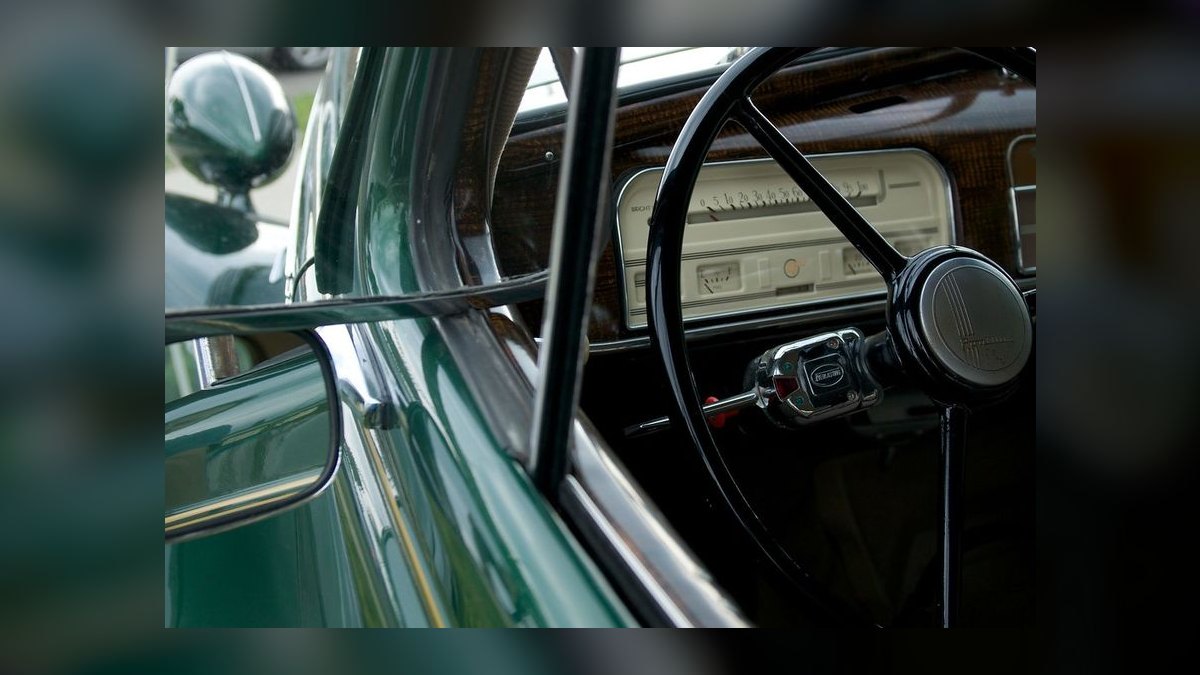
Yes, and many builders do. Coupling an electric motor to the existing manual gearbox via an adapter plate preserves the driveshaft and differential and simplifies the mechanical work. Most drivers end up leaving it in one gear, since electric torque makes shifting largely unnecessary.
Does a converted car still need emissions testing?
Usually not, once the title reflects the electric fuel type. Until reclassification is complete, though, you can be caught in limbo — registered as gas-powered but unable to take a test. Complete the DMV process promptly after the build.
What range should I plan for?
Budget 250 to 350 watt-hours per mile. A 40 kWh usable pack therefore yields roughly 115 to 160 miles in mild weather, less in cold weather with resistive heat, and noticeably less at sustained highway speeds.
How much does the battery alone cost?
New automotive-grade modules with BMS, enclosure, contactors, and wiring typically run $12,000 to $30,000 for a 30 to 50 kWh pack. Salvaged packs cost less per kilowatt-hour but carry unknown cycle history and reverse-engineering risk.
FAQ
How long does a professional sedan conversion take?
A shop with an existing kit for your chassis might complete the work in six to twelve weeks. A one-off engineering job on an uncommon platform routinely runs six months to a year. DIY builds in a home garage commonly stretch eighteen months to three years, and nearly everyone underestimates by a factor of two or three.
Can I do a conversion myself?

The mechanical half — pulling the engine, fabricating mounts, building an enclosure — is within reach of a competent home mechanic. The high-voltage and control half is not beginner work. A reasonable hybrid approach is to do the teardown and fabrication yourself and contract the high-voltage integration, BMS configuration, and commissioning to a specialist.
Which sedans make the best donors?
Rust-free bodies with manual transmissions, modest curb weight, and simple electrical architecture. Older cars without complex CAN-bus body modules are easier because there are fewer systems expecting an engine to exist. A chassis with an established conversion community is worth paying extra for.
Do federal EV tax credits cover conversions?
Generally no. U.S. clean vehicle credits are structured around vehicles produced by qualified manufacturers, which excludes shop and home conversions. Verify current rules with a tax professional, budget as though you receive nothing, and check separately for home charging equipment incentives, which sometimes do apply.
What happens to the heater and air conditioning?
Both need electric replacements. Cabin heat typically comes from a resistive PTC element or a coolant heater, which draws meaningful power from the traction pack and cuts winter range noticeably. Air conditioning requires an electric compressor to replace the belt-driven original, plus a system recharge.
Will insurance cover a converted vehicle?
Sometimes, but not automatically. Many mainstream carriers decline converted vehicles under standard policies. Specialty or agreed-value classic-car insurance is often the workable path. Confirm coverage before starting the build, not after — discovering you cannot insure the car is a painful way to end a project.
Sources
- https://afdc.energy.gov/vehicles/electric
- https://www.fueleconomy.gov/feg/evtech.shtml
- https://www.nhtsa.gov/equipment/vehicle-modifications
- https://www.energy.gov/eere/vehicles/articles/how-do-all-electric-cars-work
- https://www.epa.gov/greenvehicles/electric-vehicle-myths
- https://www.nfpa.org/education-and-research/electrical/electric-vehicle-safety
- https://www.irs.gov/credits-deductions/credit-for-new-clean-vehicles-purchased-in-2023-or-after
- https://www.consumerreports.org/cars/hybrids-evs/
- https://www.dmv.ca.gov/portal/vehicle-registration/
Related on PULSE
This page will be disappearing soon. Save it to your device for $1 — or read it free while it is here.
@Kory-White- · if Venmo asks, the last 4 of my number are 2012
This page is gone.
This one is off the shelf now. $1 keeps it on your phone for good — the whole page, pictures and diagrams included.
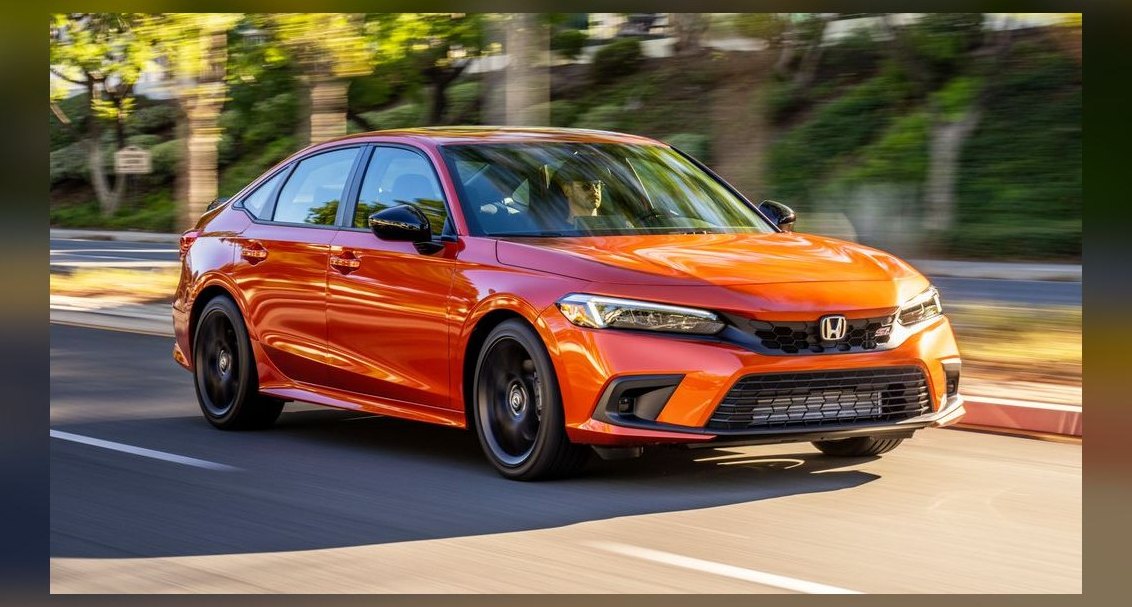 pulse-carsTop 10 Compact Sedans 2025 — Best Overall + Best Value
 pulse-carsBest Honda Civic Type R Generations (Ranked) in 2027
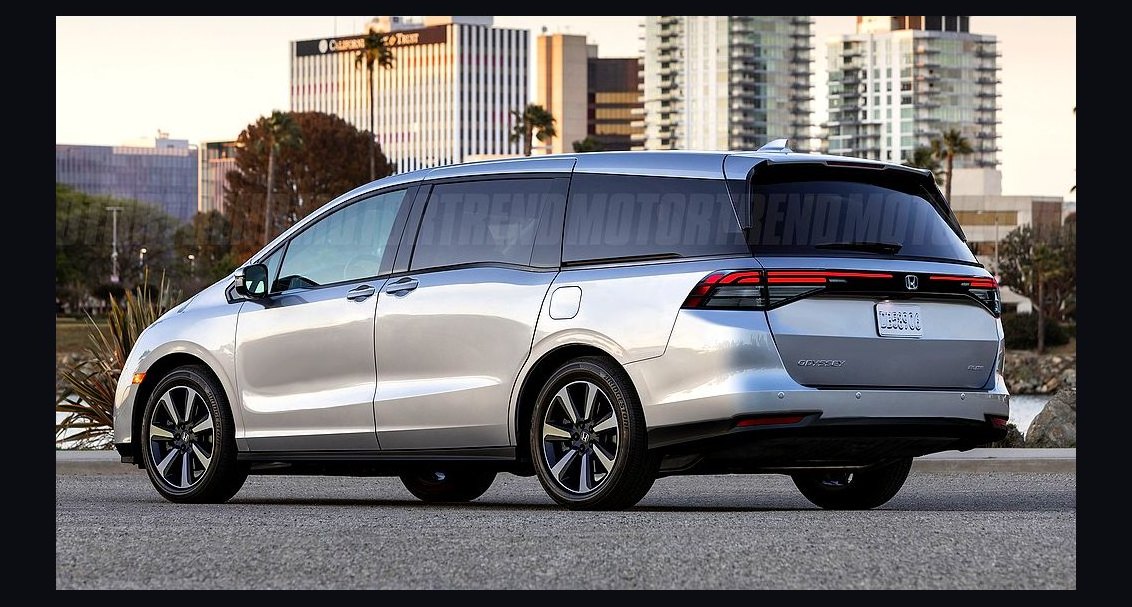 pulse-carsBest Honda Odyssey Generations (Ranked) in 2027
 pulse-carsBest BMW X7 Model Years (Ranked) in 2027
 pulse-carsBest Used AWD Cars Under $40,000 in 2027 (Ranked)
 pulse-carsBest Used AWD Cars Under $30,000 in 2027 (Ranked)
 pulse-carsBest Used Electric Cars Under $40,000 in 2027 (Ranked)
 pulse-carsBest Cars for Teen Drivers in 2027 (Ranked)
 pulse-carsBest Trucks for Short Drivers in 2027 (Ranked)
 pulse-carsBest Used Hybrid Cars Under $15,000 in 2027 (Ranked)