


How to Build a Hot Hatchback on a Budget (Step-by-Step Guide) in 2027
Quality
Certified

Building a hot hatchback on a budget in 2027 means buying a mechanically sound base car for $3,000–$9,000, then spending in strict order: maintenance, tires, suspension, brakes, and only then power. A disciplined $12,000–$18,000 all-in Build produces a genuinely quick, reliable street-and-track car if you sequence the money correctly.
The outcome you should expect
A realistic Budget hot hatchback Build is not a 400-horsepower monster. It is a car that weighs 2,600–3,000 lb, makes 200–300 crank horsepower, stops from 60 mph in under 120 feet repeatedly without fade, turns in flat and predictable, and still starts every morning in February. That combination is achievable on a total spend most people can carry over 12–24 months, and it is dramatically more fun than a stock car with twice the power and stock everything else.
Set the expectation in three buckets. The base car is $3,000–$9,000 depending on chassis, mileage, and rust. Deferred maintenance — the stuff the previous owner ignored — is $1,500–$3,500 on almost every used Hatchback with 120,000+ miles. Actual modifications are $5,000–$9,000 if you buy well and do most of the labor yourself. That lands a complete, sorted car in the $12,000–$18,000 range. If your total ceiling is $10,000, buy a cheaper base car and cut the power stage entirely; a $4,000 Hatchback with $4,000 of tires, suspension, brakes, and seat time will embarrass a $14,000 car with a turbo kit and worn shocks.
The performance you should expect at the end of a well-sequenced Build: 0–60 mph in the mid-to-high 5-second range for a turbocharged four-cylinder around 250–280 hp, or low 7s for a naturally aspirated 180–200 hp car. Skidpad grip in the 0.95–1.05 g range on a 200-treadwear tire. Consistent lap times rather than one hot lap followed by fading brakes and greasy tires. Fuel economy will drop 10–20 percent from stock, mostly from tires and driving style rather than the engine.
The outcome you should *not* expect is a car that is simultaneously the fastest, most comfortable, cheapest to insure, and most reliable option. Every choice in this Guide trades something. A 200-treadwear tire that grips beautifully wears out in 8,000–15,000 miles. Coilovers that let you corner-balance the car also transmit every expansion joint. A tune that adds 60 hp shortens the life of a clutch that was already at 130,000 miles. Deciding *which* trade you are making, before you spend, is the single skill that separates a good Budget Build from an expensive pile of mismatched parts.
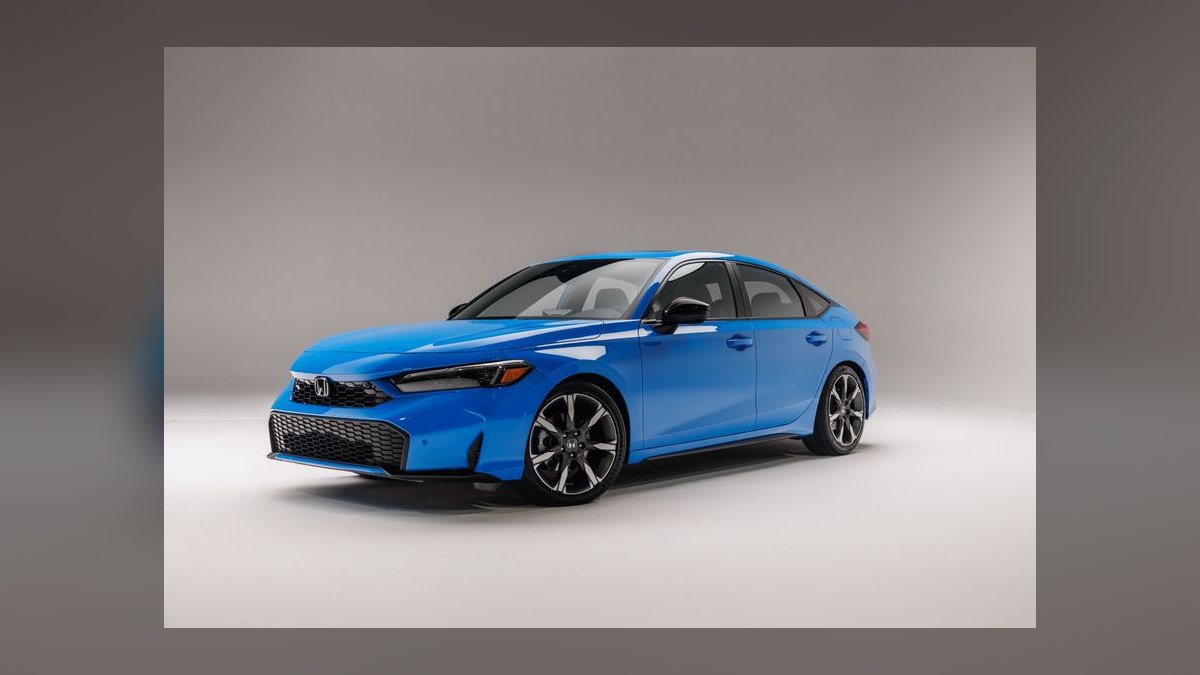
Time is also part of the outcome. Plan on 80–150 hours of your own labor across a full Build if you are doing suspension, brakes, bushings, and bolt-on intake/exhaust work yourself. At a shop rate of $130–$200 per hour in 2027, that labor would otherwise be $10,000–$30,000 — which is precisely why DIY is the load-bearing assumption of every Budget hot Hatchback. If you cannot or will not turn wrenches, your realistic Budget doubles, and you should buy a car that is already modified by someone competent instead.
What drives that outcome
Four variables drive whether a Budget Build succeeds: base car selection, the order you spend money, parts sourcing, and how much labor you absorb yourself. Get all four right and a $14,000 total spend feels like a $40,000 car. Get base car selection wrong and nothing downstream saves you.
Base car selection dominates because it sets your parts cost forever. A chassis with a deep aftermarket and huge production numbers — think mainstream compact Hatchbacks that sold in the hundreds of thousands — has $200 coilover options, $40 control arm bushings, used OEM parts in every junkyard, and a decade of forum posts telling you exactly which bolt seizes. A rare or grey-market chassis with the same power output can cost three times as much per modification and leave you waiting six weeks for a part from overseas. Aftermarket depth is worth more than 30 horsepower of factory advantage.
Rust is the hard filter. A chassis with structural corrosion in the subframe mounts, rear shock towers, rocker panels, or floor pans is not a Budget car — it is a welding project with a car attached. Budget $0 for a rusty shell no matter how cheap it is. Inspect with a flashlight and a small screwdriver: press firmly on suspicious areas, look at seams and pinch welds, pull the carpet at the footwells, and check where the rear beam or subframe bolts into the body. Surface rust on a subframe is fine. Flaking, scaling, or anything that gives under pressure is a hard no.
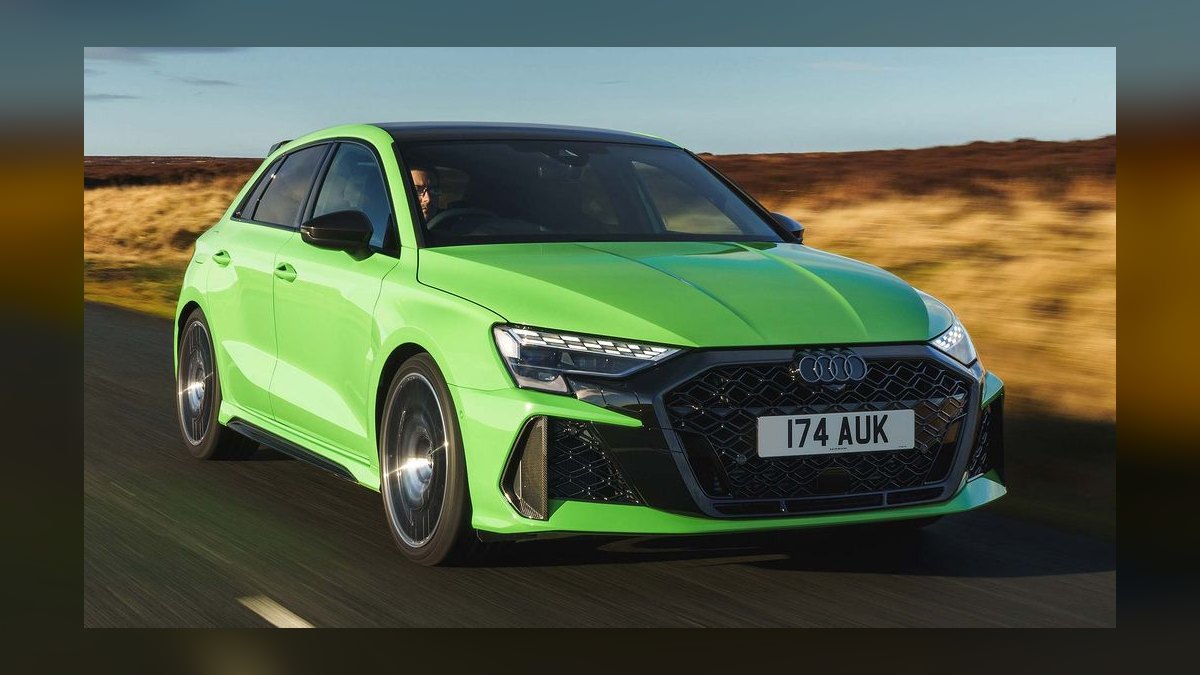
Spend order is the second driver, and the one most builders get backwards. The correct order is: safety and structure, then tires, then suspension and alignment, then brakes and fluid, then driver training, then power. The reason is that every dollar spent on grip and control improves the car in every condition, at every speed, on every road — while power only helps when the road is straight and dry and you already have the traction to use it. A car with 300 hp on all-season tires and 140,000-mile shocks is slower, less safe, and less enjoyable than the same car with 180 hp, sticky rubber, and fresh dampers.
Parts sourcing is the third driver and the biggest lever on total cost. The same functional outcome can cost $900 or $3,200 depending entirely on where you buy. Used take-off parts from people who upgraded, junkyard OEM components, group buys, off-season sales, and open-box or blemished stock routinely run 40–70 percent below new retail. The discipline is knowing which categories are safe used and which are not. Safe used: wheels, intercoolers, intakes, exhaust sections, shift linkages, seats with current-enough date codes, body panels, interior trim. Never used: brake pads and rotors, tires older than five years regardless of tread, harnesses past their expiry, clutch discs, timing components, ball joints, and any rubber bushing or hose.
Labor absorption is the fourth. Rank jobs by skill required and consequence of failure. Do yourself: fluids, pads, rotors, springs on a compressor you rent, sway bars, bushings with the right press or pusher, intake, cat-back exhaust, spark plugs, and most bolt-on work. Pay a professional for: alignment (always — a $120–$200 alignment protects a $1,200 tire investment), corner balancing, welding, any fuel system work you are not certain about, and anything involving the timing set on an interference engine. The rule is simple: if a mistake makes the car unsafe rather than merely broken, and you have not done it before, pay someone.
Benchmarks and realistic ranges
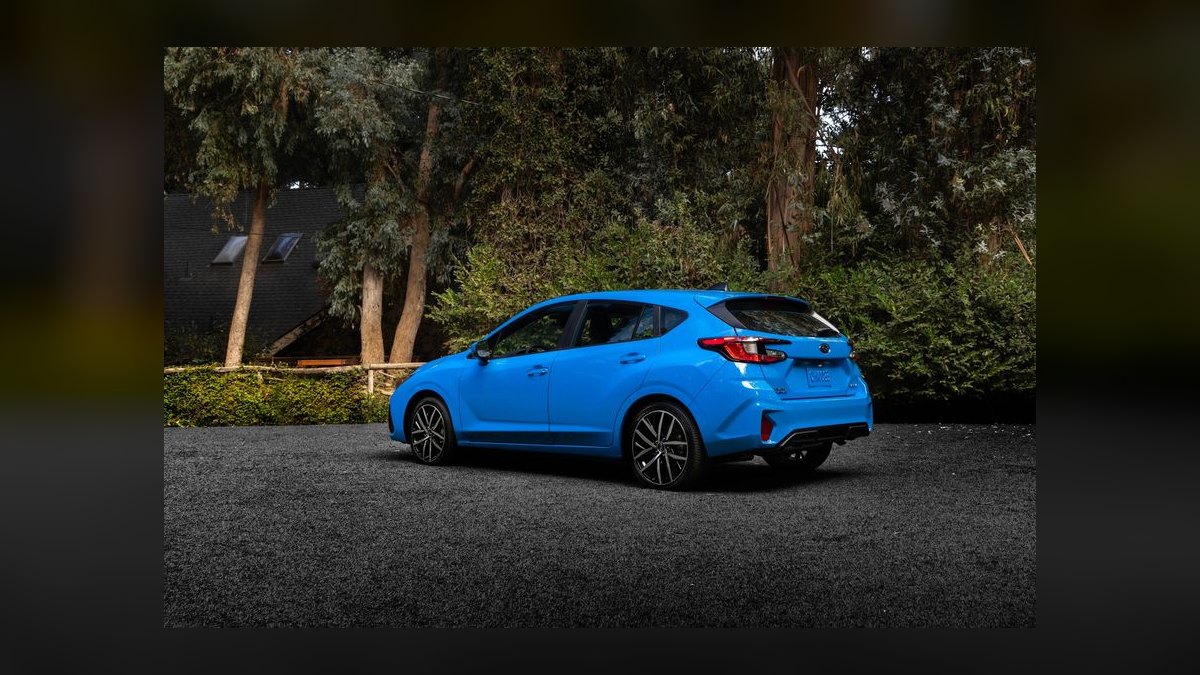
Numbers keep a Build honest. These are the ranges to plan against in 2027; regional variation is real, so treat them as planning figures rather than quotes.
Base car. $3,000–$5,000 buys a high-mileage example with cosmetic flaws and a maintenance backlog. $5,000–$7,500 buys a sorted daily driver with service history. $7,500–$9,000 buys a low-mileage or already-desirable performance trim. The middle band usually wins on total cost, because a $3,500 car with a $3,000 backlog costs the same as a $6,500 car with none — but you spend three months of weekends catching up instead of driving.
Deferred maintenance baseline. Before a single performance part: all fluids including transmission and differential ($150–$300 in parts), spark plugs ($40–$120), belts ($60–$200), all four brake rotors and pads ($250–$500), a full set of tires if the existing set is old ($500–$900), the timing belt or chain service if due ($300–$900 DIY, $900–$2,000 at a shop), motor mounts if collapsed ($120–$400), and a full ball joint, tie rod, and bushing inspection. This is the $1,500–$3,500 bucket and it is not optional.
Tires. The single highest-return purchase. A 200-treadwear extreme performance summer tire in a common 17-inch size runs roughly $180–$280 each in 2027, so $720–$1,120 a set. A 300-treadwear ultra-high-performance summer tire is $140–$220 each and lasts two to three times longer. Expect the 200TW set to last 8,000–15,000 street miles or roughly 25–45 track days' worth of heat cycles. Do not buy a wider tire than the chassis can use: going from a 205 to a 245 on a car with no fender or suspension changes usually buys rubbing, more understeer from the added scrub, and worse wet performance.
Wheels. A used set of lightweight cast or flow-formed wheels in the correct offset runs $400–$900. New flow-formed sets are $700–$1,400. Every pound saved per corner in unsprung rotating mass is worth several pounds of static weight for ride and response. A common trap is buying wheels with the wrong offset because they were cheap — a 15mm offset error changes scrub radius, loads wheel bearings differently, and can put the tire into the strut or fender under compression.

Suspension. Three tiers. Quality lowering springs on fresh OEM-spec dampers: $250–$450 for springs, $300–$600 for dampers — good ride, modest drop, very reliable. Entry monotube coilovers: $900–$1,600 a set, adjustable height and often single-adjustable damping. Serious street/track coilovers: $1,800–$3,500. Add a rear sway bar ($150–$350) and adjustable end links ($80–$180); on a front-drive Hatchback, a stiffer rear bar is the cheapest way to rotate the car. Add $120–$250 for a performance alignment and, if you have coilovers, $200–$400 for corner balancing.
Brakes. For most Budget builds, do not buy a big brake kit. Buy street/track pads ($150–$350 per axle), blank or lightly-slotted rotors ($120–$350 a set), stainless lines ($70–$150), and high-temperature fluid ($20–$60 per liter, and plan on bleeding before every event). That $400–$900 package handles far more heat than most drivers will ever generate. A $2,000–$3,500 big brake kit adds unsprung weight, requires specific wheels, and rarely improves lap times on a light Hatchback. Brake ducting — $80–$250 in hose and backing plates — outperforms bigger calipers for repeated stops.
Power. Ranges depend heavily on whether the engine is naturally aspirated or turbocharged. On a turbo four, a tune alone typically yields 15–30 percent more power for $400–$900, and an intake, downpipe or high-flow exhaust, and intercooler package adds $800–$2,000 in parts for another meaningful step. On a naturally aspirated engine, bolt-ons are brutally poor value: intake, header, and exhaust together might return 8–15 hp for $900–$2,200. NA power comes from displacement, compression, camshafts, and head work — a $4,000–$8,000 proposition — or from an engine swap. This asymmetry is why turbocharged base cars dominate Budget hot Hatchback builds.
Supporting mods once power rises. A clutch and lightweight flywheel for a car making 30 percent more torque: $600–$1,400 in parts. Upgraded engine and transmission mounts: $150–$400. A larger radiator or oil cooler for track use: $300–$800. A limited-slip differential — mechanical or helical — is $900–$1,800 plus installation and is arguably the best handling mod on any front-drive Hatchback making over 220 hp, because without it the inside front wheel simply lights up on corner exit.

Safety. A fixed-back seat with a proper mount is $500–$1,200 per seat with brackets. Harnesses require a harness bar or cage to be safe; a lap belt anchored badly is worse than the factory three-point. Budget builders should generally keep the factory seat and belts for street use and add a fire extinguisher ($60–$150 mounted) plus a track-day helmet ($250–$700). Do not install a harness without the structure to support it.
Insurance and registration. Modified-car insurance in 2027 varies enormously by jurisdiction and disclosure rules. Get a quote *before* you buy the base car, and understand your local inspection regime: many regions test emissions equipment, ride height, tire coverage, glass tint, and lighting. A Build that cannot be registered is a track toy whose transport costs you did not budget for.
Risks, edge cases, and failure modes
The most common failure is running out of money at 70 percent complete. It happens because builders spend on the exciting things first — wheels, exhaust, a tune — and then discover a $1,400 clutch, a $900 timing service, and a $700 set of control arms standing between them and a drivable car. The defense is a written parts list with prices for the *entire* Build before the first purchase, plus a 25 percent contingency line. If the total with contingency exceeds your ceiling, cut a stage now rather than discovering it later with the car on jack stands.
The second failure mode is the mismatched car. Power without grip, grip without brakes, brakes without cooling, or stiff suspension without corresponding tire and alignment work all produce a car that is worse than stock in real conditions. The classic version: coilovers slammed to the lowest setting, which destroys suspension geometry, wrecks the roll center, causes bump steer, and makes the car both slower and unpleasant. Ride height is a performance setting, not a style setting. Most front-drive Hatchbacks want a modest 20–35mm drop from stock, not 60mm.
Third: the seized-fastener spiral. On a 15-year-old car, exhaust studs, subframe bolts, caliper bracket bolts, and suspension hardware are often corroded solid. A two-hour job becomes a two-day job with an extractor set and a torch. Mitigation is procedural — soak fasteners in penetrant 24 hours ahead, buy the replacement hardware *before* you start, own a decent breaker bar and a proper impact, and never start a job on a car you need to drive Monday.
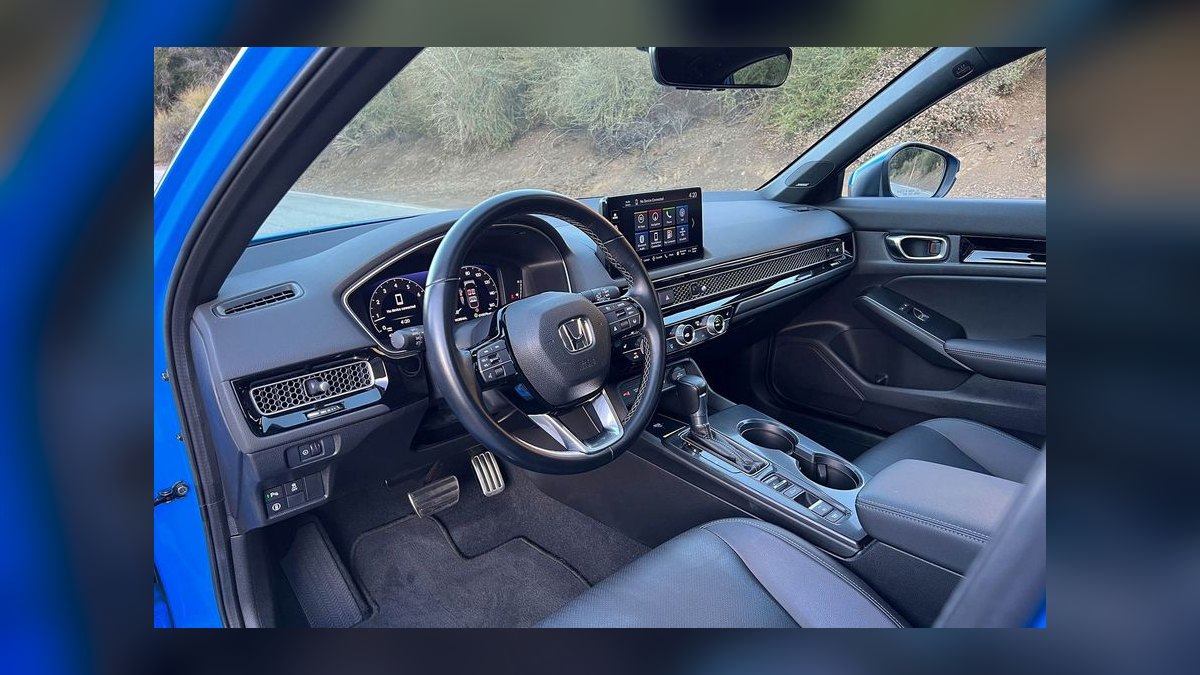
Fourth: engine reliability at the edge. Aggressive tunes on high-mileage engines expose every weak component simultaneously. Before adding boost, verify compression and leakdown, replace the spark plugs with the correct heat range and a tighter gap where the tuner specifies, confirm the fuel pump and injectors have headroom, check for oil consumption, and address any known weak point in that specific engine family. A $700 tune that grenades a $3,000 engine is not a Budget modification. Data logging after the tune — knock counts, intake air temperatures, fuel trims, oil temperature — is free and catches problems before they become metal.
Fifth: heat. Budget Hatchbacks were engineered for commuting, not for twenty-minute sessions at nine-tenths. Oil temperature is usually the first limit, then transmission fluid, then brakes. Symptoms of exceeding thermal capacity include falling oil pressure when hot, a soft pedal after four laps, and the car pulling timing under sustained load. Fixes are cheap relative to consequences: a quality synthetic with the right viscosity, an oil cooler with a thermostat, a brake duct, a hood vent, and — most importantly — shorter sessions and a cooldown lap.
Sixth: the "just one more part" spiral. Budget builds die by scope creep. A useful rule is the one-in-one-out queue: nothing gets bought until the previous part is installed, tested, and the car has been driven. This does two things — it prevents a garage full of unopened boxes, and it forces you to evaluate whether the last change actually helped before spending again.
Seventh: legality and neighbors. Straight-piped exhausts, removed catalytic converters, and aggressive tunes that disable emissions monitors create legal exposure that varies by jurisdiction, can void the ability to register the car, and in many places carry meaningful fines. Removing emissions equipment on a street-registered vehicle is illegal in many jurisdictions. A high-flow catted downpipe with a resonated exhaust gives most of the flow benefit while keeping the car registerable and civil at 6am.
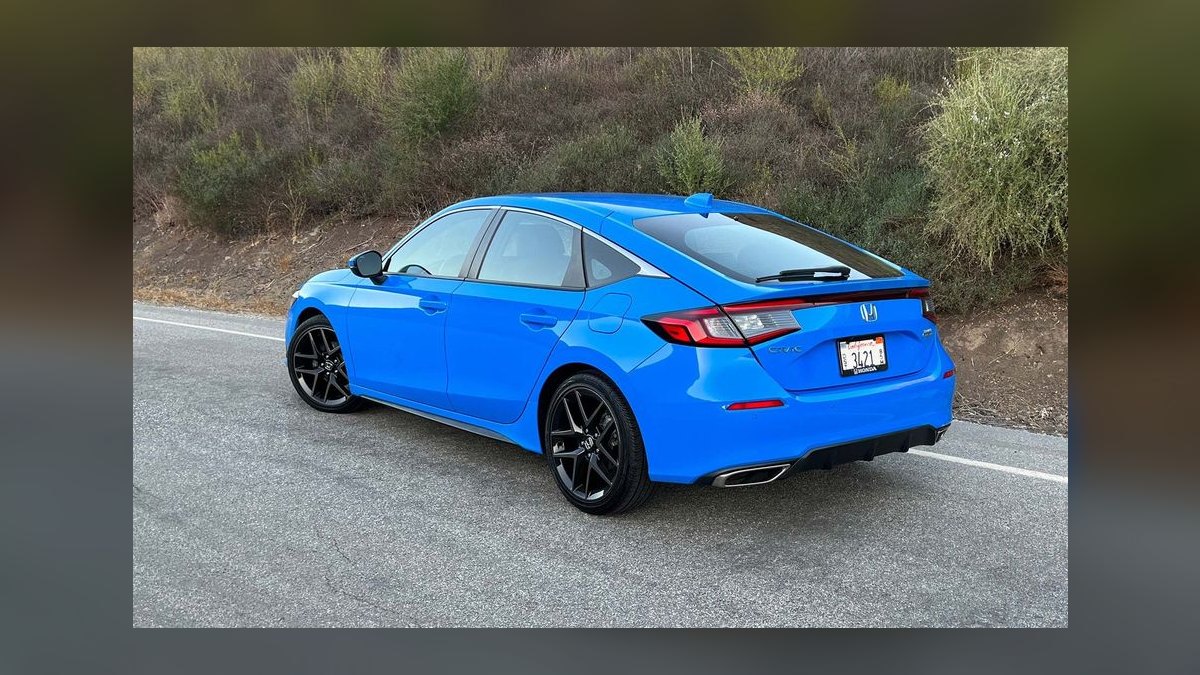
Eighth: resale reality. Modified cars almost always sell for less than the sum of their parts. Assume you will recover 30–50 percent of your modification spend if you sell the car complete, and 50–70 percent if you part it out and sell the shell separately — but parting out costs you 20–40 hours of listing, packing, and shipping. Keep every stock part in labeled boxes. Selling a modified car with a complete set of factory suspension, wheels, and exhaust available to the next owner is worth real money and often decides the sale.
Finally: the driver. The largest single performance variable in a Budget hot Hatchback is not any part on this list. A day of instructed autocross or an HPDE weekend with a coach — $150–$500 for autocross entries and instruction, $400–$900 for a track weekend — reliably produces bigger lap-time gains than $3,000 of parts. Spend on seat time before the second round of hardware, always.
A practical rollout plan
Run the Build in stages with a drivable, sorted car at the end of each. Never disassemble past the point where you could reassemble in a weekend.
Stage 0 — Selection and inspection, week 1–4. Set the total Budget and write the parts list. Shortlist two or three chassis with strong aftermarket support and known weak points you can live with. Inspect candidates in daylight: compression or leakdown numbers if you can get them, cold start behavior, clutch engagement point, gearbox synchro feel in 2nd and 3rd, steering rack play, wheel bearing noise, and rust in every location listed earlier. Pull the oil cap and dipstick. Scan for stored and pending codes with a $30 reader. Walk away from anything with a salvage history, mismatched panel gaps, or a seller who will not let you put it on a lift.
Stage 1 — Catch up on maintenance, month 1–2, $1,500–$3,500. Every fluid, every filter, plugs, belts, timing service if due, all four corners of brakes, and a full inspection of ball joints, tie rods, control arm bushings, motor mounts, and the exhaust. Fix every leak. Drive the car for two to four weeks in this state and log what it actually does. This stage is not optional and it is where most people are tempted to cheat; do not.
Stage 2 — Tires and alignment, month 2–3, $900–$1,600. Correct size, 200–300 treadwear summer tire, plus a performance alignment. On most front-drive Hatchbacks, ask for roughly -1.5° to -2.5° front camber, minimal front toe or a hair of toe-out, and as much rear camber as the chassis allows with a small amount of rear toe-in for stability. Drive it. This alone will change the car more than any other single purchase.
Stage 3 — Suspension, month 3–5, $700–$2,500. Springs and dampers or coilovers, a rear sway bar, adjustable end links, and fresh bushings in the highest-wear locations. Set ride height sanely — measure fender-to-hub at all four corners and keep the drop modest. Re-align afterward, always. Corner balance if you went the coilover route and plan to track the car.
Stage 4 — Brakes and cooling, month 5–6, $500–$1,200. Street/track pads, quality rotors, stainless lines, high-temp fluid, and ducting. Add an oil cooler with a thermostat if you are tracking. Bleed the brakes before every event.
Stage 5 — Seat time, month 6–8, $500–$1,500. Autocross monthly, one or two HPDE weekends, and a data or video setup — even a phone with a lap timer app. Find out where the car is actually limited before spending on power. Many builders stop here permanently and are entirely happy.
Stage 6 — Power, month 8–14, $1,200–$4,000. Only now. On a turbo car: intake, downpipe or high-flow exhaust, intercooler, then a reputable tune with logging. On an NA car: reconsider — a limited-slip differential and a lighter flywheel usually beat bolt-ons for the same money. Support the power with a clutch rated above your new torque figure, stiffer mounts, and adequate cooling. Log every drive for the first month after tuning.
Track everything in a single spreadsheet: part, source, price paid, date installed, and a one-line note on whether it helped. That log is your defense against scope creep, your evidence when something fails, and — when you eventually sell — the document that convinces a buyer the car was built by someone who knew what they were doing.
Related questions
Is a naturally aspirated or turbocharged base car better on a budget?
Turbocharged, almost always. A tune plus supporting bolt-ons on a turbo four returns 15–30 percent more power for under $2,500 in parts. The same money on a naturally aspirated engine typically returns single-digit percentages, because NA gains require camshafts, compression, or head work.
How much should I spend before touching the engine?

Roughly 60–70 percent of the total Build. Maintenance, tires, alignment, suspension, brakes, and seat time should all be complete and proven before any power modification. If money runs out at that point, you still own a genuinely fast, safe, enjoyable car.
Are coilovers worth it over lowering springs?
Only if you need adjustability. Springs on fresh OEM-spec dampers cost $550–$1,050 and ride better than cheap coilovers. Coilovers earn their $900–$3,500 when you corner-balance, run track events, or need to dial ride height and damping for specific conditions.
What is the single highest-return modification?
Tires, by a wide margin. A set of 200–300 treadwear summer tires for $700–$1,100 changes braking distance, cornering grip, turn-in response, and confidence more than any suspension, brake, or power modification at the same price.
Should I buy a car someone else already modified?
Sometimes — it can save 40–60 percent versus building the same spec. But you inherit unknown maintenance history and unknown tuning decisions. Insist on receipts, a compression or leakdown test, and a full inspection, and assume you will redo the fluids and brakes immediately.
FAQ
How much does a complete budget hot hatchback build cost in 2027?
Plan on $12,000–$18,000 all-in for a fully sorted car: $3,000–$9,000 for the base car, $1,500–$3,500 for deferred maintenance, and $5,000–$9,000 for modifications, assuming you do most of the labor yourself. A tighter $8,000–$10,000 Build is entirely viable if you buy a cheaper base car and skip the power stage — and that car will still be quick, safe, and fun. If you pay shop rates for all labor, roughly double the modification portion.
Can I daily drive a budget hot hatchback build?

Yes, if you choose parts with that in mind. Keep the drop modest, choose 300-treadwear tires or keep a second wheel-and-tire set for winter, use street/track pads rather than dedicated race compounds, and keep a resonated exhaust rather than a straight pipe. The daily-drivable version of every choice in this Guide costs the same or less than the extreme version; it just makes different trade-offs on ultimate grip and noise.
Which parts should I never buy used?
Anything that wears, absorbs energy, or fails without warning: brake pads and rotors, tires older than five years regardless of tread depth, harnesses past their expiry date, clutch discs, timing belts and tensioners, ball joints, bushings, rubber hoses, and helmets. Wheels, intercoolers, intakes, exhaust sections, seats, body panels, and interior trim are generally safe used — inspect wheels for cracks and bends before buying.
Do I need a limited-slip differential?
Not immediately, but it becomes the best handling money you can spend once a front-drive Hatchback is making roughly 220 hp or more. Without one, the inside front wheel simply spins on corner exit and much of your new power never reaches the road. Budget $900–$1,800 for the unit plus installation, and treat it as a Stage 6 supporting mod rather than an early purchase.
How do I keep a budget build from becoming an expensive project car?
Write the full parts list with prices before buying anything, add 25 percent contingency, and enforce a one-in-one-out rule: no new part is ordered until the previous one is installed, tested, and driven. Keep the car drivable at the end of every work session. Log every purchase and whether it actually helped. Most abandoned builds die from unbounded scope, not from any single bad decision.
Is it cheaper to buy an already-fast car instead of building one?
Often, yes — on paper. A factory performance Hatchback with warranty coverage and engineered-in cooling and brakes can cost less than a comparable Build once you count your time. The reasons to Build anyway are specificity (a car set up exactly for how you drive), knowledge (you learn every system on the car), and the fact that a well-sorted $14,000 Build frequently outperforms a $30,000 stock car on a track.
Sources
- https://www.tirerack.com/
- https://www.nhtsa.gov/
- https://www.scca.com/
- https://www.epa.gov/vehicles-and-engines
- https://www.iihs.org/
- https://www.consumerreports.org/cars/
- https://www.sae.org/
- https://www.nasaproracing.com/
Related on PULSE
- How to choose between lowering springs and coilovers on a front-drive car
- Track-day brake fluid and pad selection for high-mileage street cars
- What a performance alignment actually changes, corner by corner
- Buying a used performance car: the rust and drivetrain inspection checklist
- When a limited-slip differential is worth more than horsepower
- Budget wheel and tire sizing: offset, width, and what actually fits
This page will be disappearing soon. Save it to your device for $1 — or read it free while it is here.
@Kory-White- · if Venmo asks, the last 4 of my number are 2012
This page is gone.
This one is off the shelf now. $1 keeps it on your phone for good — the whole page, pictures and diagrams included.
 pulse-carsTop 10 Family Sedans 2027 — Best Overall + Best Value
 pulse-carsTop 10 Diesel Trucks 2023 — Best Overall + Best Value
 pulse-carsBest Used Wagons Under $25,000 in 2027 (Ranked)
 pulse-carsBest Three-Row Hybrid SUVs in 2027
 pulse-carsBest Nissan 370Z Model Years (Ranked) in 2027
 pulse-carsWhat are the best used subcompact SUVs under $10,000 for off-road camping in the Pacific Northwest in 2027?
 pulse-carsBest Honda Accord Hybrid Generations (Ranked) in 2027
 pulse-carsTop 10 Family Sedans 2026 — Best Overall + Best Value
 pulse-carsBest Subaru WRX Model Years (Ranked) in 2027
 pulse-carsBest Used AWD Cars Under $30,000 in 2027 (Ranked)