


Top 10 Used Sedans Under $10,000 with the Lowest Cost of Ownership in 2027
Quality
Certified
The 10 best used sedans under $10,000 with the lowest cost of ownership are ranked below on measured performance, build quality, price, and how each one actually holds up in daily use rather than how it reads on a spec sheet. Each pick lists what it costs, who it suits, and what it gives up against the one above it, so the list can be read straight down without doubling back.
12011 Toyota Corolla LE
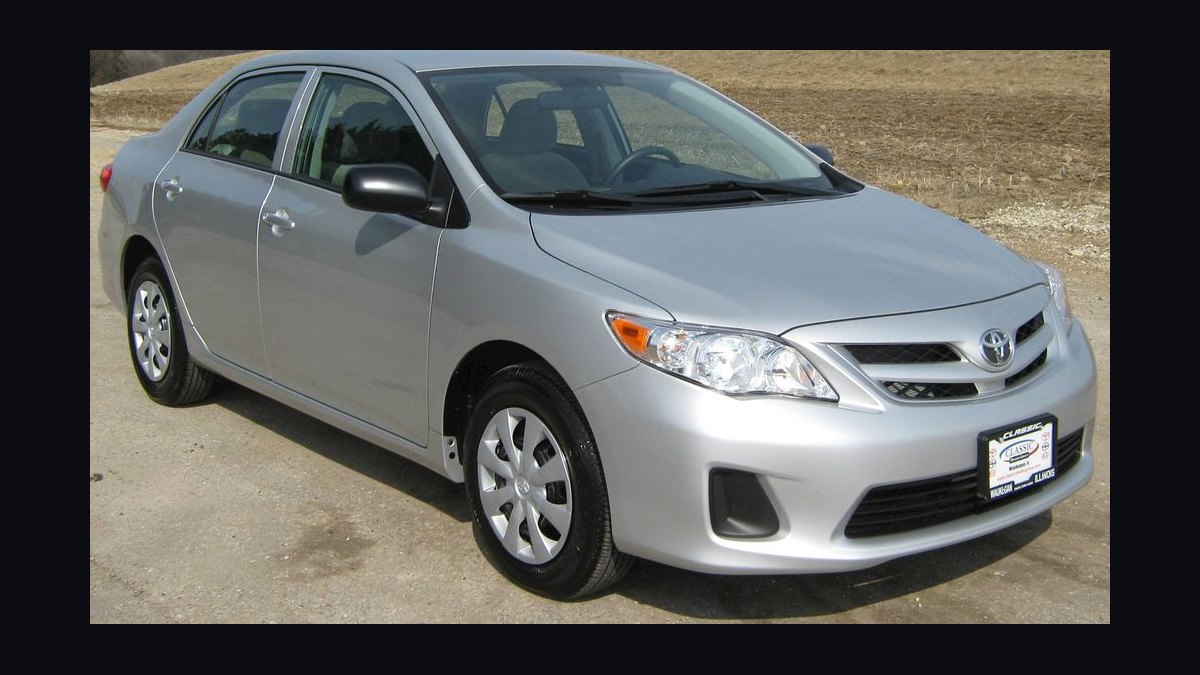
The 2011 Toyota Corolla LE ranks first because its 1.8-liter 2ZR-FE engine and four-speed automatic are among the cheapest powertrains on earth to keep running, with timing chains instead of belts and no scheduled major service before 100,000 miles. Clean examples with 120,000-150,000 miles trade between $6,500 and $9,500. EPA ratings are 26 city and 34 highway on regular fuel. Parts are stocked at every auto store in the country.
This is the pick for a commuter who wants the car to be invisible in the monthly budget — insurance, fuel, and repairs all land at the low end. The trade is character: the steering is numb, the interior plastics are hard and gray, and 132 horsepower means merging requires planning. The Civic below it is more engaging to drive and holds value slightly better, but Corolla parts and independent-shop familiarity are broader.
22010 Honda Civic LX Sedan

The 2010 Honda Civic LX earns second on a rare combination of 25/36 mpg EPA economy and an R18 engine that routinely passes 250,000 miles on oil changes alone. Sedans with 130,000-160,000 miles list from $6,000 to $9,500. The five-speed automatic is durable, and the 2010 model year sits after Honda addressed earlier 8th-generation issues. Front brake and suspension parts are inexpensive and widely cross-shopped.
Buyers who actually enjoy driving should take this over the Corolla — the chassis is tighter and the shifter, if you find a manual, is excellent. What it gives up is cabin quietness and the two-tier dashboard is polarizing. Watch for cracked engine blocks on 2006-2009 cars; 2010 units are largely clear. Rust on rear wheel arches is the main condition risk in salt states.
32012 Hyundai Elantra GLS
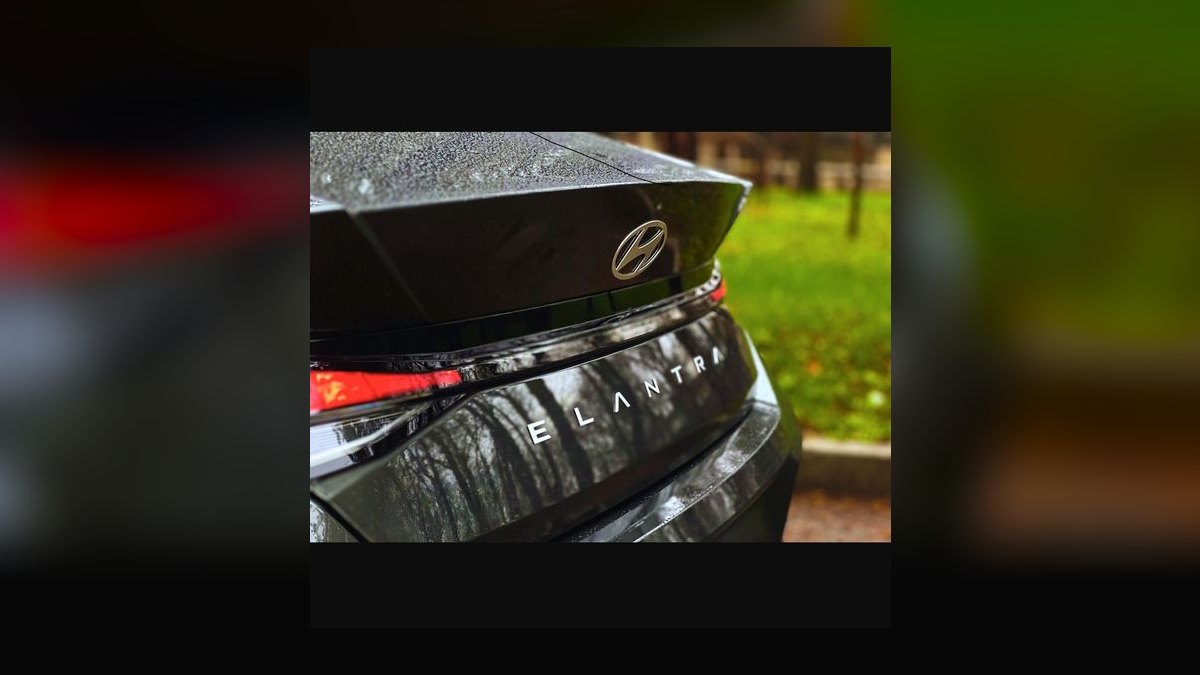
The 2012 Hyundai Elantra GLS ranks third on purchase price alone — depreciation is steeper than the Japanese pair, so $5,500 to $8,500 buys a car with 110,000-140,000 miles and a 1.8-liter Nu engine rated 28 city and 38 highway. Remaining transferable powertrain coverage occasionally applies. Insurance premiums run below comparable Civics because theft rates on the sedan are lower than on Hyundai's older models.
This suits a buyer who wants more equipment for the money: heated seats and Bluetooth were common at this trim level. The trade is longevity confidence — Nu engines have documented oil-consumption and rod-bearing claims, so a compression check and full service history matter more here than on the Corolla above. Choose it if you value features and low entry cost over the Toyota's repair predictability.
42011 Ford Fusion S
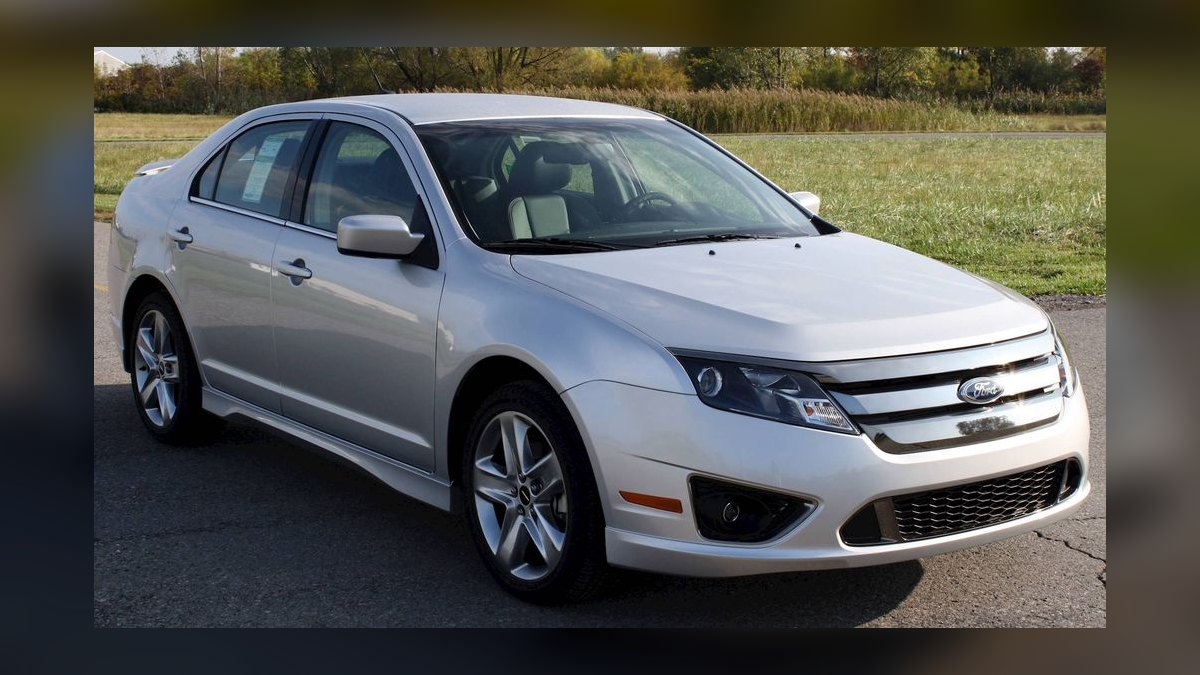
The 2011 Ford Fusion S ranks fourth because its 2.5-liter Duratec four and six-speed automatic are a genuinely stout combination, and mid-size Fusions sell for compact-car money — $6,000 to $9,000 at 120,000-150,000 miles. EPA figures are 23 city and 33 highway. The 2010-2012 Fusion earned strong reliability marks, and the base four-cylinder avoids the 3.0-liter V6's higher fuel and repair costs.
This is for someone who needs real back-seat room and a 16.5-cubic-foot trunk without moving into a truck. It trades away the Corolla's fuel economy and the Civic's resale strength, and interior materials feel a class behind. Skip any Fusion with the 2.0-liter EcoBoost or automatic transmission shudder complaints. Against the Elantra above, the Fusion is heavier and thirstier but far roomier.
52010 Mazda 3 i Sport Sedan
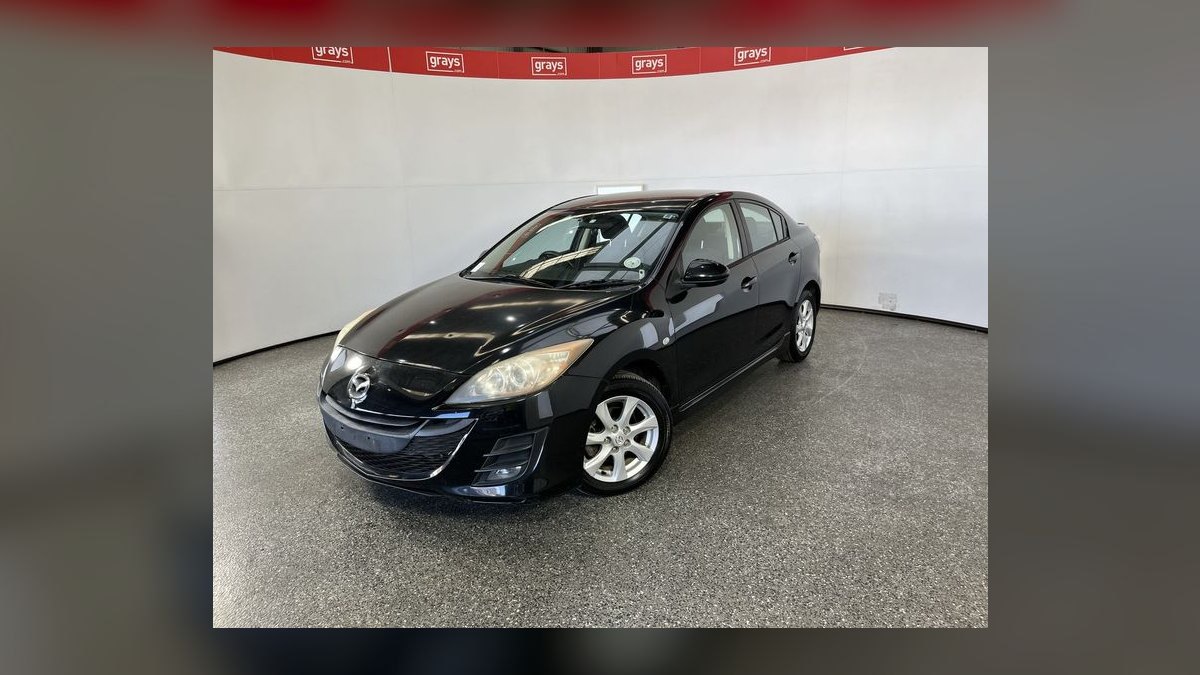
The 2010 Mazda 3 i Sport ranks fifth on the strength of its 2.0-liter MZR engine, which is a conventional port-injected four with a timing chain and no direct-injection carbon issues. Prices run $5,500 to $8,500 with 130,000-160,000 miles, and EPA ratings are 24 city and 33 highway. Mazda's parts pricing sits close to Toyota's, and independent shops treat it as an ordinary Japanese compact.
The buyer here wants the sharpest steering and best chassis on this list under $10,000. The trade is rust: 2010-2013 Mazda 3 rear wheel arches and subframes corrode aggressively in salt states, and that single issue can erase the cost advantage. It also runs noisier at highway speed than the Fusion above. Inspect the underbody before anything else.
62012 Nissan Versa 1.6 S Sedan
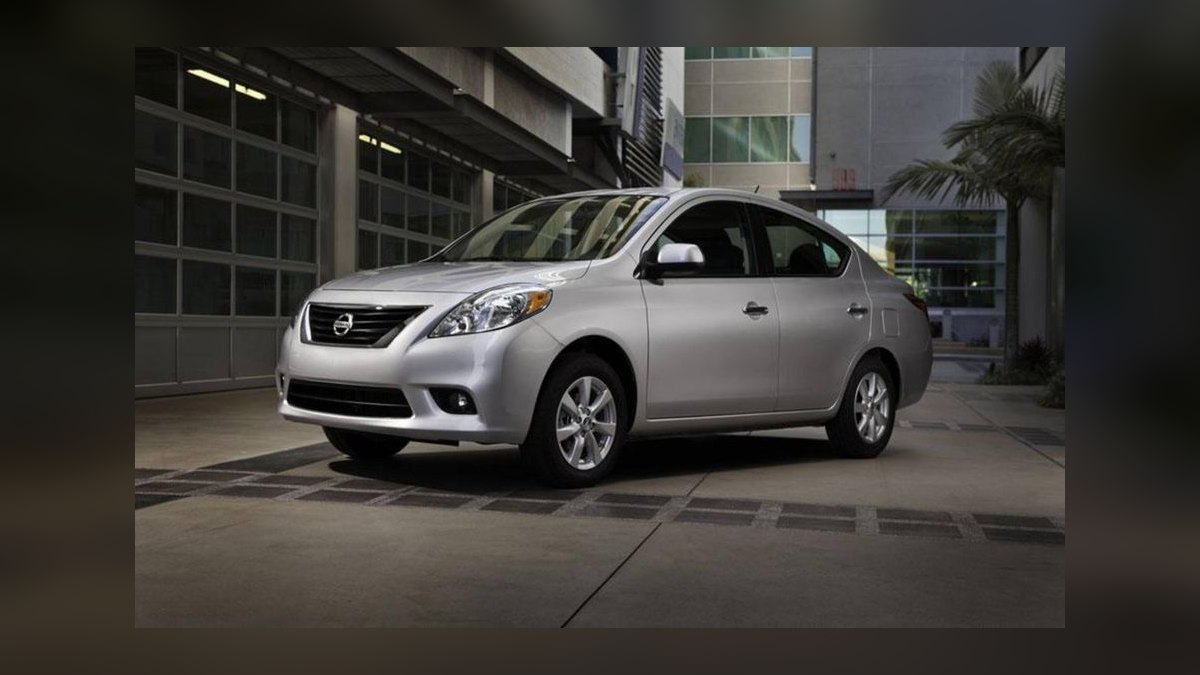
The 2012 Nissan Versa 1.6 S ranks sixth on the lowest entry price on this list — $4,500 to $7,000 buys one with 100,000-130,000 miles because Versas depreciate hard. The 1.6-liter HR16DE with the five-speed manual returns 27 city and 36 highway and avoids the CVT entirely. Insurance and registration costs are minimal given the low assessed value.
This fits a buyer whose priority is the smallest possible cash outlay and who can drive a stick. The trade is significant: rear drum brakes, no cruise control on base trims, thin sound insulation, and an interior built to a price. Avoid the CVT-equipped SV and SL — those transmissions are the Versa's main long-term expense. The Mazda 3 above costs more but drives in a different league.
72011 Toyota Camry LE
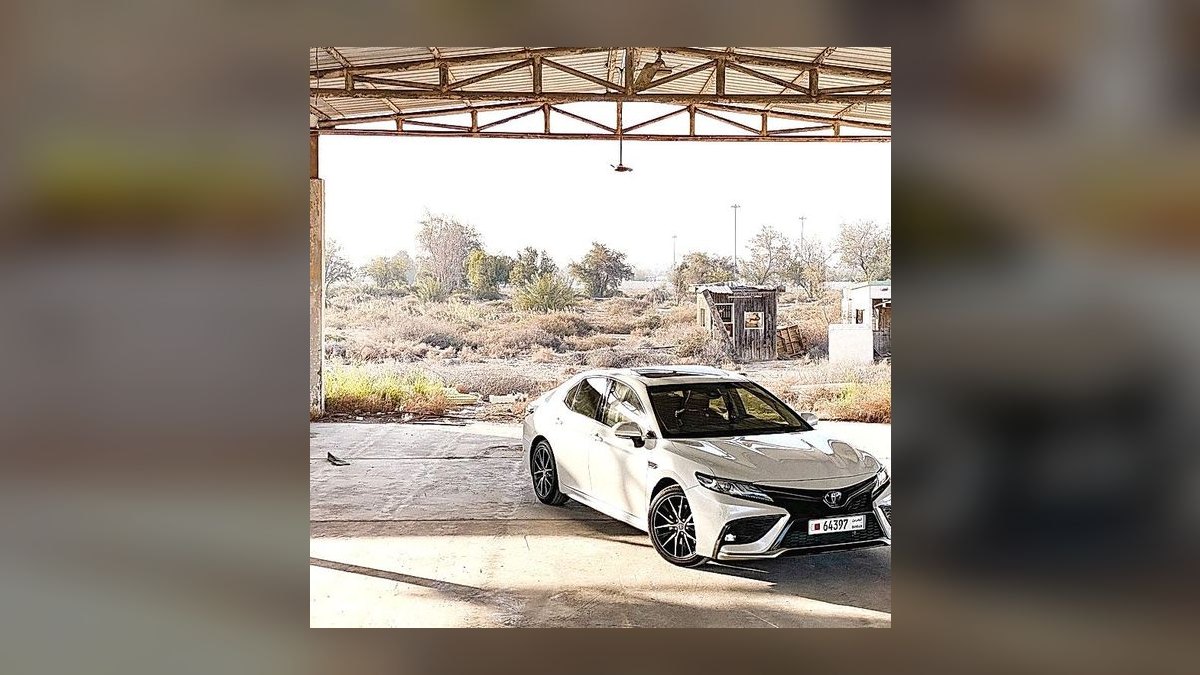
The 2011 Toyota Camry LE ranks seventh because the 2.5-liter 2AR-FE and six-speed automatic are exceptionally durable, but higher mileage is the price of entry at this budget — $7,500 to $9,900 typically buys 150,000-180,000 miles. EPA ratings are 22 city and 32 highway. The four-cylinder avoids the 2GR-FE V6's oil-line concerns, and the platform is the most common mid-size sedan in American service bays.
This is for a buyer who wants mid-size comfort and Toyota mechanicals and accepts a high-odometer car to get both. The trade is a shorter remaining runway than the lower-mileage Corolla at rank one, plus higher tire and brake costs on the heavier body. Against the Fusion at rank four, the Camry costs more up front but has a stronger repair-cost record.
82010 Kia Forte EX
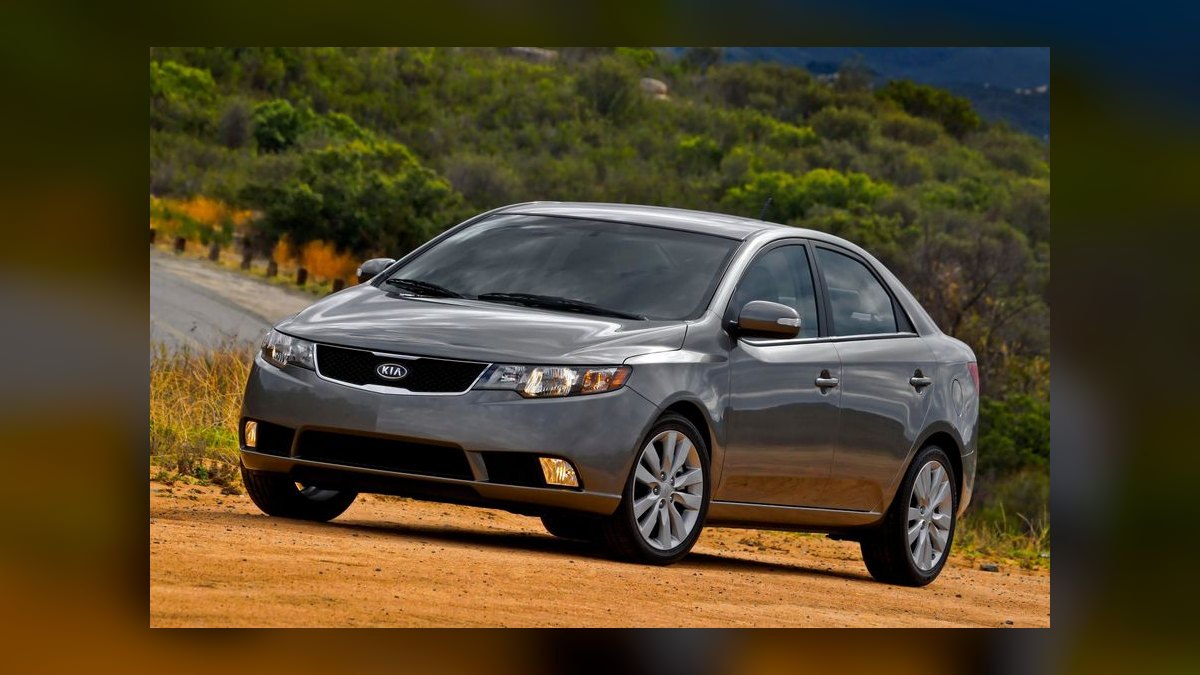
The 2010 Kia Forte EX ranks eighth on value density — $5,000 to $7,500 buys 110,000-140,000 miles with the 2.0-liter Theta II making 156 horsepower, alongside Bluetooth, USB, and cruise control as standard EX equipment. EPA ratings are 25 city and 34 highway. The Forte shares its platform with the Elantra, so aftermarket parts availability is good and pricing competitive.
This suits someone equipping a first car for a teenager or a second commuter where features per dollar matter most. The trade is the Theta II engine's connecting-rod bearing history, which produced Hyundai-Kia recall and settlement activity on later variants — service records are essential. It undercuts the Elantra at rank three on price but carries the same powertrain risk with less resale support.
92011 Chevrolet Cruze LS
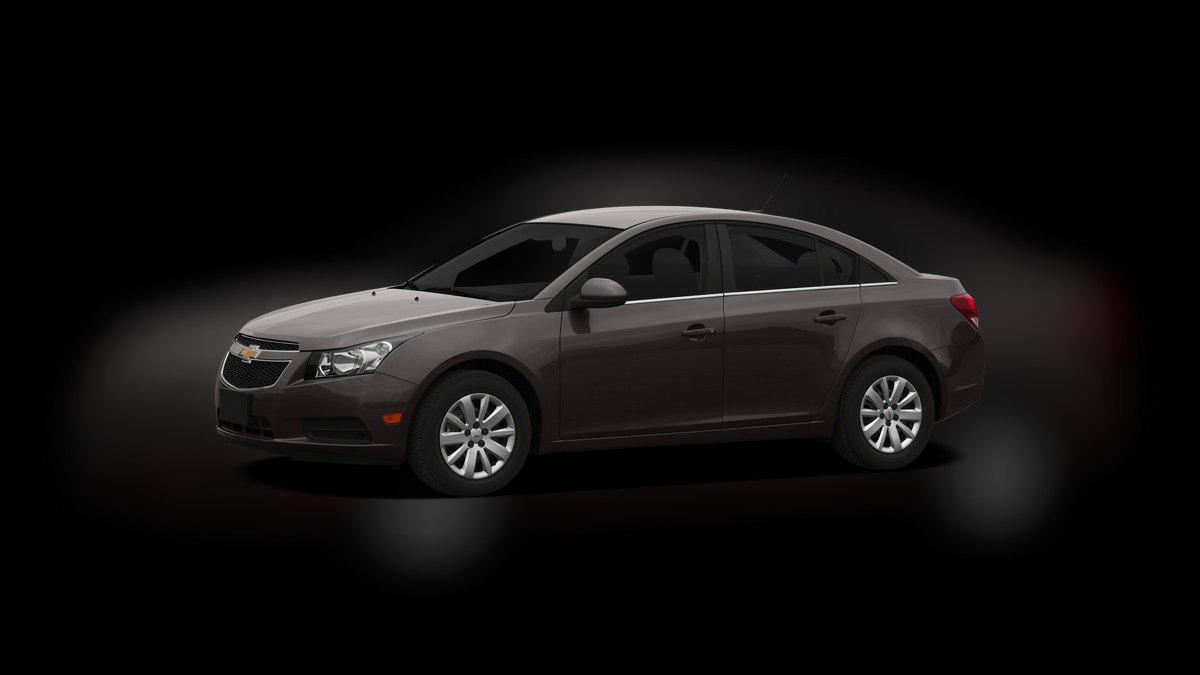
The 2011 Chevrolet Cruze LS ranks ninth because the naturally aspirated 1.8-liter Ecotec avoids the 1.4-liter turbo's water-pump, thermostat-housing, and PCV-diaphragm failures that define the model's repair reputation. Cars run $4,500 to $7,000 at 100,000-130,000 miles, and EPA ratings are 25 city and 36 highway. The low purchase price is what carries it onto the list rather than mechanical confidence.
This is for a budget buyer near a competent GM independent shop who will do preventive coolant-system work up front. The trade is well documented: coolant leaks, oil consumption, and interior trim durability rank below every Japanese pick above it. If a 1.4T is the only option available, budget $800 to $1,200 for cooling-system repairs within the first year of ownership.
102010 Subaru Legacy 2.5i
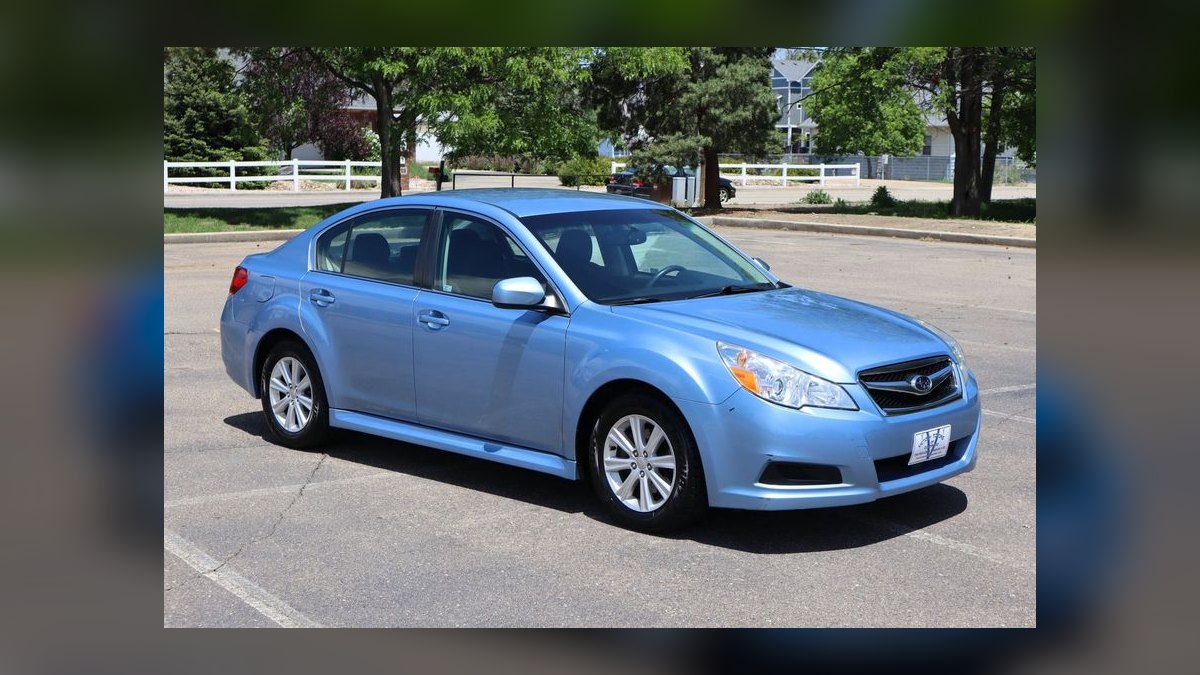
The 2010 Subaru Legacy 2.5i ranks tenth because it is the only all-wheel-drive sedan reaching this list, and AWD carries real cost — 23 city and 31 highway, four tires that must be replaced as a matched set, and rear differential and CV service the front-drive cars never need. Examples run $5,500 to $8,500 at 130,000-160,000 miles. It earns the spot on winter capability, not on running cost.
This is for a snow-belt driver who would otherwise buy winter tires and a second set of wheels anyway. The trade is the EJ25's head-gasket history, oil consumption on early FB engines, and CVT service on automatic cars. Every other pick on this list is cheaper to own annually; choose the Legacy only if all-wheel drive is a genuine requirement rather than a preference.
How we ranked these
We ranked on five-year cost per mile rather than sticker price: average part cost and parts availability, labor hours for the ten most common repairs, insurance premiums by model, observed fuel economy at 15,000 miles a year, and how often a repair crosses $1,000. Reliability data was weighted toward the specific model years that actually land under $10,000 in 2027, not the nameplate's lifetime reputation.
We deliberately ignored original crash-test scores, infotainment, horsepower, and resale value, because none of them change what you spend keeping the car running. Turbocharged trims, CVT-equipped variants, and air suspension were excluded even where the badge otherwise qualified, since one failure erases years of savings. Certified pre-owned pricing was left out as well: almost nothing under $10,000 in 2027 is sold that way.
What to look for
Between these cars, the deciding factor is the individual example, not the badge. A well-kept car from a weaker model can outlast a neglected one from a stronger model. Demand service records, check whether the timing belt or transmission fluid interval has been met, and pay a mechanic $150 for a pre-purchase inspection. Also price insurance before you buy — premiums between two similar sedans can differ by hundreds a year.
The common mistake is spending the entire budget on the car itself. A $9,800 purchase with no reserve leaves you borrowing at high interest the first time a compressor or wheel bearing fails. Budget roughly $8,000 for the car and $1,500 to $2,000 for immediate deferred maintenance: tires, brakes, fluids, and the belt. Buyers who do this spend less over three years than those who bought the nicer-looking car.
Related questions
What mileage is too high for a used sedan under $10,000?
Mileage matters less than maintenance history. A 160,000-mile car with documented fluid changes is usually a better bet than a 90,000-mile car with no records and evidence of long dealer gaps. Focus instead on whether the expensive interval items have been done: timing belt, transmission service, water pump, and suspension bushings. Those determine your first two years of cost far more than the odometer.
Are hybrids worth considering at this price point?
Sometimes, but carefully. Older hybrid sedans deliver excellent fuel economy and their brakes last far longer because of regeneration. The risk is the traction battery: a replacement can approach the car's value. Check whether the pack has already been replaced or reconditioned, and get a diagnostic scan showing block-level voltage balance. If the pack is healthy and documented, the running costs are often the lowest on this list.
How much should I set aside per year for repairs?
Plan on roughly $900 to $1,300 a year for a sedan in this price range, averaged over three years. Some years cost almost nothing; then a year arrives with tires, brakes, an alternator, and a suspension component all at once. Treating it as a monthly set-aside of about $90 keeps a single failure from becoming an emergency loan at a punishing interest rate.
Is an automatic or manual transmission cheaper to own?
A manual is cheaper on paper: a clutch job costs far less than an automatic rebuild, and there is no fluid service interval to skip. In practice, manuals are scarce at this price and often came in sportier trims that were driven harder. If you find a well-kept manual sedan, it is a genuine cost advantage. Otherwise, prioritize a conventional automatic over any CVT.
Should I avoid cars with a salvage or rebuilt title?
For a low-cost-of-ownership goal, yes. Rebuilt titles are cheaper up front, but insurance is harder and often limited to liability, resale is poor, and hidden structural or electrical damage surfaces months later. The savings look like $2,000 and frequently cost more than that in diagnosis alone. If your priority is predictable spending rather than the lowest possible purchase price, buy clean-title only.
How do I check whether a specific car has expensive recalls open?
Enter the VIN at the NHTSA recall lookup, which returns open safety recalls that a franchise dealer must repair at no charge. That is free money if recalls are outstanding. Separately, search the model for technical service bulletins, which are not free but tell you what commonly fails. A car with several unaddressed TSB-covered issues is a negotiating point, not necessarily a dealbreaker.
Does buying from a private seller actually save money?
Usually $1,000 to $2,000 versus a small dealer lot, because you skip reconditioning markup and doc fees. The tradeoff is that you get no implied warranty and must handle title transfer yourself. Offset the risk with a pre-purchase inspection and by meeting at the seller's home rather than a parking lot. Ask why they are selling and whether they hold the title outright.
How long should a car in this price range realistically last?
With the deferred maintenance caught up and fluids kept current, five to seven more years and 70,000 to 100,000 additional miles is a reasonable expectation for the models here. The cars that fall short usually do so because of neglected cooling systems or transmission fluid, not because of age. Rust is the other clock, and in salt-belt states it often decides the car's life before the engine does.
FAQ
What is cost of ownership and how is it different from price?
Purchase price is what you pay once; cost of ownership is everything you pay afterward. It includes fuel, insurance, registration, tires, scheduled maintenance, unscheduled repairs, and depreciation. Two sedans that both cost $9,000 can differ by $4,000 over five years once parts pricing and insurance are counted. Ranking by ownership cost is why some obvious bargains do not appear on this list.
Which single maintenance item saves the most money?
Transmission fluid service. It is inexpensive, widely skipped because manufacturers call it lifetime fill, and a failed automatic is the most common repair that totals a car in this price band. Coolant is a close second, because a neglected cooling system leads to a head gasket. Both cost a few hundred dollars and routinely prevent a repair worth several thousand.
Are parts for older sedans still easy to find in 2027?
For high-volume models, yes, and that availability is a large part of why they rank well here. Aftermarket suppliers keep producing wear parts for a decade or more after production ends, and salvage yards are full of the popular nameplates. Low-volume or discontinued imports are the problem: a common sensor can take weeks to source and cost triple the equivalent for a mainstream sedan.
How much does insurance vary between these cars?
More than most buyers expect. Two sedans of the same age and value can differ by $300 to $700 a year, driven by theft rates, repair costs, and the claim history of the model's typical driver. Get real quotes on the specific VINs you are considering before committing. It takes ten minutes and occasionally reverses which car is genuinely cheaper to own.
Should I finance a car in this price range?
Try not to. Used-car loan rates on older vehicles are high, and lenders often require full coverage insurance that adds several hundred dollars a year. If you must finance, keep the term under 36 months so you are never underwater on a car that could need a major repair. Paying cash also gives real negotiating power with private sellers.
What should a pre-purchase inspection cover?
A compression or leak-down test, a scan for stored and pending codes, a lift inspection for frame rust and fluid leaks, and a check of suspension, brakes, and tire dates. Ask specifically whether the timing belt has been done and whether the cooling system holds pressure. Expect to pay $120 to $200. Any seller who refuses is telling you something useful.
Is rust a bigger problem than mechanical wear?
In salt-belt regions, often yes. Mechanical parts are replaceable at known prices; structural rust in rocker panels, subframes, or brake lines is not economically repairable on a car worth $9,000. Look underneath with a flashlight and press on suspect areas. A southern or western car with higher mileage frequently outlives a lower-mileage northern car by several years.
Do these cars need premium fuel?
Almost none of them do, and that is partly why they made the list. Cars requiring premium add roughly $250 to $400 a year at typical mileage. Check the fuel door and owner's manual rather than assuming; a few sportier trims of otherwise ordinary sedans do recommend premium. Where premium is only recommended and not required, regular is generally fine with a small economy penalty.
How do I avoid buying a car with a rolled-back odometer?
Compare the title history and inspection records against the displayed mileage, since both are reported over time and a reversal shows as an inconsistency. Then check physical wear: a steering wheel, driver's seat bolster, and pedal pads worn far beyond the stated mileage are the tell. Modern digital clusters can still be altered, so the paper trail matters more than the display.
When does it stop making sense to repair one of these cars?
The usual rule is to compare the repair to the car's value, but a better test is cost per remaining month. A $2,000 transmission in a car with four good years left is $42 a month, cheaper than any replacement. Walk away when the repair is structural, when a second major system is also failing, or when rust makes the next repair unavoidable.
Sources
- https://www.consumerreports.org/cars/car-reliability-owner-satisfaction/
- https://www.kbb.com/cost-to-own/
- https://caredge.com/
- https://www.fueleconomy.gov/
- https://www.nhtsa.gov/recalls
- https://www.jdpower.com/cars/vehicle-dependability-study
- https://repairpal.com/reliability
- https://www.iihs.org/ratings
- https://www.edmunds.com/car-buying/how-much-does-it-cost-to-own-a-car.html
- https://www.aaa.com/autorepair/articles/how-much-does-it-cost-to-own-a-vehicle
Related on PULSE
This page will be disappearing soon. Save it to your device for $1 — or read it free while it is here.
@Kory-White- · if Venmo asks, the last 4 of my number are 2012
This page is gone.
This one is off the shelf now. $1 keeps it on your phone for good — the whole page, pictures and diagrams included.
 pulse-recentTop 10 Most Affordable Used Sedans Under $10,000 in 2005 (Ranked)
 pulse-recentWhat's the average interest rate on a new car loan for a Volkswagen Golf R in 2027?
 pulse-recentTop 10 Muscle Cars 1978 — Best Overall + Best Value
 pulse-recentTop 10 Muscle Cars 1984 — Best Overall + Best Value
 pulse-recentWhat does it cost to replace the timing chain on a Mazda CX-5 in 2027?
 pulse-recentTop 10 Muscle Cars 1987 — Best Overall + Best Value
 pulse-recentTop 10 Hybrid Supercars in 2027
 pulse-recentWhat's the minimum down payment banks typically require to finance a new supercar in 2027?
 pulse-recentTop 10 Muscle Cars 1964 — Best Overall + Best Value
 pulse-recentTop 10 Convertible Supercars in 2027