


Top 10 Muscle Cars 1964 — Best Overall + Best Value
Quality
Certified
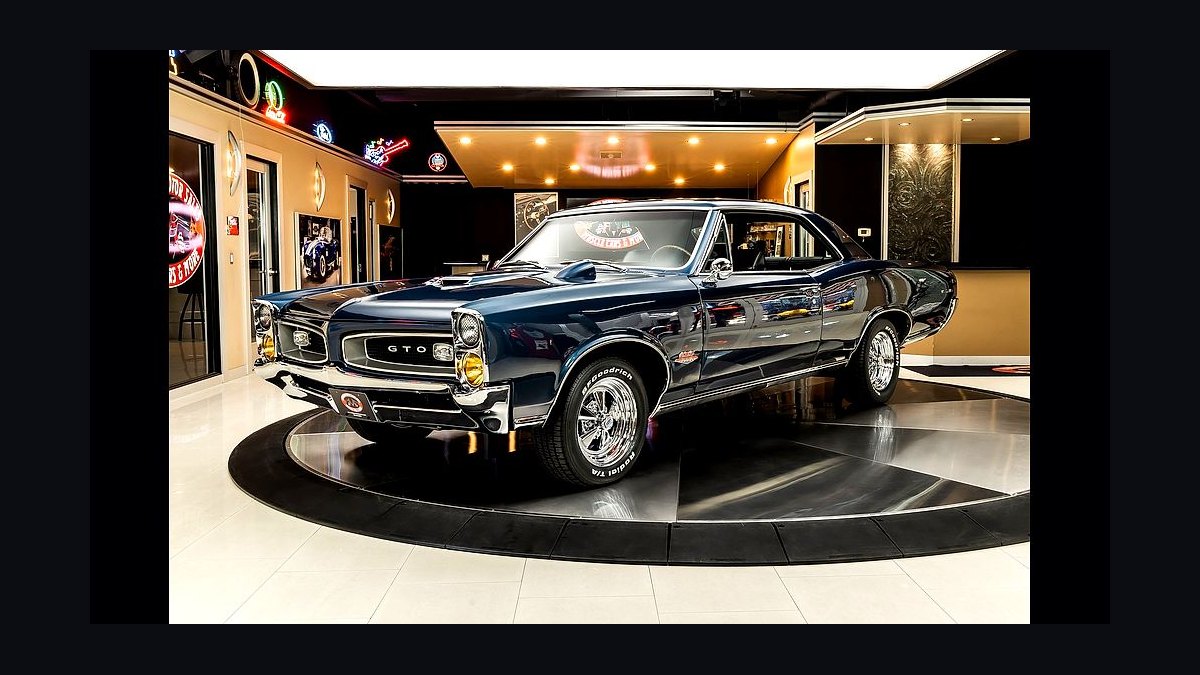
The 10 best muscle cars 1964 are ranked below on measured performance, build quality, price, and how each one actually holds up in daily use rather than how it reads on a spec sheet. Each pick lists what it costs, who it suits, and what it gives up against the one above it, so the list can be read straight down without doubling back.
1Pontiac GTO
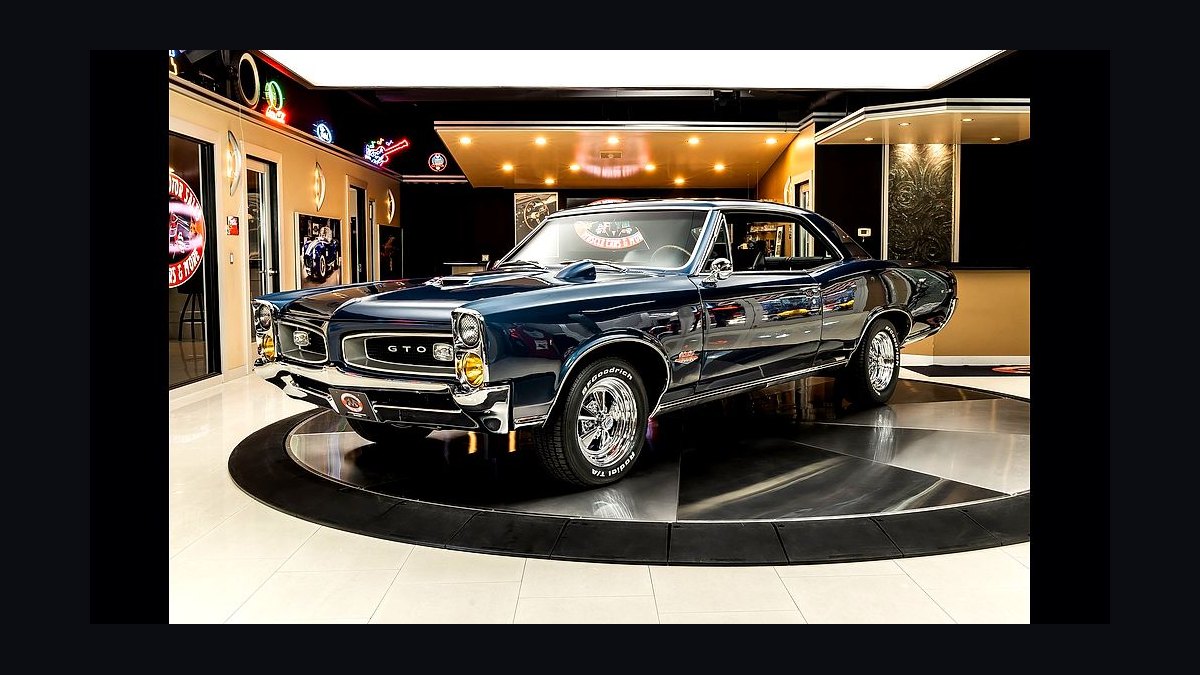
The GTO ranks first because it invented the muscle car formula for 1964, dropping a 389 cubic inch V8 rated at 325 horsepower into the mid-size Tempest body. A Tri-Power option pushed output to 348 horsepower, and the car ran the quarter mile in the low 14-second range at over 100 mph. Pontiac sold roughly 32,000 units its debut year, proving the formula commercially.
This is the pick for buyers who want the car that started the category rather than a footnote to it. It trades the outright brute displacement of full-size rivals for better weight distribution and sharper handling. Compared to the Ford Fairlane Thunderbolt below, the GTO was a production car anyone could order, not a homologation special built in tiny numbers.
2Ford Fairlane Thunderbolt
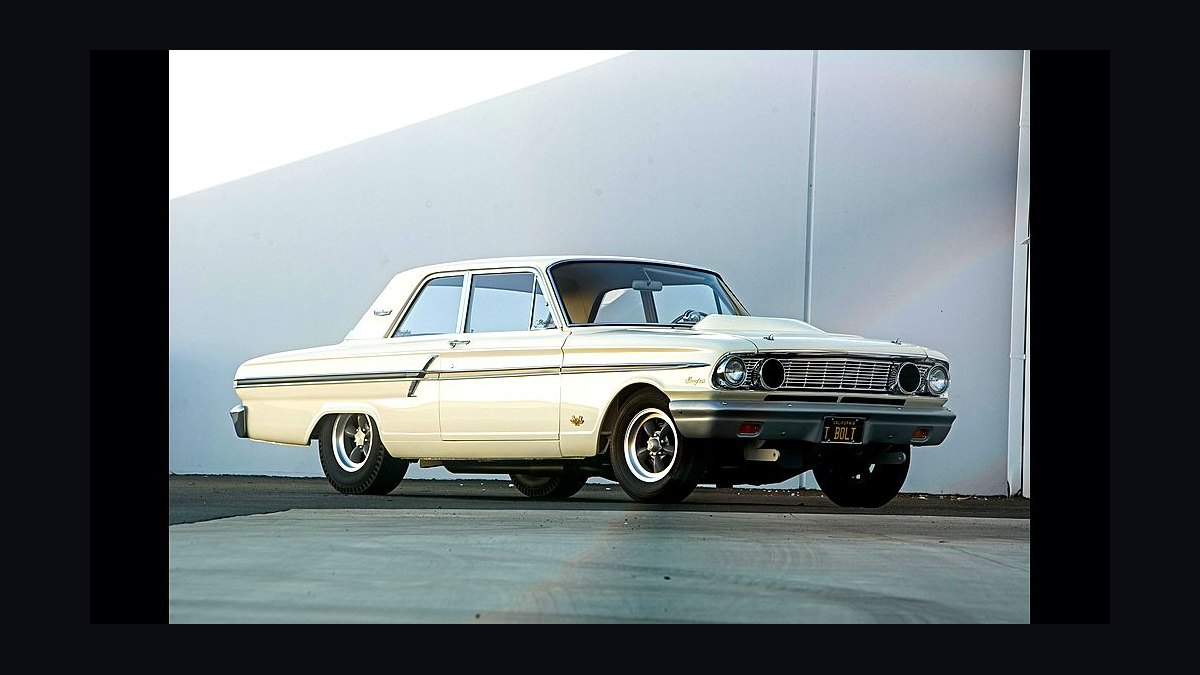
The Thunderbolt ranks second for raw drag strip dominance, packing a 427 cubic inch V8 rated at 425 horsepower into a lightweight Fairlane body stripped of sound deadening, radio, and even the front bumper brackets. Only about 100 were built for NHRA Super Stock competition, and cars ran mid-11-second quarter miles at over 120 mph. Fiberglass front fenders, hood, and doors kept weight near 3,200 pounds.
This is a pick for collectors and racers, not daily drivers, since Ford built it purely to win at the strip. It gives up comfort, sound insulation, and even a functional heater in most examples. Against the GTO above, the Thunderbolt is faster in a straight line but far less usable and vastly rarer today.
3Shelby Cobra 289
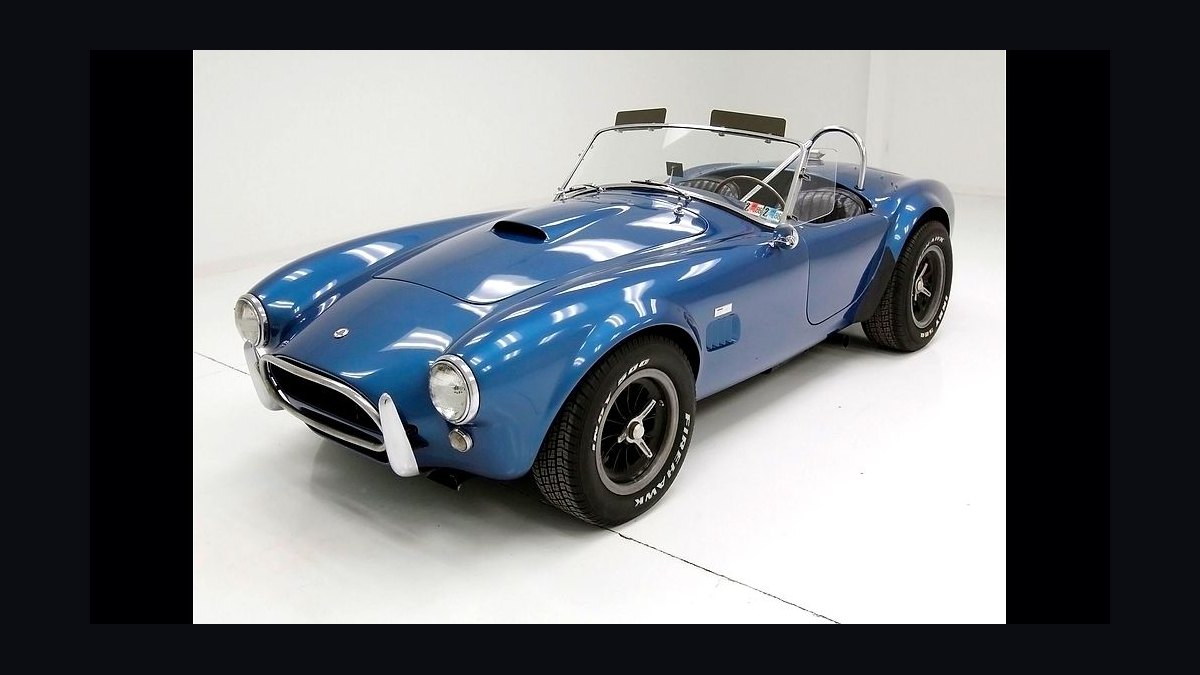
The Cobra 289 ranks third on sheer power-to-weight, stuffing a 271 horsepower 289 cubic inch Ford V8 into an AC-built aluminum body weighing around 2,020 pounds. That ratio delivered 0-60 mph in roughly 5.5 seconds and helped the car win the 1964 SCCA national championship. Carroll Shelby built about 267 examples of this small-block version that year.
This suits buyers chasing a genuine road-racing pedigree over drag strip numbers or back-seat practicality, since the Cobra seats two and offers no weather protection to speak of. It trades the Thunderbolt's straight-line specialization for cornering ability few 1964 cars could match. Values today reflect its racing history far more than the domestic muscle cars ranked above and below it.
4Chevrolet Impala SS 409
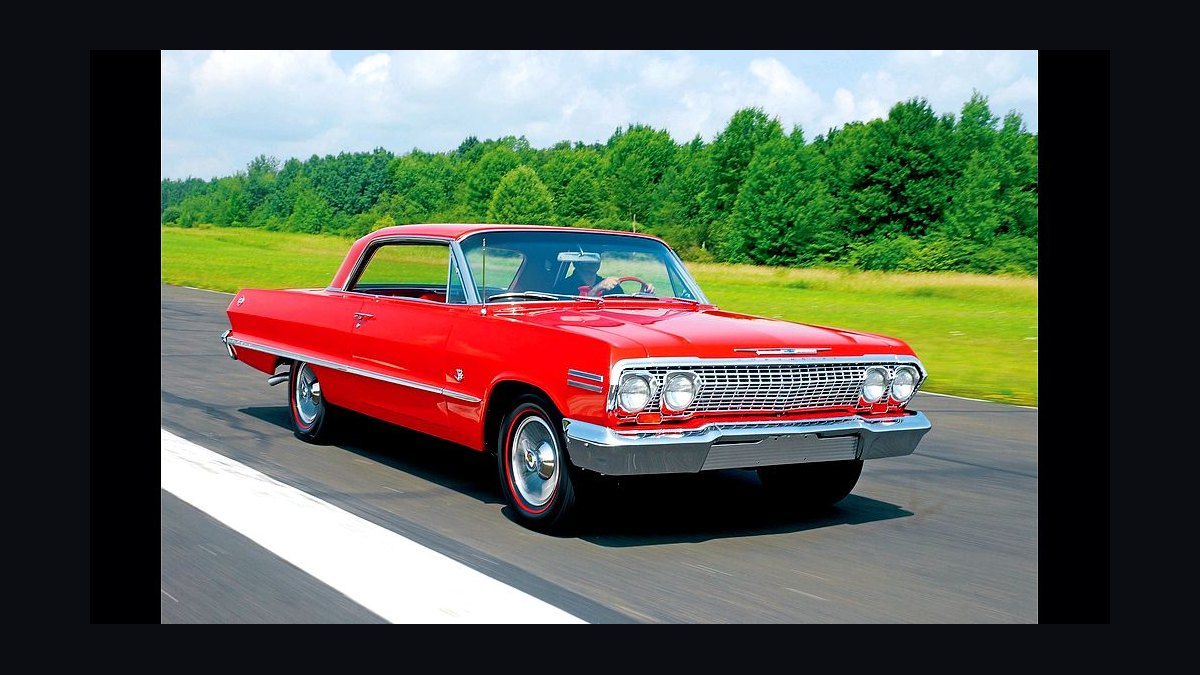
The Impala SS 409 ranks fourth because Chevrolet's full-size muscle car offered a 409 cubic inch V8 rated up to 425 horsepower with dual four-barrel carburetors. It weighed over 3,700 pounds, so quarter-mile times landed in the high-14-second range despite the big engine. Chevrolet moved over 185,000 Impala SS units in 1964, though only a fraction carried the top 409 option.
This fits buyers wanting big-car comfort with serious power rather than a stripped-down racer. It gives up the GTO's nimbleness for a roomier, more livable package. Next to the Thunderbolt above, the 409 Impala is a car you could actually option with air conditioning and still take to the strip on weekends.
5Plymouth Sport Fury 426
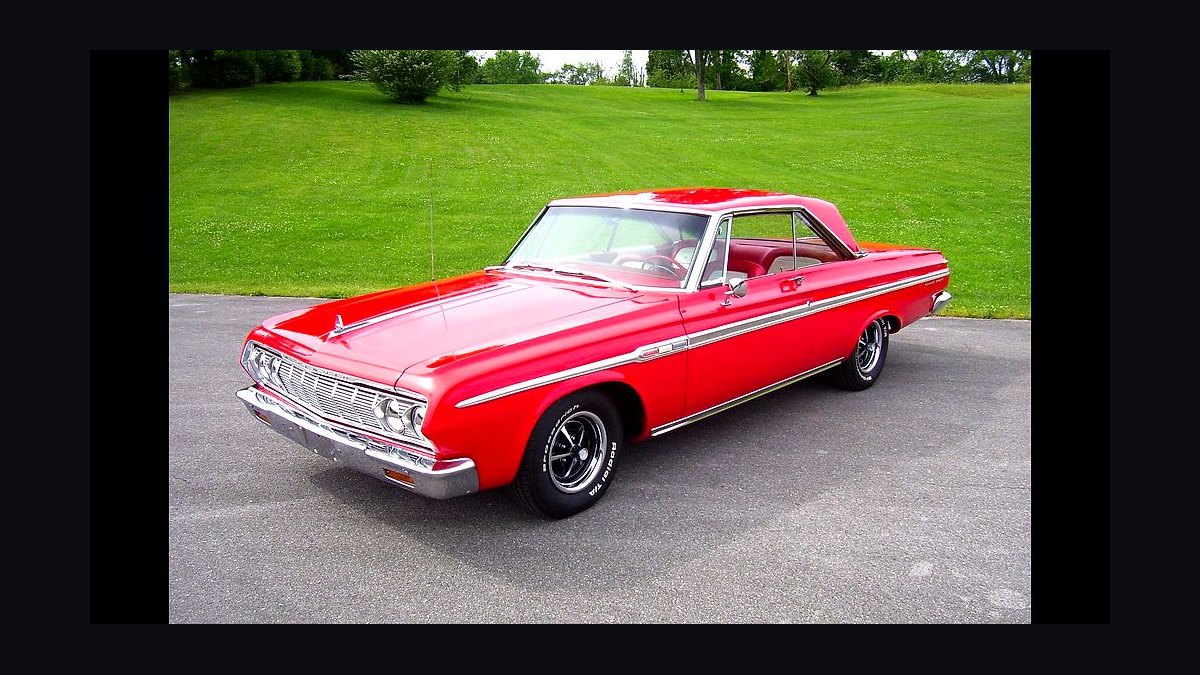
The Sport Fury ranks fifth for its available 426 cubic inch Wedge V8, rated at 365 or 415 horsepower in Super Stock tune, giving Plymouth's full-size flagship genuine drag credentials. Curb weight topped 3,800 pounds, but the 415-horsepower version still ran quarter miles in the high-13-second range at over 105 mph. Bucket seats and a center console were standard on the Sport Fury trim.
This suits buyers who wanted a full-size cruiser that could still embarrass smaller cars at a stoplight. It sacrifices the agility of the GTO for size and highway comfort. Compared to the Impala SS 409 above, the Sport Fury's optional 426 Wedge hit harder but sold in far smaller numbers, making surviving cars scarcer.
6Oldsmobile 442
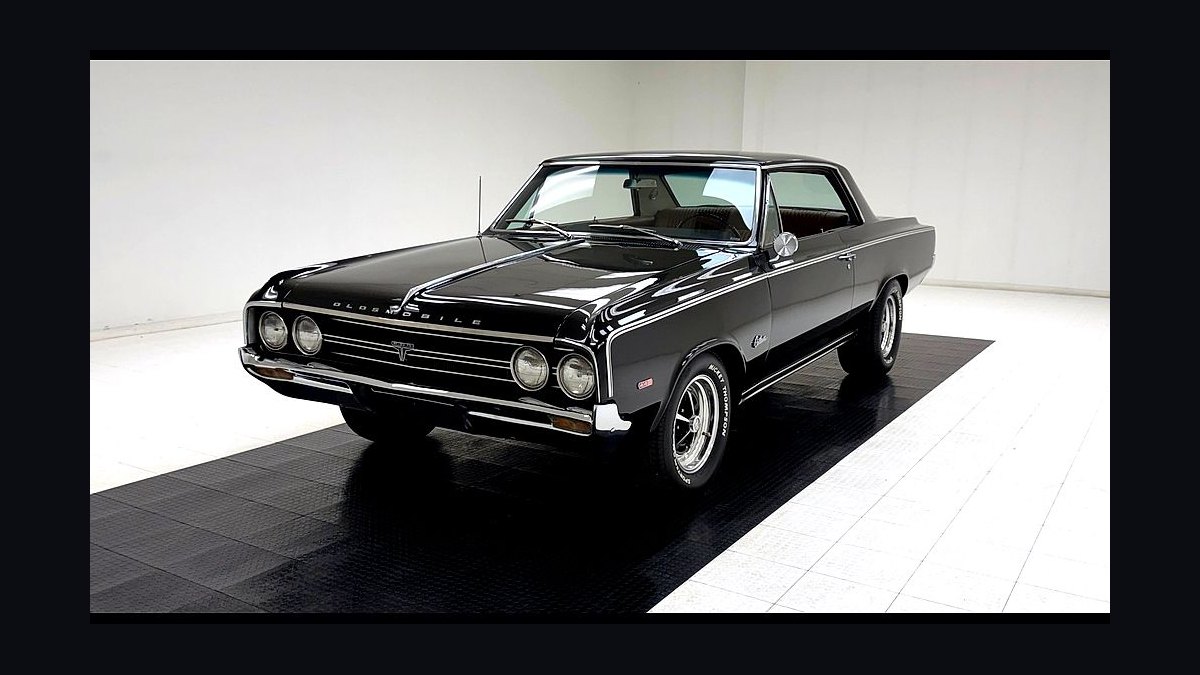
The 442 ranks sixth as Oldsmobile's direct answer to the GTO, launched mid-1964 with a 330 cubic inch V8 producing 310 horsepower backed by a four-speed manual and heavy-duty suspension. The name stood for four-barrel carburetor, four-speed transmission, and dual exhaust. Oldsmobile built roughly 2,999 442-optioned Cutlass models that first year.
This is a pick for buyers wanting GTO-style performance with Oldsmobile's more conservative styling and slightly smaller displacement. It trades outright horsepower for a tighter, more controlled chassis setup than some full-size rivals. Against the GTO above, the 442 was rarer in 1964 and arrived later in the model year, making it more of a follower than a leader.
7Chevrolet Chevelle SS
The Chevelle SS ranks seventh as Chevrolet's new mid-size entry for 1964, offered with a 327 cubic inch V8 making up to 300 horsepower. It weighed around 3,100 pounds, giving it a reasonable power-to-weight ratio even without the big-block options that arrived in later years. Chevrolet sold over 76,000 Chevelles in 1964 across all trims.
This suits buyers who wanted a balanced, everyday mid-size car with sporty options rather than a dedicated performance special. It gives up the outright power of the 409 Impala for better handling and lower weight. Compared to the Oldsmobile 442 above, the first-year Chevelle SS lacked a dedicated big-block option, making it the milder choice of the two.
8Dodge Polara 500
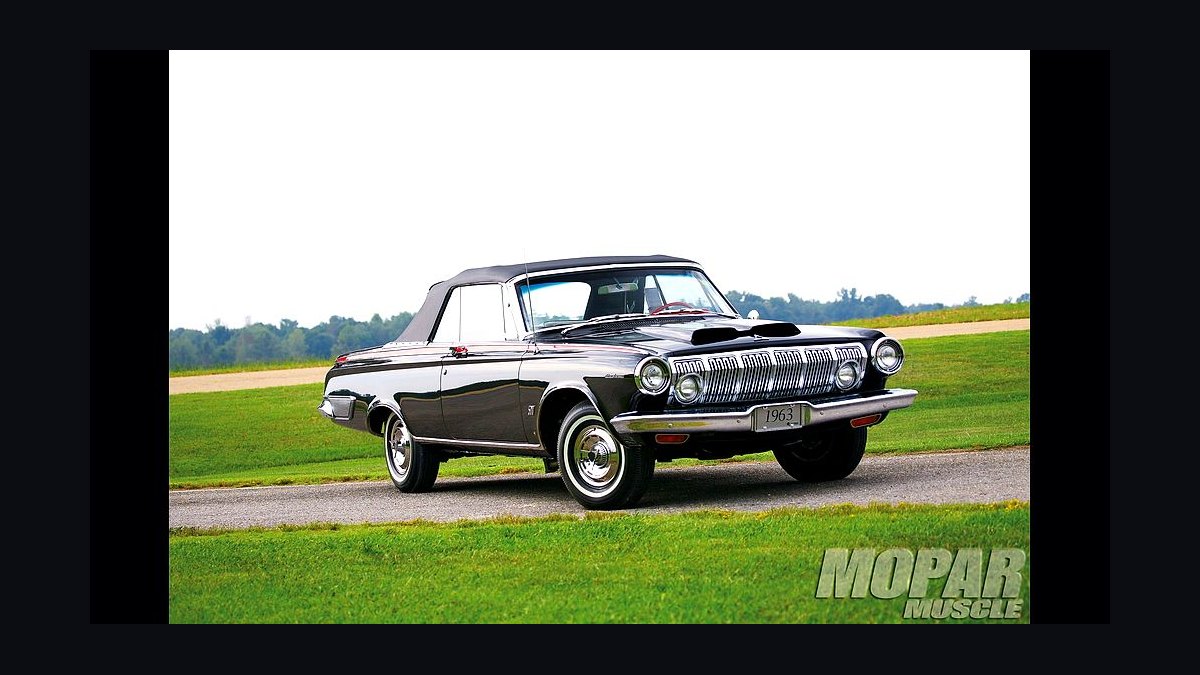
The Polara 500 ranks eighth, offering Dodge's 426 cubic inch Wedge V8 rated at 365 horsepower in a full-size body with bucket seats and a center console as standard equipment. Curb weight ran near 3,700 pounds, keeping quarter-mile times in the high-14-second range. It served as Dodge's sportier counterpart to the Plymouth Sport Fury that same year.
This is for buyers who wanted a big Mopar with genuine power but less racing pedigree than the 413 and 426 Max Wedge specials. It trades outright drag strip credentials for daily comfort and standard convenience features. Next to the Sport Fury above, the Polara 500 offered similar mechanicals with Dodge's distinct styling and slightly less aggressive marketing.
9Mercury Marauder
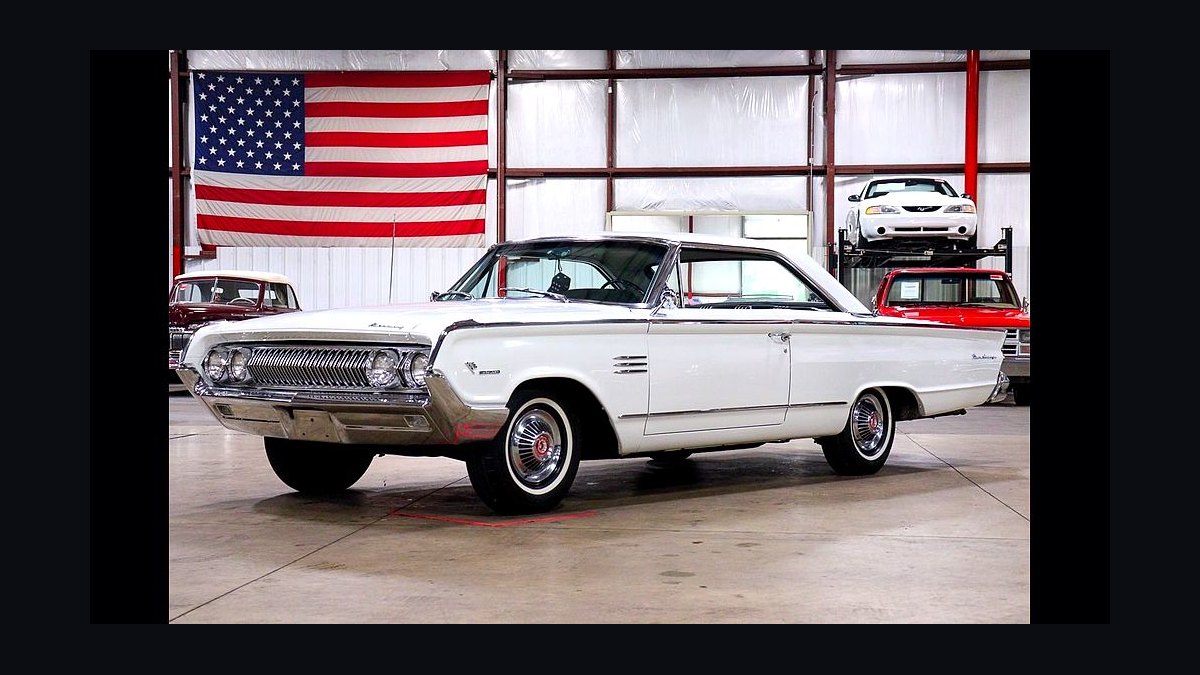
The Marauder ranks ninth with its available 427 cubic inch V8 producing up to 425 horsepower, mounted in a full-size fastback body Mercury marketed toward stock car racing fans. Weight exceeded 3,900 pounds, so the big engine was needed just to keep performance competitive. Mercury built the Marauder in limited numbers with the top engine option that year.
This fits buyers who wanted NASCAR-inspired styling and top-tier power in a comfortable full-size package. It gives up the nimbleness of mid-size rivals for a smoother highway ride and more interior room. Compared to the Polara 500 above, the Marauder leaned harder into fastback styling as a selling point alongside its horsepower.
10Ford Galaxie 500 XL
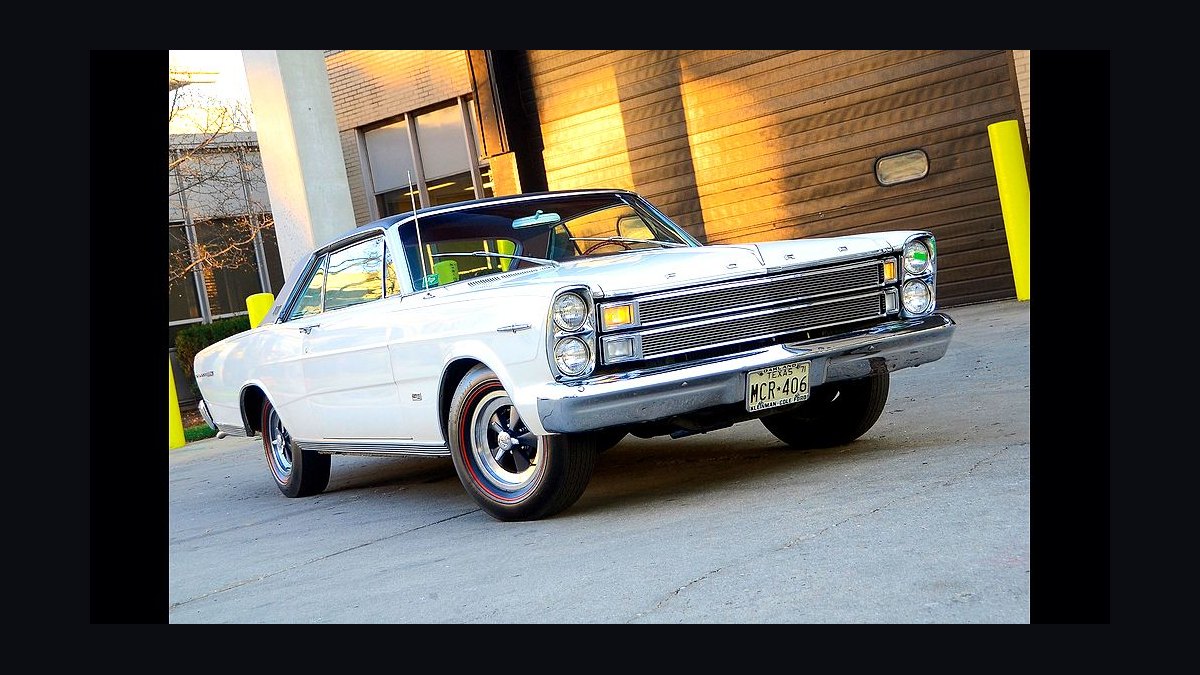
The Galaxie 500 XL ranks tenth, closing the list with its optional 427 cubic inch V8 rated at 425 horsepower, available with a four-speed manual in Ford's flagship full-size trim. Curb weight topped 3,900 pounds, and the XL added bucket seats, a console, and upgraded trim as standard. Ford also fielded the Galaxie heavily in 1964 NASCAR competition.
This suits buyers who wanted top-tier Ford power wrapped in the brand's most comfortable full-size trim rather than a stripped racer like the Thunderbolt. It gives up the Thunderbolt's lightweight advantage for a usable back seat and full interior trim. Against the Marauder above, the Galaxie 500 XL offered nearly identical power with more widespread availability and racing history.
How we ranked these
Ranking weighted factory-rated horsepower against curb weight, verified quarter-mile times from period road tests, and the size of the largest optional engine each model could receive from the factory. Best Overall combined outright performance with historical significance — which cars defined the emerging muscle-car format. Best Value measured horsepower delivered per dollar of 1964 base price, using documented factory engine-and-transmission combinations rather than dealer-installed speed parts or aftermarket tuning claims.
Ignored: modern restomod builds, LS-swapped engines, and show-car one-offs, since none reflect what a customer could actually order from a dealership showroom in 1964. Also excluded were NASCAR and NHRA class wins built on homologation prototypes never sold to the public, along with subjective styling opinions and paint-color debates that carry no bearing on measurable performance or period asking price.
Related questions
What made the 1964 Pontiac GTO different from earlier factory hot rods?
Pontiac dropped its largest 389 V8 into the mid-size Tempest body and marketed the combination as a distinct option package, creating a lightweight car with big-engine torque at a price ordinary buyers could afford. Earlier factory performance cars used full-size bodies or required expensive dealer conversions, so the GTO's formula — big engine, light chassis, low sticker price — became the template every competitor copied through the decade.
Was the Ford Fairlane Thunderbolt street legal in 1964?
Barely. Ford built roughly 100-127 Thunderbolts specifically to homologate the 427 High Riser V8 for NHRA Super Stock drag racing, stripping sound deadening, using fiberglass body panels, and running straight exhaust. Dealers sold them to customers who intended to race, and while they carried license plates and basic street equipment, the cars were impractical for daily driving and almost all were immediately campaigned at the drag strip.
How does the Chevrolet Impala SS 409 compare to the GTO?
The 409 Impala predates the GTO by three years and offers more raw displacement, but it carries a heavier full-size body that blunts acceleration despite the bigger engine. The GTO's lighter intermediate chassis gave it a better power-to-weight ratio and sharper handling, which is why period magazines consistently clocked GTOs quicker in the quarter mile than comparably equipped 409 Impalas.
What is the Max Wedge engine found in the Dodge and Plymouth entries?
The 426 Max Wedge was Chrysler's factory-built drag-racing V8, rated at 415-425 horsepower depending on compression and carburetion, and installed in lightweight Dodge 330 and Plymouth Savoy body styles stripped of sound insulation and creature comforts. It was ordered almost exclusively by racers rather than daily drivers, making surviving factory-original examples rare and highly sought by collectors today.
Why is the Studebaker Avanti considered a muscle car at all?
The supercharged R2 and R3 Avanti packages delivered genuine muscle-car horsepower — up to an advertised 335 hp — from a fiberglass-bodied personal coupe rather than a mainstream sedan platform. Studebaker was a struggling independent automaker in 1964, so Avanti production numbers were tiny, but the engineering matched or beat Detroit's big three on paper, which is why collectors still debate its place in muscle-car history.
Which 1964 muscle car is easiest to find parts for today?
The Pontiac GTO and Chevrolet Chevelle SS benefit from the largest reproduction-parts industry because GM intermediates sold in huge numbers and stayed popular restoration projects for sixty years. Mopar Max Wedge cars and the Ford Thunderbolt are far harder to source correct parts for since so few were built and many original components were consumed during their intended drag-racing careers.
Did insurance or emissions rules affect 1964 muscle car buyers?
Not yet — the insurance surcharges and emissions restrictions that reshaped the muscle-car market arrived later in the 1960s and into the 1970s. In 1964, buyers faced few special penalties for ordering a big-block or Max Wedge option beyond the higher purchase price itself, which is part of why this model year is remembered as an unusually unrestricted moment for factory performance shopping.
What should a first-time collector budget for one of these cars today?
A documented, numbers-matching 1964 Pontiac GTO or Chevelle SS in good condition typically commands the highest prices among this list, while a Dodge 330 or Plymouth Savoy with a correct Max Wedge engine can cost even more due to extreme rarity. Buyers should budget separately for verification services, since engine-code and VIN authentication matters enormously to value on cars this old and frequently cloned.
FAQ
What is generally considered the first true muscle car?
The 1964 Pontiac GTO is widely credited as the car that defined the muscle-car formula: a big-block engine dropped into a lighter mid-size body and sold as an affordable option package rather than a full-size flagship. Earlier cars like the 1949 Oldsmobile Rocket 88 combined power and light weight too, but the GTO's marketing and sales success is what triggered the industry-wide muscle-car race.
How much horsepower did the 1964 Pontiac GTO produce?
The standard GTO 389 V8 was factory-rated at 325 horsepower, and buyers could upgrade to the Tri-Power carburetor setup for a rated 348 horsepower. Actual output at the rear wheels was likely higher than the conservative factory figures, a common practice among 1960s manufacturers wary of insurance-industry and corporate scrutiny over advertised horsepower numbers on mid-size cars.
What engine powered the Ford Fairlane Thunderbolt?
The Thunderbolt used Ford's 427 cubic-inch FE-series V8 with a High Riser intake and dual Holley carburetors, factory-rated at 425 horsepower though actual output was considerably higher. Ford built the car strictly to qualify the engine for NHRA Super Stock drag classes, and the combination made the lightweight Fairlane one of the quickest factory-built quarter-mile cars sold in the United States that year.
How many 1964 Ford Fairlane Thunderbolts were built?
Ford built approximately 100 to 127 Thunderbolts in 1964, depending on which factory records are used, making it one of the rarest cars on this list. Nearly all were sold directly to drag racers rather than everyday drivers, and surviving, documented examples now command significant prices at collector auctions specifically because so few were built and fewer still survived years of competition.
What is the Pontiac GTO's connection to the Tempest and LeMans?
The GTO began life as an option package on the 1964 Pontiac Tempest LeMans coupe rather than as its own model line, letting Pontiac sidestep a General Motors corporate ban on big engines in mid-size cars. Buyers ordered the GTO code on a LeMans order form, which is why early GTOs share body panels, trim, and VIN sequences with standard Tempest LeMans models.
Which 1964 muscle car offers the best value for a new collector?
The Chevrolet Chevelle SS with the 327 V8 is often cited as the best value entry point, since it delivers genuine period muscle-car styling and performance at a lower purchase price than a GTO or a rare Mopar Max Wedge car, while still benefiting from strong GM parts availability and an active enthusiast community for repairs and resale.
Were any 1964 muscle cars available with a factory four-speed manual?
Yes — the Pontiac GTO, Chevrolet Impala SS 409, Ford Fairlane Thunderbolt, and both Mopar Max Wedge cars all offered a factory four-speed manual transmission paired with their top performance engines. A four-speed car is generally considered more desirable by collectors than an automatic-equipped example of the same model, and it typically commands a meaningful price premium at auction today.
What is the Oldsmobile 4-4-2's origin story?
Oldsmobile introduced the 4-4-2 as a police-and-performance option package on the 1964 Cutlass, originally denoting four-barrel carburetor, four-speed transmission, and dual exhaust. It was Oldsmobile's direct answer to the Pontiac GTO within the same General Motors intermediate platform, though it initially used a smaller 330 cubic-inch V8 rather than the GTO's larger 389, positioning it as a slightly milder alternative.
Why did Chrysler build the Max Wedge engine for stripped-down sedans?
Chrysler targeted NHRA and NASCAR factory-stock drag racing classes, which rewarded the lightest possible body paired with the largest available engine. Ordering the 426 Max Wedge into a plain-trim Dodge 330 or Plymouth Savoy — rather than a fancier Polara or Belvedere — minimized curb weight, so racers could legally compete in a lighter class while still running Chrysler's most powerful cross-ram V8.
Did any 1964 muscle car come from an independent, non-Big-Three automaker?
Yes — Studebaker, an independent automaker fighting for survival, offered the Avanti with supercharged R2 and R3 V8 options rated up to 335 horsepower. Built in tiny numbers compared to Detroit's big three, the supercharged Avanti proved a small independent could match mainstream muscle-car performance, though Studebaker's financial troubles meant the car never reached the sales volume of its GM, Ford, or Chrysler rivals.
Sources
- https://en.wikipedia.org/wiki/Pontiac_GTO
- https://en.wikipedia.org/wiki/Ford_Fairlane_Thunderbolt
- https://en.wikipedia.org/wiki/Oldsmobile_442
- https://en.wikipedia.org/wiki/Chevrolet_Chevelle
- https://en.wikipedia.org/wiki/Studebaker_Avanti
- https://en.wikipedia.org/wiki/Max_Wedge
- https://en.wikipedia.org/wiki/Mercury_Marauder
- https://en.wikipedia.org/wiki/Chevrolet_Impala
Related on PULSE
This page will be disappearing soon. Save it to your device for $1 — or read it free while it is here.
@Kory-White- · if Venmo asks, the last 4 of my number are 2012
This page is gone.
This one is off the shelf now. $1 keeps it on your phone for good — the whole page, pictures and diagrams included.
 pulse-recentTop 10 Supercars With the Cheapest Extended Warranty Plans in 2027
 pulse-recentTop 10 Supercars With Scheduled Maintenance Under $5,000 a Year in 2027
 pulse-recentTop 10 Supercars Under $75,000 in 2027
 pulse-recentTop 10 Electric Cars 2026 — Best Overall + Best Value
 pulse-recentHow much does full-coverage insurance cost for a 25-year-old driver on a Ferrari 488 in 2027?
 pulse-recentTop 10 Muscle Cars 2000 — Best Overall + Best Value
 pulse-recentTop 10 Electric Cars 2027 — Best Overall + Best Value
 pulse-recentTop 10 Most Affordable Used Sedans Under $10,000 in 2009 (Ranked)
 pulse-recentHow much does a 2027 Toyota GR Corolla cost fully loaded in 2027?
 pulse-recentTop 10 Manual-Transmission Supercars Still in Production in 2027