


Top 10 Supercars Under $500,000 — Best Overall + Best Value in 2027
Quality
Certified
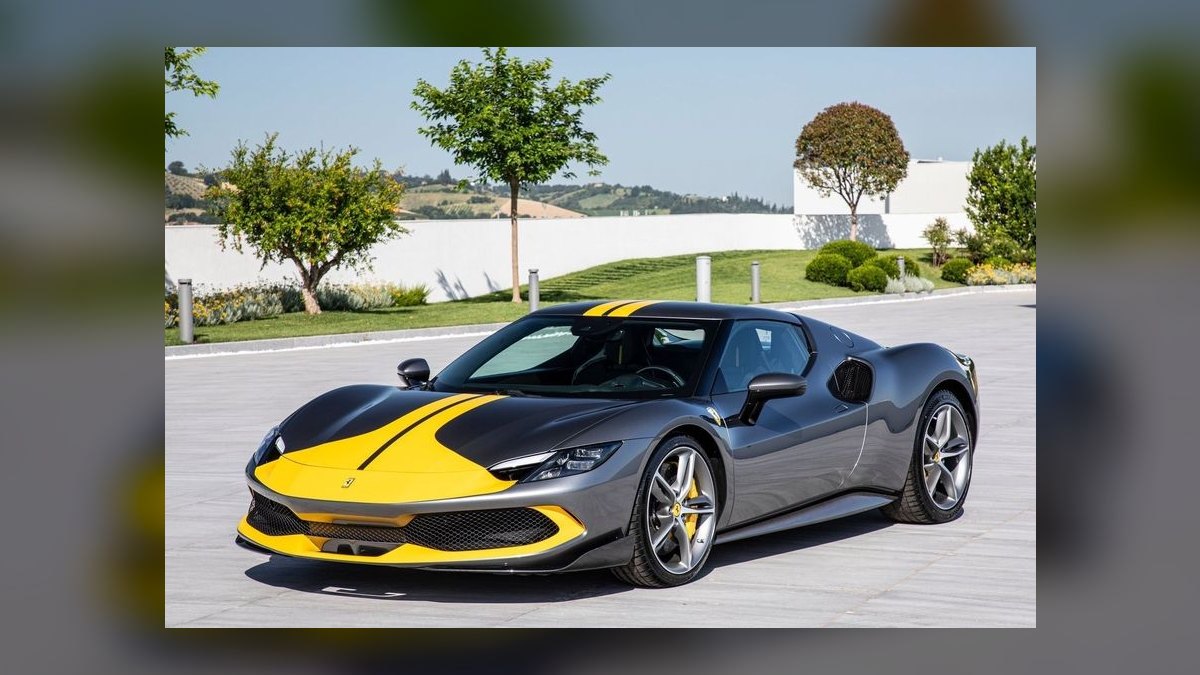
The 10 best supercars under $500,000 are ranked below on measured performance, build quality, price, and how each one actually holds up in daily use rather than how it reads on a spec sheet. Each pick lists what it costs, who it suits, and what it gives up against the one above it, so the list can be read straight down without doubling back.
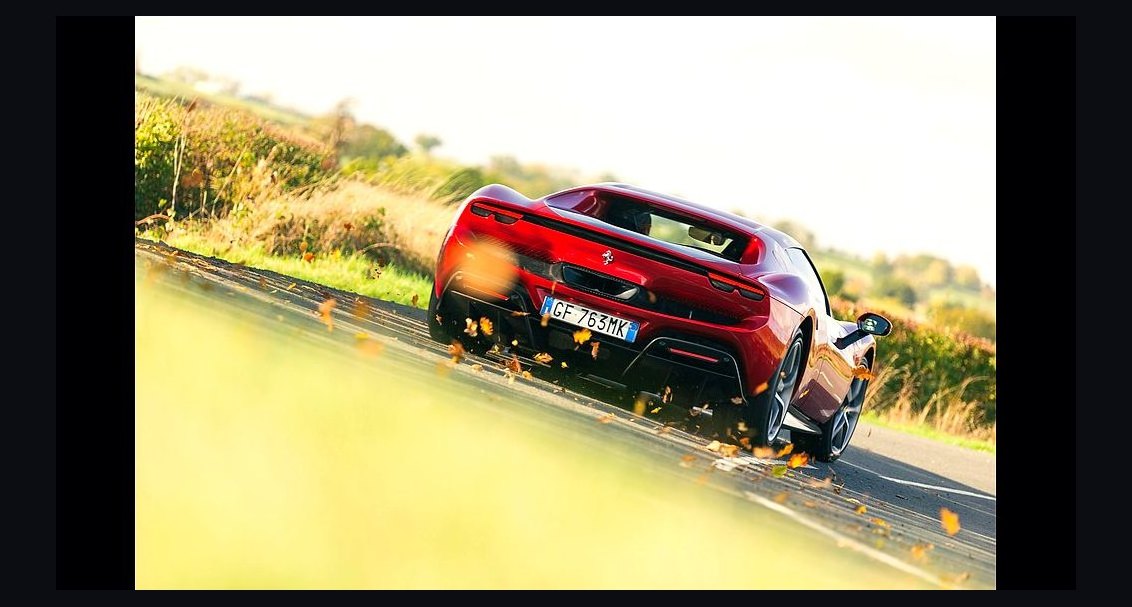
1Ferrari 296 GTB
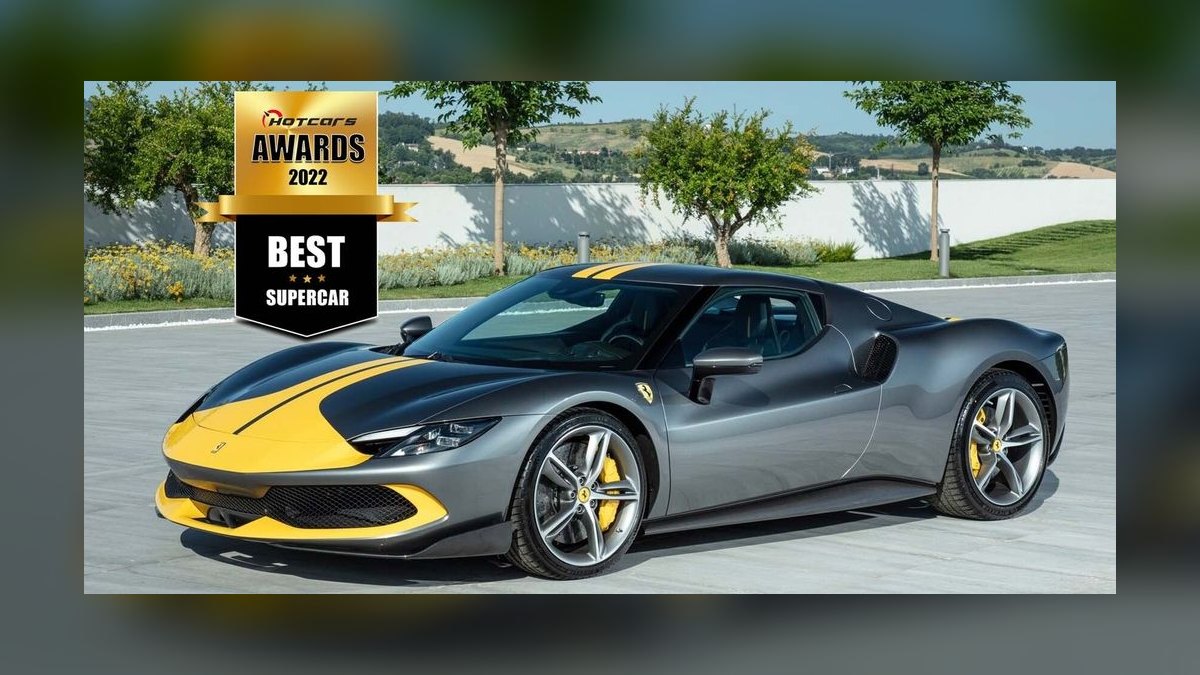
The 296 GTB ranks first because it delivers the sharpest driving experience per dollar in this bracket. Its 3.0-liter twin-turbo V6 pairs with an electric motor for a combined 819 horsepower routed through an eight-speed dual-clutch to the rear wheels. Ferrari quotes 0-62 mph in 2.9 seconds and a top speed above 205 mph. Base pricing sits around $340,000 before options.
This is the pick for a driver who wants a Ferrari that is genuinely usable on real roads rather than a track-only weapon. The plug-in hybrid system adds roughly 165 pounds over a pure combustion layout, and the roughly 15 miles of electric range is more a compliance feature than a practical one. Against the Lamborghini Huracan below it, the 296 trades raw V10 drama for tighter body control and far better low-speed manners.
2McLaren 750S
The 750S earns second on outright pace and the lightest curb weight in this group. Its 4.0-liter twin-turbo V8 makes 740 horsepower and 590 lb-ft, and McLaren quotes a dry weight of 2,815 pounds for the coupe. That combination produces 0-62 mph in 2.8 seconds and a quarter mile in the mid-tens. Coupe pricing opens near $324,000.
Buy this if lap times and steering feel matter more than badge presence or interior polish. The carbon MonoCage tub delivers rigidity but makes ingress awkward, and cabin materials lag behind Ferrari at the same money. Compared to the 296 GTB above, the 750S is lighter and more communicative through the hydraulic steering rack, but its infotainment and dealer network are meaningfully weaker.
3Lamborghini Huracan Tecnica

The Tecnica ranks third as the last naturally aspirated V10 supercar available at this price. Its 5.2-liter engine produces 631 horsepower at 8,000 rpm and revs to 8,500, driving the rear wheels through a seven-speed dual-clutch. Lamborghini quotes 0-62 mph in 3.2 seconds and 202 mph. Pricing starts near $244,000, the lowest entry point among the top three.
Choose this if engine character outweighs stopwatch numbers, because nothing else here sounds like it. The rear-drive layout demands more respect in wet conditions than an all-wheel-drive Huracan, and cargo space is limited to a small front compartment. Against the McLaren 750S above, the Tecnica gives up roughly a hundred horsepower and half a second to 62 mph while costing about $80,000 less.
4Porsche 911 Turbo S
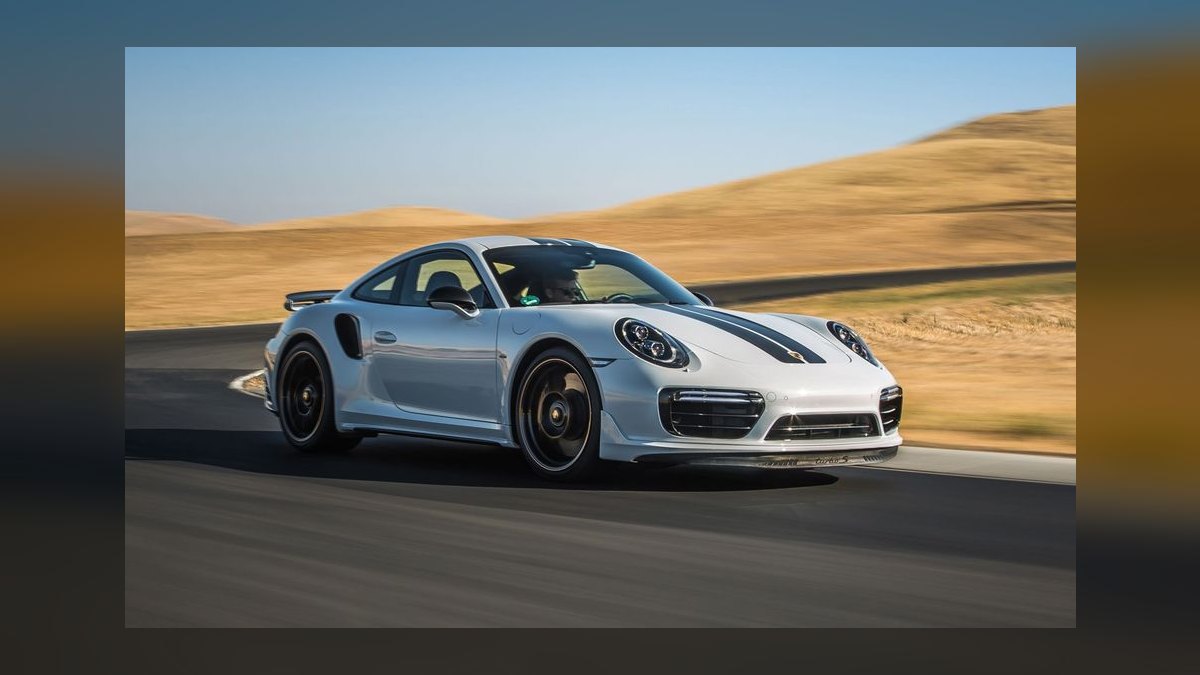
The 911 Turbo S ranks fourth as the most usable car on this list without surrendering supercar acceleration. Its 3.7-liter twin-turbo flat-six makes 640 horsepower and 590 lb-ft, and all-wheel drive launches it to 60 mph in 2.6 seconds. It runs a 205 mph top speed while carrying rear seats and 4.6 cubic feet of frunk space. Pricing opens around $232,000.
This is the choice for someone driving daily in real weather with real luggage. The trade is drama: the flat-six is muted next to a V10, and the steering is more precise than talkative. Compared to the Huracan Tecnica above it, the Turbo S is quicker in a straight line and vastly more practical, but delivers less occasion every time you start it.
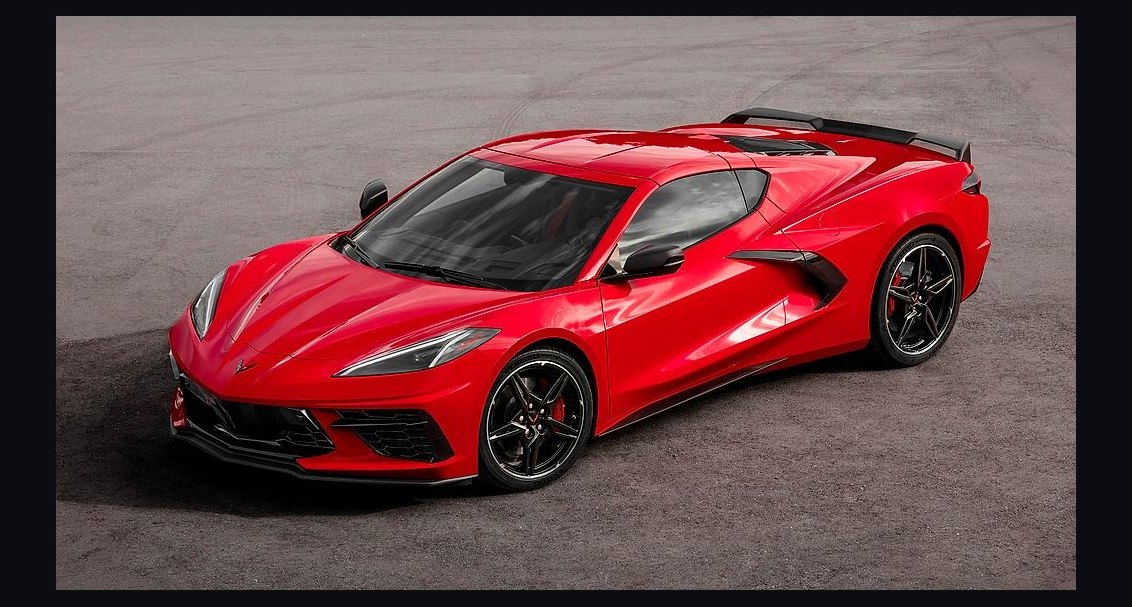
5Chevrolet Corvette Z06

The Z06 ranks fifth as the best value here, delivering exotic hardware at roughly a third of the price. Its 5.5-liter flat-plane-crank LT6 V8 makes 670 horsepower naturally aspirated and revs to 8,600 rpm, the most powerful NA V8 ever fitted to a production car. Zero to 60 takes 2.6 seconds with the Z07 package. Base pricing sits near $115,000.
Buy this if you want track capability without a six-figure depreciation curve or exotic maintenance bills. The interior plastics and switchgear do not match anything European in this list, and dealer markups have been unpredictable. Against the 911 Turbo S above, the Z06 matches it to 60 mph and beats it on cost per horsepower while giving up all-weather traction and build quality.
6Aston Martin Vantage

The Vantage ranks sixth on the strength of its 2024 rework, which lifted output substantially. The AMG-sourced 4.0-liter twin-turbo V8 now makes 656 horsepower and 590 lb-ft, up 153 horsepower over the previous car. Aston quotes 0-60 mph in 3.4 seconds and a 202 mph top speed. Pricing starts near $191,000 with an entirely new interior and electronics package.
This suits a buyer who wants front-engine grand touring proportions and a hand-finished cabin over mid-engine packaging. It carries more weight than the Corvette below and does not match it on a circuit. Against the Z06 above, the Vantage costs roughly $75,000 more and is slower to 60 mph, but delivers materially better interior craftsmanship and a quieter highway experience.
7Maserati MC20
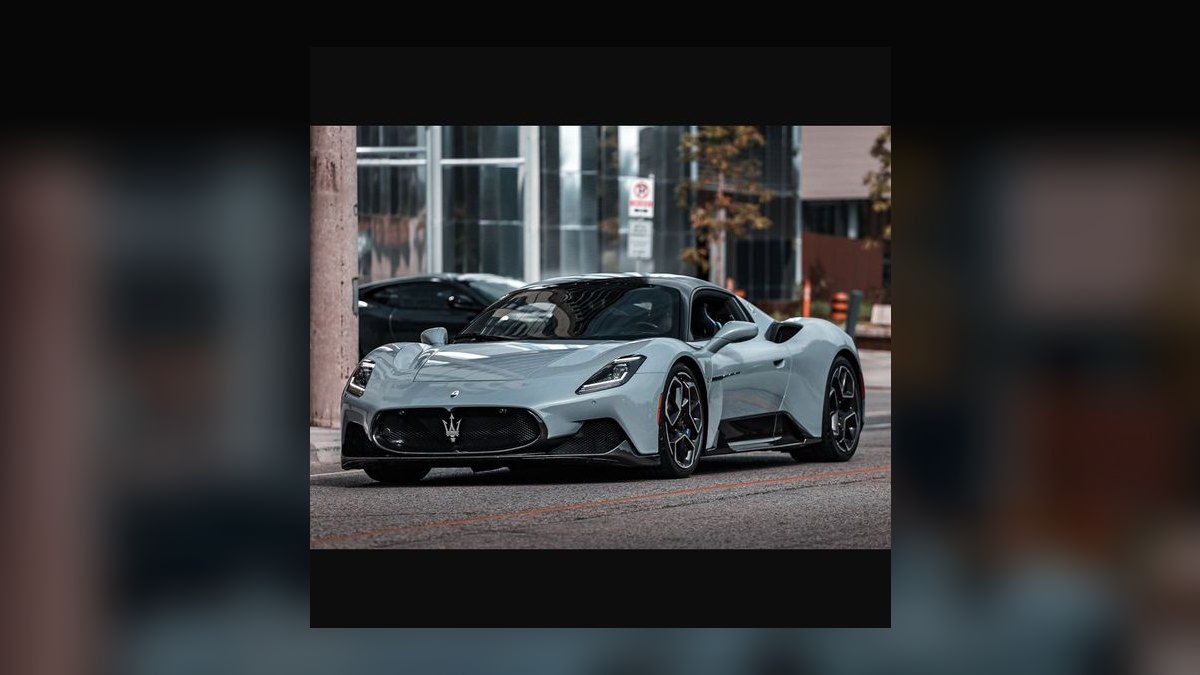
The MC20 ranks seventh for its genuinely novel engine, not a rebadged corporate unit. The 3.0-liter Nettuno twin-turbo V6 uses prechamber combustion borrowed from Formula 1 to make 621 horsepower from a compact block. Maserati quotes 0-60 mph in 2.9 seconds, 202 mph, and a dry weight near 3,300 pounds. Pricing opens around $242,000.
This is for the buyer who wants carbon-tub construction and butterfly doors without a Ferrari or McLaren badge on the nose. Resale has been softer than its rivals, and the dealer network is thin in much of the United States. Compared to the Aston Martin Vantage above, the MC20 is quicker and more exotic structurally, but its cabin is sparser and long-term support is a real consideration.
8Audi R8 V10 Performance
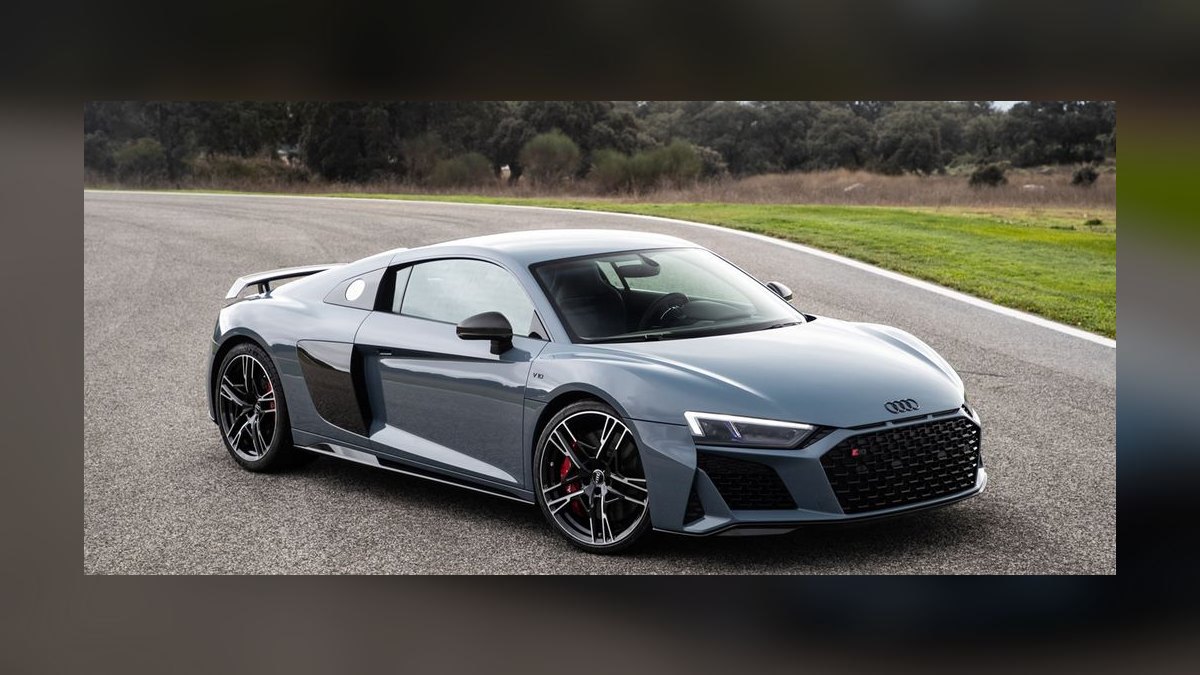
The R8 ranks eighth as the most approachable naturally aspirated V10 supercar ever built. It shares the Huracan's 5.2-liter engine, here making 602 horsepower, driving all four wheels through a seven-speed dual-clutch. Audi quoted 0-60 mph in 3.2 seconds and 204 mph. Final model-year pricing landed near $200,000 before production ended in 2024, and clean used examples now trade well below that.
Choose this if you want V10 sound with everyday ergonomics and Audi switchgear you already understand. Production has ended, so this is a used purchase, and the aging infotainment shows its age against newer rivals. Against the Maserati MC20 above, the R8 gives up mid-corner agility and carbon-tub exotica but offers all-wheel-drive security and a far broader service network.
9Mercedes-AMG GT Black Series
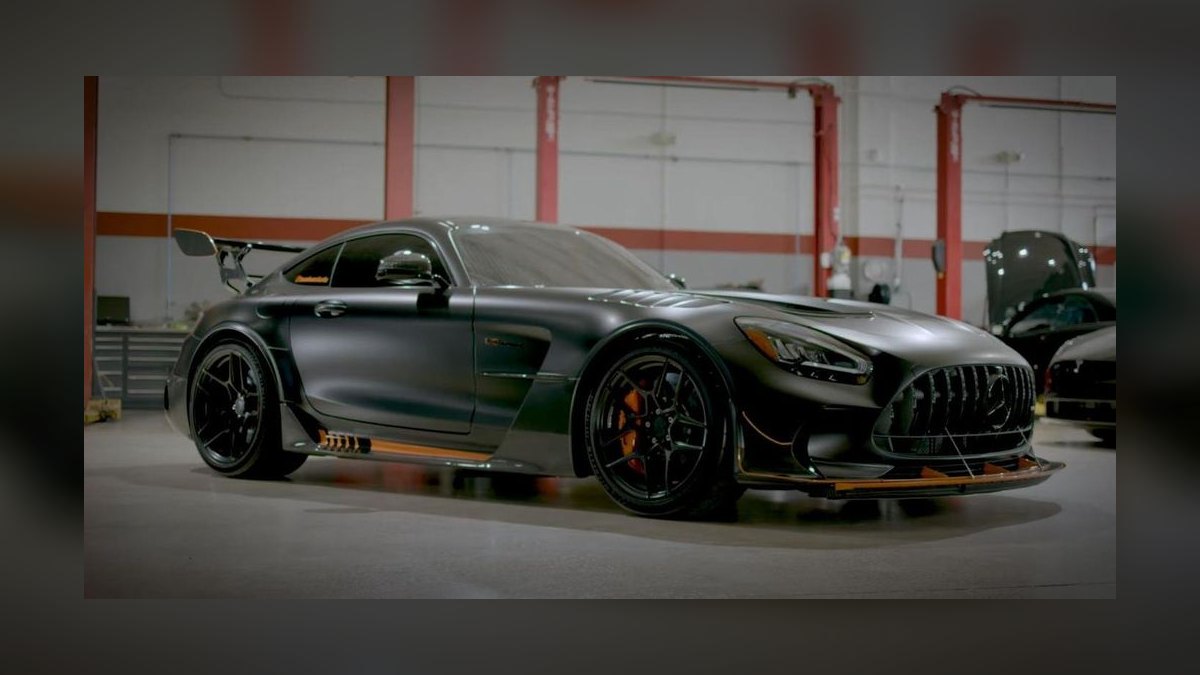
The GT Black Series ranks ninth as the most extreme car here, which limits its everyday appeal. Its 4.0-liter twin-turbo V8 uses a flat-plane crankshaft to produce 720 horsepower, the most powerful AMG V8 engine built. It set a 6:43 Nurburgring lap in 2020. Original pricing was roughly $325,000, though limited production has pushed used values higher.
This is for a collector or track-day regular who wants motorsport aerodynamics on a road car. The manually adjustable rear wing and splitter demand setup knowledge, ride quality is punishing, and visibility is poor. Compared to the Audi R8 above, it is dramatically faster and rarer, but it is not a car you drive to dinner without consequences.
10Nissan GT-R NISMO
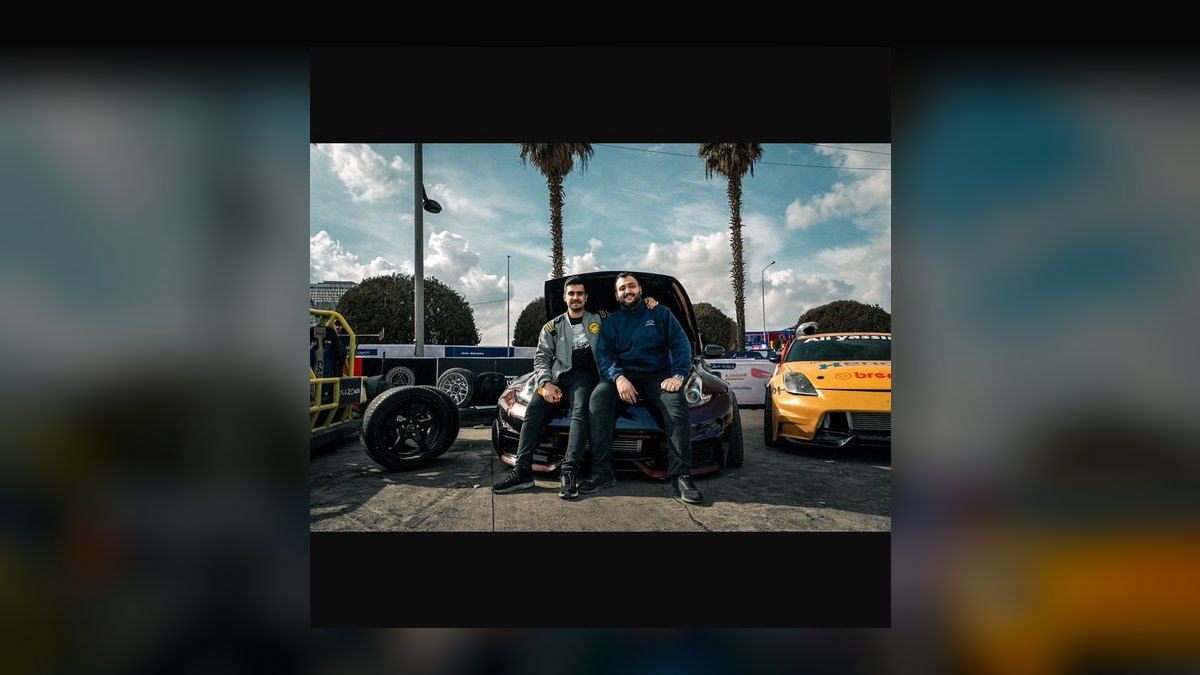
The GT-R NISMO ranks tenth because its platform dates to 2007, even as the hardware remains formidable. The hand-assembled 3.8-liter twin-turbo VR38DETT V6 makes 600 horsepower with turbochargers derived from GT3 racing. All-wheel drive and a six-speed dual-clutch deliver 0-60 mph in roughly 2.5 seconds. NISMO pricing reached about $221,000 in its final years.
This suits a buyer who values mechanical durability and all-weather launch capability over modern cabin technology. The interior, infotainment, and transmission refinement are a generation behind everything above it, and the ride is firm at any speed. Against the AMG GT Black Series, the GT-R is less exotic and less rewarding at the limit, but far easier to live with and cheaper to maintain.
How we ranked these
We ranked on measurable ownership variables: manufacturer 0-60 and top-speed figures, power-to-weight ratio, chassis and body construction, transmission behavior in traffic, and published warranty and service-interval terms. Pricing used US base MSRP before options and gas-guzzler tax, with a $500,000 ceiling. Best Overall weighted usable performance and daily livability; Best Value weighted capability delivered per dollar spent, including expected depreciation and parts availability.
We deliberately ignored allocation politics, dealer markups, and secondary-market flip premiums, because those vary by region and buyer relationship rather than by car. Track lap times from single publications were excluded as tire- and weather-dependent. We also set aside limited-run specials and one-off commissions no ordinary buyer can order, plus subjective styling. Exhaust note and brand prestige are real to owners but cannot be scored consistently across ten cars.
What to look for
The decisive variables are drivetrain layout, transmission type, and how often you will actually drive it. A mid-engine twin-turbo V8 with a dual-clutch gearbox is tolerable in traffic; a naturally aspirated V12 with stiff springs is not. Check ground clearance against your driveway, front-axle lift availability, service network distance, and tire cost. Carbon-ceramic brake replacement, clutch wear, and out-of-warranty electronics dominate real running costs far more than fuel.
The common mistake is buying the highest peak horsepower number and discovering the car is unusable below eight-tenths. Cars with lower output but better steering feel, visibility, and suspension compliance get driven; the rest sit. The second mistake is skipping a pre-purchase inspection on a low-mileage used example, assuming low miles equal health. Seals dry out, batteries die, and fluids degrade on cars that sit in climate-controlled storage.
Related questions
Does a supercar under $500,000 hold its value better than a cheaper sports car?
Not automatically. Value retention tracks production volume, drivetrain desirability, and whether the model is the last of a generation. Manual transmissions and naturally aspirated engines have held up unusually well. High-volume models in common specifications depreciate normally. A well-optioned car in a period-correct color from a limited run behaves differently than the same model in a default configuration.
How much should I budget annually beyond the purchase price?
Plan for insurance, storage, annual service, tires, and a reserve for out-of-warranty repairs. Tires alone can run several thousand dollars per set on wide-staggered fitments, and they age out on date code even with low mileage. Annual service intervals on modern supercars are typically once a year or every few thousand miles, whichever comes first. Budget conservatively rather than optimistically.
Is a used supercar a better buy than a new one at this price?
Often yes, if you accept the warranty gap. The first owner absorbs the steepest depreciation, and a two- to four-year-old car with factory-approved certification can carry extended coverage. The risk is deferred maintenance disguised by low odometer readings. A marque-specialist pre-purchase inspection, including a fluid analysis and diagnostic scan, is the single highest-return expense in the process.
Do turbocharged supercars feel worse than naturally aspirated ones?
They feel different rather than worse. Modern twin-turbo setups deliver enormous mid-range torque and are easier to drive quickly on public roads. Naturally aspirated engines reward revs and deliver more linear throttle response with a sharper top-end. Buyers who value drama and sound often prefer naturally aspirated; buyers who value effortless acceleration and daily flexibility usually prefer forced induction.
How important is a front-axle lift system?
Very, if you plan to drive the car anywhere real. Low front splitters contact driveway aprons, speed bumps, and parking ramps routinely. A hydraulic nose lift raises the front several centimeters at low speed and can be retrofitted on some models, though factory integration is cleaner. Cars without lift accumulate underbody damage that shows up as a deduction at resale.
Are carbon-ceramic brakes worth the option cost?
They are worth it for track use and for resale on most models, where their absence is a marked deduction. They resist fade, shed unsprung weight, and last far longer than iron rotors in street driving. The downside is replacement cost when they finally wear, plus occasional cold-brake noise. For a car that mostly sees weekend roads, iron rotors are perfectly adequate.
Can a supercar realistically be a daily driver?
A few can, with compromises. Ground clearance, visibility, cargo space, and ride quality decide it more than power. Cars with adaptive dampers, a comfort mode, front lift, and a usable frunk handle commuting. Expect fuel stops, attention from strangers, and parking anxiety. Most owners who intend daily use settle into weekend use within a year and keep something practical alongside.
What paperwork should I verify before closing on one of these?
Confirm the VIN against the build sheet and original window sticker, verify complete service records with the authorized network, and check for open recalls. Run a title and lien search, and confirm accident history through multiple databases rather than one report. On imported or grey-market cars, verify federalization documentation. Ask for the tool kit, both keys, the car cover, and the original books.
FAQ
What counts as a supercar rather than a sports car?
There is no legal definition, but the practical line is mid-engine or front-mid layout, exotic construction such as carbon fiber or aluminum spaceframe, output well above three hundred horsepower per ton, and limited production. A fast sedan or a high-output coupe on a mass-market platform is a sports car. Supercars sacrifice practicality for performance and are built in far smaller numbers.
Why is $500,000 a meaningful ceiling?
Above roughly half a million dollars, the market shifts toward hypercars and limited-allocation specials that ordinary buyers cannot simply order. Below it sits the broadest and most competitive segment, where several manufacturers offer flagship or near-flagship models available through normal dealer channels. The ceiling keeps the comparison to cars a qualified buyer can realistically walk in and configure.
Does a dual-clutch transmission beat a torque-converter automatic here?
For outright shift speed and driver engagement, dual-clutch units still lead and dominate this segment. Modern torque-converter automatics have closed the gap on smoothness and are gentler in stop-and-go traffic. Dual-clutch gearboxes can feel lurchy at parking speeds and their clutch packs are a wear item. Neither choice is wrong; it depends on how much city driving the car will see.
Are manual transmissions still available in this segment?
Barely, and mostly through limited special editions or aftermarket conversions. Emissions certification, launch-control performance, and low take rates pushed manufacturers away from three pedals. Where a factory manual exists in a modern supercar, it typically carries a substantial market premium over the automatic version. Buyers who want a manual should expect to search the used market rather than order new.
How do insurance costs work for a car at this price?
Standard carriers often decline or price aggressively. Specialty collector and exotic insurers typically offer agreed-value policies with mileage limits and secure-storage requirements, which frequently cost less than a standard policy on the same car. Agreed value matters: it fixes the payout amount at policy inception rather than leaving it to a post-loss valuation argument with an adjuster.
Does mileage hurt resale as much as people say?
It matters, but condition and documentation matter more. A twenty-thousand-mile car with complete records, no paint work, and current service often sells more easily than a two-thousand-mile car with unknown storage history and dried seals. Extremely low mileage helps at the very top of the collector market. In the ordinary used-supercar market, a healthy, driven car is the safer purchase.
Should I option the car heavily or keep it simple?
Options that affect performance and usability — carbon-ceramic brakes, front lift, upgraded seats, and a factory-desirable color — generally return part of their cost. Cosmetic packages and exotic interior trims rarely do. Extremely unusual color and trim combinations narrow the future buyer pool. The safest approach is to option for how you will use the car, then accept that most of that money is spent, not invested.
What is the biggest hidden cost of ownership?
Out-of-warranty electronics and consumables that age on the calendar rather than the odometer. Batteries, fluids, tires, and rubber seals degrade in storage. A car driven a few hundred miles a year still needs annual service, and neglected examples arrive at the shop with a long list. Factor a meaningful annual reserve even if you barely drive the car.
Are extended factory warranties worth buying?
Usually yes on this class of car. A single major component failure can exceed several years of premium payments, and manufacturer-backed plans generally cover electronics and drivetrain that independent policies exclude. Read the exclusions carefully, confirm the plan transfers to a subsequent owner, and check whether it requires servicing within the authorized network. Transferability adds real resale value.
How do I choose between Best Overall and Best Value?
Best Overall suits a buyer who wants the most complete car and treats the price difference as secondary. Best Value suits a buyer optimizing capability per dollar and willing to accept fewer standard features or a less prestigious badge. Neither ranking rewards raw peak horsepower. Decide first how many miles per year you will actually drive, then let that choose for you.
Sources
- https://www.caranddriver.com/features/g15379022/best-supercars/
- https://www.motortrend.com/cars/
- https://www.roadandtrack.com/new-cars/
- https://www.autocar.co.uk/car-news/best-cars
- https://www.topgear.com/car-reviews
- https://www.hagerty.com/media/valuation/
- https://www.iihs.org/ratings
- https://www.fueleconomy.gov/
- https://www.nhtsa.gov/recalls
- https://www.evo.co.uk/best-cars
Related on PULSE
This page will be disappearing soon. Save it to your device for $1 — or read it free while it is here.
@Kory-White- · if Venmo asks, the last 4 of my number are 2012
This page is gone.
This one is off the shelf now. $1 keeps it on your phone for good — the whole page, pictures and diagrams included.
 pulse-recentTop 10 Supercars With the Cheapest Monthly Lease Payments in 2027
 pulse-recentTop 10 Supercars With Scheduled Maintenance Under $5,000 a Year in 2027
 pulse-recentTop 10 Muscle Cars 1987 — Best Overall + Best Value
 pulse-recentTop 10 Muscle Cars 1975 — Best Overall + Best Value
 pulse-recentTop 10 Muscle Cars 2000 — Best Overall + Best Value
 pulse-recentTop 10 Supercars With the Highest Top Speed in 2027
 pulse-recentTop 10 Muscle Cars 2012 — Best Overall + Best Value
 pulse-recentTop 10 Muscle Cars 1978 — Best Overall + Best Value
 pulse-recentTop 10 Supercars With Manufacturer Lease Deals in 2027
 pulse-recentHow much down payment do dealers require to finance a Hyundai Elantra N with average credit in 2027?