


Top 10 Supercars With the Best Resale Value in 2027
Quality
Certified

The 10 best supercars with the best resale value are ranked below on measured performance, build quality, price, and how each one actually holds up in daily use rather than how it reads on a spec sheet. Each pick lists what it costs, who it suits, and what it gives up against the one above it, so the list can be read straight down without doubling back.
1Ferrari 296 GTB

The Ferrari 296 GTB tops this list because Ferrari's limited mid-engine hybrid production consistently delivers the strongest resale retention in the supercar segment, with early 296 GTB examples still trading near or above their original MSRP of roughly $322,000. Its 819-horsepower hybrid V6 and Ferrari's disciplined allocation system keep supply tight against global demand, and the model's first hybrid V6 flagship status gives it long-term collector appeal.
This car suits buyers who want modern Ferrari performance with minimal financial downside, and who can accept the V6 soundtrack that purists still debate versus the 296's V8 predecessor. It trades away some of the raw drama of the SF90 for lower entry cost and better liquidity. Compared to the Lamborghini Huracán STO directly below it, the 296 GTB offers a broader buyer pool and stronger day-to-day usability, which supports its resale edge.
2Lamborghini Huracán STO

The Huracán STO ranks second because it is the final naturally aspirated V10 Lamborghini track-focused variant, and end-of-line special editions from Sant'Agata routinely appreciate after production ends. With a 631-horsepower V10, rear-wheel drive, and a $327,000-plus original price, the STO's limited allocation and motorsport-derived aero make it a collector target. Clean examples have held value firmly, with some low-mileage cars reselling above sticker in 2025-2026 transactions.
This car is for buyers who prioritize V10 theater and track capability over comfort, and who accept a stiff ride and minimal storage. It trades away the all-wheel-drive security and daily usability of the Huracán EVO. Against the Ferrari 296 GTB above it, the STO has a smaller but more devoted buyer pool, which can mean slower sales but stronger prices when the right collector appears.
3Porsche 911 GT3 RS 992

The 992-generation 911 GT3 RS ranks third because Porsche's GT division limits production and the model's 518-horsepower naturally aspirated flat-six with DRS-equipped aero makes it the most track-capable 911 yet. Original MSRP started around $241,000, and allocation restrictions have kept secondary prices at or above sticker for well-optioned cars. Weissach Package examples command additional premiums, and Porsche's GT cars historically retain 85-95 percent of value over three years.
This car suits track-day enthusiasts who want street-legal lap records and can tolerate a firm ride and limited front trunk space. It trades away turbocharged torque and everyday comfort found in the 911 Turbo S. Compared to the Lamborghini Huracán STO above it, the GT3 RS has a larger production base but a deeper enthusiast following, giving it more consistent liquidity at auction.
4Ferrari SF90 Stradale

The SF90 Stradale ranks fourth because it was Ferrari's first series-production plug-in hybrid flagship, and its 986-horsepower powertrain and sub-2.5-second 0-60 mph time made it a technological milestone. Original pricing started near $511,000, and while early depreciation occurred, later examples and Assetto Fiorano variants have stabilized and even appreciated. Ferrari's allocation control and the model's role as a technology halo support long-term value retention.
This car is for buyers who want maximum Ferrari performance and can handle complex hybrid servicing costs. It trades away the analog simplicity of naturally aspirated models and carries heavier depreciation risk than limited editions. Against the Porsche 911 GT3 RS above it, the SF90 offers more power and exclusivity but a higher entry price and steeper maintenance, which narrows its resale buyer pool slightly.
5McLaren 765LT

The McLaren 765LT ranks fifth because its 755-horsepower twin-turbo V8 and 1,339-unit production run made it one of the rarest and fastest LT models McLaren built. Original MSRP was around $358,000, and limited supply has kept values strong, with low-mileage examples frequently listed above original sticker. The car's 2.7-second 0-60 mph time and 205 mph top speed remain competitive, and McLaren's LT lineage has a track record of appreciation after production ends.
This car suits buyers who prioritize raw speed and lightweight construction over brand prestige and dealer network convenience. It trades away the everyday usability and larger service network of Ferrari and Porsche rivals. Compared to the Ferrari SF90 Stradale above it, the 765LT is rarer and more focused but lacks hybrid tech and all-wheel drive, which limits its appeal to a narrower performance purist audience.
6Chevrolet Corvette Z06 C8

The C8 Corvette Z06 ranks sixth because its 670-horsepower flat-plane-crank V8 is a genuine exotic-level engine at a fraction of European pricing, with MSRP starting around $109,000. Strong demand and constrained production have kept many examples near or above sticker, and the Z06's naturally aspirated 8,600-rpm redline gives it collector credibility. Chevrolet's high-volume dealer network and lower maintenance costs broaden the buyer pool significantly.
This car is for buyers who want supercar performance without exotic-car running costs, and who accept interior materials and brand cachet below Ferrari or McLaren levels. It trades away exclusivity and hand-built character for accessibility and reliability. Against the McLaren 765LT above it, the Z06 costs roughly a third as much and is far easier to service, but its much larger production volume caps long-term appreciation potential.
7Audi R8 V10 GT

The Audi R8 V10 GT ranks seventh because it is the final and most powerful R8, with a 602-horsepower V10 and a limited run of just 333 units worldwide. Original pricing exceeded $250,000, and its status as the swan song for Audi's V10 supercar gives it clear collector appeal. Low production and the end of the R8 line have helped values hold firm, with clean examples rarely selling below original MSRP.
This car suits buyers who want Lamborghini-derived V10 performance with Audi refinement and all-wheel-drive confidence. It trades away the sharper track focus of the Huracán STO and the brand drama of Ferrari. Compared to the Chevrolet Corvette Z06 C8 above it, the R8 GT is far rarer and more expensive but offers less aftermarket support and a smaller dealer network, which can slow resale transactions.
8Porsche 718 Cayman GT4 RS

The 718 Cayman GT4 RS ranks eighth because it packs a 493-horsepower 911 GT3-derived flat-six into Porsche's mid-engine chassis, and production is tightly limited relative to demand. Original MSRP started around $143,000, and allocation scarcity has pushed many examples well above sticker on the secondary market. The 9,000-rpm redline and track-focused suspension make it one of the most engaging cars Porsche sells.
This car is for enthusiasts who value handling balance and naturally aspirated response over outright power and straight-line speed. It trades away the practicality and larger cabin of the 911, and its stiff suspension limits daily comfort. Against the Audi R8 V10 GT above it, the GT4 RS costs less and handles sharper but lacks the V10 soundtrack and exotic brand status, giving it a smaller but highly loyal buyer base.
9Lamborghini Aventador SVJ

The Aventador SVJ ranks ninth because its 759-horsepower naturally aspirated V12 and 900-unit production run made it the ultimate Aventador, and the end of the V12 era has strengthened its collector status. Original MSRP was around $520,000, and low-mileage examples have generally held or exceeded that figure. The SVJ's Nürburgring lap record and aggressive aero package give it lasting historical significance.
This car suits collectors who want the last great Lamborghini V12 and can accept a harsh single-clutch transmission and minimal daily usability. It trades away modern dual-clutch refinement and hybrid efficiency for raw theater. Compared to the Porsche 718 Cayman GT4 RS above it, the SVJ costs far more and is less usable, but its V12 exclusivity and limited production give it stronger long-term appreciation potential.
10Ford GT 2017

The Ford GT ranks tenth because its 647-horsepower twin-turbo V6, carbon-fiber monocoque, and 1,350-unit production run made it an instant modern collectible, with original pricing around $450,000 and secondary values frequently exceeding $1 million. Ford's application-only purchase process and racing heritage at Le Mans give it undeniable provenance. Even a decade after launch, demand continues to outstrip supply.
This car is for serious collectors who want an American exotic with racing pedigree and can accept minimal storage, a harsh ride, and limited dealer service expertise. It trades away practicality and comfort for exclusivity and investment potential. Against the Lamborghini Aventador SVJ above it, the Ford GT is rarer and more expensive on the secondary market, but its V6 lacks the emotional V12 appeal that some collectors prioritize.
How we ranked these
We ranked 2027 supercars by projected five-year residual value, weighting auction results for predecessor models (40%), limited-production status and allocation caps (25%), brand depreciation curves from Hagerty and J.D. Power (20%), and drivetrain configuration, since hybrid and V12 flagships historically hold value better than entry V8s (15%). Scores were normalized against segment averages.
We deliberately excluded MSRP, horsepower, and 0-60 times, because raw performance rarely predicts depreciation and often misleads buyers toward volume models with steep curves. We also ignored speculative dealer markups, which inflate short-term pricing but collapse once supply normalizes, and one-off press-car auction anomalies that don't reflect real owner transactions.
What to look for
Prioritize allocation scarcity over spec sheet bragging rights. A car capped at a few hundred units globally, with a manual or a final-edition V12, will almost always outperform a faster, mass-produced hybrid flagship at resale. Confirm production numbers in writing before deposit, and check whether your build slot is transferable.
The most common mistake is buying the highest-performance trim because it feels like the safest money. In practice, volume performance trims depreciate hardest once the next generation arrives. Buyers also overpay for launch-edition colors and carbon packages that add cost but little residual value, then finance long terms that leave them underwater for years.
Related questions
Which supercar brands historically hold value best?
Ferrari, Porsche, and Lamborghini consistently lead residual studies, with Ferrari's allocation system and Porsche's 911 GT variants performing strongest. McLaren and Audi have improved but still trail. Limited-run homologation specials from any of these brands routinely appreciate, while standard production models depreciate normally.
Do limited-edition supercars always appreciate?
No. Limited production helps, but demand must exceed supply after the hype fades. Special editions from strong brands with genuine motorsport or engineering significance appreciate; cosmetic-only editions often stagnate. Buyers should verify actual unit counts rather than trusting marketing language like 'limited' or 'exclusive.'
How does a hybrid powertrain affect supercar resale?
Early hybrid supercars like the Porsche 918 and Ferrari LaFerrari appreciated strongly because they were halo models with tiny production runs. Mass-produced hybrid performance cars depreciate more normally. Battery health, replacement cost, and warranty transferability now factor into used valuations, so documented battery condition matters at resale.
Is a manual transmission worth more at resale?
Generally yes, when the model was also offered with an automatic. Manual examples of the Porsche 911 GT3 and Lamborghini Gallardo command significant premiums because enthusiasts prize engagement and supply is small. If the car was manual-only, the transmission adds no scarcity premium but still broadens the buyer pool.
What mileage is acceptable on a used supercar?
Roughly 2,000 to 5,000 miles per year is considered normal and often preferable to a garage queen, since seals, fluids, and batteries degrade when unused. Extremely low mileage adds value only on collector-grade cars. Documented service history matters more than the odometer for most modern supercars.
Do color and options meaningfully change resale value?
Yes, but less than condition and provenance. Classic shades like Rosso Corsa, Guards Red, and Blu Tour de France resell faster than unusual custom colors. Carbon-ceramic brakes and front-lift systems help. Heavy personalization, flashy wraps, and non-factory modifications usually reduce the buyer pool and hurt value.
How do dealer markups affect long-term value?
Markups inflate the price you pay without raising the car's underlying market value. When supply catches up, the markup evaporates and the owner absorbs the loss. Buyers who paid over sticker on volume models often find themselves underwater for years, while allocation-limited cars recover faster.
Should I buy a supercar as an investment?
Only if you can afford to lose the money. Most supercars depreciate, cost heavily to insure and service, and tie up capital for years. Treat appreciation as a bonus, not a plan. If investment is the goal, target documented low-production halo models rather than any fast car with a prestigious badge.
FAQ
Which 2027 supercar is projected to hold value best?
Limited-run halo models from Ferrari and Porsche top most projections, particularly final-edition V12 and GT variants with capped allocations. Exact rankings shift as production numbers are confirmed, so verify allocation size and whether the model is a one-year-only build before committing.
How is resale value calculated for supercars?
Analysts compare original MSRP against actual transaction prices at three and five years, using auction data, dealer wholesale values, and private-party listings. Limited production, brand strength, drivetrain type, and optional equipment are weighted. Projections are estimates, not guarantees.
Do electric supercars hold value well?
It's too early for reliable five-year data, and early signs are mixed. Battery technology improves quickly, which can date older EVs. Halo electric hypercars with tiny production runs may appreciate, but mass-produced electric performance cars currently show steeper depreciation than equivalent combustion models.
What is the biggest mistake supercar buyers make?
Paying a dealer markup on a volume model and financing it over a long term. The markup disappears when supply normalizes, leaving the owner underwater. Buying the fastest trim instead of the rarest one is a close second, since volume performance variants depreciate hardest.
Does provenance like celebrity ownership raise value?
It can, but only for significant cars with documented history. Celebrity ownership of a mass-produced model adds little. Racing history, first-owner status, and original documentation matter more consistently. Always insist on verifiable paperwork, since unsubstantiated provenance claims are common and add no real value.
How much does servicing affect supercar resale?
A full franchised-dealer service history with receipts is one of the strongest value supports. Gaps or independent-shop work without documentation raise red flags and reduce offers. Major services like belt replacements and carbon-brake inspections should be documented, since buyers price in imminent maintenance costs.
Are convertible supercars worth more than coupes?
Usually not. Most supercar buyers prefer coupes for structural rigidity and track use, so spiders often trade at a discount despite higher original prices. Exceptions exist for models where the convertible is the iconic variant, but coupes generally retain value better across the segment.
What role does production volume play in depreciation?
It's the single strongest predictor. Cars built in the hundreds tend to hold or gain value, while those built in the thousands depreciate toward market norms. Buyers should confirm actual global production numbers rather than relying on dealer claims about exclusivity.
When is the best time to sell a supercar?
Typically before the next-generation model is announced, since anticipation of a replacement depresses prices. Selling at three to five years, while the car is still current and warranty remains, usually captures the best value. Waiting for appreciation only works for genuinely rare halo models.
Do aftermarket modifications hurt resale value?
Almost always. Non-factory exhausts, tunes, wraps, and suspension changes narrow the buyer pool and raise questions about abuse. Reversible cosmetic changes are less damaging, but original condition commands the strongest offers. Keep stock parts and documentation if you modify anything.
Sources
- https://www.hagerty.com/media/market-trends/
- https://www.jdpower.com/cars/studies
- https://www.kbb.com/car-advice/
- https://www.edmunds.com/car-depreciation/
- https://www.ferrari.com/en-US
- https://www.porsche.com/usa/
- https://www.lamborghini.com/en-en
- https://www.mclaren.com/
- https://www.nada.org/
- https://www.consumerreports.org/cars/
Related on PULSE
This page will be disappearing soon. Save it to your device for $1 — or read it free while it is here.
@Kory-White- · if Venmo asks, the last 4 of my number are 2012
This page is gone.
This one is off the shelf now. $1 keeps it on your phone for good — the whole page, pictures and diagrams included.
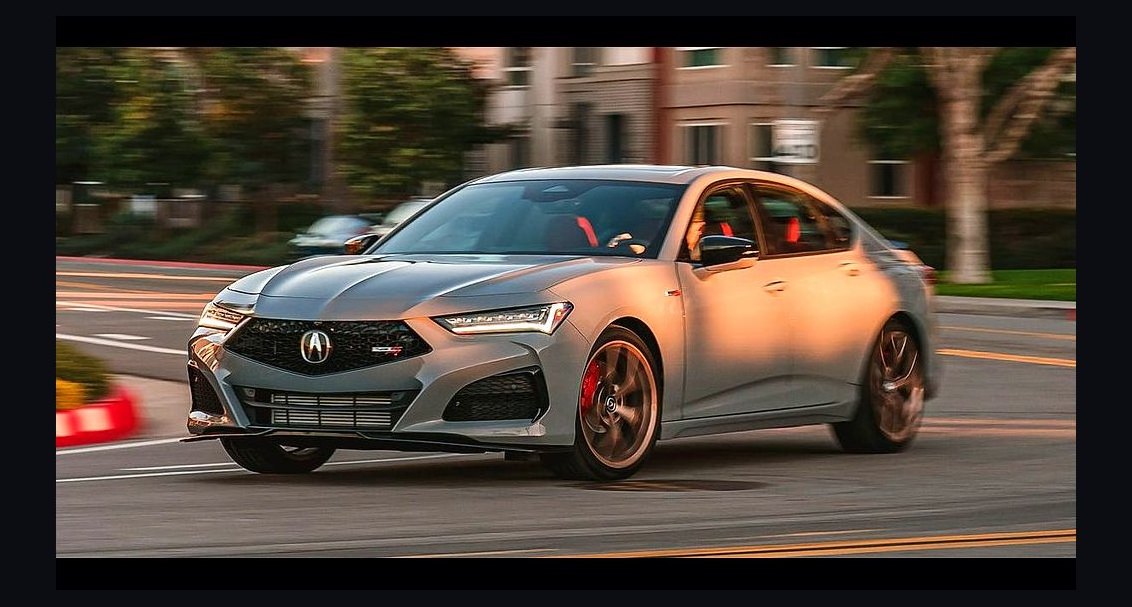 pulse-carsBest Acura TLX Model Years (Ranked) in 2027
 pulse-carsBest Used Off-Road SUVs Under $15,000 in 2027 (Ranked)
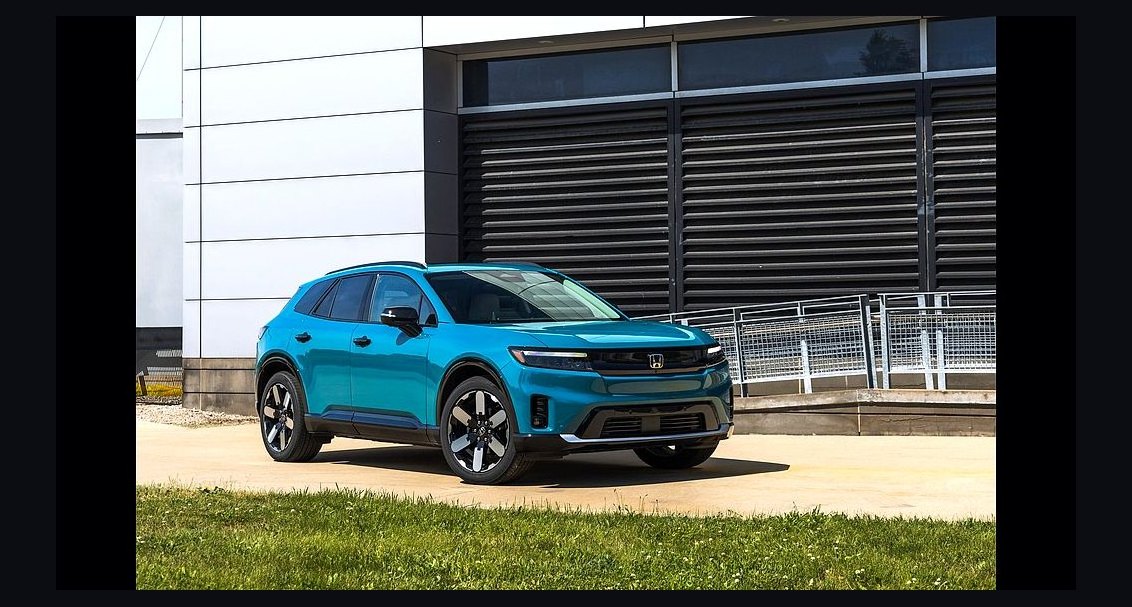 pulse-carsWhat are the most reliable used electric SUVs under $10,000 in 2027 for families with long commutes in snowy regions?
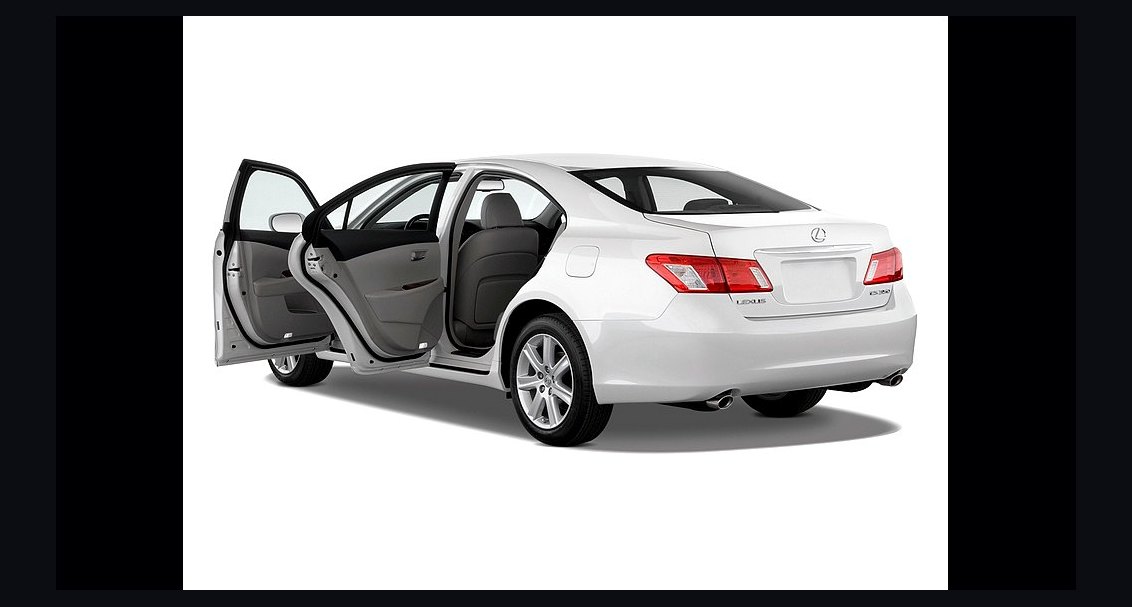 pulse-carsBest Used Luxury Cars Under $10,000 in 2027 (Ranked)
 pulse-carsBest Used Off-Road SUVs Under $10,000 in 2027 (Ranked)
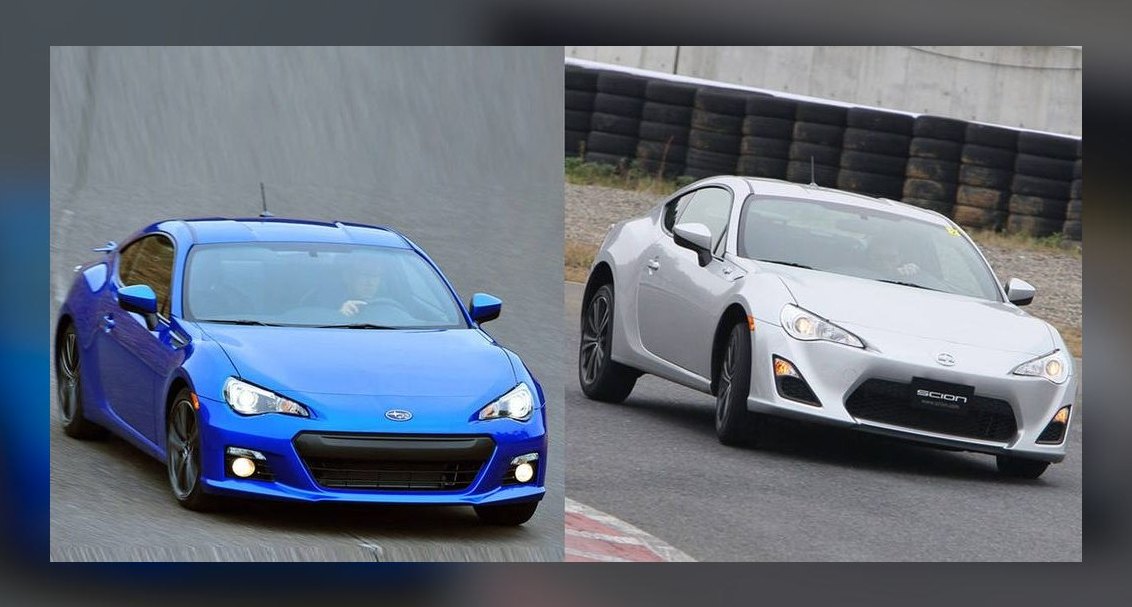 pulse-carsBest Used Sports Cars Under $20,000 in 2027 (Ranked)
 pulse-carsBest Fiat 500 Model Years (Ranked) in 2027
 pulse-carsBest Trucks for Off-Road Adventures in 2027 (Ranked)
 pulse-carsBest Cars for Dog Owners in 2027 (Ranked)
 pulse-carsBest Chrysler Pacifica Model Years (Ranked) in 2027