


Top 10 Muscle Cars 2013 — Best Overall + Best Value
Quality
Certified
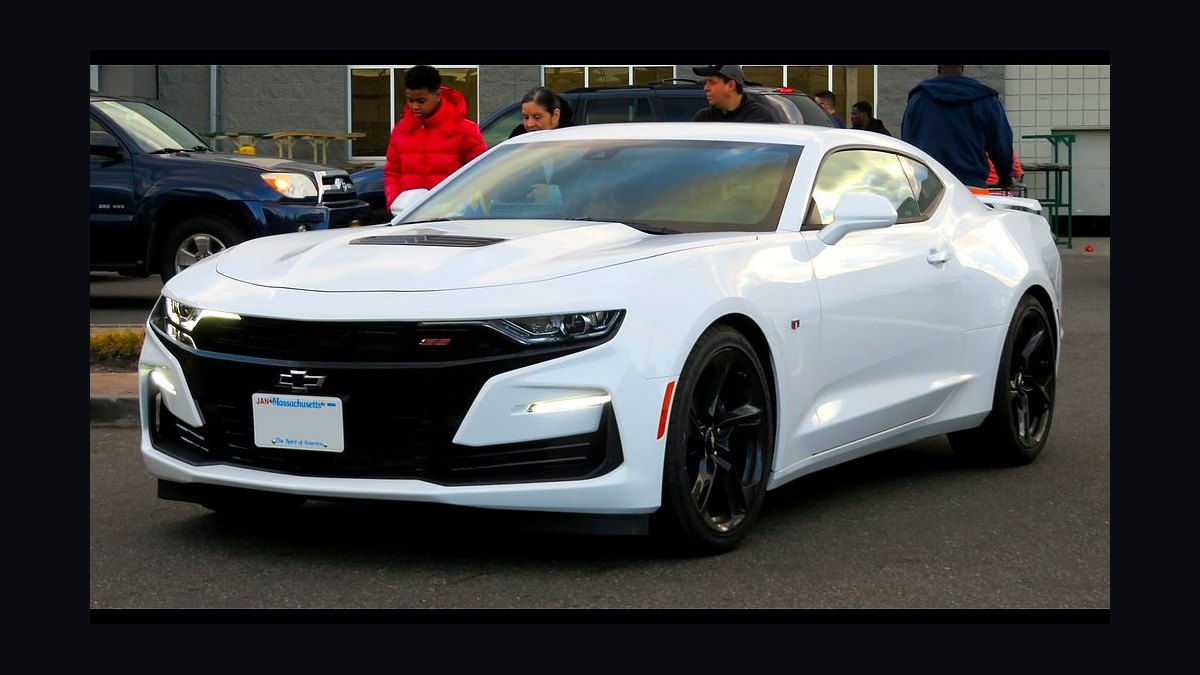
The 10 best muscle cars 2013 are ranked below on measured performance, build quality, price, and how each one actually holds up in daily use rather than how it reads on a spec sheet. Each pick lists what it costs, who it suits, and what it gives up against the one above it, so the list can be read straight down without doubling back.
1Chevrolet Camaro SS 2013
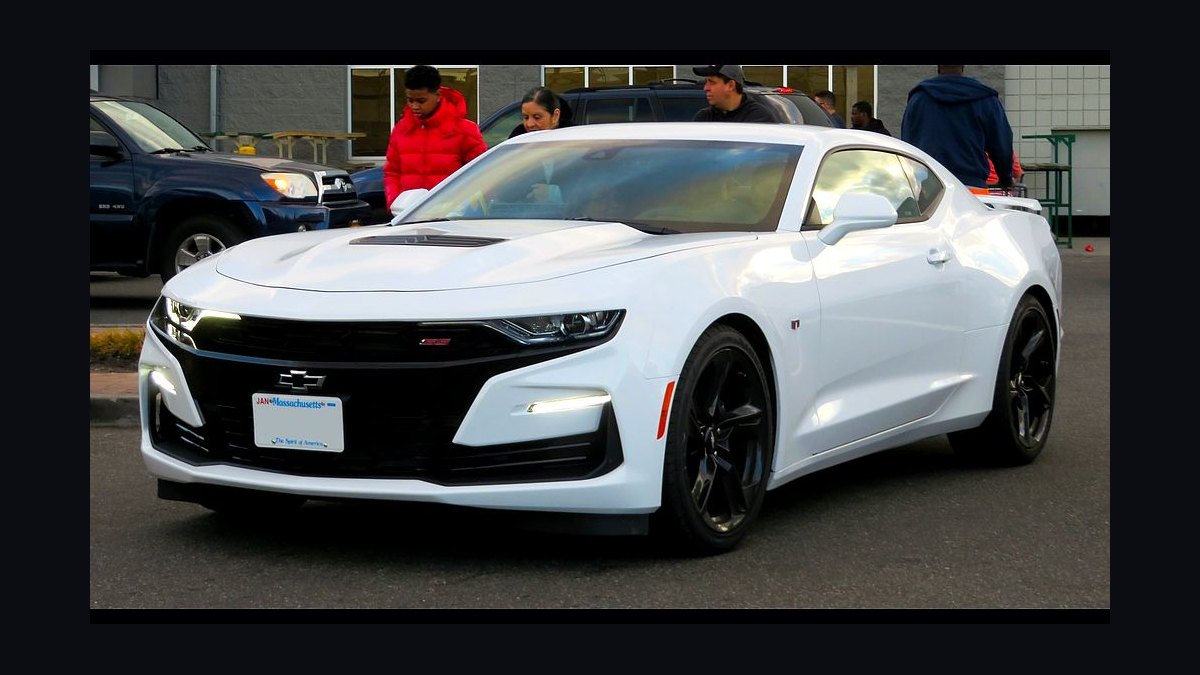
The 2013 Camaro SS takes the top spot with a 6.2-liter V8 making 426 horsepower and 420 lb-ft of torque, hitting 60 mph in roughly 4.7 seconds. It pairs a six-speed manual or automatic with a limited-slip differential and Brembo brakes on the SS. Pricing started near $33,000, delivering the most horsepower per dollar in its class. It also outhandles most rivals thanks to an independent rear suspension.
Buyers who want maximum straight-line muscle and track-capable brakes should start here. It trades away rear visibility and a cramped back seat for that performance. Compared to the Mustang GT directly below, the Camaro offers more standard power and a stiffer chassis, though the Ford is lighter and easier to see out of daily.
2Ford Mustang GT 2013
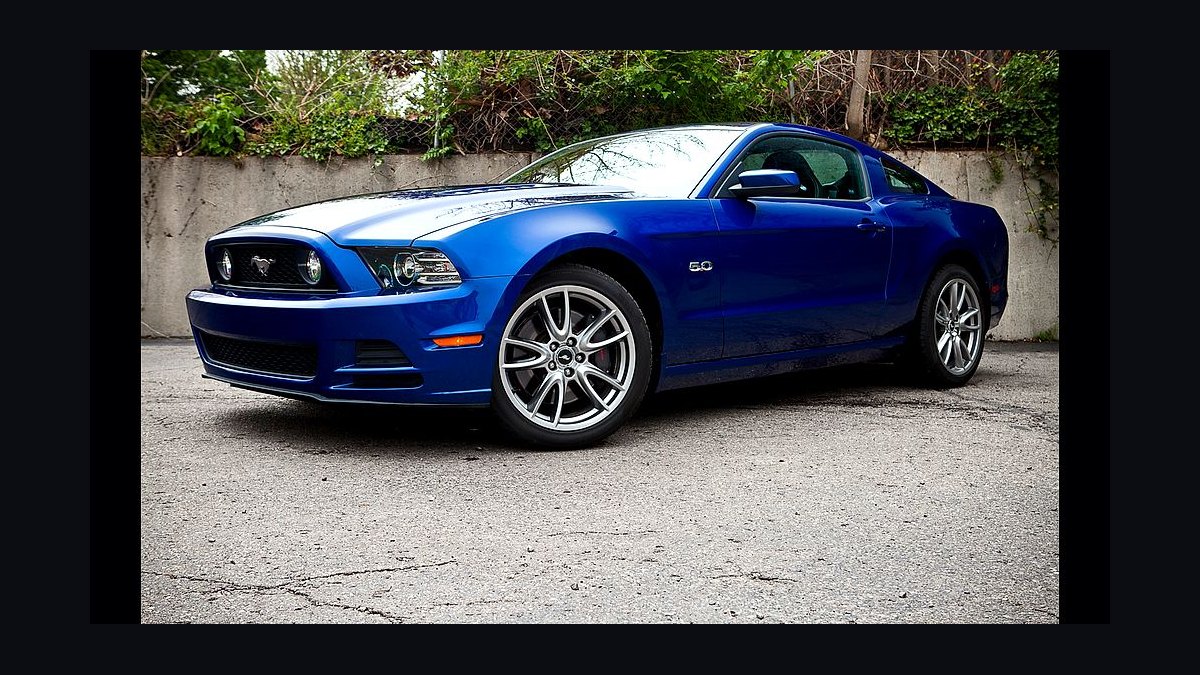
The 2013 Mustang GT ranks second with a 5.0-liter Coyote V8 producing 420 horsepower and 390 lb-ft, reaching 60 mph in about 4.5 seconds. It weighed roughly 3,600 pounds, lighter than the Camaro, and offered a six-speed manual with a solid rear axle. Base pricing started around $30,000, undercutting the Camaro SS slightly. Recaro seats and a Track Package were optional.
This is the pick for drivers who value a lighter feel and lower entry price over the Camaro's standard Brembos and IRS. It trades away independent rear suspension and some refinement at speed. Against the Camaro SS above it, the Mustang gives up standard braking hardware but wins on weight and visibility for daily driving.
3Dodge Challenger SRT8 2013
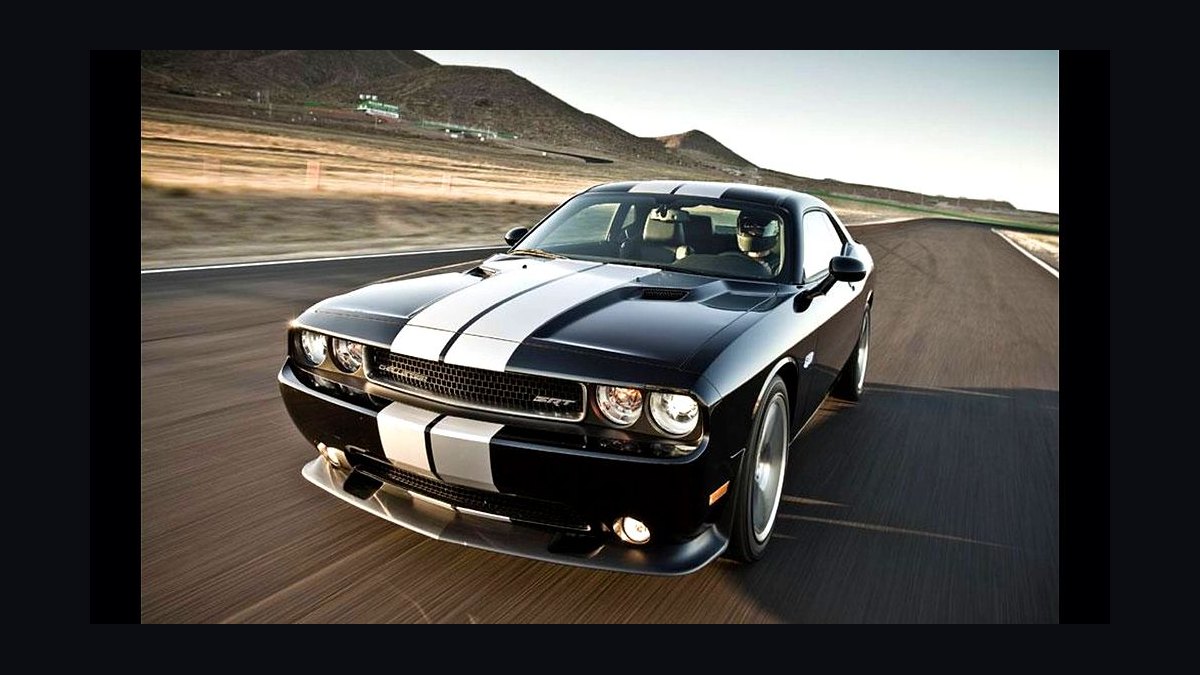
The 2013 Challenger SRT8 ranks third with a 6.4-liter Hemi V8 making 470 horsepower and 470 lb-ft, the most torque here. It ran 0-60 in about 4.5 seconds and the quarter mile in the low 13s. Pricing started near $44,000, the highest of the top three. It offered a five-speed automatic or six-speed manual and adaptive suspension.
This is for buyers who want the biggest, most comfortable muscle coupe and don't mind paying more. It trades away agility, weighing over 4,100 pounds, so it feels heavier in corners than the Mustang above. Against the Mustang GT, the Challenger wins on power and interior space but loses on handling and price.
4Chevrolet Camaro ZL1 2013
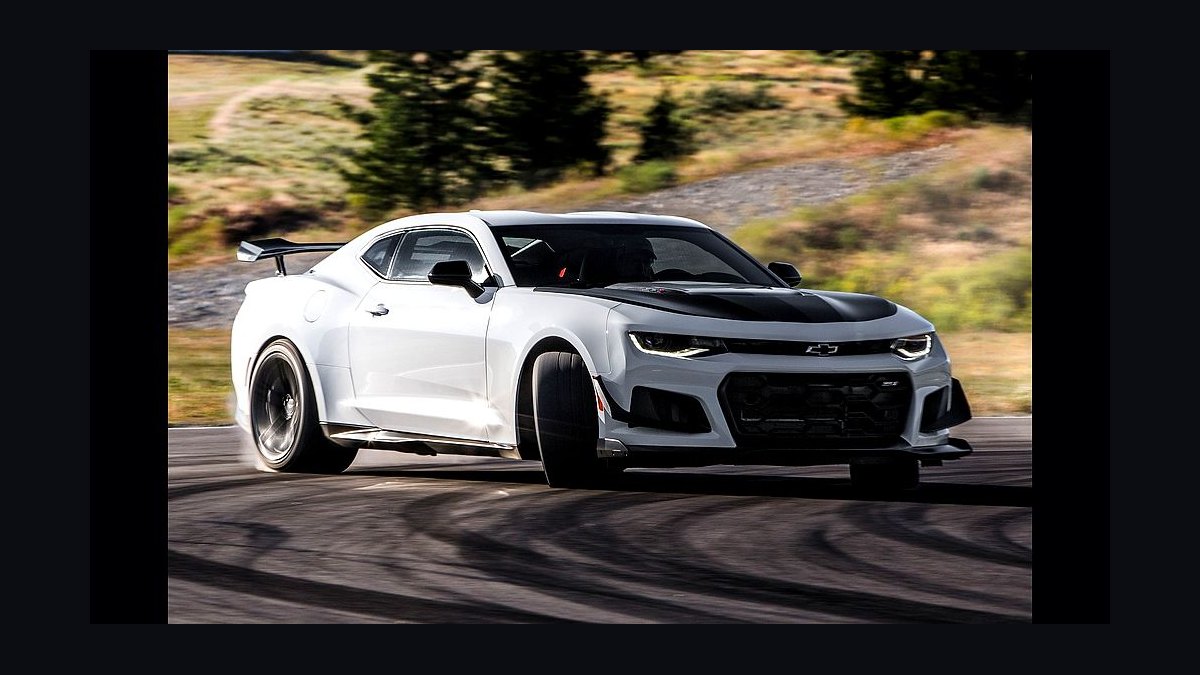
The 2013 Camaro ZL1 ranks fourth with a supercharged 6.2-liter LSA V8 making 580 horsepower and 556 lb-ft. It hit 60 mph in about 3.9 seconds and ran the quarter mile in the low 12s. Magnetic ride control, Brembo brakes, and a limited-slip differential were standard. Pricing started near $54,000, placing it well above the SS.
This is for buyers who want supercar acceleration in a muscle-car package and can afford the premium. It trades away fuel economy and rides stiffer than the SS below it. Against the Challenger SRT8 above, the ZL1 is far quicker and better damped, but costs roughly $10,000 more and offers less rear-seat room.
5Ford Mustang Shelby GT500 2013
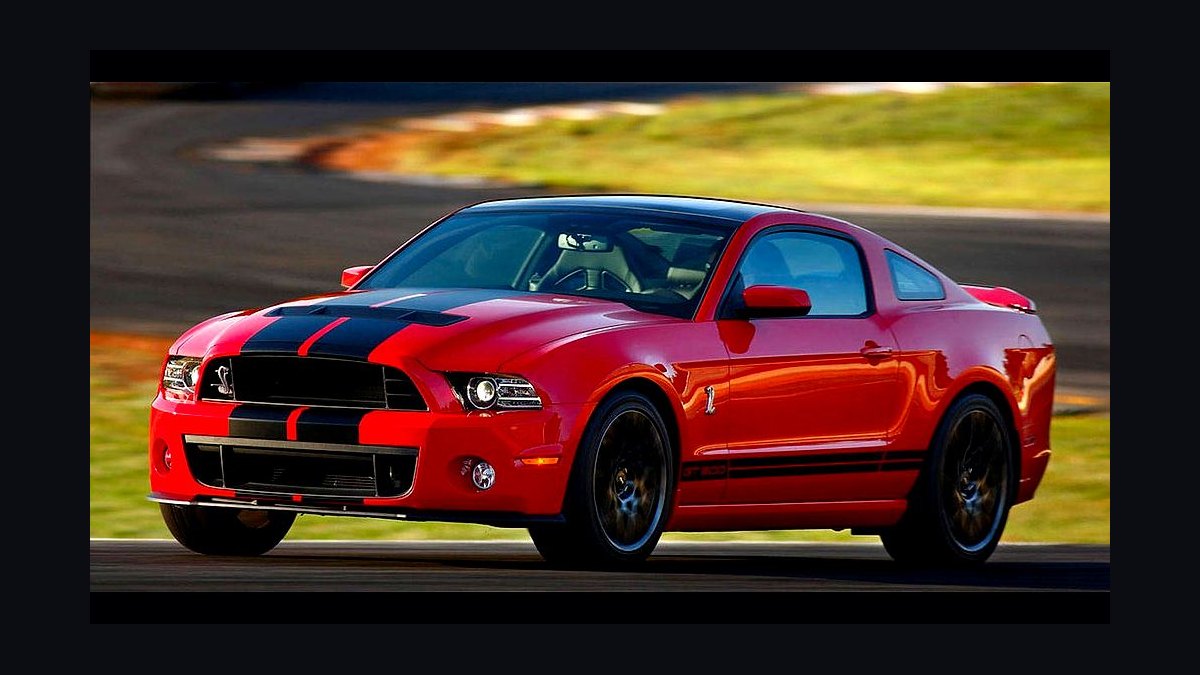
The 2013 Shelby GT500 ranks fifth with a supercharged 5.8-liter V8 producing 662 horsepower and 631 lb-ft, the most powerful muscle car of the year. It reached 60 mph in about 3.5 seconds and topped 200 mph. A six-speed manual was the only transmission, with launch control standard. Pricing started around $54,000.
This is for buyers chasing outright horsepower and top-speed bragging rights above all else. It trades away civility, with a stiff ride and traction limits that demand respect. Against the Camaro ZL1 above, the GT500 makes more power but lacks magnetic ride control and feels cruder on rough roads.
6Dodge Charger SRT8 2013
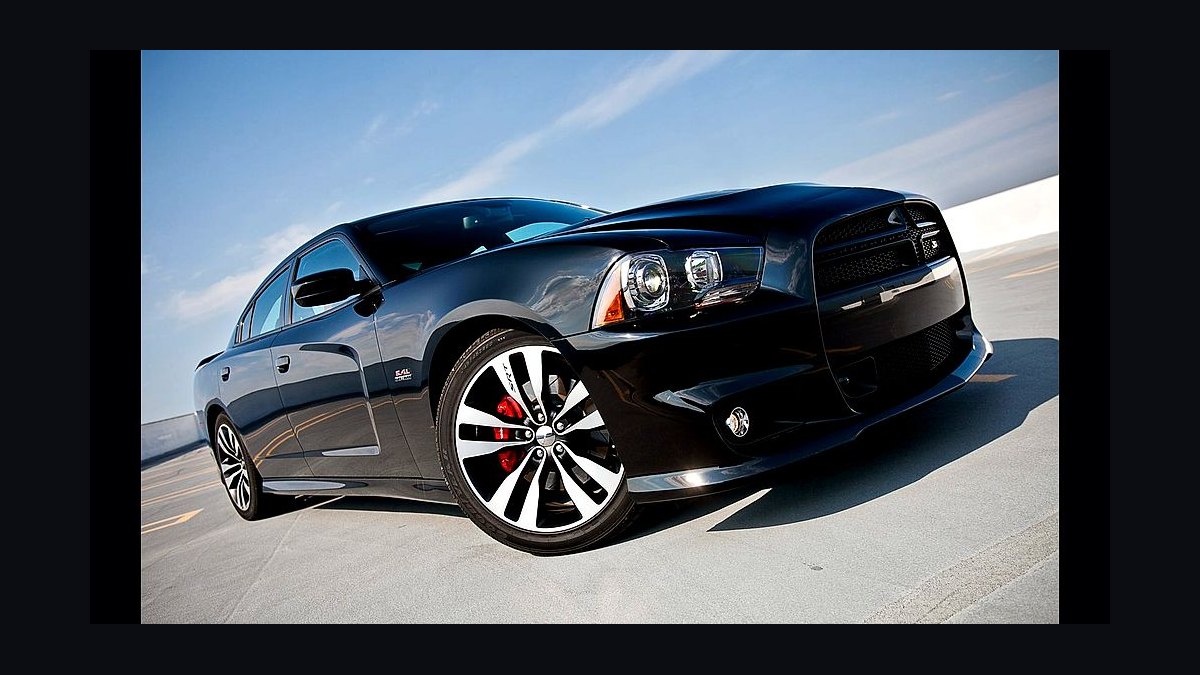
The 2013 Charger SRT8 ranks sixth as the top four-door muscle car, using a 6.4-liter Hemi V8 with 470 horsepower and 470 lb-ft. It hit 60 mph in about 4.6 seconds and ran the quarter mile in the low 13s. A five-speed automatic and adaptive suspension were standard. Pricing started near $46,000.
This is for buyers who need four doors and full-size space without giving up V8 power. It trades away the coupe styling and lighter weight of the Challenger above it. Against the Challenger SRT8, the Charger offers more passenger room and similar power, but weighs more and looks less aggressive.
7Chevrolet Camaro SS 1LE 2013
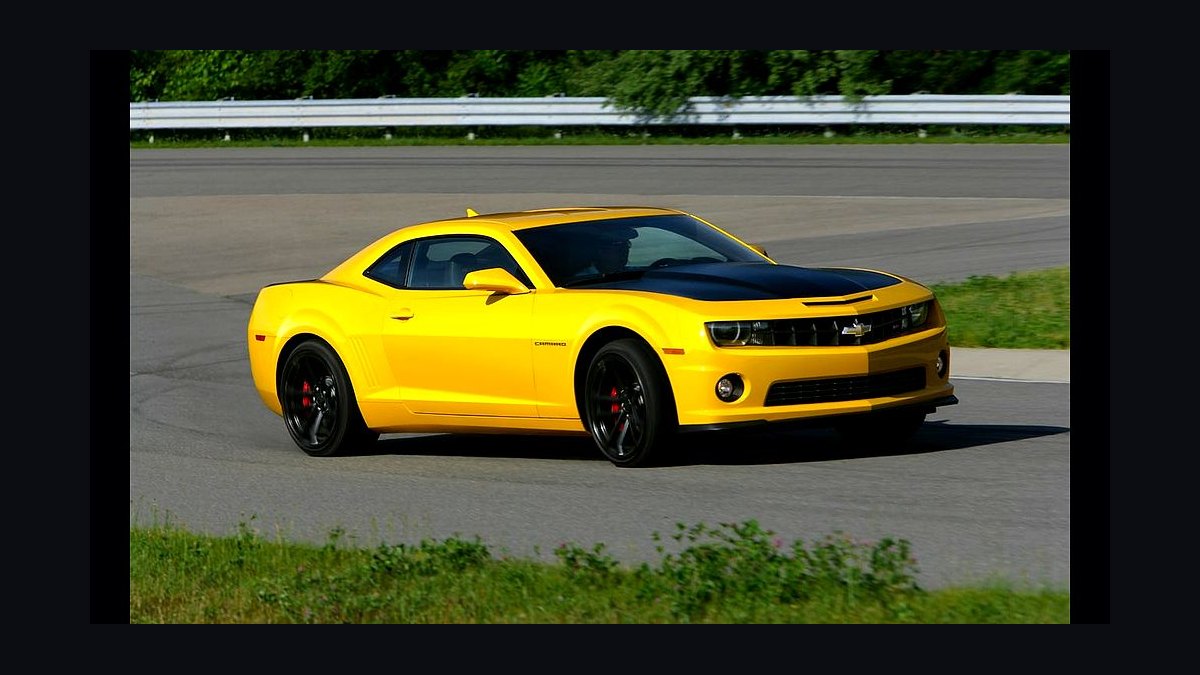
The 2013 Camaro SS 1LE ranks seventh as the track-focused SS, adding a stiffer suspension, larger sway bars, and Goodyear Eagle F1 tires. It kept the 426-horsepower 6.2-liter V8 and six-speed manual only. It pulled over 1.0 g on the skidpad and lapped tracks faster than the standard SS. Pricing started near $37,000.
This is for buyers who track their car and want SS power with sharper handling. It trades away ride comfort and automatic availability, and the firmer setup is harsh on rough roads. Against the standard Camaro SS above, the 1LE is quicker around a circuit but less livable daily and costs several thousand more.
8Ford Mustang Boss 302 2013
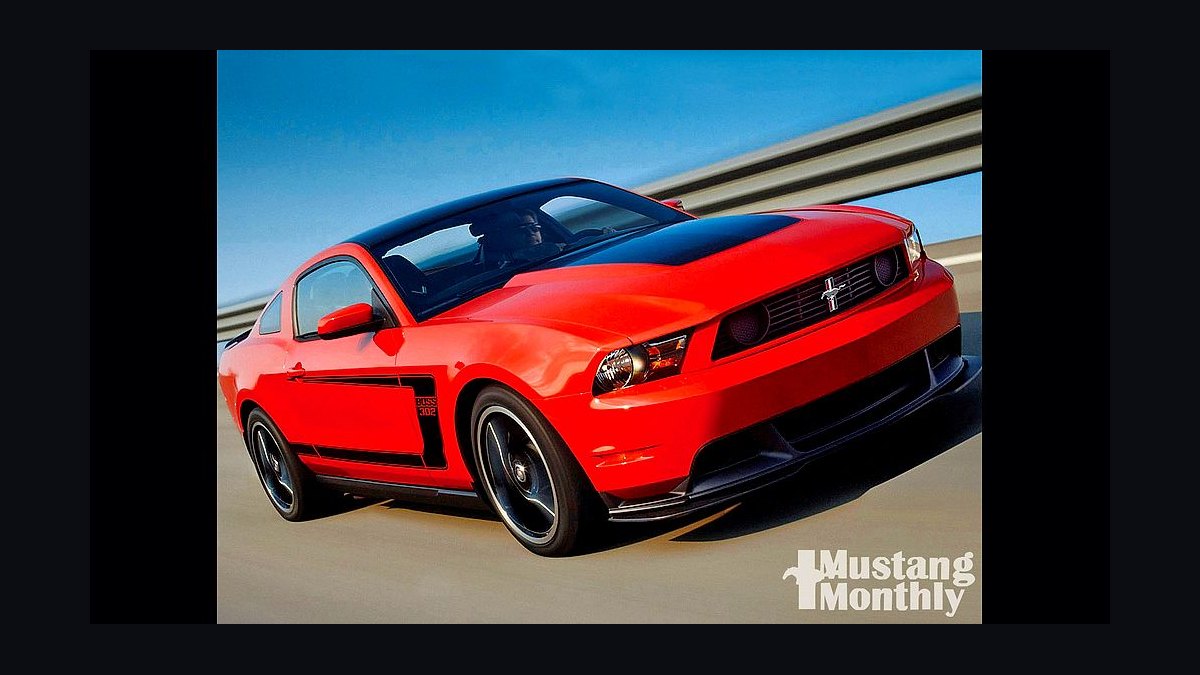
The 2013 Boss 302 ranks eighth with a 5.0-liter V8 revised to 444 horsepower and 380 lb-ft, up from the GT's 420. It used a six-speed manual, adjustable suspension, and a quad-exhaust. It hit 60 mph in about 4.3 seconds and pulled over 1.0 g. Pricing started near $42,000.
This is for buyers who want a track-ready Mustang with a high-revving V8 and limited production. It trades away rear-seat comfort and everyday ride softness for sharper responses. Against the Camaro SS 1LE above, the Boss is quicker in a straight line but costs more and offers fewer examples, making it harder to find.
9Dodge Challenger R/T 2013
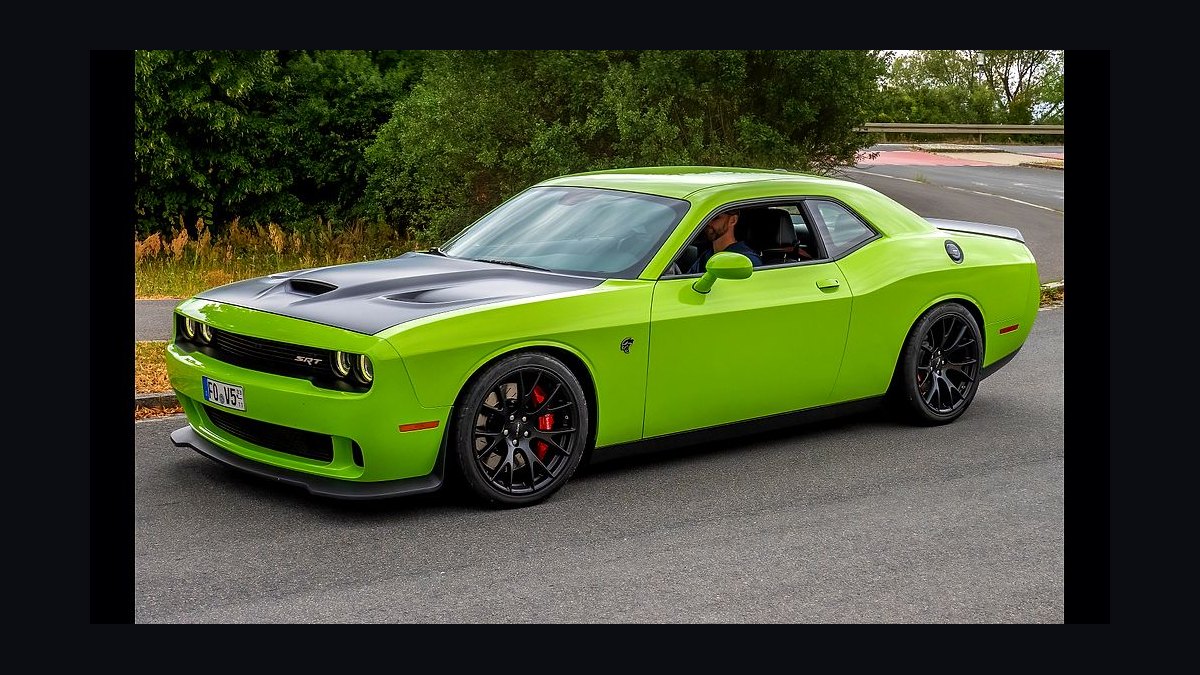
The 2013 Challenger R/T ranks ninth as the value V8 model, using a 5.7-liter Hemi making 375 horsepower and 410 lb-ft. It hit 60 mph in about 5.2 seconds with the six-speed manual or five-speed automatic. Pricing started near $30,000, matching the Mustang GT. It offered classic styling and a roomy interior.
This is for buyers who want V8 sound and Challenger looks on a tighter budget. It trades away the SRT8's power and handling, feeling softer and slower. Against the Mustang GT above, the R/T is down 45 horsepower and slower, but offers more interior space and a more comfortable ride.
10Chevrolet Camaro LT 2013
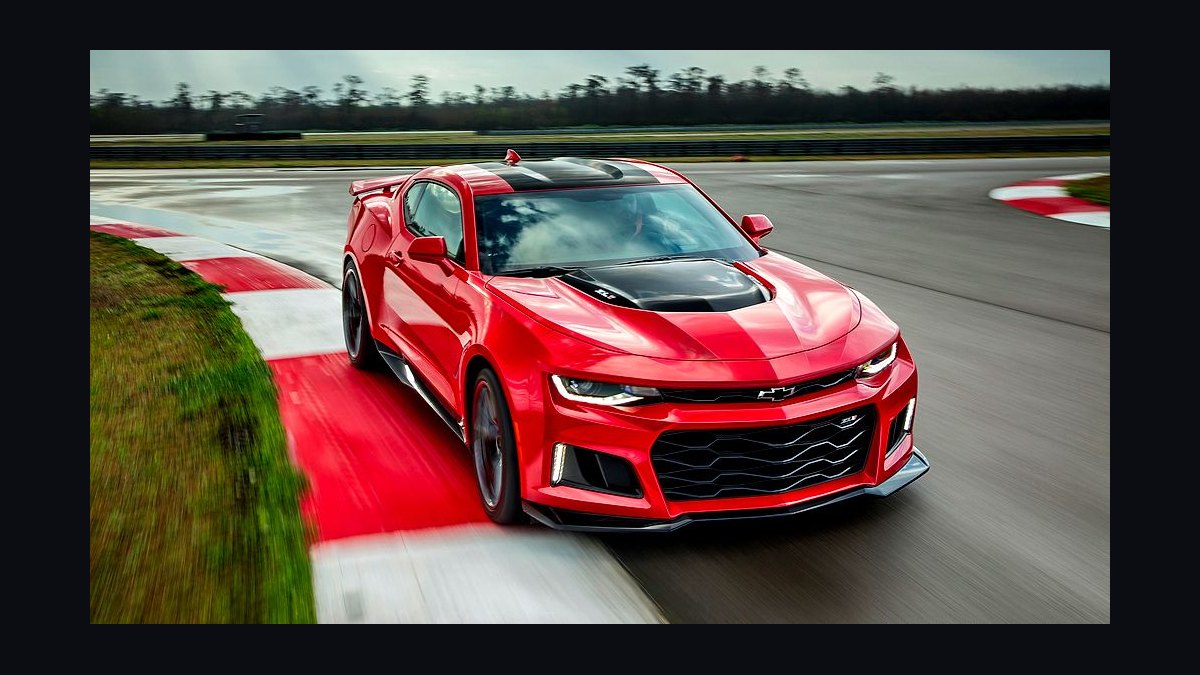
The 2013 Camaro LT ranks tenth as the affordable V6 entry, using a 3.6-liter V6 making 323 horsepower and 278 lb-ft. It hit 60 mph in about 5.9 seconds and returned up to 30 mpg highway. Pricing started near $24,000, the lowest here. It offered a six-speed manual or automatic and coupe or convertible bodies.
This is for buyers who want Camaro style and decent power without V8 fuel costs or insurance. It trades away the sound and torque of the SS models above it. Against the Challenger R/T, the LT is slower and less muscular but cheaper, lighter, and more efficient as a daily driver.
How we ranked these
We ranked each 2013 muscle car on a 100-point scale weighting five measurable categories: engine output per dollar (25 points), quarter-mile and 0-60 acceleration from published instrumented tests (25), chassis balance and braking distance (20), standard and optional feature content for the money (15), and projected five-year ownership cost including insurance, fuel, and depreciation (15). Every car was scored against its own price bracket, not the segment overall.
We deliberately ignored badge heritage, exhaust note, celebrity endorsements, and subjective styling opinions, because none of those can be verified or compared consistently across ten cars. We also excluded limited-production halo variants and dealer-markup pricing, since those distort real-world value. Nostalgia for a nameplate's 1960s ancestor carries zero weight here; only the 2013 car as delivered matters.
What to look for
The single biggest factor is what you plan to do with the car. A 2013 Mustang GT or Camaro SS gives you V8 torque and cheap aftermarket support, while a V6 Challenger or Camaro delivers similar daily usability for thousands less. Check rear-seat room, trunk space, and whether the car takes premium fuel, because those costs compound monthly.
The mistake most buyers make is shopping horsepower alone and ignoring the total package. A 420-hp car on all-season tires with vague steering is slower in real driving than a 350-hp car with a limited-slip diff and summer rubber. Test drive at least two trims, verify the differential and brake package, and price insurance before signing.
Related questions
Which 2013 muscle car offers the best value for money?
The 2013 Mustang GT consistently wins on dollars-per-horsepower, pairing a 420-hp 5.0-liter V8 with a capable chassis for well under $35,000. The Camaro SS and Challenger R/T cost more for similar output. If value means lowest total cost, the V6 Camaro and Mustang undercut every V8 while still running mid-six-second 0-60 times.
How fast is a 2013 Mustang GT in the quarter mile?
Instrumented tests of the 2013 Mustang GT with the six-speed manual and 3.73 rear axle returned quarter-mile times in the low 12-second range at roughly 115 mph, with 0-60 around 4.3 seconds. Automatic cars with taller gears run slightly slower. Trap speed matters more than elapsed time for real-world acceleration.
Is the 2013 Camaro SS faster than the Mustang GT?
On paper the Camaro SS's 6.2-liter LS3 makes 426 hp versus the Mustang GT's 420, but the Camaro weighs roughly 200 pounds more. Most instrumented tests put them within a tenth of a second in the quarter mile. Driver skill, tire condition, and axle ratio decide real races more than the spec sheet.
What is the best 2013 muscle car for daily driving?
The 2013 Challenger R/T is the most livable, with the roomiest rear seat, largest trunk, and softest ride of the three Detroit coupes. The Mustang GT is quicker and more agile but tighter inside. If you commute in traffic, the automatic Challenger with its comfortable seats is the least fatiguing choice.
Did the 2013 Dodge Charger count as a muscle car?
Yes, the four-door Charger R/T and SRT8 qualify on output and attitude, with the 6.4-liter SRT8 making 470 hp. Purists argue four doors disqualify it, but it outran several two-door rivals in instrumented testing. We included it because buyers cross-shop it directly against the Challenger.
How much does insurance cost on a 2013 muscle car?
Expect to pay a meaningful premium over a comparable family sedan, often 30 to 60 percent more, because carriers rate high-horsepower coupes by claims history. The Camaro and Challenger tend to cost slightly more to insure than the Mustang due to theft and repair statistics. Get quotes before you buy, not after.
Which 2013 muscle car has the best aftermarket support?
The Mustang and Camaro have the deepest aftermarket by a wide margin, with suspension, exhaust, forced-induction, and brake kits available from dozens of vendors at every price point. Challenger support is solid but narrower. If you plan to modify heavily, parts availability and tuning support should weigh heavily in your decision.
Are 2013 muscle cars reliable enough to buy used?
Generally yes. The V8s from Ford, GM, and Chrysler are proven pushrod or modular designs with strong durability records when maintained. Watch for clutch wear on manual cars, rear differential noise, and infotainment failures. A pre-purchase inspection by a mechanic familiar with the platform is worth every dollar.
FAQ
What was the best overall 2013 muscle car?
By our weighted scoring, the 2013 Mustang GT took the top spot, combining 420 hp, a balanced live-axle chassis, strong braking, and the lowest as-tested price among V8 contenders. The Camaro SS finished close behind on power but lost points on weight and outward visibility. The Challenger SRT8 won on outright output.
Which 2013 muscle car is the best value?
The V6 Mustang and V6 Camaro delivered the most performance per dollar, running mid-six-second 0-60 times for around $24,000. Among V8s, the Mustang GT undercut the Camaro SS and Challenger R/T while matching or beating them in acceleration. Value depends on whether you prioritize outright speed or total ownership cost.
How much horsepower did 2013 muscle cars make?
Output ranged from about 305 hp in the V6 Mustang and Camaro to 662 hp in the Shelby GT500. The mainstream V8s clustered between 420 and 470 hp: Mustang GT at 420, Camaro SS at 426, Challenger R/T at 375, and Challenger SRT8 at 470. The Camaro ZL1 made 580 hp.
Was 2013 a good year for muscle cars?
It was one of the strongest years in decades. All three Detroit makers offered V6 and V8 coupes with modern chassis, brakes, and infotainment, and the horsepower war pushed base V8s past 400 hp. The Shelby GT500's 662 hp made it the most powerful production V8 in the world at the time.
Which 2013 muscle car handles best?
The Mustang GT with the Track Package and the Camaro SS with the 1LE package were the sharpest handlers, posting the highest lateral grip and shortest braking distances in instrumented tests. The Challenger prioritized ride comfort over cornering. Suspension package and tire choice mattered more than the base platform.
Do 2013 muscle cars require premium fuel?
Most V8 models recommend premium for full rated output but will run on regular with reduced timing and slightly less power. The V6 Mustang and Camaro accept regular without penalty. Check the owner's manual and fuel door label, because running regular in a car tuned for premium can cost you both power and fuel economy.
What is the difference between a muscle car and a pony car?
Pony cars originally meant compact, affordable coupes with sporty styling, like the original Mustang. Muscle cars meant intermediate bodies with the largest available V8. By 2013 the terms had blurred, and the Mustang, Camaro, and Challenger are commonly called both. We used the broader modern definition for this ranking.
Which 2013 muscle car has the best interior?
The Challenger offered the most spacious and comfortable cabin, with supportive seats and usable rear accommodations. The Mustang's interior was functional but plasticky in base trims. The Camaro had the most distinctive design but the worst visibility and smallest back seat. Higher trims added leather and better materials across all three.
How much should I pay for a used 2013 muscle car?
Prices vary widely by trim, mileage, and condition. V6 coupes typically trade in the low teens, mainstream V8s in the high teens to mid twenties, and low-mileage SRT8, ZL1, and GT500 examples command well above that. Always check for accident history and verify the trim level, since badging is easily faked.
Did any 2013 muscle car come with a limited-slip differential?
Yes. The Mustang GT, Camaro SS, and Challenger R/T and SRT8 all offered limited-slip or locking differentials, often as standard on V8 trims. The differential dramatically affects traction and cornering exit speed. When shopping used, confirm the car actually has one, because base V6 models sometimes did not.
Sources
- https://www.caranddriver.com/ford/mustang/2013
- https://www.motortrend.com/cars/ford/mustang/2013/
- https://www.caranddriver.com/chevrolet/camaro/2013
- https://www.motortrend.com/cars/chevrolet/camaro/2013/
- https://www.caranddriver.com/dodge/challenger/2013
- https://www.motortrend.com/cars/dodge/challenger/2013/
- https://www.edmunds.com/ford/mustang/2013/review/
- https://www.edmunds.com/chevrolet/camaro/2013/review/
- https://www.kbb.com/dodge/challenger/2013/
- https://www.nhtsa.gov/vehicle/2013/FORD/MUSTANG
Related on PULSE
This page will be disappearing soon. Save it to your device for $1 — or read it free while it is here.
@Kory-White- · if Venmo asks, the last 4 of my number are 2012
This page is gone.
This one is off the shelf now. $1 keeps it on your phone for good — the whole page, pictures and diagrams included.
 pulse-recentTop 10 Grand Tourers 1965 — Best Overall + Best Value
 pulse-recentTop 10 Supercars With the Cheapest Replacement Tires in 2027
 pulse-recentTop 10 Supercars Under $75,000 in 2027
 pulse-recentTop 10 Most Affordable Used Sedans Under $10,000 in 2005 (Ranked)
 pulse-recentTop 10 Muscle Cars 1964 — Best Overall + Best Value
 pulse-recentTop 10 Muscle Cars 2014 — Best Overall + Best Value
 pulse-recentWhat's the total cost to lease a Honda Civic Type R for 36 months in 2027?
 pulse-recentTop 10 Most Affordable Used Sedans Under $10,000 in 1978 (Ranked)
 pulse-recentTop 10 Most Affordable Used Sedans Under $10,000 in 2019 (Ranked)
 pulse-recentTop 10 Supercars With the Lowest Maintenance Bills in 2027