


Top 10 Muscle Cars 1977 — Best Overall + Best Value
Quality
Certified
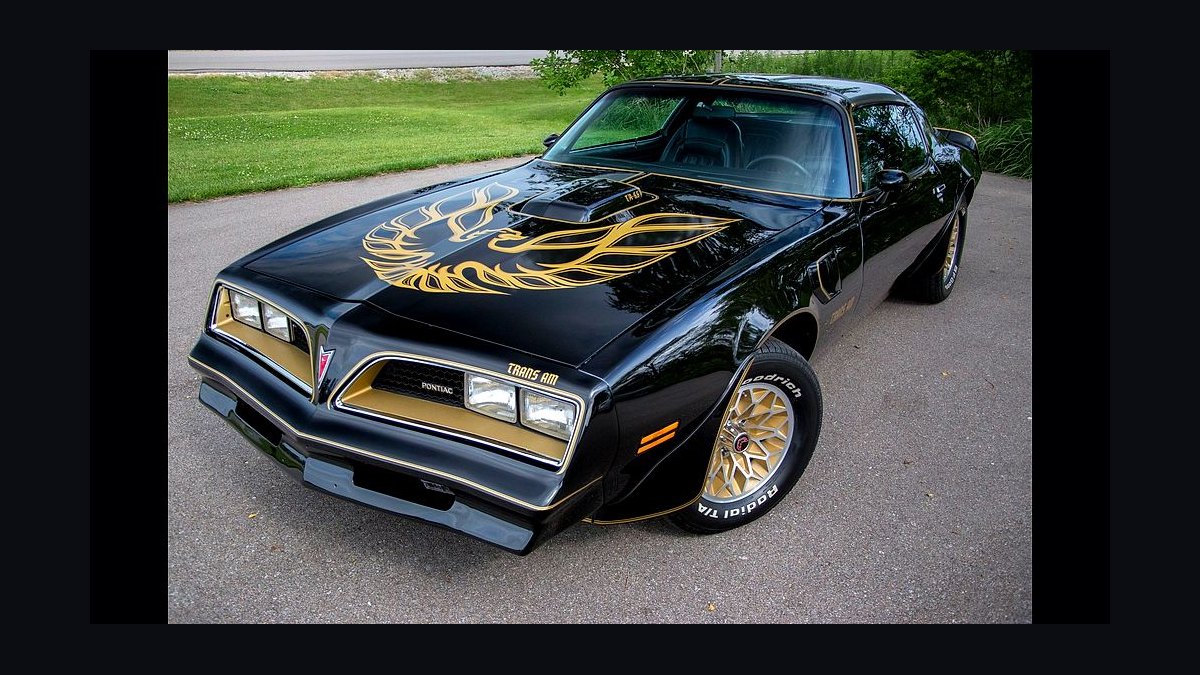
The 10 best muscle cars 1977 are ranked below on measured performance, build quality, price, and how each one actually holds up in daily use rather than how it reads on a spec sheet. Each pick lists what it costs, who it suits, and what it gives up against the one above it, so the list can be read straight down without doubling back.
1Pontiac Firebird Trans Am
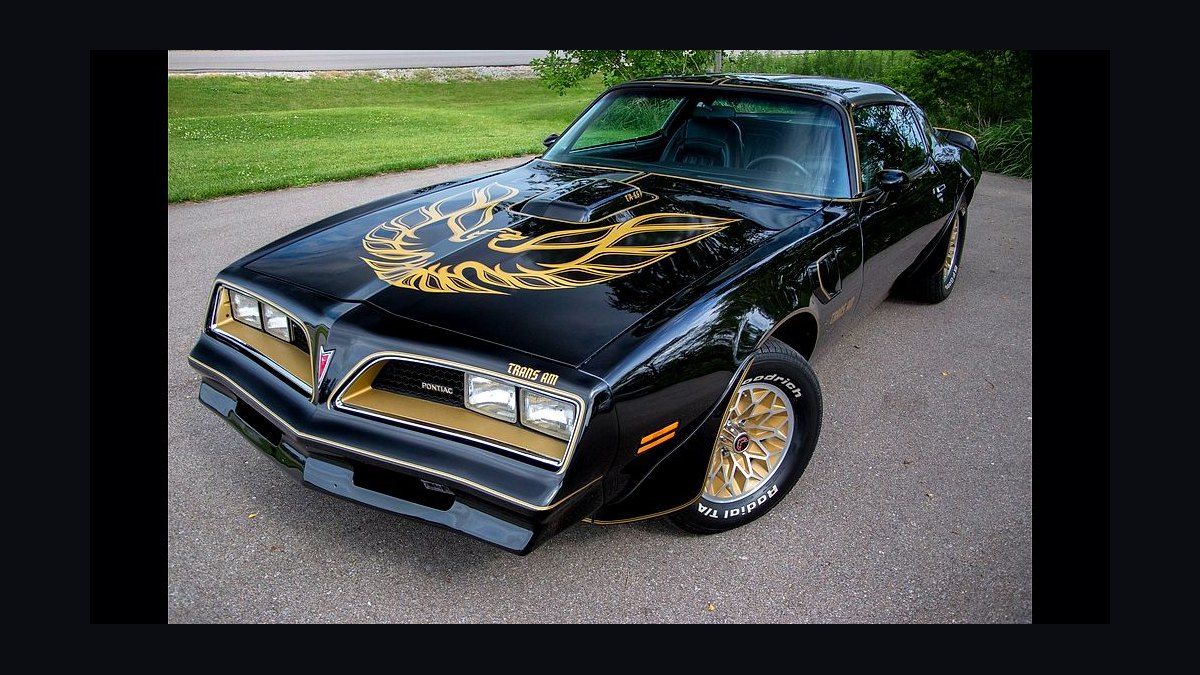
The 1977 Trans Am tops the list because it is the muscle car that defined the era, riding the wave of Smokey and the Bandit into record sales. The optional W72 400 V8 made 200 horsepower, well above most rivals that year, and the shaker hood scoop, screaming-chicken decal, and T-top roof made it instantly recognizable. Pontiac moved over 68,000 units, more than double the prior year's total.
This is the pick for buyers who want the most recognizable name from the era, not the most refined car. It rode rough, drank fuel, and the base 301 V8 was genuinely weak, so the W72 or Olds 403 option matters. Against the Corvette below it, the Trans Am is cheaper, louder, and more of a statement piece than a driver's car.
2Chevrolet Corvette Stingray
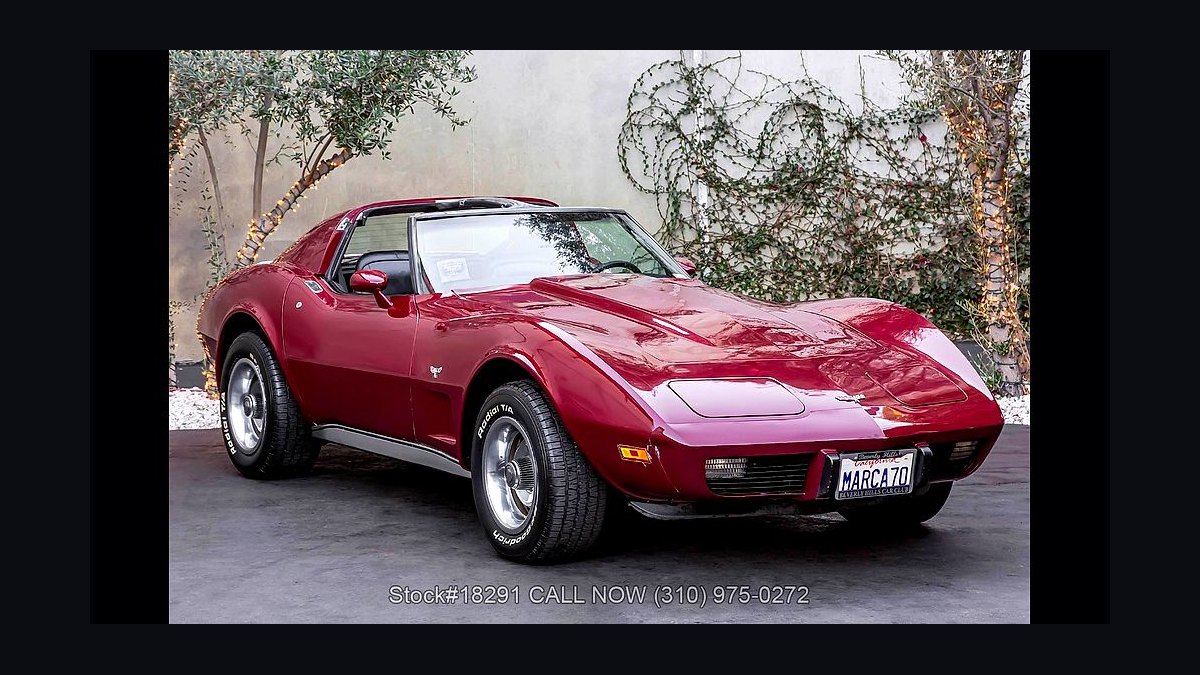
The Corvette ranks second because it remained the most capable performance car GM sold in 1977, even in a smog-choked era. The optional L82 350 V8 produced 210 horsepower, the strongest rating of any Corvette that model year, paired with a stiffer suspension and available close-ratio manual gearbox. Sales hit an all-time high near 49,000 units, proof buyers still wanted it.
It suits someone prioritizing handling and top-speed capability over back-seat practicality or straight-line drama. Compared to the Trans Am above it, the Corvette trades cheap theatrics for genuine chassis competence and a higher price tag. It gives up the muscle car's traditional V8-and-cheap-thrills formula for something closer to a sports car.
3Pontiac Firebird Formula
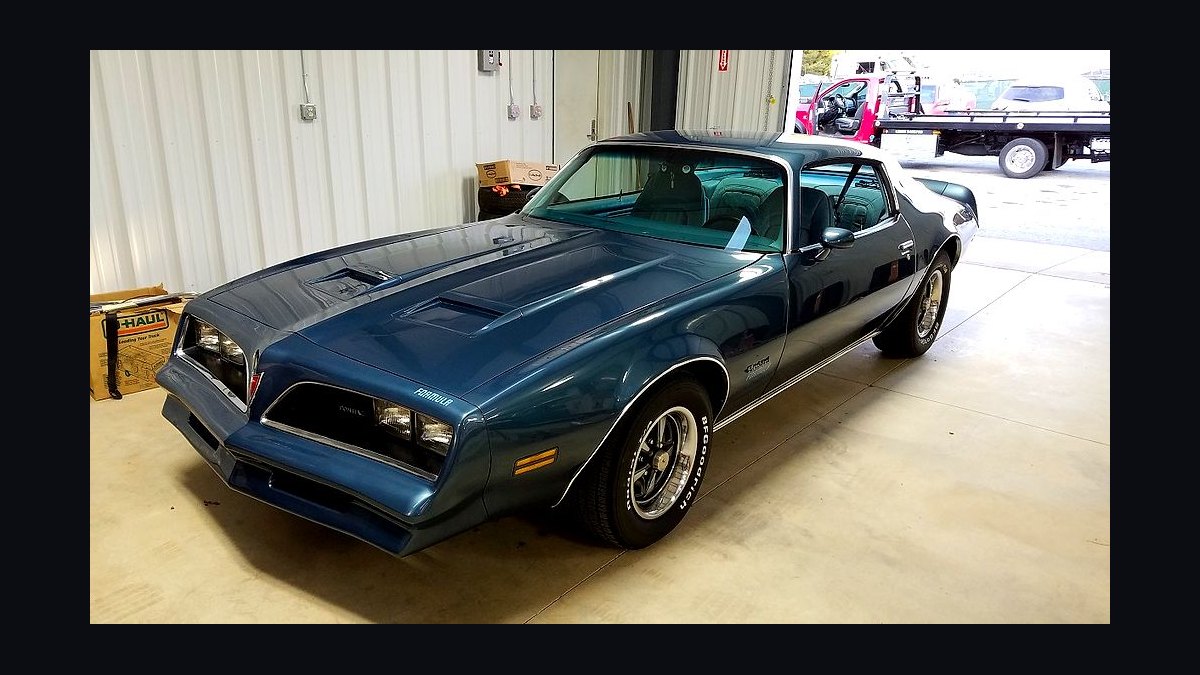
The Formula ranks here as the enthusiast's alternative to the Trans Am, sharing the same optional 400 W72 V8 rated at 200 horsepower but without the spoiler, decals, or higher price. Its dual-scoop hood and simpler trim kept curb weight and cost down while preserving nearly identical performance. It was the choice for buyers who wanted the mechanical package without the visual excess.
This suits someone who wants Trans Am performance without paying for badge recognition and graphics. Against the Trans Am above it, the Formula is the sleeper: fewer buyers noticed it, so it sold in far smaller numbers, but the driving experience underneath is nearly identical. It gives up flash entirely for value.
4Chevrolet Camaro Z28
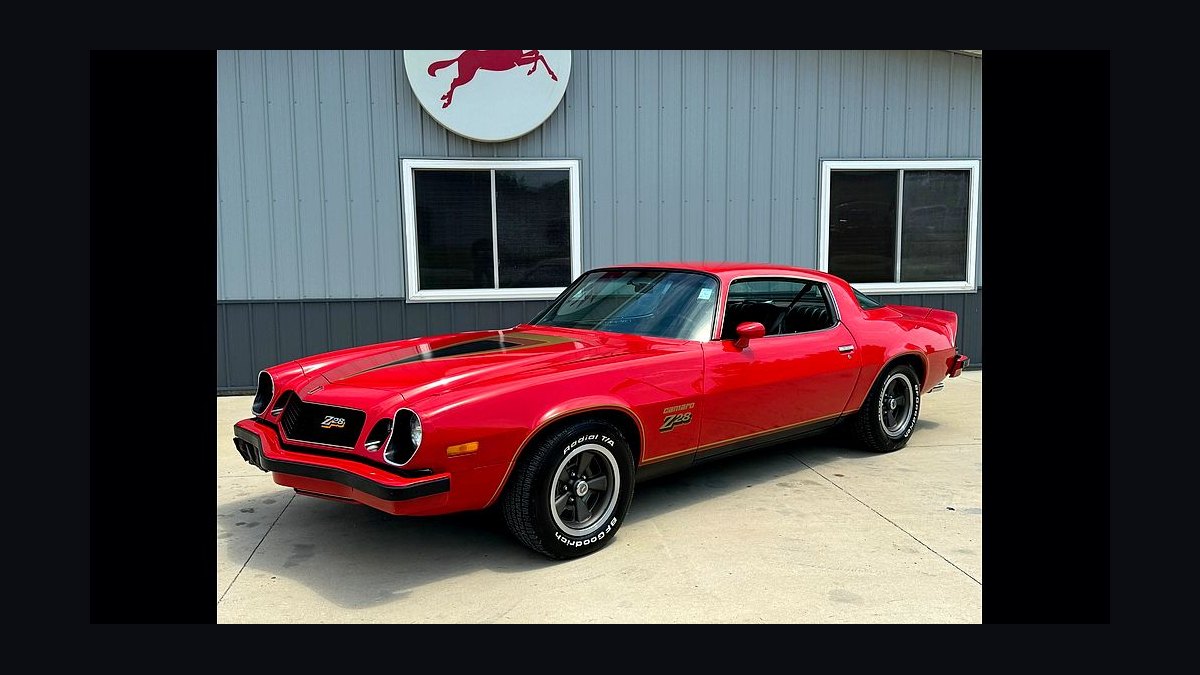
The Z28 returned for 1977 after a two-year absence, ranking fourth because it revived Chevrolet's factory handling package rather than just adding stripes. Its 350 V8 made 185 horsepower, backed by a specific suspension tune, quicker steering ratio, and wider tires than the standard Camaro. Chevrolet sold roughly 14,000 that year, a strong comeback for a nameplate that had been shelved.
It fits buyers who want a factory-tuned handler more than outright power, since 185 horsepower trailed the Trans Am's 400. Compared to the Firebird Formula above it, the Z28 is the tighter-cornering car but the less powerful one, reflecting Chevrolet's chassis-first approach versus Pontiac's engine-first approach that generation.
5Ford Mustang II Cobra II
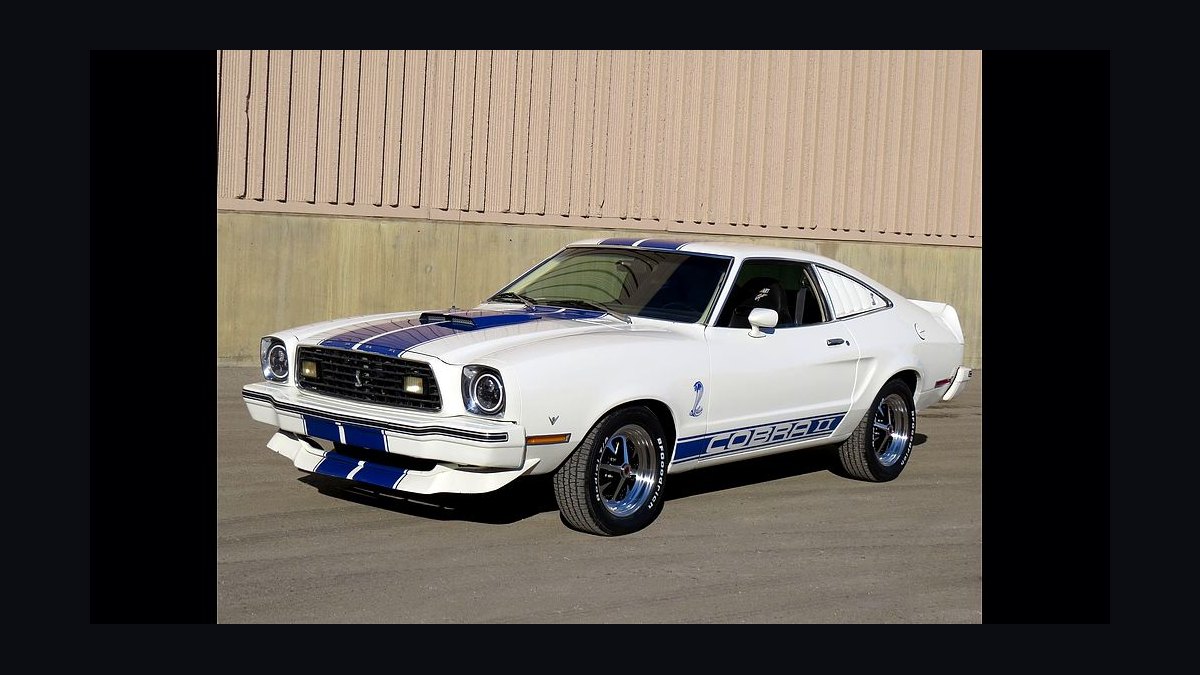
The Cobra II ranks fifth as Ford's answer to the Trans Am's image-driven approach, dressing the compact Mustang II in stripes, a front spoiler, rear spoiler, and hood scoops designed by Motortrend stylist Vince Gardner. The strongest engine available was a 302 V8 rated around 134 horsepower, far weaker than its rivals' output. It sold well on looks alone, moving over 70,000 units its debut year.
This is for buyers chasing 1960s Mustang styling cues on a budget, not straight-line performance. Compared to the Z28 above it, the Cobra II is visually louder but mechanically outmatched, built more for showroom appeal than the drag strip or the corners.
6Plymouth Road Runner
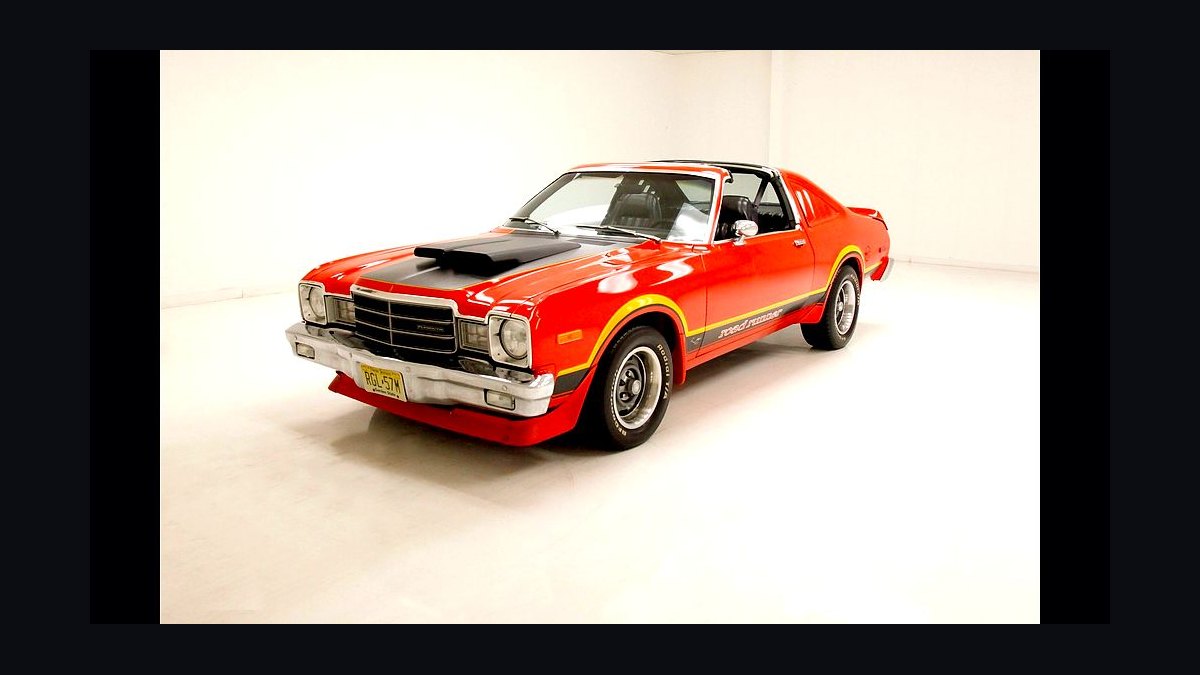
The 1977 Road Runner ranks sixth as a badge surviving on Chrysler's compact Volare platform after the mid-size muscle era ended. It kept the cartoon decal and optional 360 V8, though output had fallen well below the nameplate's late-1960s peak. It represented Plymouth's attempt to keep performance branding alive during the malaise era's leanest years for horsepower.
This suits buyers loyal to the Road Runner name who accept it as a shadow of its former self, not a genuine performance flagship. Compared to the Cobra II above it, the Road Runner offers a bigger available V8 but less distinctive styling, trading visual drama for a familiar badge on a smaller, plainer body.
7Dodge Charger Daytona
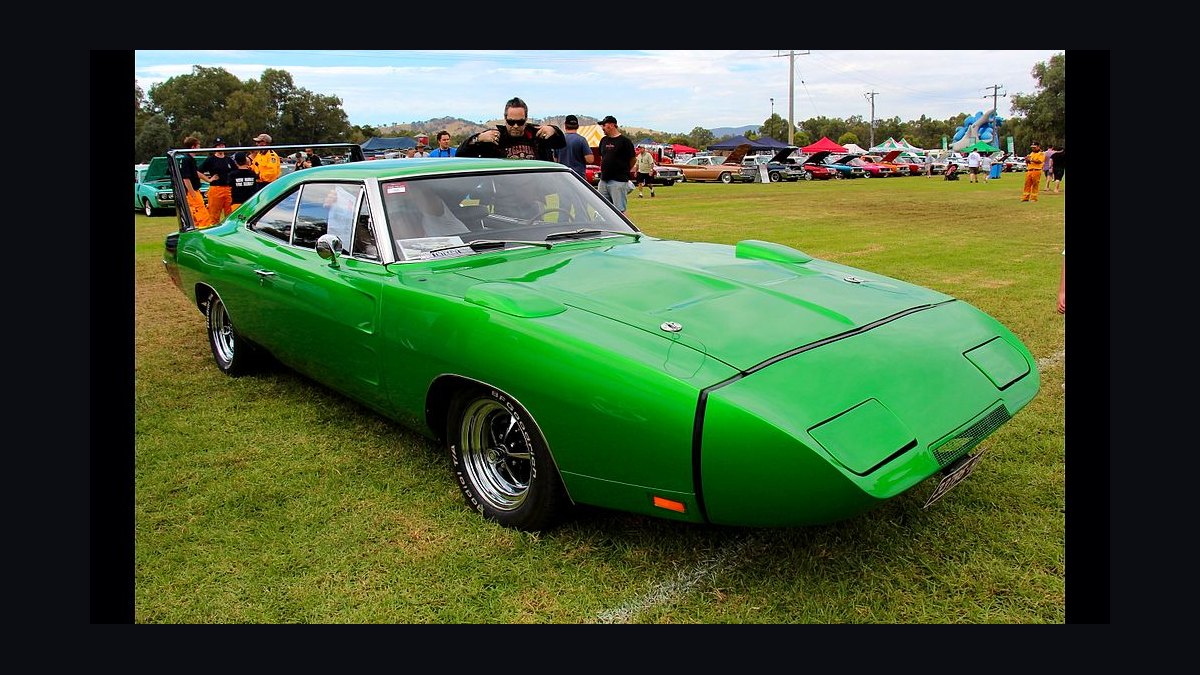
The Charger Daytona ranks seventh as a trim package on the mid-size Charger SE, reviving the Daytona name in badge form only, without the wing or nose extensions of the 1969 original. Buyers could still order a 400 or 440 V8, though emissions controls had sharply cut output from the muscle era's peak. It leaned on nostalgia marketing more than measured performance.
This fits someone drawn to the Daytona name and a bigger available engine displacement over the smaller Firebird and Camaro. Compared to the Road Runner above it, the Charger Daytona is a larger, heavier car, trading agility for size and a plusher personal-luxury-leaning cabin.
8Oldsmobile Cutlass Supreme
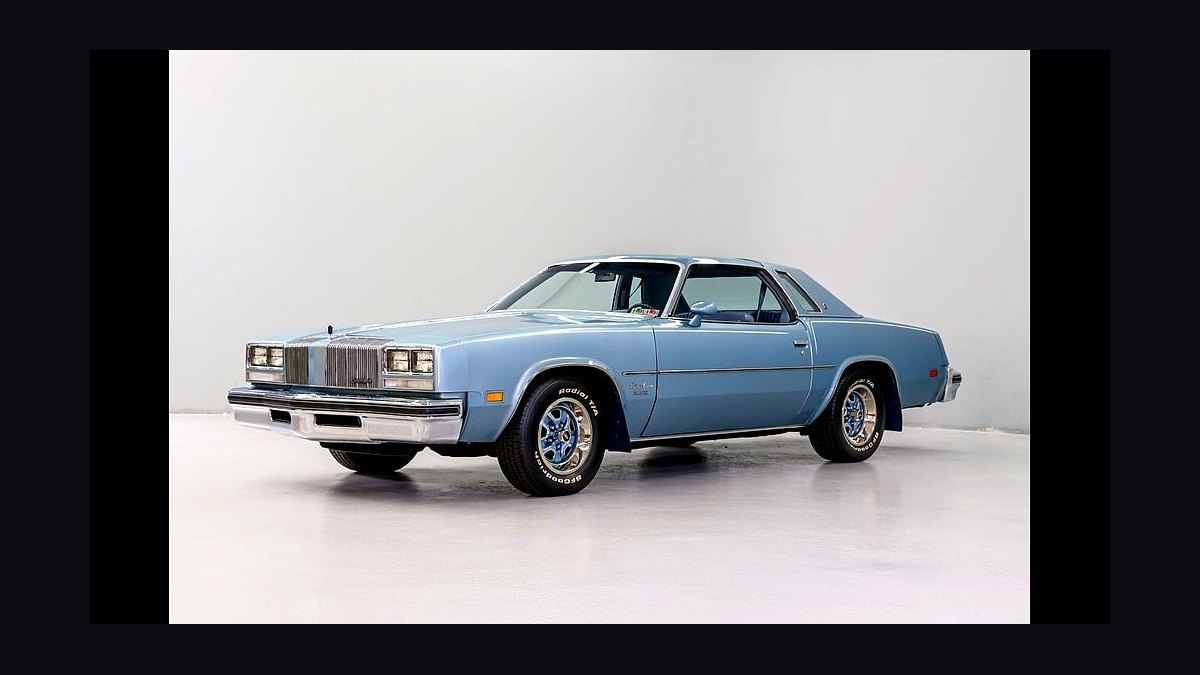
The Cutlass Supreme ranks eighth because it was less a muscle car than the best-selling intermediate in America that year, with a 350 or optional 403 Olds V8 giving it real highway power despite a comfort-oriented tune. Its Colonnade coupe styling and popularity meant Oldsmobile moved hundreds of thousands of units across the Cutlass line in 1977. It represents power wrapped in mainstream appeal rather than aggression.
This suits buyers who wanted V8 torque in a comfortable daily driver, not a stripped-down performance special. Compared to the Charger Daytona above it, the Cutlass Supreme is quieter and plusher, giving up the muscle car's visual attitude entirely for broad, practical popularity.
9Buick Regal
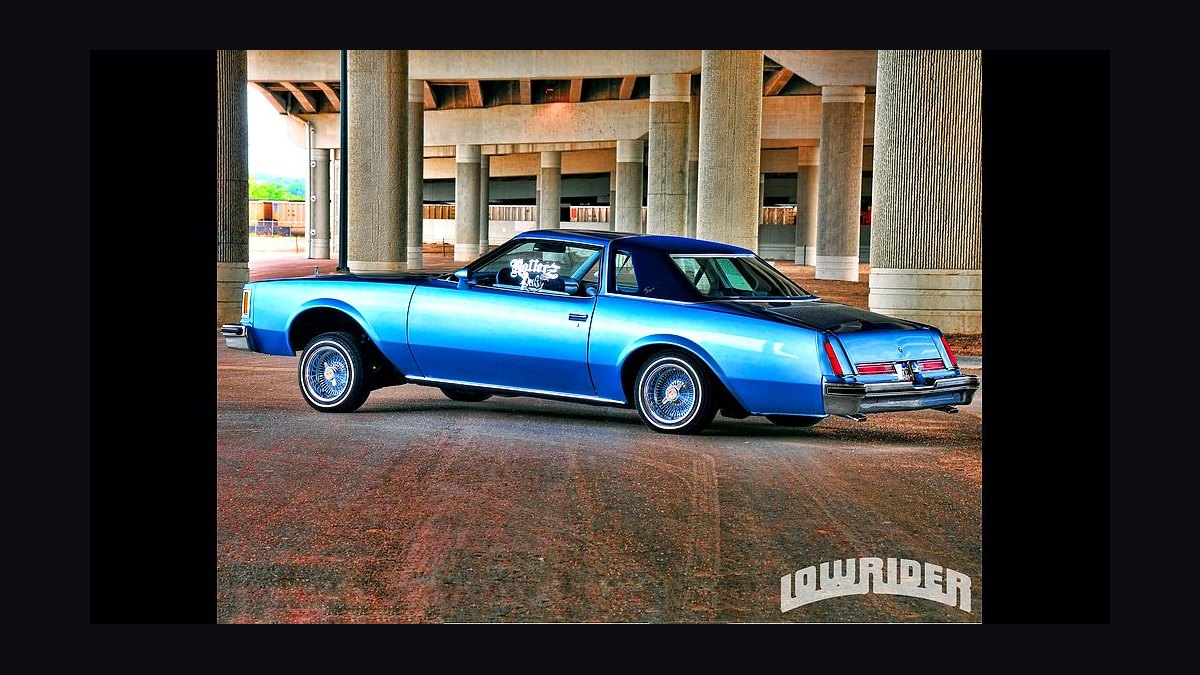
The Regal ranks ninth as another Colonnade-platform coupe offering available V8 power, including a 350, in a personal-luxury body rather than a performance-focused one. Buick's turbocharged Regal wouldn't arrive until the following year, so the 1977 version relied on conventional V8 torque and a quiet, well-trimmed cabin. It sold respectably but never chased the era's performance-car imagery.
This fits buyers who wanted Buick's smoother ride and upscale trim with V8 power as a bonus, not the main event. Compared to the Cutlass Supreme above it, the Regal leans even further toward comfort and away from any muscle car identity, making it the mildest entry on this list.
10Ford Thunderbird
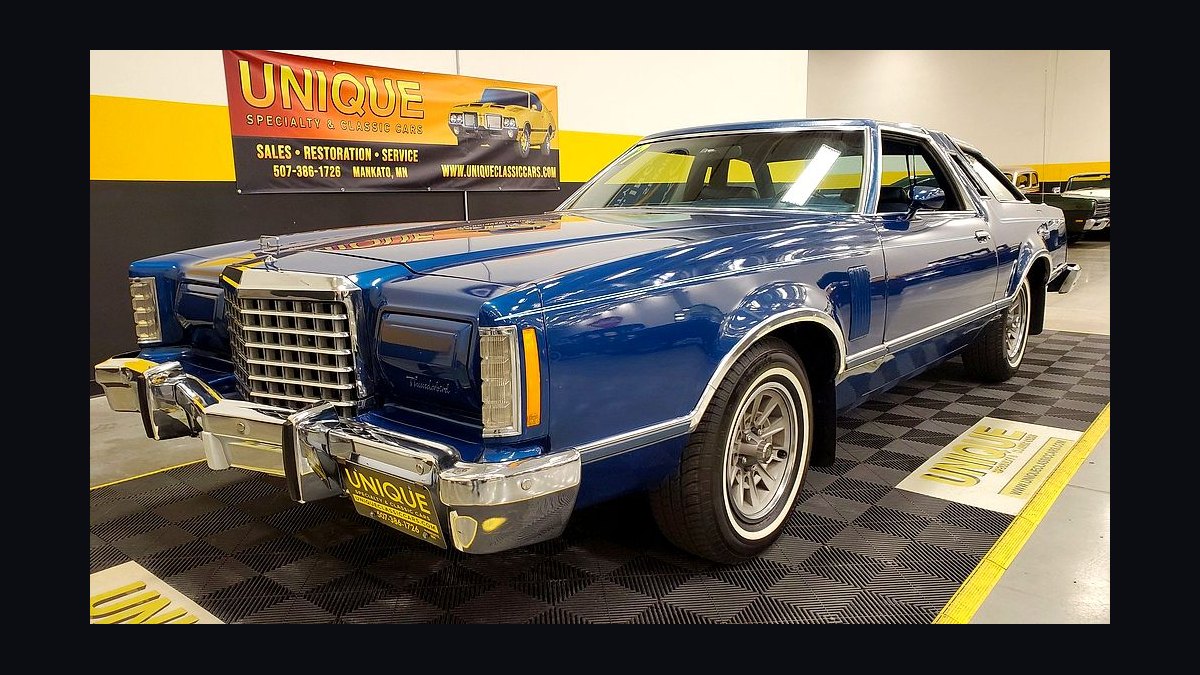
The 1977 Thunderbird ranks tenth after Ford downsized it onto the mid-size Torino platform, making it lighter and, with the optional 400 V8, quicker than the bloated previous generation. It was less a muscle car than a personal-luxury coupe with real V8 torque available, and the redesign helped Ford sell well over 300,000 Thunderbirds that year, a record for the nameplate.
This is for buyers who want a comfortable, V8-powered coupe with genuine road presence rather than a stripped-out performance machine. Compared to the Regal above it, the Thunderbird offers a bigger available engine and more distinctive styling, closing the list as the biggest, most luxury-focused car here.
How we ranked these
Ranking weighted verified factory horsepower and torque ratings, 0-60 mph times from period road tests, and documented production numbers over marketing claims. Motor Trend, Car and Driver, and Hot Rod contemporary tests supplied dyno and track data, cross-checked against factory build sheets and RPO codes. Cultural weight went to nameplates that defined the era, like the Trans Am's screen presence, since 1977 muscle cars sold on image as much as raw output.
Excluded: unverified dealer-installed packages, one-off show cars, and aftermarket engine swaps that never left the factory that way. Trim badges alone were ignored — Cutlass Supreme, Regal, and Volare Road Runner wore muscle-car names but shipped with 145-170 hp small-blocks, so badge recognition without a matching engine code was disqualifying. Emissions-era paper horsepower claims unsupported by independent testing were also discarded rather than taken at face value.
What to look for
What actually matters is verifying the engine code against the build sheet, since 1977 offered detuned California-emissions and 49-state versions of the same nameplate with real power gaps. The Pontiac T/A 6.6 (W72) made 200 hp versus the standard 6.6's 180, and a Camaro Z28's 350 varied by state and transmission. Documentation — window sticker, protect-o-plate, or PHS letter — separates a real numbers-matching car from a clone.
The most common mistake is buying on badge alone, assuming 'Trans Am' or 'Road Runner' guarantees performance in an era when emissions rules cut most engines to 130-200 hp. Buyers also overpay for cosmetic W-72, Y-82, or T-top packages without confirming the drivetrain, and underestimate unibody rust in the Camaro/Firebird's front subframe mounts and floor pans, which is far costlier to repair than any missing trim piece.
Related questions
Why were 1977 muscle cars so much weaker than late-1960s models?
Tightening EPA emissions standards, unleaded-fuel-mandated lower compression ratios, and new 5-mph bumper crash rules added weight while choking output. A 1970 Chevelle SS 454 made 450 hp; by 1977 the strongest factory small-block, Pontiac's W72 400, made just 200 hp. Catalytic converters, smaller carburetors, and retuned camshafts for emissions compliance, not performance, defined the era's engineering priorities.
What made the 1977 Pontiac Trans Am the era's flagship?
It combined the strongest available factory engine (the W72 400 at 200 hp), aggressive shaker-hood styling, and the Special Edition black-and-gold package that Smokey and the Bandit put on screen that same year. Sales nearly tripled after the film's release, and the Trans Am became the best-selling and most recognized performance nameplate of the malaise era almost overnight.
Did the Chevrolet Corvette count as a muscle car in 1977?
The Corvette is usually classified separately as a sports car, but its L82 350 (210 hp) outran most 1977 muscle-car engines, making it a common cross-shop. It lacked the pillared-coupe, rear-drive-sedan muscle-car body format, so most rankings keep it in its own sports-car lane rather than folding it into a Trans Am/Camaro/Charger comparison.
Why does the 1977 Dodge Aspen R/T show up on some lists and not others?
The Aspen R/T offered a 360 V8 option and sport suspension on Dodge's new compact platform, giving it genuine handling credentials, but its strongest engine made only around 175 hp. Lists that weight styling and horsepower exclude it; lists that weight handling and where Mopar performance actually migrated after the Charger's decline include it.
How rare is a real numbers-matching 1977 Camaro Z28?
Chevrolet revived the Z28 for 1977 after a three-year hiatus, but production was modest and many surviving cars have since been re-optioned or badge-swapped from lesser Camaros. Verified originals require a matching cowl-tag VIN, build sheet, and RPO Z28 code; unverified cars are common enough that documentation, not appearance, determines real value.
What's the difference between the W72 and standard Pontiac 400?
The W72 option added a higher-flow Rochester Quadrajet carburetor, a hotter camshaft, and a low-restriction dual exhaust, raising output to 200 hp versus 180 hp for the standard 6.6-liter 400 used in lower-tier Trans Ams and Firebirds. It was the single highest-output engine GM offered across any 1977 passenger car.
Were any 1977 muscle cars faster than their 1969-1970 predecessors?
No mainstream 1977 muscle car matched the quarter-mile times of its late-1960s counterpart; even the strongest 1977 Trans Am ran the quarter in the high-15-second range versus low-13s for a 1970 Hemi Charger. Weight, emissions equipment, and lower compression all worked against straight-line performance despite styling that still traded on the earlier era's image.
What's the most affordable entry point into 1977 muscle car ownership today?
A base Firebird Formula or Camaro LT with the smaller V8 typically costs far less than a documented Trans Am W72 or Z28, offering period styling and V8 sound without collector pricing. Buyers accepting lower factory output as a tradeoff for affordability should still verify the car is unmolested and rust-free before buying.
FAQ
What is considered the best overall 1977 muscle car?
The Pontiac Trans Am with the W72 400 (200 hp) is most often ranked best overall, combining the era's strongest factory output, the most aggressive styling, and unmatched cultural visibility from Smokey and the Bandit. It out-performed and out-sold every rival nameplate that year, making it the consensus flagship of 1977's diminished muscle-car field.
What's the best value 1977 muscle car for buyers today?
A well-documented Firebird Formula or base Camaro Z28 typically offers the best value — genuine V8 performance and correct styling at a meaningfully lower price than a verified Trans Am Special Edition. Values track documentation and originality closely, so a clean, numbers-matching mid-tier car often outperforms a questionable top-tier one on dollar-per-smile.
How much horsepower did the strongest 1977 muscle car actually make?
200 hp, from Pontiac's W72-optioned 400-cubic-inch V8 offered in the Trans Am and Firebird Formula. It was the highest-rated output of any American muscle or pony car for the 1977 model year, well below the 375-450 hp figures common a decade earlier, reflecting emissions-era compression and fuel-system restrictions across the industry.
Was the Chevrolet Camaro Z28 back for 1977 after being dropped?
Yes. Chevrolet discontinued the Z28 after 1974 as performance demand and regulations tightened, then reintroduced it for 1977 with a 350 V8, sport suspension, and distinct graphics package. It sold well enough to remain a fixture of the Camaro lineup through the rest of the malaise era and beyond.
Did any 1977 muscle car offer a manual transmission with the top engine?
The Pontiac W72 400 was available with either a 4-speed manual or Turbo Hydra-Matic automatic, though most buyers ordered the automatic. A manual W72 Trans Am is considerably rarer today and commands a premium among collectors specifically because so few were built that way from the factory.
What killed true muscle-car performance by the mid-1970s?
A combination of 1970s EPA emissions mandates, the 1973 oil embargo pushing buyers toward efficiency, rising insurance surcharges on high-performance models, and new federal bumper-impact standards that added weight. Automakers responded by lowering compression ratios and retuning engines for emissions compliance, gutting horsepower across nearly every performance nameplate by 1974-1975.
Is the Oldsmobile Cutlass Supreme considered a 1977 muscle car?
Not typically. The Cutlass Supreme was GM's best-selling personal-luxury coupe in 1977, and while it shared a platform with performance-oriented cousins, its engines topped out around 170 hp with a comfort-first suspension tune. It's usually excluded from muscle-car rankings in favor of the Trans Am and Camaro Z28 from the same corporate family.
What should a buyer check before purchasing a 1977 muscle car?
Confirm the VIN, cowl tag, and engine block casting numbers match factory documentation, since re-badging and engine swaps are common on 1970s survivors. Inspect the Camaro/Firebird front subframe mounts and floor pans for rust, verify the transmission matches the original RPO code, and request a PHS or Marti-style documentation letter where available.
How did the 1977 Dodge/Plymouth lineup compare to GM's muscle offerings?
Chrysler had largely exited traditional muscle by 1977, replacing the Charger and Road Runner with smaller, lighter Aspen/Volare-based models offering a 360 V8 around 175 hp. They handled well for the era but couldn't match the Trans Am's output or visibility, leaving GM's Pontiac and Chevrolet divisions as the dominant performance-image players that year.
Are 1977 muscle cars a good collector investment compared to earlier years?
They're generally more affordable entry points than 1968-1970 originals, with strong upside tied to nostalgia and film culture, especially Trans Ams. However, values remain well below true muscle-car-era cars because of lower factory performance, so buyers should treat them as accessible driver-collectibles rather than expecting appreciation comparable to a numbers-matching 1970 Hemi car.
Sources
- https://en.wikipedia.org/wiki/Pontiac_Firebird_(second_generation)
- https://en.wikipedia.org/wiki/Chevrolet_Camaro_(second_generation)
- https://en.wikipedia.org/wiki/Dodge_Aspen
- https://en.wikipedia.org/wiki/Chevrolet_Corvette_(C3)
- https://en.wikipedia.org/wiki/Muscle_car
- https://en.wikipedia.org/wiki/Smokey_and_the_Bandit
- https://en.wikipedia.org/wiki/Oldsmobile_Cutlass
- https://en.wikipedia.org/wiki/Pontiac_V8_engine
Related on PULSE
This page will be disappearing soon. Save it to your device for $1 — or read it free while it is here.
@Kory-White- · if Venmo asks, the last 4 of my number are 2012
This page is gone.
This one is off the shelf now. $1 keeps it on your phone for good — the whole page, pictures and diagrams included.
 pulse-recentTop 10 Most Affordable Used Sedans Under $10,000 in 1974 (Ranked)
 pulse-recentHow much does a new Toyota GR Corolla cost with the Circuit Edition package in 2027?
 pulse-recentBest Supercar Model Years to Buy Used (Ranked) in 2027
 pulse-recentTop 10 Grand Tourers 1960 — Best Overall + Best Value
 pulse-recentTop 10 Sedans with the Best Resale Value — Best Overall + Best Value in 2027
 pulse-recentTop 10 Supercars With Manufacturer Lease Deals in 2027
 pulse-recentTop 10 Convertible Supercars in 2027
 pulse-recentHow do I install a leveling kit on a 2027 F-150 in 2027?
 pulse-recentTop 10 Entry-Level Supercars for First-Time Owners in 2027
 pulse-recentTop 10 Muscle Cars 2011 — Best Overall + Best Value