 Pulse Reviews and Analysis
The 10 Best Investment-Grade Wines to Collect in 2027
 Curated by Kory White · Fractional CRO, CRO Syndicate
Direct Answer
For 2027, the Best Overall investment-grade wine is Domaine de la Romanée-Conti (DRC) Romanée-Conti Grand Cru — the most blue-chip label in Burgundy, averaging roughly $26,000 per bottle with a decades-long record of demand from collectors worldwide. For collectors who want a genuine first-growth-class investment wine without four- or five-figure bottle prices, the Best Value pick is Sassicaia (Tenuta San Guido), Italy's benchmark Super Tuscan, which averages around $300 per bottle and has a deep, liquid resale market.
This list is for collectors and investors building a cellar as a tangible alternative asset, not for casual drinkers. Every wine below is a real, named producer with verifiable 2025–2026 market pricing from Wine-Searcher, Liv-ex, and major auction houses. Prices reflect realistic per-bottle averages across vintages; great vintages and large formats command meaningful premiums, while off years and poor provenance trade lower.
Fine wine is illiquid, condition-sensitive, and exposed to currency and demand swings — provenance and storage matter as much here as the label on the bottle.
How We Ranked the Top 10
We weighted six criteria using market data from Wine-Searcher, the Liv-ex indices, Sotheby's Wine, Christie's, and iDealwine auction results:
- Track record & price stability (30%) — long-run appreciation and resale comps, not one-off spikes.
- Scarcity & production volume (25%) — smaller annual output supports firmer secondary pricing.
- Critical scores & vintage consistency (15%) — Robert Parker / Wine Advocate, Vinous, and James Suckling ratings.
- Liquidity & global demand (15%) — how easily a case resells across markets.
- Provenance / storage sensitivity (10%) — condition risk and the premium for impeccable storage.
- Brand prestige & collector following (5%) — depth of the buyer base.
Scores were blended into a single ranking spanning untouchable Burgundy trophies down to accessible blue-chip benchmarks a working collector can buy by the case.
1. DRC Romanée-Conti Grand Cru 🏆 BEST OVERALL

Era/Producer: DRC, Vosne-Romanée, Burgundy | Typical price: ~$26,000/bottle average | Best for: the trophy collector building a blue-chip cellar
Romanée-Conti comes from a single 1.8-hectare monopole vineyard producing only around 5,000 bottles a year, which is why it averages roughly $26,000 per bottle across vintages and routinely tops the most-expensive-wine rankings. Strong demand from Asian collectors drove 40%+ appreciation for top vintages over the past decade, and great years like 1990, 2005, and 2015 trade well into five figures each.
Of the most valuable wine labels tracked, five are DRC bottlings, underscoring the domaine's dominance at the very top of the market.
Pros:
- Tiny ~5,000-bottle annual production keeps supply permanently scarce
- Highest average price of any wine label on Wine-Searcher
- Decades of documented appreciation with deep global demand
- Unmatched brand prestige — the benchmark against which all fine wine is measured
Cons:
- Five-figure-per-bottle entry excludes most collectors
- Counterfeits target DRC heavily — provenance is everything
Verdict: The single most coveted wine label in the world — the blue-chip anchor of any serious cellar.
2. Domaine Leroy Musigny Grand Cru
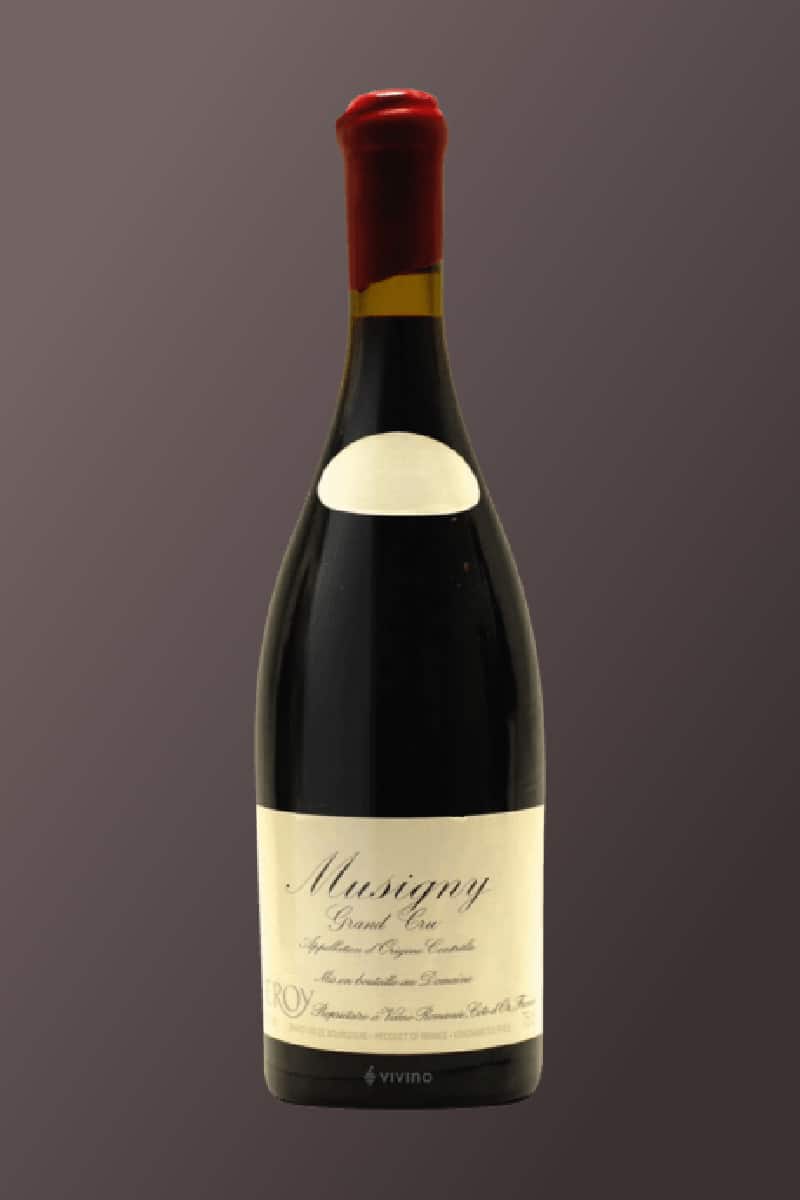
Era/Producer: Domaine Leroy, Chambolle-Musigny, Burgundy | Typical price: ~$50,000–$70,000/bottle | Best for: the ultra-high-end Burgundy specialist
In 2025, Domaine Leroy Musigny Grand Cru became the first wine to average over $50,000 per bottle across all vintages, with Wine-Searcher data showing averages near $70,000. Madame Lalou Bize-Leroy's biodynamic estate produces minuscule quantities from grand cru parcels, and Musigny is its rarest cuvée.
For collectors who already own DRC and want the next echelon of Burgundian scarcity, Leroy Musigny is the trophy that has appreciated fastest at the very top of the market.
Pros:
- First wine ever to average $50,000+ per bottle across vintages
- Microscopic biodynamic production from a legendary winemaker
- Fastest appreciation among ultra-luxury Burgundy labels
- Iron-clad collector demand in Asia, the US, and Europe
Cons:
- Even harder to source than DRC, with thin trading volume
- Pricing volatility is real at five-figure-per-bottle levels
Verdict: The fastest-rising trophy in Burgundy — for collectors operating at the absolute top.
3. Petrus

Era/Producer: Pomerol, right-bank Bordeaux | Typical price: ~$6,000/bottle average | Best for: the Bordeaux collector wanting the right-bank benchmark
Petrus is the most prestigious wine of Pomerol, made almost entirely from old-vine Merlot on its famous blue-clay vineyard. It averages roughly $5,979 per bottle on Wine-Searcher, with legendary vintages like 1982, 1989, 1990, and 2000 trading far higher. Production is limited to around 30,000 bottles a year from a 11.4-hectare estate, and its Liv-ex performance has been among the most stable of all Bordeaux first-growth-class wines, making it a core holding for any serious cellar.
Pros:
- ~$6,000 average with elite vintages worth multiples more
- Limited ~30,000-bottle production from a single famous vineyard
- Exceptional Liv-ex stability versus most Bordeaux
- Universal name recognition drives deep liquidity
Cons:
- Heavily counterfeited — buy only with airtight provenance
- Merlot-dominant style is condition-sensitive with age
Verdict: The right-bank Bordeaux benchmark — a stable, liquid blue-chip every cellar wants.
4. Château Lafite Rothschild
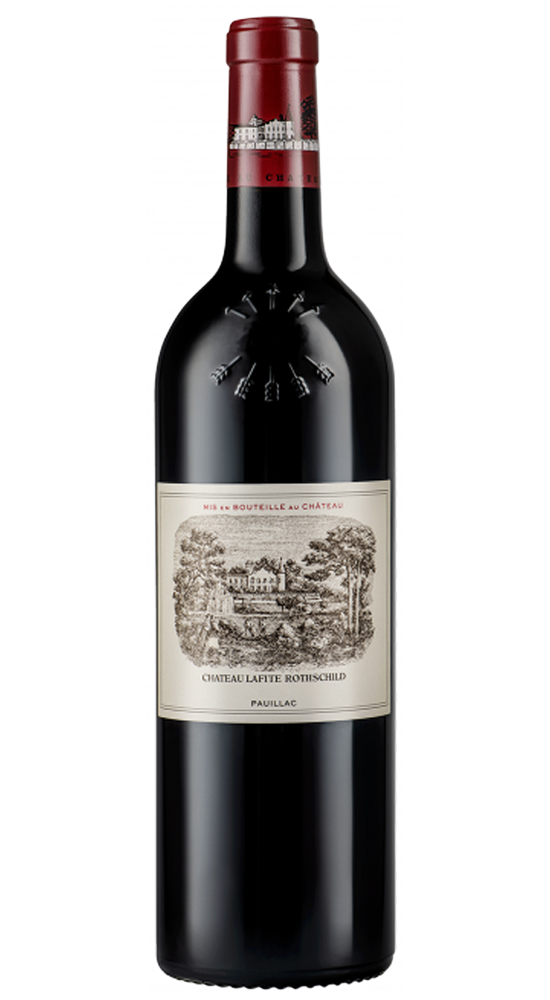
Era/Producer: First Growth, Pauillac, Bordeaux | Typical price: ~$700–$1,500/bottle | Best for: the collector wanting the most liquid First Growth
Château Lafite Rothschild is the most globally recognized of the five Bordeaux First Growths and the single most traded label on Liv-ex, which makes it exceptionally liquid. Current-release vintages average around $700 to $1,500 per bottle, while a mature 1996 has traded near £825 at recent auction and great years like 1982 and 2000 command thousands.
Its sheer market depth — driven by Asian demand for the Lafite name — makes it the easiest blue-chip Bordeaux to buy and sell at scale.
Pros:
- Most-traded label on Liv-ex — unrivaled Bordeaux liquidity
- Accessible current-release pricing under $1,500 a bottle
- Massive global brand, especially across Asia
- Long, documented auction history at every major house
Cons:
- That same fame makes it the most counterfeited Bordeaux
- Lower scarcity than Petrus caps top-end appreciation
Verdict: The most liquid First Growth — the easiest blue-chip Bordeaux to trade in volume.
5. Screaming Eagle

Era/Producer: Cult Napa Cabernet, Oakville, California | Typical price: ~$3,500–$5,000/bottle | Best for: the New World collector chasing the top US cult wine
Screaming Eagle is the defining Napa cult Cabernet, produced in tiny quantities and sold almost entirely through an allocation mailing list. Secondary-market bottles average roughly $3,500 to $5,000, and a 1992 sold for €11,250 at a 2024 auction. With annual production measured in the low thousands of cases and a waiting list that runs for years, it is the rare American wine that trades on par with classed-growth Bordeaux and anchors the New World side of an investment cellar.
Pros:
- Top US cult Cabernet with classed-growth-level pricing
- Allocation-only release creates permanent secondary demand
- Strong auction comps including five-figure single bottles
- Tiny production keeps supply genuinely scarce
Cons:
- Napa cult pricing can be volatile with vintage reputation
- Younger market than Bordeaux means a shorter track record
Verdict: The benchmark American cult wine — Napa's answer to the First Growths.
6. Château Margaux
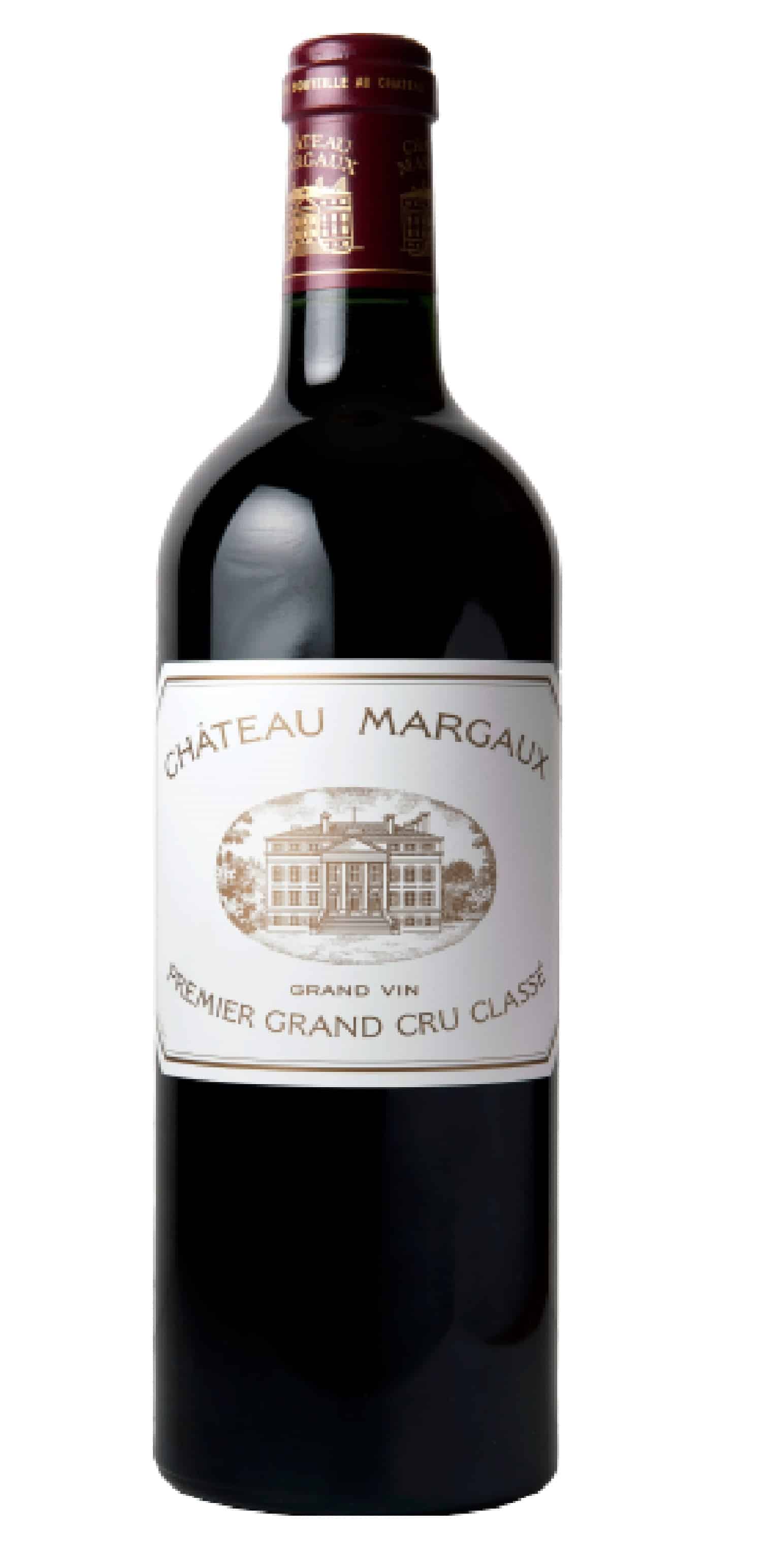
Era/Producer: First Growth, Margaux, Bordeaux | Typical price: ~$470–$900/bottle current release | Best for: the collector wanting a First Growth at the lowest entry
Château Margaux is one of the five Bordeaux First Growths and offers the most accessible entry into that elite tier, with current-release vintages averaging around $471 per bottle. Great years such as 1990, 2000, 2010, and the celebrated 2015 "Mentum" tribute bottle command large premiums, but the everyday market depth and sub-$1,000 entry make Margaux a sensible First Growth to accumulate by the case.
Its long Liv-ex history and broad demand support steady, if not explosive, appreciation.
Pros:
- Lowest-cost First Growth entry at around $470 a bottle
- Five-château elite status with universal recognition
- Deep Liv-ex trading history and steady demand
- Standout vintages (2015, 2010) reward selective buying
Cons:
- Lower scarcity than right-bank trophies limits upside
- First Growth fame attracts forgers — verify provenance
Verdict: The most affordable Bordeaux First Growth — a sensible blue-chip to buy by the case.
7. Sassicaia (Tenuta San Guido) 💎 BEST VALUE

Era/Producer: Super Tuscan, Bolgheri, Italy | Typical price: ~$300/bottle average | Best for: the value-focused collector who wants real investment pedigree
Sassicaia is the original Super Tuscan and Italy's most investible wine, and at an average near $300 per bottle it is the clear value pick on this list. It is the only single estate to hold its own Bolgheri DOC appellation, and standout vintages like the legendary 1985 and the highly rated 2015, 2016, and 2018 carry strong premiums.
Recent vintages have traded around $200 to $250 on release, giving collectors a rare combination of blue-chip pedigree, deep liquidity, and an accessible entry price.
Pros:
- ~$300 average — investment pedigree at a fraction of First Growth cost
- Italy's most liquid fine wine with broad global demand
- Sole estate with its own DOC (Bolgheri Sassicaia)
- Consistent high scores make great vintages easy to resell
Cons:
- Appreciation is steadier and slower than top Burgundy
- Vintage quality varies, so selection matters
Verdict: The smartest entry into investment-grade wine — real pedigree and liquidity at $300 a bottle.
8. Harlan Estate
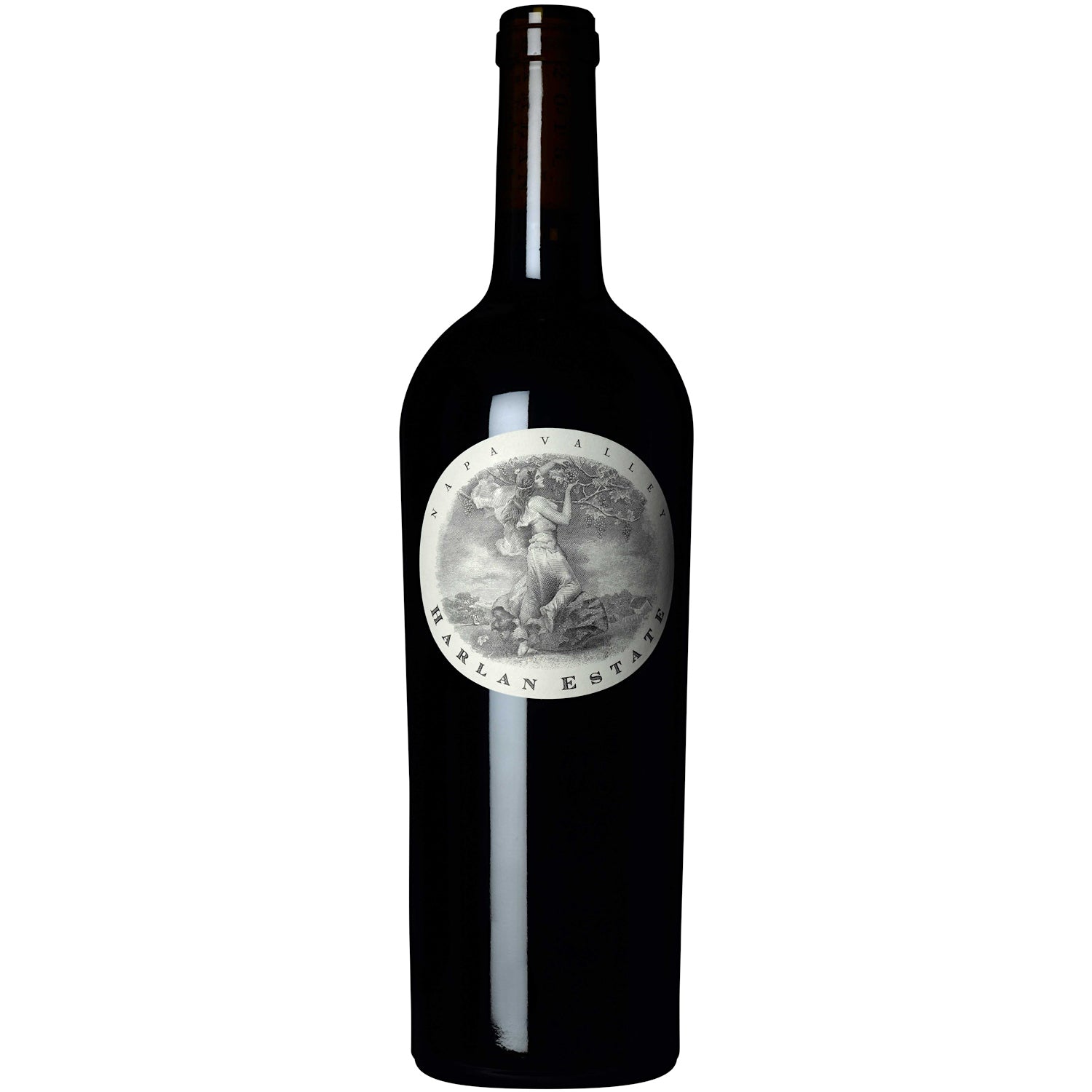
Era/Producer: Cult Napa Cabernet, Oakville, California | Typical price: ~$1,600/bottle average | Best for: the New World collector wanting a slightly more accessible cult wine
Harlan Estate is one of Napa's founding cult Cabernets, averaging roughly $1,601 per bottle on Wine-Searcher. Made in small quantities from a hillside Oakville vineyard and released through an allocation list, it has built a two-decade record of strong critical scores and steady secondary-market demand.
At well under Screaming Eagle pricing, Harlan offers cult-Napa pedigree with a slightly lower entry, making it a popular core holding for collectors building the American side of a cellar.
Pros:
- ~$1,600 average — cult Napa pedigree below Screaming Eagle
- Allocation-only model sustains secondary demand
- Two decades of high scores and reliable resale
- Small hillside production keeps supply tight
Cons:
- Napa cult market is younger and more vintage-sensitive
- Storage and provenance heavily affect resale value
Verdict: A cult-Napa cornerstone with strong pedigree at a more reachable price than Screaming Eagle.
9. Krug Clos d'Ambonnay
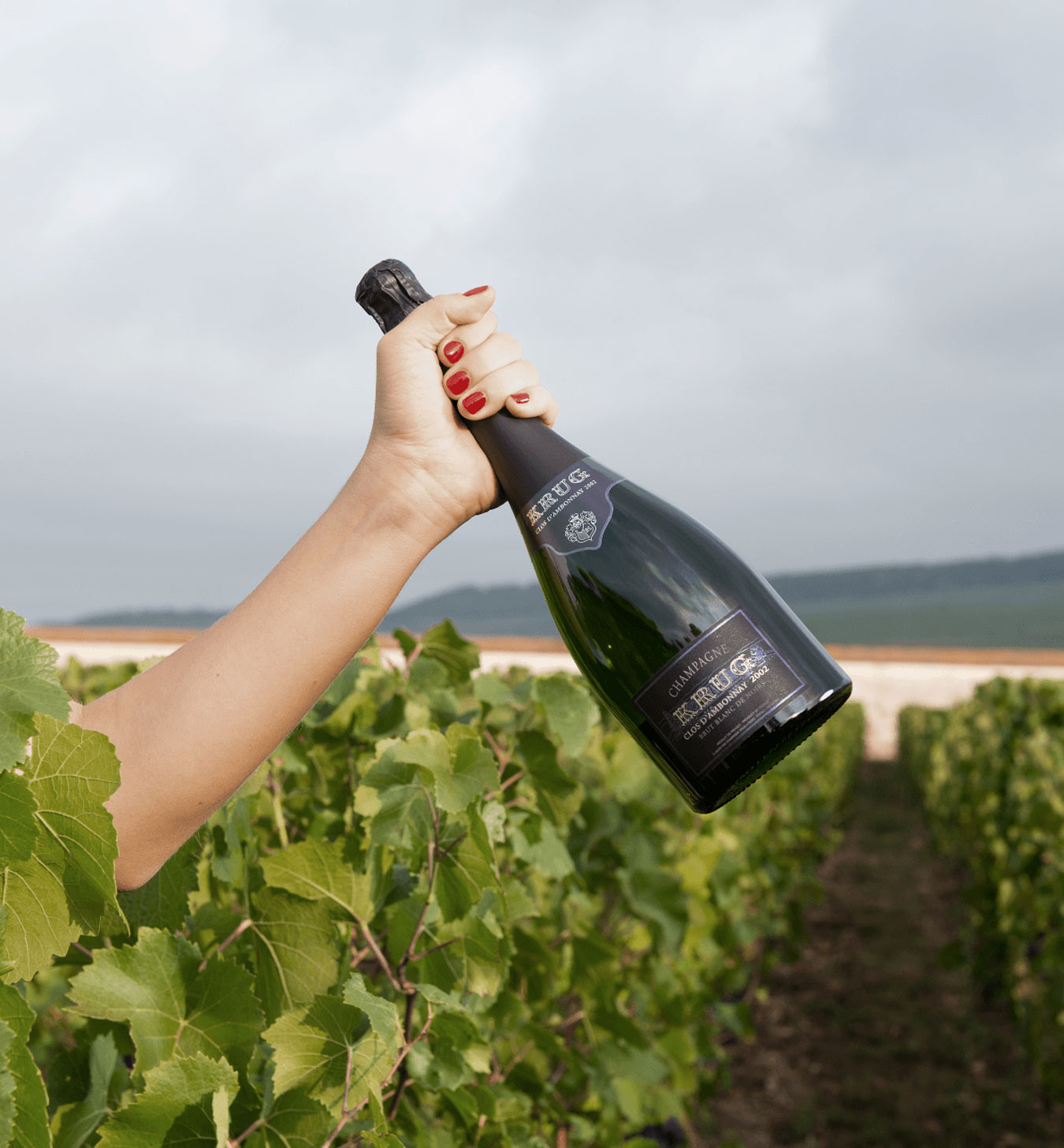
Era/Producer: Prestige Champagne, Ambonnay, France | Typical price: ~$3,700–$4,000/bottle | Best for: the Champagne-focused investor wanting the rarest single-vineyard cuvée
Krug Clos d'Ambonnay is the rarest and most expensive cuvée Krug makes — a single-vineyard blanc de noirs from a walled 0.68-hectare plot, produced only in exceptional years. It averages around $3,680 per bottle, with the acclaimed 2008 vintage near $3,967. As the pinnacle of investment-grade Champagne, it gives a cellar a sparkling blue-chip to complement still-wine trophies, and its tiny production supports firm, steady pricing.
Pros:
- Rarest Krug cuvée from a single walled vineyard
- ~$3,700+ average with collectible vintage premiums
- Top investment-grade Champagne for cellar diversification
- Made only in great years, reinforcing scarcity
Cons:
- Champagne is more vintage-dependent and condition-sensitive
- Narrower buyer base than top Burgundy or Bordeaux
Verdict: The pinnacle of collectible Champagne — the sparkling blue-chip for a complete cellar.
10. Penfolds Grange
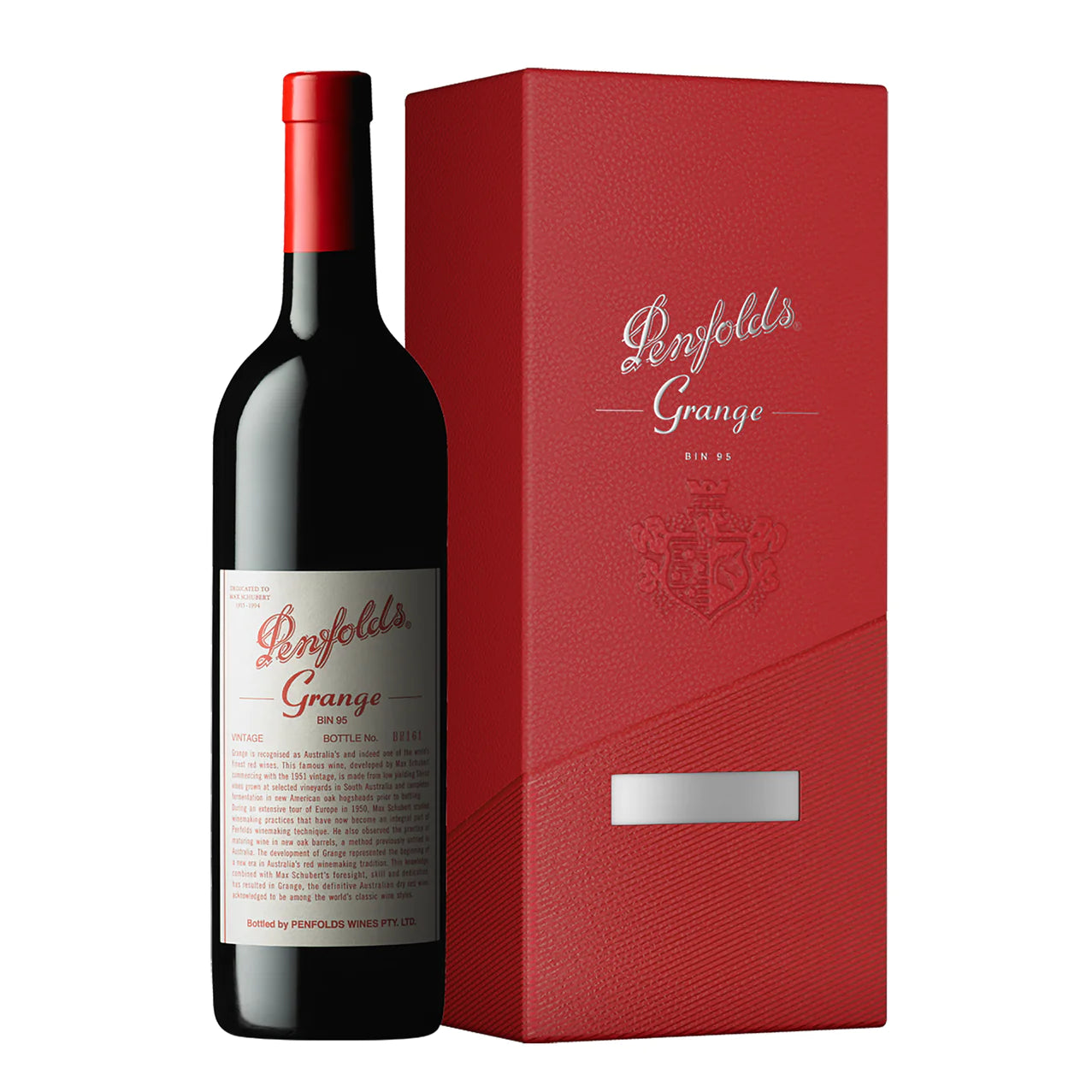
Era/Producer: Iconic Shiraz, South Australia | Typical price: ~$500–$900/bottle current release | Best for: the collector wanting the Southern Hemisphere's blue-chip
Penfolds Grange Bin 95 is Australia's most famous and collectible wine, with current-release vintages trading around £200 to £210 at recent auction and mature, acclaimed years commanding far more. As a multi-decade icon with a deep auction history and broad demand across Asia and the UK, Grange is the Southern Hemisphere's blue-chip and a sensible way to diversify a cellar beyond Europe and California.
Its consistency and large, well-documented production make it one of the most liquid icons on this list.
Pros:
- Australia's most collectible wine with a long auction record
- Accessible current-release pricing in the hundreds
- Deep liquidity across UK and Asian markets
- Multi-decade consistency makes great years easy to value
Cons:
- Larger production caps top-end scarcity premiums
- Appreciation is steadier than the European trophies
Verdict: The Southern Hemisphere's blue-chip — a liquid, accessible icon for cellar diversity.
Which One Is Right for You?
What to Look For
- Provenance is the whole game. Buy only wines with documented storage and a clean ownership chain. A perfect bottle with murky history sells at a discount; impeccable provenance commands a premium, especially for DRC, Petrus, and Lafite.
- Inspect fill level, label, capsule, and cork. Low ullage, stained labels, or signs of seepage signal heat damage or age problems that gut resale value. Ask for detailed condition photos before buying.
- Counterfeits target the famous names. DRC, Petrus, Lafite, and Screaming Eagle are the most faked wines in the world. Buy from reputable merchants, auction houses, or En Primeur, and verify bottle codes and capsules.
- Storage determines value over time. Professional, temperature-controlled, bonded storage protects both condition and resale; home-stored bottles fetch less and are harder to sell to serious buyers.
- Format and case integrity matter. Original wooden cases (OWC), large formats (magnums, jeroboams), and full unbroken cases trade at premiums over loose single bottles.
What matters less than the hype: chasing the single highest critic score. A 100-point off-vintage bottle with poor storage will lose to a 96-point bottle from a great producer with flawless provenance — buy producer, vintage reputation, and condition first.
FAQ
What is the best investment-grade wine to buy in 2027? For the top of the market, DRC Romanée-Conti is the benchmark, averaging around $26,000 per bottle with the deepest collector demand of any label. For value, Sassicaia at roughly $300 offers real investment pedigree with strong liquidity.
Is fine wine actually a good investment? The best blue-chip labels have appreciated steadily for decades, but fine wine is illiquid, condition-sensitive, and exposed to currency and demand swings. It works best as a long-hold, diversified tangible asset with professional storage — not a quick flip.
Which wine offers the best value for a new collector? Sassicaia, the original Super Tuscan, at around $300 a bottle. It combines blue-chip pedigree, deep liquidity, its own Bolgheri DOC, and an accessible entry price.
How do I avoid counterfeit fine wine? Buy only with documented provenance from reputable merchants, auction houses, or En Primeur; inspect fill level, capsule, and label closely; and verify bottle codes. DRC, Petrus, and Lafite are the most heavily counterfeited labels.
Does storage really affect resale value? Yes, significantly. Professionally stored, bonded bottles with temperature control sell at a premium, while home-stored wine with uncertain conditions trades at a discount and is harder to sell to serious collectors.
What format should I buy for investment? Original wooden cases and large formats (magnums and up) generally appreciate better and resell more easily than loose single bottles, because serious buyers prize case integrity and pristine provenance.
Bottom Line
The Best Overall investment-grade wine for 2027 is DRC Romanée-Conti, the world's most coveted label at roughly $26,000 per bottle, backed by tiny production and unmatched global demand. The Best Value pick is Sassicaia at around $300, delivering genuine blue-chip pedigree and deep liquidity at a fraction of First Growth pricing.
Between them sit the great names — Petrus, Lafite, Margaux, Screaming Eagle, Harlan, Krug Clos d'Ambonnay, Domaine Leroy, and Penfolds Grange — each with verifiable comps. Buy on provenance and storage, diversify across regions, and hold for the long term.
Sources
- DRC Romanée-Conti — Wine-Searcher market data
- Domaine Leroy Musigny passes $50,000 average — Vinetur
- Petrus — Wine-Searcher market data
- Krug Clos d'Ambonnay — Wine-Searcher market data
- December 2025 Fine & Rare Wines auction results — Whisky.Auction Magazine
- Sassicaia investment guide — Vinovest
- Harlan Estate — Wine-Searcher market data
*Investment-grade wines review — investment-grade wines reviews, ratings, best investment wines to collect 2027, and a review of the top fine-wine picks for collectors and cellar investors.*