


What is the average cost of a top 10 dining experience in 2027?
Quality
Certified
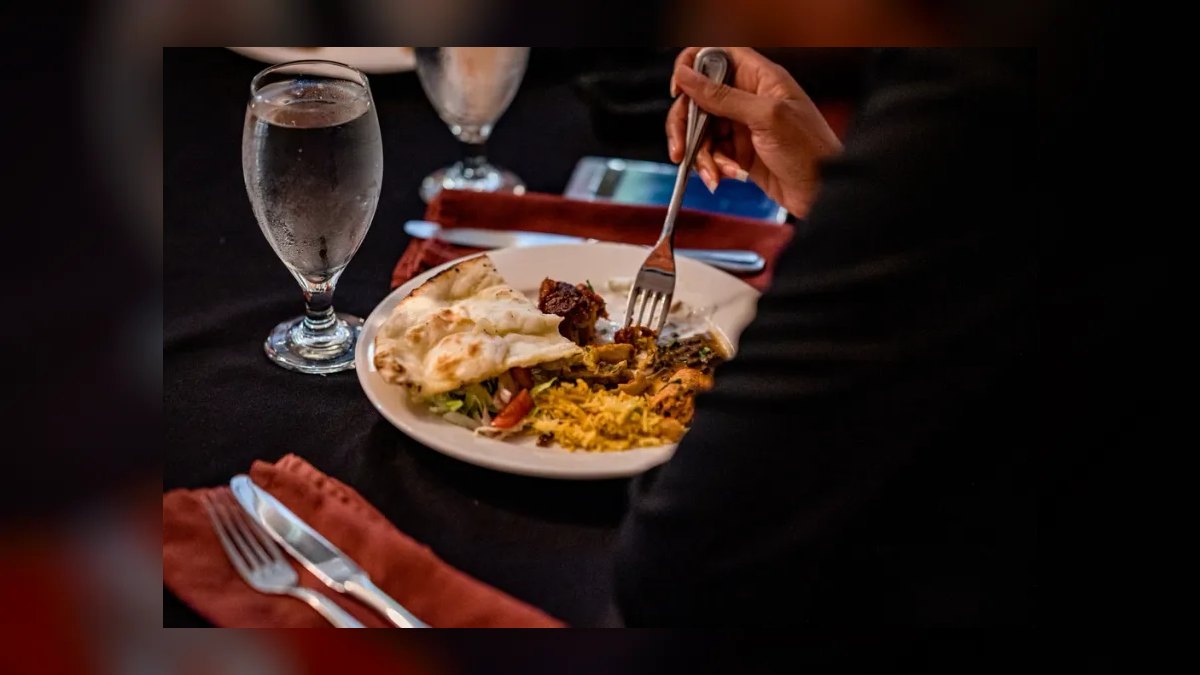
A top 10 dining experience in 2027 averages $400 to $700 per person all-in at the global tier, with tasting menus alone typically listed between $250 and $450 before wine, tax, and service. The final cost depends far more on beverage pairing, service policy, and optional supplements than on the printed menu price itself.
The outcome you should expect
The most common mistake when estimating the cost of a top 10 dining experience is comparing the wrong number. The headline menu price printed on a reservation page or booking platform rarely matches what you will actually pay. The real figure includes beverage, tax, service charge or gratuity, and often a supplement for an upgraded course. That gap is not small. It routinely adds 50% to 100% on top of the listed price, and at the most celebrated restaurants worldwide it can exceed the headline entirely.
Consider a concrete example. A restaurant advertises a $300 tasting menu. If you take the standard wine pairing, budget approximately $600 per person all-in. If you skip the pairing or order a single bottle for the table, budget closer to $450. If the restaurant advertises $200, expect $350 to $400 all-in. If the menu is listed at $450 — which a small number of the world's most famous dining rooms now charge — you are looking at a four-figure evening for two before you account for transportation or lodging.
This arithmetic holds consistently because of the underlying cost structure. Beverage pairings at this tier are priced at 50% to 70% of the food price, because the pairing is where restaurants recover margin lost on labor-intensive food preparation. Service is either a mandatory charge in the 18% to 22% range or an expected discretionary tip in the same band. Sales tax varies by jurisdiction but typically lands between 4% and 10% in US markets, while many European and Japanese cities embed tax in the listed price. Stack those components and the multiplier on the headline number follows naturally.
There is also a timing dimension. Prices at this tier are revised roughly annually, and the revisions have been consistently upward due to ingredient costs, wage floors, and a deliberate industry shift from tipped compensation toward salaried kitchen and floor staff. A menu you priced eighteen months ago is almost certainly no longer accurate. When planning a 2027 reservation, confirm the current price on the restaurant's own website rather than relying on a review, an article, or a booking aggregator's cached figure.
Finally, understand what you are buying. At this level you are not paying for calories or primarily for ingredients. You are paying for a staff-to-guest ratio that often approaches or exceeds one-to-one, for a dining room that turns tables once or twice a night rather than four times, for research and development time that produces dishes with no immediate revenue, and for a supply chain that sources at volumes too small to be efficient. The average cost reflects a labor model, not a food model.
What drives that outcome
The single largest driver of the final cost is the beverage program. This surprises people who assume the food carries the bill. It does not. Food at a tasting-menu restaurant frequently runs a food cost percentage in the low-to-mid thirties or higher — unusually high by restaurant standards, because the format demands expensive proteins in small portions with heavy trim loss. Beverage, by contrast, is where the margin lives. A wine pairing priced at $200 against a $300 menu is not a 67% surcharge for convenience; it is the mechanism that makes the $300 menu viable at all.

That has a practical consequence: your beverage decision is the highest-leverage cost lever you control. Declining the pairing and ordering a single bottle for the table can cut the per-person total meaningfully, particularly for a party of four where one well-chosen bottle covers the meal. Some rooms now offer a reduced pairing — three or four pours instead of seven or eight — at roughly half the full pairing price. Non-alcoholic pairings, which have become common, are usually priced 30% to 50% below the wine pairing and are, at good restaurants, genuinely considered rather than an afterthought.
Service policy is the second driver, and it is the one that has changed most in recent years. The industry has been moving in three directions simultaneously. Some restaurants have adopted a fully inclusive model where the listed price contains service and, where applicable, tax — the number you see is the number you pay. Others apply a mandatory service charge disclosed at booking. Others retain discretionary tipping. These three models produce wildly different apparent prices for identical experiences, which is precisely why headline comparisons across restaurants are so misleading. A $400 inclusive menu and a $320 menu plus 20% service plus tax are close to the same evening.
Prepaid ticketing is the third structural factor. A significant share of the highest-demand rooms now sell tickets in advance rather than taking reservations, charging the full amount at booking. This changes the cost profile in ways worth planning for: the money is committed weeks or months out, cancellation terms are strict, and resale — where permitted at all — is often at face value through the restaurant's own system. It also means the price is locked at the moment of purchase, which insulates you from a subsequent increase but gives you no recourse if the restaurant later reduces the price or adds value.

Location multiplies everything. Rent, wage floors, and local tax rates vary enough across major dining cities that the same operational model produces materially different prices. Broadly, the most expensive markets sit in a band well above regional capitals, and a meal that costs $500 all-in in a top global city might deliver a comparable experience for $250 to $350 in a strong secondary market. Whether that gap represents value or simply cost-of-living arbitrage depends on what you are optimizing for.
Supplements deserve specific mention because they are the most common source of bill shock. Many tasting menus include optional course upgrades — a caviar service, a truffle course in season, an aged-protein supplement — priced anywhere from $50 to well over $200 each. They are offered warmly and mid-service, when declining feels socially awkward. Decide before you sit down whether you are taking supplements, and if the answer is no, say so pleasantly when the menu is presented rather than course by course.
Benchmarks and realistic ranges
Publishing a single average for a top 10 dining experience in 2027 is misleading because the tier spans several distinct price bands. The global-list tier — restaurants ranked on international lists and holding three Michelin stars — commands the highest prices. In this band, tasting menus typically range from $350 to $450 per person for food alone, with beverage pairings adding $180 to $300. All-in, expect $700 to $1,200 per person in the most expensive global cities, with a few outlier rooms exceeding that figure.
The national-tier band — restaurants recognized within their own country, often with two Michelin stars or equivalent acclaim — typically lists menus between $250 and $350. Pairings run $120 to $200. All-in, plan for $500 to $800 per person. This band offers the most consistent value-to-price ratio in fine dining, because the gap in execution between national and global tier is often smaller than the gap in price.
The strong-city tier — the best restaurant in a major regional city, usually with one Michelin star or a strong local reputation — lists menus between $150 and $250. Pairings run $80 to $140. All-in, expect $300 to $500 per person. This is where most diners who regularly eat well will find their sweet spot, and where the marginal dollar buys the most measurable improvement in experience.
Lunch service compresses these numbers significantly. Many restaurants in all three bands offer a shorter lunch menu at 30% to 50% below the dinner price, often from the same kitchen with the same sourcing. A $300 dinner menu might appear as a $180 lunch menu with fewer courses and a shorter meal. For anyone optimizing cost against quality, weekday lunch is the most reliable discount in fine dining.
Currency and payment method introduce another layer. Restaurants in global cities increasingly quote prices in their local currency, and dynamic currency conversion at the point of sale can add 3% to 5% to the effective cost. Paying in the local currency rather than accepting the merchant's conversion rate is a small but real saving. International transaction fees on cards add another 1% to 3% in some cases, so a card with no foreign transaction fee is worth carrying.
The number of guests changes the per-person average in predictable ways. A party of two taking the full pairing pays the highest per-person rate. A party of four sharing two bottles instead of taking pairings can reduce per-person beverage cost by 40% or more. Solo diners at the counter often pay the same menu price but can sometimes order half-portions of the pairing, reducing the all-in total. Group bookings of six or more frequently trigger private dining minimums that are priced separately and can be substantially higher or lower than the public menu depending on the room.

Seasonal variation matters less than most people assume. Some restaurants adjust menus and prices by season, with truffle season and New Year's Eve commanding premiums of 20% to 50%. Others hold prices steady year-round and adjust the menu composition instead. The predictable pattern is that the most expensive time to book is December and major holidays, and the least expensive is typically mid-week in January or February, when some rooms offer reduced-price menus or additional courses at no charge.
Risks, edge cases, and failure modes
The most common failure is budgeting from the headline price alone. A diner who sees a $250 menu and plans $250 per person will face a bill of $400 to $500, and the surprise can sour the experience. The fix is simple: before booking, calculate the all-in estimate using the multipliers above, and decide whether that number is acceptable. If it is not, drop a tier rather than booking and economizing at the table — economizing at this level is unpleasant and rarely saves much.
The second failure mode is assuming that a more expensive restaurant guarantees a better meal. Above a certain threshold, you are paying for staffing ratio, room design, sourcing scarcity, and research and development rather than for measurable improvement on the plate. Fit matters more than price. If you dislike long chef-directed menus, an expensive tasting will disappoint you regardless of how well it is executed. Conversely, a diner who loves the format may find more enjoyment in a $250 national-tier meal than in a $600 global-tier meal that leans heavily on luxury ingredients.

Dietary restrictions present a specific risk. Restaurants at this tier plan menus around declared restrictions and cannot improvise at service. An allergy disclosed on arrival often means a diminished menu; the same allergy disclosed at booking usually means a fully considered alternative. The cost implication is indirect but real: a restricted menu at a top restaurant may omit the signature courses that justify the price, leaving you with a meal that feels like a lesser experience at the same cost.
Prepaid tickets carry their own edge cases. If your schedule is uncertain, a prepaid ticket is a financial risk. Cancellation terms are strict, often allowing no refund beyond 72 hours before the reservation, and some rooms offer no refunds at all. Resale, where permitted, is usually at face value through the restaurant's own system, which means you cannot recover a premium if demand has risen. If your travel plans are not firm, prefer restaurants that take deposits with a 48- to 72-hour cancellation window instead of full prepayment.
The service charge model creates a subtle trap. Some restaurants apply a mandatory service charge and then add a line for "additional gratuity" on the payment terminal, which can pressure guests into double-tipping. If the service charge is disclosed at booking and appears on the bill, no additional tip is expected. If you are uncertain, ask the server directly whether the service charge is distributed to the staff — most restaurants that include it do distribute it, and the answer will clarify whether anything further is appropriate.
Supplements accepted in the moment are the most common avoidable cost. Caviar, truffle, and aged-protein upgrades are offered mid-service and can each add $50 to $200 or more per person. The social pressure to accept is real, and the marginal enjoyment of an extra course is often smaller than its marginal cost. Decide before you sit down whether you are taking any supplements, and decline pleasantly at the start rather than negotiating course by course.

Another edge case is the restaurant that changes its menu price between booking and dining. Most restaurants honor the price at booking, but some — particularly those with seasonal menus — adjust prices without notifying existing reservations. If the price has risen, you have no recourse beyond declining the reservation, which may forfeit a deposit. Reading the cancellation policy before booking tells you exactly where you stand.
A practical rollout plan
Start six to twelve weeks out for national-tier restaurants and three to six months out for global-list rooms, because that is when booking windows typically open. Many restaurants release tables on a fixed schedule — the first of the month for the month two months ahead is a common pattern — and the tables are gone within minutes. Know the exact release time in the restaurant's local time zone and be at the keyboard.
Before you book, do the arithmetic once. Take the headline price, add 60% if you intend to take the full pairing or 20% if you do not, then add service and tax if they are not inclusive. That is your realistic per-person number. Multiply by headcount. If that total makes you uncomfortable, drop a tier rather than booking and economizing at the table — economizing at the table at this level is unpleasant and rarely saves much.
At booking, disclose everything: allergies, dietary restrictions, occasion, timing constraints. Restaurants at this tier plan menus around declared restrictions and cannot improvise at service. An allergy disclosed on arrival often means a diminished menu; the same allergy disclosed at booking usually means a fully considered alternative.

Plan the evening around the meal, not the other way around. A tasting menu at this level runs two and a half to four hours. Do not schedule a show afterward. Do not book a 9:00 pm seating before a 6:00 am flight. The experience degrades sharply when you are watching a clock, and you will have paid for the parts you rushed.
Consider what you build around it. Booking a room within walking distance removes the transport question and the temptation to cut the meal short. If you are traveling specifically for the reservation, look at what else is worth eating in that city — the casual sibling restaurant, the market, the bakery the chef's team actually uses — and treat the whole trip as the experience rather than the single dinner. The average cost per memorable meal drops considerably when you plan the trip that way.
After the meal, keep a simple record: what you paid all-in, what you drank, what you would change. Three or four of those entries and you will have a personal benchmark far more useful than any published average, calibrated to your own taste rather than to a critic's. Most people discover their own sweet spot sits a tier below where they assumed it did — and that the marginal enjoyment between a $300 and a $600 evening is smaller than the marginal cost.
Related questions
How much should I tip at a tasting-menu restaurant?
If service is included or a mandatory charge is applied, no additional tip is expected, though rounding up is common. If tipping is discretionary, 18% to 22% of the pre-tax total is the standard band in US markets. Tipping norms differ substantially outside the US — in Japan, tipping is not customary.
Is the wine pairing worth the money?
It depends on your interest in wine. The pairing is designed alongside the food and often includes pours you could not order by the glass, which is genuine value. If you drink lightly or drink mostly one style, a single bottle chosen with the sommelier usually costs less and satisfies more.
Is lunch really cheaper at the same restaurant?
Often significantly — commonly 30% to 50% less for a shortened version of the dinner menu, from the same kitchen. You typically get fewer courses and a shorter meal. For anyone optimizing cost against quality, weekday lunch is the most reliable discount in fine dining.
What does a top 10 dinner cost for two people all-in?
At the global tier, plan $800 to $1,400 for the meal alone, before transport or lodging. At the national tier, $500 to $900. At the strong-city tier, $320 to $600. Add travel and hotel if you are going somewhere specifically for the reservation.
Do prices differ much between cities?
Materially. Rent, wage floors, and tax rates drive real differences, and the most expensive global cities can run roughly double a strong secondary market for a comparable experience. Traveling to a cheaper market rarely saves money overall once flights and lodging are counted, but it does change what the dinner itself costs.
FAQ
Why does the final bill so often exceed the menu price?
Because the menu price covers food only in most pricing models. Beverage pairing, service charge or tip, sales tax, and optional course supplements are added on top. Together those typically add 50% to 100% to the headline figure. Restaurants using fully inclusive pricing are the exception, and they usually say so prominently at booking.
Are prepaid tickets riskier than reservations?
Financially, yes. You pay in full at booking, often months ahead, with strict or no refunds. The upside is a locked price, a guaranteed table, and a frictionless close at the end of the meal. If your schedule is uncertain, prefer restaurants that take deposits with a 48- to 72-hour cancellation window instead.
How far in advance do I need to book?
Three to six months for the most in-demand global-list restaurants, six to twelve weeks for strong national-tier rooms, and often one to three weeks for the best restaurant in a mid-sized city. Booking windows open on fixed schedules at many restaurants — check the specific policy, because tables can disappear within minutes.
Can I request a lower-cost version of the experience?
Sometimes. Ask about lunch service, counter or bar seating, a reduced beverage pairing, a non-alcoholic pairing, or an early weekday seating. Also look for the group's more casual sibling restaurant, which usually shares sourcing and technique at a fraction of the price. Asking politely at booking is entirely normal.
Does a higher price mean a better meal?
Not reliably. Above a certain threshold you are paying for staffing ratio, room, sourcing scarcity, and R&D rather than for measurable improvement on the plate. Fit matters more than price: if you dislike long chef-directed menus, an expensive tasting will disappoint you regardless of how well it is executed.
What is the biggest avoidable cost at the table?
Supplements accepted in the moment. Caviar, truffle, and aged-protein upgrades are offered mid-service and can each add $50 to $200 or more per person. Decide before you sit down whether you are taking any, and decline pleasantly at the start rather than negotiating course by course.
Sources
- https://guide.michelin.com
- https://www.theworlds50best.com
- https://www.jamesbeard.org
- https://www.eater.com
- https://www.nytimes.com/section/food
- https://www.bls.gov/cpi/
- https://www.opentable.com
- https://resy.com
- https://www.tock.com
- https://www.restaurant-hospitality.com
Related on PULSE
- How prepaid ticketing changed restaurant reservation economics
- Service-inclusive pricing vs. tipping: what each model actually costs the guest
- Beverage program margin and why pairings subsidize the kitchen
- Lunch service as the highest-value entry point to fine dining
- Private dining minimums: how group bookings are priced
- Budgeting a multi-reservation food trip
This page will be disappearing soon. Save it to your device for $1 — or read it free while it is here.
@Kory-White- · if Venmo asks, the last 4 of my number are 2012
This page is gone.
This one is off the shelf now. $1 keeps it on your phone for good — the whole page, pictures and diagrams included.
 pulse-diningTop 10 Places to Dine in Boise for Finger Steaks in 2027
 diningHow much does a tasting menu cost in 2027?
 pulse-diningTop 10 Places to Dine in Provo in 2027
 pulse-diningTop 10 Places to Dine in Lincoln in 2027
 diningWhat drives the cost of a fine dining meal in 2027?
 pulse-diningTop 10 Places to Dine in San Francisco for Sourdough Bread Bowls in 2027
 diningHow much should I tip for dining in 2027?
 pulse-diningTop 10 Places to Dine in Oklahoma City for Chicken Fried Steak in 2027
 pulse-diningTop 10 Places to Dine in Grand Rapids in 2027
 pulse-diningTop 10 Places to Dine in Milwaukee for Beer Cheese Soup in 2027