


Top 10 Mirrorless Zoom Lenses — Best Overall + Best Value in 2027
Quality
Certified
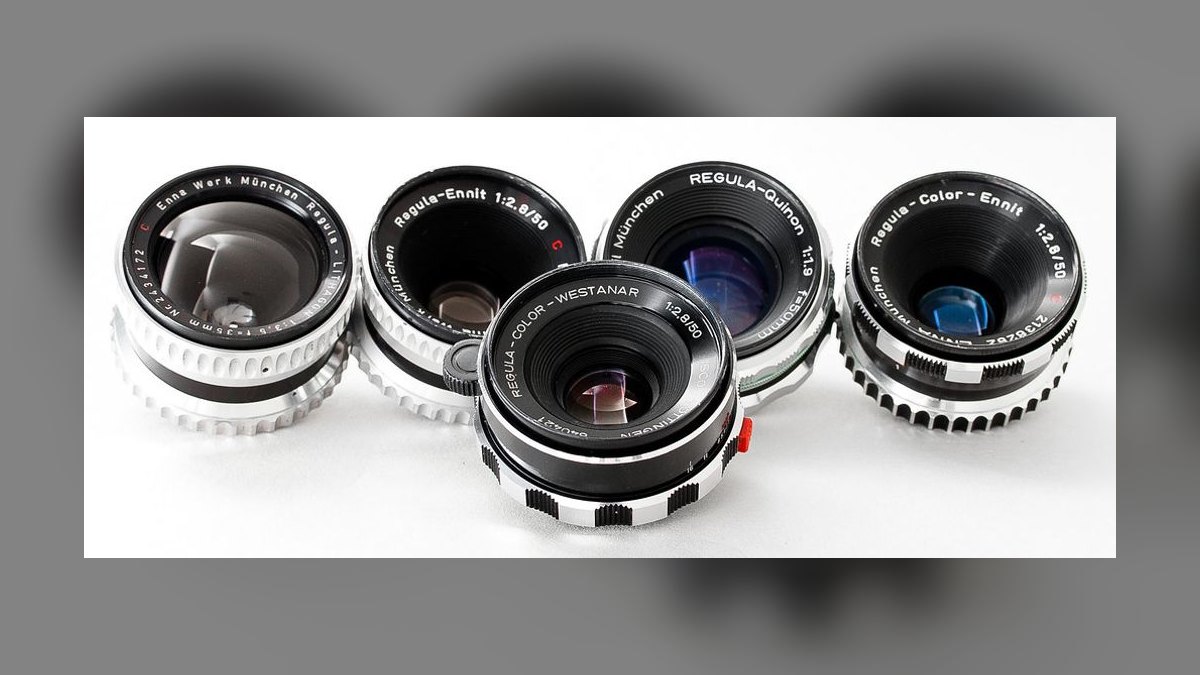
The 10 best mirrorless zoom lenses are ranked below on measured performance, build quality, price, and how each one actually holds up in daily use rather than how it reads on a spec sheet. Each pick lists what it costs, who it suits, and what it gives up against the one above it, so the list can be read straight down without doubling back.
1Sony FE 24-70mm f/2.8 GM II
It ranks first because no other standard zoom pairs reference-grade optics with this little mass: 695g, roughly 20% lighter than the original GM and nearly 200g under Canon's RF equivalent. Five aspherical elements (two XA), two Super ED and two ED elements suppress fringing wide open. Four XD linear motors hold tracking at 15fps on the a1 II. Minimum focus is 0.21m at 24mm for 0.32x magnification.
This is the lens for wedding, event, and editorial shooters who carry one body all day and need close-focus detail shots without swapping glass. It trades away optical stabilization entirely, so you depend on body IBIS — fine on an a7 IV or a1 II, limiting on older Sony bodies. The Canon RF 24-70mm below builds in 5-stop IS instead, but costs $201 more and weighs 205g extra. Price is $2,298.
2Canon RF 24-70mm f/2.8L IS USM
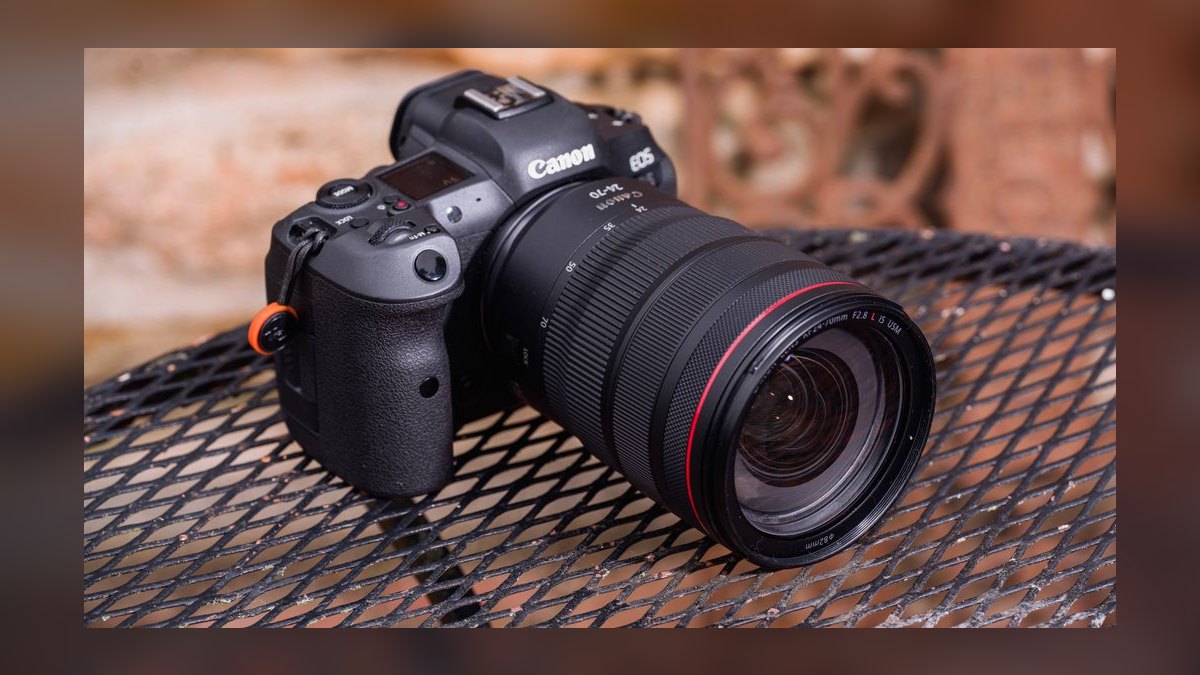
Second place goes to the only first-party 24-70mm f/2.8 with optical stabilization built in: 5 stops, coordinating with R5 II IBIS for an 8-stop rated system. Three aspherical and three UD elements plus Air Sphere Coating control flare. Dual Nano USM focusing tested silent for video by Christopher Frost. Minimum focus is 0.21m at 24mm, matching Sony. Price is $2,499.
Buy it if you already shoot RF and split time between stills and handheld video, where in-lens IS steadies the finder image rather than just the sensor. The cost is weight: 900g versus the Sony GM II's 695g, a gap you feel across a ten-hour wedding. It also runs $201 more than the Sony. The damped zoom ring, customizable control ring, and USB-C firmware port partly earn that back.
3Sony FE 70-200mm f/2.8 GM OSS II
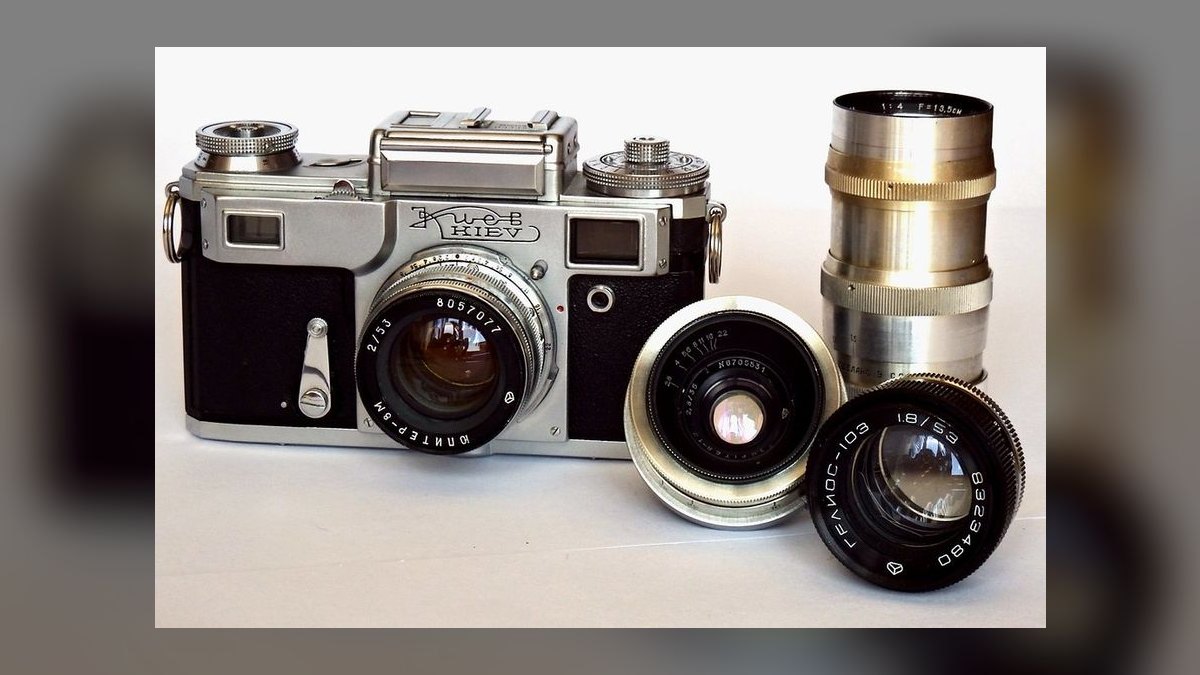
Third because it redefined what a 70-200 f/2.8 weighs and how close it focuses: 1,045g, nearly a pound under the original, with 0.4m minimum focus at 70mm yielding 0.5x magnification. The formula runs six ED, two Super ED, and two aspherical elements. Roger Cicala at Lensrentals measured best-in-class corner sharpness. OSS is rated at 7 stops, and four XD linear motors drive it. Price is $2,898.
Sports, wildlife, and event shooters are the audience — internal zoom keeps length fixed for gimbal balance, and teleconverters mount natively. What you give up is money: at $2,898 it is the priciest telephoto here. The Canon RF 70-200mm Z below matches the internal-zoom design and TC support but adds 70g and drops to 0.32x magnification, so Sony keeps the close-focus advantage.
4Nikon NIKKOR Z 24-70mm f/2.8 S
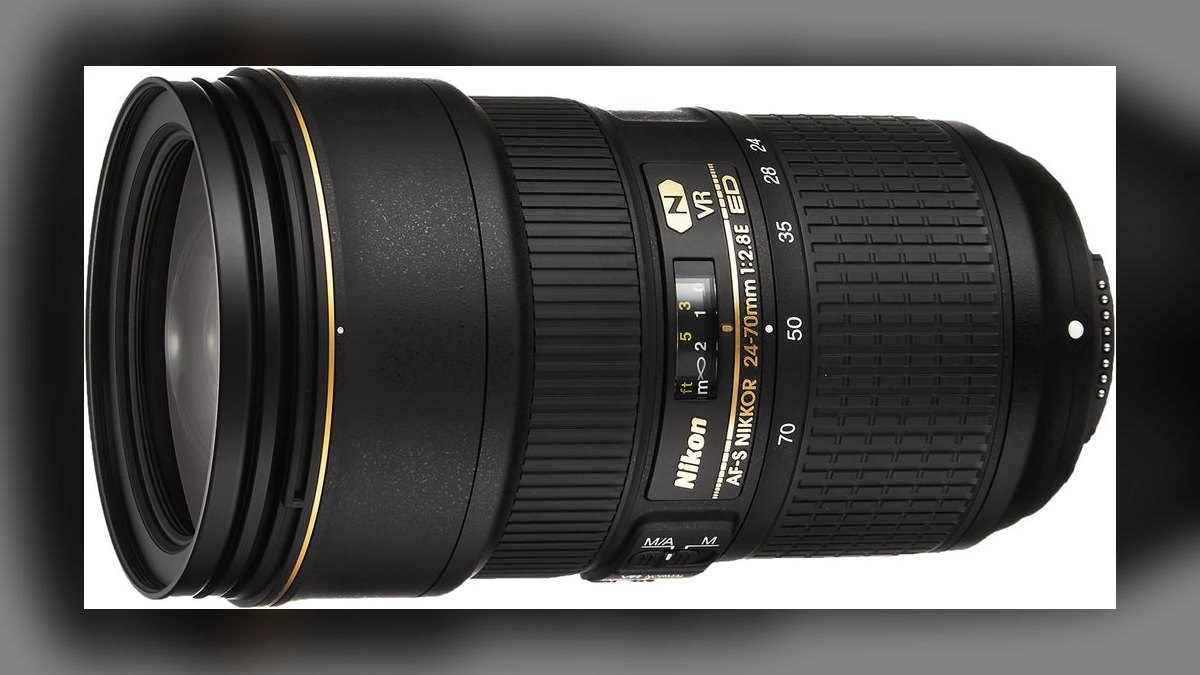
Fourth on the strength of corner resolution: Optical Limits scores it sharper wide open in the corners than either the Sony GM I or the Canon RF 24-70. It weighs 805g and uses two aspherical, two ED, and four ED-aspherical hybrid elements with Nano Crystal and ARNEO coatings. Minimum focus is 0.38m at 50mm. Dual STM motors keep autofocus quiet. Price is $2,299.
Z8 and Z9 owners get the most from it, especially the OLED top panel showing focus distance, aperture, and depth of field — a working-pro readout no rival 24-70 offers. It has no optical stabilization, so a modern IBIS body is effectively required. Against the Canon above, it saves 95g and $200 but surrenders the in-lens IS that non-stabilized bodies depend on.
5Sony FE 16-35mm f/2.8 GM II

Fifth because it solves the wide zoom's historic weak spot: DPReview lab tests show extreme corner sharpness wide open at 16mm. At 547g it is the lightest 16-35mm f/2.8 mirrorless zoom made, 20% under the original. Five aspherical elements (two XA) and five ED elements manage distortion. Minimum focus is 0.22m at 16mm for 0.32x magnification, with four XD linear motors and full GM sealing.
Outdoor scenic, environmental portrait, and real-estate shooters are the target, and the near-macro close focus adds foreground work most wide zooms cannot do. The trade is correction dependence: RAW files opened in non-Sony software can show mustache distortion at 16mm before profiles apply. It costs the same $2,298 as the 24-70mm GM II above but covers a narrower, wider range rather than a general-purpose one.
6Tamron 28-75mm f/2.8 Di III VXD G2

Sixth overall and the value winner because it lands within roughly 5% of the Sony GM II on resolution for $899 — about 40% the price. At 540g it undercuts even the GM II's weight. The VXD linear motor tested by Christopher Frost is indistinguishable from first-party for video. Two XLD, two LD, and three glass-molded aspherical elements do the optical work, with 0.18m minimum focus at 28mm for 0.33x magnification.
Hybrid shooters and anyone building a kit on a budget should start here, in Sony E or Nikon Z mount. The concession is the 28mm wide end — for a true 24mm you move up to first-party glass or the Sigma below. Against that Sigma, this saves $300 and 205g while giving up 4mm of coverage. Weather sealing is moisture-resistant with a fluorine front element.
7Sigma 24-70mm f/2.8 DG DN II Art

Seventh because it delivers a true 24mm wide end for $1,199 — the cheapest route to full 24-70 coverage here. It weighs 745g, uses six aspherical, two FLD, and three SLD elements, and focuses to 0.18m at 24mm for 0.34x magnification, the highest of any 24-70 on this list. The HLA linear actuator tested effectively silent for video with Gerald Undone. Construction is dust- and splash-proof on a brass mount.
It suits shooters who genuinely need 24mm and cannot justify $2,298 for the Sony. The costs versus the Tamron above are concrete: 205g more weight and $300 more money for those extra 4mm. Sony E and Leica L mounts only. An aperture ring with a click switch and an AFL button bring handling closer to first-party than the price suggests.
8Canon RF 70-200mm f/2.8L IS USM Z

Eighth because the Z revision fixed the original RF 70-200's two real flaws: the barrel no longer extends, and 1.4x and 2x teleconverters now mount natively. It weighs 1,115g, carries nine UD elements, and is rated at 5 stops of IS. Dual Nano USM motors drive focus, with 0.4m minimum focus at 70mm for 0.32x magnification. L-series sealing and a fluorine front coating. Price is $2,699.
Canon sports and wildlife pros who need teleconverter reach and fixed length for gimbal balance are the buyers. Compared with the Sony 70-200mm GM OSS II above, it runs 70g heavier and reaches only 0.32x versus Sony's 0.5x, so close-focus flexibility is the sacrifice. It does undercut Sony by $199, and dual focus-hold buttons plus a de-clickable iris ring round out the handling.
9Sony FE 28-70mm f/2 GM

Ninth because it is a category of one: the first full-frame mirrorless standard zoom holding f/2 across its range, a full stop faster than every 24-70mm f/2.8 here. Three XA aspherical, three Super ED, and two ED elements support it, driven by four XD linear motors. Weight is 918g and minimum focus is 0.38m at 50mm. Full GM sealing, fluorine coating, two customizable focus-hold buttons. Price is $2,898.
Concert, event, and indoor portrait shooters get the most from it, since one barrel replaces 28mm, 35mm, and 50mm primes with bokeh Tony Northrup rated prime-equivalent. The trade is blunt: $2,898 and nearly a kilogram, versus $2,298 and 695g for the 24-70mm GM II at rank one. You also lose 24mm at the wide end for that extra stop.
10Tamron 35-150mm f/2-2.8 Di III VXD

Tenth because its range is genuinely unmatched: f/2 at 35mm easing only to f/2.8 by 150mm, collapsing a 35mm prime, a 50mm prime, and an 85mm portrait lens into one $1,899 barrel. It runs 1,165g with six LD and four glass-molded aspherical elements, a VXD linear motor, and 0.33m minimum focus at 35mm. Sony E and Nikon Z mounts, moisture-resistant sealing, fluorine front element.
Wedding shooters who refuse to swap lenses mid-ceremony are the audience, and it costs far less than a 24-70mm GM II plus 70-200mm GM OSS II pairing. The trade-offs are the 35mm wide end — no room for tight interiors — and 1.16kg hanging off the body all day. Against the Sony 28-70mm f/2 above, it saves $999 and adds 80mm of reach while starting 7mm longer.
How we ranked these
We weighted optical resolution at maximum aperture across center and corners at 30%, autofocus speed and hit rate at 20%, build quality and weather sealing with weight penalties at 15%, stabilization stops including IBIS coordination at 10%, price-to-performance against the nearest rival at 15%, and mount roadmap durability at 10%. Scores drew on Lensrentals MTF benchmarks, DPReview lab tests, Optical Limits resolution charts, and long-term field reports from working wedding and sports shooters.
We deliberately ignored bokeh ball geometry, brand loyalty, and marketing claims about coating names, because none of those predict whether a lens delivers a usable frame at a reception or on a sideline. We also skipped variable-aperture superzooms and f/4 kit-class glass entirely — they solve a different problem. Sample-variation lottery results from single copies were excluded unless multiple reviewers independently reproduced the same defect.
Related questions
Why is the Sony FE 24-70mm f/2.8 GM II ranked first?
It combines reference-grade center-to-corner sharpness with a 695g weight that is the lightest in its class — roughly 200g under Canon's RF equivalent. Four XD linear motors hold focus at 15fps tracking, and the 0.21m minimum focus at 24mm gives 0.32x magnification, letting it double as a tabletop macro during receptions without a lens swap.
How does the Tamron 28-75mm f/2.8 G2 justify the Best Value slot?
At $899 it costs roughly 40% of first-party glass while landing within 5% of the Sony GM II on resolution charts. It weighs 540g — lighter than the GM II — focuses to 0.18m for 0.33x macro, and adds USB-C firmware updates through Tamron Lens Utility. The tradeoff is a 28mm wide end instead of 24mm.
What makes the Sony 70-200mm GM OSS II the sports benchmark?
It dropped nearly a pound versus the original at 1,045g, uses internal zoom so length never changes for gimbal balance, and pairs four XD linear motors with a floating focus group. Minimum focus hits 0.4m at 70mm for 0.5x magnification — half life-size on a telephoto zoom. OSS is rated at seven stops with IBIS coordination.
Is the Nikon Z 24-70mm f/2.8 S sharper than its rivals?
Optical Limits MTF work puts it ahead of both the first-generation Sony GM and the Canon RF in corner sharpness wide open. The 805g body carries an OLED top display showing focus distance, aperture, and depth of field — a feature no competing 24-70 offers. It lacks optical stabilization, so a modern IBIS body is effectively required.
Who should buy the Sony FE 28-70mm f/2 GM instead?
Concert, indoor event, and portrait shooters who currently carry 28mm, 35mm, and 50mm primes. Constant f/2 across the range is a full stop faster than every 24-70 f/2.8 here, and the bokeh reads as prime-equivalent. The cost is real: $2,898 and 918g. Minimum focus is 0.38m at 50mm with full GM sealing.
Why does the Tamron 35-150mm f/2-2.8 appeal to wedding shooters?
It covers ceremony-wide through compressed portrait tele in one barrel, opening at f/2 on the short end and only closing to f/2.8 at 150mm. That replaces a 35/2, a 50/2, and an 85/2.8 for far less than a 24-70 GM II plus 70-200 GM OSS II. The penalties are 1,165g and no coverage below 35mm.
Does the Canon RF 24-70mm's optical IS matter in 2027?
It matters if you shoot a body without strong IBIS or want the coordinated 8-stop system Canon rates with the R5 II. For stills on a modern body, IBIS alone already delivers six to eight stops. Where in-lens IS still earns its 900g is handheld telephoto video, because it steadies the viewfinder image rather than only the sensor.
Which pick works best for outdoor scenic and real-estate work?
The Sony FE 16-35mm f/2.8 GM II at 547g — the lightest 16-35 f/2.8 mirrorless zoom made. Five aspherical and five ED elements hold extreme corner sharpness wide open at 16mm, historically the weak point in this class. Close focus of 0.22m gives 0.32x. Watch mustache distortion at 16mm in non-Sony RAW converters before correction.
FAQ
Do I need f/2.8 if I already own an f/4 zoom?
For indoor events, weddings, and receptions, yes. The extra stop of light and the shallower depth of field separate a working pro lens from a travel lens. If you shoot outdoors in daylight on a body with capable IBIS, an f/4 zoom is genuinely enough and saves you meaningful weight and money.
Can I use third-party zooms on Canon RF bodies?
Partially. Sigma began shipping RF-mount lenses in late 2024 and Tamron followed through 2025-2026, but the full-aperture autofocus zoom class remains largely first-party. If you are buying into RF, budget for Canon prices on constant-aperture zooms. Check current licensing coverage before assuming a specific third-party model exists in RF.
Is optical stabilization necessary when my camera has IBIS?
Not for stills. IBIS on the Sony a7 IV and a1 II, Canon R5 II, and Nikon Z8/Z9 already delivers six to eight stops unassisted. In-lens stabilization still helps for handheld telephoto video, because it steadies the optical path feeding the viewfinder rather than correcting only at the sensor after framing.
How much does lens weight actually affect all-day shooting?
More than spec sheets suggest. Handling accuracy degrades measurably past roughly 800g on extended handheld days, which is why the 695g Sony GM II and 540g Tamron G2 outperform heavier rivals in practice. On a ten-hour wedding, a 200g difference between two otherwise equal lenses shows up in your keeper rate by evening.
Is a 70-200mm f/2.8 obsolete now that 100-400mm zooms exist?
No. The f/2.8 maximum aperture is roughly two stops faster than a typical 100-400mm at the long end, which decides whether you get a usable shutter speed for indoor sports, concerts, and dim wildlife. The 70-200 remains the most-used event telephoto, and modern versions add teleconverter support for reach when needed.
What are the best APS-C zooms for serious work?
Sony's E 16-55mm f/2.8 G II at $1,198 and Fujifilm's XF 16-55mm f/2.8 R LM WR II at $1,199 are the two strongest high-end APS-C standard zooms — fast, sharp, and weather-sealed. They sit off the main list because the full-frame options here target a different sensor format and buying decision entirely.
Should I choose the Sigma 24-70mm II Art over the Tamron 28-75mm?
Only if the 24mm wide end genuinely matters to your work — interiors, tight venues, environmental context. The Sigma costs $300 more at $1,199 and adds 200g, but it also delivers 0.34x macro, the best in the 24-70 class, plus an aperture ring and a brass mount. Otherwise the Tamron wins on value.
Which mount has the strongest lens roadmap right now?
Sony E is the most mature with over 80 native lenses and the deepest third-party support. Canon publishes RF roadmaps 18-24 months out but restricts third-party autofocus zooms, so expect first-party pricing. Nikon Z is closing quickly on optical quality and increasingly welcomes Tamron and Sigma, though variety still trails Sony. Choose by your next three lenses.
Do I need teleconverter compatibility on a telephoto zoom?
If you shoot field sports, wildlife, or anything where you cannot move closer, yes. Both the Sony 70-200mm GM OSS II and the Canon RF 70-200mm Z accept 1.4x and 2x converters, turning one lens into an effective 280mm or 400mm at the cost of stops. Casual event shooters rarely need it.
Are older first-generation zooms worth buying used to save money?
Generally no for the Sony G Master line — the second-generation refresh meaningfully improved coatings, focus motors, and weight, and used first-gen prices have not fallen enough to compensate. A better savings path is a current-generation Tamron or Sigma at $899 to $1,199, which outperforms most first-gen first-party glass outright.
Sources
- https://www.dpreview.com/reviews/sony-fe-24-70mm-f2-8-gm-ii-review
- https://www.lensrentals.com/blog/
- https://opticallimits.com/sony/tamron-28-75mm-f-2-8-di-iii-vxd-g2-review/
- https://www.usa.canon.com/shop/p/rf24-70mm-f2-8l-is-usm
- https://www.nikonusa.com/p/nikkor-z-24-70mm-f28-s/20089
- https://petapixel.com/
- https://www.dxomark.com/lenses/
- https://www.the-digital-picture.com/Reviews/
- https://www.bhphotovideo.com/
- https://www.imaging-resource.com/
Related on PULSE
This page will be disappearing soon. Save it to your device for $1 — or read it free while it is here.
@Kory-White- · if Venmo asks, the last 4 of my number are 2012
This page is gone.
This one is off the shelf now. $1 keeps it on your phone for good — the whole page, pictures and diagrams included.
 pulse-reviewsTop 10 Electric Hot Pots — Best Overall + Best Value in 2027
 pulse-reviewsTop 10 YouTube Lighting Kits — Best Overall + Best Value in 2027
 pulse-reviewsTop 10 TDS Water Testers — Best Overall + Best Value in 2027
 pulse-reviewsTop 10 Cordless Brad Nailers — Best Overall + Best Value in 2027
 pulse-reviewsTop 10 Smart Notebooks — Best Overall + Best Value in 2027
 pulse-reviewsTop 10 Drone Batteries — Best Overall + Best Value in 2027
 pulse-reviewsTop 10 Boom Pole Kits — Best Overall + Best Value in 2027
 pulse-reviewsHow do I reduce echo in a home office for sales calls in 2027?
 pulse-reviewsTop 10 Laptop Stands for Remote AEs in 2027
 pulse-reviewsTop 10 Posture Correctors — Best Overall + Best Value in 2027