


Top 10 Drone Batteries — Best Overall + Best Value in 2027
Quality
Certified
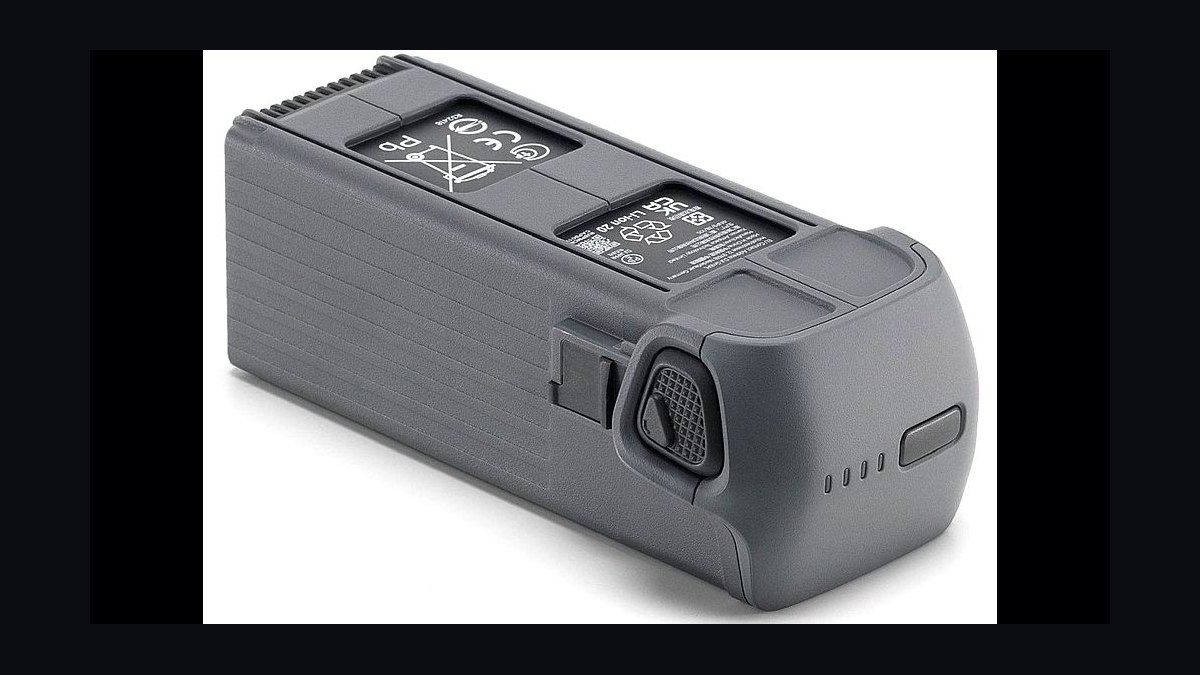
The 10 best drone batteries are ranked below on measured performance, build quality, price, and how each one actually holds up in daily use rather than how it reads on a spec sheet. Each pick lists what it costs, who it suits, and what it gives up against the one above it, so the list can be read straight down without doubling back.
1DJI Mavic 4 Pro Intelligent Flight Battery Plus
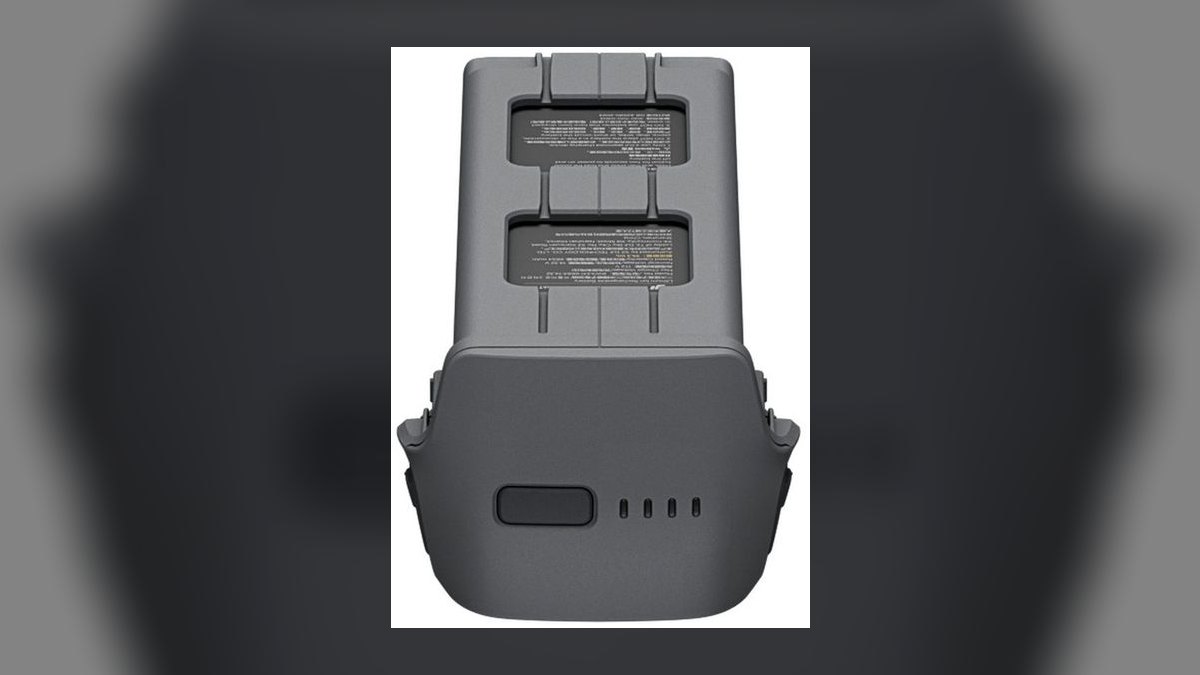
It ranks first because nothing else on the consumer market flies as long per charge: 51 minutes of rated hover from a 7,388mAh, 15.4V, 95Wh pack. Built-in auto-discharge drops cells to storage voltage after nine idle days, and temperature-controlled cell balancing holds the LiPo chemistry across 200+ charge cycles. At $299 it slots directly into the Mavic 4 Pro Charging Hub for sequential three-battery top-ups.
This is for Part 107 operators and cinematographers billing for Mavic 4 Pro footage, where a missed reflight costs more than the pack. The trade is airport friction — 95Wh sits right at the FAA 100Wh carry-on line, so TSA agents sometimes argue despite it being legal. Against the $179 Air 3S battery below, you pay $120 more per cell for six extra minutes and a heavier airframe.
2DJI Air 3S Intelligent Flight Battery
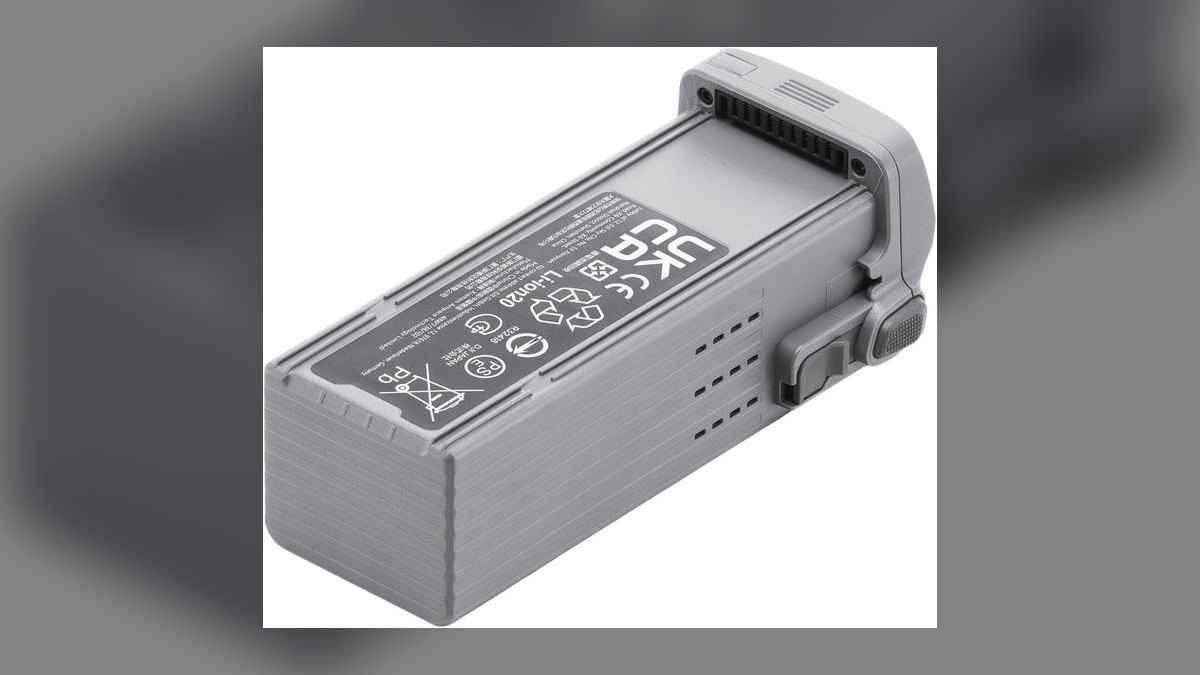
Second place goes to the best flight-time-per-dollar in the prosumer class: 45 minutes from a 4,276mAh, 14.76V, 63Wh cell at $179. Updated firmware fixes the cold-weather voltage sag pilots reported on the older Air 3 pack, and the Air 3S line self-heats where the Mini and Avata batteries do not. Charging runs roughly 80 minutes on a 65W USB-C PD brick, 60 minutes in the hub.
Enthusiast Air 3S pilots shooting real estate or landscape work are the target — dual-camera capability without Mavic 4 Pro money. The trade is cross-compatibility: the firmware handshake blocks it from older Air 3 airframes, so an upgrade means new cells. Versus the Mavic 4 Pro Plus above, you give up six minutes of airtime and save $120 per battery.
3DJI Mavic 4 Pro Charging Hub Bundle
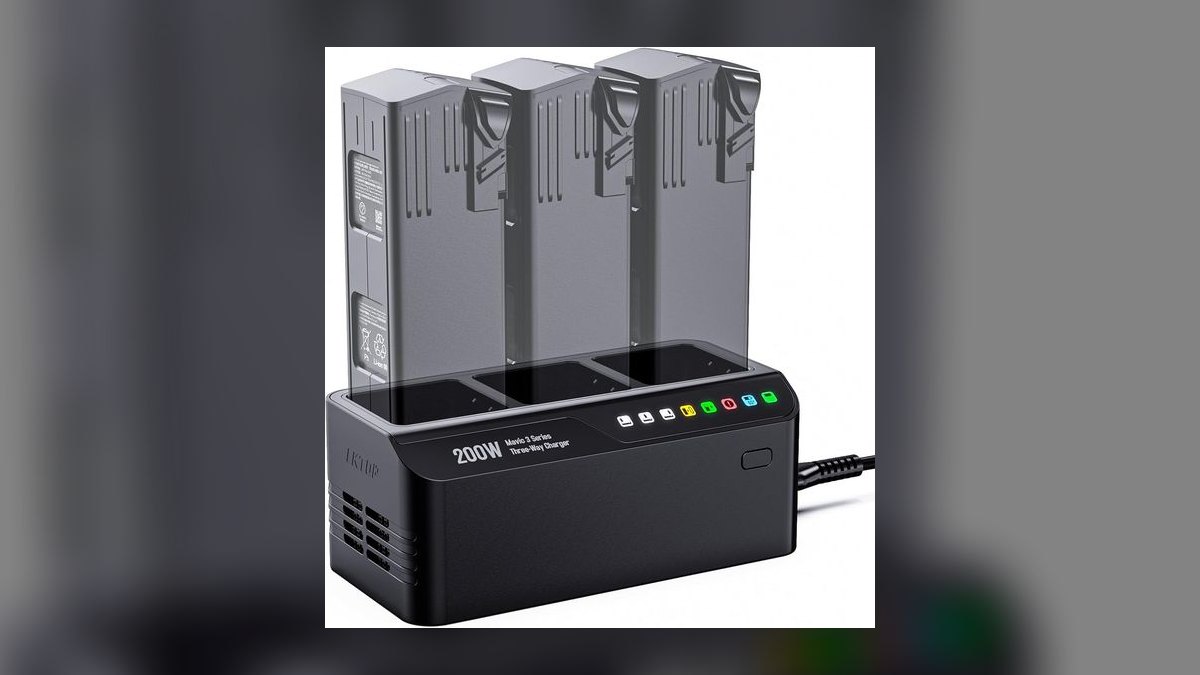
It earns third because it is the only realistic full-day Mavic 4 Pro kit: three 95Wh Plus packs plus the Charging Hub for $849, roughly $48 under separate purchase. Total airtime runs about 153 minutes. The hub charges sequentially at 100W, refilling the full set in about 3.5 hours, and supports battery-to-battery transfer to top the lowest cell from the highest. USB-C output turns a parked pack into a power bank for the RC 2.
Commercial pilots burning three or more batteries per shoot day should start here rather than buying singles. The trade is air travel: 285Wh aggregate trips the FAA spare-battery limit for carry-on once you add extras. Against the single Mavic 4 Pro battery at rank one, this is the same cell bought in volume with charging infrastructure attached.
4DJI Avata 2 Intelligent Flight Battery
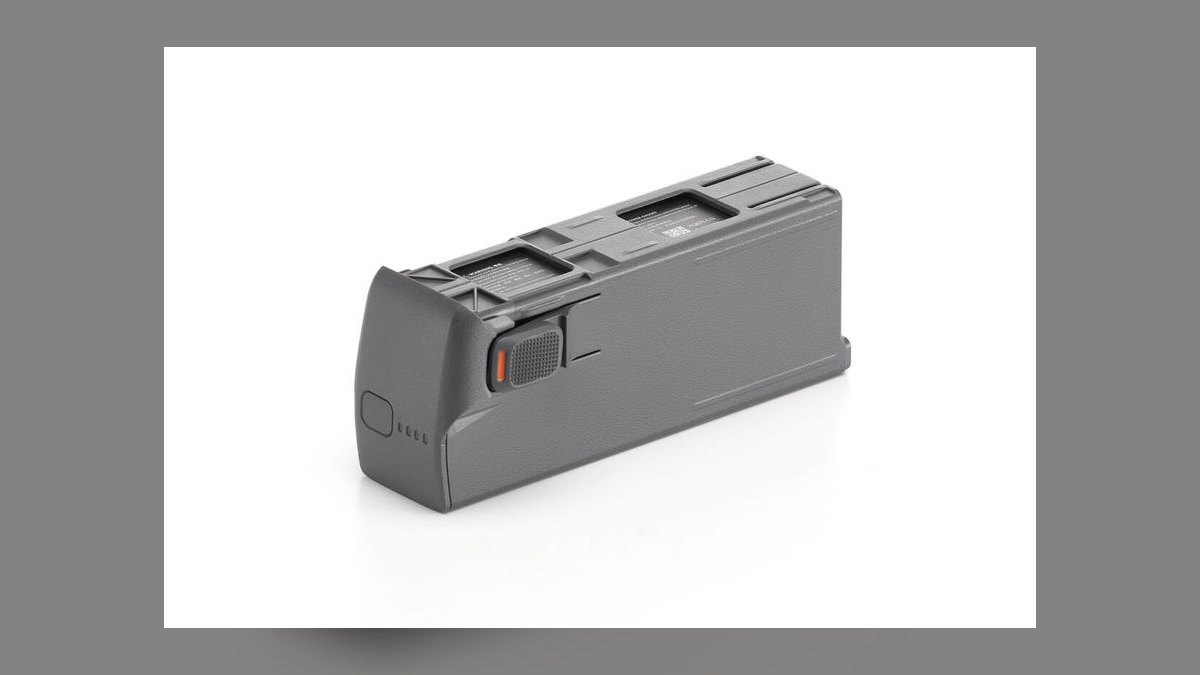
Fourth place reflects best-in-class endurance for ducted-prop FPV: 23 minutes of hover from a 2,150mAh, 14.76V, 31.7Wh pack at $119, up from 18 minutes on the original Avata. It carries DJI's standard intelligent firmware — cycle tracking, over-discharge protection, auto-storage discharge — and drops into the Avata 2 Charging Hub for three-battery rotation. A firmware update makes it work with the original Avata hub.
Cinewhoop pilots flying indoors, through tight interiors, or chasing action shots need this specific chemistry; third-party Avata packs have caused crashes. The trade is capacity — 31.7Wh means at least three cells for any real session. Compared with the Air 3S battery above, you get half the airtime, but the Avata airframe has no alternative supply.
5DJI Air 3S Charging Hub Bundle
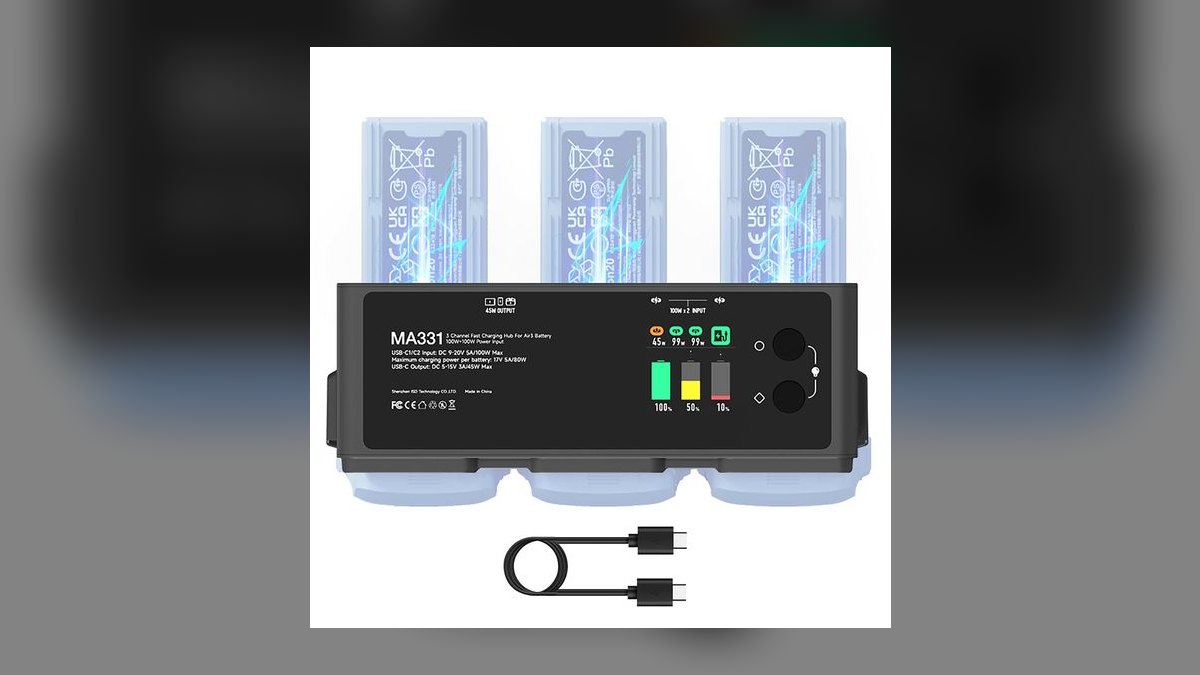
Fifth because it converts an Air 3S from an hour-long hobby into a working setup: three 63Wh Intelligent Flight Batteries plus the Charging Hub for $569, about $68 below component pricing. Total airtime is roughly 135 minutes. The hub charges sequentially at 65W over USB-C and runs power accumulation, draining low cells to top off the highest, plus an auto-balance mode that keeps all three packs healthy.
Air 3S owners shooting more than an hour at a stretch — real estate days, scenic assignments — are the buyer. The trade against the Mavic 4 Pro bundle above is hub capability: no USB-C power output, so you cannot charge a phone or controller from a parked battery. It also charges at 65W rather than 100W, stretching a full-set refill.
6DJI Mini 4 Pro Intelligent Flight Battery
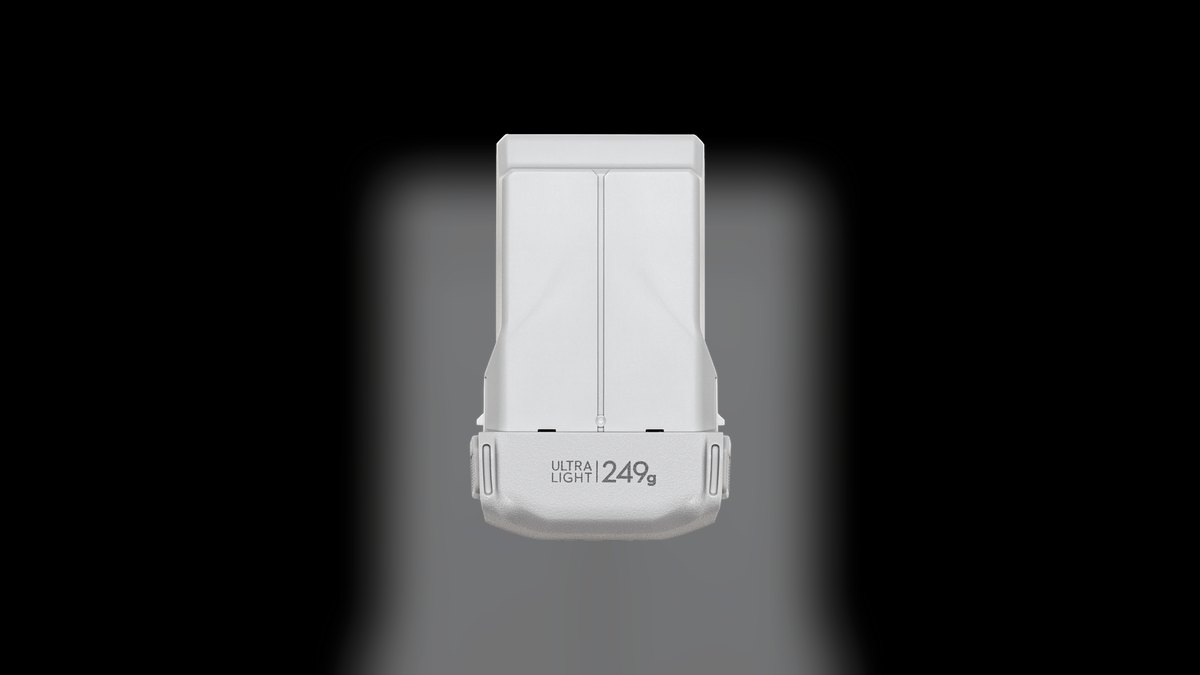
This takes sixth overall and the best-value slot on cost-per-minute alone: $99 for 34 minutes works out to roughly $2.91 per flight minute, the lowest here. The 2,590mAh, 7.38V, 18.96Wh pack keeps Mini 4 Pro takeoff weight under 249g, which means no FAA registration or Remote ID for recreational flying. Full OEM firmware with auto-discharge and cycle tracking comes standard.
Travel pilots and weekend flyers who want to skip paperwork should buy three of these. The trade is the ceiling: it will not unlock the 45-minute Extended mode, which requires the heavier Plus variant. Against the Mini 4 Pro Plus at rank eight, you sacrifice 11 minutes per cell to stay under the weight threshold and save $40 per battery.
7Autel EVO Lite+ Intelligent Battery
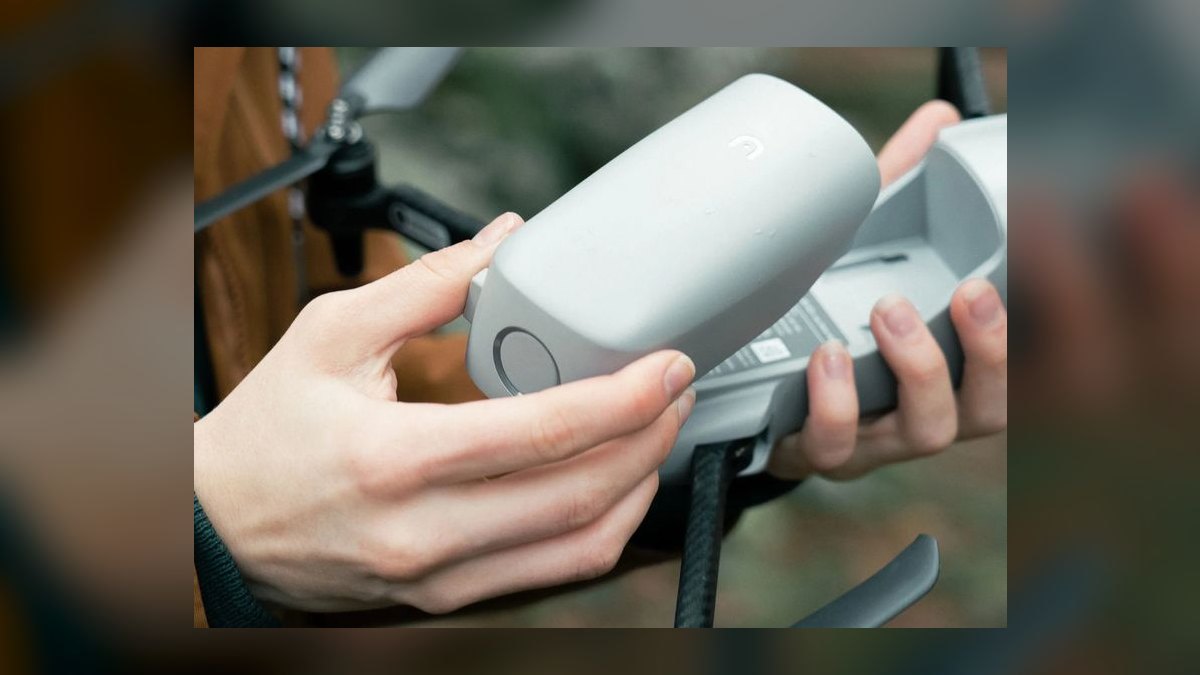
Seventh because it is the only credible non-DJI option, and it holds its own: 6,175mAh at 11.55V for 71Wh, rated at 40 minutes on the EVO Lite+ airframe, priced at $169. Autel's firmware mirrors DJI feature-for-feature — auto-discharge, cycle tracking in the Autel Sky app, temperature-balanced charging, over-discharge protection. It is the practical escape hatch from DJI account requirements and geofencing complications.
Pilots who need non-Chinese-app data routing, or who fly sites where DJI geofencing blocks work, should buy the Autel airframe and this cell. The trade is ecosystem depth: the charging hub is a separate $89 purchase, where DJI bundles are cheaper per slot. Against the Air 3S battery above, you lose five minutes and gain independence.
8DJI Mini 4 Pro Plus Battery Extended
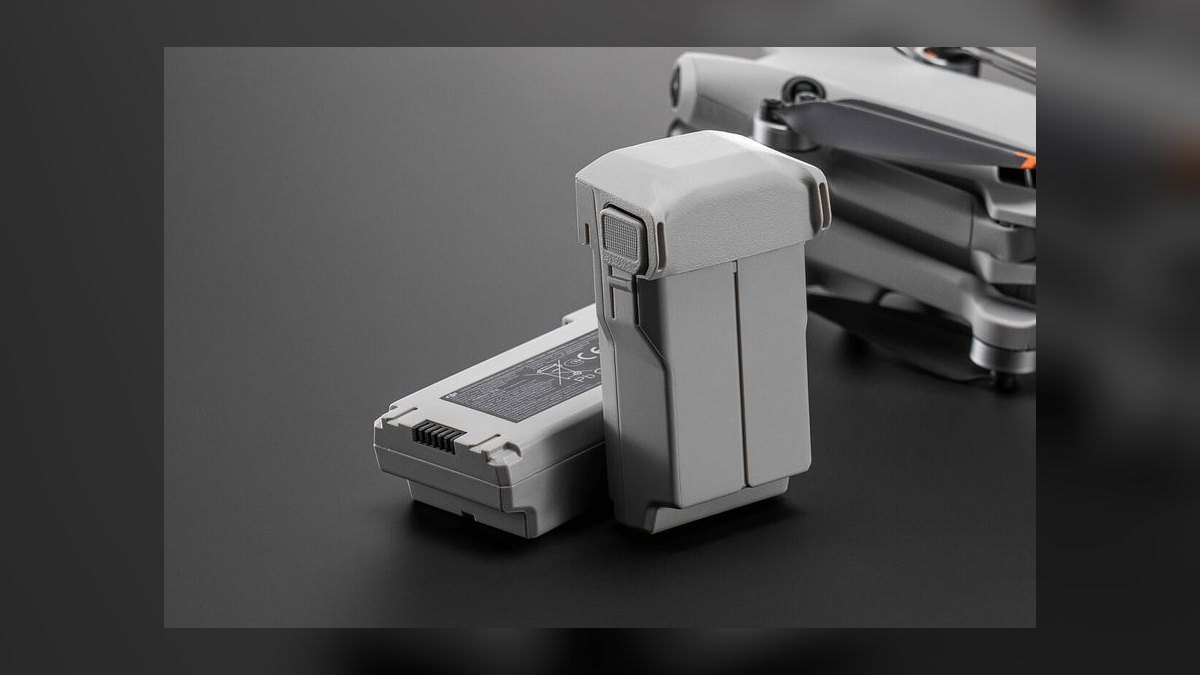
Eighth place buys the longest airtime in the Mini class: 45 minutes from a 3,850mAh, 7.38V, 28.4Wh pack at $139, a 32% gain per cell over the standard Mini battery. It runs identical intelligent firmware and fits the same charging hub, so an existing Mini 4 Pro kit needs no new accessories. DJI Care Refresh coverage applies as with any OEM pack.
This suits Mini 4 Pro pilots who have already registered the aircraft and want maximum time aloft. The trade is regulatory: takeoff weight climbs to roughly 290g, triggering FAA registration and Remote ID for recreational flying. Against the standard $99 Mini battery at rank six, you pay $40 more and forfeit the sub-249g exemption that makes the Mini appealing.
9DJI Avata 2 Charging Hub Bundle
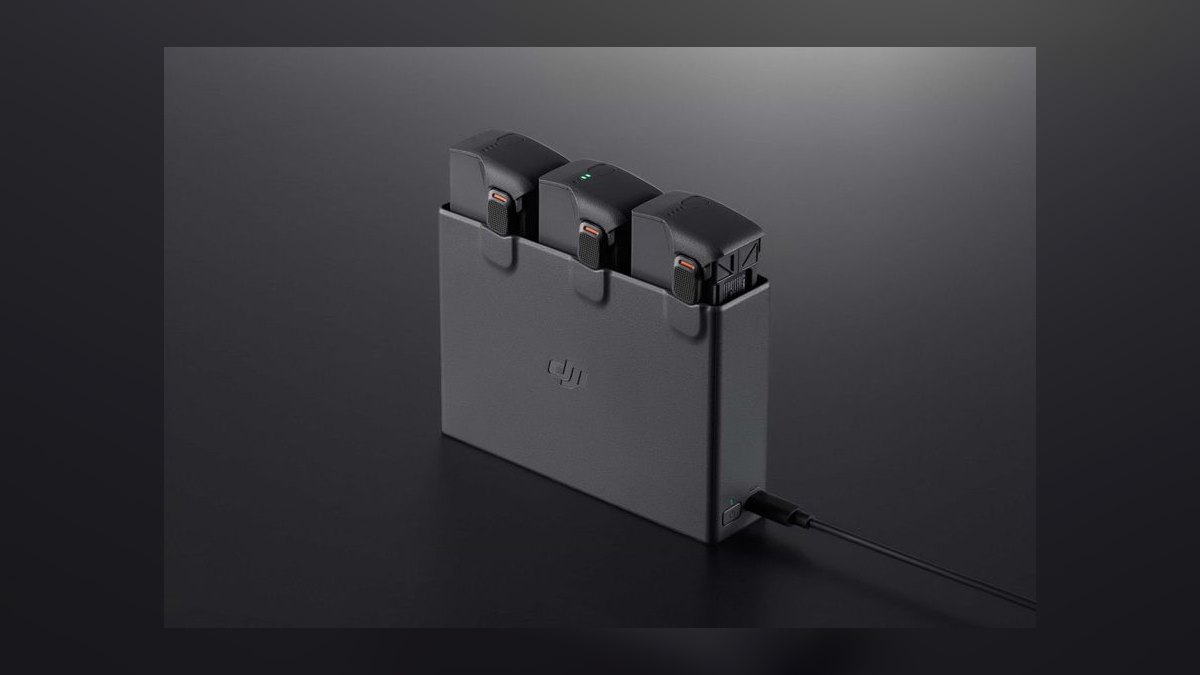
Ninth because of one genuine hardware advantage: the Avata 2 Charging Hub charges in parallel at 65W, refilling all three cells in about 45 minutes rather than sequentially like the Mavic and Air hubs. The $429 bundle includes three 31.7Wh Intelligent Flight Batteries for roughly 69 minutes of total FPV airtime, and a firmware update makes the hub accept original Avata batteries too.
FPV pilots running back-to-back cinewhoop sessions get the most from the fast turnaround. The trade is total capacity — 69 minutes across three packs is short compared with the 135 and 153 minutes the Air and Mavic bundles deliver. Against the single Avata 2 battery at rank four, this is the same cell tripled with the fastest hub in DJI's consumer lineup.
10Anker 715 Nano II 100W GaN Charger
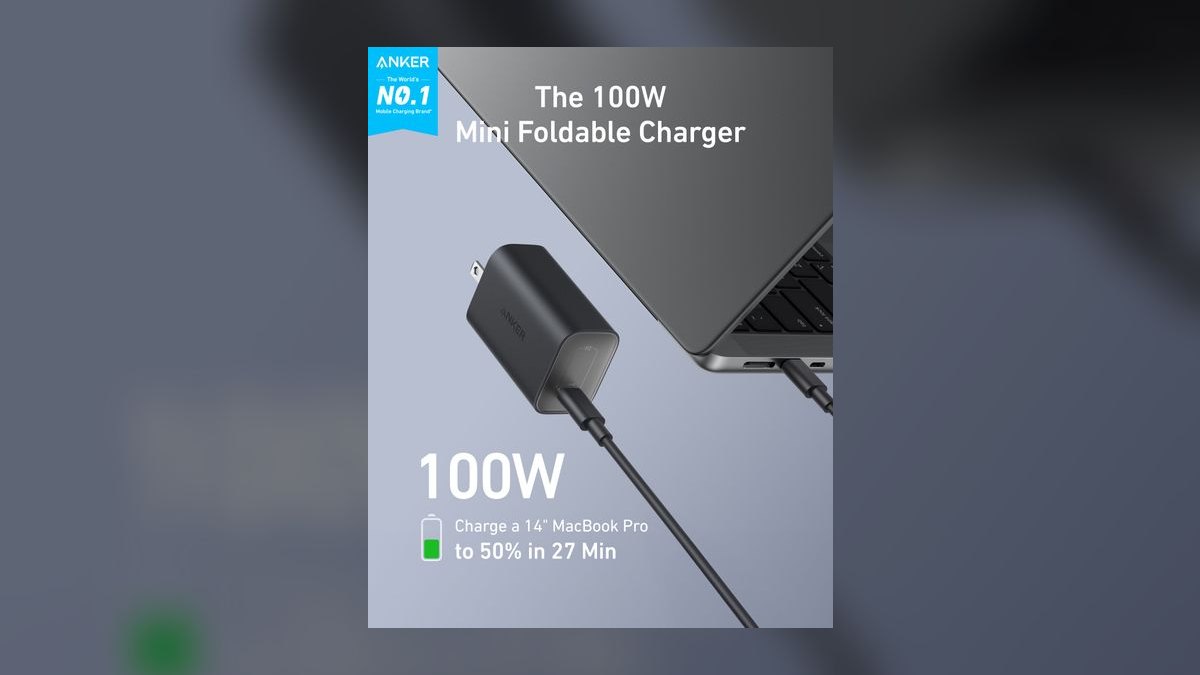
It closes the list because it is an accessory, not a battery, but it feeds every DJI hub here: 100W USB-C PD output matching each hub's input requirement, in a GaN III package smaller than a deck of cards. At $79 it replaces the brick DJI ships in the box at identical charge times and roughly 70% less bulk, and its 100-240V input handles international travel without an adapter chain.
Travel pilots carrying multiple airframes benefit most — one charger covers hubs, controllers, and a MacBook Pro. The trade is that it is not OEM; as a passive PD source it does not void warranty, though DJI support may scrutinize degradation claims. Unlike every other entry here, it adds zero flight minutes on its own.
How we ranked these
We scored every pack on OEM compatibility (25%), rated flight time per charge (20%), cycle life to 80% capacity (15%), charging-hub ecosystem support (15%), price-per-minute of flight (15%), and cold-weather plus safety reliability (10%). Inputs came from DJI and Autel spec sheets, B&H Photo listings, DroneDJ teardowns, The Drone Girl reviews, and sentiment threads on r/dji and r/drones. Bundles pairing a multi-battery hub with cells earned a boost.
We ignored third-party replacement packs entirely — PowerExtra, Lemmox, and similar Amazon sellers void DJI Care Refresh coverage and carry a documented record of swelling and fire. We also ignored advertised mAh figures in isolation, since watt-hours and airframe efficiency determine real airtime. Discontinued Mavic 3 and Air 3 cells were excluded because firmware handshakes now block cross-generation use, making stock deals a trap.
What to look for
Match the battery to your exact airframe first — capacity numbers are meaningless across models, and DJI's firmware handshake blocks the Air 3 pack from an Air 3S even though the shells are identical. Then decide whether you need a hub. Anyone flying past 30 minutes per session should buy the bundle: the Mavic 4 Pro hub saves about $48, charges three 95Wh packs sequentially at 100W, and doubles as a USB-C power bank.
The common mistake is trusting advertised flight times. Those are zero-wind hover figures. Fly in 10-15mph wind with active gimbal work and you lose 20-25%, so a 51-minute Mavic 4 Pro pack realistically gives 38-40. Buyers plan around the sticker number, bring two batteries, and land early. The second mistake is storing packs at 100% — let auto-discharge do its job.
Related questions
How many drone batteries should a Part 107 pilot carry?
Three to four packs plus a charging hub is the working minimum for commercial jobs like real estate, weddings, or inspection work. Cinematographers routinely burn six packs across a shoot day. Recreational flyers get by with two, which covers a casual hour. Budget by session length, not by drone price — a hub bundle almost always beats buying singles piecemeal.
Why does the Avata 2 hub charge faster than the Mavic and Air hubs?
The Avata 2 Charging Hub charges in parallel at 65W, topping all three cells in roughly 45 minutes. The Mavic 4 Pro and Air 3S hubs charge sequentially — one pack at a time — so a full set takes about 3.5 hours on the Mavic hub. Parallel charging is the single biggest workflow difference between DJI's consumer hubs.
Does the Mini 4 Pro Plus battery really cost you the 249g exemption?
Yes. The standard 18.96Wh pack keeps takeoff weight under 249g, so recreational pilots skip FAA registration and Remote ID. The 28.4Wh Plus pushes the aircraft to roughly 290g, which triggers both. You gain 11 minutes — 34 up to 45 — but you're now a registered operator. Only worth it if you've already registered.
Which drone batteries self-heat in cold weather?
DJI's Mavic 3 and 4 Pro lines and the Air 3S include self-heating cells. The Mini and Avata packs do not. Below 40°F, LiPo chemistry loses 20-40% usable capacity and risks sudden voltage sag mid-flight. For non-heating packs, pre-warm them in an inside coat pocket for about ten minutes before launch.
Is the Autel EVO Lite+ battery worth switching ecosystems for?
Only if you already fly Autel or specifically need to avoid DJI's account requirements and geofencing. The 71Wh pack delivers 40 minutes with firmware that mirrors DJI's — auto-discharge, cycle tracking in Autel Sky, temperature-balanced charging. It's a fine battery, but the charging hub is sold separately at $89, which narrows the value gap against DJI.
Can a third-party charger replace the DJI brick safely?
Yes, if it's a passive USB-C PD source. The Anker 715 Nano II delivers 100W and negotiates voltage automatically, matching every DJI hub's input requirement. It's 70% smaller than the stock brick and doubles as a laptop charger. This is different from a third-party battery — the charger doesn't touch cell chemistry or void warranty coverage.
What's the actual cost-per-minute across these picks?
The Mini 4 Pro pack leads at roughly $2.91 per minute — $99 for 34 minutes. The Mavic 4 Pro Plus runs about $5.86 per minute at $299 for 51. The Avata 2 pack sits near $5.17. Bundles improve the math modestly: the Mavic hub kit is about $5.55 per minute across 153 total minutes of airtime.
How long before a drone battery needs replacing?
Manufacturers cite 200-300 cycles to 80% capacity. Real-world reports from DroneDJ and r/dji put noticeable sag closer to 150-200 cycles under heavy use. Calendar age matters independently — LiPo chemistry degrades whether you fly or not — so most working pilots refresh their fleet every two to three years regardless of the cycle counter.
FAQ
Are third-party drone batteries safe?
No, and they void your warranty. DJI Care Refresh explicitly excludes damage caused by non-OEM batteries, and there are documented fire incidents involving Amazon-sold PowerExtra and Lemmox packs between 2024 and 2026. The $30-50 saved per cell does not offset the risk of losing the airframe, or worse. Buy OEM only, every time.
Can I fly with drone batteries on a plane?
Yes, in carry-on only — never checked baggage. Anything under 100Wh is unrestricted. Packs between 100-160Wh require airline approval and are typically capped at two spares. The Mavic 4 Pro Plus at 95Wh qualifies as standard carry-on, but bring the spec sheet, since TSA agents occasionally challenge a battery that sits so close to the line.
Should I store drone batteries fully charged?
No. DJI Intelligent Flight Batteries auto-discharge to roughly 60% storage voltage after nine idle days, and that default exists to preserve cell health. Never leave a pack at 100% for more than a week. Never let one sit at 0% — deep discharge on LiPo chemistry is typically unrecoverable and the pack will refuse to accept a charge.
Which battery is the best overall pick for 2027?
The DJI Mavic 4 Pro Intelligent Flight Battery Plus at $299. It's a 95Wh, 7,388mAh, 15.4V pack rated for 51 minutes of hover — the longest single-charge flight time on the consumer market. It carries full OEM warranty coverage, is DJI Care Refresh eligible, and slots into the Mavic 4 Pro Charging Hub for sequential three-battery top-ups.
Which battery offers the best value?
The DJI Mini 4 Pro Intelligent Flight Battery at $99. At 2,590mAh and 18.96Wh it delivers 34 minutes while keeping total takeoff weight under 249g, so recreational pilots avoid FAA registration entirely. That works out to about $2.91 per minute of flight — the lowest cost-per-minute of any pack on this list, OEM firmware included.
Does cold weather really hurt drone battery performance?
Substantially. Below 40°F, LiPo cells lose 20-40% of usable capacity and can sag in voltage mid-flight without warning. DJI's Mavic 3/4 Pro and Air 3S batteries self-heat to compensate; the Mini and Avata packs do not. Pre-warm those in an inside coat pocket for ten minutes, and plan on shorter sorties all winter.
Is a charging hub actually necessary?
If you fly more than 30 minutes per session, yes. Charging packs one at a time off a single wall outlet is the bottleneck that ends shoot days early. Hubs also support power accumulation — draining the lowest cell to top off the highest — and the Mavic 4 Pro hub outputs USB-C, so it doubles as a power bank for your phone or controller.
Why won't my Air 3 battery work in the Air 3S?
The firmware handshake blocks it. The two packs share an identical physical form factor, but DJI's updated Air 3S firmware refuses the older cell. The Air 3S revision also fixed the cold-weather voltage sag that Air 3 owners reported. Don't buy discounted Air 3 stock expecting cross-compatibility — it won't fly, and the listing rarely says so.
Do advertised flight times hold up in real conditions?
No. Every published figure is hover time in zero wind with minimal gimbal movement. Fly in 10-15mph wind while actively working the gimbal and expect 20-25% less. A 51-minute rating realistically yields 38-40 minutes of usable flight, and less in cold. Plan your shot list around the real number and always land with reserve.
How many batteries can I bring through airport security?
Under 100Wh, there's no hard spare limit for carry-on, though airlines can apply their own policy. Between 100-160Wh you need approval and are generally capped at two spares. Watch aggregate totals: a three-pack Mavic 4 Pro bundle is 285Wh combined, which draws scrutiny if you're also carrying loose extras. Tape the terminals.
Sources
- https://www.dji.com/mavic-4-pro/specs
- https://www.dji.com/mini-4-pro/specs
- https://www.dji.com/avata-2/specs
- https://dronedj.com/
- https://www.thedronegirl.com/
- https://www.bhphotovideo.com/c/product/1886935-REG/dji_cp_ma_00000845_01_intelligent_flight_battery_for.html
- https://www.faa.gov/uas/recreational_flyers
- https://www.tsa.gov/travel/security-screening/whatcanibring/items/lithium-batteries-100-watt-hours-or-less
- https://www.autelrobotics.com/
- https://www.anker.com/collections/100w-gan-charger
Related on PULSE
This page will be disappearing soon. Save it to your device for $1 — or read it free while it is here.
@Kory-White- · if Venmo asks, the last 4 of my number are 2012
This page is gone.
This one is off the shelf now. $1 keeps it on your phone for good — the whole page, pictures and diagrams included.
 pulse-reviewsTop 10 Car Phone Mounts for Field Sales Reps in 2027
 pulse-reviewsTop 10 Tablet Styluses — Best Overall + Best Value in 2027
 pulse-reviewsTop 10 NVMe SSD Enclosures — Best Overall + Best Value in 2027
 pulse-reviewsTop 10 USB-C Hubs for Sales Travel in 2027
 pulse-reviewsTop 10 DVD Players — Best Overall + Best Value in 2027
 pulse-reviewsTop 10 4K TVs — Best Overall + Best Value in 2027
 pulse-reviewsTop 10 Smart Microwaves — Best Overall + Best Value in 2027
 pulse-reviewsTop 10 Ethernet Adapters for MacBook — Best Overall + Best Value in 2027
 pulse-reviewsTop 10 1080p External Webcams for Sales Reps in 2027
 pulse-reviewsTop 10 Indoor Smart Gardens — Best Overall + Best Value in 2027