


Top 10 Portable Air Conditioners — Best Overall + Best Value in 2027
Quality
Certified
The 10 best portable air conditioners are ranked below on measured performance, build quality, price, and how each one actually holds up in daily use rather than how it reads on a spec sheet. Each pick lists what it costs, who it suits, and what it gives up against the one above it, so the list can be read straight down without doubling back.
1Midea Duo MAP14HS1TBL
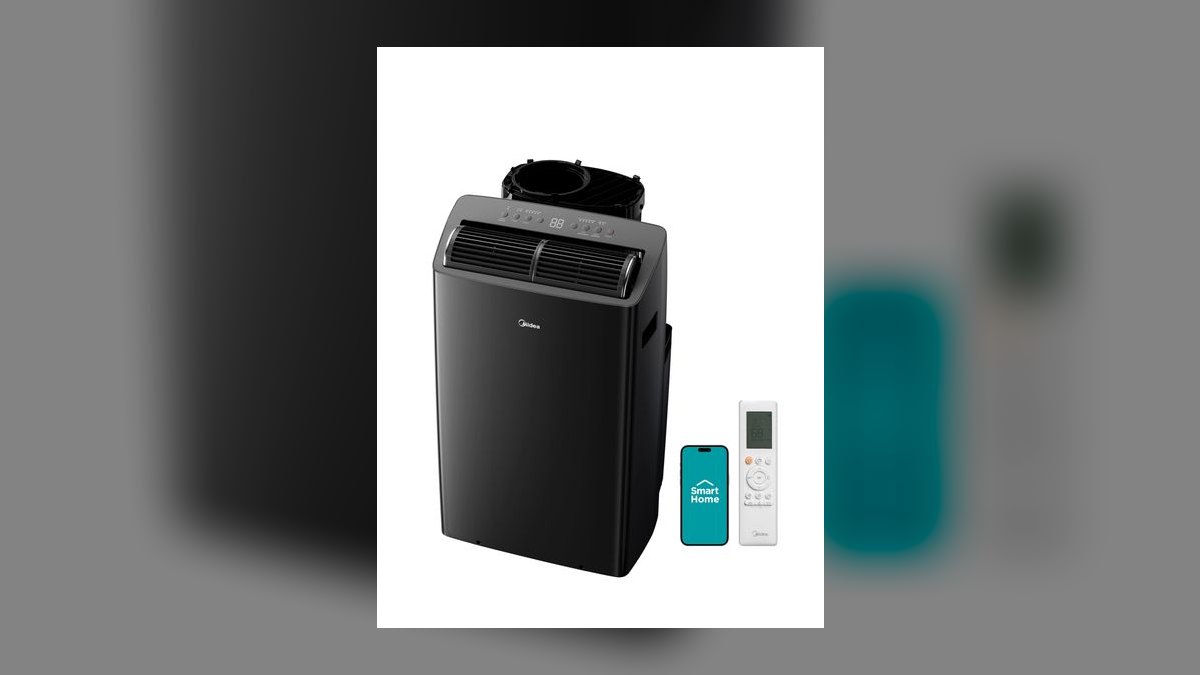
Ranked first because it is the only mainstream portable that pairs a true 14,000 BTU SACC rating with both a dual-hose design and an inverter compressor. The dual-hose intake pulls outdoor air for condenser cooling instead of conditioned room air, so it holds rated capacity rather than bleeding 20-30% to negative-pressure infiltration. Coverage reaches 550 sqft, dehumidification runs 52 pints per day, and price sits at $699.
Built for renters and homeowners who want central-AC behavior from a rolling unit without touching the ductwork. The inverter modulates between 42 dB at sleep and roughly 55 dB at high, a built-in condensate pump lifts drain water out, and the window kit spans 22 to 51 inch sashes. The trade is bulk: 83 lb is punishing on stairs, and it costs more than double the Black+Decker BPACT08 value pick.
2LG LW1517IVSM Dual Inverter
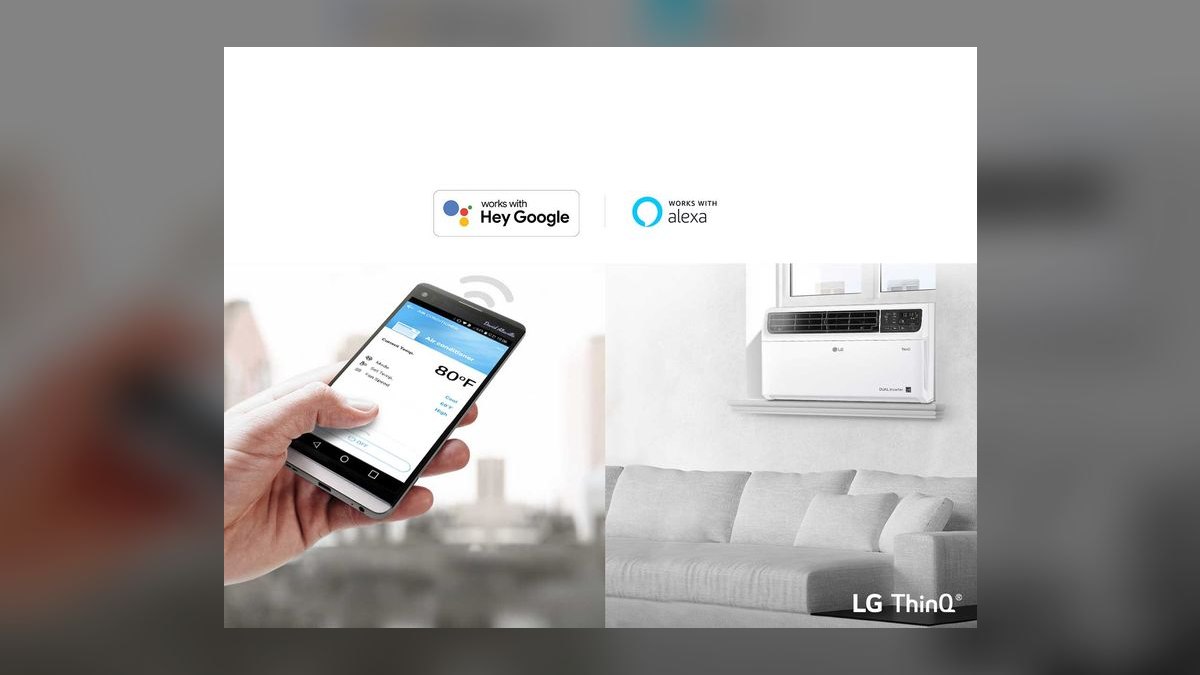
Second place goes to the highest-efficiency mainstream window unit available, at CEER 14.7 with ENERGY STAR certification. The dual-inverter compressor modulates speed rather than cycling on and off, which is why owners report electric bills 25-30% below legacy on/off window units of the same nameplate capacity. It delivers 14,000 BTU ASHRAE, covers up to 800 sqft, and runs 44 dB on low for $499.
This is the pick for renters with a standard double-hung window who want quiet, cheap-to-run cooling across a large room. It ships with a sleeve and accordion panels fitting 23 to 36 inch windows, plus WiFi, ThinQ app, Alexa, and Google support. The catch is installation: 80 lb makes a two-person mount mandatory, and unlike the Midea Duo MAP14HS1TBL above it, it cannot move room to room.
3Whynter ARC-14S Dual-Hose
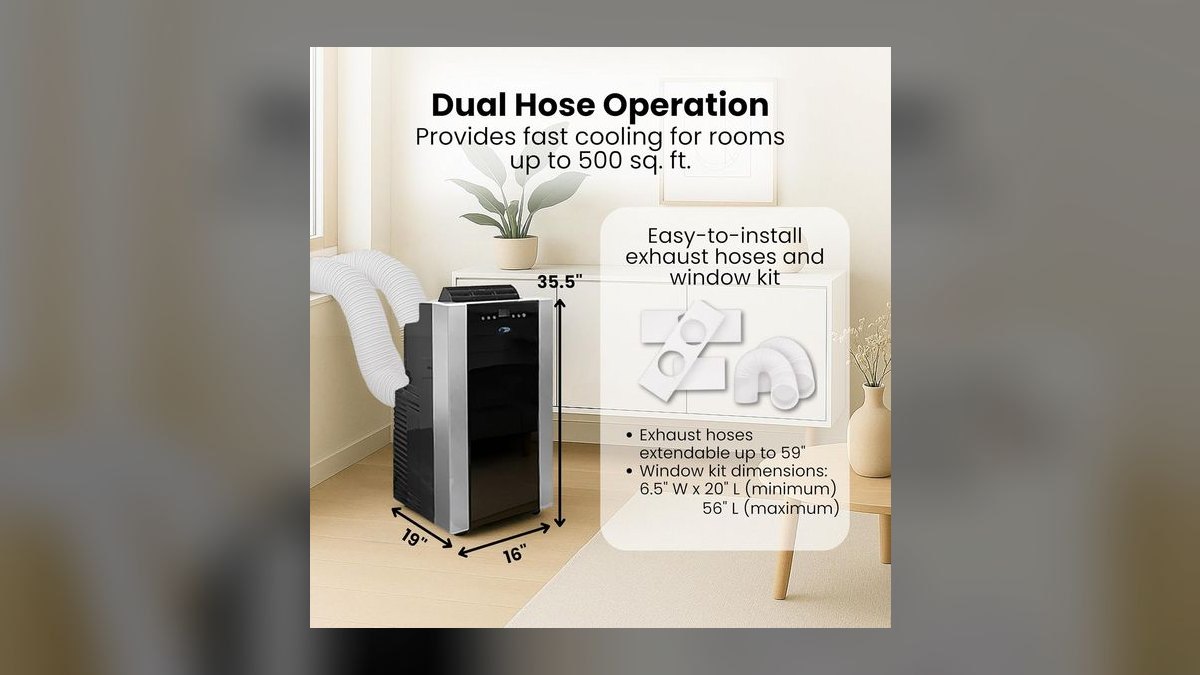
Third because it is the proven dual-hose workhorse owner forums keep recommending when rated output actually has to arrive. Rated 14,000 BTU ASHRAE — roughly 9,500 BTU SACC under the 2017 standard — it covers 500 sqft and pulls 101 pints per day of moisture in humid conditions. At $529 it sits under the Midea Duo MAP14HS1TBL while keeping the dual-hose configuration that avoids infiltration losses entirely.
Buy it for server closets, workshops, gun safes, and finished garages where a single-hose unit would surrender half its capacity. It offers both gravity drain and continuous drain hose options and a window kit fitting 20 to 50 inch sashes. What it gives up versus the LG LW1517IVSM above it is real: no inverter, no WiFi, old-school controls, and about 56 dB on high.
4GE Profile PHNT12CCH
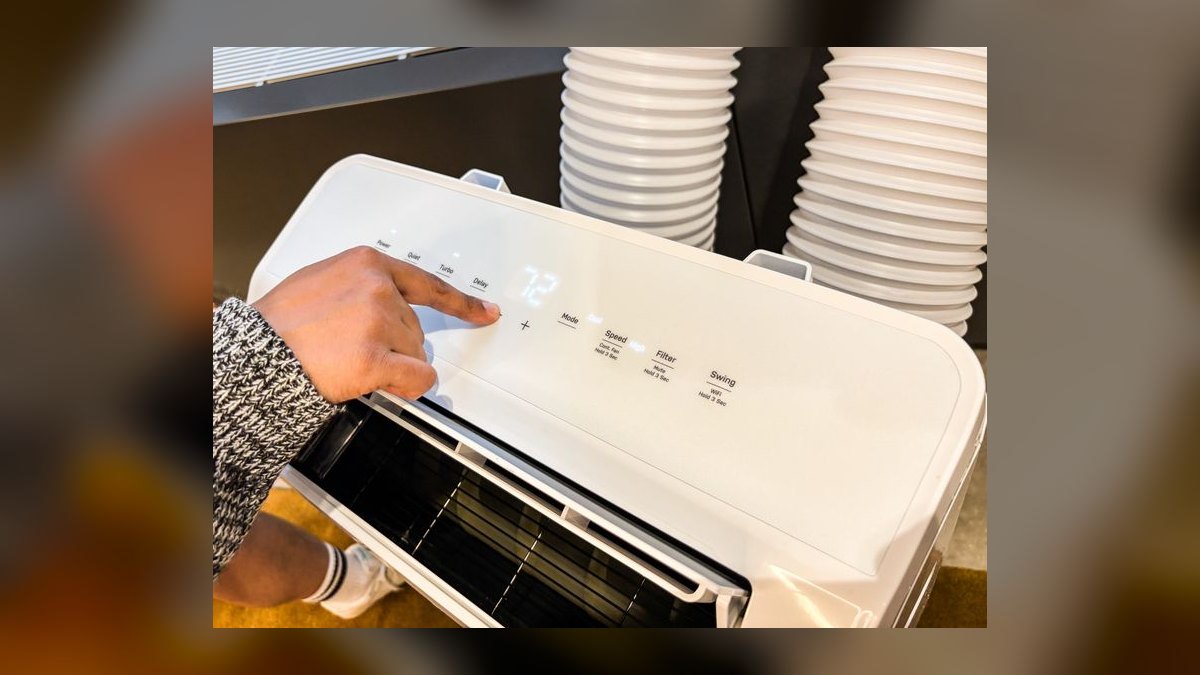
Fourth on the strength of CEER 15.0 — the most efficient rating in its size class — combined with a 42 dB sleep mode that undercuts most bedroom fans. The inverter compressor ramps from that floor to 53 dB at high instead of slamming on and off like a legacy unit. It delivers 12,000 BTU ASHRAE across up to 550 sqft, arrives ENERGY STAR certified, and costs $429.
This is the quiet bedroom pick for anyone with a standard 23 to 36 inch double-hung window. The SmartHQ app covers WiFi, Alexa, Google, and SmartThings, and the mounting hardware is sturdier than the LG LW1517IVSM's accordion panels. It cools less area than the LG LW1517IVSM above it — 550 sqft against 800 — and the SmartHQ app has documented connectivity hiccups.
5Frigidaire Gallery FGRC1444T1
Fifth because nothing else here covers 850 sqft, the largest room rating on this list, from a single window opening. It is a non-inverter 14,000 BTU ASHRAE unit running CEER 12.0 on a proven Frigidaire compressor that Wirecutter has used in its large-room test rig across multiple summers. The window fit spans 27 to 41 inches, wider than the LG LW1517IVSM or GE Profile PHNT12CCH, at $529.
Aimed at large open-plan rooms and older homes whose sashes defeat narrower kits. Frigidaire Connected adds WiFi, Alexa, Google, scheduling, and remote start, and the front face is unusually clean for a window AC. The trade against the LG LW1517IVSM above is efficiency and noise: it cycles on and off rather than modulating, so it runs louder and costs more per hour to operate.
6Black+Decker BPACT08
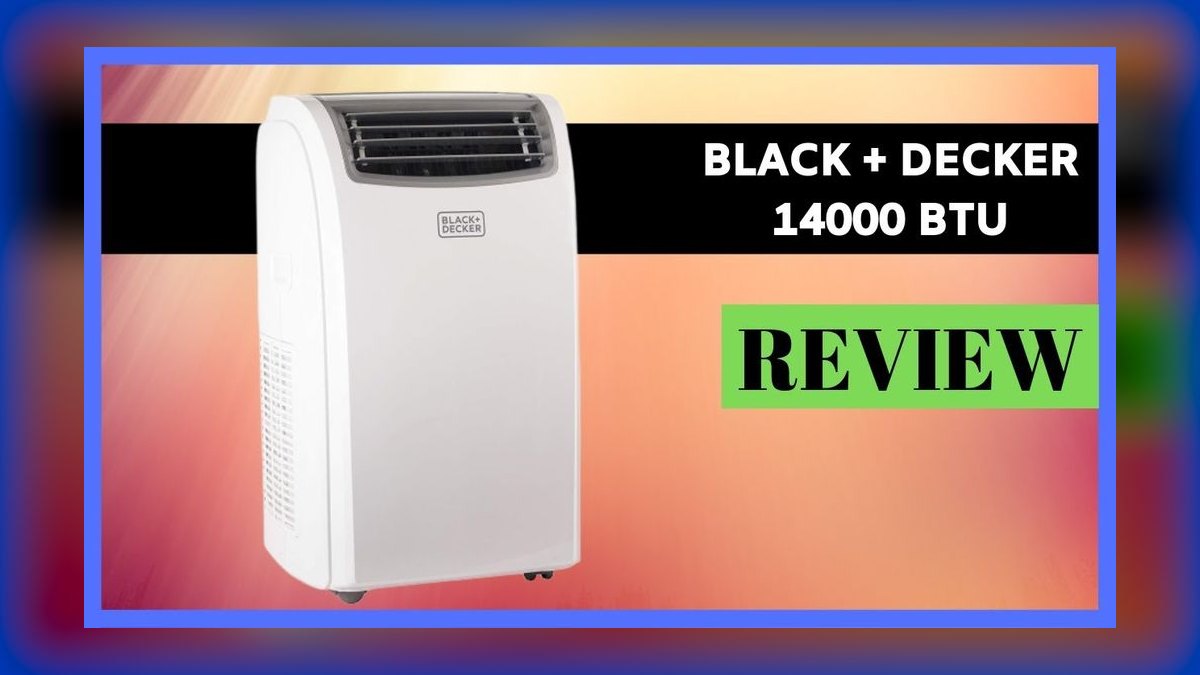
Sixth overall and the Best Value pick because $299 buys honest 8,000 BTU ASHRAE cooling — about 5,500 BTU SACC — for rooms up to 250 sqft. The gravity drain actually works, and the window kit fits single-hung sashes from 18 to 50 inches without modification. Consumer Reports gives it decent reliability marks, and it is the most-recommended budget portable for renters barred from window installs.
Right for dorm dwellers and renters who need cooling tomorrow on a sub-$300 budget and can't install a window unit. There is no inverter and no WiFi, and the single-hose design surrenders 20-30% of capacity in a leaky room. Against the Whynter ARC-14S above it, you are trading dual-hose capacity retention and 101 pints of daily dehumidification for less than half the price.
7hOmeLabs HME020031N
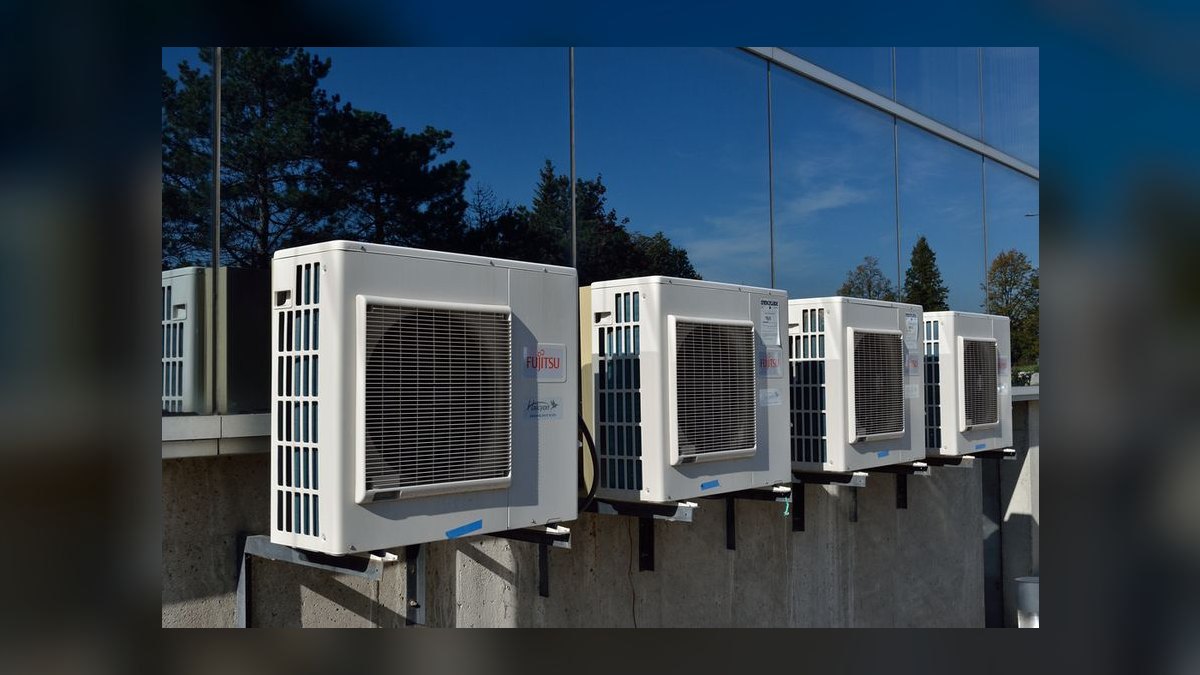
Seventh because $329 buys a slightly better-built 8,000 BTU portable than the Black+Decker BPACT08, with 300 sqft of coverage instead of 250. It includes a digital remote with timer scheduling, a cleaner control panel, gravity drain plus a continuous drain hose for humid climates, and it runs about 54 dB on high — quieter than most budget units. Tom's Guide rates it the better second portable for a household running two units.
Meant for apartment dwellers who want a quieter bedroom unit while a louder one handles the kitchen during the day. Build quality sits a notch above the Black+Decker BPACT08 directly above it, but you pay $30 more for that and still get no WiFi and no inverter at this tier. Single-hose infiltration losses apply here exactly as they do on the value pick above.
8Midea MAW08V1QWT U Inverter
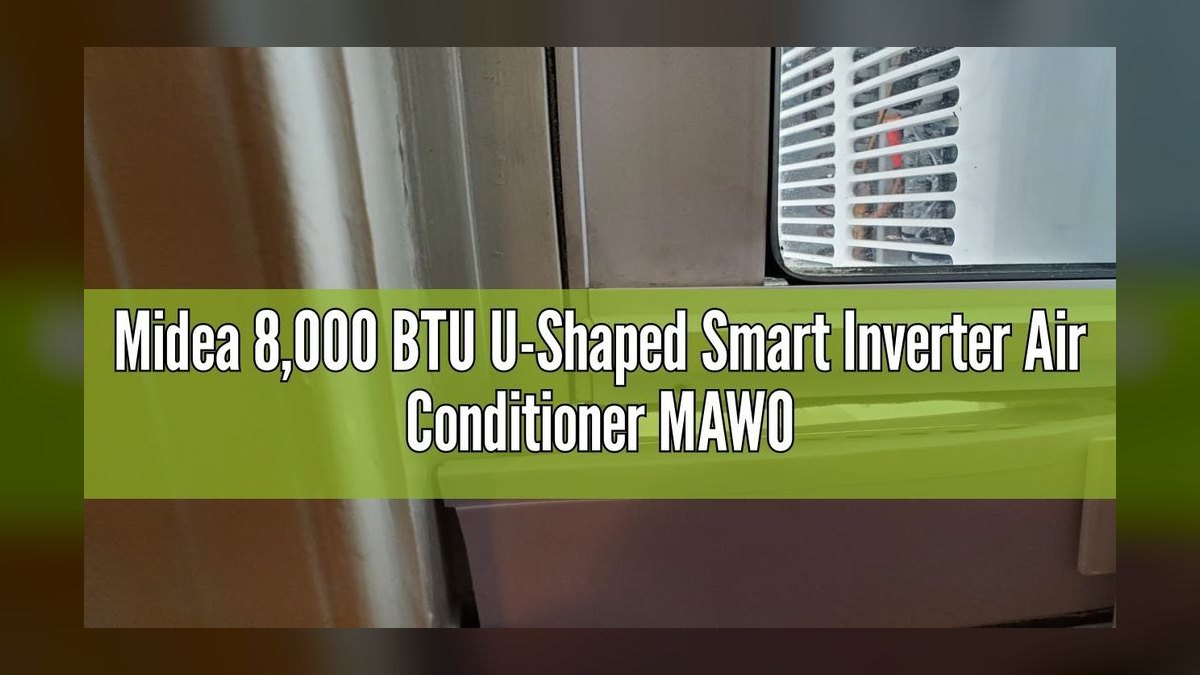
Eighth for a structural trick nothing else offers: the U-shape lets you open the bottom sash with the AC still installed, so cool nights get real airflow without an uninstall. It is an 8,000 BTU ASHRAE inverter covering 350 sqft at CEER 15.0 with ENERGY STAR Most Efficient certification, priced at $359. Wirecutter measured 9 dB of street-noise reduction versus a standard window unit.
For renters who want their view and their window function back. The inverter ramps from 42 dB to 52 dB, and the MideaAir app handles WiFi, Alexa, and Google reliably. The hard limit is fitment: double-hung windows only, no casement and no slider. Compared with the hOmeLabs HME020031N above it, you gain efficiency and quiet but lose the ability to move the unit between rooms.
9MRCOOL DIY 4th Gen 12K
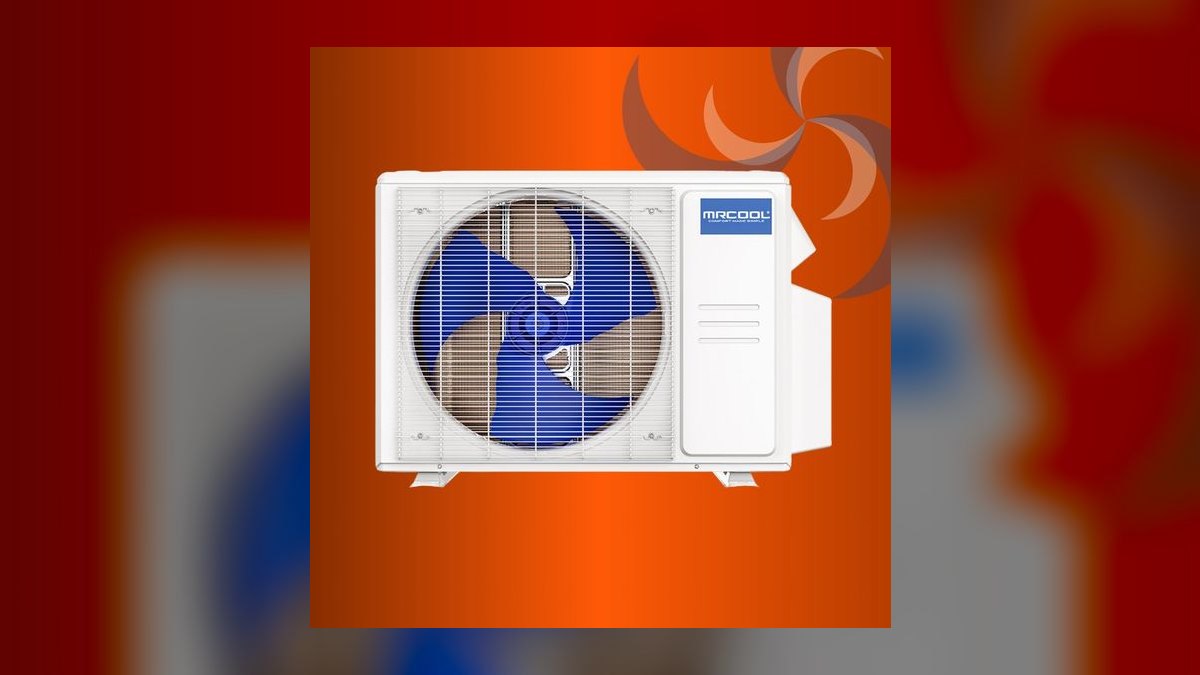
Ninth despite being the best-performing unit here, because $1,199 is the highest price on the list and it is a permanent install rather than a portable or window unit. It posts SEER2 22.0 — the best efficiency of any pick — runs 32 dB at the indoor head, covers 550 sqft, and heats down to -13 deg F.
For handy homeowners cooling garages, sunrooms, and ADUs that need permanent conditioning. It supports WiFi, Alexa, Google, and SmartThings through SmartHVAC, and qualifies for the federal 25C heat-pump tax credit. Drainage runs by gravity through a condensate line you route yourself. Unlike the Midea MAW08V1QWT U Inverter above it, you cannot take this unit with you when the lease ends.
10Whirlpool WHAW051CW
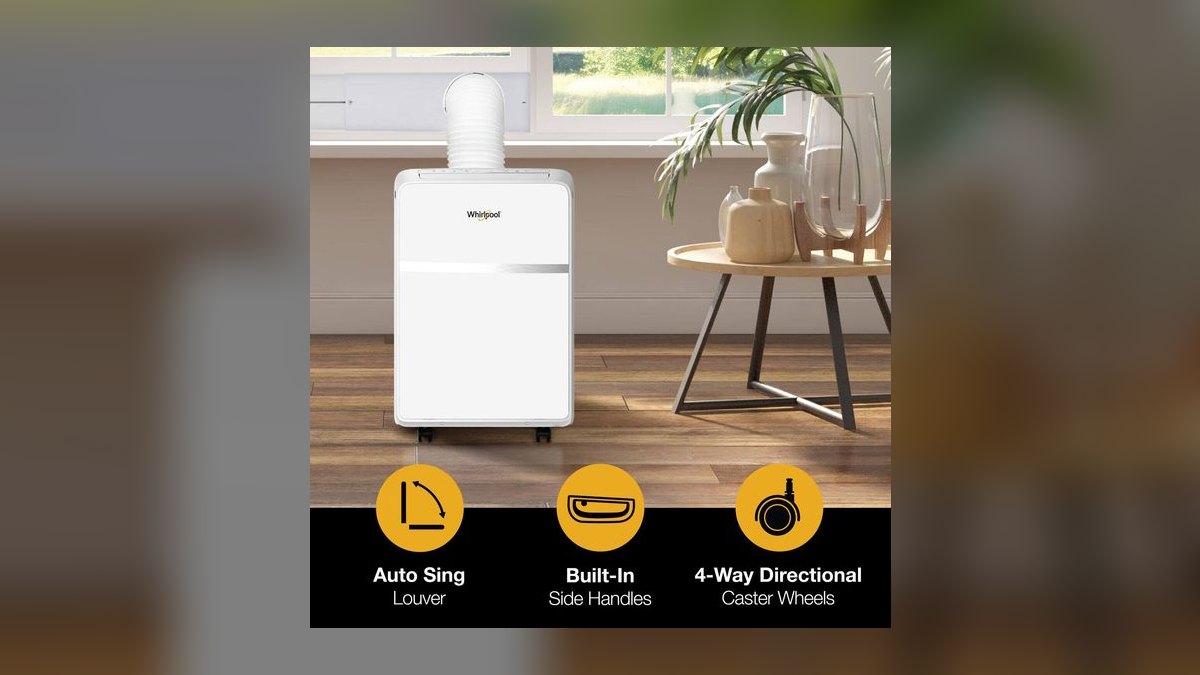
Tenth because at $179 it is the cheapest brand-name window AC Consumer Reports still rates as reliable for multi-summer use. It delivers 5,000 BTU ASHRAE across up to 150 sqft, runs CEER 11.0, weighs only 39 lb, and fits standard double-hung windows 23 to 36 inches wide. Controls are mechanical rotary dials — no digital panel, no app, no remote in the box.
For small bedrooms, dorm rooms, and home offices under 150 sqft where nothing larger is justified. The 39 lb chassis makes it a one-person install and easy to store off-season. It gives up everything the MRCOOL DIY 4th Gen 12K above it offers: no inverter, no WiFi, no noise reduction, and a coverage area less than half as large.
How we ranked these
We weighted real cooling capacity under the 2017 DOE SACC standard at 30 percent, efficiency under SEER2, EER2, and CEER at 20 percent, noise floor at sleeping fan speed at 15 percent, and build quality, drainage, and window-kit fit at another 15 percent. Price carried 10 percent and smart features 10 percent. Test data came from Wirecutter, Consumer Reports, Tom's Guide, and the ENERGY STAR certified product database.
We ignored ASHRAE-only nameplate BTU, which flatters single-hose portables by 30 to 40 percent against their SACC figure, and we ignored retail star averages, which blend shipping damage with cooling performance. Heating modes, remote styling, and color options played no role. We also discounted manufacturer coverage claims when independent testing disagreed, and penalized single-hose designs for negative-pressure infiltration rather than trusting the spec sheet.
What to look for
Two specs decide this purchase: hose count and window compatibility. Dual-hose portables like the Midea Duo and Whynter ARC-14S hold their rated capacity, while single-hose units pull hot makeup air through every gap in the room and lose 20 to 30 percent in leaky spaces. Measure sash width before anything else, since a wrong window kit makes the best unit useless.
The common mistake is shopping by headline ASHRAE BTU. A 14000 BTU ASHRAE portable actually delivers roughly 9500 BTU SACC, so buyers oversize on paper and undercool in practice. The second mistake is ignoring drainage: humid climates fill a gravity tank nightly, and only a condensate pump or a continuous drain hose solves that. If a usable window exists, buy a window unit instead.
Related questions
What is the difference between SACC and ASHRAE BTU ratings?
ASHRAE is the legacy lab rating that ignores duct heat gain and infiltration. SACC, required since the 2017 DOE rule, adjusts for both and reflects what a portable actually delivers in your room. The gap is large: a 14000 BTU ASHRAE portable typically rates around 9500 BTU SACC. Compare SACC to SACC, never SACC to ASHRAE.
Is a dual-hose portable air conditioner worth the extra cost?
For rooms over 350 square feet, yes. A single hose exhausts air outdoors but draws replacement air through door gaps, outlets, and leaky windows, creating negative pressure that pulls hot outdoor air back in. Dual-hose units feed the condenser with outside air instead, preserving rated capacity. In a small, well-sealed bedroom, a single hose is acceptable.
How many BTU do I need for a 400 square foot room?
Roughly 9000 to 10000 BTU SACC for average ceiling height and moderate sun exposure. Add capacity for west-facing windows, upper floors, kitchens, or rooms with several occupants. In portable terms that means a dual-hose unit like the Midea Duo or Whynter ARC-14S, not an 8000 BTU ASHRAE budget model rated near 5500 SACC.
Can a portable air conditioner work without any window at all?
Not without an exhaust path. Every compressor-based portable produces waste heat that must leave the room, so venting through a window, sliding door, drop ceiling, dryer-style wall port, or door transom is mandatory. Running one unvented heats the room. If no exhaust is possible, an evaporative cooler or a DIY mini-split with an outdoor condenser is the alternative.
Why does my portable air conditioner fill with water so quickly?
Because it is dehumidifying as much as cooling. Portables pull moisture out of the air, and in humid climates a gravity tank can fill overnight. Units with a continuous drain hose, like the Whynter and hOmeLabs picks, let condensate run to a floor drain. The Midea Duo's built-in condensate pump lifts water out and up instead.
Are window air conditioners cheaper to run than portable units?
Generally yes. A window unit's condenser sits fully outdoors, so no exhaust duct radiates heat back into the room and there is no infiltration penalty. Inverter models like the LG LW1517IVSM at CEER 14.7 modulate rather than cycling on and off, which owners report cuts bills 25 to 30 percent versus legacy units.
Does a DIY mini-split really install without an HVAC license?
The MRCOOL DIY 4th Gen ships with pre-charged quick-connect line sets, so no vacuum pump, flaring tools, or refrigerant handling is required for the connection itself. You still need to mount both units, drill a wall penetration, route the condensate line, and provide a dedicated circuit. Electrical work commonly requires a permit and a licensed electrician.
What does SEER2 mean and when did it replace SEER?
SEER2 became the required efficiency metric for residential cooling equipment in 2023. It tests under higher external static pressure than legacy SEER, so the resulting numbers run lower for the same hardware. Never compare a SEER2 rating to a pre-2023 SEER figure. The MRCOOL DIY at SEER2 22.0 is the most efficient unit ranked here.
FAQ
Which portable air conditioner is best overall in 2027?
The Midea Duo MAP14HS1TBL at roughly $699. It is the mainstream portable that pairs a true 14000 BTU SACC rating with a dual-hose intake and an inverter compressor, so it holds rated capacity instead of bleeding it to infiltration. It covers 550 square feet, dehumidifies 52 pints daily, and includes a condensate pump plus WiFi and voice control.
What is the best value portable air conditioner under $300?
The Black+Decker BPACT08 at about $299. It delivers honest 8000 BTU ASHRAE cooling, roughly 5500 BTU SACC, for bedrooms up to 250 square feet, with a gravity drain that works and a window kit spanning 18 to 50 inches. No inverter and no WiFi, but Consumer Reports gives it solid reliability marks.
How loud is a portable air conditioner when running at night?
Budget single-hose portables run 54 to 56 decibels on high, about the level of steady conversation. Inverter units are quieter: the Midea Duo drops to 42 decibels in sleep mode, the GE Profile window inverter matches that, and the MRCOOL mini-split's indoor head hits 32 decibels because its compressor sits outside entirely.
Do portable air conditioners earn ENERGY STAR certification?
Rarely. The exhaust duct and infiltration losses make it hard for portables to clear the threshold, which is why the ENERGY STAR picks in this list are window units. The Midea MAW08V1QWT earns ENERGY STAR Most Efficient, and the LG LW1517IVSM and GE Profile PHNT12CCH are both certified. Check the official database before trusting box claims.
Can I still open the window with a U-shaped AC installed?
Yes. That is the entire point of the Midea MAW08V1QWT design. The unit straddles the sill so the bottom sash closes down through the U-shaped gap, letting you open the window for fresh air without uninstalling anything. The shape also blocks street noise, which Wirecutter measured at about 9 decibels quieter than a standard window unit.
How often should I clean the filter on these units?
Every two to four weeks during heavy use. A clogged filter starves airflow across the evaporator, which drops cooling output, raises energy draw, and can freeze the coil. Most filters on these models slide out and rinse under a tap. Let the filter dry completely before reinstalling, and clean the condensate tray at season's end.
Will a portable air conditioner actually cool a garage?
Only a dual-hose unit will, and only in an insulated garage. Uninsulated garages with metal doors gain heat faster than any portable can remove it. The Whynter ARC-14S is the common recommendation for finished garages and workshops. For a permanent solution in that space, the MRCOOL DIY mini-split is the better long-term buy.
Do these air conditioners also work as dehumidifiers?
Every compressor-based unit here removes moisture as a byproduct of cooling, and most include a dedicated dry mode. The Whynter ARC-14S leads at 101 pints per day under high-humidity conditions, with the Midea Duo at 52 pints. In dry mode the fan runs slower to maximize moisture removal rather than temperature drop.
Does the MRCOOL mini-split qualify for a federal tax credit?
As a qualifying heat pump it is eligible under the 25C Energy Efficient Home Improvement Credit, which covers a percentage of equipment and installation cost up to an annual cap. Eligibility depends on the specific model meeting current efficiency tiers and on the credit's status in the tax year you install. Verify with IRS guidance before purchase.
Can I vent a portable air conditioner through a sliding door?
Yes, with a sliding-door vent kit, which is a tall vertical panel that fills the open track. Most portables ship with a horizontal window kit only, so the door panel is usually a separate purchase. Seal the remaining gap with foam or weatherstripping, because an unsealed track defeats the exhaust and pulls hot air right back in.
Sources
- https://www.nytimes.com/wirecutter/reviews/best-portable-air-conditioner/
- https://www.consumerreports.org/appliances/air-conditioners/
- https://www.energystar.gov/products/room_air_conditioners
- https://www.energy.gov/energysaver/room-air-conditioners
- https://www.energy.gov/energysaver/central-air-conditioning
- https://www.tomsguide.com/best-picks/best-portable-air-conditioners
- https://www.thisoldhouse.com/heating-cooling/reviews/best-portable-air-conditioners
- https://www.irs.gov/credits-deductions/energy-efficient-home-improvement-credit
- https://www.lg.com/us/air-conditioners
- https://mrcool.com/diy-series/
Related on PULSE
This page will be disappearing soon. Save it to your device for $1 — or read it free while it is here.
@Kory-White- · if Venmo asks, the last 4 of my number are 2012
This page is gone.
This one is off the shelf now. $1 keeps it on your phone for good — the whole page, pictures and diagrams included.
 pulse-reviewsTop 10 Electric Spice Grinders — Best Overall + Best Value in 2027
 pulse-reviewsTop 10 Spot Welders — Best Overall + Best Value in 2027
 pulse-reviewsTop 10 Drone Cases — Best Overall + Best Value in 2027
 pulse-reviewsTop 10 Tablet Styluses — Best Overall + Best Value in 2027
 pulse-reviewsTop 10 TDS Water Testers — Best Overall + Best Value in 2027
 pulse-reviewsTop 10 Electric Snow Shovels — Best Overall + Best Value in 2027
 pulse-reviewsTop 10 Heat-Pump Dryers — Best Overall + Best Value in 2027
 pulse-reviewsTop 10 USB-C Hubs for Sales Travel in 2027
 pulse-reviewsTop 10 VR Headsets — Best Overall + Best Value in 2027
 pulse-reviewsTop 10 85-Inch TVs — Best Overall + Best Value in 2027