


Top 10 Countertop Microwaves — Best Overall + Best Value in 2027
Quality
Certified
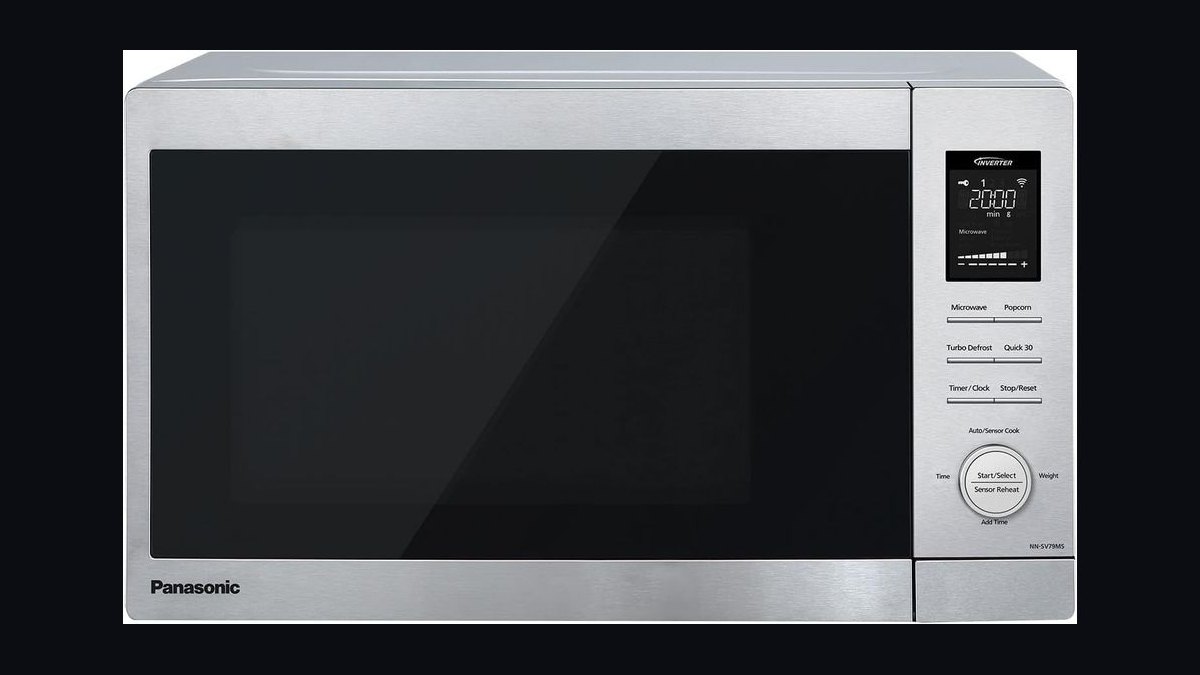
The 10 best countertop microwaves are ranked below on measured performance, build quality, price, and how each one actually holds up in daily use rather than how it reads on a spec sheet. Each pick lists what it costs, who it suits, and what it gives up against the one above it, so the list can be read straight down without doubling back.
1Panasonic NN-SN966S Inverter
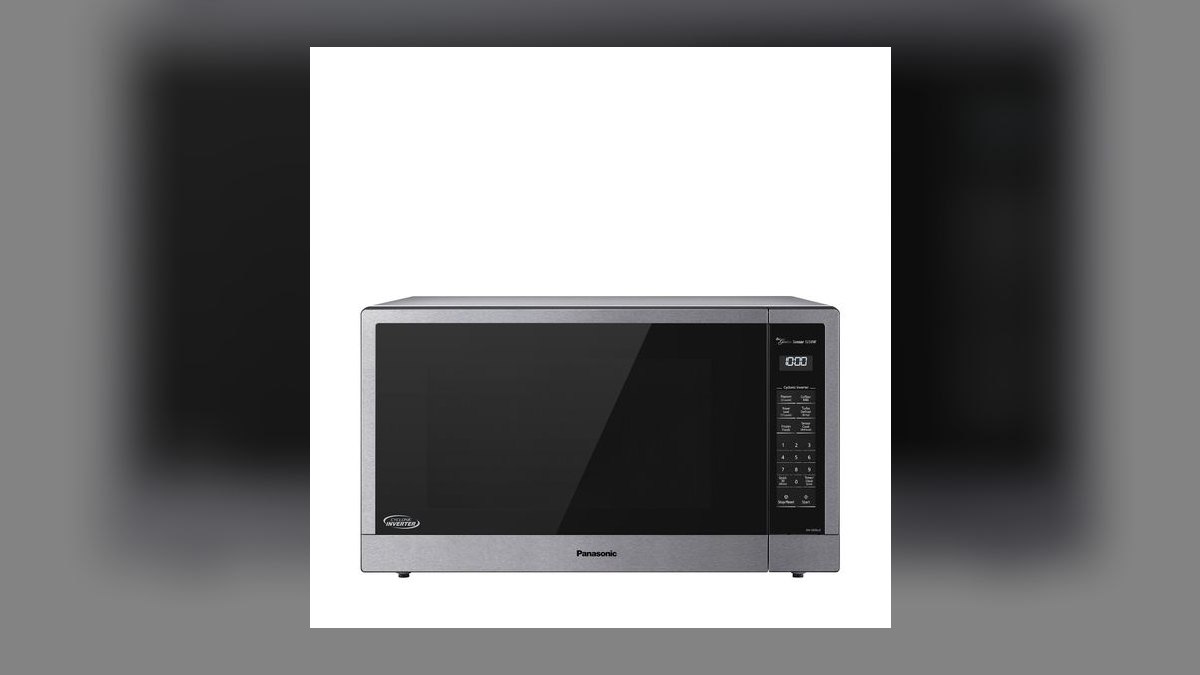
Ranks first because inverter technology delivers steady, variable power instead of pulsing on and off, so a defrosted chicken breast thaws edge-to-edge instead of cooking at the rim. The 2.2 cu ft cavity fits a 9x13 casserole dish, and 1,250 watts handles family-sized reheats. It includes 14 auto-cook presets, sensor reheat, sensor cook, a Keep Warm mode, and a child lock, all for $249.
This suits families and serious home cooks who defrost, simmer, and reheat daily rather than just popping popcorn. The trade is counter space: at 23.9 inches wide and 19.4 inches deep, it dwarfs the smaller Toshiba EM131A5C-SS Microwave below it and won't fit under low upper cabinets. Measure the counter run and door swing first. If your cooking never leaves single plates, the extra $120 over the Toshiba buys capacity you won't use.
2Toshiba EM131A5C-SS Microwave

Ranks second because it packs 1,100 watts and six sensor cook menus into a 1.2 cu ft cavity for $169, sensor accuracy usually reserved for machines over $200. Presets cover potato, vegetables, dinner plate, pizza, frozen entree, and beverage. A 12.4-inch turntable fits most dinnerware, eco mode drops standby draw under 1 watt, and the door uses a real push-button release instead of a sticky latch.
Buy this for a small kitchen that still wants sensor cooking behind a stainless face with black sides that blend into cabinetry. Against the Panasonic NN-SN966S Inverter above, the trade is the magnetron: defrosting is above average but not graceful, since power pulses instead of ramping smoothly. It also beeps loudly out of the box, so expect to mute it on day one. Warranty runs one year.
3GE Profile PEM31SFSS Microwave
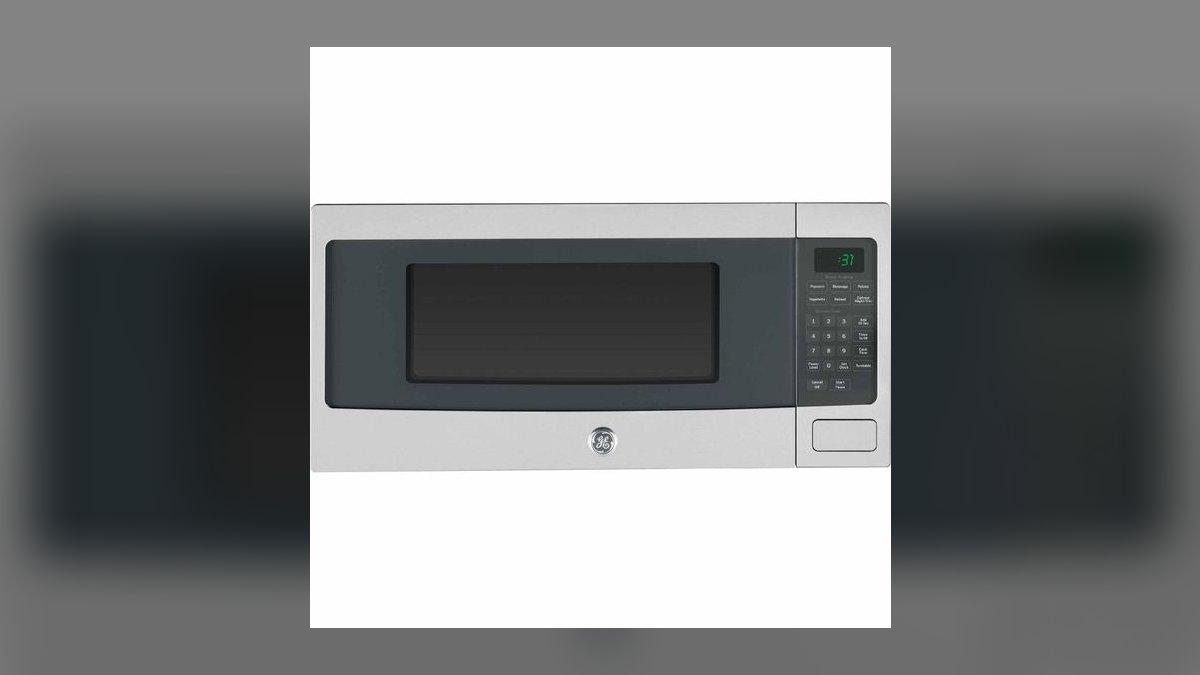
Ranks third on smart features that actually work: WiFi and Bluetooth, Alexa and Google Assistant control through SmartHQ, and scan-to-cook that reads a frozen entree barcode and sets time, power, and stand time automatically. GE has kept shipping firmware improvements since launch, which almost no competitor bothers with. The stainless wrap matches GE Profile ranges, and the knob-and-button controls feel premium at $299.
This suits smart-kitchen builders already running GE appliances who will genuinely use barcode scanning. What it trades is cavity size: 1.1 cu ft and 1,050 watts is smaller and weaker than the $169 Toshiba EM131A5C-SS Microwave above it, so you pay a $130 premium for software, not cooking power. Measure before buying, since the price implies more machine than arrives. Voice-only buyers should look elsewhere.
4AmazonBasics Microwave with Alexa
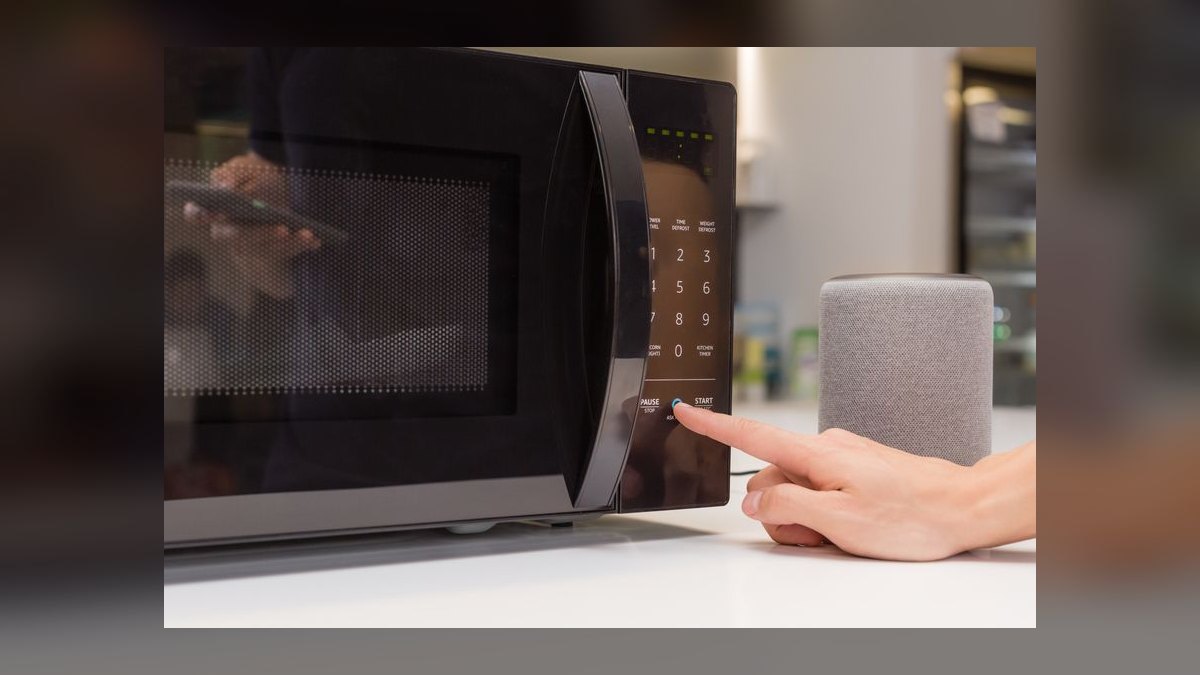
Ranks fourth because $109 buys Alexa voice control, the cheapest entry to hands-free microwaving on this list, letting you say "Alexa, microwave two minutes" once paired to an Echo. It also auto-reorders AmazonBasics popcorn when stock runs low. The 17.3-inch-wide body is the smallest footprint here, fitting counters where nothing else will, and the 0.7 cu ft cavity handles mugs and small plates.
This is for Echo households in dorms, garage workshops, and Airbnbs where guests should talk to the machine instead of poking sticky buttons. The trade is raw power: at 700 watts, plan on roughly 40% longer cook times than the Panasonic NN-SN966S Inverter, and frozen entree package instructions become unreliable. Anyone reheating full dinner plates should spend $20 more on the Black+Decker EM925AB9 Microwave's 900 watts instead.
5Breville BMO850BSS Smooth Wave
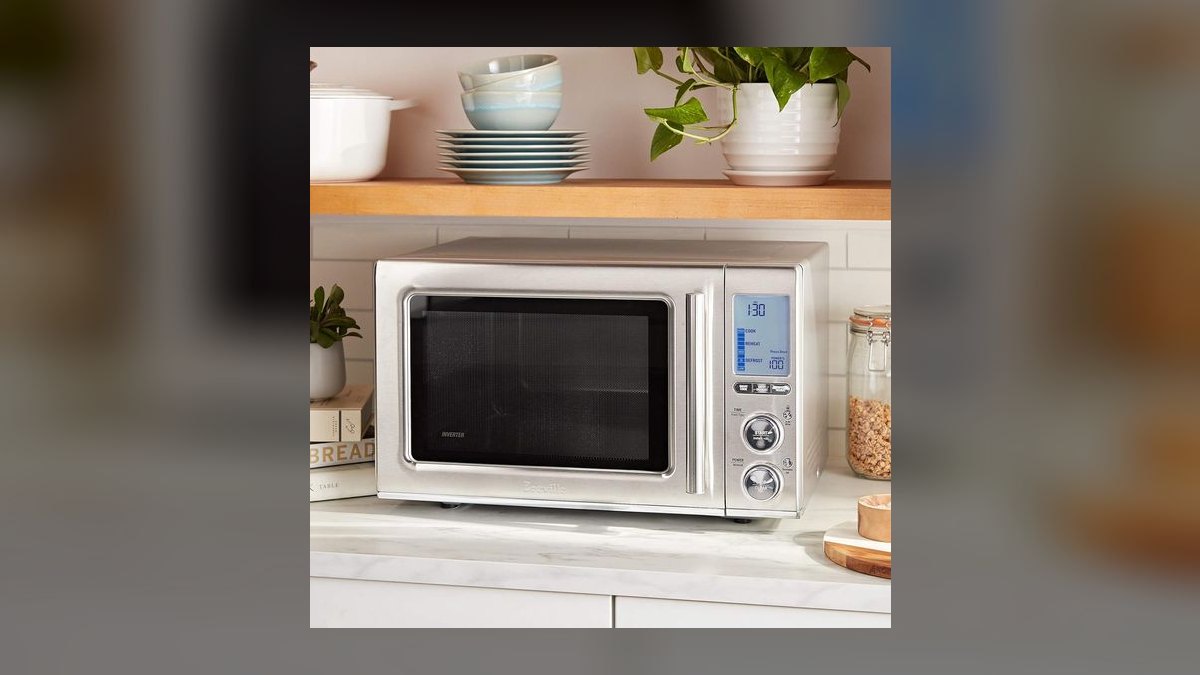
Ranks fifth for putting real inverter heating into a 1.2 cu ft, 1,100 watt counter-friendly body at $299. The Smart Cook dial sets food type and lets power ramp smoothly instead of pulsing, making leftover rice and pasta noticeably better than magnetron results. Build quality leads the category, with a soft-close door damper, glass turntable on a metal hub, backlit soft buttons that resist smudging, plus mute and child lock.
This is for design-focused kitchens where the appliance is furniture and quiet, even reheating matters more than volume. Against the GE Profile PEM31SFSS Microwave at the same $299, the trade is obvious: better heating but no WiFi, no voice, no scan-to-cook. Against the Panasonic NN-SN966S Inverter, you pay $50 more for a cavity less than half the size.
6Toshiba EM131A5C-BS Microwave

Ranks sixth as the best value on the list: the identical chassis to the Toshiba EM131A5C-SS Microwave above for $129, a $40 discount for choosing black-stainless over polished. You get 1,100 watts, 1.2 cu ft, six sensor cook presets, mute, child lock, eco mode, and a 12.4-inch turntable. Consumer Reports has ranked the EM131 series in the top tier for reheating evenness, and owner threads confirm it after three-plus years of daily use.
This is the default first-apartment recommendation for anyone who wants roughly 90% of the Panasonic NN-SN966S Inverter's performance at half the price. The trade is the standard magnetron: defrost is fine, not great, which is the one thing the $249 Panasonic does meaningfully better. The black-stainless finish also hides fingerprints better than the polished version above, the only real difference between the two.
7Black+Decker EM925AB9 Microwave
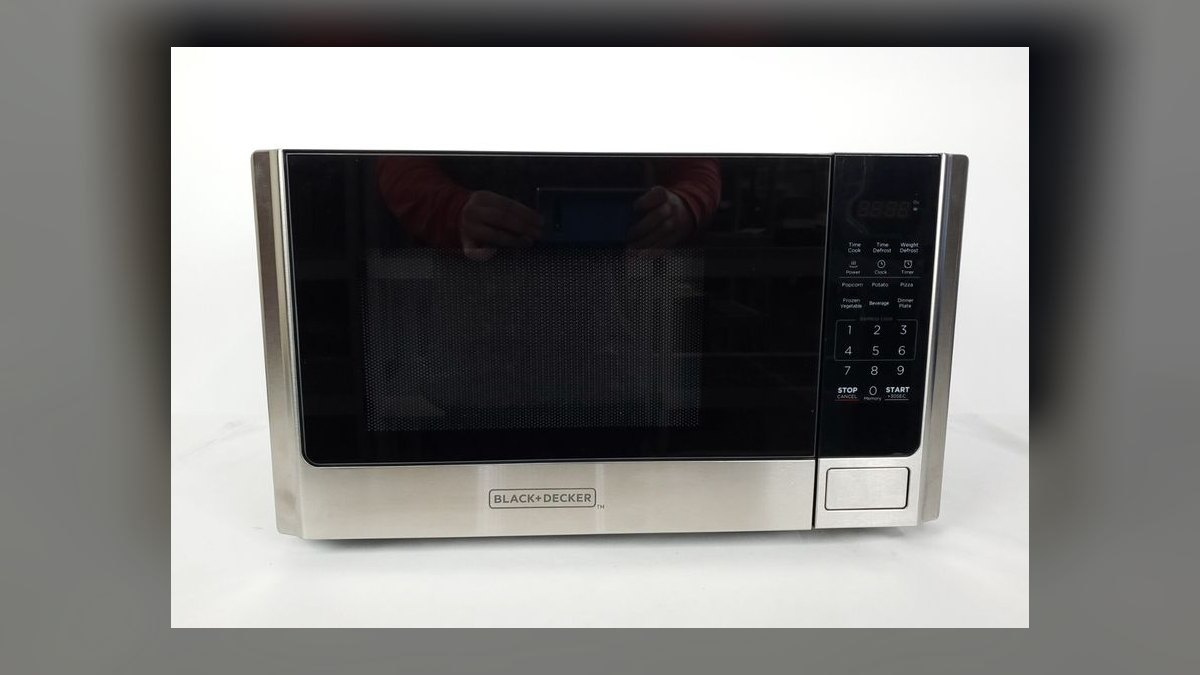
Ranks seventh as the durability pick under $120: 0.9 cu ft, 900 watts, and a pull-handle door instead of a push-button latch, the component that fails first on cheap units. It carries 10 power levels, six preset menus, a child lock, and a bright LED display. Owner reviews on Amazon and Lowe's average 4.5 stars across more than 20,000 ratings, among the best-reviewed budget machines sold.
This fits dorms, RVs, and second-fridge garages where the machine must simply run without cleverness. At under 19 inches wide it slides onto narrow counters and under most upper cabinets. The trade against the $129 Toshiba EM131A5C-BS Microwave is real: no sensor cook and no mute, so every cycle ends in beeping and every reheat is guessed by time. Pay $20 more for those features.
8Sharp R-21LCF Commercial Microwave
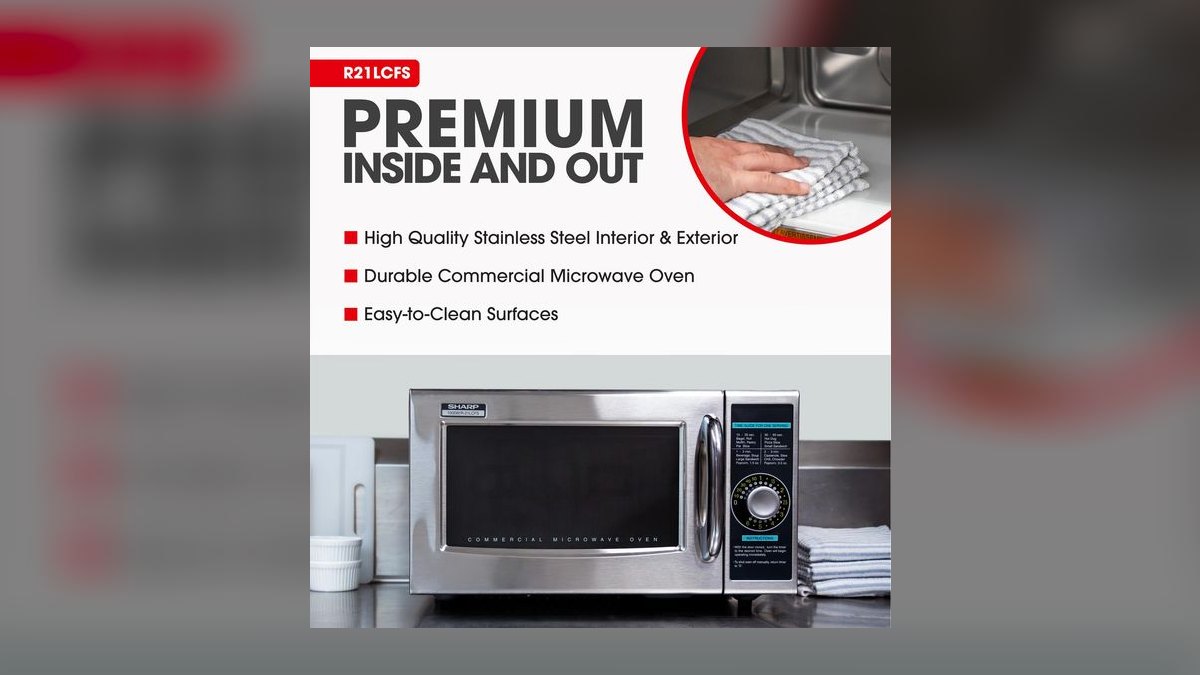
Ranks eighth on cycle life rather than kitchen appeal: the door is rated for over 150,000 cycles, built for medium-duty commercial use in offices, coffee shops, and food trucks. It runs 1,000 watts with no turntable, since a stirrer fan distributes energy and frees the floor for flat trays that won't rotate. Dial-only controls survive grease and gloves, and the unit costs $289.
This is for break rooms and households burning through a consumer microwave every 18 months from 30-plus reheats a day; expect it to outlast three of them, often 15 years. The trade is styling and features: no sensor cook, no presets, no mute, and it looks like the break-room machine it is. If your usage is normal, the $129 Toshiba EM131A5C-BS Microwave is the smarter buy by far.
9Cuisinart CMW-200 Convection Microwave
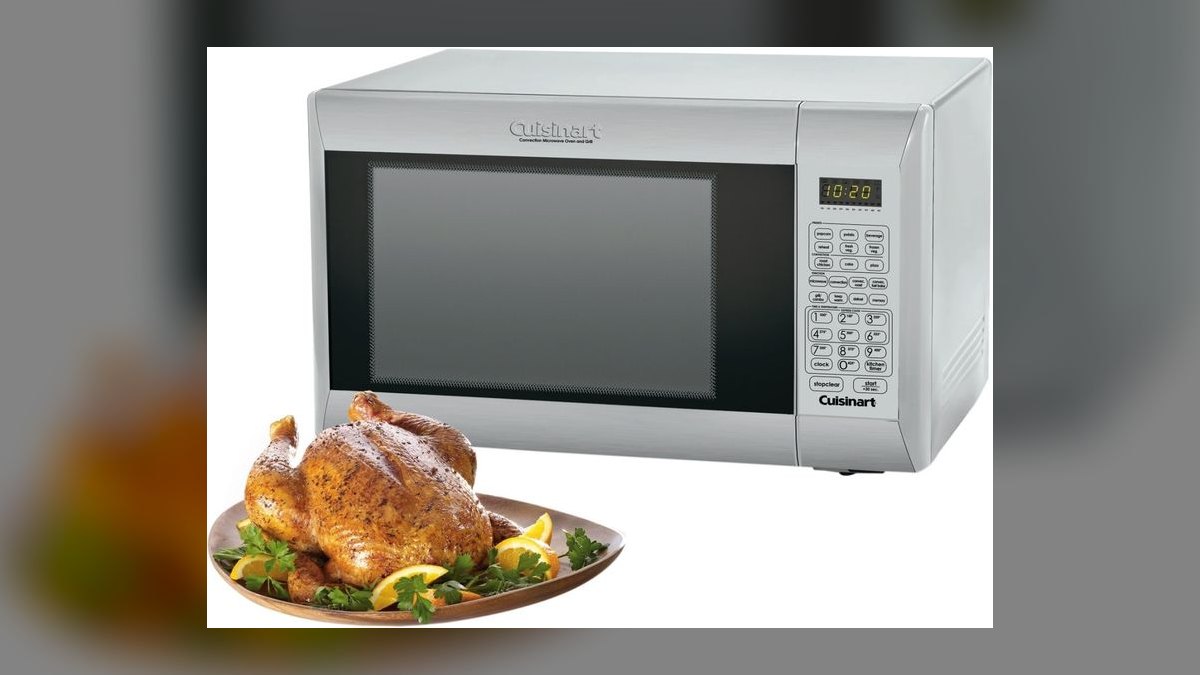
Ranks ninth because it is two appliances in one: a 1.2 cu ft, 1,000 watt microwave plus a real convection oven reaching 450°F, with a grill element and combo modes that brown food while microwaving. You can roast a small chicken, bake cookies, or broil garlic bread in the same box that reheats pasta. It ships with a rack to expand cooking surface and carries 25 preset menus at $249.
This is for studio apartments, RVs, and basement kitchenettes with no full oven. The trade is noise, since the convection fan whirs through the entire cycle, and microwave performance trails the inverter picks above. If you already own an oven, skip convection entirely and put the $249 toward the Panasonic NN-SN966S Inverter instead. Treat this as the honest floor for combo units.
10LG NeoChef LMC1575BD Microwave
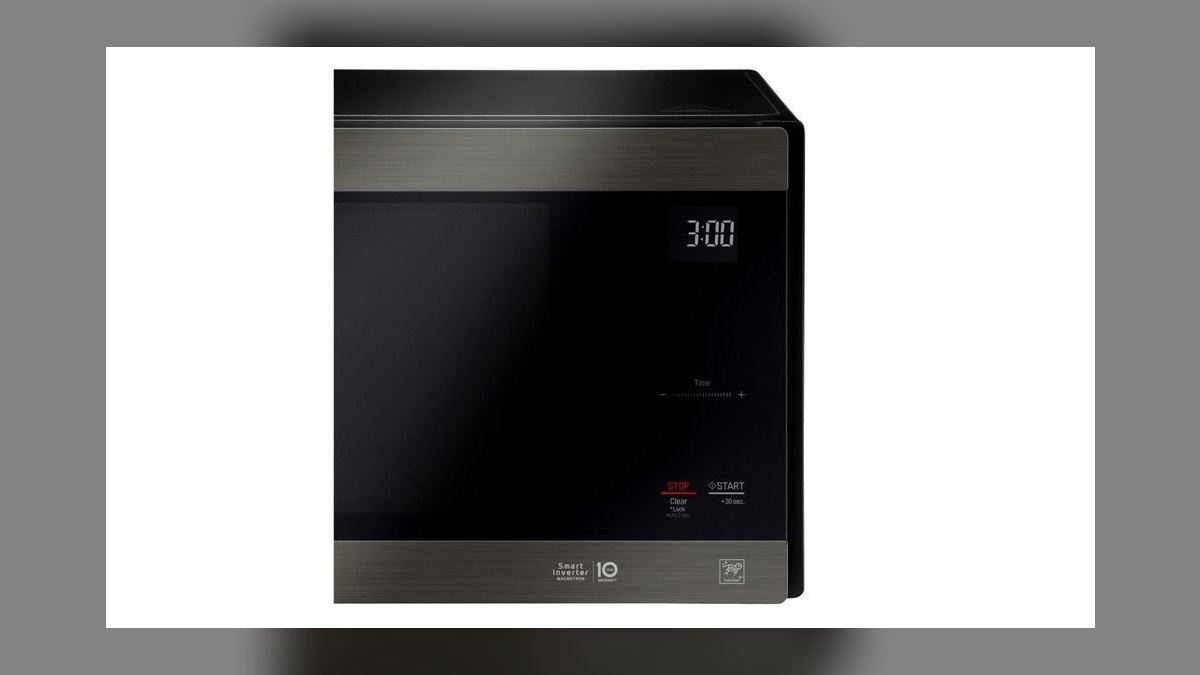
Ranks tenth despite strong hardware: 1.5 cu ft, 1,200 watts, and LG's Smart Inverter for genuinely better defrost and simmer than magnetron rivals. At 40 decibels it is the quietest unit here, beating the Panasonic NN-SN966S Inverter's 44 decibels. The black-stainless face hides vents, the EasyClean anti-bacterial coating wipes down easily, the turntable is glass on a metal hub, and 10 power levels sit on the surface, for $229.
This is for style-first buyers who want inverter performance behind a smudge-proof face. The trade against the $249 Panasonic NN-SN966S Inverter is cavity depth: the NN-SN966S still fits a wider casserole dish for $20 more. The glass-touch keypad also needs firm presses and won't register through gloves, which matters if your hands are often full mid-cook.
How we ranked these
Ten countertop units were scored on heating evenness (25%), price-to-performance (20%), capacity and footprint fit (15%), smart and sensor features (15%), build and door feel (15%), and noise with a working mute (10%). Sensor accuracy was checked against a baked potato, a frozen burrito, and a mug of water.
Build quality was judged on door-hinge feel, paint adhesion, and turntable wobble, cross-referenced against Wirecutter, Consumer Reports, RTINGS, and long-term owner threads for durability.
Preset count was ignored — most owners use three of twenty-five, so a long menu list inflates spec sheets without changing real outcomes. Stainless interiors were disregarded, since paint chips on cheap cavities regardless of liner material. WiFi without scan-to-cook earned no credit, because most owners disconnect it within a month. Unbranded sub-$80 units were excluded outright: their door hinges reliably fail within six to twelve months of normal use.
What to look for
Wattage and heating type decide almost everything else on this list. Treat 1,000W as the practical floor — below it, reheat times stretch and frozen-entrée instructions stop matching reality. Inverter units like the Panasonic, Breville, and LG NeoChef vary power smoothly instead of pulsing full blast on and off, which is why defrosted chicken thaws edge-to-edge instead of cooking at the rim while the center stays frozen.
The most common mistake is buying capacity straight off the spec sheet instead of the tape measure. A 2.2 cu ft Panasonic is 23.9 inches wide and 19.4 deep, and the door swing needs its own clearance too. The second mistake is skipping mute — if you reheat at night, confirm it's persistent, since some units reset to full beeping on every power cycle. Sensor cook is the one upcharge worth the $30-40.
Related questions
What's the difference between an inverter and a magnetron microwave?
A magnetron only runs at full power, so lower settings are simulated by pulsing on and off. An inverter varies actual output continuously. That matters most for defrosting and simmering, where pulsing cooks the outer edge while the center stays frozen. At 100% power for a straight reheat, the two behave nearly identically, so the premium only pays off if you defrost regularly.
How much counter space does a 2.2 cu ft microwave actually need?
The Panasonic NN-SN966S measures 23.9 inches wide by 19.4 inches deep, which overhangs a standard 24-inch counter very little but leaves no room beside it. You also need clearance for the door to swing fully open plus rear venting space. Measure both the counter run and the swing arc before ordering — cavity volume alone tells you nothing about fit.
Is sensor cook worth paying extra for?
Usually yes. A humidity sensor detects steam and stops the cycle when food is actually done, rather than running a fixed timer that guesses. It handles baked potatoes, frozen entrées, and dinner plates far more reliably than presets alone. The feature typically adds $30-40, and the Toshiba EM131A5C-BS proves it can appear at $129 rather than the $200-plus tier where it usually lives.
Why does door type matter on a microwave?
Push-button latches are the most common mechanical failure point on countertop units — the button assembly wears, sticks, then stops releasing the catch. Pull-handle doors, used on the Black+Decker EM925AB9 and the Sharp R-21LCF commercial unit, have fewer moving parts and last longer. The Sharp's door is rated past 150,000 cycles, which is exactly why break rooms specify commercial machines instead of consumer ones.
Do smart microwaves justify the price premium?
Only if scan-to-cook actually fits how you cook. Pointing a phone at a frozen entrée barcode and letting the machine set time, power, and stand time automatically saves real effort every day. Voice control alone doesn't — pressing 30 seconds on a keypad is faster than speaking the command aloud. The GE Profile PEM31SFSS is the exception worth $299, since GE has actually shipped firmware improvements after launch.
Can a countertop microwave replace a full oven?
A convection-combo unit like the Cuisinart CMW-200 comes closest — it bakes to 450°F with a real heating element, grills, and runs combo modes that brown food while microwaving. That covers a small chicken, cookies, or garlic bread in a studio, RV, or basement kitchenette. It won't handle a large roast or multiple sheet pans at once, and the convection fan runs audibly loud through the whole cycle.
Why do commercial microwaves skip the turntable?
Commercial units like the Sharp R-21LCF use a stirrer fan to distribute energy instead of physically rotating the food. That leaves a flat floor, so full-size trays and oversized containers fit without needing room to spin. It also removes the turntable motor and coupler as failure points entirely. The tradeoff is that heating evenness depends entirely on stirrer design rather than physical rotation for consistency.
How low can wattage go before it becomes a problem?
Around 700W the compromises get obvious fast. The AmazonBasics unit at 700W needs roughly 40% longer than a 1,250W machine, and frozen entrée package instructions — written for 1,000W or higher — become unreliable guesswork. For a mug of coffee, a single plate, or popcorn in a dorm room, 700W is genuinely fine. For casseroles or family-sized portions, it clearly is not enough power.
FAQ
What is the best overall countertop microwave in 2027?
The Panasonic NN-SN966S. It pairs a 1,250-watt true inverter with a 2.2 cu ft cavity that swallows a 9x13 casserole dish, adds 14 auto-cook programs, sensor reheat, sensor cook, and a Keep Warm mode, and holds up to heavy daily use. At $249 it costs more than most, and its 23.9-inch width demands real counter space, but the defrost performance justifies both.
What is the best value countertop microwave?
The Toshiba EM131A5C-BS at $129. It delivers 1,100W in a 1.2 cu ft cavity with six sensor cook presets, mute, child lock, eco mode, a 12.4-inch turntable, and a black-stainless front that hides fingerprints well. Consumer Reports has ranked the EM131 series in the top tier for reheating evenness. The only real omission versus the Panasonic is true inverter-style defrosting.
Is an inverter microwave actually better?
For defrosting and simmering, yes — it varies power smoothly rather than cycling full output on and off, so edges don't overcook while the center stays frozen. For straight reheats at 100% power the difference is small. Wirecutter and America's Test Kitchen both favor inverters for that exact reason. Panasonic, Breville, and LG NeoChef are the brands on this list using real inverter designs.
How many watts do I need in a microwave?
1,000W is the practical minimum for reliable everyday performance, because frozen entrée instructions generally assume roughly that output. Units in the 700-800W range, like the AmazonBasics model, handle single plates, mugs, and popcorn fine but struggle badly with casseroles and thick frozen meals. The Panasonic's 1,250W and the LG NeoChef's 1,200W sit at the fast end of the countertop options here.
What's the difference between black-stainless and regular stainless?
Black-stainless is stainless steel finished with a dark PVD coating over the base metal. It hides fingerprints noticeably better than polished stainless, which shows every touch within hours. The coating is cosmetic, not structural, so it doesn't change durability or heating performance. The Toshiba EM131A5C-BS and LG NeoChef LMC1575BD both use it; the EM131A5C-SS is the identical chassis in conventional stainless for about $40 more.
Which microwave is quietest?
The LG NeoChef LMC1575BD at roughly 40 dB, edging out the Panasonic NN-SN966S at 44 dB. Beyond running noise, the end-of-cycle beep matters more for most households day to day. Verify the unit has a mute that persists through a power cycle rather than resetting itself. The Toshiba beeps loudly right out of the box — plan on muting it the day it arrives.
What capacity should I buy?
Roughly 1.2 cu ft fits a standard dinner plate and suits couples or small kitchens well. Around 1.5 cu ft accommodates a 9x13 casserole dish without crowding. Anything at 2.0 cu ft or above is family-sized and will dominate a counter run. Don't buy larger than your counter allows — capacity you can't fit is worthless, and door swing clearance is the dimension buyers most often forget.
Are cheap no-name microwaves worth the savings?
Not below roughly $80. Unbranded generics at that tier tend to fail at the door hinge within six to twelve months, which turns the savings into an early replacement cycle. The same caution applies to any countertop unit advertising convection under $200 — the heating element is undersized and won't brown food properly. The Cuisinart CMW-200 at $249 is the realistic floor for genuine convection.
Which microwave holds up to heavy daily use?
The Sharp R-21LCF commercial unit. It's a 1,000W medium-duty machine with a door rated past 150,000 cycles, dial-only controls that tolerate grease and gloves, and no turntable, so flat trays fit easily. It's built for break rooms, coffee shops, and food trucks running constant reheats all day. If your consumer microwave keeps dying every 18 months from heavy use, this one reliably outlasts three of them.
Does a microwave with WiFi need to stay connected to work?
No. The GE Profile PEM31SFSS and similar units run all normal cooking functions from the keypad whether or not they're on your home network. Connectivity only enables voice control, scan-to-cook, and firmware updates over time. Most owners disconnect within a month of setup, which is exactly why WiFi alone shouldn't drive the purchase — buy the connected model only if scan-to-cook genuinely fits your routine.
Sources
- https://www.nytimes.com/wirecutter/reviews/best-microwave/
- https://www.consumerreports.org/appliances/microwave-ovens/
- https://www.rtings.com/
- https://www.goodhousekeeping.com/appliances/microwave-reviews/
- https://www.americastestkitchen.com/equipment_reviews/2190-microwaves
- https://www.tomsguide.com/best-picks/best-microwaves
- https://www.energystar.gov/products/appliances
- https://www.fda.gov/radiation-emitting-products/resources-you-radiation
Related on PULSE
This page will be disappearing soon. Save it to your device for $1 — or read it free while it is here.
@Kory-White- · if Venmo asks, the last 4 of my number are 2012
This page is gone.
This one is off the shelf now. $1 keeps it on your phone for good — the whole page, pictures and diagrams included.
 pulse-reviewsTop 10 DDR5 RAM Kits — Best Overall + Best Value in 2027
 pulse-reviewsTop 10 Posture Correctors — Best Overall + Best Value in 2027
 pulse-reviewsTop 10 Electric Snow Shovels — Best Overall + Best Value in 2027
 pulse-reviewsTop 10 Hair Dryers — Best Overall + Best Value in 2027
 pulse-reviewsTop 10 Outlet Testers — Best Overall + Best Value in 2027
 pulse-reviewsTop 10 Shop Vacuums — Best Overall + Best Value in 2027
 pulse-reviewsTop 10 Electric Spice Grinders — Best Overall + Best Value in 2027
 pulse-reviewsTop 10 Blue Light Glasses for Sales Reps in 2027
 pulse-reviewsTop 10 Battery Chainsaws — Best Overall + Best Value in 2027
 pulse-reviewsTop 10 Neck and Shoulder Massagers — Best Overall + Best Value in 2027