
Top 10 Blue Light Glasses for Sales Reps in 2027
 Curated byKory White · Fractional CRO · Maryland
 PULSEKNOWLEDGE LIBRARY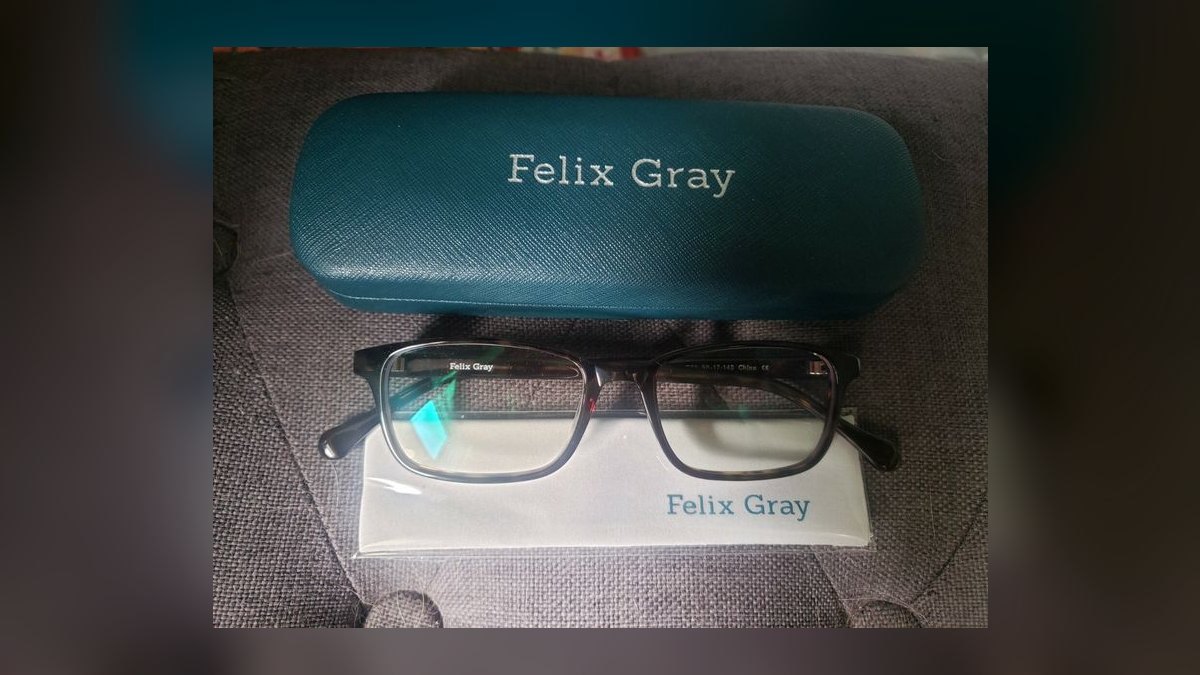
The 10 best blue light glasses for sales reps are ranked below on measured performance, build quality, price, and how each one actually holds up in daily use rather than how it reads on a spec sheet. Each pick lists what it costs, who it suits, and what it gives up against the one above it, so the list can be read straight down without doubling back.
1. Felix Gray Pair
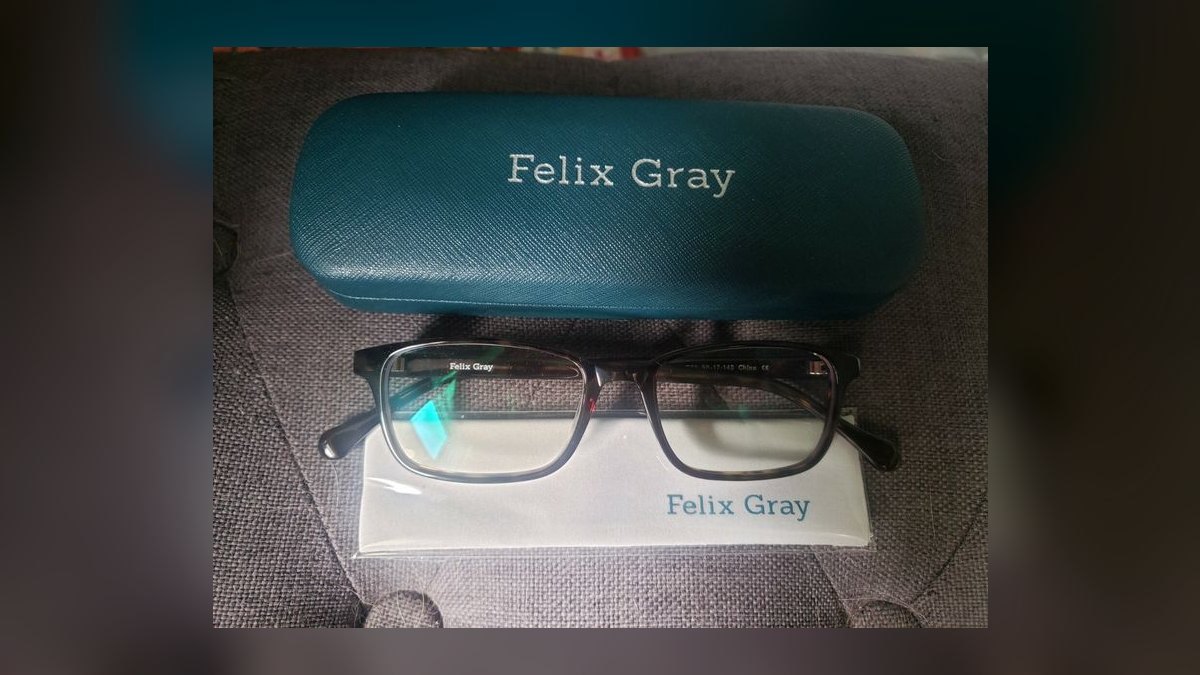
Felix Gray ranks first because its clear lens filters blue light without the amber color shift that makes reps look jaundiced on camera. Frames run roughly $95–145 before prescription, and the build reads as real eyewear rather than gaming gear. Prescription and reading-magnification options make it a single-pair solution covering both CRM work and client calls. Screen colors stay true, which matters for anyone sharing a deck.
This is for the rep on back-to-back video calls who wants one professional pair for the whole day. What it trades away is price: you pay premium money for frame quality, coatings, and color accuracy, not for a dramatic filtering advantage. Compared with Zenni directly below, Felix Gray costs three to five times more for a similar clear-lens filter, buying build and styling rather than measurably better eye relief.
2. Zenni Optical Blockz

Zenni ranks second because it delivers prescription blue-light lenses for roughly $20–40 per frame, the cheapest legitimate way to test whether computer glasses help you. The lenses are clear, so they stay camera-neutral on Zoom and Teams. Frame selection is enormous, spanning hundreds of shapes and materials. For a filter whose benefit is modest by the evidence, paying lunch money to find out is the rational move.
This suits any rep who already wears a prescription and refuses to gamble $145 on an unproven benefit. The trade is frame quality at the low end — basic acetate, less premium anti-reflective coatings — and ordering online without trying frames on your face. Against Felix Gray above, you give up styling and coating durability; against EyeBuyDirect below, you get lower prices but a narrower premium frame tier.
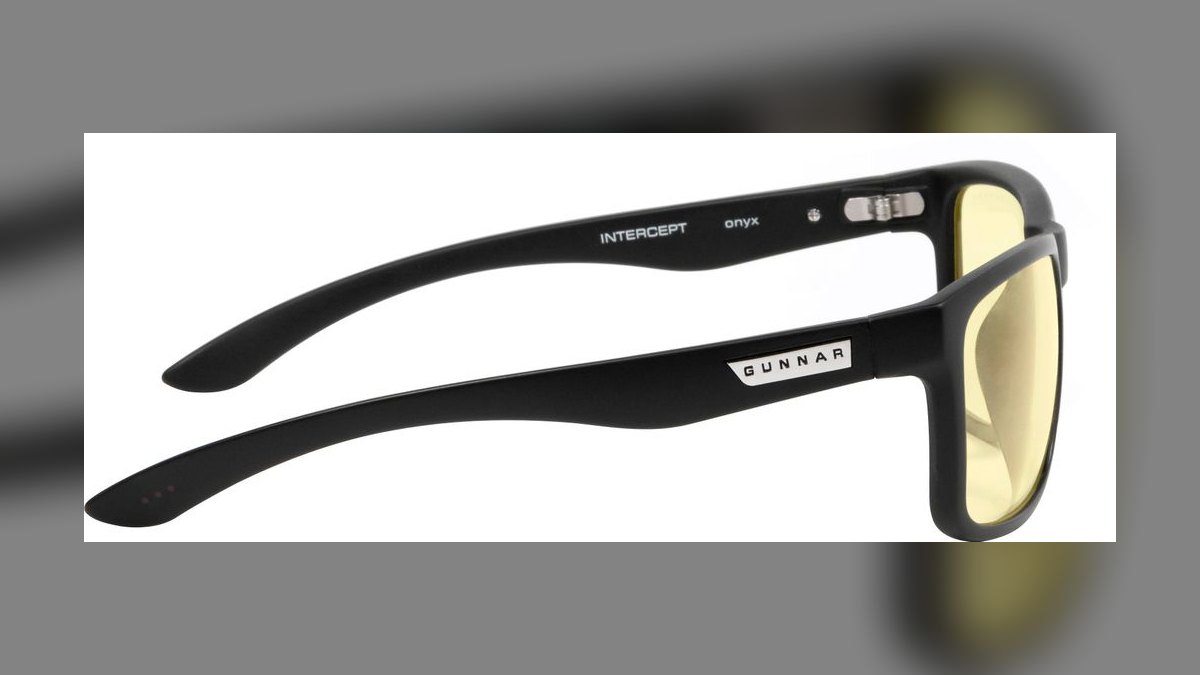
3. Gunnar Optiks Intercept
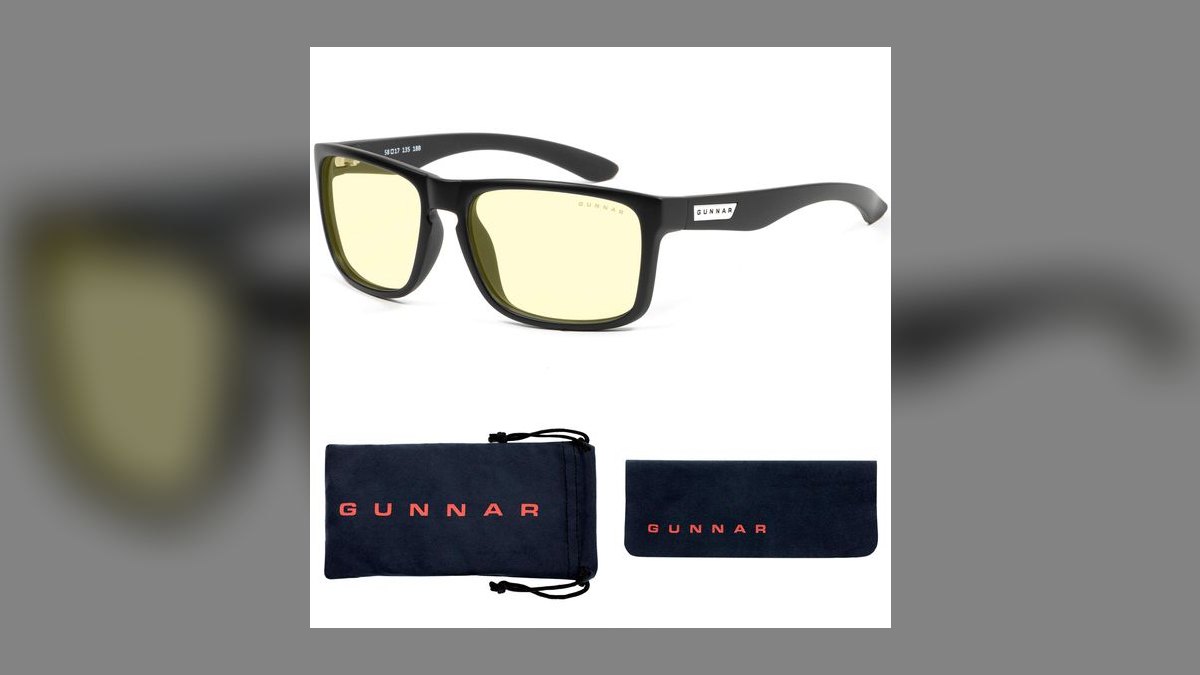
Gunnar ranks third because its amber lens filters more blue light than anything else here, and it sits at roughly $50–100 with prescription available. Heavy evening screen users consistently report the amber tint as the most noticeably comfortable option. The frames are built specifically for screen work rather than adapted from fashion eyewear. If maximum filtering is your actual goal, no clear lens on this list competes.
This is for the rep doing solo evening pipeline cleanup, not the one on camera. The trade is severe: amber turns your skin orange on video and distorts screen colors, ruling out design review, deck work, or any client-facing call. Against Felix Gray and Zenni above, Gunnar filters harder but disqualifies itself from the exact use case most reps buy glasses for.
4. Warby Parker Blue-Light Lenses
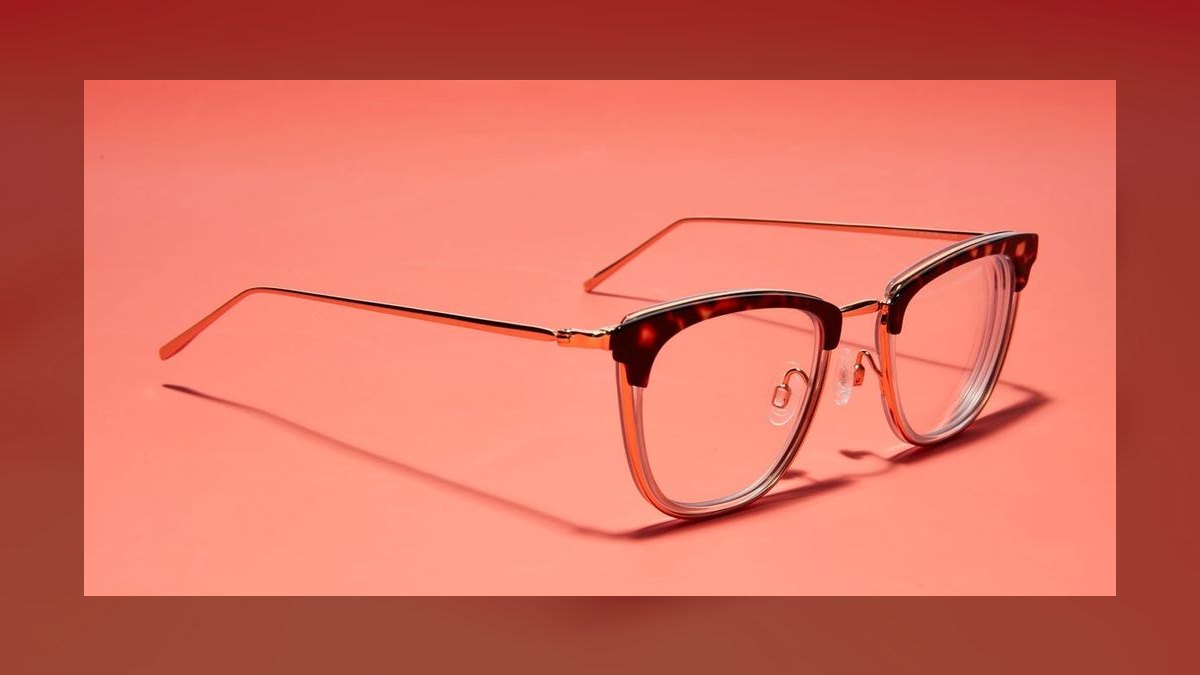
Warby Parker ranks fourth because it puts a blue-light filter on genuinely well-designed fashion frames, starting around $95 with the filter added. The lenses are clear, so camera color stays accurate. Home try-on lets you test five frames before buying, which no other pick on this list matches. Prescription is fully supported across the frame catalog.
This fits the rep who wants glasses that work as an accessory on and off the call. The trade is that the filter is an add-on to an eyewear business, not the product's engineering focus — you are paying designer pricing for styling. Compared with Felix Gray at the top, Warby offers far more frame variety and try-on, but Felix Gray is built around screen use specifically.
5. Pixel Eyewear Buteo
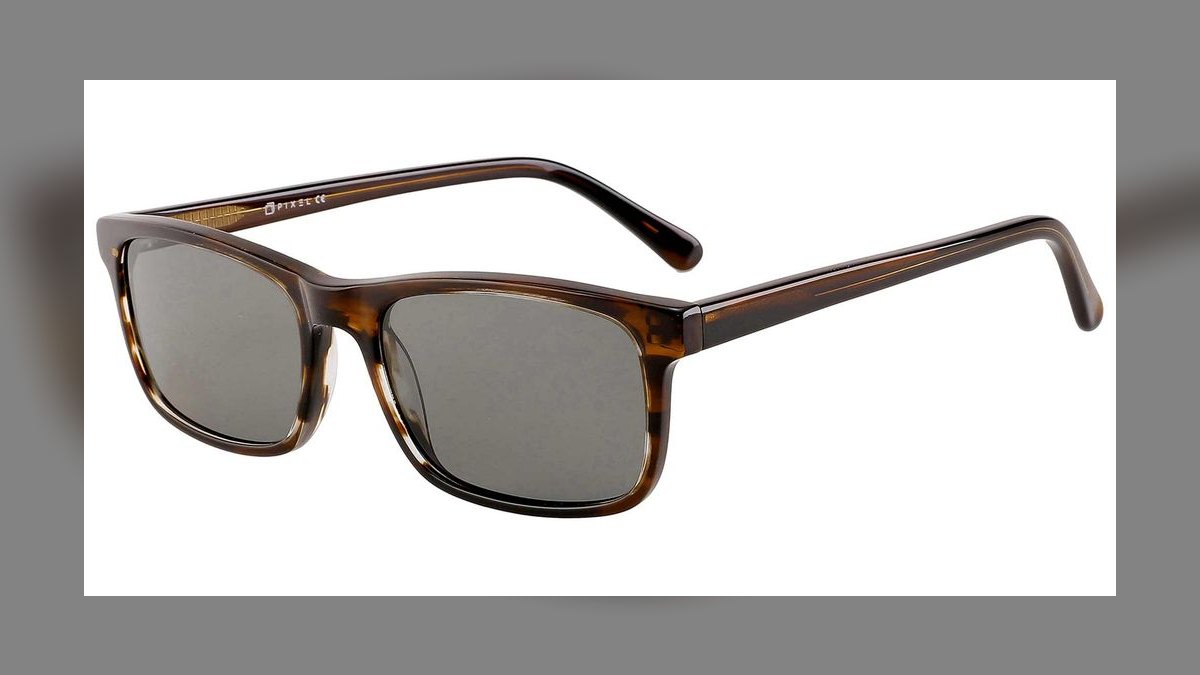
Pixel ranks fifth because its light-tint lens sits deliberately between clear and full amber, filtering more than Felix Gray without going fully orange. Pricing runs roughly $60–90 with prescription available, undercutting the premium clear-lens tier. The frames are purpose-built computer glasses rather than repurposed fashion designs. For someone who found clear lenses underwhelming, this is the next rung up in filtering.
This targets the rep who wants filtering they can actually perceive but still takes occasional video calls. The trade is that the tint remains faintly visible on camera, so it satisfies neither camp completely. Against Gunnar above, it filters less but stays usable on a call; against the clear-lens picks, it filters more but costs you some color neutrality.
6. EyeBuyDirect Blue-Light Lenses
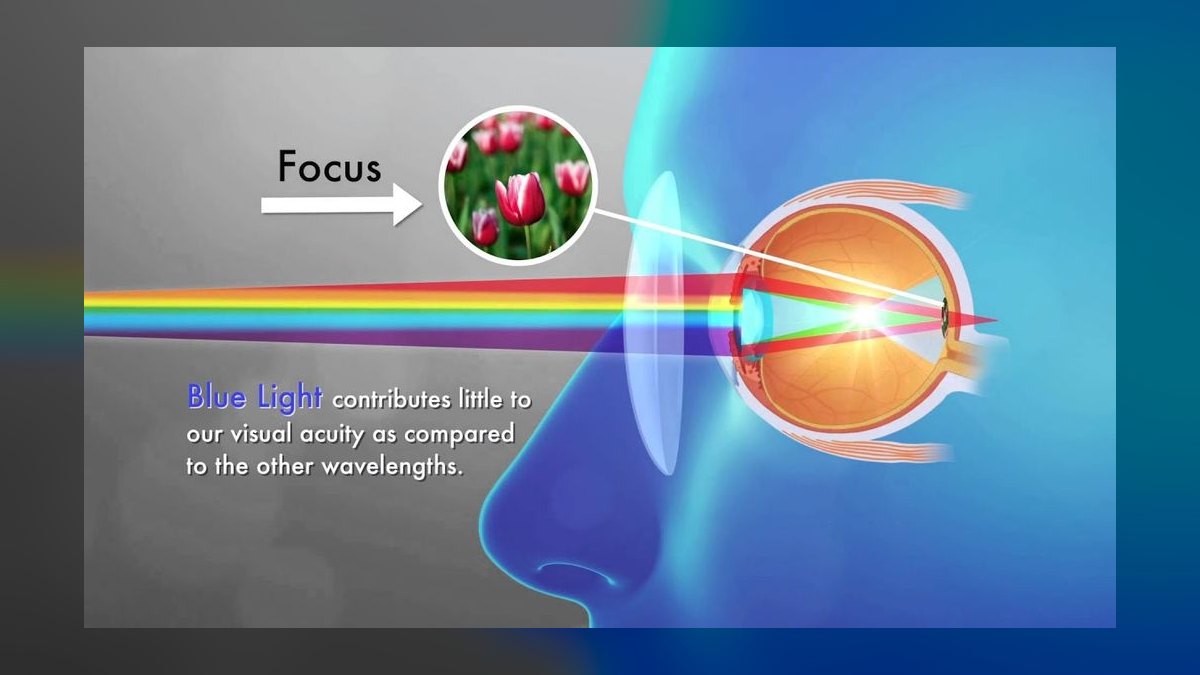
EyeBuyDirect ranks sixth because it matches Zenni's budget prescription model at roughly $30–60 while offering a noticeably more current frame selection. The lenses are clear and camera-safe. Frequent promotions push complete pairs well under $50, keeping the cost of experimenting low. For a rep who found Zenni's cheapest frames too plain, this is the modest step up.
This is for the budget-conscious rep who still cares how the frames photograph. The trade is online-only ordering, mid-tier coatings, and quality that varies meaningfully by frame line. Compared with Zenni at rank two, you pay somewhat more for better styling but get the same modest filtering benefit — which is why Zenni's lower entry price wins the value slot outright.
7. Baxter Blue Billie

Baxter Blue ranks seventh because it pairs a clear, camera-friendly lens with frames designed to look good away from the desk, at roughly $60–80. The clear filter avoids the orange cast entirely, so video calls stay natural. Frame styling is closer to fashion eyewear than computer eyewear. For non-prescription buyers, it is a clean, unfussy choice.
This suits the rep with no prescription who wants one attractive pair for desk and coffee-shop work. The trade is limited prescription support, which pushes it below Zenni and EyeBuyDirect for anyone who needs correction. Against Warby Parker above, styling is comparable but the frame catalog and try-on program are far smaller, and the price is meaningfully lower.
8. Privé Revaux Blue-Light Frames
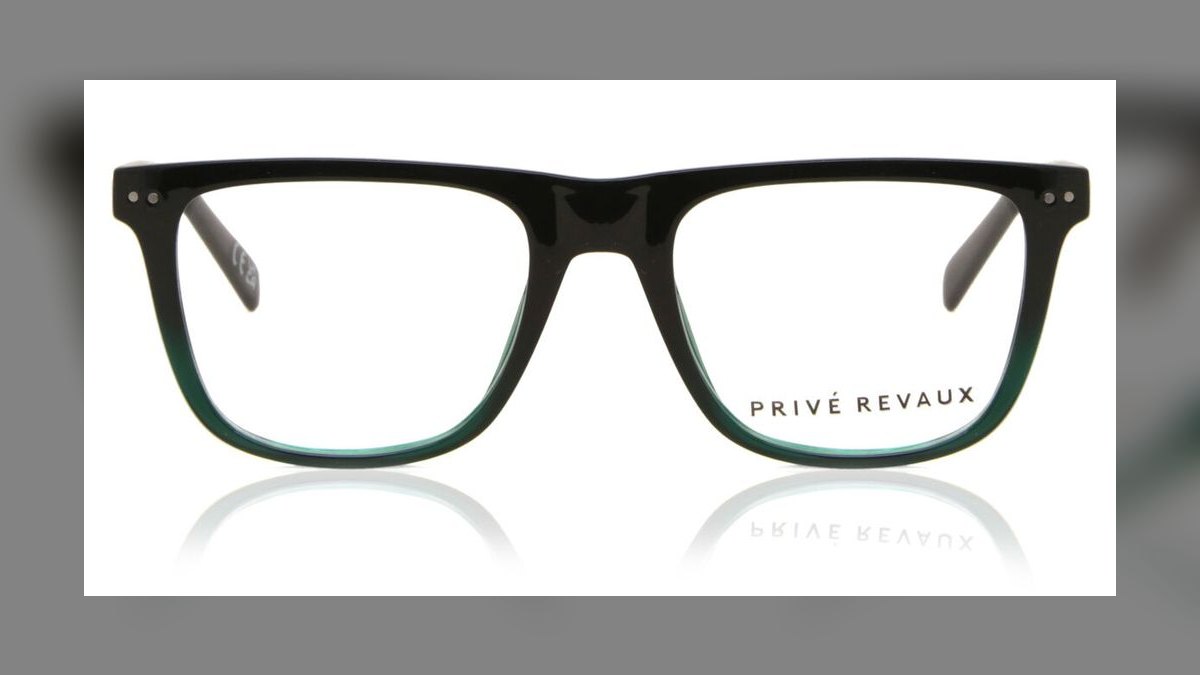
Privé Revaux ranks eighth because it delivers recognizable brand-name styling with clear blue-light lenses at roughly $30–40, sold through mainstream retail so you can try frames on in person. That in-store availability is rare at this price. The clear lens keeps you camera-neutral. For a spare desk pair bought on impulse, the value is real.
This is for the rep who wants a cheap, presentable backup to leave at the office. The trade is that most models are non-prescription and the build is genuinely budget — thin hinges, basic coatings. Against Baxter Blue above, it costs half as much and looks nearly as intentional, but it will not survive daily handling as long.
9. Cyxus Computer Glasses
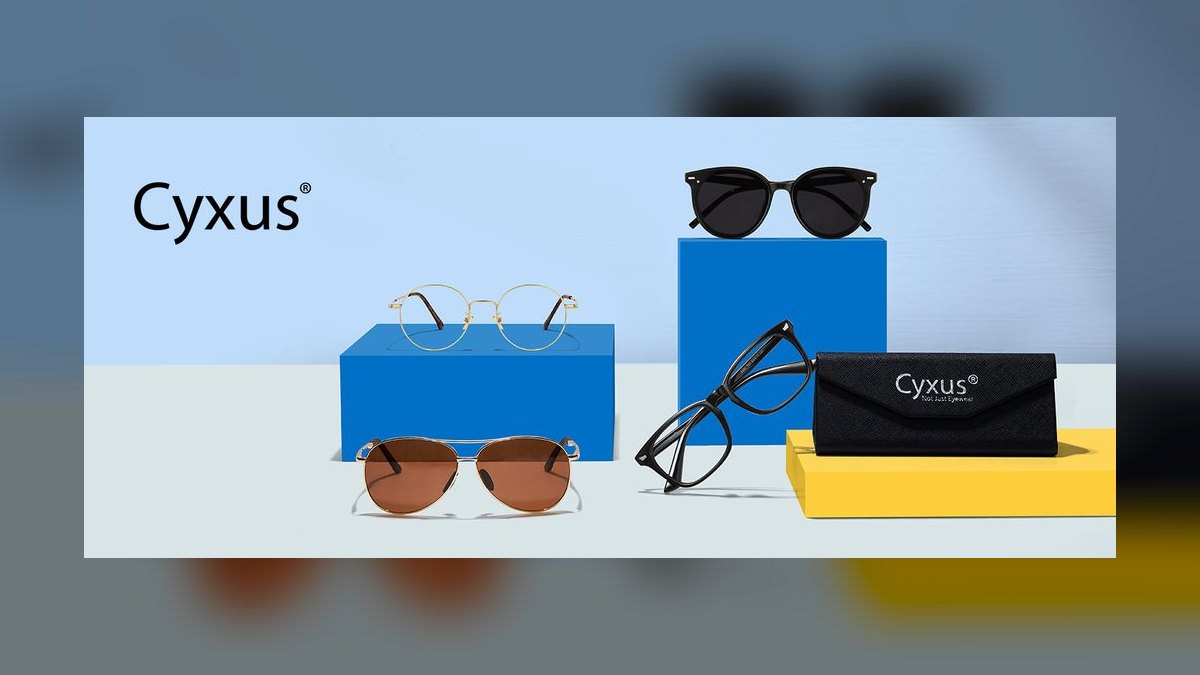
Cyxus ranks ninth because at roughly $15–25 it is the cheapest way to put a blue-light lens on your face, available in clear or light-tint versions. Nothing else here costs less. For a benefit the research treats as modest, the near-zero outlay is a defensible entry point. Amazon availability means it arrives in a day.
This is for the skeptic who wants to test the concept before spending real money, or who needs a throwaway pair for travel. The trade is no prescription support, basic construction, and quality that varies batch to batch. Against Privé Revaux above, you save fifteen dollars and give up brand-level finishing — this is a proving-ground purchase, not a daily driver.
10. Gunnar Reading Magnification Glasses
Gunnar's reader-strength computer glasses rank tenth because they serve a narrow but real need: blue-light filtering combined with magnification for reps who need help with small text but hold no prescription. Pricing runs roughly $50–80 across reader strengths, in amber or clear. For the over-forty rep squinting at dense CRM fields, magnification does more for comfort than any filter.
This is for someone whose actual problem is focus distance, not blue light. The trade is that reader strengths are fixed increments, not a true prescription, so anyone with astigmatism or differing eyes should buy Zenni or EyeBuyDirect instead. The amber versions carry the same on-camera color problem as the Gunnar pick at rank three; choose clear if you take video calls.
How we ranked these
We weighed three things that actually change a rep's day: lens tint and its effect on skin tone and screen color during video calls, prescription availability at the price tier, and frame quality suited to client-facing work. Price ranges came from listed retail. Clear lenses scored highest for camera-heavy use; amber scored highest only for solo evening screen sessions where color accuracy is irrelevant.
We deliberately ignored advertised blue-light blocking percentages, because peer-reviewed evidence does not support filtering percentage as a predictor of reduced eye strain. We ignored gaming-marketing claims, sponsored review scores, and lab-measured transmission curves for the same reason. We also skipped strain-relief promises entirely — glare reduction, comfortable fit, and screen-break habits explain far more of the comfort difference than any filter spec does.
What to look for
The decision is clear versus amber, and it is settled by your camera time. Clear lenses keep skin tone and screen colors true, so you look normal on a client Zoom. Amber filters more but tints you orange and shifts your monitor's colors, which ruins design review, dashboard reading, and any color-sensitive work. If you already wear glasses, put the filter on your prescription rather than stacking two pairs.
The common mistake is paying premium prices expecting a medical result. Filtering percentage is not the value driver; the anti-glare coating, the fit, and whether the frames look professional are. A $30 Zenni prescription pair tells you within a week whether computer glasses help you at all. Spend the $145 on Felix Gray only after you know you will wear them daily.
Related questions
Do blue light glasses help with headaches from long CRM sessions?
Possibly, but not through blue-light filtering. Headaches during long screen work usually trace to glare, uncorrected refractive error, poor monitor height, and reduced blink rate. An anti-glare coating and a correct prescription address the real causes. If headaches persist after you fix lighting and posture, see an optometrist rather than buying a stronger filter.
Should I wear blue light glasses during video calls or take them off?
Wear them if the lenses are clear. Clear filters do not shift skin tone or screen color, so you look natural on Zoom and Teams. Take amber lenses off before joining — they make you look orange on camera and distort your own view of shared screens and dashboards during the call.
Can I add a blue light filter to glasses I already own?
Not reliably. The filter is applied as a lens coating or embedded in the lens material during manufacture, so retrofitting means new lenses in your existing frame. Most online retailers will cut new lenses for a frame you mail in, but the cost often approaches a fresh pair at budget retailers like Zenni or EyeBuyDirect.
Do blue light glasses improve sleep if I work late?
Evening light exposure does affect melatonin timing, and amber lenses filter more of the relevant wavelengths than clear ones. That is the one context where amber has a defensible case. But dimming your screen, using night mode, and stopping work an hour before bed do more for sleep than any lens, and cost nothing.
How do I tell if a cheap pair actually filters anything?
You mostly cannot without lab equipment, which is part of the argument for buying from established retailers. A faintly yellow reflection off the lens surface suggests a coating is present. Generic Amazon pairs vary widely in what they deliver, which is fine for a $20 test pair but a poor basis for a daily driver.
Are reader-strength computer glasses good enough without an eye exam?
They work for straightforward age-related near-vision loss and nothing else. If your eyes differ in strength, you have astigmatism, or one eye is doing more work, readers will leave you straining. Reps over 40 squinting at small CRM text should get an exam first, then decide between readers and a real prescription.
What matters more than the glasses for screen comfort?
Monitor placement roughly an arm's length away with the top of the screen at or just below eye level, room lighting that matches screen brightness instead of fighting it, and deliberate blinking. The 20-20-20 habit — every 20 minutes, look 20 feet away for 20 seconds — outperforms any lens on this list.
Is it worth buying two pairs, clear and amber?
For a rep with heavy evening screen work plus daytime video calls, yes, and the cost is low if the second pair is a $20 generic. Keep the clear pair at the desk for calls and the amber pair for after-hours admin work. Just do not join a client call in the amber ones.
FAQ
Do blue light glasses actually reduce eye strain for sales reps?
The evidence is mixed and does not support blue-light filtering as the mechanism. Digital eye strain comes mostly from glare, reduced blinking, and uncorrected vision. What good computer glasses do deliver is anti-glare comfort, a correct prescription, and a habit cue to look away from the screen — real benefits, just not the ones the marketing claims.
Will blue light glasses make me look yellow on video calls?
Only amber-tinted lenses will. Clear-filter options from Felix Gray, Zenni, Warby Parker, and Baxter Blue block blue light without a visible color shift, so your skin tone reads normally on Zoom or Teams. Gunnar's amber lenses and Pixel's light tint are both visible on camera to different degrees.
Can I get prescription blue light glasses for under $50?
Yes. Zenni Optical adds a blue-light filter to a prescription frame for roughly $20 to $40, and EyeBuyDirect sits around $30 to $60 with a slightly better frame selection. Both are online-only, so you order from your prescription without trying frames on first. It is the cheapest way to test whether computer glasses help you.
Are expensive brands like Felix Gray worth the extra cost?
You are paying for frame construction, optical clarity, coating quality, and professional styling that holds up on a client call — not for better filtering. A $30 Zenni pair filters comparably. Buy Felix Gray after a budget pair proves you will wear computer glasses daily, not as your first experiment.
How long do blue light glasses typically last?
One to three years of normal use before the anti-reflective coating starts to degrade, which shows up as haze or fine crazing. Budget frames scratch sooner. Clean with a microfiber cloth and lens spray rather than a shirttail, and store them in a case — coating life depends far more on handling than on price.
Do I need to wear them all day or just during calls?
Neither is harmful, and most reps land on wearing them during back-to-back video meetings and late-afternoon screen blocks. All-day wear is fine if the frames are comfortable. But regular breaks, correct monitor distance, and room lighting that matches screen brightness matter more for comfort than hours of lens time.
What is the difference between clear, light-tint, and amber lenses?
They sit on a spectrum of how much blue wavelength they absorb, and absorption is visible as color. Clear filters least and stays camera-neutral. Amber, like Gunnar's, filters most and tints everything sepia. Pixel's light tint splits the difference — noticeable filtering, slightly visible on camera. Camera time decides which is right for you.
Should I buy blue light glasses online without trying them on?
For a $20 to $40 test pair, yes — the downside is small. For a $145 pair, use virtual try-on or a home try-on program, because fit and how the frames read on camera are the whole point at that price. Check the pupillary distance on your prescription before ordering either way.
Do blue light glasses work for gaming as well as work?
The lens does not know the difference. Gunnar built its reputation on gaming and its amber tint suits long evening sessions where nobody sees your face. The color shift that disqualifies amber for client calls is irrelevant when you are alone, though it will still skew colors in any game or app where accuracy matters.
Is there any downside to wearing blue light glasses?
Not physically, beyond the cost. The genuine risk is behavioral: treating the glasses as the fix and skipping the changes that actually work — screen breaks, better lighting, a current prescription, monitor at the right height. Amber lenses carry the added cost of unreliable color judgment on screen.
Sources
- https://www.aao.org/eye-health/tips-prevention/should-you-be-worried-about-blue-light
- https://www.ncbi.nlm.nih.gov/pmc/articles/PMC8407988/
- https://www.health.harvard.edu/staying-healthy/blue-light-has-a-dark-side
- https://www.aoa.org/healthy-eyes/eye-and-vision-conditions/computer-vision-syndrome
- https://www.mayoclinic.org/diseases-conditions/eyestrain/symptoms-causes/syc-20372397
- https://www.nytimes.com/wirecutter/reviews/blue-light-blocking-glasses/
- https://www.cochranelibrary.com/cdsr/doi/10.1002/14651858.CD013244.pub2/full
- https://www.nei.nih.gov/learn-about-eye-health/healthy-vision/computer-screens
Related on PULSE
- [More blue light glasses for sales reps rankings and buying guides](/knowledge)
- [PULSE Tools and calculators](/tools)
- [Everything on PULSE RevOps](/)
 pulse-reviewsHow much does Electronics cost in 2027?
 pulse-reviewsHow much does a DJI Avata 2 cost in 2027?
 pulse-reviewsWhat should you know before investing in Electronics in 2027?
 pulse-reviewsWhat are the most common mistakes in Electronics in 2027?
 pulse-reviewsTop 10 best Electronics options in 2027
 pulse-reviewsHow do you get started with Electronics in 2027?
 pulse-reviewsTop 10 Electronics strategies for 2027
 pulse-aquariumsTop 10 Canister Filters 2027
 aqTop 10 Hang-On-Back Aquarium Filters 2027
 pulse-reviewsTop 10 Cabin Cruiser Boats 2027