


Top 10 Sewing Machines — Best Overall + Best Value in 2027
Quality
Certified
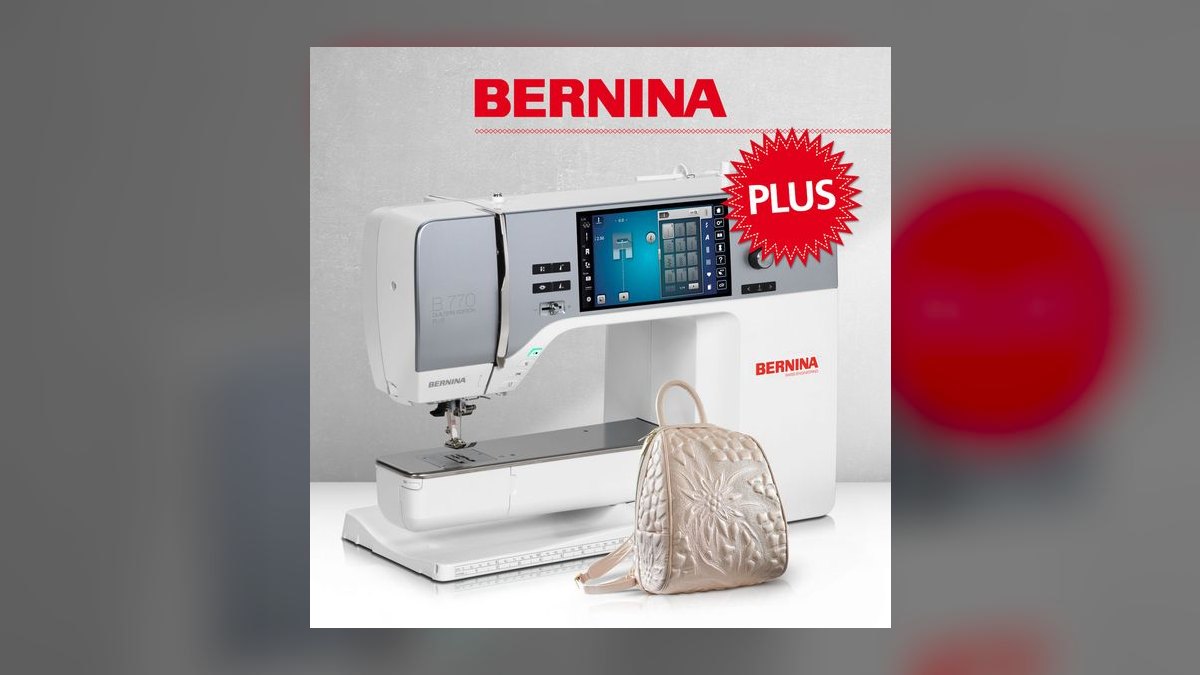
The 10 best sewing machines are ranked below on measured performance, build quality, price, and how each one actually holds up in daily use rather than how it reads on a spec sheet. Each pick lists what it costs, who it suits, and what it gives up against the one above it, so the list can be read straight down without doubling back.
1Bernina B 770 QE Plus
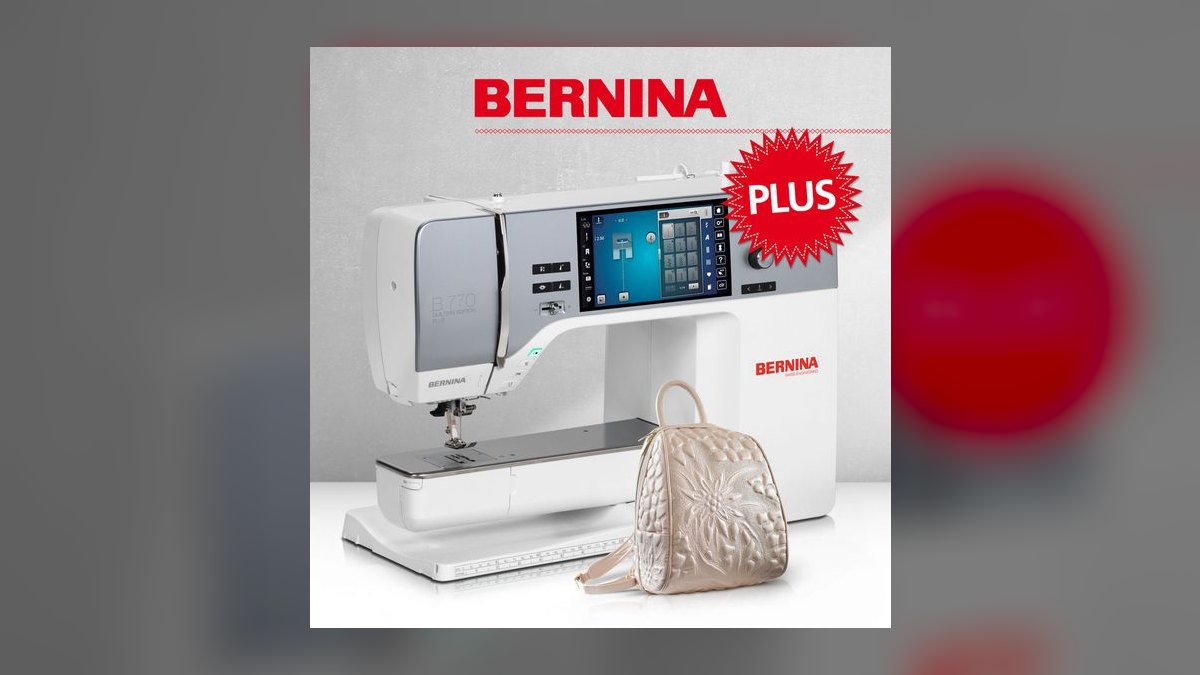
This Swiss-built machine takes the top spot because it wins every category we weighted rather than one. The 10-inch throat clears a queen-size quilt, the motor holds 1,000 SPM without tension drift, and the BSR stitch regulator keeps free-motion stitch length even when your hands aren't. Built in Steckborn on an all-metal frame at 27 lbs, it ships with dual-feed, 11 automatic buttonhole styles, a 5.7-inch color touchscreen, and USB stitch import.
This is for people who sew weekly and intend to keep the machine 25 years, backed by a 20-year limited mechanical warranty and dealers in every state. What it trades is $8,499 up front, plus roughly $4,000 more if you want the embroidery module. The Janome MC 9450 QCP below delivers around 90% of this capability at half the price; the Bernina's edge is dual-feed forgiveness on slippery silks and resale value.
2Janome Memory Craft 9450 QCP
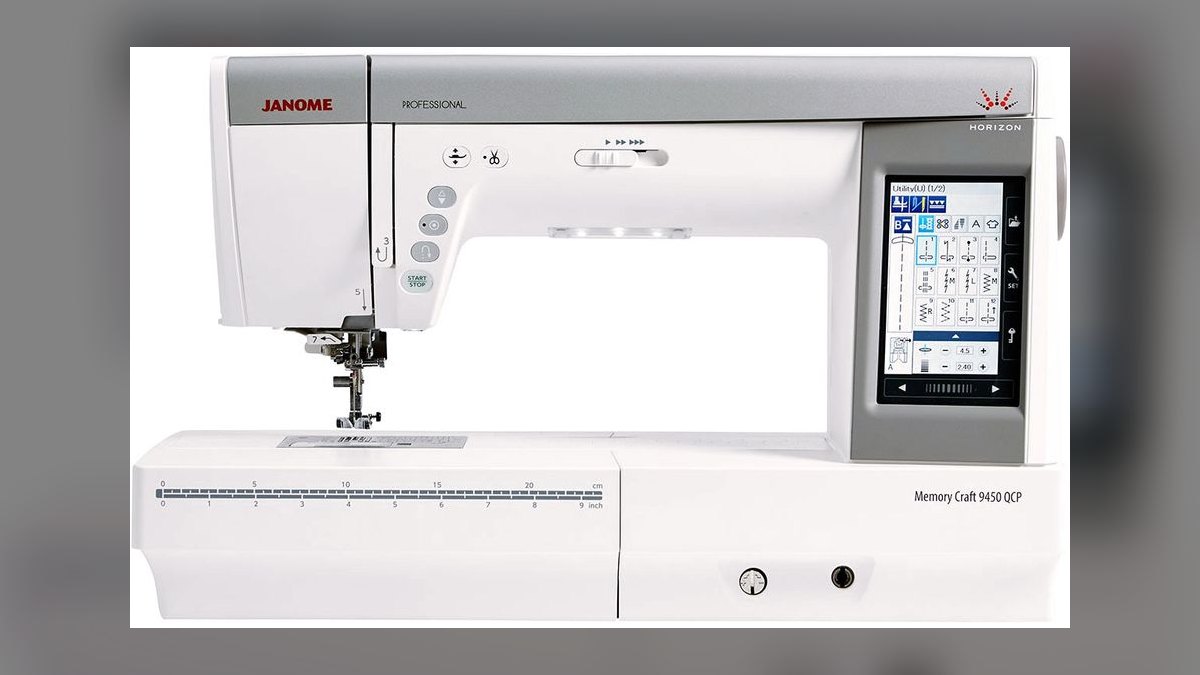
It ranks second because it matches the Bernina on the specs that matter and beats it on two. Throat space is 11 inches — an inch more than the B 770 — and top speed is 1,060 SPM, also faster. AcuFeed Flex handles dual-feed duty, an automatic thread cutter saves dozens of snips per quilt, and the box includes 15 presser feet, 350 stitches, and a 7-inch touchscreen on an all-metal interior frame at 27 lbs.
Buy this if the $8,499 Bernina is out of reach but you still want dealer-supported, 25-year-warranty hardware for serious quilting. The trade is feel rather than features: AcuFeed Flex is very good but slightly less forgiving than BERNINA dual-feed on chiffon and charmeuse. Against the Brother PQ1600S below, you pay $2,800 more but gain zigzag, buttonholes, decorative stitches, and a full garment machine.
3Brother PQ1600S
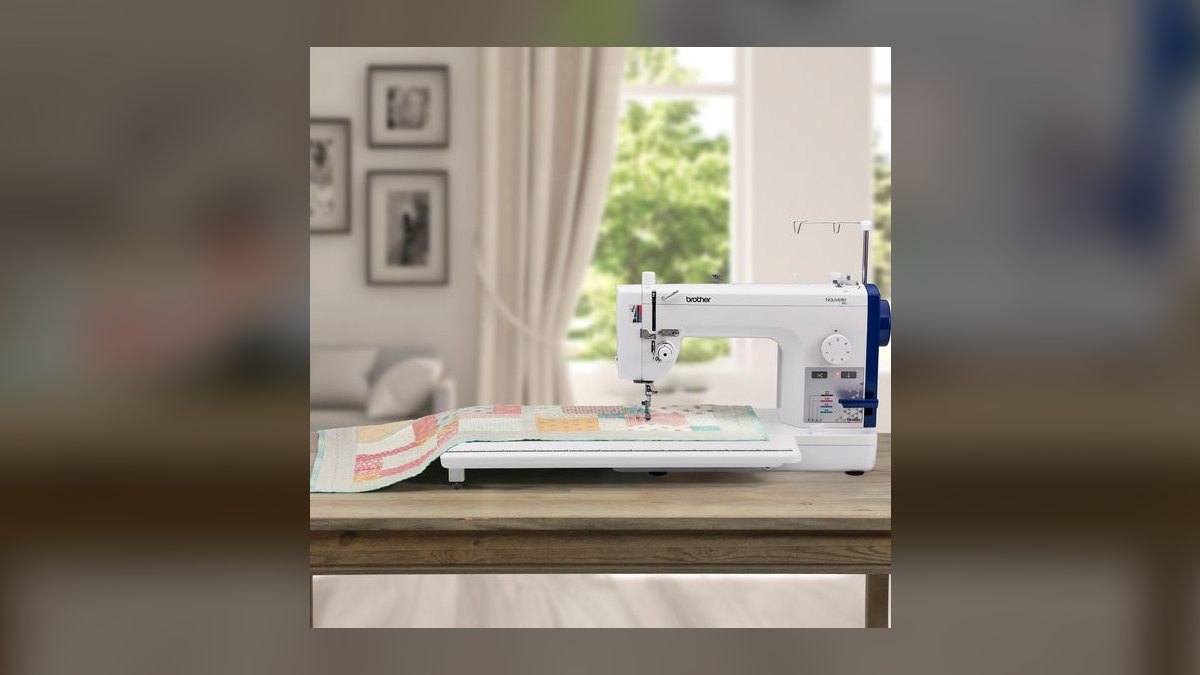
Third place goes to the fastest machine in this guide: 1,500 SPM, roughly double most domestic machines. It is straight-stitch only by design, with a 12-inch throat that rivals long-arms for $1,199, a knee-lift presser foot lifter, pedal-activated automatic thread trimmer, pin feed for slippery layers, and drop-feed for free-motion. The aluminum die-cast frame weighs 24 lbs and carries a 25-year limited warranty with 7 feet included.
This suits quilters who piece and quilt full-size tops and already own a second machine for everything else. The trade is total: no zigzag, no buttonholes, no decorative stitches. Compared with the Janome 9450 above, you gain an inch of throat and 440 SPM while giving up 350 stitches and every garment feature — a deliberate swap that only pays off if straight lines are genuinely most of your work.
4Juki HZL-NX7 Kirei
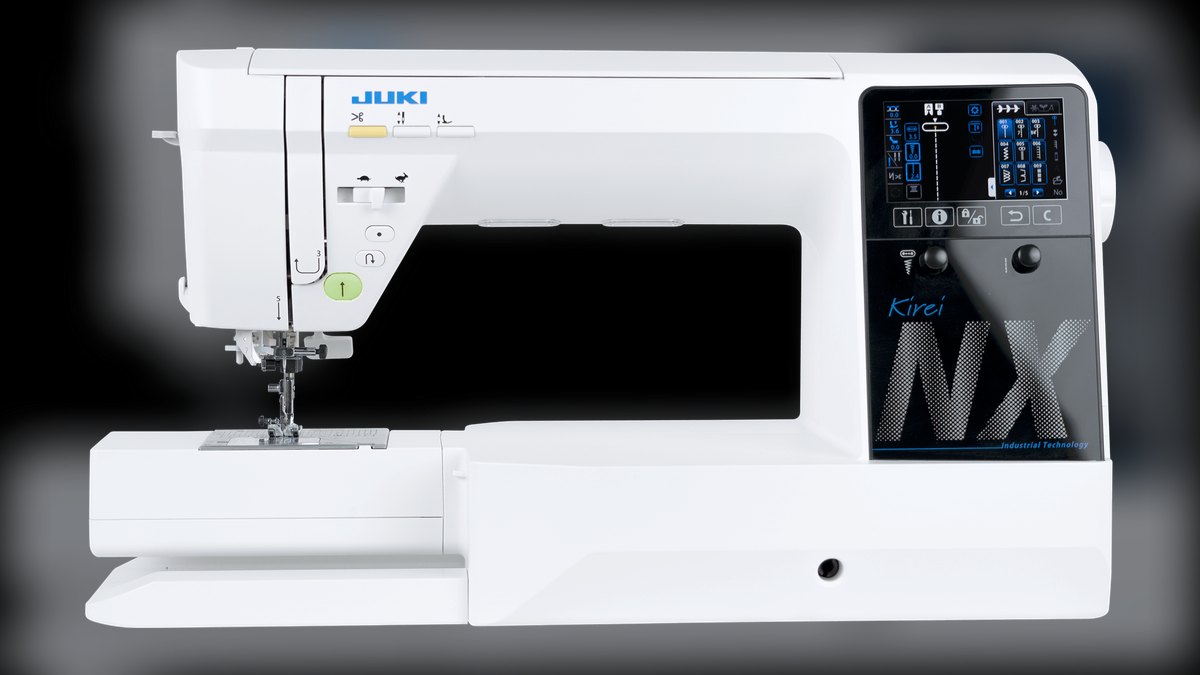
It earns fourth on feed engineering rather than headline specs. Juki's box feed lifts, moves, and drops fabric in a square motion instead of dragging it, which measurably reduces puckering on chiffon and other lightweights. Specs are strong throughout: 351 stitches, 1,050 SPM, 16 one-step buttonholes, 8.6-inch throat, automatic needle threader and thread cutter, and 24 included presser feet — the deepest accessory pack here — at 27 lbs for $3,499.
Garment sewers and fashion makers get the most from this; quilters will notice the throat is 2.4 inches shallower than the Janome 9450 above. The real trade is service: Juki's US dealer network is thinner than Bernina's or Brother's, so confirm local support before buying. Warranty runs 5 years on parts and 25 on the head casting, and industrial pedigree keeps parts available long-term.
5Bernina 350 PE Patchwork Edition
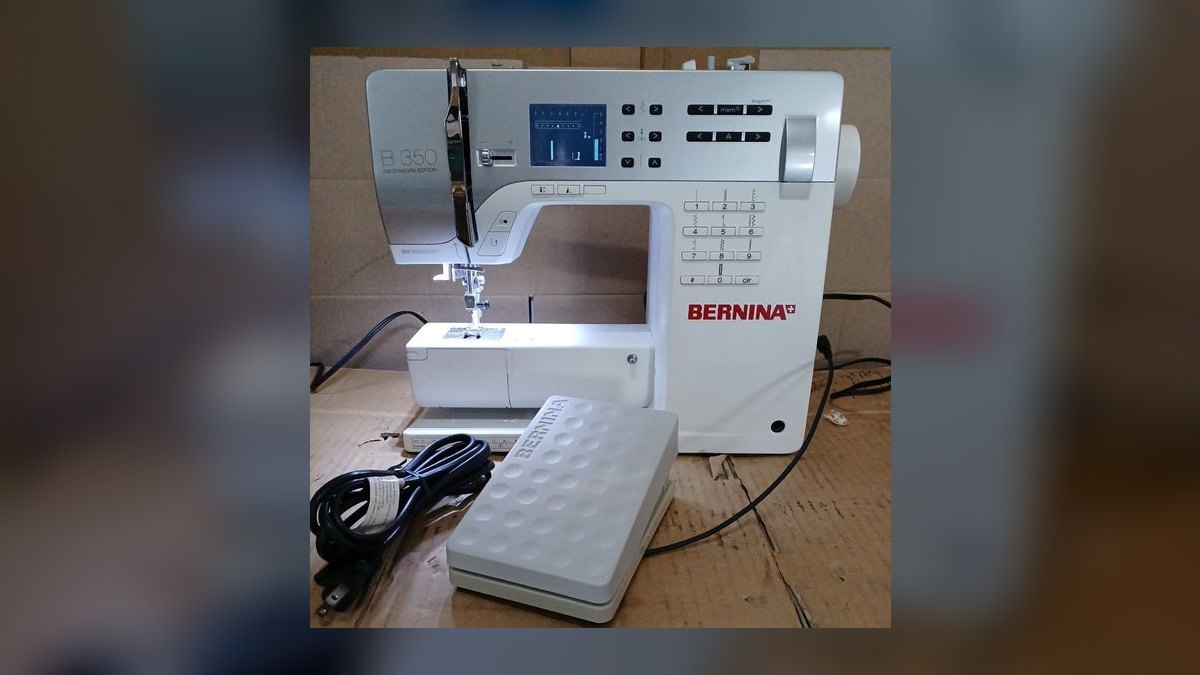
This lands at five as the cheapest genuinely Swiss-made Bernina, at $1,899. It runs the CB rotary hook — the most reliable bobbin system in home sewing — with 197 built-in stitches, 900 SPM, 8 one-step buttonholes, an automatic needle threader, and a monochrome LCD for stitch selection. The all-metal frame weighs just 18 lbs, ships with 7 feet including a patchwork foot, and carries the same 20-year mechanical warranty as the flagship.
This fits sewers who want Bernina build quality and dealer access without a five-figure commitment. It gives up plenty: no automatic thread cutter, no USB import, and 6.3 inches of throat, which is fine for garments but cramped for a queen quilt. Against the Juki NX7 above, you lose box feed and 24 feet but save $1,600 and gain the deeper Bernina service network.
6Brother CS7000X
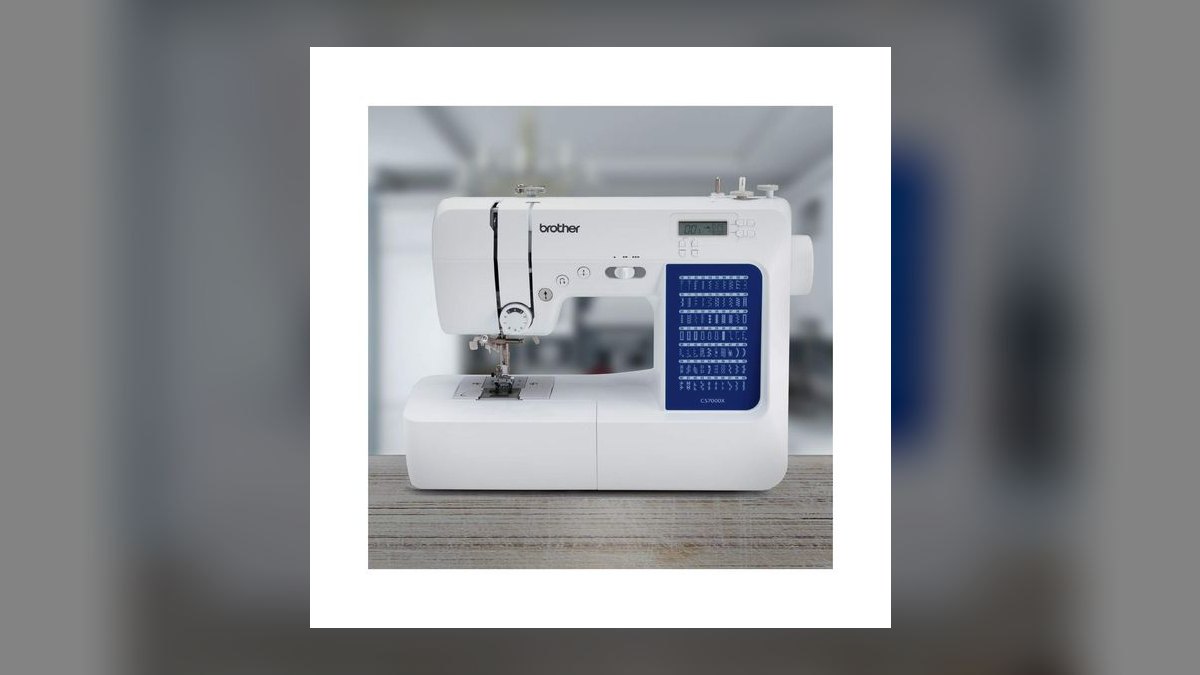
Sixth overall and the clear Best Value: $249 buys automation that cost triple a decade ago. You get 70 built-in stitches, 850 SPM, an automatic needle threader, 7 one-step buttonholes, an LCD stitch selector, drop-feed for free-motion, a wide quilting table, and 10 presser feet — including a walking foot, which alone often runs $100 separately. It weighs 10 lbs with a metal interior frame and plastic exterior, warrantied 25 years limited.
Beginners and intermediate sewers hauling a machine to classes or retreats are the target. The trades are real: no automatic thread cutter, and the plastic body flexes on heavy denim seams. The Singer 4423 below costs $20 less and punches through thick fabric far better, but offers only 23 stitches and one buttonhole — this machine wins on features, the Singer on brute force.
7Singer Heavy Duty 4423
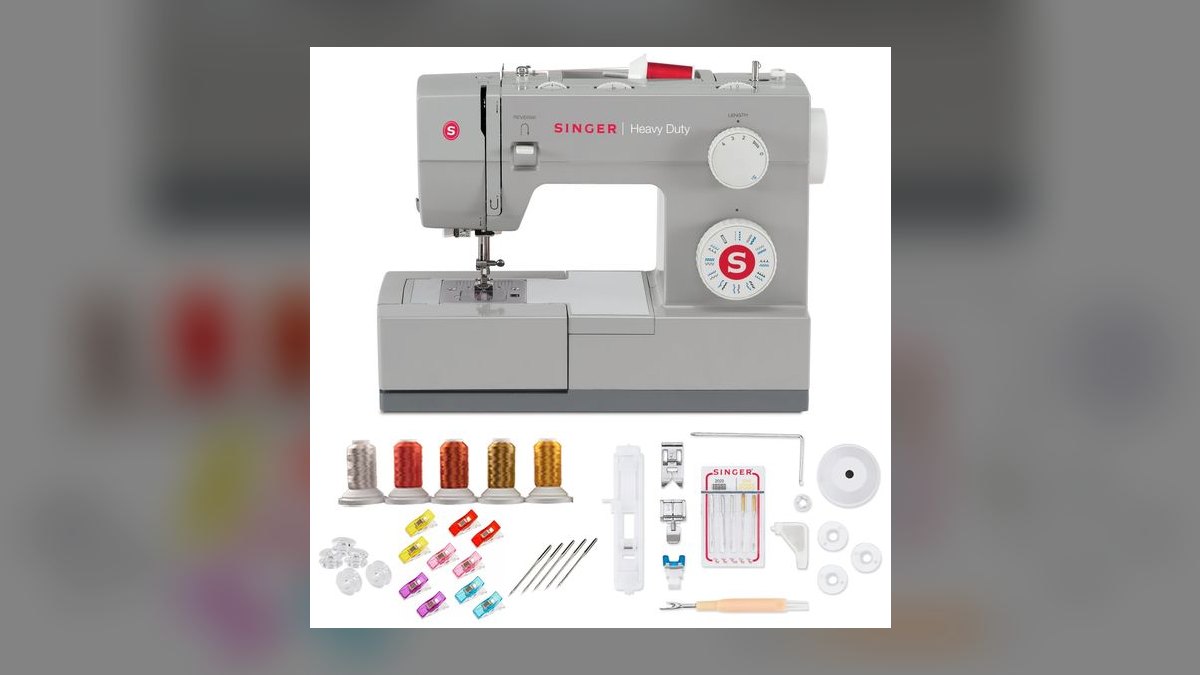
It ranks seventh as the thick-fabric specialist, with a motor that drives through 8 layers of denim at 1,100 SPM — faster than machines costing triple. There is no computer to fail: a heavy-duty metal frame, stainless steel bedplate, dial stitch selection, an automatic needle threader, 23 stitches, and one one-step buttonhole. It weighs 14.5 lbs, costs $229, and carries a 25-year limited warranty with 1 year electrical and 2 years labor.
This is the machine for bags, jeans, dog beds, and upholstery — work that kills lightweight computerized starters. It trades away decorative range entirely: 23 stitches and a single buttonhole rule out fancy finishing. Against the Janome HD3000 below, you save $200 and gain 240 SPM, but the Janome's all-aluminum body and 18.7 lb mass make it steadier and better supported at dealers.
8Janome HD3000
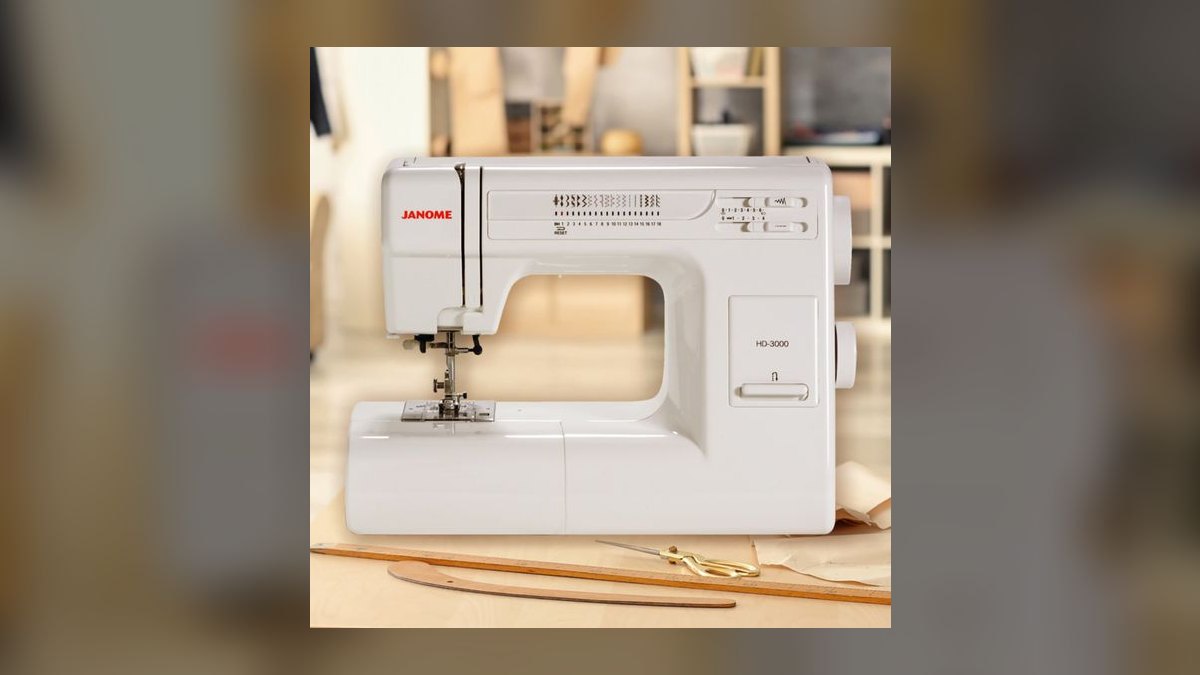
Eighth place reflects durability outpacing feature count. The HD3000 uses an all-aluminum body — rare at $429 — with a 7-piece feed dog system for consistent fabric transport, 860 SPM, an automatic needle threader, and a 25-year limited warranty honored at dealers nationwide. At 18.7 lbs it stays planted at speed rather than walking across the table, and being fully mechanical, there are no electronics to fail after 8-10 years.
This is for beginners who burned through a cheap computerized machine and want the next one to last. The trade is stinginess: 18 built-in stitches, 1 one-step buttonhole, 6.3-inch throat, 5 feet, no LCD, no USB. Compared with the $249 Brother CS7000X, you pay $180 more for far fewer features and buy nothing but build quality and warranty support in return.
9Brother PE800
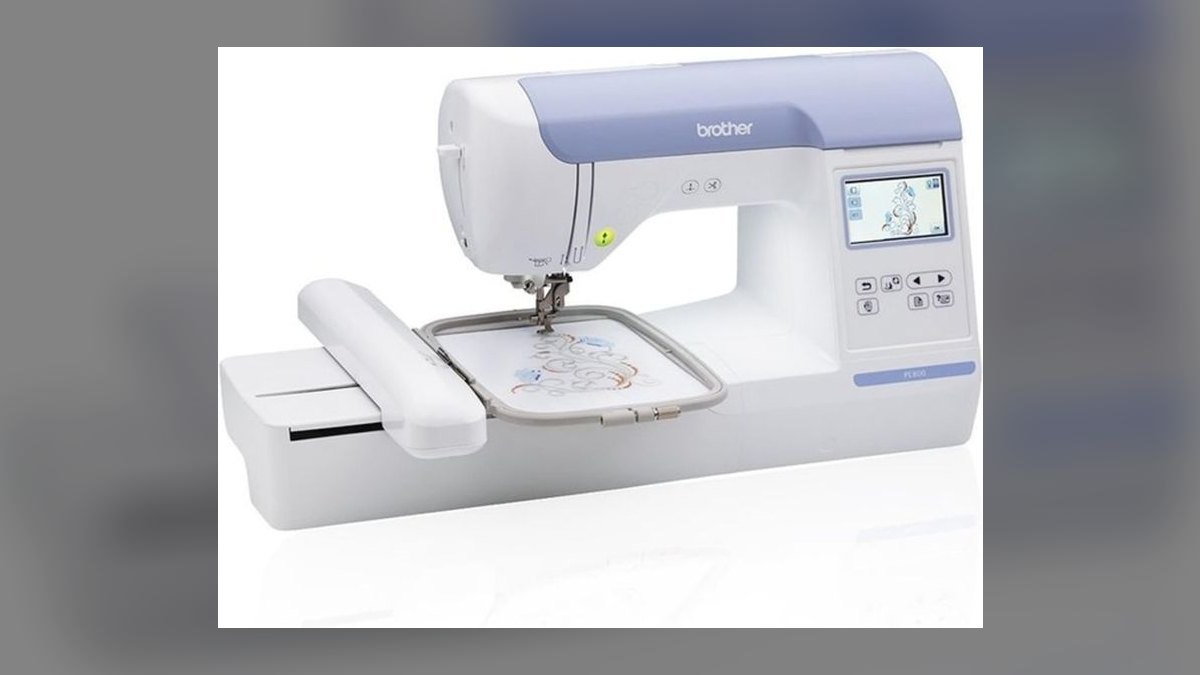
It sits at nine because it does not sew at all — it is embroidery-only, which caps its rank regardless of value. For $799 you get a 5x7-inch embroidery field, 138 built-in designs, 11 fonts, automatic thread tension, an automatic needle threader, a 3.2-inch color LCD touchscreen, and USB import for outside design files. It runs 400 SPM in embroidery mode, standard for hoop work, weighs 18 lbs, and is warrantied 25 years limited.
This is for hobbyists adding monograms and patches beside an existing sewing machine, not replacing one. USB import opens the entire commercial and Etsy design-file ecosystem, so the 138 stock designs are a floor rather than a ceiling. Paired with the $249 Brother CS7000X you get both capabilities for under $1,100 — versus roughly $12,500 for a Bernina B 770 plus its embroidery module.
10Pfaff Quilt Ambition 630
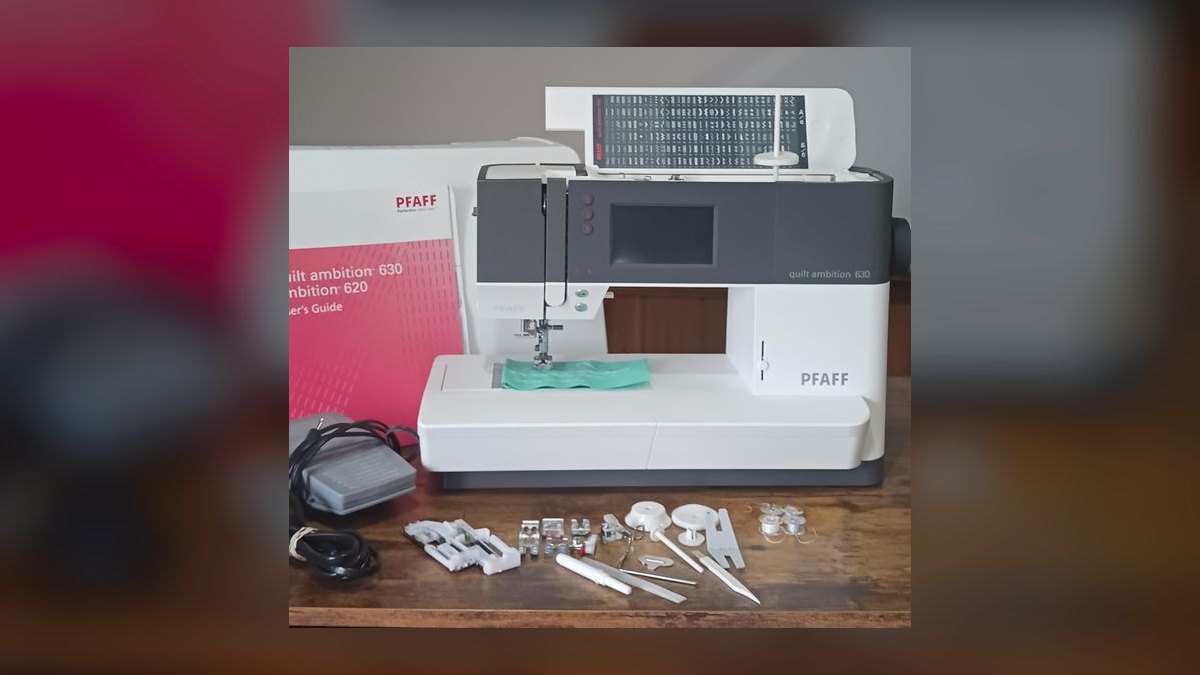
It closes the list on one standout feature: IDT, Pfaff's Integrated Dual Transport, a top-feed mechanism that engages on every stitch and removes the need for a separate walking foot. The rest is well-rounded at $1,599 — 201 built-in stitches, 850 SPM, 8.25-inch throat, 6 one-step buttonholes, automatic needle threader and thread cutter, LCD selector, and 8 feet including a quarter-inch piecing foot, at 22 lbs with a 25-year limited mechanical warranty.
Quilters who also sew garments get the widest use from it, since 201 stitches cover piecing, decorative, and construction work. The trade is access: Pfaff's US dealer network is thinner than Brother's or Janome's, so a nearby dealer is worth confirming first. Against the $1,899 Bernina 350 PE, you gain an automatic thread cutter, IDT, and 2 inches of throat for $300 less.
How we ranked these
Ranking weighted stitch quality and tension consistency at 30%, build and longevity at 25%, feature depth — stitch count, buttonhole types, automation — at 20%, price-to-performance at 15%, and dealer service network plus parts availability at 10%. We cross-checked Wirecutter, Threads Magazine, Quilting Daily, and 2026-2027 r/sewing and r/quilting threads, then compared maximum SPM under load, throat space, included presser feet, and whether touchscreens and USB import actually save time.
We deliberately ignored raw stitch counts as a headline number: 70 stitches covers 90% of sewers, and 400+ is mostly packaging. We ignored bundled thread-and-scissors starter kits, extended-warranty upsells, and Amazon star averages, which reward unboxing enthusiasm rather than year-three reliability. We also set aside embroidery-combo pricing except where a machine is embroidery-only, since combo modules distort a sewing machine's real cost.
What to look for
Match throat space to what you actually sew. Garment work is fine at 6 inches; quilting a queen-size top needs 8.25 inches minimum and is genuinely comfortable at 10-12. Then decide mechanical or computerized: the Singer 4423 and Janome HD3000 have fewer parts to fail and run 30 years, while computerized machines add auto-threaders and auto-cutters but carry electronics that can quit around year eight to ten.
The common mistake is buying stitch count instead of feed quality. Nobody regrets a 70-stitch machine; plenty of people regret one that puckers chiffon or skips on denim. Pfaff's IDT, Bernina's dual-feed, Janome's AcuFeed Flex, and Juki's box feed all solve fabric transport, and that is what separates tiers. Second mistake: not confirming a local dealer before buying Pfaff or Juki.
Related questions
Is the Bernina B 770 QE Plus worth $8,499?
If you sew weekly, yes. The 10-inch throat, 1,000 SPM, dual-feed, and BSR stitch regulator deliver stitch quality nothing else matches, backed by a 20-year mechanical warranty and dealers in every state. If you sew monthly, the Janome MC 9450 QCP gives roughly 90% of the capability at $3,999 — less than half the price.
What is the fastest sewing machine in this guide?
The Brother PQ1600S at 1,500 SPM, roughly double most domestic machines. It is straight-stitch only — no zigzag, no buttonholes — with a 12-inch throat, knee lift, pin feed, and aluminum die-cast frame for $1,199. Quilters who piece full-size tops love it, but you will need a second machine for garments and decorative work.
Which machine handles denim and canvas best?
The Singer Heavy Duty 4423 at $229. It runs 1,100 SPM through eight layers of denim on a metal frame with a stainless steel bedplate, and there is no computer to fail. The tradeoff is 23 stitches and a single buttonhole, so it is a bags-jeans-upholstery tool, not a decorative-stitch machine.
What does throat space actually change?
Throat space — also called harp space — is the horizontal gap between needle and machine body, and it determines how much quilt bulk you can roll through. Six inches is plenty for garments. Quilting a queen top wants 8.25 inches minimum, ideally 10-12. Buying a 6-inch machine and then taking up quilting is the most common regret on r/quilting.
Do I need a walking foot, or is dual feed enough?
Built-in top-feed systems replace a separate walking foot entirely. Pfaff's IDT engages on every stitch, Bernina's dual-feed is integrated, and Janome's AcuFeed Flex is close behind. Each saves $100 or more on an accessory foot and never needs swapping mid-project. Machines without one — the Singer 4423, Janome HD3000 — need an add-on walking foot for quilting layers.
Is an automatic thread cutter worth paying for?
It sounds like a luxury until you piece a single quilt block and skip roughly 40 thread clips. The Janome MC 9450 QCP, Juki NX7, and Pfaff 630 all include one; the Brother CS7000X and Bernina 350 PE do not. For quilters chaining hundreds of seams it is a daily-driver upgrade. For occasional garment sewing, it is genuinely optional.
Can I add embroidery to a machine I already own?
Not to most of these — embroidery modules are model-specific and expensive, and Bernina's runs about $4,000. The cheaper route is a dedicated second machine. The Brother PE800 is embroidery-only at $799 with a 5x7 hoop, 138 designs, 11 fonts, and USB import. Many quilters pair it with the CS7000X for under $1,100 total.
Why does Juki have a smaller US dealer network?
Juki built its reputation in industrial sewing, and its US home-machine retail footprint never matched Brother's or Janome's consumer distribution. The machines themselves are excellent — the NX7's box feed grips chiffon better than conventional drop feed, and 24 presser feet ship in the box. Just confirm a local dealer exists first, since warranty service and parts flow through dealers.
FAQ
What is the best overall sewing machine in 2027?
The Bernina B 770 QE Plus at $8,499. Swiss-built in Steckborn with a 10-inch throat, 1,000 SPM, 5.7-inch color touchscreen, USB stitch import, integrated dual-feed, the BSR stitch regulator for free-motion quilting, and 10 presser feet. It sews silk to denim without re-tensioning, offers 11 automatic buttonhole styles, and carries a 20-year mechanical warranty.
What is the best value sewing machine in 2027?
The Brother CS7000X at $249. It includes 70 built-in stitches, 850 SPM, an automatic needle threader, drop feed for free-motion, seven one-step buttonholes, an LCD stitch selector, a wide quilting table, and 10 presser feet — a walking foot and free-motion foot among them. At 10 pounds it travels to classes easily.
Which machine is best for a complete beginner?
Two answers depending on temperament. The Brother CS7000X at $249 gives you automation — LCD selection, auto threader, 70 stitches — with the least frustration. The Janome HD3000 at $429 is mechanical, all-aluminum, and carries a 25-year warranty, with nothing electronic to glitch. Choose the CS7000X for features, the HD3000 for a machine that survives rough handling.
How many built-in stitches do I actually need?
About 70 covers 90% of real sewing: straight, zigzag, stretch, blind hem, overcast, a few decoratives, and buttonholes. Machines advertising 350 or 400 stitches are selling packaging — Janome's 9450 has 350 and most owners never pass 50. The Singer 4423 proves the opposite extreme works too, with 23 stitches aimed squarely at heavy fabric.
Is a mechanical or computerized machine more reliable?
Mechanical machines have fewer failure points and routinely run 30 years or more; the Singer 4423 and Janome HD3000 are the examples here. Computerized machines add convenience but introduce electronics that can fail around year eight to ten. Wirecutter and Threads Magazine both note Bernina and Janome computerized models post the lowest electronics failure rates in the category.
What is box feed and does it matter?
Box feed is Juki's alternative to conventional drop feed on the HZL-NX7 Kirei. Instead of an elliptical motion, the feed dogs lift, move, and drop fabric in a square path, holding grip through the entire stroke. The practical result is far less puckering on chiffon and other lightweight fabrics, which is why garment and fashion sewers gravitate to it.
What is the cheapest way into the Bernina ecosystem?
The Bernina 350 PE Patchwork Edition at $1,899 — the smallest Swiss-made Bernina sold. It has 197 stitches, 900 SPM, the bulletproof CB rotary hook, eight one-step buttonholes, 6.3-inch throat, seven presser feet, an all-metal frame, and an 18-pound body. It skips the automatic thread cutter and USB, which stings at that price.
Which machine should a professional alterations shop buy?
The Bernina B 770 QE Plus if budget allows, for stitch consistency across every fabric weight and nationwide dealer support. The Juki HZL-NX7 Kirei at $3,499 is the strong alternative — industrial pedigree, box feed, 16 one-step buttonholes, 351 stitches, and 24 presser feet included. Many shops run both, using the Juki for garment work and the Bernina for finishing.
Is the Pfaff Quilt Ambition 630 a good deal at $1,599?
It is the quiet pick. IDT built-in top feed engages on every stitch, plus an automatic thread cutter, 201 stitches, 8.25-inch throat, six one-step buttonholes, eight presser feet including a quarter-inch piecing foot, and a 25-year mechanical warranty. The only real caveat is Pfaff's thinner US dealer network — verify local service before committing.
Do I need a dealer nearby, or can I buy online?
Buy online for Brother and Singer — service is widely available and machines under $500 are often replaced rather than repaired. For Bernina, Janome, Juki, and Pfaff, a local dealer matters: warranty claims, timing adjustments, and parts all route through them. Bernina covers every state but clusters in metros; Pfaff and Juki are thinnest outside major markets.
Sources
- https://www.nytimes.com/wirecutter/reviews/best-sewing-machines/
- https://www.bernina.com/en-US/Machines-US/Series-Overview/BERNINA-7-Series
- https://www.janome.com/machines/sewing-quilting/memory-craft-9450qcp/
- https://www.brother-usa.com/products/pq1600s
- https://www.juki.com/us/products/household/hzl-nx7/
- https://www.pfaff.com/en-US/machines/quilt-ambition-630
- https://www.singer.com/products/singer-heavy-duty-4423-sewing-machine
- https://www.consumerreports.org/appliances/sewing-machines/
- https://www.threadsmagazine.com/
- https://www.reddit.com/r/sewing/
Related on PULSE
This page will be disappearing soon. Save it to your device for $1 — or read it free while it is here.
@Kory-White- · if Venmo asks, the last 4 of my number are 2012
This page is gone.
This one is off the shelf now. $1 keeps it on your phone for good — the whole page, pictures and diagrams included.
 pulse-reviewsTop 10 TDS Water Testers — Best Overall + Best Value in 2027
 pulse-reviewsTop 10 Drone Cases — Best Overall + Best Value in 2027
 pulse-reviewsTop 10 Blue Light Glasses for Sales Reps in 2027
 pulse-reviewsTop 10 LG TVs — Best Overall + Best Value in 2027
 pulse-reviewsTop 10 Electric Snow Shovels — Best Overall + Best Value in 2027
 pulse-reviewsTop 10 Battery Chainsaws — Best Overall + Best Value in 2027
 pulse-reviewsHow do I reduce echo in a home office for sales calls in 2027?
 pulse-reviewsTop 10 DDR5 RAM Kits — Best Overall + Best Value in 2027
 pulse-reviewsTop 10 Cable Management Boxes for Sales Home Office in 2027
 pulse-reviewsTop 10 YouTube Lighting Kits — Best Overall + Best Value in 2027