


Top 10 Continuous Video Lights — Best Overall + Best Value in 2027
Quality
Certified
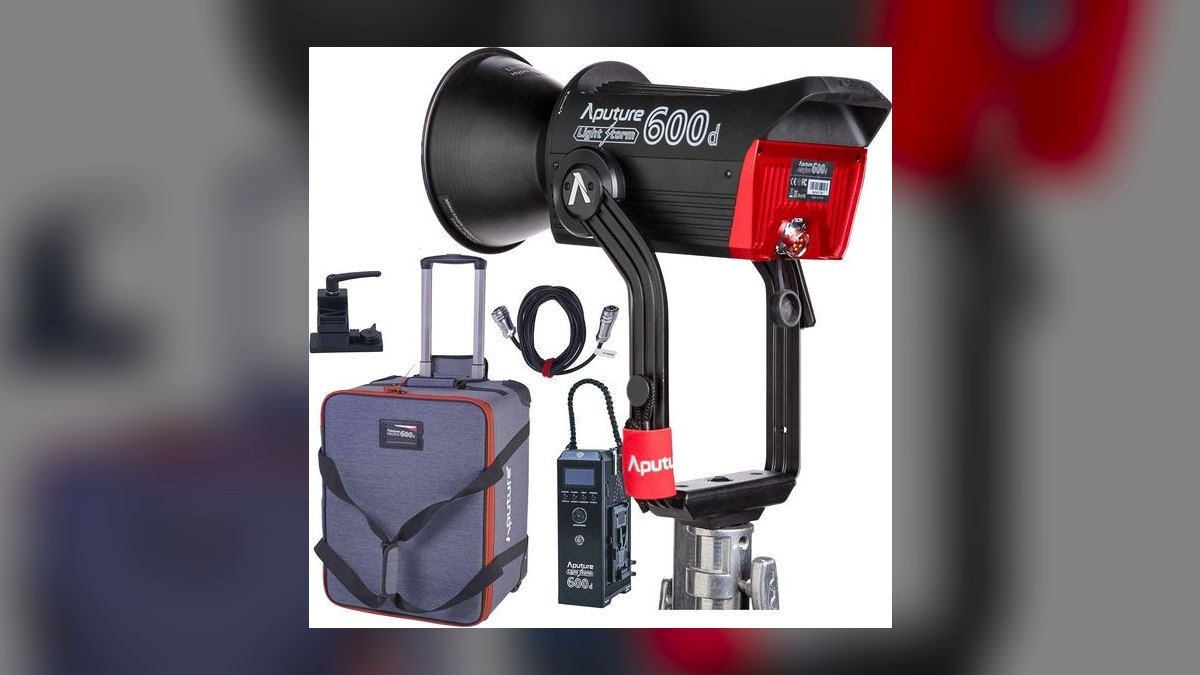
The 10 best continuous video lights are ranked below on measured performance, build quality, price, and how each one actually holds up in daily use rather than how it reads on a spec sheet. Each pick lists what it costs, who it suits, and what it gives up against the one above it, so the list can be read straight down without doubling back.
1Aputure LS 600d Pro II
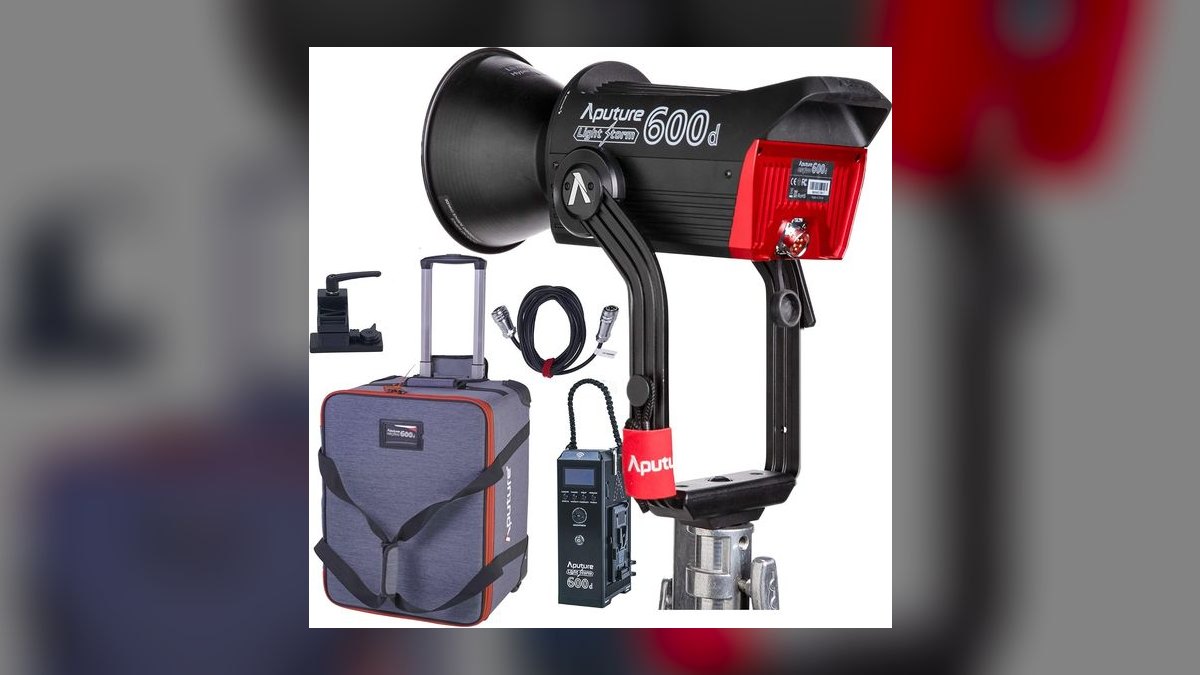
It ranks first because no other light on this list pairs 600W of daylight output with a fan mode that disappears on a dialogue set. The COB draws 720W to deliver 27,500 lux at 1m with the hyper reflector and over 108,000 lux at 3m behind the Fresnel 2X. Color measures CRI 96, TLCI 97, SSI daylight 85. A 0 dB silent mode holds 60% output indefinitely.
Built for indie filmmakers and commercial shooters running one daylight workhorse through 6x6 diffusion. The trade is bulk: 8.4 kg across head and ballast demands a heavy C-stand and a second case. Against the Nanlite Forza 720B below it, the Aputure gives up bicolor tunability and raw Fresnel lux but wins on silent-mode noise, Bowens modifier depth, and a 2-year warranty with IP54 sealing.
2Nanlite Forza 720B Bicolor
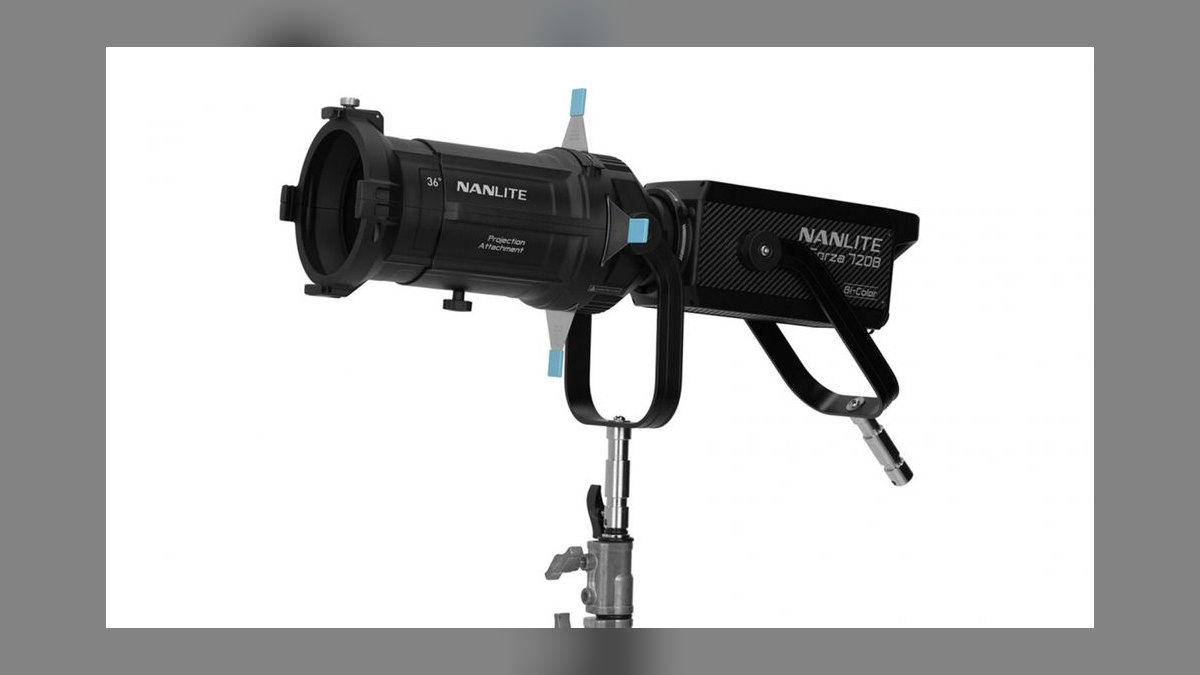
Second place goes to the only 720W bicolor COB here that actually out-throws the flagship at distance — 34,290 lux at 1m with the FL-20 Fresnel. The 2700K–6500K range holds CRI 96 and TLCI 98 across the full curve, slipping only slightly at extreme tungsten. It costs $1499, four hundred less than the winner. A smart fan auto-throttles by output, with the quietest mode near 22 dB.
This is the pick for mixed-color sets swinging tungsten to daylight in seconds without gel bags. Effects modes cover lightning, fire, paparazzi, TV, and fireworks despite no native RGB. Control spans 2.4G wireless, DMX, Bluetooth, and Nanlink. The cost is luggage: the AC ballast is a second piece of gear, and it never reaches the 600d Pro II's true silent floor for boom-mic work.
3Aputure LS 300d Mark II
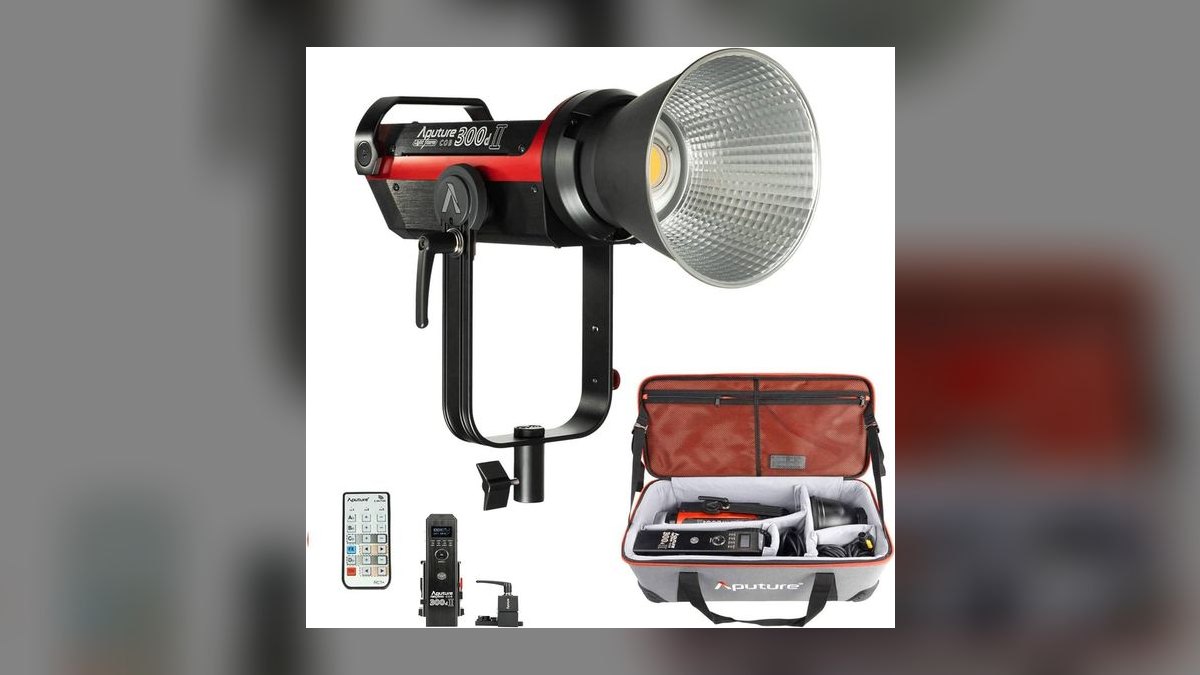
Third because it delivers flagship color science at half the weight and $1099 — the 350W COB that became the indie-film standard. It measures 45,000 lux at 1m with the included hyper reflector, CRI 96, TLCI 96, SSI daylight 86. The single-cable design drops the separate ballast entirely, so one C-stand carries the whole rig. Fan noise falls inaudible in stealth mode under 50% output.
Aimed at solo shooters who rig alone and need reliability over raw punch. The trade is fixed 5500K: mix in 3200K practicals and you are CTO-gelling all day, which the bicolor Forza 720B above solves outright. Bowens mount, Sidus Link, DMX, eight effects, and 48V dual V-mount operation all carry over. It holds resale value better than anything else here.
4Hobolite Mini
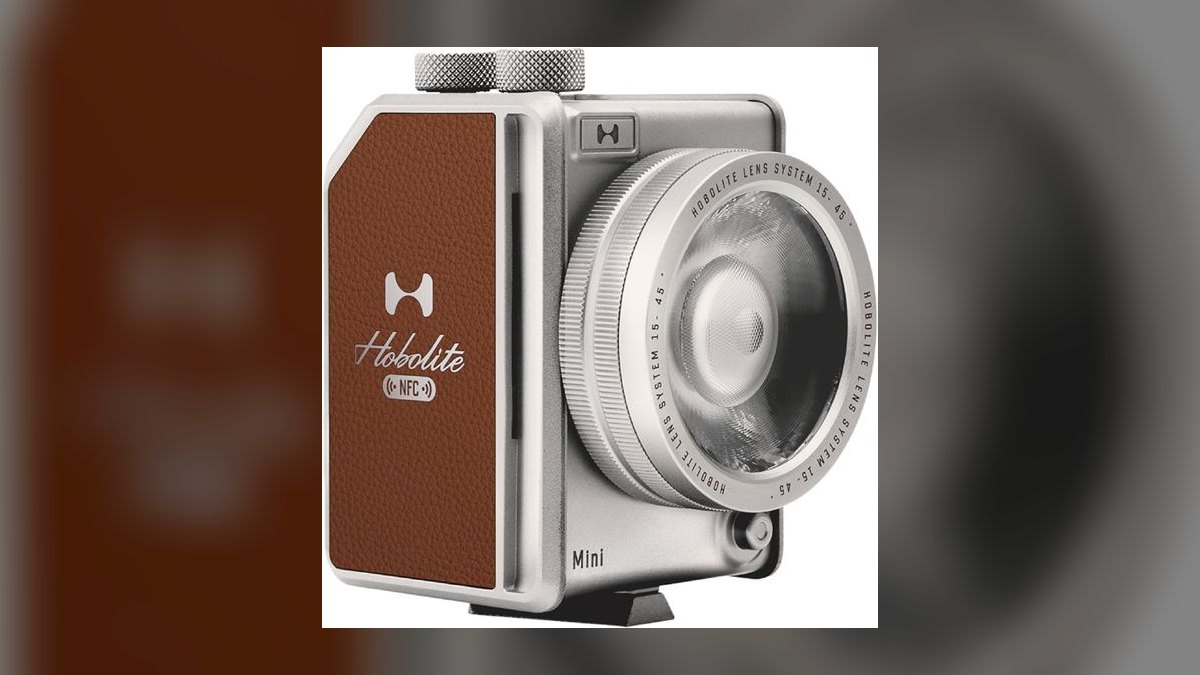
Fourth for build and color per cubic inch — a 30W bicolor COB inside a walnut, brass, and aluminum body at $699. It spans 2700K–6500K with CRI 96 and TLCI 98, putting out 3,800 lux at 0.5m. A mini Bowens-style mount takes the brand's own softbox, barn doors, snoot, and projection optics. USB-C PD runs it off a laptop brick or roughly 60 minutes on internal battery.
For premium creators shooting podcasts and product work where the light appears on camera as an object. The trade is obvious: 30W caps it to small subjects and tight spaces, so it keys a face or accents a bottle but never fills a room. Compared with the Nova P600c below, it costs a fifth as much and gives up every color and output advantage for portability and finish.
5Aputure Nova P600c RGB
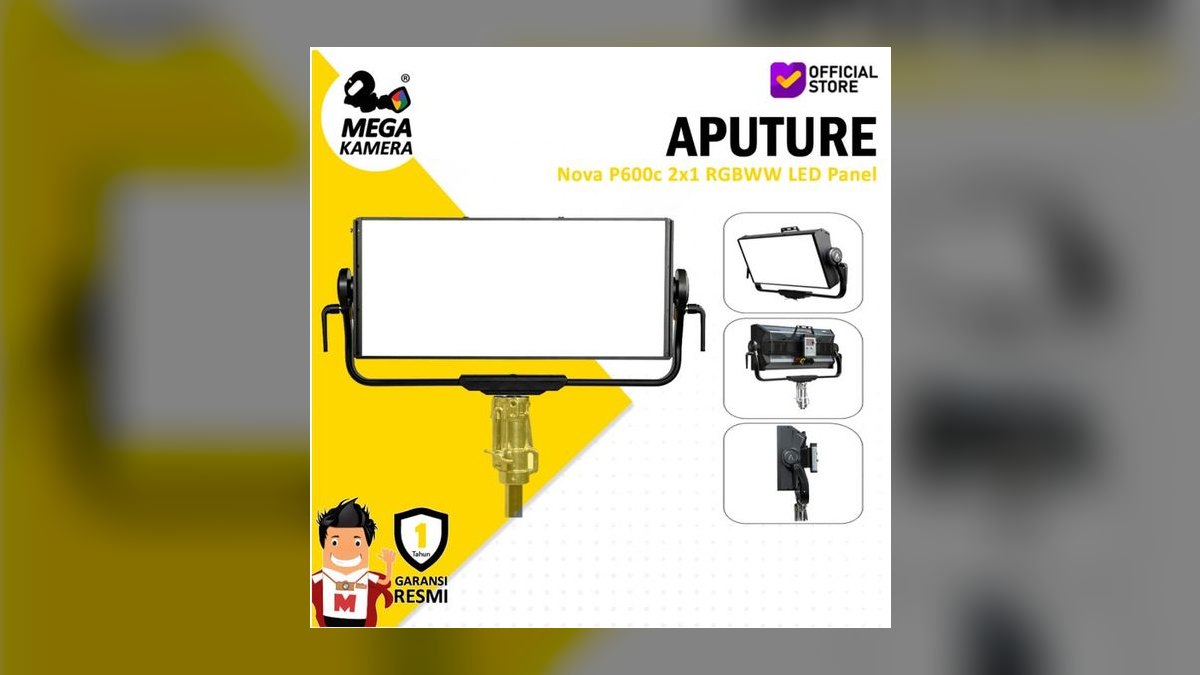
Fifth because $3399 buys broadcast-grade RGB rather than more raw output. The 600W full-spectrum RGBWW panel covers 2000K–10000K, 0–360° hue, and 0–100% saturation at CRI 96 and TLCI 98, with 6,150 lux at 3m at 5600K from the 1x2 format. Control runs DMX/RDM, Art-Net, sACN, Sidus Link, Bluetooth, and wired. Fifteen effects include cop car, lightning, neon, and club.
Made for music videos, commercials, and narrative sets where colored practicals and window gels are part of the look. The cost is 15 kg and the price — genuine overkill for talking-head work that the LS 300d Mark II handles for a third of the money. Pixel-mappable zones, a Bowens adapter, the Nova softbox ring, and a yoke-mounted V-mount plate come standard.
6Amaran 200d
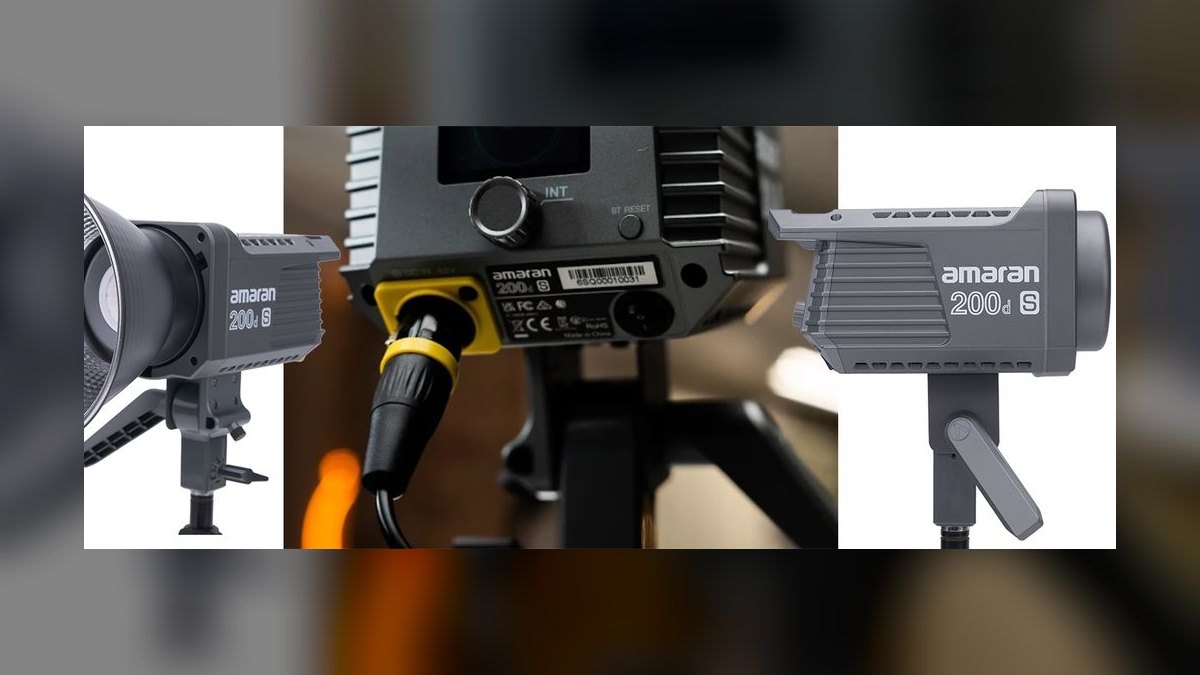
Sixth overall and the value winner: $329 for a 200W daylight COB hitting 51,500 lux at 1m with the included reflector, more punch at that distance than the $1099 LS 300d Mark II. Color lands at CRI 95+ and TLCI 96+ — a hair behind the LS line but squarely pro-grade. The Bowens mount accepts every Aputure Light Dome, Octa, and Fresnel directly. Single-cable AC, nine effects, Sidus Link.
Built for YouTubers and indie shooters needing real cine-grade output on a starter budget. The trades are plastic construction instead of the LS line's metal, no DMX, and a one-year warranty — fine solo, weak for a rental house. Against the Godox SL150W II below, it costs $60 more and returns a quieter adaptive fan plus the far more polished Sidus Link app.
7Godox SL150W II
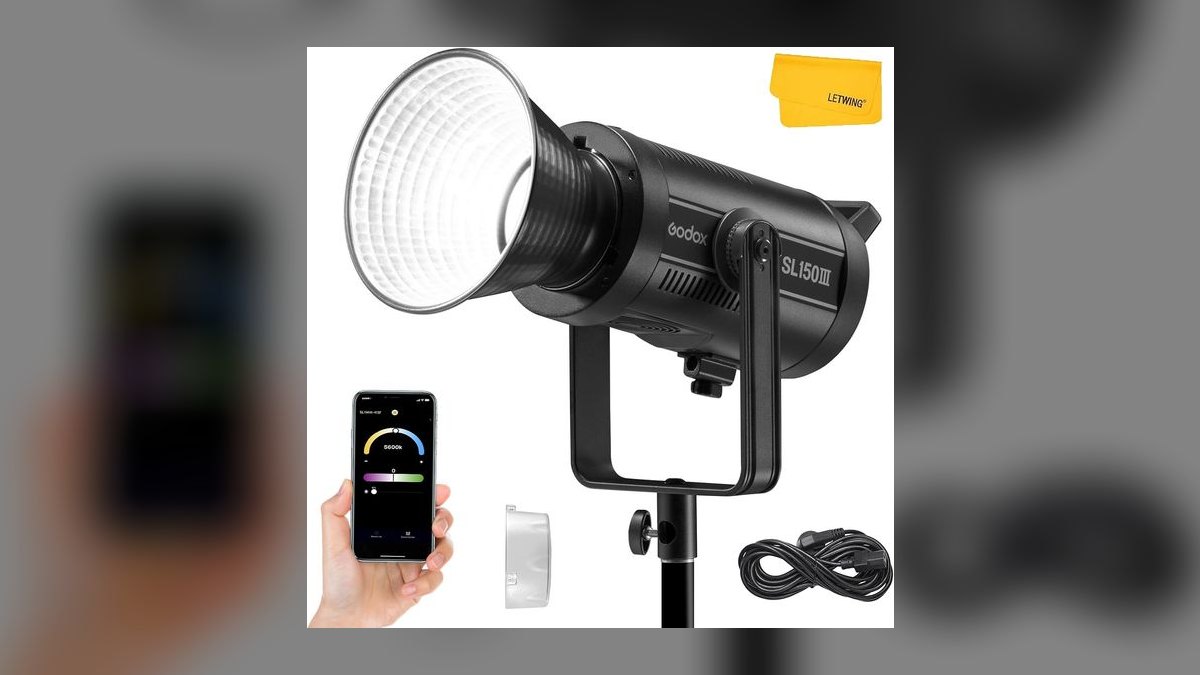
Seventh at $269 because it is the cheapest legitimate Bowens-mount COB worth owning. The 150W daylight head measures CRI 96 and TLCI 97 and throws 58,000 lux at 1m with the bundled reflector. Godox's accessory ecosystem — S-type brackets, parabolics, snoots — mounts directly. Control comes via the Godox Light Bluetooth app plus an included 2.4G remote, with 0–100% smooth dimming and built-in FX.
For beginners stepping up from speedlights who want a bright, fixed 5600K key. The trade is noise: roughly 30 dB at full output rules it out for boom-mic dialogue, though stealth mode under 50% is workable. The app never matches Sidus Link's polish. The Amaran 200d above costs $60 more and fixes both complaints while joining the Aputure modifier ecosystem.
8Nanlite PavoTube II 30C
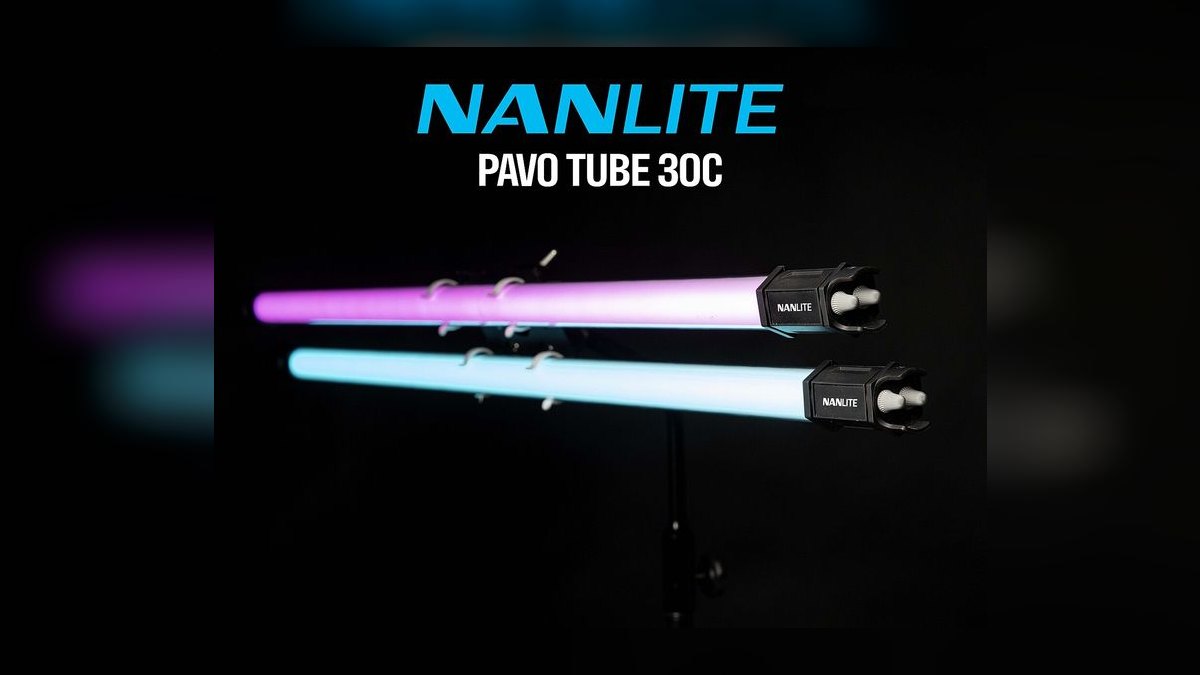
Eighth because a 120cm full-color RGBWW tube does something no COB here can — live inside the frame. The 30W fixture covers 2700K–7500K plus 0–360° hue at CRI 95 and TLCI 96, with a 320° wraparound beam. Output is a modest 800 lux at 1m at 5600K. The internal battery runs about 60 minutes at full or roughly three hours dimmed, at $229.
For bouncing color into frame, hiding practicals, and BTS rim lighting. The trade is output: this is a fill or effect light and never a key, which is exactly the opposite of the SL150W II above it. Magnetic end caps, 1/4-20 points, a 2-pin pole socket, Bluetooth app, 2.4G, optional DMX adapter, and fifteen effects make placement effortless.
9amaran 60D LED
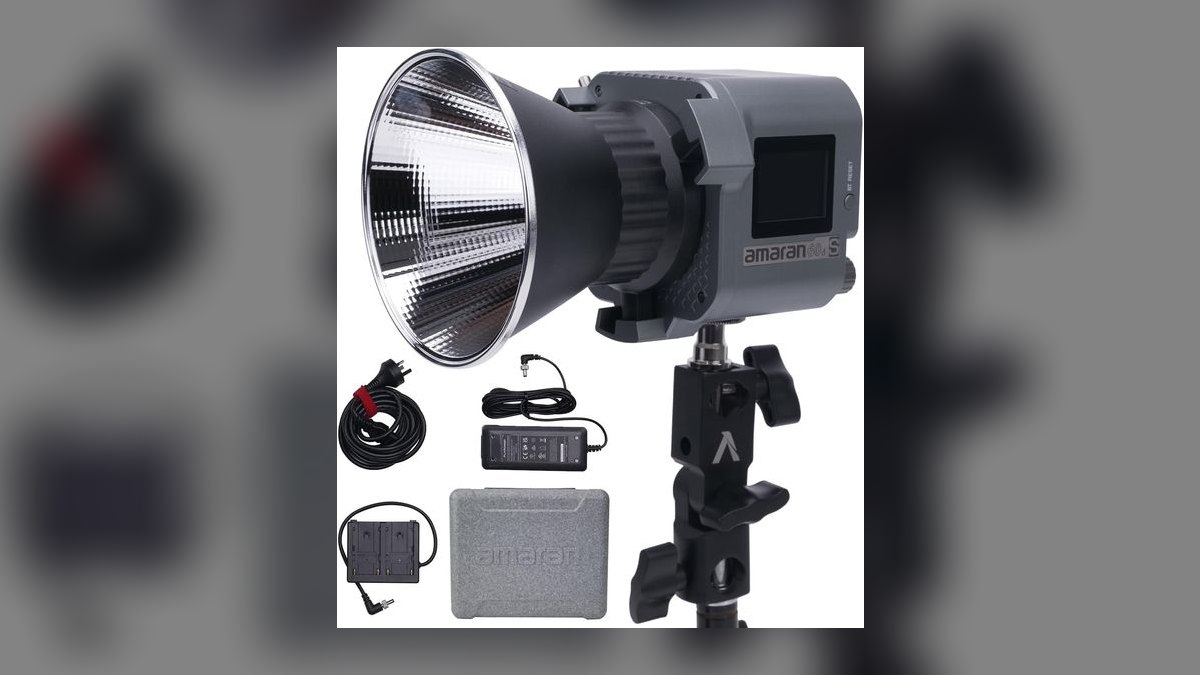
Ninth because $199 buys a genuinely silent 60W daylight COB at CRI 95+ and TLCI 96+, throwing 24,500 lux at 1m with the reflector. USB-C PD input lets it run from a 65W laptop brick, which reshapes what a travel kit weighs. Sidus Link app control, eight effects, and a stealth-mode fan that disappears on talking-head audio round it out at fixed 5600K.
For vloggers and podcasters needing a quiet, soft daylight key under $200. The trade is the mini-Bowens mount: direct fit is limited to amaran's smaller modifier line, and a Light Dome III needs an adapter. Against the PavoTube II 30C above, it produces far more usable key light but cannot sit in frame or change color without gels.
10Nanlite Forza 60B II Bicolor
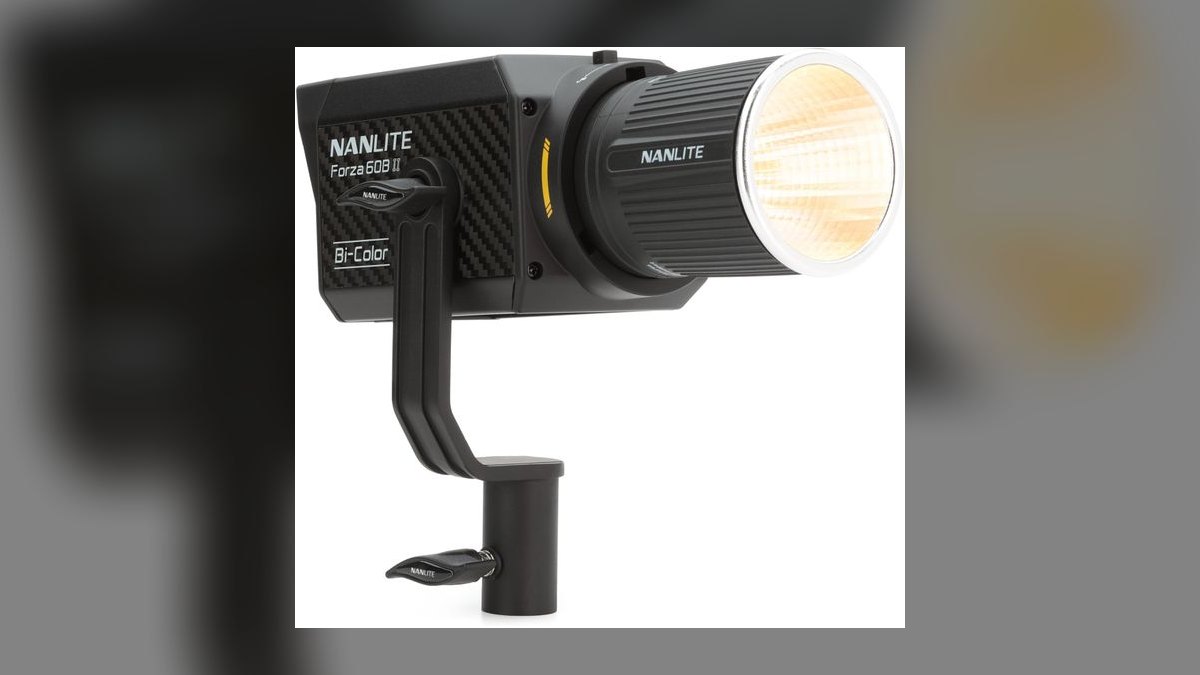
Tenth despite the best color numbers on the list — CRI 98 and TLCI 98 from a 70W bicolor COB weighing 0.7 kg. It tunes 2700K–6500K and outputs 14,690 lux at 1m at 5600K, well under the daylight-only units ranked above. Price is $379. An NP-F battery slot takes Sony L-series cells, USB-C PD works as an alternate input, and seventeen effects include a rare explosion cue.
Built for travel kits, B-cam fill, and gimbal work where every gram counts. The trade is output: bicolor LEDs always give up punch for tunability, so the $199 amaran 60D above beats it on raw lux for far less money. Bowens mounting requires the included adapter. App and 2.4G control plus an adaptive fan keep it practical on location.
How we ranked these
Weighting followed what actually shows up in footage. Color rendering (CRI 95+, TLCI 96+) carried 30% — a bright fixture that skews magenta costs more in the grade than it saves in setup. Output measured as lux at 1m and 3m took 20%, fan noise at usable output 15%, Bowens-S modifier compatibility 15%, app and DMX control 10%, and price-to-performance the final 10%.
Deliberately ignored: effects-mode counts, since nobody buys a key light for its paparazzi cue. Also skipped bundled accessory value, because reflectors and gel packs vary by retailer and inflate perceived worth. Wattage draw was excluded as a ranking factor — a 720W draw producing 600W output tells you about the ballast, not the picture. Marketing terms like "cine-grade" were disregarded entirely without a published spectral plot.
What to look for
Mount ecosystem outlives the fixture. Bowens-S is the universal standard, so a $329 Amaran 200d accepts the same Light Dome III as the $1899 flagship — proprietary mounts lock you out of the cheap secondhand modifier market permanently. Second, decide daylight-fixed versus bicolor before spending: fixed 5600K heads deliver more punch per dollar, but you'll be CTO-gelling every time practicals run 3200K.
The common mistake is buying by rated lux at 1m. Real shoots place lights at 2-4 meters through diffusion, and a 4x4 silk alone halves output again. A fixture advertising 27,500 lux at 1m delivers roughly 800 usable lux on your subject. The second mistake: ignoring fan noise until a boom mic picks it up. Test silent mode at the output you actually need.
Related questions
What does CRI 95 actually mean for skin tones?
CRI measures how accurately a light renders colors against a reference source across sample swatches. At 95+, skin tones hold their natural warmth without the greenish cast cheap LEDs produce. Below 90, you'll spend grading time pulling magenta and green out of faces, and the correction never fully lands because the missing wavelengths were never captured.
Why is TLCI a better metric than CRI for video?
TLCI was built specifically for television cameras rather than the human eye, so it weights color errors the way a sensor actually records them. A light can post CRI 96 while showing a spectral gap that a camera exaggerates. Reading both numbers together — CRI 95+ and TLCI 96+ — catches fixtures that game one metric alone.
How much output do you lose through a 4x4 diffusion frame?
Roughly half, though the exact loss depends on silk density — a quarter-grid costs less than a full. Combine that with inverse-square falloff over distance and the math gets brutal fast. Rated lux at 1m divided by roughly 4x per meter, then halved for the silk, gives you the realistic figure to plan exposure around.
Is a Bowens mount worth prioritizing over raw output?
Usually yes. Almost every cinema modifier under $500 ships in Bowens-S, so the mount determines what your light can become over the next five years. Raw output only matters at the margins — a 200W Bowens head with a proper softbox beats a brighter proprietary fixture stuck with the manufacturer's three overpriced accessories.
When does RGB justify its price premium over bicolor?
When colored practicals, window gels, or saturated backgrounds are part of the look — music videos, commercials, stylized narrative. For documentary and interview work, a bicolor COB plus a $30 gel pack covers roughly 90% of situations. The RGB premium runs several thousand dollars on full-size panels, which buys a lot of other gear.
What fan noise level is safe for dialogue recording?
Under 25 dB at one meter is generally safe for a lav mic at eight inches. Boom mics are less forgiving because they sit closer to overhead fixtures. Silent modes typically cap output around 60%, so test at the brightness you actually need rather than trusting a spec measured at minimum draw.
Can continuous lights run off V-mount batteries on location?
Most full-size COBs support V-mount or Gold Mount operation, either natively on the ballast or through a 48V battery plate. Smaller fixtures use NP-F cells or USB-C PD, which means a 65W laptop brick powers them. Runtime depends heavily on output level — expect roughly an hour at full, several hours dimmed.
Does higher wattage always mean a brighter picture?
No. Draw wattage, output wattage, and delivered lux are three different numbers, and reflector design changes the last one dramatically. A 200W head with a tight reflector can measure brighter at 1m than a 350W head with a wider spread. Compare published lux at a stated distance with a named reflector, not wattage.
FAQ
How many lights do you need to start?
One good key light and a bounce surface handles most interview and talking-head work. A second unit for background separation is the highest-value addition after that. Buying three cheap fixtures instead of one solid one is the classic beginner mistake — inconsistent color between budget units creates grading problems that no amount of quantity solves.
What's the difference between COB and panel LEDs?
COB fixtures concentrate emitters into a single point source, which produces hard directional light that modifiers can shape into anything from a hard key to a large soft source. Panels spread emitters across a surface, giving inherently softer output but far less control. COB plus a softbox is more versatile; panels are faster to deploy.
Are fixed daylight lights limiting compared to bicolor?
Somewhat, but the tradeoff favors fixed for output. Bicolor heads mix warm and cool emitters, and neither runs at full strength simultaneously, so you lose punch for tunability. Fixed 5600K units deliver more lumens per dollar and stay perfectly consistent shot to shoot. CTO gels convert to tungsten for a few dollars.
Do you need DMX control for solo work?
Rarely. DMX matters for rental houses, multi-fixture stage rigs, and anything a lighting board operator touches. A solo shooter running two or three lights is better served by a polished Bluetooth app. Skipping DMX often saves a meaningful amount on the purchase price without any practical cost.
How should you budget between light and modifier?
Roughly two-thirds light, one-third modifier is a sane starting split. The softbox shapes the quality of light more than the fixture does, so pairing a mid-tier head with a good large dome beats an expensive head firing bare. Bare COB output is harsh and unflattering regardless of how much the fixture cost.
What does SSI add beyond CRI and TLCI?
SSI compares a light's full spectral output against a reference illuminant, producing a score that reveals gaps CRI averages away. Scores in the 80s for daylight indicate genuinely clean spectrum. Manufacturers that publish SSI alongside CRI and TLCI are showing confidence; ones that publish neither TLCI nor SSI are usually hiding something.
Why do LED lights flicker on camera at high frame rates?
Cheap LEDs use pulse-width modulation to dim, and at high shutter speeds or frame rates the camera samples the off portions of that cycle. Fixtures built for video use flicker-free dimming circuits and often expose adjustable PWM frequency. Always test a slow-motion take before committing to a fixture for high-speed work.
How long do COB LED fixtures actually last?
Quality COB emitters are typically rated around 50,000 hours to 70% brightness, which is far beyond most production use. The real failure points are fans, power supplies, and connectors. A two-year warranty and metal construction predict service life better than emitter ratings, which is why the flagship lines cost more than the budget ones.
Is buying used video lighting a reasonable strategy?
For the established Bowens-mount lines, yes — they hold value because the modifier ecosystem keeps demand steady, and there's little inside to degrade quietly. Check fan noise, verify the ballast cable is original, and run the fixture at full output for twenty minutes before paying. Avoid used units from discontinued proprietary mounts.
Do you need a separate light for the background?
If you want depth, yes. A single key flattens the subject against whatever is behind them. A small tube or compact fixture aimed at the background separates the subject and adds production value cheaply. This is where low-output units earn their place — background work needs shaping and color, not raw brightness.
Sources
- https://www.bhphotovideo.com/c/product/1753989-REG/amaran_apm022da10_amaran_cob_200d_s.html
- https://www.aputure.com/products/ls-600d-pro/
- https://www.nanlite.com/en/product-detail/forza-720b/
- https://www.godox.com/product-en/SL150III-led-video-light
- https://nofilmschool.com/led-video-lights
- https://www.newsshooter.com/
- https://www.dpreview.com/
- https://www.bhphotovideo.com/c/product/1736678-REG/nanlite_pt30c2kit_pavotube_ii_30c_4.html
Related on PULSE
This page will be disappearing soon. Save it to your device for $1 — or read it free while it is here.
@Kory-White- · if Venmo asks, the last 4 of my number are 2012
This page is gone.
This one is off the shelf now. $1 keeps it on your phone for good — the whole page, pictures and diagrams included.
 pulse-reviewsTop 10 Premium Travel Coffee Mugs for Sales Reps in 2027
 pulse-reviewsTop 10 Label Makers — Best Overall + Best Value in 2027
 pulse-reviewsTop 10 Backpack Leaf Blowers — Best Overall + Best Value in 2027
 pulse-reviewsTop 10 Ethernet Adapters for MacBook — Best Overall + Best Value in 2027
 pulse-reviewsTop 10 Neck and Shoulder Massagers — Best Overall + Best Value in 2027
 pulse-reviewsTop 10 Red Light Therapy Devices — Best Overall + Best Value in 2027
 pulse-reviewsTop 10 Circular Saws — Best Overall + Best Value in 2027
 pulse-reviewsTop 10 Smart Water Leak Detectors — Best Overall + Best Value in 2027
 pulse-reviewsTop 10 Spot Welders — Best Overall + Best Value in 2027
 pulse-reviewsTop 10 85-Inch TVs — Best Overall + Best Value in 2027