


Top 10 PC AIO Liquid Coolers — Best Overall + Best Value in 2027
Quality
Certified
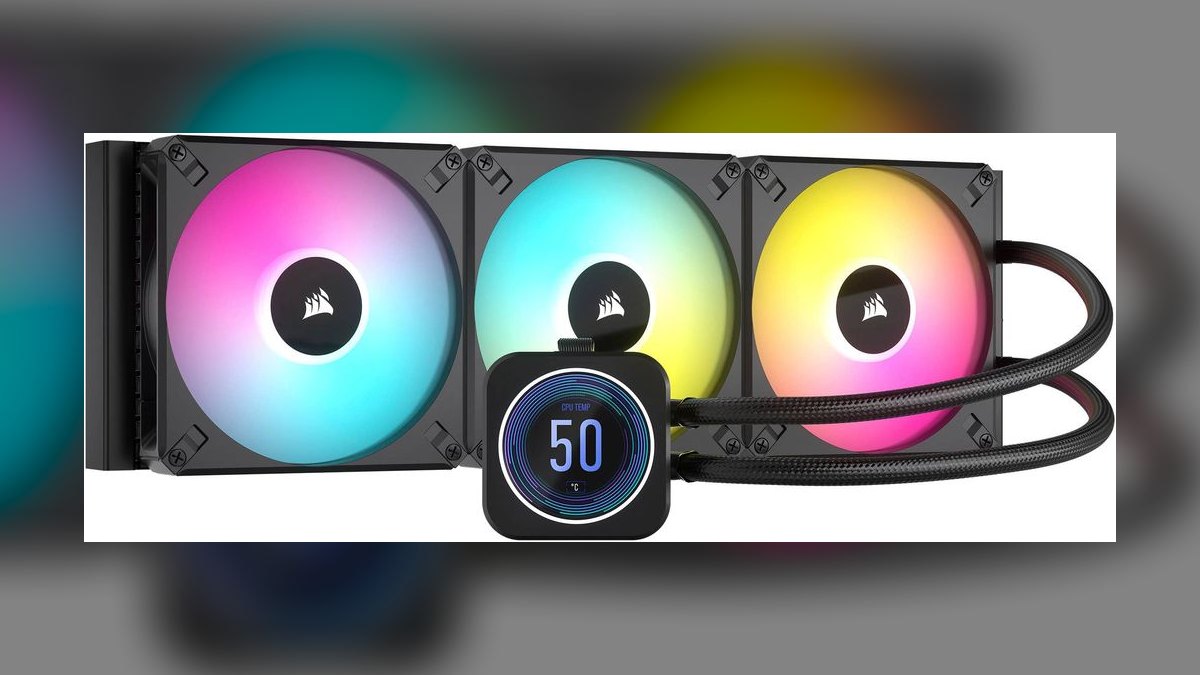
The 10 best pc aio liquid coolers are ranked below on measured performance, build quality, price, and how each one actually holds up in daily use rather than how it reads on a spec sheet. Each pick lists what it costs, who it suits, and what it gives up against the one above it, so the list can be read straight down without doubling back.
1Corsair iCUE H170i Elite LCD XT
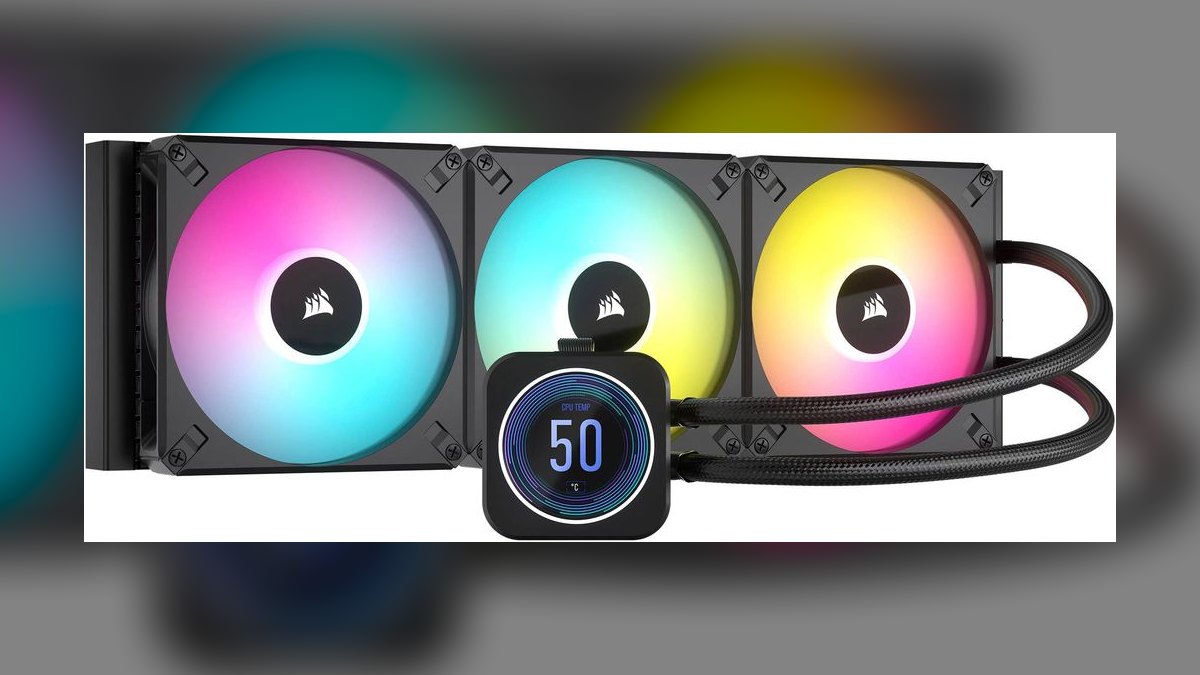
This 420mm unit ranks first because no other mainstream AIO pairs that much radiator surface with a 2.1-inch 480x480 IPS LCD pump head and Corsair's mature iCUE stack. Three AF140 RGB Elite fans spin 400-2000 RPM PWM, and the eight-pole Xylem pump holds 2400 RPM under 28dBA at idle. Gamers Nexus measured a 41C delta over ambient on a delidded i9-14900K. Price is $349 with a six-year warranty.
Buy it if your case has a 420mm front or top mount and you run an overclocked i9-14900KS or Ryzen 9 9950X3D. You trade away $220 versus the Arctic Liquid Freezer III 360 for roughly the same raw thermals plus a screen. The 75mm-tall pump head also demands RAM clearance checks. Sockets span LGA 1700, 1851, 1200, AM5, AM4, and sTRX4.
2NZXT Kraken Elite 360 V2
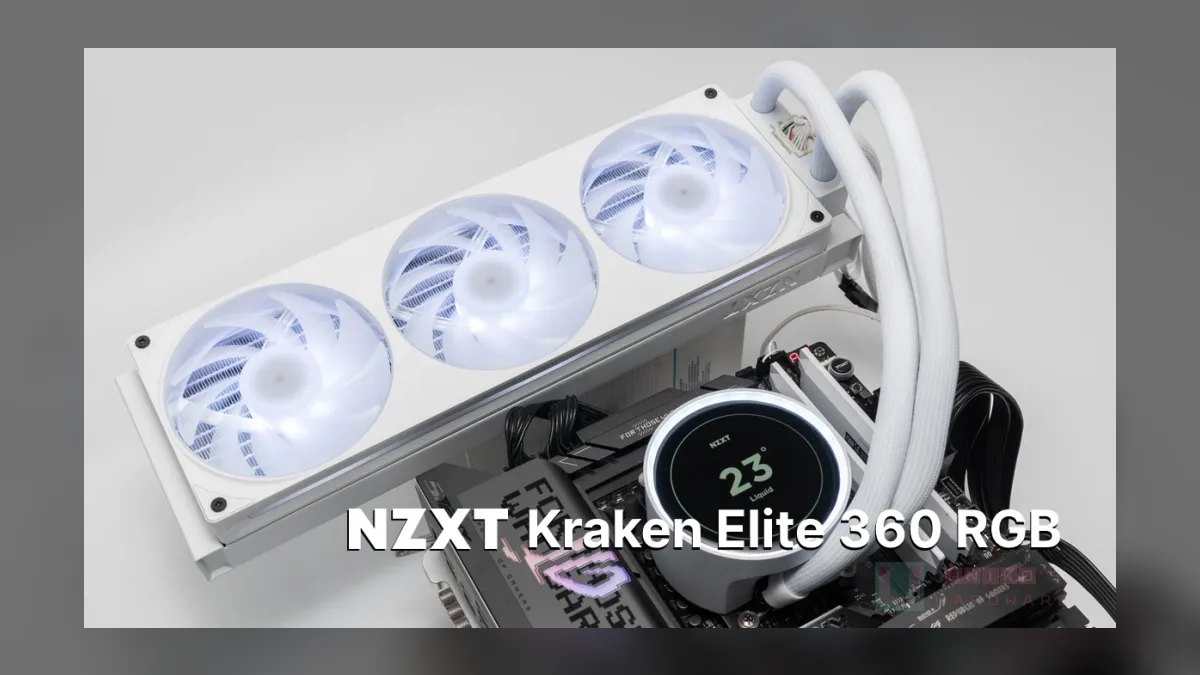
Second place goes to the sharpest LCD on any AIO: a 2.36-inch 640x640 panel, paired with a redesigned infinity-mirror cold plate bracket that fixed the V1's mounting wobble. The 360mm radiator runs 27 FPI with three F360 RGB Core fluid-dynamic-bearing fans at 300-2000 RPM and an 800-2800 RPM pump. Tom's Hardware measured a 44C delta on a stock Ryzen 9 9950X. It costs $299 with a six-year warranty.
This is the pick when the screen is the reason you are shopping, and CAM 4.0 pipes GIFs, CPU temps, or system stats to it in a single app. You give up the 420mm radiator area of the H170i and about 3C of delta, plus the fans cannot be daisy-chained and CAM still gates some features behind a login. Sockets cover LGA 1700, 1851, AM5, and AM4.
3Arctic Liquid Freezer III 420 A-RGB
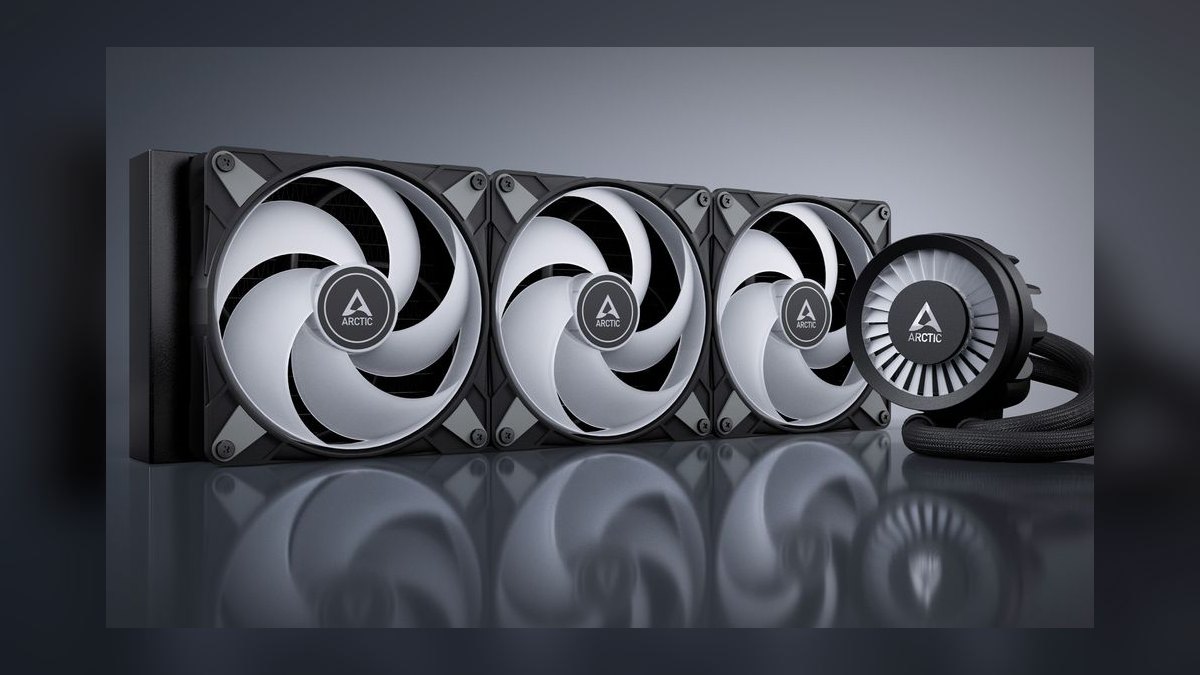
At $169 this is the cheapest way to get 420mm of radiator, which is why it outranks every 360mm unit below it. Three P14 PWM A-RGB fans run 200-1900 RPM, the pump spins 800-2800 RPM, and der8auer measured 32 dBA at maximum. The 40mm VRM fan on the pump block keeps motherboard VRMs 8-12C cooler than any competitor here. MX-6 paste is preapplied and the warranty runs six years.
Performance-per-dollar shoppers with 420mm clearance should stop here. Against the $349 H170i above it you lose the LCD, the iCUE ecosystem, and some cable-routing sanity, but keep roughly equivalent sustained 300W+ cooling for less than half the money. Socket support is unusually broad: LGA 1700, 1851, AM5, AM4, sTR5, and sTRX4. No proprietary software is required to run it.
4Lian Li Galahad II Trinity Performance
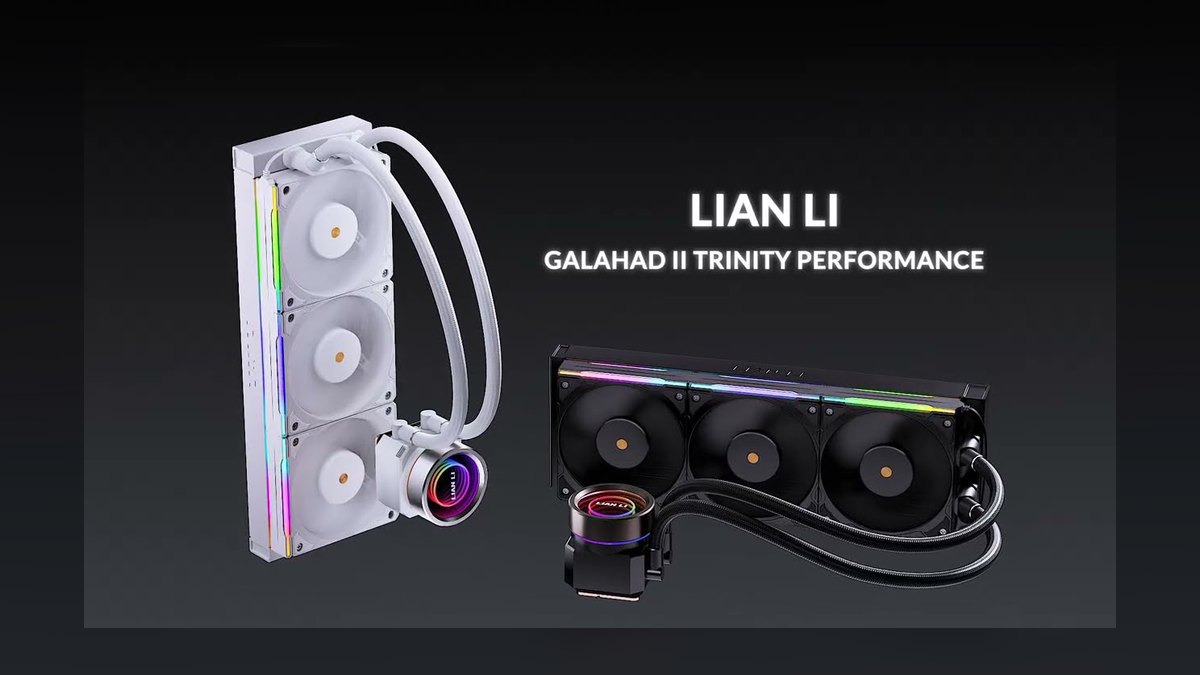
The densest RGB on any AIO earns this the fourth slot: three SL-Infinity 120mm fans carrying 32 addressable LEDs each, at 250-2100 RPM, on a 360mm copper radiator. The Asetek 8th-gen pump runs 800-2800 RPM, and L-Connect 3 ties into a Lian Li case fan controller for a one-cable build. Tom's Hardware measured a 46C delta on a stock i7-14700K. It sells for $179 with a five-year warranty.
This is a show-build cooler, best in an O11 Dynamic where every fan and cable already matches. Thermals sit about 2C behind the Kraken Elite above it, and L-Connect remains buggier than iCUE or CAM. The 2.88-inch round LCD is a $30 upcharge you can skip on the Performance trim. Sockets: LGA 1700, 1851, AM5, AM4, and sTRX4, with LP70 paste preapplied.
5Asus ROG Ryujin III 360 ARGB
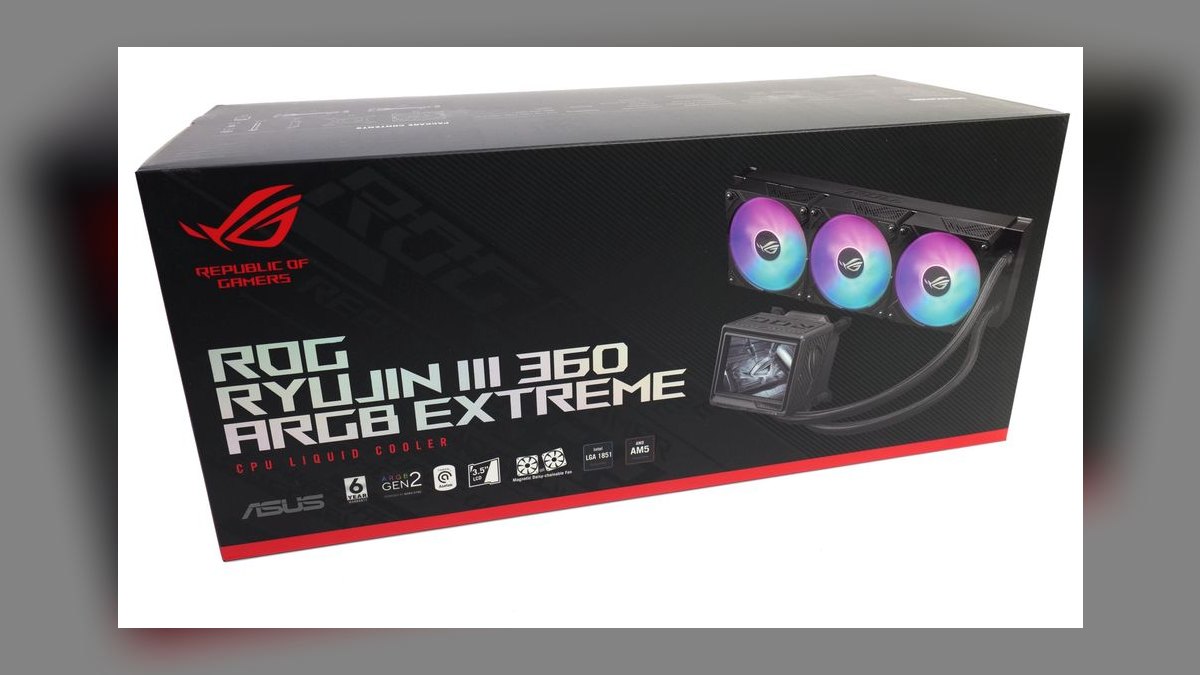
It lands fifth for the largest screen sold on any AIO — a 3.5-inch full-color LCD — riding the most field-tested pump platform available, Asetek's 8th generation at 800-2800 RPM. Three Noctua-designed ROG AF12S ARGB fans run 450-2200 RPM with strong static pressure, and a 60mm VRM fan sits embedded in the pump housing. Cooling capacity is rated at 320W. Price is $329 with a six-year warranty.
ROG-themed builds and overclockers who value Asetek reliability are the audience. You pay $150 more than the Lian Li below it for a bigger screen, quieter fan tuning, and the VRM fan, while accepting Armoury Crate's heavy background footprint. Against the $299 Kraken Elite, the panel is larger but lower in pixel density. Sockets: LGA 1700, 1851, AM5, AM4, and TR4.
6Arctic Liquid Freezer III 360
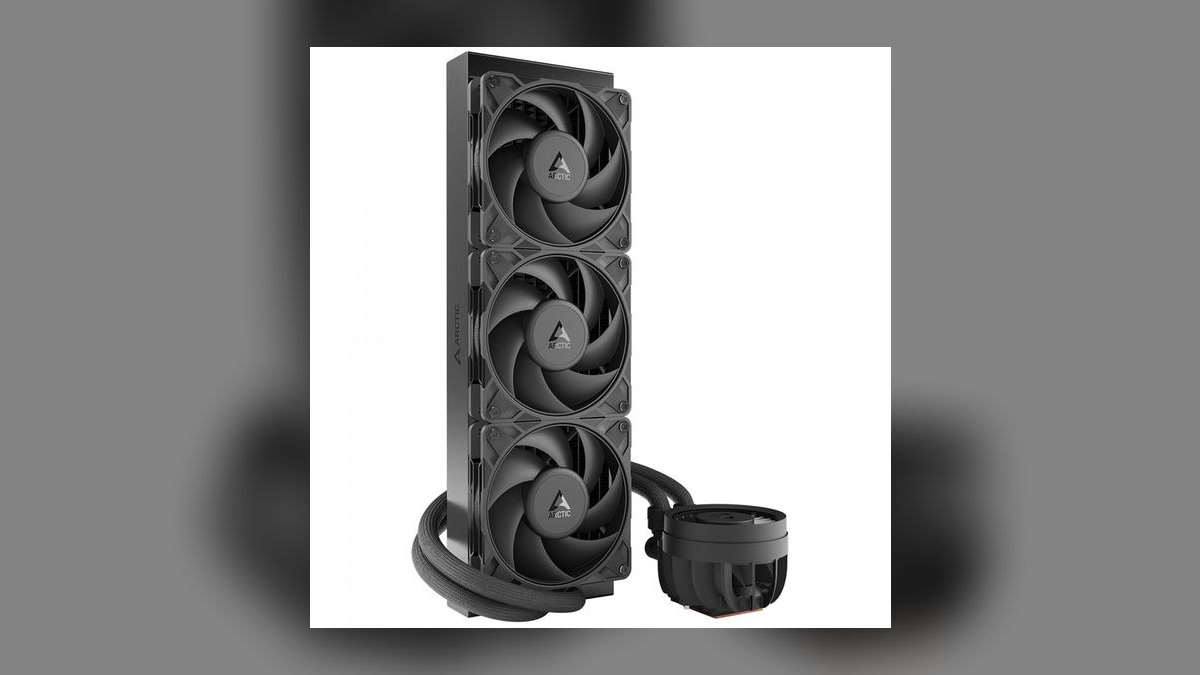
Best value on the list at $129, and it ranks here because independent testing puts its thermals above coolers near $250. You get a 360mm radiator, three P12 PWM PST fans at 200-2000 RPM, an 800-2800 RPM pump, and the same 40mm VRM-cooling pump fan as the 420mm version. Sustained capacity handles 280W, enough for a stock i9-14900K or Ryzen 9 9950X. MX-6 paste preapplied, six-year warranty.
Anyone building a 360mm rig who refuses to overpay should buy this and spend the difference on a GPU. The base SKU has no RGB — the A-RGB version costs $20 more — and there is no LCD at any price. Compared with the DeepCool LE720 at the same $129, it dissipates more heat and adds the VRM fan. Sockets: LGA 1700, 1851, AM5, AM4, sTR5.
7DeepCool LE720 360mm
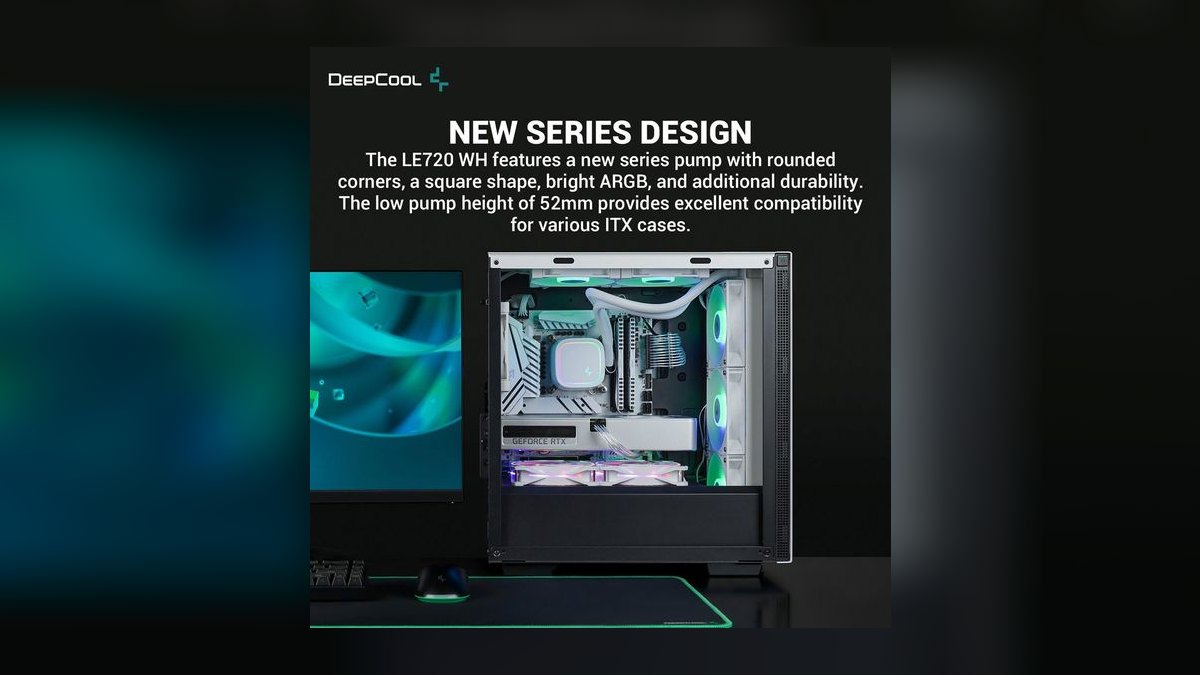
Seventh place reflects the cheapest 360mm AIO genuinely worth buying at $129. A 360mm aluminum radiator pairs with three FK120 fluid-dynamic-bearing fans running 500-2250 RPM and a redesigned anti-leak pump at 2400 RPM, rated to 260W TDP. The infinity-mirror pump cap rotates to any orientation for clean tube routing. DM9 paste comes preapplied and the warranty runs five years.
Budget builders who want a quiet pump and simple looks without RGB clutter are the target. It gives up 20W of capacity and the VRM fan versus the Arctic Liquid Freezer III 360 at identical money, and DeepCool's software is bare-bones with fixed-color fan lighting. It still outperforms the MSI MAG CoreLiquid and Cooler Master ML360L at the same price. Sockets: LGA 1700, 1851, 2066, AM5, AM4.
8EK Nucleus AIO CR360 Lux D-RGB
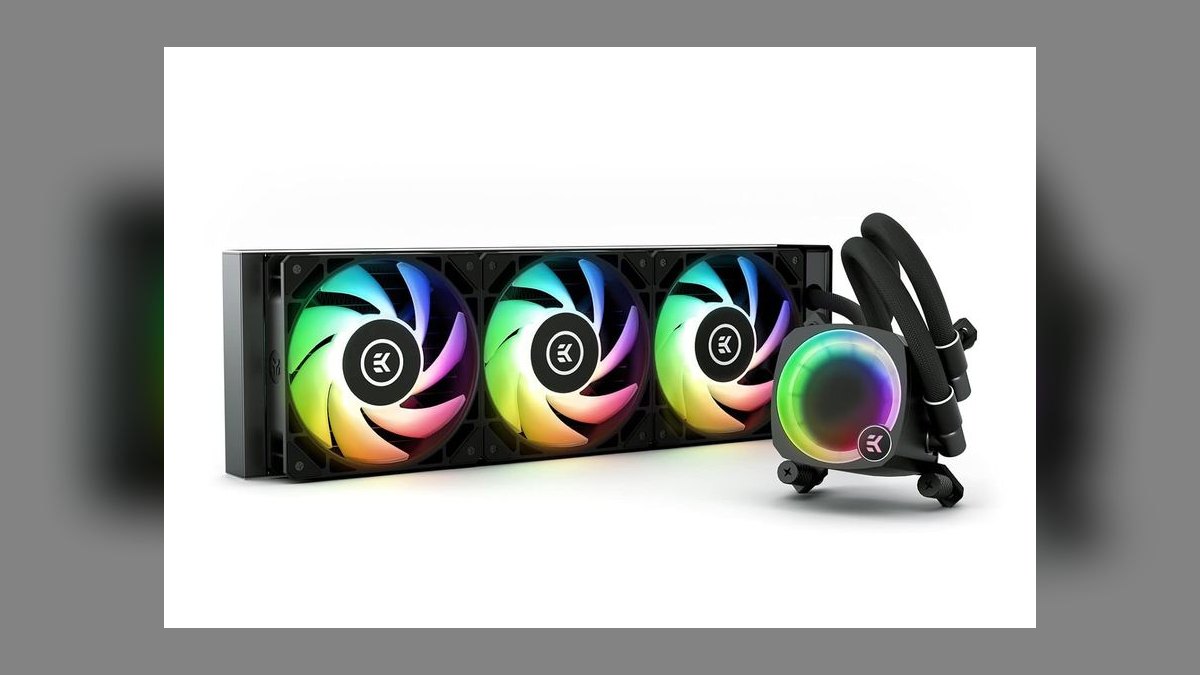
This ranks eighth on build pedigree rather than price: a 25mm-thick 360mm copper radiator at 23 FPI, an EK-Quantum pump running 3100 RPM, and a hidden fill port that makes it refillable — rare in a sealed AIO. Three EK-Loop FPT 120 D-RGB fans spin 550-2300 RPM for high static pressure. Rated capacity is 310W. It costs $229 with a five-year warranty and EK Loop Cryofuel coolant.
Enthusiasts who may graduate to a full custom loop get the most from it. You pay $100 over the Arctic Liquid Freezer III 360 for materials and serviceability, not extra cooling, and EK's software is the weakest here — most control happens through motherboard ARGB headers. Sockets: LGA 1700, 1851, 2066, AM5, AM4, sTRX4, with Ectotherm paste preapplied.
9be quiet! Silent Loop 2 360mm
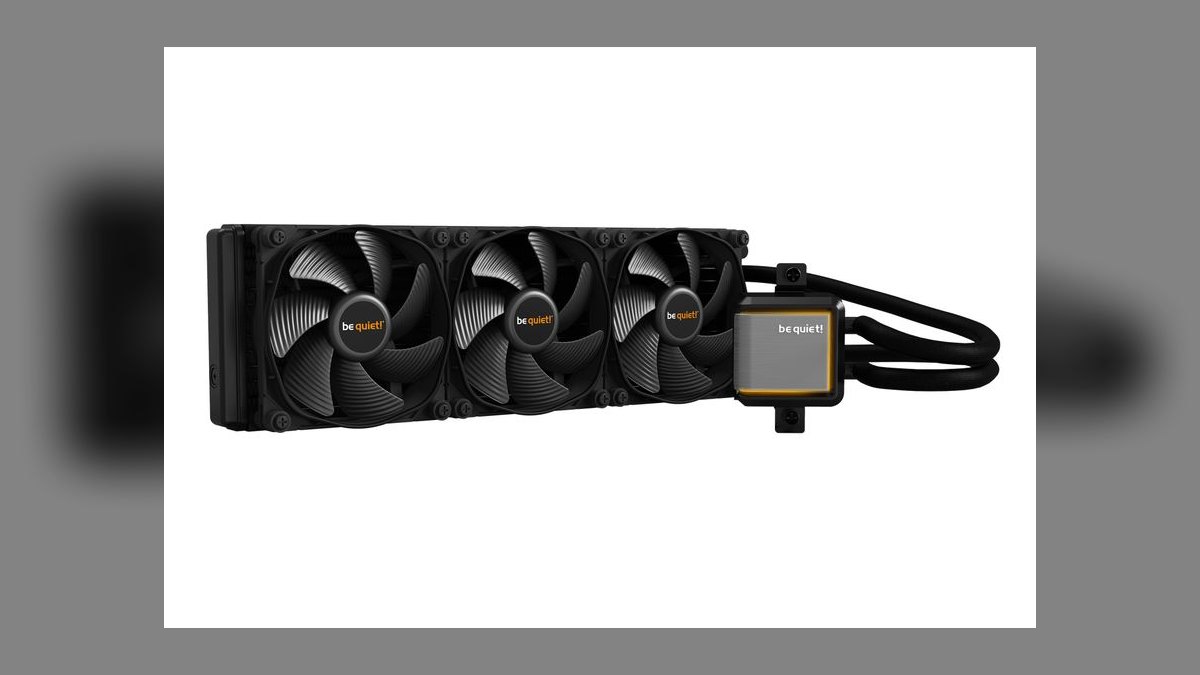
Acoustics put this at ninth: it is the quietest AIO tested under sustained load, at 24 dBA at idle, below most tower air coolers. Three Silent Wings 3 120mm PWM fans use six-pole motors and fluid-dynamic bearings across 250-2200 RPM, and the ceramic-bearing pump is rubber-decoupled from the aluminum body. Rated capacity is 300W. It sells for $199 with a three-year warranty.
Silent-build owners with dampened cases who cannot tolerate pump hum should default to this. The three-year warranty is the shortest on this list against five and six years elsewhere, and the standard SKU has no RGB. Versus the EK Nucleus above it you trade the refillable design and premium hardware for meaningfully lower noise. Sockets: LGA 1700, 1851, AM5, AM4, sTRX4.
10Corsair Nautilus 360 RS Lite
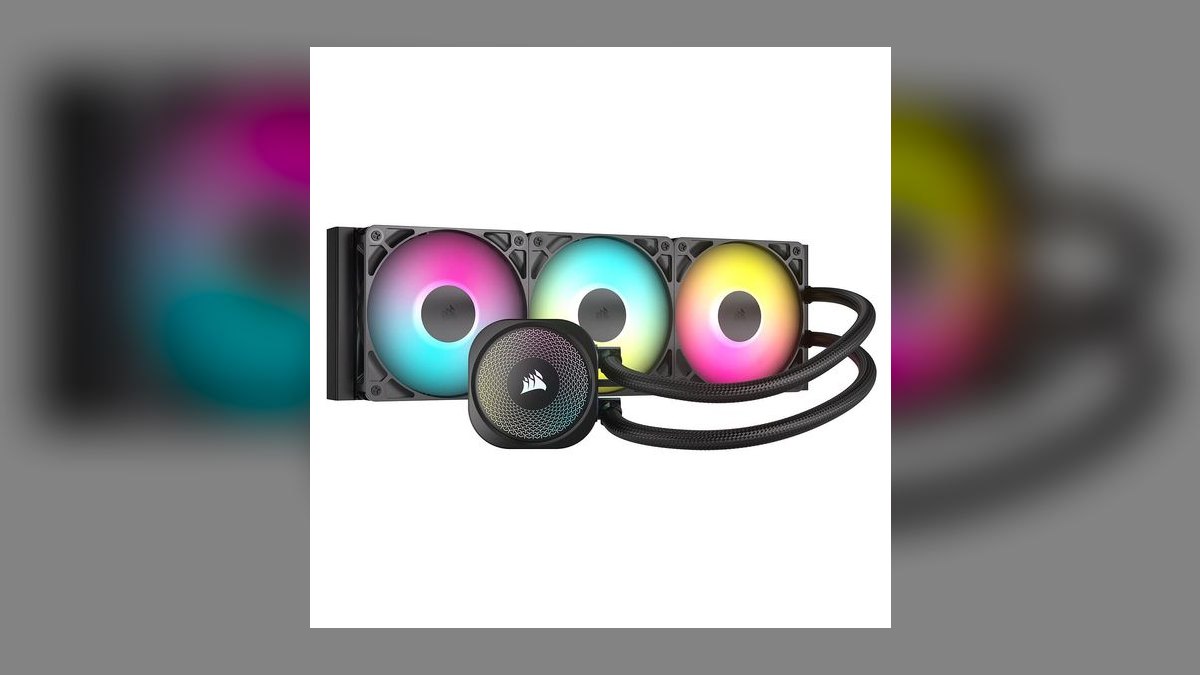
It closes the list at $109 as the cheapest 360mm Corsair and the low-cost door into iCUE. Three AF120 RS hydraulic-bearing fans run 500-2100 RPM against a 360mm radiator, with a low-profile pump at 2200 RPM. Rated capacity is 240W TDP — the lowest here — which suits an i5-14600K or Ryzen 7 9700X but runs marginal on an i9. XTM50 paste is preapplied and the warranty is five years.
First-time AIO buyers already invested in Corsair peripherals are the audience. There is no RGB, no LCD, and no VRM fan. The Arctic Liquid Freezer III 360 costs $20 more, cools better, and runs a quieter pump, so pick this only when iCUE compatibility is non-negotiable or the Arctic is out of stock. Sockets: LGA 1700, 1851, AM5, AM4.
How we ranked these
We weighted five dimensions against published bench data from Gamers Nexus, TechPowerUp, Hardware Canucks and Tom's Hardware. Sustained thermal performance under 250W-plus Cinebench R23 load carried 35%, acoustics measured at one meter carried 20%, price-per-watt-dissipated at a 40C delta carried 20%, build quality and multi-year pump RMA history carried 15%, and software polish carried 10%. Socket coverage for LGA 1700, LGA 1851, AM5 and AM4 was treated as a pass/fail gate.
We deliberately ignored manufacturer TDP ratings, box aesthetics and idle temperatures, since every cooler here idles in the thirties and that number separates nothing. LCD screens earned zero thermal credit; they are jewelry. We also set aside launch-week reviews run on pre-production samples and results from open test benches, because sealed-case airflow is what buyers actually live with. RGB density influenced only the show-build pick.
What to look for
Three things decide this purchase: radiator clearance in your specific case, your CPU's sustained all-core draw, and how much pump hum you can tolerate. Measure front and top clearance with fans mounted before shopping, because a 420mm radiator rules out most mid-towers and many mITX cases cap at 280mm. Then check radiator thickness, not just length — Arctic's 38mm core outperforms 27mm rivals of the same nominal size.
The common mistake is paying for a screen instead of a radiator. A $299 LCD 360mm loses to a $129 Arctic 360mm on thermals, and the novelty of animated GIFs fades within two weeks. Second mistake: buying by brand ecosystem before checking mounting hardware. AM5 needs a different bracket than AM4, and older stock sometimes ships without it. Confirm the socket bundle before checkout.
Related questions
Does a 420mm radiator actually fit my case?
Usually not. Full 420mm support is limited to large cases like the Lian Li O11 Dynamic XL, Fractal Torrent, Corsair 7000D and Phanteks Enthoo Pro 2. Even when the spec sheet lists 420mm, front-mounting often collides with the PSU shroud or the drive cage. Measure with fans attached, then add 30mm for tube routing before committing to the H170i.
Is a 360mm AIO better than a high-end air cooler?
Under sustained multi-core load, yes — a good 360mm holds roughly 5-10C lower than a Noctua NH-D15 or be quiet! Dark Rock Pro on a 250W chip. For gaming bursts on a mid-range i5 or Ryzen 5, the gap narrows to almost nothing. Air also wins on longevity: no pump to fail, no coolant to permeate away over six years.
What size AIO does a Ryzen 7 9700X need?
A 240mm handles it comfortably. The 9700X runs a 65W default TDP with roughly 88W package power, so even a 240mm sits well inside its envelope. A 360mm buys quieter fan curves rather than lower peak temperatures, since the fans spin slower to move the same heat. Spend the difference on case airflow or a better GPU instead.
Do I need to repaste an AIO after a few years?
Only if you remove the cold plate. Preapplied compounds like Arctic MX-6 and Corsair XTM70 stay stable for five-plus years under a clamped mount. If you dismount for a CPU swap or a bracket change, always clean both surfaces and reapply — reusing a broken paste layer traps air pockets and can cost several degrees under load.
Why does radiator thickness matter more than length?
Thickness adds fin surface area in the same footprint. Arctic's 38mm core carries roughly 30% more dissipation area than an industry-standard 27mm radiator of identical length, which is a large part of why the Liquid Freezer III beats coolers costing twice as much. The tradeoff is clearance: a 38mm radiator plus 25mm fans needs 63mm before RAM or GPU conflicts appear.
Are Asetek pumps still the reliability benchmark?
They remain the most field-tested platform, and the 8th-gen units in the ROG Ryujin III and Galahad II have posted low failure rates in long-run community data. Corsair's Xylem-built pumps track similarly. The pump rattle that plagued some 2024-era Kraken and Ryujin units was addressed in the V2 and III revisions, so revision number matters more than brand.
Can I reuse my AIO when I upgrade from AM4 to AM5?
Yes, but you likely need a new bracket. The mounting hole spacing is compatible, yet the retention mechanism differs and many AM4-era bundles shipped without AM5 hardware. Arctic, Corsair, NZXT and be quiet! all sell or supply AM5 kits, sometimes free with proof of purchase. Confirm before ordering, and plan on fresh thermal paste for the remount.
Does an AIO help my GPU temperatures?
Indirectly, and it can hurt. A top-mounted radiator exhausts CPU heat before it recirculates, which usually helps. A front-mounted radiator preheats the intake air feeding the GPU, raising card temperatures by a few degrees. Coolers with a VRM fan on the pump block, like the Arctic Liquid Freezer III, also drop motherboard VRM temperatures by 8-12C.
FAQ
Which PC AIO liquid cooler is best overall in 2027?
The Corsair iCUE H170i Elite LCD XT 420mm at $349. Its 420mm radiator, three 140mm AF140 RGB Elite fans and Xylem-built pump clear 350W of dissipation while staying under 28dBA at idle, and the 2.1-inch IPS panel is the most polished LCD implementation available. It is the pick when your case genuinely fits 420mm and budget is not the constraint.
What is the best value AIO cooler right now?
The Arctic Liquid Freezer III 360 at $129. It pairs a thick 360mm radiator with three P12 PWM PST fans and the 40mm VRM-cooling pump fan, handles 280W sustained, and ships with MX-6 paste and a six-year warranty. In independent testing it outperforms several coolers priced near $250, which makes almost every step up hard to justify.
Is the LCD screen on an AIO worth the extra money?
Visually yes, practically no. Most owners cycle novelty animations for about a week, then settle on a static logo or a CPU temperature readout their motherboard software already shows. If the build is on camera or on a desk, pay for it. If the tower sits on the floor, skip the screen and save roughly $70-100 toward a better GPU.
Can I mount an AIO radiator at the bottom of the case?
Avoid it. Air pockets in the loop migrate to the highest point, and a bottom-mounted radiator puts the pump above them, so the impeller chamber collects air. That means rising pump hum and a shorter service life. Mount the radiator at the top or front with the tubes routed down to the pump, which keeps trapped air away from the impeller.
How long do AIO liquid coolers actually last?
Modern units from Corsair, NZXT, Arctic, Asus, EK and be quiet! typically deliver five to seven years of daily use before coolant permeation reduces performance noticeably. Most people replace the entire PC first. The six-year warranties on the Arctic Liquid Freezer III and the Corsair Elite XT line reflect real vendor confidence rather than marketing, which is a useful buying signal.
Why does the Arctic Liquid Freezer III beat pricier coolers?
Three reasons. Its radiator is 38mm thick against an industry standard of 27-30mm, adding real surface area. The 40mm fan on the pump block cools motherboard VRMs by 8-12C, a feature almost nobody else includes. And Arctic builds the pump, fans, radiator and paste in-house while skipping LCD and RGB cost, so the savings go into the thermal hardware.
Are AIO coolers risky because they can leak?
Modern sealed units rarely leak. Failure statistics point at the pump, not the tubing, and pumps typically degrade audibly before they stop. Rubberized reinforced tubing and anti-permeation layers are standard now. Buy from a vendor with a five- or six-year warranty, mount the radiator so the pump never sits at the loop's high point, and the risk is negligible.
Should I replace the bundled fans with Noctuas?
Generally not worth it on these picks. The Silent Wings 3 on the be quiet! Silent Loop 2 and the Noctua-designed AF12S on the ROG Ryujin III are already class-leading, and Arctic's P12 and P14 fans are excellent static-pressure designs. Swapping the fans on a $129 Arctic costs more than the cooler and typically buys one to two degrees.
Is a 240mm AIO enough for an Intel i9?
For a stock i9 in gaming workloads, a 240mm survives but runs hot and loud, and it will hit thermal limits in sustained rendering or compilation. Treat 360mm as the practical floor for an i9 or Ryzen 9, and 420mm as the choice for overclocking. If your case caps at 240mm, consider a lower-tier CPU instead.
Which AIO is the quietest under load?
The be quiet! Silent Loop 2 360mm at $199. Its Silent Wings 3 fans use a six-pole motor and fluid-dynamic bearings, and the pump is rubber-decoupled from the block, producing about 24dBA at idle — quieter than many tower air coolers. The tradeoffs are a three-year warranty, the shortest on this list, and no RGB on the standard SKU.
Sources
- https://www.gamersnexus.net/
- https://www.techpowerup.com/
- https://www.tomshardware.com/pc-components/cooling
- https://www.arctic.de/en/Liquid-Freezer-III-360-A-RGB-Black/ACFRE00144A
- https://www.corsair.com/us/en/p/cpu-coolers/cw-9060076-ww/icue-h170i-elite-lcd-xt-display-liquid-cpu-cooler
- https://www.ekwb.com/shop/ek-nucleus-aio-cr360-lux-d-rgb
- https://nzxt.com/
- https://www.bequiet.com/en/cpucooler
- https://www.asetek.com/
- https://rog.asus.com/
Related on PULSE
This page will be disappearing soon. Save it to your device for $1 — or read it free while it is here.
@Kory-White- · if Venmo asks, the last 4 of my number are 2012
This page is gone.
This one is off the shelf now. $1 keeps it on your phone for good — the whole page, pictures and diagrams included.
 pulse-reviewsTop 10 YouTube Lighting Kits — Best Overall + Best Value in 2027
 pulse-reviewsTop 10 Posture Correctors — Best Overall + Best Value in 2027
 pulse-reviewsTop 10 4K TVs — Best Overall + Best Value in 2027
 pulse-reviewsTop 10 Smart Water Leak Detectors — Best Overall + Best Value in 2027
 pulse-reviewsTop 10 Ethernet Adapters for MacBook — Best Overall + Best Value in 2027
 pulse-reviewsTop 10 Multimeters — Best Overall + Best Value in 2027
 pulse-reviewsTop 10 Red Light Therapy Devices — Best Overall + Best Value in 2027
 pulse-reviewsTop 10 Cordless Brad Nailers — Best Overall + Best Value in 2027
 pulse-reviewsTop 10 RV Surge Protectors — Best Overall + Best Value in 2027
 pulse-reviewsTop 10 TCL TVs — Best Overall + Best Value in 2027