


Top 10 Stream Decks — Best Overall + Best Value in 2027
Quality
Certified
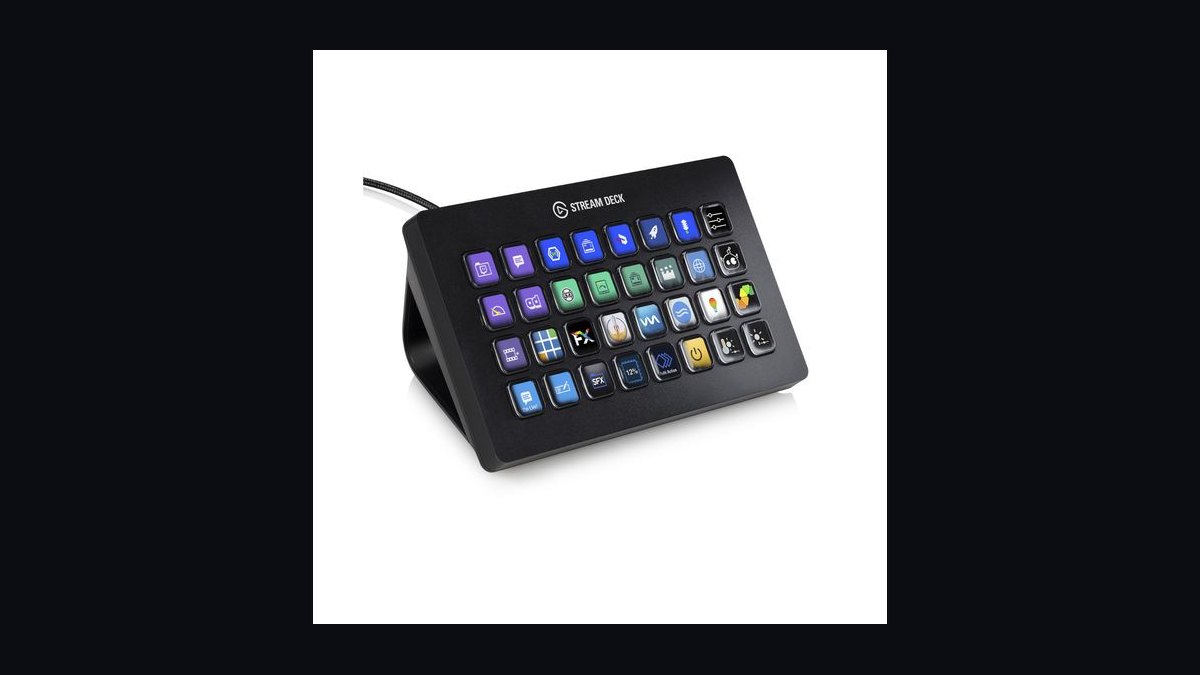
The 10 best stream decks are ranked below on measured performance, build quality, price, and how each one actually holds up in daily use rather than how it reads on a spec sheet. Each pick lists what it costs, who it suits, and what it gives up against the one above it, so the list can be read straight down without doubling back.
1Elgato Stream Deck XL
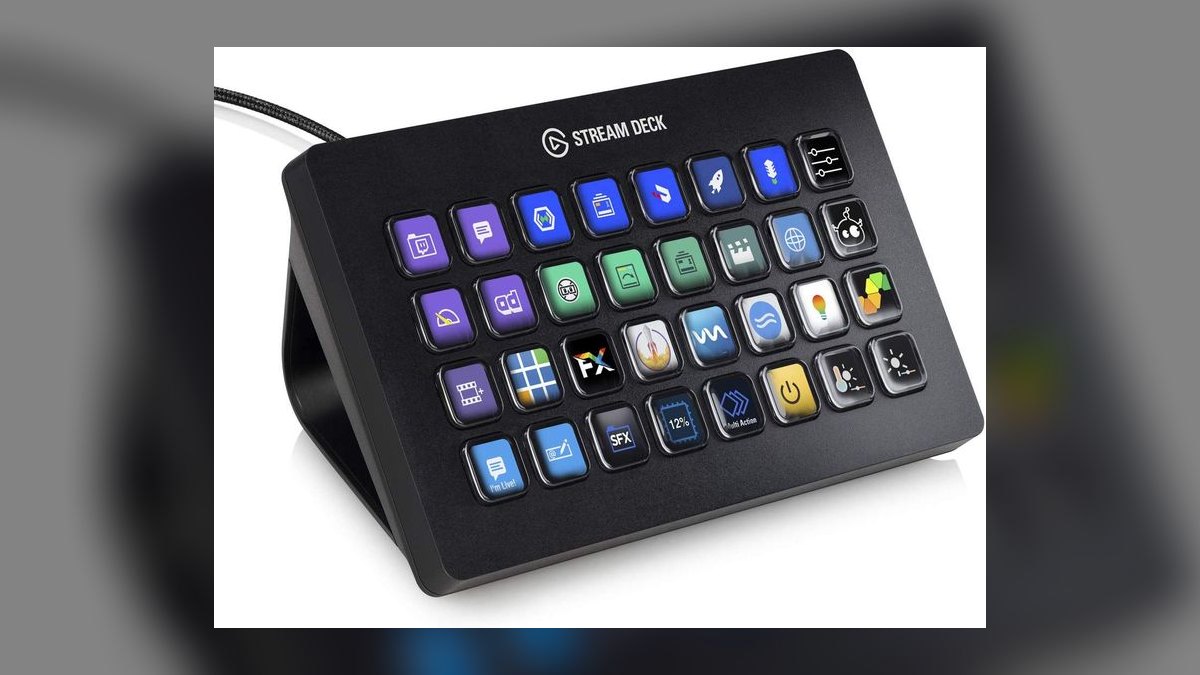
The Stream Deck XL ranks first because 32 LCD keys plus the largest plugin marketplace covers an entire broadcast workflow without folder navigation. Each 72×72-pixel key can display a custom icon or live data such as CPU load, follower count, or a timer. The plugin library has passed 500 community plugins, with first-party support for OBS Studio, Streamlabs, Twitch, Discord, Spotify, Philips Hue, and Adobe Premiere Pro. It measures 182×112×34mm at 410g with a detachable USB-C cable.
This is for professional streamers, broadcast operators, and power editors running multi-cam shows with more than fifteen scenes and sources. At $249 it carries the highest per-key price here, and 32 keys is genuine overkill for a solo podcaster who needs mute and record. Multi-action macros chain keystrokes, delays, web calls, MIDI, and OS commands. The Loupedeck Live S below trades ten of those keys for two rotary dials.
2Loupedeck Live S
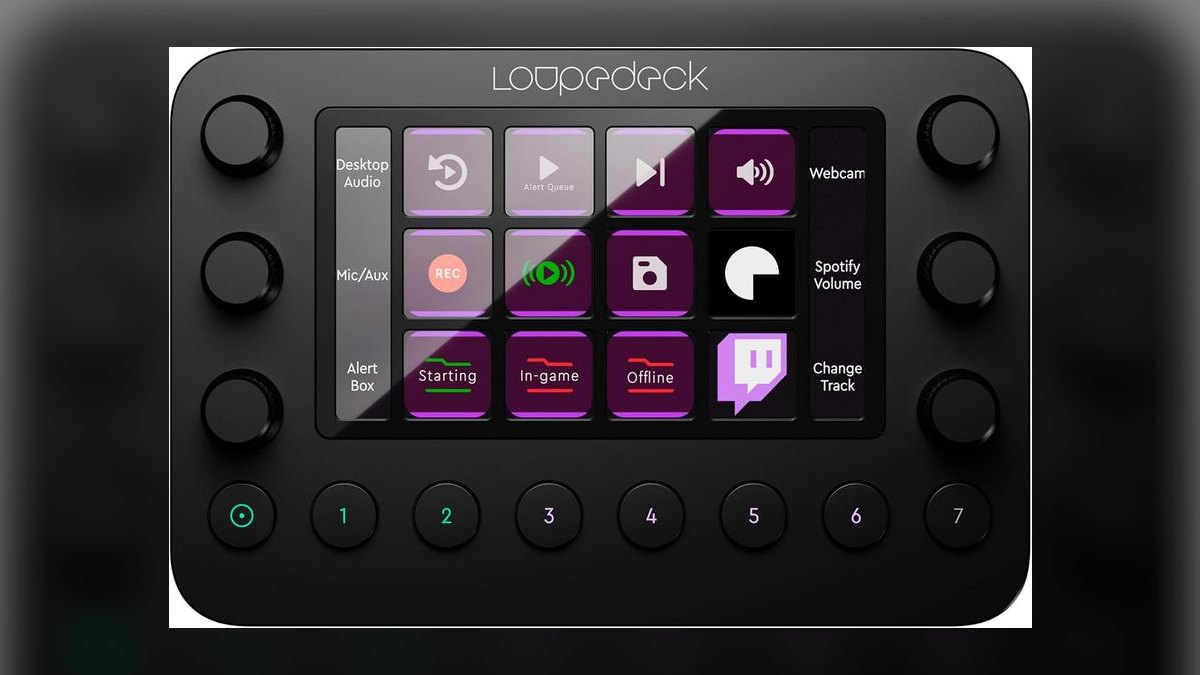
The Loupedeck Live S ranks second because its two customizable dials do work no button grid can match. It combines 15 LCD touch buttons, 2 dials, and 4 round physical buttons in a 150×110×30mm body weighing 240g — a smaller desk footprint than the XL. Loupedeck CT software ships native profiles for Lightroom Classic, Photoshop, Premiere Pro, Final Cut Pro, DaVinci Resolve, Capture One, and OBS. Price is $269 with USB-C and a 2-year warranty.
Buy it if you live in Lightroom and Photoshop and spend your day dragging sliders — exposure scrubs, Premiere audio gain rides, and Resolve timeline jogs happen without the mouse. The trade is software: Loupedeck CT has a noticeably steeper learning curve than Elgato's drag-and-drop, and it costs $20 more than the 32-key XL above while giving you fewer than half its keys.
3Elgato Stream Deck Plus
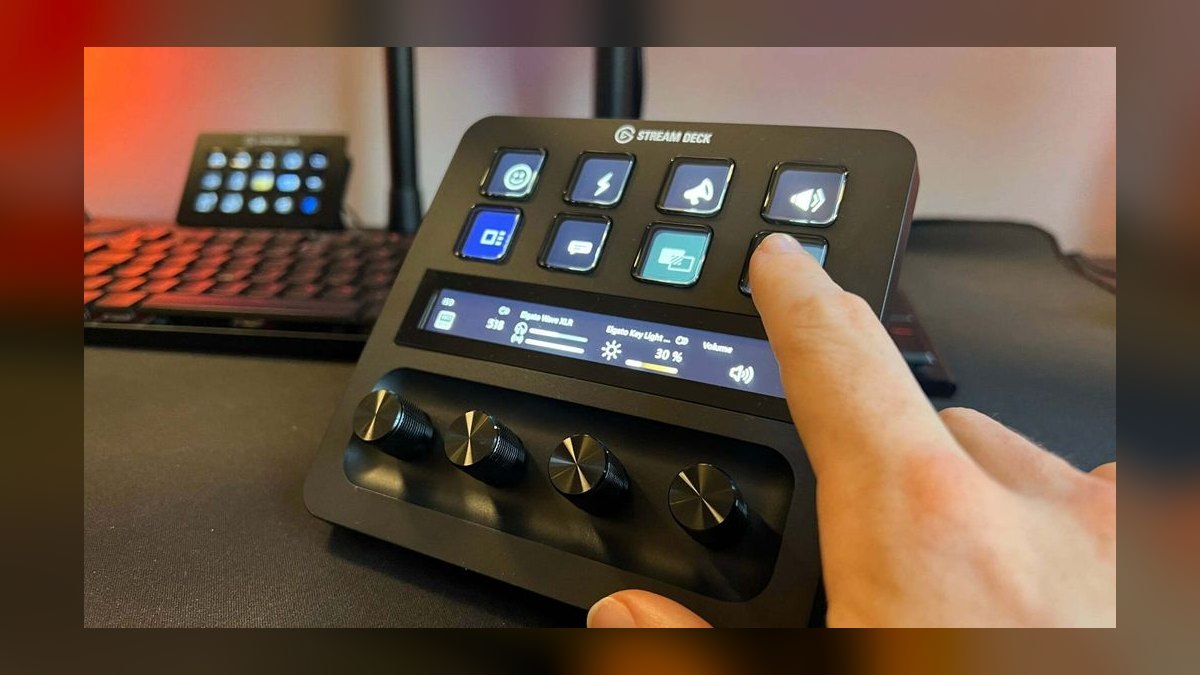
The Stream Deck Plus ranks third because it is the only device pairing four rotary dials with Elgato's full plugin marketplace. The layout is 8 LCD keys, 4 push-rotary encoders, and a touch LCD strip that displays the live value of whatever a dial controls — gain, EQ, exposure, or zoom. Dials work natively with OBS audio mixing, Camera Hub tilt and zoom, and Wave Link. It runs $199, measures 138×140×110mm at 465g, USB-C detachable, 2-year warranty.
This suits hybrid streamer-editors who need keys and dials on one panel and want it working the first evening. Only 8 keys means heavy reliance on nested folders once your scene collection grows past a handful. Against the Loupedeck Live S above, you give up seven keys and two dials but gain the easier software and the far larger Elgato plugin library.
4Loupedeck CT Creative Tool
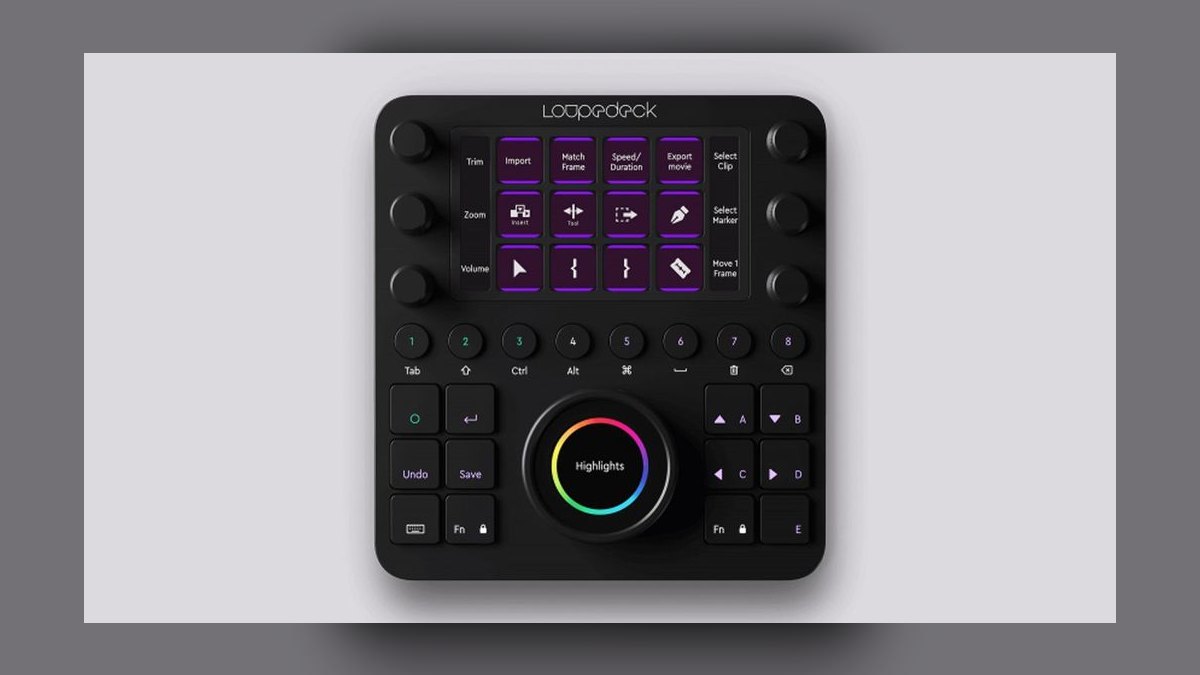
The Loupedeck CT ranks fourth because its central jog wheel and 6 rotary dials form the most expressive editing surface money can buy, but $549 restricts who should buy it. The panel carries 12 LCD touch buttons, 6 dials, 8 round haptic buttons, and a jog wheel with an LCD showing the active tool. Native profiles cover DaVinci Resolve, Premiere, Final Cut Pro, Photoshop, Lightroom, Capture One, Ableton Live, and OBS. Aluminum build, 150×110×30mm, 430g.
It is for full-time colorists, retouchers, and video editors who bill for the hours it saves — scrubbing four-hour interview timelines is where the jog wheel pays for itself. The trade is straightforward money: it costs more than double the Live S above and roughly triple the MK.2. Macros route through Loupedeck's workspace system rather than a simple folder tree.
5Razer Stream Controller Pro
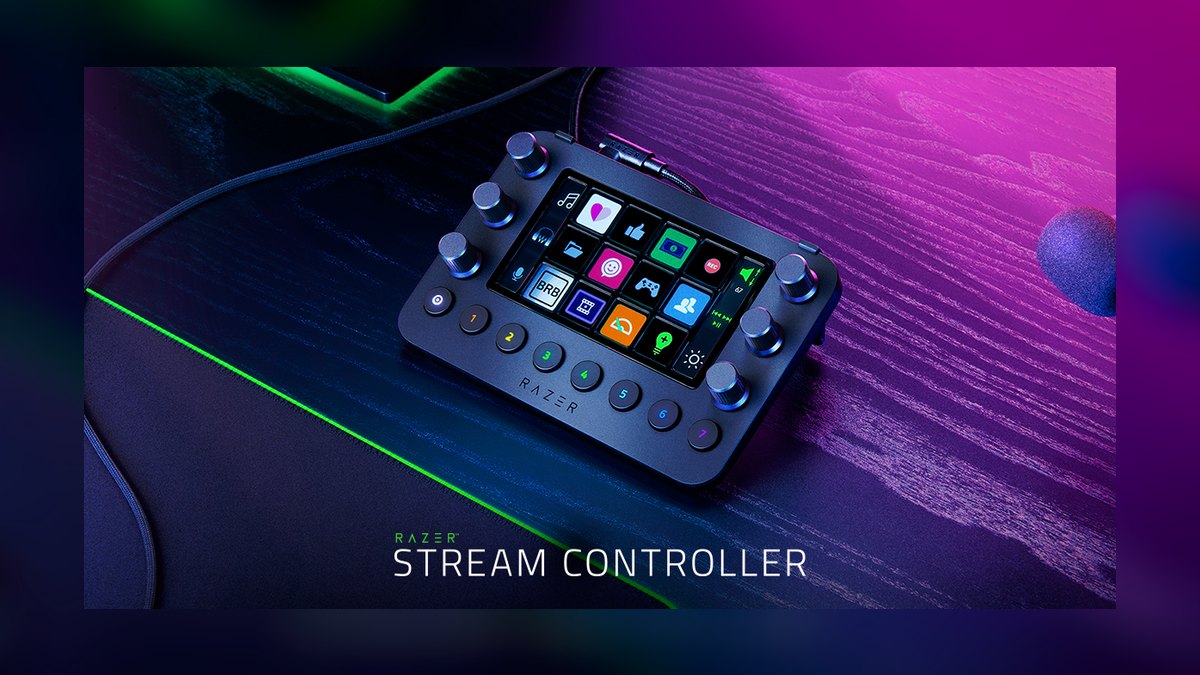
The Razer Stream Controller Pro ranks fifth on rotary value — 8 analog dials at $269 is more rotaries per dollar than anything else here. The panel adds 12 LCD touch buttons and 6 mechanical buttons in a 180×113×30mm frame weighing 390g, with a detachable USB-C cable and a 2-year warranty. Razer licensed Loupedeck's software for this line, so plugin compatibility matches the Loupedeck Live S: OBS, Twitch, Discord, Adobe CC, Final Cut Pro, and DaVinci Resolve.
It makes most sense for streamers already running Razer Synapse, since the same panel drives Chroma lighting macros across the rest of the rig. The trade is that Synapse is a heavy install and Mac users report friction with it. Compared with the Loupedeck CT above, you get two fewer dials and no jog wheel, but you save $280.
6Elgato Stream Deck MK.2
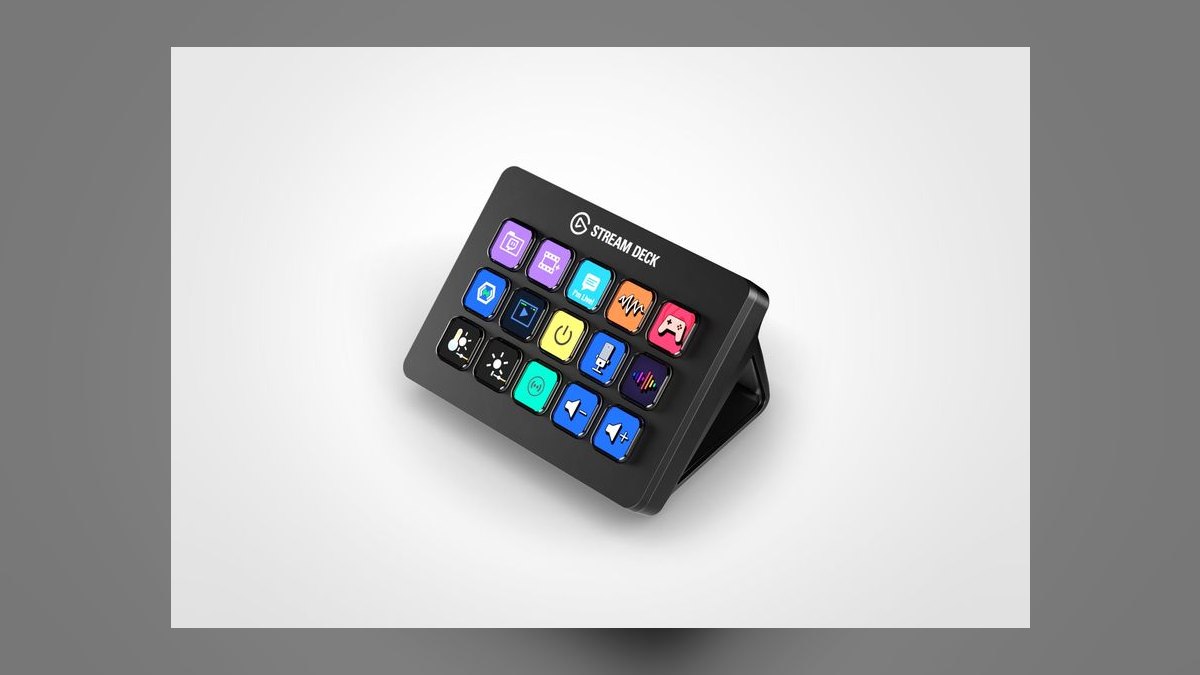
The MK.2 ranks sixth overall but takes best value because $149 buys the identical software, plugin marketplace, and multi-action macro engine as the $249 XL. You get 15 LCD keys, a detachable USB-C cable, swappable faceplates, and a 118×84×21mm body at 230g with a 2-year warranty. Fifteen keys maps cleanly onto a default OBS workflow — five scenes, five sources, five audio mutes — with no folder navigation required.
This is the right first deck for most solo Twitch and YouTube streamers and anyone new to the category. What it gives up is dials: if you ride audio gain or exposure live, the Stream Deck Plus is the better spend at $50 more. Against the Razer Stream Controller X below at the same price, the Elgato plugin marketplace is two to three times larger.
7Razer Stream Controller X
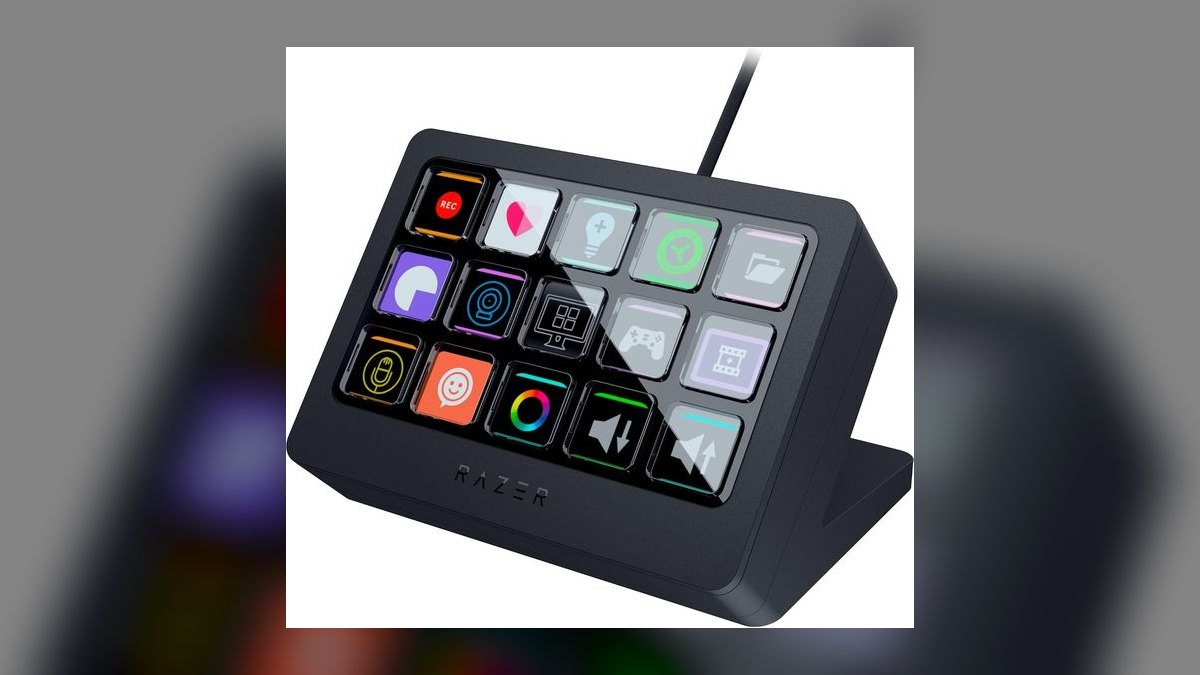
The Stream Controller X ranks seventh because it matches the MK.2 on price and key count but loses on ecosystem size. It offers 15 LCD keys, USB-C, no dials, and a 130×90×26mm frame at 240g with a 2-year warranty — within a few millimeters of the Elgato it targets. Loupedeck-licensed software brings plugins for OBS, Twitch, Discord, Adobe CC, and Final Cut Pro. Price is $149, the same as the MK.2 directly above.
It fits budget streamers who prefer Razer's industrial design and already own Chroma gear worth tying into the panel. The trade is plugin count: Elgato's marketplace runs two to three times larger, and Stream Deck software has a gentler learning curve for people who are not editors. Key feel is arguably better than the MK.2's, which is a real if narrow reason to choose it.
8Elgato Stream Deck Mini
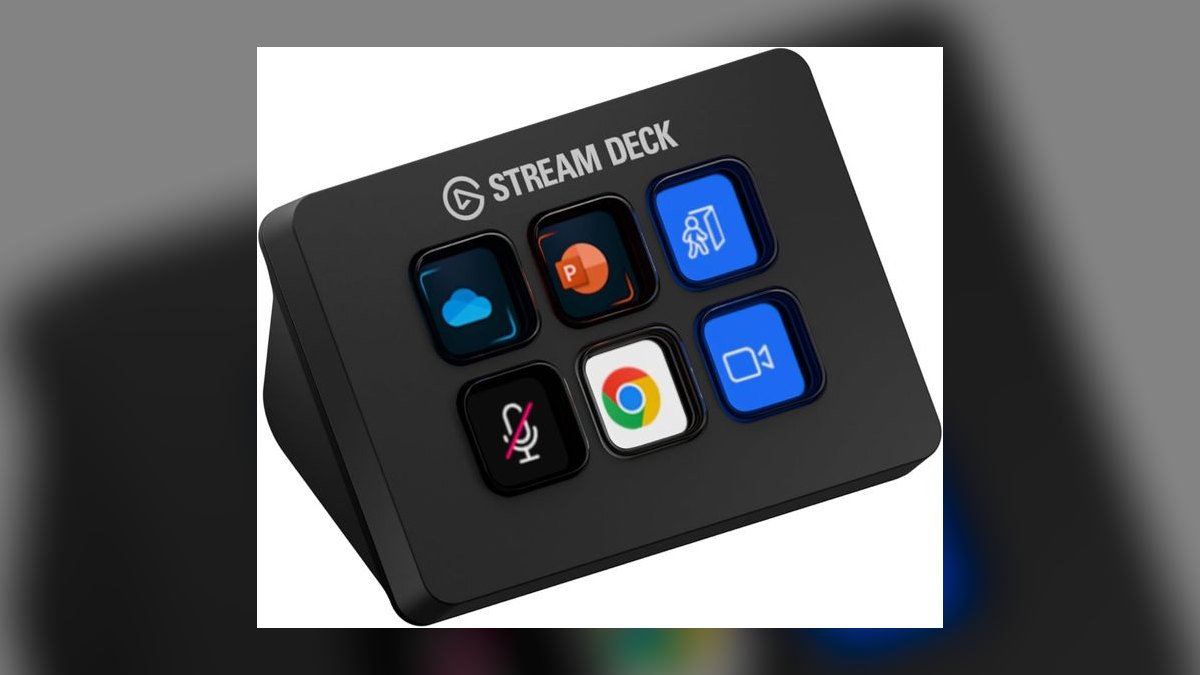
The Mini ranks eighth because $79 is the cheapest entry into the Stream Deck software and plugin ecosystem, but 6 keys and USB-A cap it there. The body measures 84×60×35mm at 140g with a fixed USB-A cable — the only deck here not on USB-C — and carries a 2-year warranty on Mac and Windows.
It is aimed at travel rigs, cramped desks, and podcasters who need mute, push-to-talk, record start/stop, and a music cue and nothing more. The trade is the dated fixed USB-A cable and constant folder-diving. Against the MK.2 above, you save $70 and nine keys' worth of immediate access; most buyers should spend the extra.
9Mountain DisplayPad Pro
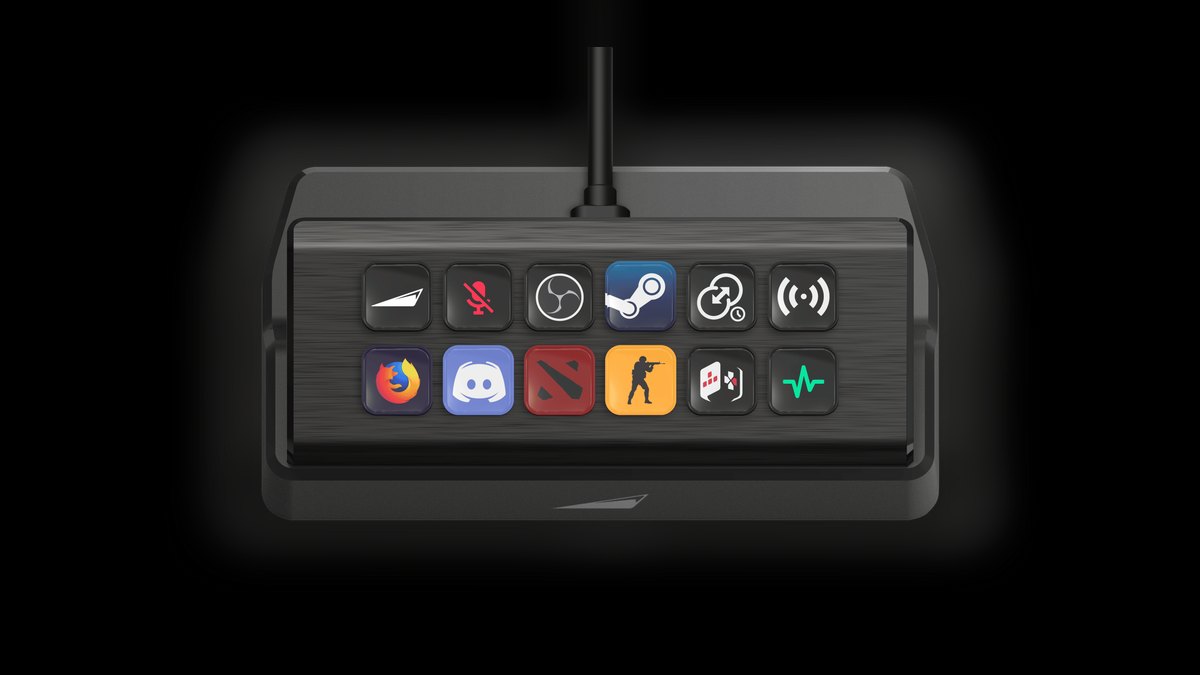
The Mountain DisplayPad Pro ranks ninth as the enthusiast pick — 12 hot-swappable mechanical switches with LCD screens under transparent keycaps, the only real switches in this lineup. You choose Cherry MX or Kailh and can change switch feel later without soldering. The frame is aluminum with per-key RGB, 155×95×28mm, 390g, USB-C, 2-year warranty, priced at $229. Mountain's Base Camp software supports Windows and Mac with plugins for OBS, Discord, Twitch, Spotify, and Philips Hue.
It suits keyboard enthusiasts who find membrane deck buttons unsatisfying and want tactile feedback identical to their keyboard. The trade is decisive: Mountain's plugin library is the thinnest here, which matters more over three years than switch feel does. At $229 it costs $80 more than the MK.2 while covering far fewer applications.
10Elgato Stream Deck Pedal
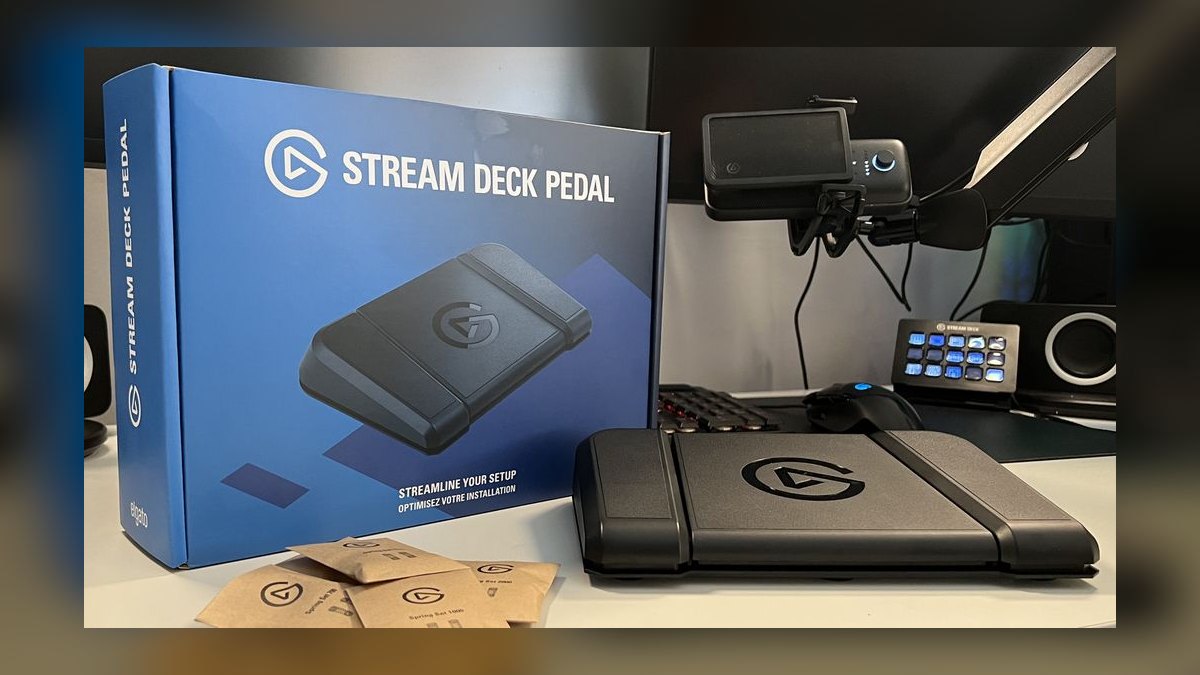
The Stream Deck Pedal ranks tenth because 3 inputs cannot anchor a workflow, though it runs the same Stream Deck software and plugin marketplace as every Elgato deck. Left, center, and right pedals are fully programmable, and the center pedal takes adjustable spring tension so push-to-talk does not fire accidentally. It measures 315×185×30mm at 840g with a detachable USB-C cable, priced at $89 with a 2-year warranty. Multi-action macros carry over unchanged.
This is for hands-busy users: gamers swapping OBS scenes mid-fight, transcriptionists starting and stopping playback, and accessibility setups where a hand controller is not workable. The trade is obvious — three inputs is a supplement, not a deck. It pairs naturally with the MK.2 above rather than replacing it, adding foot control to a 15-key desk panel.
How we ranked these
We weighted plugin ecosystem and software maturity at 30%, above raw key count, because a deck is only as useful as the apps it can talk to. Build quality and warranty took 20%, multi-action macro depth 15%, price per actionable input 15%, software learning curve 10%, and form factor 10%. Evidence came from CNET, The Verge, Tom's Hardware, Wirecutter, PCMag and Linus Tech Tips long-term reviews, plus 2025-2027 owner threads.
We ignored per-key RGB color depth, aluminum-versus-plastic shells, and unboxing polish — none of it changes how fast you swap an OBS scene. We ignored wireless entirely, since no major brand ships one and radio latency breaks live use. Launch-day reviews were discounted in favor of multi-year ownership reports, because plugin abandonment and software rot only surface after year two. Bundled icon packs and marketing key counts were excluded outright.
What to look for
Pick the ecosystem before the hardware. Elgato's marketplace carries 500+ plugins, roughly two to three times Loupedeck's, and its software assigns icons by drag-and-drop. Then decide whether you press or turn: keys swap OBS scenes, dials ride Lightroom exposure, Premiere gain, and Resolve color. Fifteen keys covers five scenes, five sources, and five mutes — the exact shape of a solo Twitch workflow.
The common mistake is buying key count. Most people who spend $249 on the 32-key XL end up using eighteen buttons, and would have been happier with the $149 MK.2 plus the $89 Pedal. The second mistake is underrating switching cost: twenty multi-action macros built in Stream Deck software do not migrate to Loupedeck. Choose the ecosystem you will still be in five years from now.
Related questions
Is the Stream Deck XL worth $100 more than the MK.2?
Only if you genuinely need more than 15 buttons visible at once without diving into folders. Multi-cam broadcasters running scenes, sources, audio mutes, and chat commands simultaneously justify the XL's 32 keys at $249. Solo streamers almost never do. The MK.2 runs identical software, identical plugins, and the identical macro engine for $149.
Which stream deck is best for Lightroom and Photoshop editing?
The Loupedeck Live S at $269. Its two rotary dials let you scrub an exposure or clarity slider without touching the mouse, which is what photo work actually consists of. It ships native profiles for Lightroom Classic, Photoshop, and Capture One. The Loupedeck CT at $549 goes further with six dials and a jog wheel.
Do I actually need dials, or are keys enough?
Dials are a different tool, not a better one. If your day is riding Lightroom exposure, Premiere audio gain, or Resolve color wheels, a dial replaces a hundred mouse drags and is transformative. If your day is swapping OBS scenes and muting a mic, dials sit unused. Buy keys first, add dials when a slider frustrates you.
What is the cheapest way into the Stream Deck ecosystem?
The Elgato Stream Deck Mini at $79. Six LCD keys, the full Stream Deck software, the same 500+ plugin marketplace, and the same multi-action macro engine as the $249 XL. Nested folders mean you can chain far more than six actions if you accept the navigation. The tradeoff is a fixed USB-A cable.
How does the Razer Stream Controller X compare to the MK.2?
Both cost $149 with 15 LCD keys and USB-C, and the Razer arguably has better key feel plus Chroma lighting integration. It runs Loupedeck-licensed software, so plugin support is mature but the marketplace is roughly a third the size of Elgato's. For a first deck, the MK.2's gentler software curve wins.
Is the Loupedeck CT worth $549?
Only if editing pays your bills. The central jog wheel, six dials, and twelve touch keys make it the most expressive surface available for DaVinci Resolve color work or Photoshop retouching, with native Resolve page mapping out of the box. For hobbyists, the Loupedeck Live S delivers most of the dial benefit at half the price.
Can a Stream Deck Pedal replace a desk deck?
No — three inputs is not a control surface, it is a supplement. The Pedal shines as push-to-talk during gameplay, transcription start and stop, or a mid-fight scene swap when both hands are occupied. Adjustable center-pedal spring tension prevents accidental triggers. Pair the $89 Pedal with a $149 MK.2 rather than choosing between them.
Which deck suits a podcaster with multiple microphones?
The Stream Deck MK.2 handles per-guest mute, record start and stop, music cues, and soundboard drops across 15 keys without folders. Add the Stream Deck Pedal for hands-free push-to-talk while you gesture or take notes. If you also mix levels live, the $199 Stream Deck Plus adds four dials for gain riding.
FAQ
Do stream decks work on Mac?
Yes. Every deck in this top 10 supports both macOS and Windows. Elgato's Mac support is the most reliable of the group, with parity between platforms for plugins and macros. Loupedeck software is fully native as well. The weak spot is Razer Synapse, which installs heavy and draws recurring Mac complaints in 2026-2027 forum threads.
Does a stream deck work with OBS, Twitch, Discord, and Adobe apps?
Yes. Elgato Stream Deck software and Loupedeck CT both ship native plugins for OBS Studio, Streamlabs, Twitch, YouTube, Discord, Spotify, Adobe Premiere Pro, Photoshop, Lightroom, Final Cut Pro, and DaVinci Resolve. Razer's Stream Controller line shares Loupedeck's plugin library. Coverage of the mainstream creator stack is effectively universal across these brands.
Are there wireless stream decks in 2027?
No major brand ships one. Every serious deck remains wired USB-C because plugin round-trip latency matters when you are pressing a button to cut a live scene. Off-brand wireless pads exist, but the added delay undermines the entire reason to own tactile control. Wired is the correct engineering choice here, not a cost-cutting one.
How many keys do I actually need?
Fifteen is the sweet spot for most people, which is why the MK.2 is the default recommendation. It maps cleanly to five scenes, five sources, and five audio mutes. Six keys works for podcasters who only need mute, record, and a cue. Thirty-two keys is for multi-cam operators, not solo creators.
Can I put custom icons on the keys?
Yes, every deck here has per-key LCD screens. The real difference is how painful assignment is. Elgato wins on drag-and-drop image upload and a large built-in icon library, and keys can display live data such as CPU load, follower count, or a running timer. Loupedeck and Mountain require more configuration steps.
What is a multi-action macro?
A single button press that fires a chain of steps — switch the OBS scene, unmute the mic, start recording, post a chat message, wait two seconds, then trigger a lighting change. Elgato Stream Deck software supports nested folders, delays, conditional logic, web requests, and MIDI. Loupedeck CT matches it. Weaker software is a shortcut launcher only.
Do stream decks make sense for people who do not stream?
Absolutely. Photo and video editors get the most from dial-based decks, and the Pedal serves transcriptionists and accessibility users who cannot rely on hand input. Developers map build, test, and deploy commands. Anyone who repeatedly hunts for a five-key shortcut benefits from a labeled physical button instead.
Does the Mountain DisplayPad Pro really use mechanical switches?
Yes, and it is the only deck here that does. Twelve hot-swappable Cherry MX or Kailh switches sit under transparent keycaps with LCDs beneath, so you get real tactile feedback instead of soft membrane. You can change switch feel without soldering. The tradeoff at $229 is the thinnest plugin library in this lineup.
Will my macros transfer if I switch brands?
No. Profiles and multi-action chains do not migrate between Elgato Stream Deck software and Loupedeck. If you have built twenty or thirty macros, switching means rebuilding all of them by hand. This is the strongest argument for choosing an ecosystem deliberately up front rather than chasing whichever deck is discounted this month.
Is the Stream Deck Mini's USB-A cable a real problem?
It is dated rather than disqualifying. The cable is fixed, so you cannot swap it, and modern laptops often need an adapter. Functionally the Mini performs identically to the rest of the family on the same software and plugins. If your desk is already USB-C only, budget for a hub or step up to the MK.2.
Sources
- https://www.elgato.com/us/en/p/stream-deck-xl
- https://www.elgato.com/us/en/p/stream-deck-mk2-black
- https://www.elgato.com/us/en/p/stream-deck-plus-black
- https://www.elgato.com/us/en/p/stream-deck-mini
- https://www.elgato.com/us/en/p/stream-deck-pedal
- https://marketplace.elgato.com/
- https://loupedeck.com/products/loupedeck-live-s/
- https://loupedeck.com/products/loupedeck-ct/
- https://www.razer.com/streaming-controllers/razer-stream-controller-x
- https://obsproject.com/
Related on PULSE
This page will be disappearing soon. Save it to your device for $1 — or read it free while it is here.
@Kory-White- · if Venmo asks, the last 4 of my number are 2012
This page is gone.
This one is off the shelf now. $1 keeps it on your phone for good — the whole page, pictures and diagrams included.
 pulse-reviewsTop 10 Shop Vacuums — Best Overall + Best Value in 2027
 pulse-reviewsTop 10 Drone Batteries — Best Overall + Best Value in 2027
 pulse-reviewsHow do I reduce echo in a home office for sales calls in 2027?
 pulse-reviewsTop 10 Car Backup Cameras — Best Overall + Best Value in 2027
 pulse-reviewsTop 10 Laptop Stands for Remote AEs in 2027
 pulse-reviewsTop 10 TCL TVs — Best Overall + Best Value in 2027
 pulse-reviewsTop 10 Electric Snow Shovels — Best Overall + Best Value in 2027
 pulse-reviewsTop 10 Heat-Pump Dryers — Best Overall + Best Value in 2027
 pulse-reviewsTop 10 Neck and Shoulder Massagers — Best Overall + Best Value in 2027
 pulse-reviewsTop 10 Wireless Earbuds for Quick Sales Calls in 2027