


Top 10 Plug-In Travel Webcams for Sales Reps in 2027
Quality
Certified
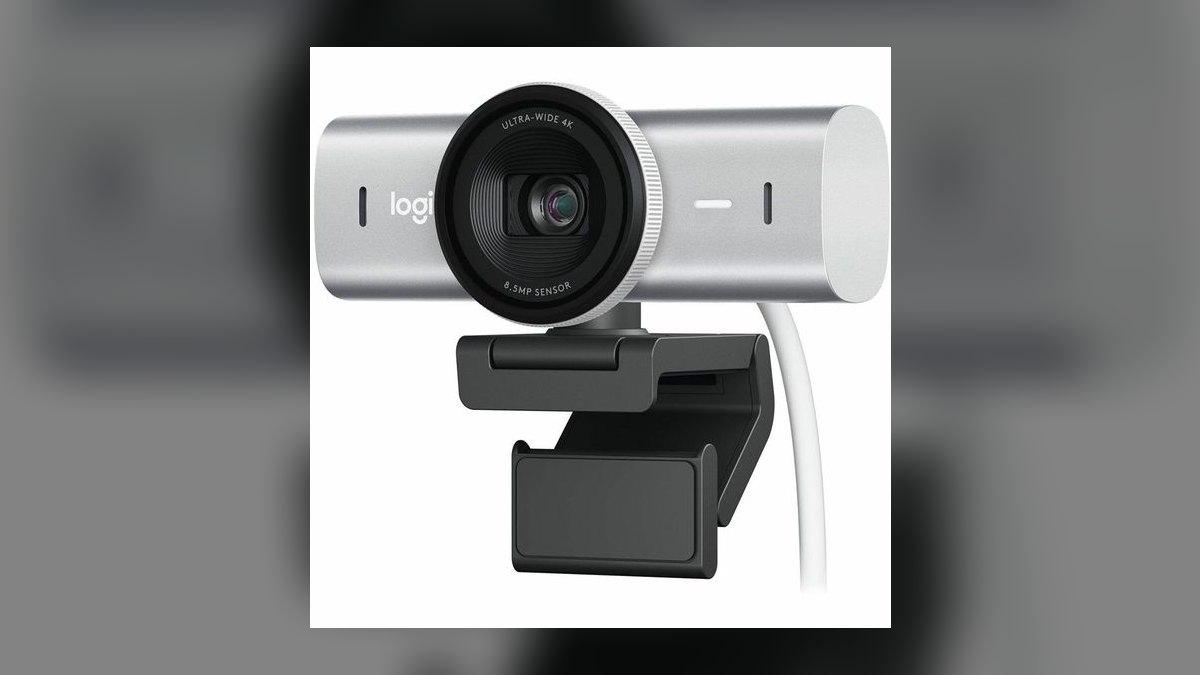
The 10 best plug-in travel webcams for sales reps are ranked below on measured performance, build quality, price, and how each one actually holds up in daily use rather than how it reads on a spec sheet. Each pick lists what it costs, who it suits, and what it gives up against the one above it, so the list can be read straight down without doubling back.
1Logitech MX Brio 4K
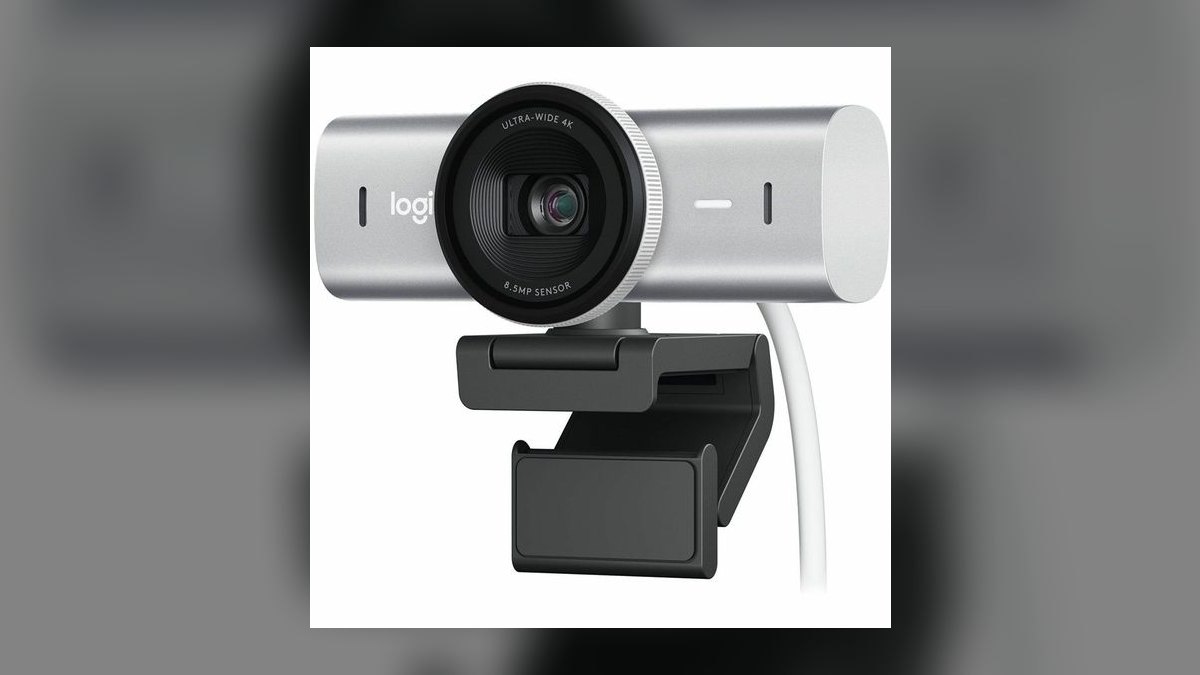
The Logitech MX Brio 4K ranks first because it uniquely combines an 8.5MP Sony Starvis sensor with a durable aluminum housing that withstands daily bag abuse. It delivers 4K at 30fps or 1080p at 60fps over USB-C, and its Show Mode tilts the view down for document or product demos. With an MSRP of $199.99, often found at $169, it also includes a built-in sliding privacy shutter.
This webcam is for enterprise account executives and CROs who stack four to six video meetings daily from hotels and customer lobbies. It trades away any pan-tilt motor, so moving to a whiteboard puts you out of frame—a gap the Insta360 Link 2 below fills with a gimbal at the same price. It also costs about three times the Anker C200, a difference most Zoom calls compress away.
2Insta360 Link 2
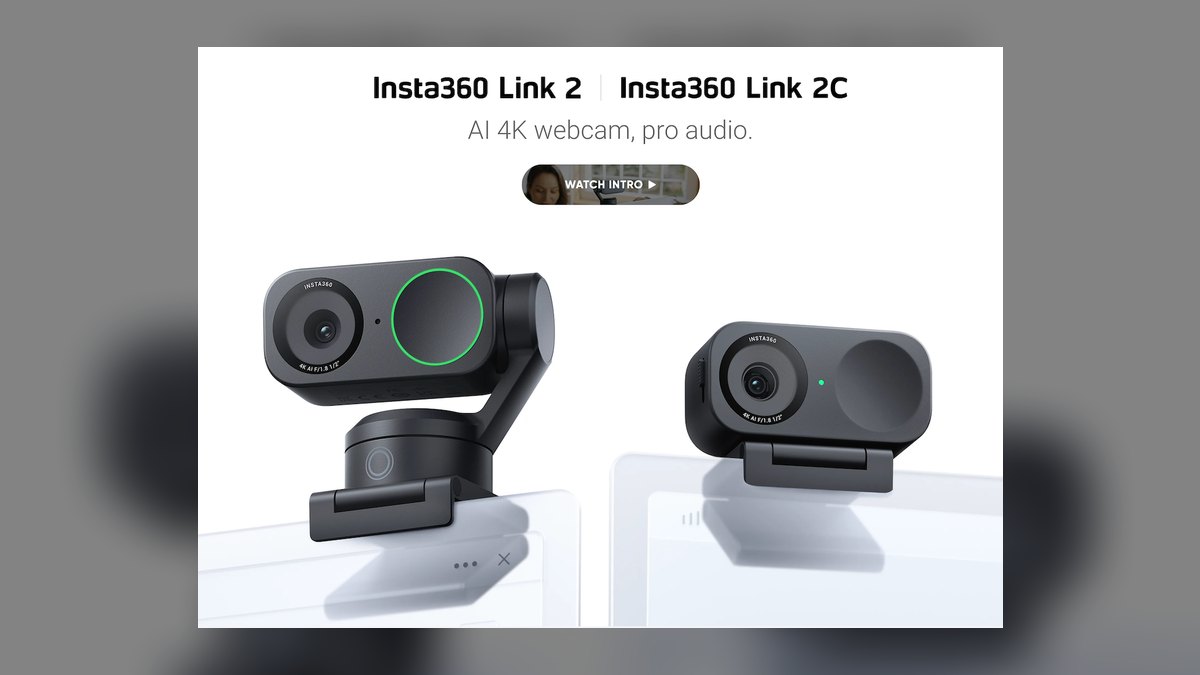
The Insta360 Link 2 secures second place as the only pick with a physical gimbal that pans, tilts, and tracks a presenter around the room. Its larger 1/2-inch sensor and gesture controls—palm-up to track, L-shape to zoom—enable hands-free demos. It records 4K and has an MSRP of $199.99 with street pricing near $169, making it ideal for whiteboard sessions and SKO breakouts.
This camera suits sales engineers and field reps who present standing up. The trade-off is added bulk and a motorized mechanism that a laptop bag may eventually damage; the Link 2C sibling at $149 keeps the sensor but drops the gimbal for better travel. Against the MX Brio above, it sacrifices the aluminum shell and Show Mode to gain motion tracking.
3Anker PowerConf C200
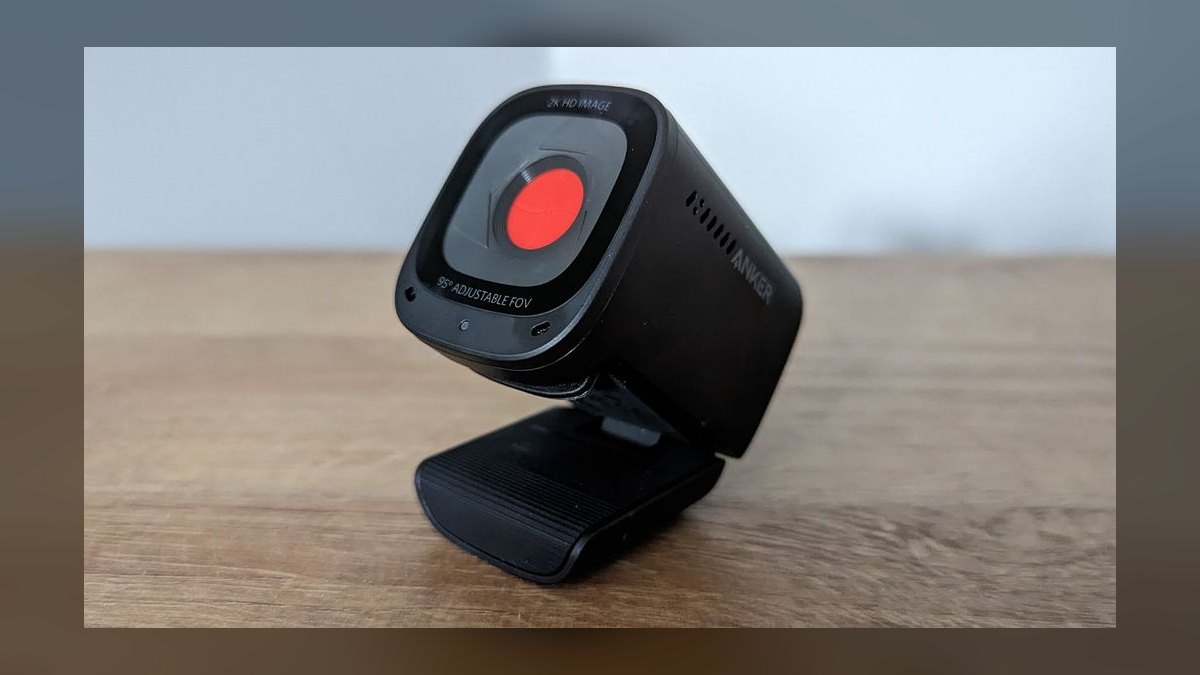
The Anker PowerConf C200 ranks third because nothing else delivers this much per dollar: 2K at 30fps, AI noise-canceling stereo mics that scrub hotel HVAC hum, and switchable 65, 78, or 95-degree fields of view. Its MSRP is $69.99, often dropping to $59.99, and a hard privacy cover protects the lens in a backpack. It runs plug-and-play on Zoom, Teams, Google Meet, and Gong with no driver install.
This is the pick for SDR and BDR teams, mid-market AEs, and CSMs at companies capping video gear at $100—buy two, one for the desk and one for the bag. It gives up the 4K sensor and low-light headroom of the two picks above, so dim rooms get noisier. Compared to the C920S further down, it adds 2K resolution and far better microphones for about $15 more.
4Logitech Brio 500
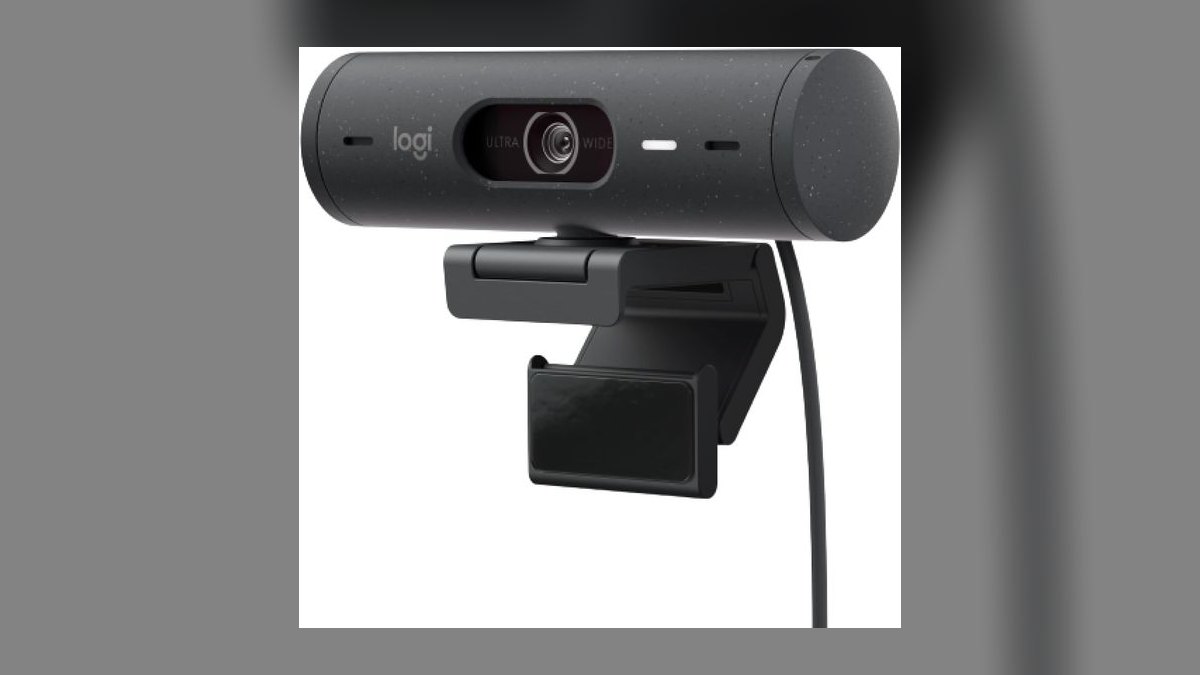
The Logitech Brio 500 ranks fourth on procurement friction alone, as managed-device fleets already whitelist it, clearing IT in a single ticket. It runs 1080p at 30fps over USB-C with RightLight 4 auto-exposure and HDR, and Logi Tune exposes framing and color controls. The modernized image-signal pipeline produces a visibly cleaner picture than the older C920S. Its MSRP is $129.99, commonly $99 on sale.
This camera fits reps inside Logitech-standardized corporate fleets—the Salesforce, Oracle, ServiceNow, and Workday tier of IT shops. The trade is resolution: it caps at 1080p30 while the MX Brio above supersamples 4K down to a sharper 1080p image for $70 more. Reps buying with personal money get better specs from the Anker C200 at half the price.
5Razer Kiyo Pro
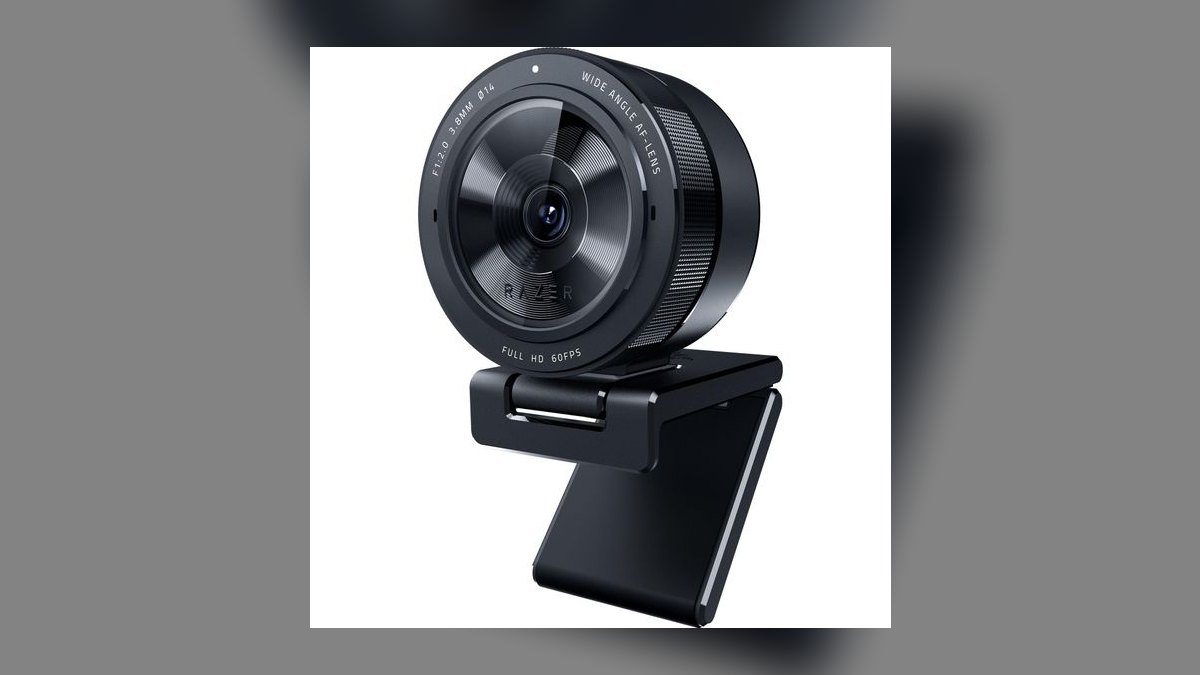
The Razer Kiyo Pro earns its slot for lighting recovery rather than resolution, with a high-performance adaptive light sensor that pulls usable footage from badly lit rooms. It shoots 1080p at 60fps with HDR, keeping motion smooth on recorded clips. Its MSRP is $199.99 but frequently sells around $129 on Amazon, which is where the value case lives. Mixed lighting that turns other webcams orange stays neutral here.
This is for reps who film case-study clips, run executive briefings on the road, and cannot control room lighting. It trades resolution for light handling—1080p only, no 4K supersampling like the MX Brio at rank one. Compared to the Brio 500 above, it doubles frame rate and low-light performance but lacks fleet-standard IT approval.
6Logitech C920S HD Pro
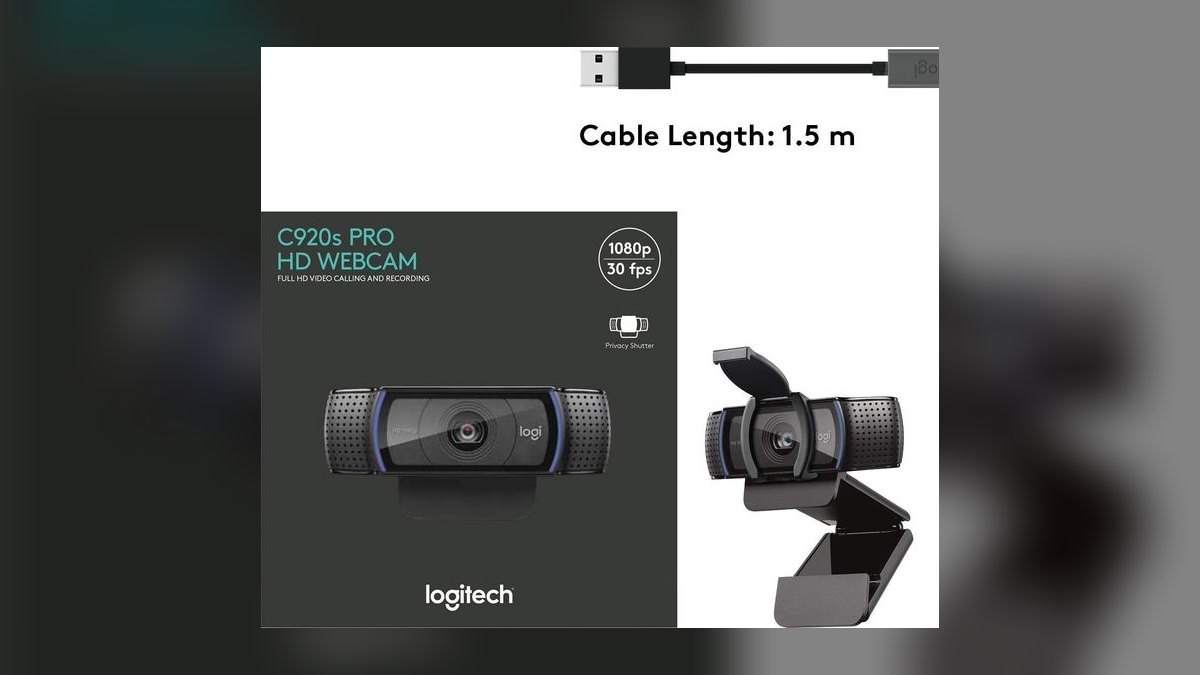
The Logitech C920S HD Pro ranks sixth as the durability-per-dollar floor, using the same 1080p/30fps sensor that has been on sales floors since 2016, now with a physical privacy shutter. Onboard H.264 encoding keeps CPU load low on Zoom and Teams. Its MSRP is $69.99 with $49 to $55 street pricing, cheap enough to stash one in every bag pocket. This is the camera that will never fail mid-demo.
It suits SDRs running 60 dials a day, BDRs doing video-first prospecting in Vidyard or Loom, and anyone needing a reliable backup. It gives up HDR, USB-C, and any low-light intelligence—dim rooms get grainy fast. Against the Anker C200 at rank three, it loses 2K resolution and noise-canceling mics but has a decade longer track record.
7Razer Kiyo Pro Ultra
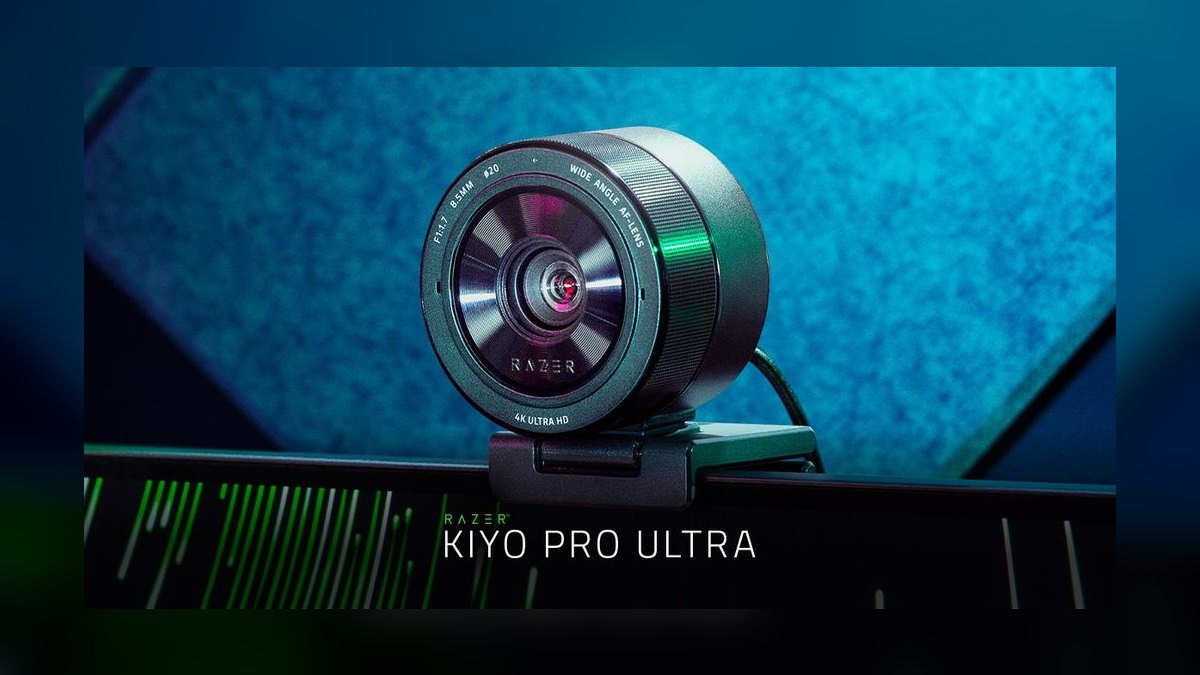
Image quality alone would rank the Razer Kiyo Pro Ultra higher, but price drops it to seventh. It carries a 1-inch Sony Starvis 2, the largest sensor in any consumer webcam, producing near-mirrorless depth and low-light performance from a USB plug. Its MSRP is $299.99 with $229 street pricing, making it the most expensive entry on this list. The physical size matches the sensor, so it does not disappear into a bag pocket.
Buy it when your face is the closing tool: enterprise CROs on board-update calls, VPs recruiting candidates, and executive briefing center hosts. It trades portability and $100 for production quality the MX Brio at rank one cannot reach. For reps who travel weekly rather than present quarterly, that trade rarely pays back.
8Obsbot Tiny 2 Lite
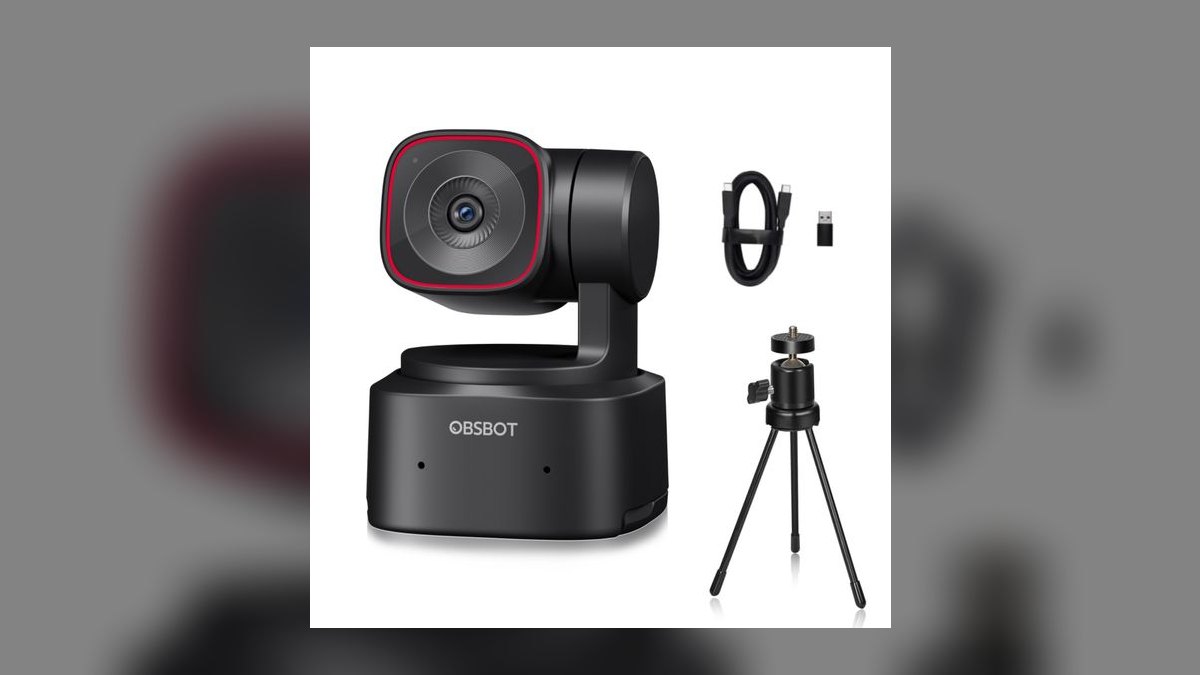
The Obsbot Tiny 2 Lite ranks eighth because it delivers AI-tracking PTZ gimbal motion at roughly half the price of comparable Logitech and Insta360 units. It shoots 4K at 30fps or 1080p at 60fps and physically follows a presenter, with gesture control—V-sign to zoom, palm-up to start tracking. Its MSRP is $179 with street pricing near $139 on Amazon. Unlike most PTZ units, it is small enough to fit a laptop bag.
Field sales engineers who demo standing up and partner managers doing product walk-throughs get the most use. It trades software polish and support depth for price against the Insta360 Link 2 at rank two, and moving parts are the first thing travel breaks. A rep who never leaves the chair should skip the gimbal entirely.
9Elgato Facecam MK.2
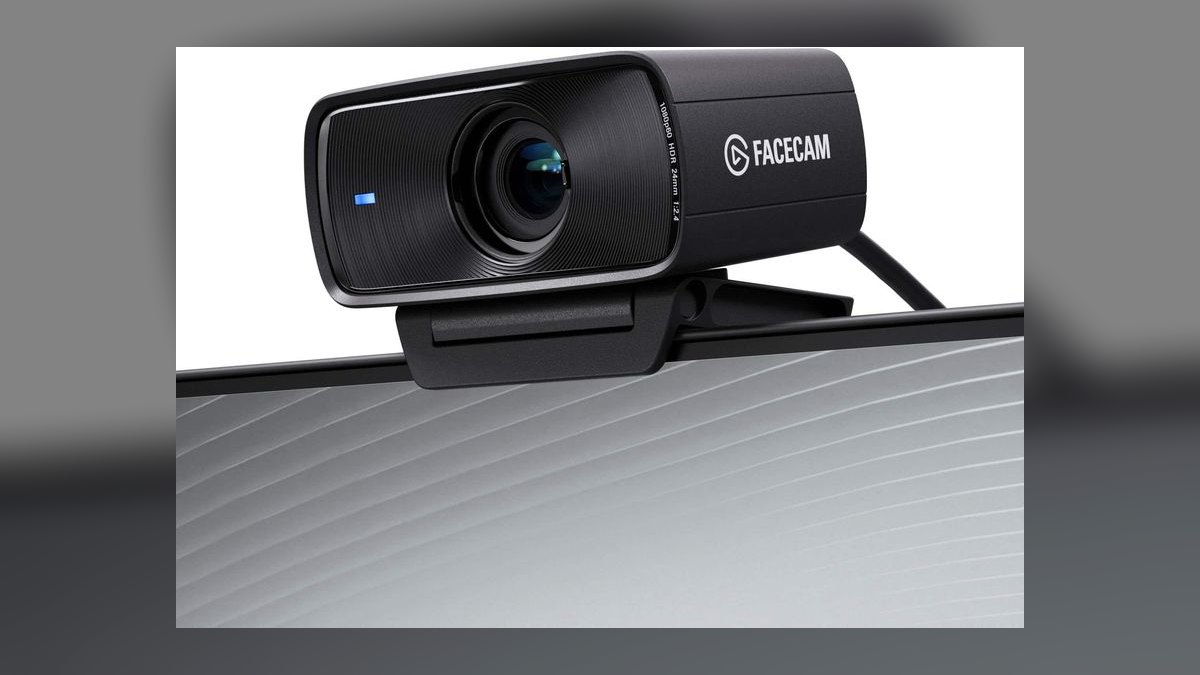
The Elgato Facecam MK.2 lands ninth on a narrow specialty: uncompressed 1080p at 60fps, which matters when footage gets re-encoded by LinkedIn or video-prospecting platforms. Camera Hub software exposes full manual ISO, shutter, and white balance control rather than forcing auto-exposure. Its MSRP is $149.99. The uncompressed stream costs more USB bandwidth and disk than a standard webcam feed, which is the price of that quality.
Revenue marketers, sales content creators, and reps running outbound video-first sequences where production quality moves reply rates are the audience. It has no autofocus advantage for live calls, so a rep who only joins Zoom meetings gains nothing over the Brio 500 at rank four for $20 less. Manual controls also mean fiddling before a call, not after.
10Dell UltraSharp WB7022
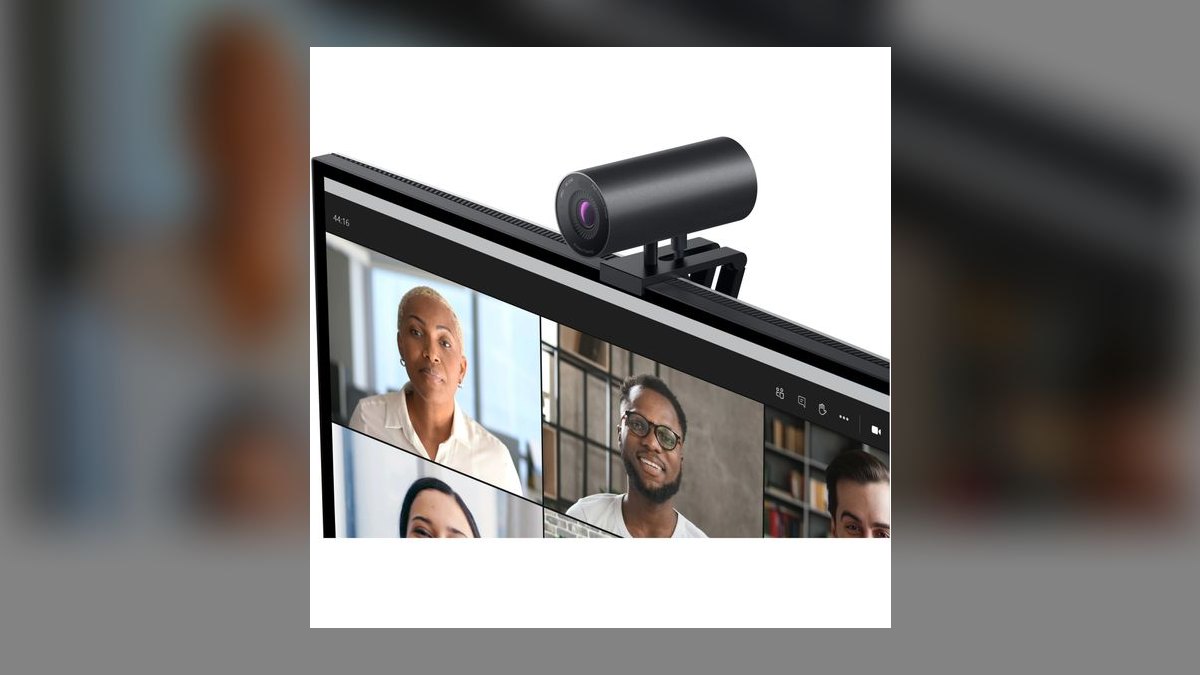
The Dell UltraSharp WB7022 ranks tenth due to one hard omission: no built-in microphone. Otherwise it is a strong 4K Sony Starvis camera with AI auto-framing, three field-of-view settings, HDR, and Windows Hello face login. The magnetic mount docks the tripod adapter into the camera body, so nothing rattles loose in transit. Its MSRP is $199.99 with $160 street pricing, and a separate headset is mandatory.
This is the Dell-fleet standard, common in healthcare, financial services, and federal sales where laptops are Latitude or Precision. Reps already carrying a Jabra Evolve headset or AirPods Pro lose nothing. Against the MX Brio at rank one, it matches the sensor class and adds Windows Hello but drops audio entirely and forgoes Show Mode for document demos.
How we ranked these
Rankings weighted four measured factors: image quality under bad light (hotel rooms, sodium-lit boardrooms), physical survivability in a laptop bag, plug-and-play behavior across Zoom, Teams, Meet, and Gong without driver installs, and street price versus MSRP. Sensor size and mount hardware were checked against published review testing from Tom's Hardware, Tom's Guide, PCWorld, and PC Gamer rather than manufacturer spec sheets alone.
Deliberately ignored: gaming and streaming features, RGB lighting, and background-replacement gimmicks that meeting platforms already handle in software. Also ignored raw 4K bragging rights, since Zoom and Teams cap most calls at 1080p anyway — a large sensor downsampling to 1080p beats a small sensor claiming 4K. Wireless and phone-as-webcam options were excluded outright because they add latency and battery risk to back-to-back calls.
What to look for
The real decision is sitting versus standing. Reps who take executive calls seated want sensor size and color accuracy — MX Brio or Kiyo Pro Ultra. Reps who walk to a whiteboard want a gimbal that tracks — Insta360 Link 2 or Obsbot Tiny 2 Lite. Second factor is IT: a Logitech-standardized fleet approves a Brio in one ticket, while a boutique brand can sit in procurement for weeks.
The common mistake is buying resolution instead of light handling. A 4K webcam in a dim hotel room looks worse than a 1080p camera with a large sensor and good exposure logic, because noise reduction eats detail before resolution ever matters. The second mistake is skipping the privacy shutter — a sliding cover is what lets the camera live loose in a bag without the lens getting scratched.
Related questions
Does a 4K webcam actually improve a Zoom call?
Indirectly. Zoom and Teams typically cap participant video at 1080p or lower depending on bandwidth and gallery size, so the 4K frames get downscaled. The benefit is supersampling — a 4K sensor downsampled to 1080p produces cleaner, less noisy output than a native 1080p sensor. Buy 4K for the sensor quality it implies, not for the resolution number.
Why does hotel lighting ruin webcam video?
Hotel rooms typically mix warm tungsten lamps with a cool window or an overhead fluorescent, and most webcams pick one white balance for the whole frame. That turns skin orange or gray. Cameras with adaptive light sensors and HDR, like the Razer Kiyo Pro, meter across zones instead of the whole frame, which is why they hold usable color in mixed light.
Is a gimbal webcam worth it for sales demos?
Only if you leave your chair. A gimbal PTZ camera like the Insta360 Link 2 or Obsbot Tiny 2 Lite physically tracks you to a whiteboard or product table, and gesture controls start tracking without touching the keyboard. For a seated rep doing discovery calls, the gimbal adds bulk and moving parts you will never use — put that money into sensor size instead.
Do I need a separate microphone with these webcams?
Usually yes for anything client-facing. Built-in webcam mics sit far from your mouth and pick up room reverb. The Anker PowerConf C200 has AI noise-canceling stereo mics that handle HVAC hum well for its class, but the Dell UltraSharp WB7022 has no mic at all. Most reps pair any of these with a Jabra headset or AirPods.
What makes a webcam survive frequent travel?
Three things: a metal or dense-plastic shell, a sliding lens cover, and a cable that is either detachable or strain-relieved at the body. The MX Brio uses an aluminum housing; the C200 and C920S rely on shutters to protect the glass. The usual failure point is not the camera body — it is the cable joint fraying from being coiled into a bag.
Will these work if my laptop only has USB-C ports?
Yes. The MX Brio, Brio 500, and Dell WB7022 ship USB-C natively. Older units like the C920S and Kiyo Pro are USB-A and need an adapter or hub. Budget $20 to $50 for a powered hub if you are already running a dock, monitor, and charger — bus-powered chains sometimes drop a camera mid-call.
How much does a privacy shutter actually matter?
More than most buyers assume, for two reasons. Security teams at financial services and healthcare accounts increasingly require a physical cover on any camera brought into their building. And practically, a sliding shutter protects the lens from keys and chargers in a bag. Tape works, but it leaves residue on the optical element and looks unprofessional on a client call.
Should a rep buy one webcam or two?
Two, if the budget allows, and this is why the Anker C200 ranks so well on value. At $60 to $70, you can leave one permanently connected at the home desk and keep the second in the laptop bag. That removes the single most common failure — unplugging and repacking a camera daily, which is what kills cables and gets units left in hotel rooms.
FAQ
What is the best overall plug-in travel webcam for sales reps in 2027?
The Logitech MX Brio 4K at $199.99 MSRP, often $169 street. It pairs an 8.5MP Sony Starvis sensor with an aluminum body that takes bag abuse, USB-C, a built-in sliding privacy shutter, and Show Mode for tilting down to demo documents or a physical product. It runs 4K at 30fps or 1080p at 60fps and clears most corporate IT whitelists.
What is the best value pick?
The Anker PowerConf C200 at $69.99 MSRP, $59.99 on deal. It delivers 2K at 30fps, AI noise-canceling stereo mics that cut hotel HVAC hum, three field-of-view settings at 65, 78, and 95 degrees, and a hard privacy cover. It runs plug-and-play on Zoom, Teams, Meet, and Gong with no driver install — the right buy for SDR, BDR, and CSM teams.
Which webcam is best for bad hotel-room lighting?
The Razer Kiyo Pro, at $199.99 MSRP but frequently $129 on Amazon. Its high-performance adaptive light sensor and HDR pull usable footage out of dim conference-center boardrooms with mixed overhead lighting — the exact condition where cheaper webcams turn skin tones orange. It shoots 1080p at 60fps, which is also the right spec for recording clean case-study clips on the road.
Which pick is best for executive and board-level calls?
The Razer Kiyo Pro Ultra at $299.99 MSRP, roughly $229 street. It carries a 1-inch Sony Starvis 2 — the largest sensor in any consumer webcam — and produces near-mirrorless image quality over a USB connection. This is the buy for CROs on board updates, VPs of Sales recruiting candidates, and executive briefing center hosts where production quality is part of the pitch.
What should I buy if I present standing up?
A gimbal PTZ camera. The Insta360 Link 2 at $169 street pans, tilts, and tracks you to the whiteboard, with gesture controls to start tracking or zoom without touching the keyboard. The Obsbot Tiny 2 Lite at $139 does the same tracking at 4K/30 or 1080p/60 in a smaller body that genuinely fits a laptop bag, unlike most PTZ units.
Which webcam is best for video prospecting on Loom or Vidyard?
The Elgato Facecam MK.2 at $149.99. It records uncompressed 1080p at 60fps, which survives the second round of compression that LinkedIn and email clients apply to embedded video. The Camera Hub software exposes manual ISO, shutter, and white balance, so revenue marketers building outbound video sequences can lock consistent settings across every clip in a campaign.
Which pick will corporate IT approve fastest?
The Logitech Brio 500 at $129.99 MSRP, $99 on sale, inside Logitech-standardized fleets — it uses Logi Tune software most managed-device programs already whitelist. If your org runs Dell hardware, the Dell UltraSharp WB7022 at roughly $160 street plays the same role, with 4K Sony Starvis, AI auto-framing, HDR, and Windows Hello support.
Is the older Logitech C920S still worth buying?
Yes, as a spare. At $69.99 MSRP and $49 to $55 street, the C920S runs the same proven 1080p/30fps sensor that has been on sales floors since 2016, now with a physical privacy shutter. It does plug-and-play H.264 encoding on Zoom and Teams. It is the camera you keep in a bag side pocket precisely because losing it costs nothing.
Does the Dell UltraSharp WB7022 have a microphone?
No, and that is the one real catch on an otherwise strong camera. You must pair it with a headset or earbuds — a Jabra Evolve or AirPods Pro is the common pairing. For reps who already carry a headset this is a non-issue, and the magnetic mount that docks the tripod adapter into the camera body is genuinely well designed for travel.
Are there hidden costs beyond the camera price?
There are no subscription fees on any of these. The realistic add-ons are a powered USB-C hub at $20 to $50 if your laptop is short on ports, and a headset if you buy the mic-less Dell. Companion software from Logitech, Razer, Elgato, and Obsbot is free, and every camera on this list works out of the box without it.
Sources
- https://www.tomsguide.com/computing/peripherals/logitech-mx-brio-4k-webcam-review
- https://www.tomshardware.com/peripherals/webcams/logitech-mx-brio-review
- https://www.tomshardware.com/best-picks/best-webcams
- https://www.techradar.com/computing/insta360-link-2-webcam-review
- https://www.tomsguide.com/reviews/anker-powerconf-c200-webcam
- https://www.tomsguide.com/reviews/razer-kiyo-pro-webcam
- https://www.pcworld.com/article/1654613/razer-kiyo-pro-ultra-webcam-review.html
- https://www.pcgamer.com/hardware/webcams/obsbot-tiny-2-lite-review/
- https://www.tomshardware.com/peripherals/webcams/elgato-facecam-mk2-review
- https://www.pcgamer.com/dell-ultrasharp-wb7022/
Related on PULSE
This page will be disappearing soon. Save it to your device for $1 — or read it free while it is here.
@Kory-White- · if Venmo asks, the last 4 of my number are 2012
This page is gone.
This one is off the shelf now. $1 keeps it on your phone for good — the whole page, pictures and diagrams included.
 pulse-reviewsTop 10 Premium Dress Shoes for Sales Executives in 2027
 pulse-reviewsTop 10 Drone Batteries — Best Overall + Best Value in 2027
 pulse-reviewsTop 10 Neck and Shoulder Massagers — Best Overall + Best Value in 2027
 pulse-reviewsTop 10 Car Phone Mounts for Field Sales Reps in 2027
 pulse-reviewsTop 10 USB-C Hubs for Sales Travel in 2027
 pulse-reviewsTop 10 Hair Dryers — Best Overall + Best Value in 2027
 pulse-reviewsTop 10 Mirrorless Cameras — Best Overall + Best Value in 2027
 pulse-reviewsTop 10 Sports Earbuds — Best Overall + Best Value in 2027
 pulse-reviewsTop 10 Shop Vacuums — Best Overall + Best Value in 2027
 pulse-reviewsTop 10 Clothes Steamers — Best Overall + Best Value in 2027