


Top 10 Ergonomic Office Chairs $400-$1500 in 2027
Quality
Certified
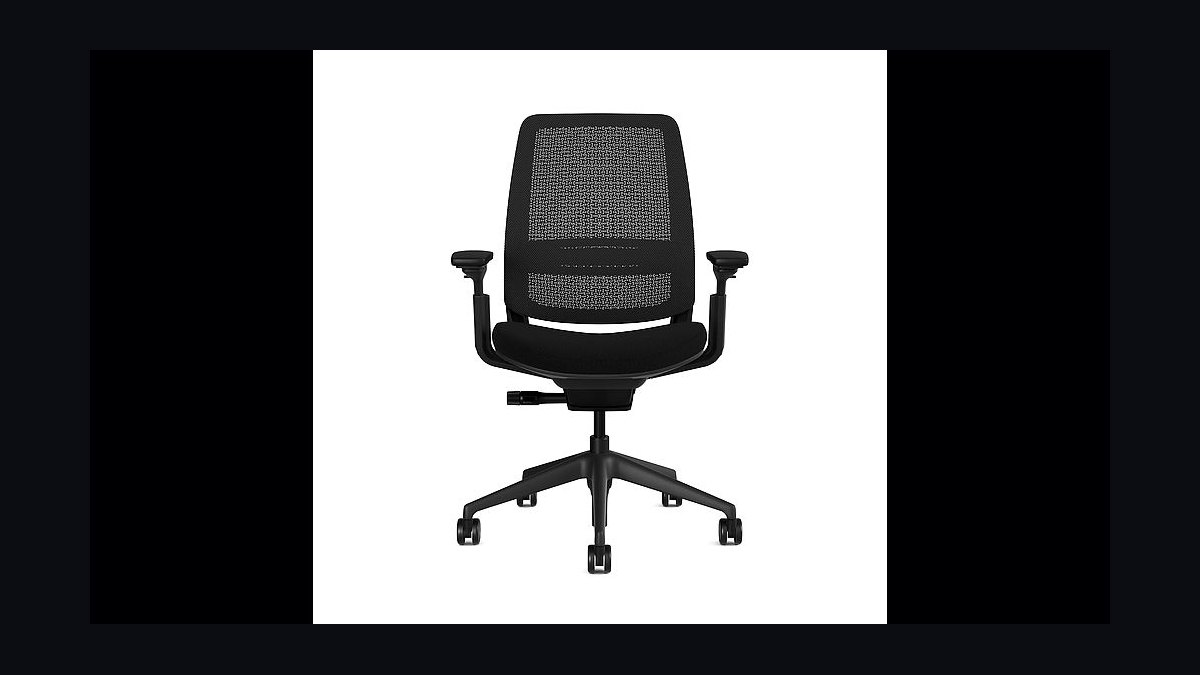
The 10 best ergonomic office chairs $400-$1500 are ranked below on measured performance, build quality, price, and how each one actually holds up in daily use rather than how it reads on a spec sheet. Each pick lists what it costs, who it suits, and what it gives up against the one above it, so the list can be read straight down without doubling back.
1Steelcase Series 2
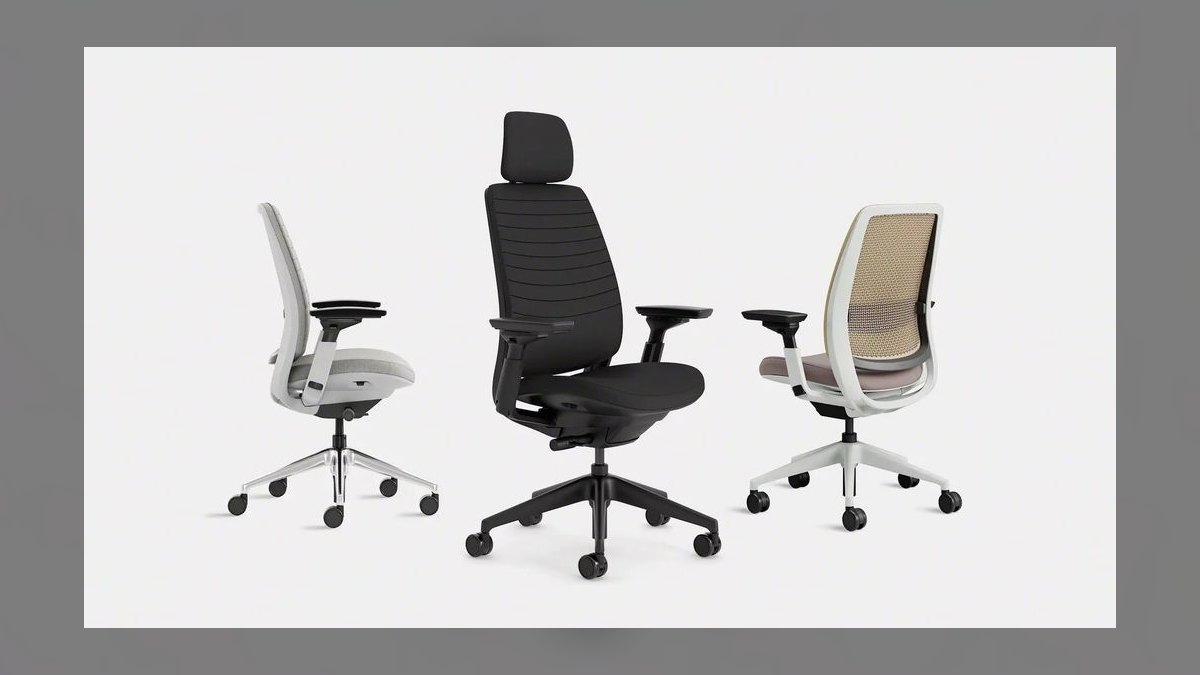
This ranks first because it pairs a genuinely height- and depth-adjustable 4-way lumbar pad with the LiveBack flexing spine at $588-$895 street. The base Air-back build with fixed arms lands near $588; adding 4D arms, 3D Microknit upholstery and soft-tread casters brings it to roughly $795. Seat depth slides between 16 and 18.5 inches, capacity is 300 lb, and the weight-activated recline offers four lock positions.
Built for anyone parked at a desk six or more hours across back-to-back calls, especially people who need the lumbar bolster positioned precisely rather than fixed by frame geometry. The 12-year, three-shift warranty covers commercial round-the-clock use. Armrests feel more plasticky than a Leap V2, and dark 3D Microknit colorways collect lint. Against the Herman Miller Sayl below, it wins on lumbar precision but loses on visual presence.
2Herman Miller Sayl
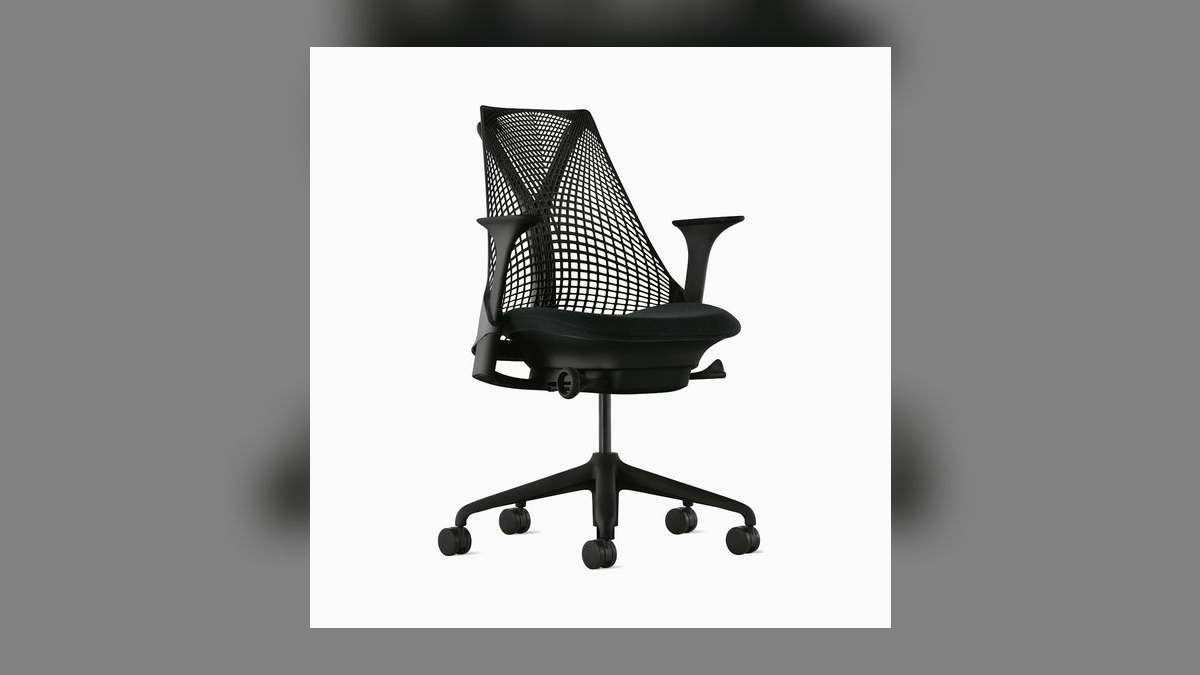
Second place goes to the Sayl because its suspension back, engineered from Golden Gate Bridge cable principles, still accepts a proper four-inch vertically adjustable lumbar pad bolted to the frame. Configured with adjustable arms, that lumbar option and seat-depth adjustment, it runs $895 direct and reaches $1,095 with higher-grade fabric plus a tilt limiter. The Harmonic 2 mechanism uses two-stage recline rather than a single pivot point.
This suits designers, marketers and operators who care how a chair reads on a video call as much as how it feels at hour seven. Over 45 frame and upholstery combinations make it the most customizable pick here, with a 12-year warranty and 350 lb capacity. Armrest quality lags the rest of Herman Miller's lineup. It costs more than the Steelcase above and offers less lumbar travel.
3HÅG Capisco 8106
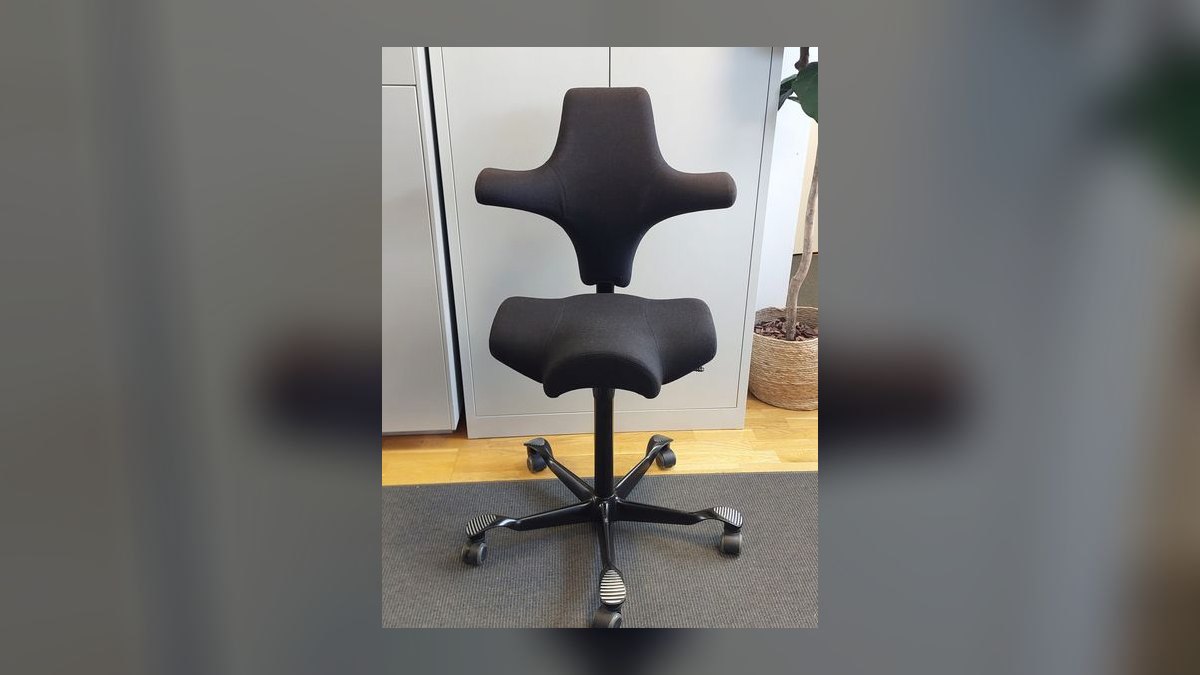
The Capisco places third because its saddle pommel abandons the fixed seat entirely, letting you sit forward, sideways, or reversed with your chest against the backrest. The forward saddle posture opens the hip angle to roughly 135 degrees, preserving the lumbar curve without any external bolster. A 150 mm gas cylinder option covers sit, perch and standing-lean heights. Street price runs $1,295 in standard fabric, $1,495 with the upholstered back.
This is the chair for sit-stand desk owners, people managing chronic lower-back pain, and habitual fidgets who never hold one position. It ships a 10-year warranty, a 90% recyclable frame and over 50% recycled content. The saddle needs five to seven days of break-in and looks unusual to visitors. Unlike the Sayl above, it offers no conventional backrest to lean into.
4Branch Verve Chair
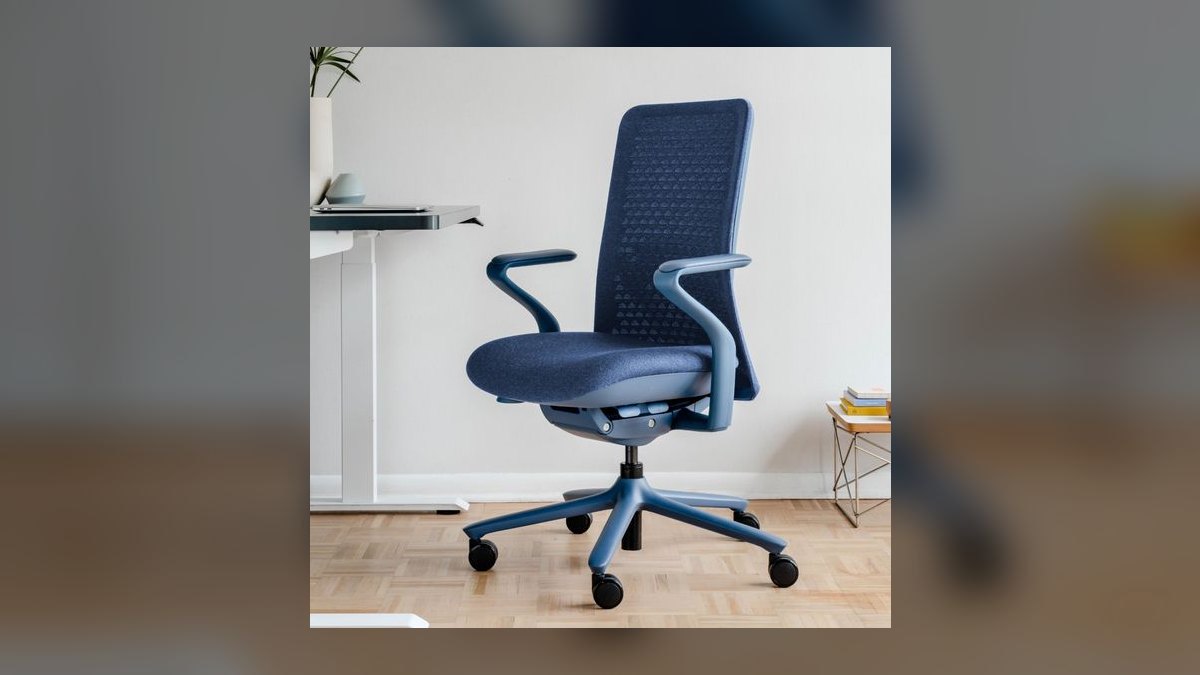
Fourth because no competitor near $549 ships both lumbar height adjustment and a seat-depth slider. This iF Design Award winner includes a padded height-adjustable lumbar rest, a 3D-knit V-shape suspension back, and a 7-year warranty. Six adjustment points come standard: seat height, seat depth, tilt tension, four-position tilt lock, lumbar height, and 3D armrest height and pivot. Galaxy runs $549; Coral and Mist run $599.
Aimed at bootstrapped founders, consultants outfitting client sites, and anyone wanting premium aesthetics without a four-figure invoice. Capacity is 275 lb, the lowest on this list, and the frame is sized for sitters between five feet and six feet. Taller or heavier operators should move up to the Steelcase Series 2 or Sayl. Against the Capisco above, it trades postural range for half the price.
5Knoll ReGeneration High Task Chair
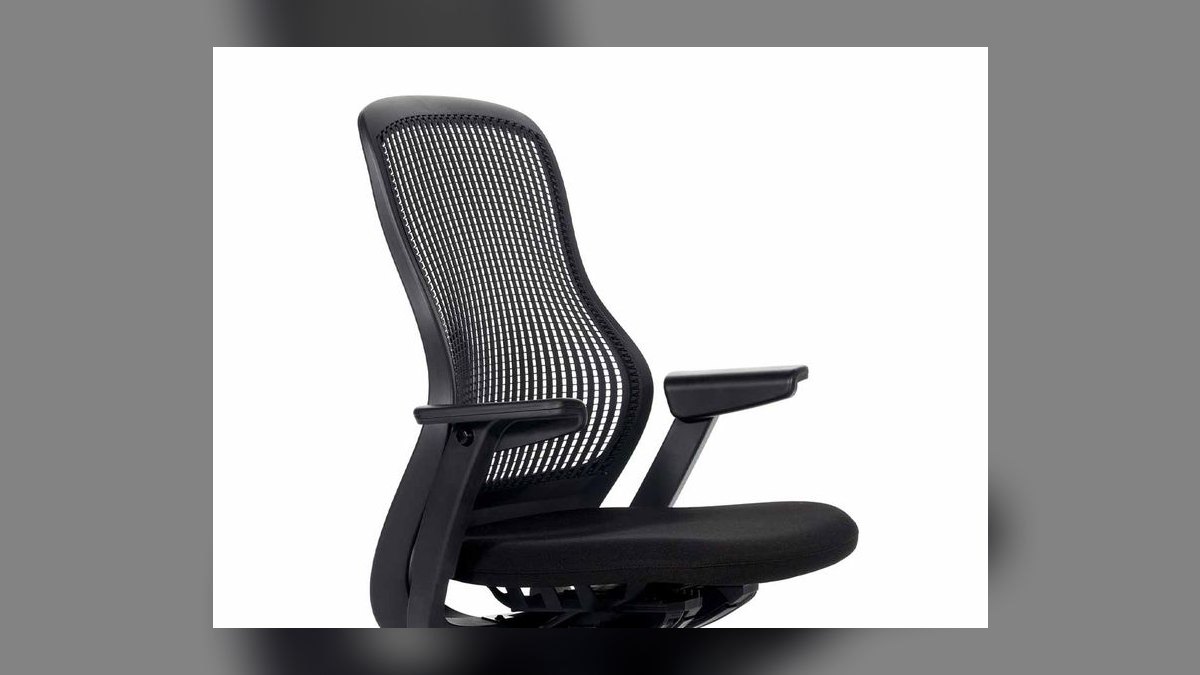
This lands fifth on materials and longevity rather than adjustability. Formway Design's Flex Back Net spine carries integral lumbar support, with the adjustable lumbar upgrade adding roughly $120. Standard builds run $895; adjustable arms plus adjustable lumbar push it to $1,195. The Flex Seat gives on three edges, so the front yields when you cross your legs or perch — something molded-foam seats cannot do. Capacity is 300 lb.
Built for procurement teams under ESG furniture mandates, B-Corps, and operators tired of replacing seating every four years. High recycled content, low-VOC adhesives and end-of-life recyclability back that case, alongside a 12-year warranty and seat-depth adjustment. The design has shipped unchanged since 2008, so replacement parts remain easy to source. Reviewers split on back-net stiffness; padding-preferring sitters should look at the Verve above.
6Herman Miller Aeron Remastered
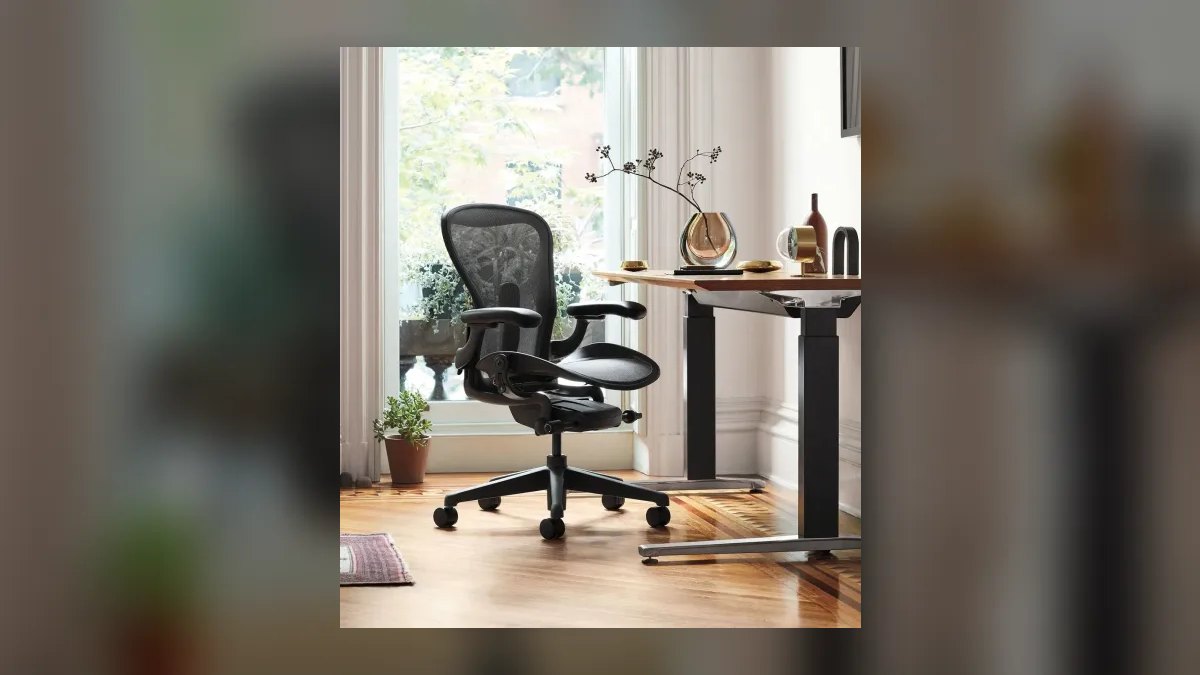
The Aeron sits sixth despite being the safest chair here because PostureFit SL's dual pads are positioned by frame geometry rather than user-adjustable height. Size B at full spec runs $1,495; adjustable arms, PostureFit SL and carpet casters push it to $1,795. The Remastered build brings 8Z Pellicle suspension, harmonic tilt and adjustable forward tilt for keyboard work. Capacity is 350 lb on Size B.
Three sizes — A small, B medium, C tall — let you match the frame to your inseam, which matters more than any single feature for fit. It suits senior operators with documented lumbar issues and long ownership horizons, backed by a 12-year warranty. At this price the Sayl, Capisco and ReGeneration each out-feature it on one axis. It is the least surprising purchase on the list.
7Humanscale Freedom Task Chair
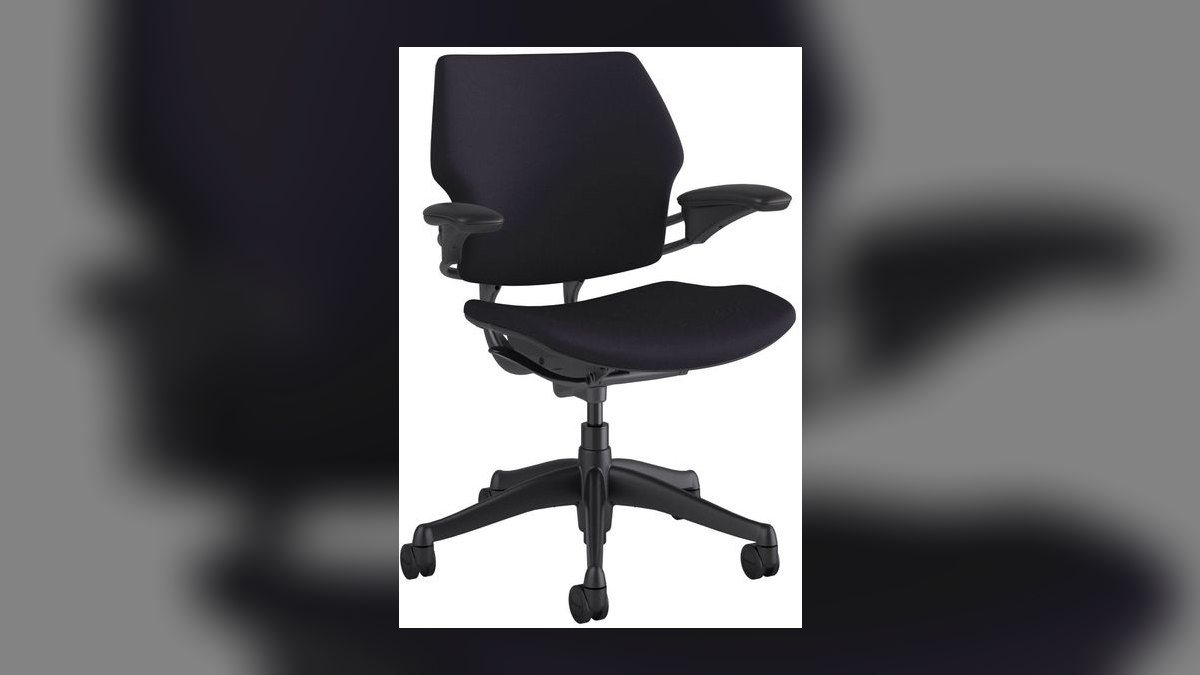
Seventh because the Freedom removes controls instead of adding them: weight-sensitive self-locking recline means no tension knob and no tilt lever, and the auto-adjusting headrest glides forward as you lean back. Base builds run $1,395; the headrest, gel armrests and leather upholstery reach $1,997. Its 15-year warranty is the longest here, and reviewers at TechRadar and PC Gamer rate the synchronous recline best in class.
This fits executives running eight or more video calls daily who want to recline between meetings without touching a single adjustment. The trade-off is real: there is no discrete lumbar pad at all, since Humanscale relies on the contoured backrest and recline mechanics. Sitters with documented lower-back problems often need a bolster. The Aeron above costs less at base and gives you PostureFit SL.
8Haworth Fern Digital Knit
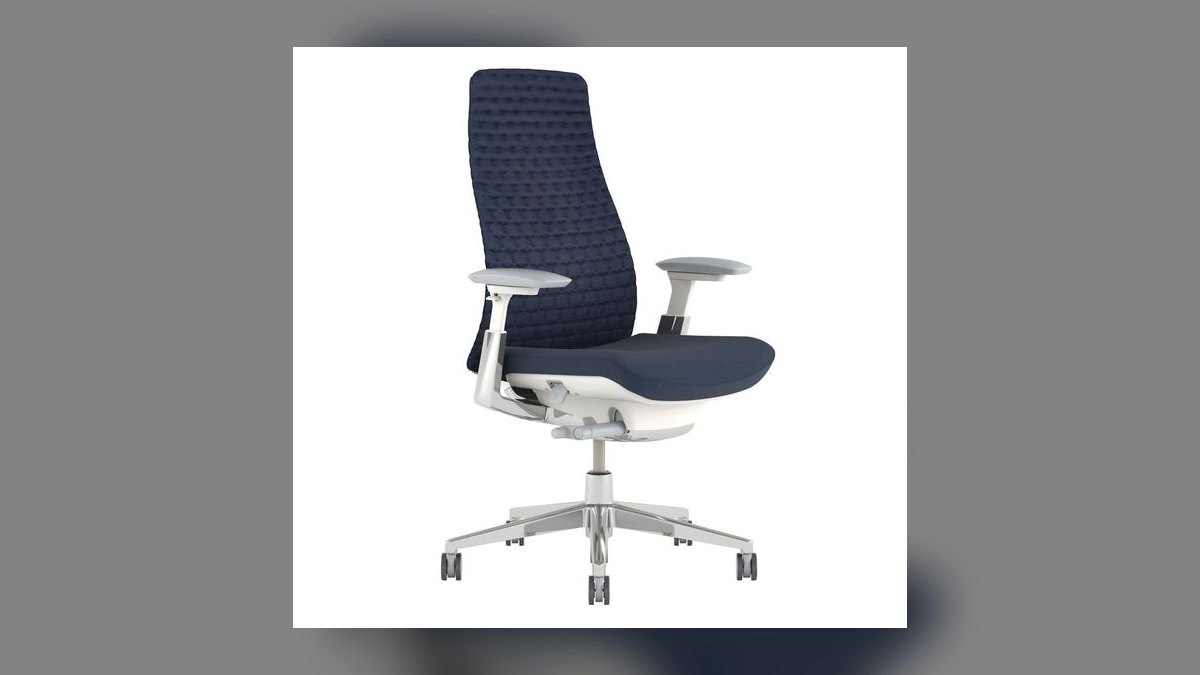
Eighth on the strength of its bionic frond back — five flexing sections that ripple independently as you twist toward a second monitor or a side-mounted whiteboard. Most chairs flex in one zone. The Digital Knit upholstery took NeoCon Best of Show in 2018. A 2027 build with 4D arms, adjustable lumbar and seat-depth adjustment runs $945-$1,295, with a 12-year warranty, 325 lb capacity and a waterfall seat edge.
Good for hybrid workers splitting time between home and office who want something that reads as designed rather than industrial. The practical drawback is distribution: Haworth's dealer network is smaller than Steelcase's or Herman Miller's, so street discounts are rare and you should expect to pay near MSRP. The Humanscale Freedom above costs more but carries a longer warranty and hands-off recline.
9Sihoo Doro S300
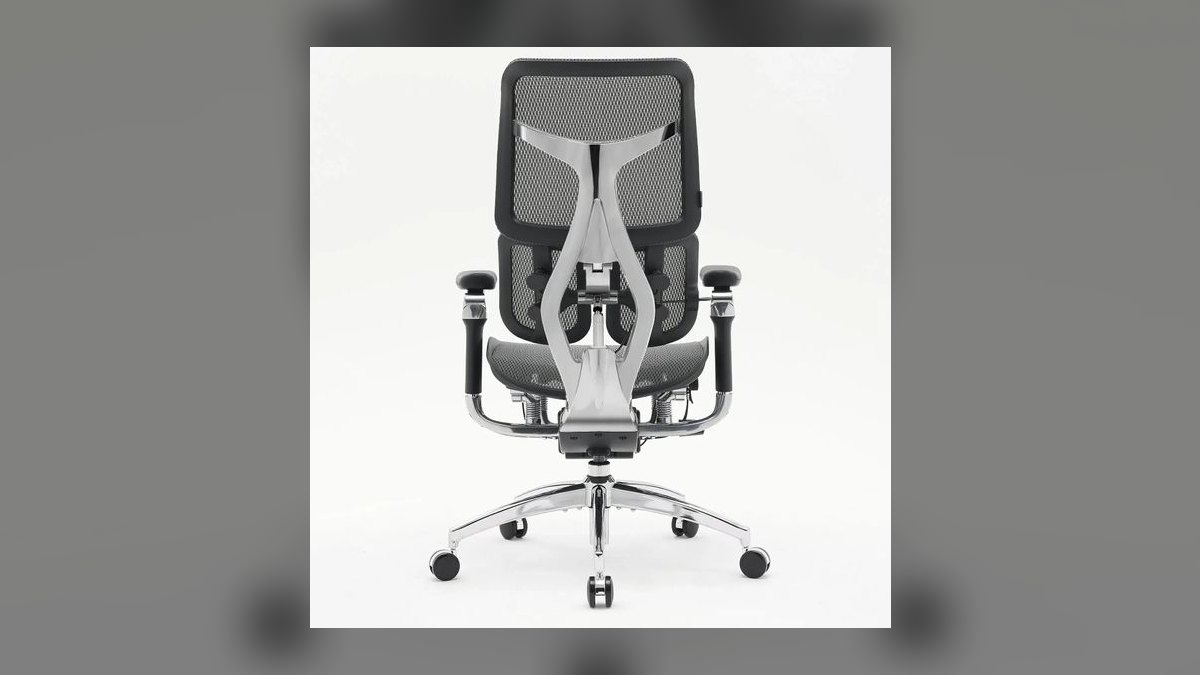
Ninth because the feature count is premium but the support infrastructure is not. For $799-$899 it ships dual dynamic lumbar pads that auto-pivot as you shift weight, an anti-gravity recline with six lock positions, 5D armrests, an adjustable headrest, and Italian velvet over DuPont TPEE mesh. Tom's Guide called the dual lumbar system the best under $1,000 in its 2025 review. Capacity is 300 lb.
Worth considering for budget-constrained buyers willing to bet on a newer brand for near-flagship adjustment. The warranty is five years, well short of the Western brands, the height range suits only 5'4" to 6'2", and there is no true recline lock — just tension settings. North American dealer support is thin; you buy through Amazon or direct. The Haworth Fern above costs more but has real service depth.
10HON Ignition 2.0
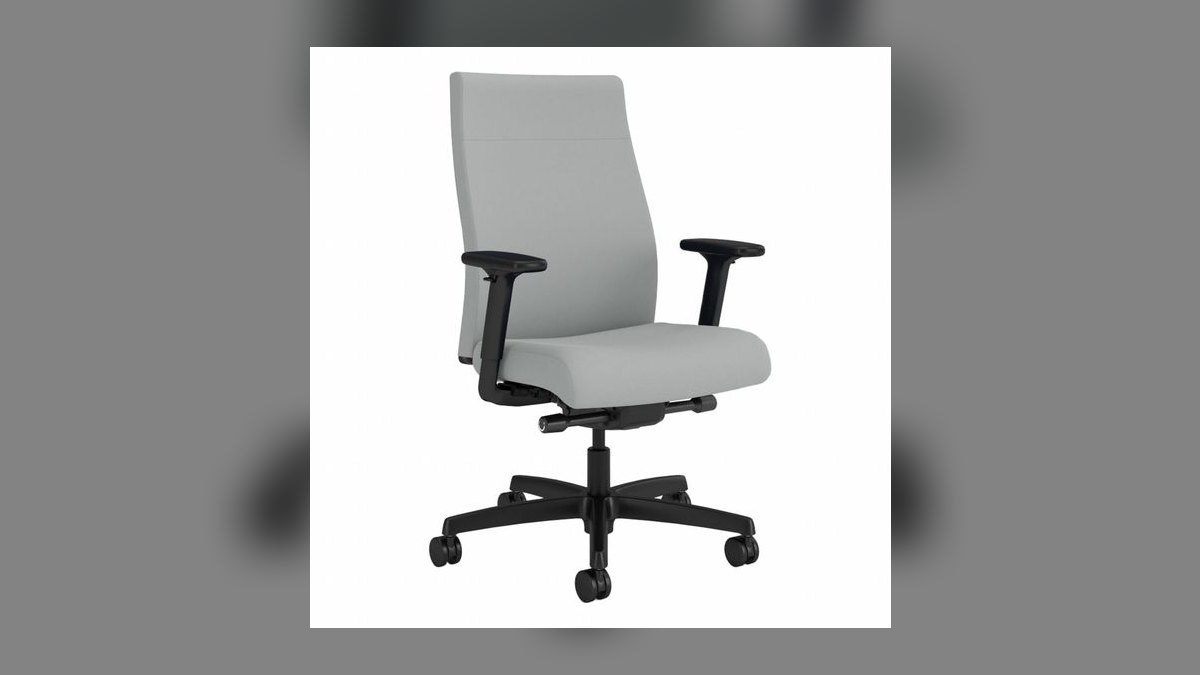
Tenth because it is the only chair here starting under $400 — $399 with fixed arms and basic lumbar, $549 for the adjustable lumbar, 4-way arms and mesh back build. Even at the base tier HON includes a 15-year warranty, 300 lb capacity, seat-depth adjustment and a height-adjustable lumbar pad, features most sub-$500 competitors omit. It is the best-selling commercial task chair in North America.
This fits early-stage startups outfitting twenty seats at once, students, and anyone replacing a $99 chair without committing four figures. The mesh breathes less than the Steelcase Series 2 Air option, and the overall build feels less refined than the Branch Verve. HON's commercial dealer network makes replacement parts trivial to source, which is why these chairs outlast most office furniture.
How we ranked these
Every chair here was scored on lumbar adjustability (height and depth travel, not just presence), recline mechanism quality, seat-depth range, weight capacity, and warranty length weighted against street price rather than MSRP. Configuration mattered: a Series 2 with fixed arms is a different chair than one with 4D arms and the adjustable lumbar pad, so pricing spans the real configured range. Warranty tier carried extra weight because a 12-year/3-shift term signals commercial-grade internals.
Deliberately ignored: brand prestige, resale value, and gaming-chair-style aesthetics. Reviewer star averages on retail listings were skipped because they mix configurations and conflate shipping damage with ergonomics. Headrests were not scored as a requirement — most ergonomists treat them as recline accessories, not posture support. Color options, fabric fashion, and NeoCon award history were noted as context but never allowed to move a chair up or down the ranking.
What to look for
The decision that actually matters is whether you need a discrete, height-adjustable lumbar pad or whether contoured back geometry is enough. Steelcase Series 2, Branch Verve, and HON Ignition 2.0 give you a pad you can position; Humanscale Freedom and Aeron's PostureFit SL fix the support where the frame puts it. Second: match seat-depth range to your inseam. A seat too deep cuts circulation behind the knee no matter how good the lumbar is.
The common mistake is buying the most expensive chair in budget instead of the best-fitting one. A $1,795 Aeron in the wrong size performs worse than a $549 Verve sized correctly — and the Verve tops out at 6'0" and 275 lb, so taller or heavier sitters genuinely need the Series 2 or Sayl. Buyers also skip the return window, then discover at week three that a saddle seat or stiff back net doesn't suit them.
Related questions
How much lumbar adjustment do you actually need?
Enough to place the pad's apex at your belt line while seated normally. Height adjustment alone covers most sitters; depth adjustment matters if you have a pronounced lordotic curve or a flat lower back. Chairs like the Steelcase Series 2 offer both. If a chair only offers a fixed pad, sit in it for an hour before committing — geometry either fits you or it doesn't.
Is a 12-year warranty meaningful or just marketing?
Meaningful, especially when it specifies three-shift use like Steelcase's. That clause means the chair is rated for roughly 24-hour daily rotation in a call center, which is a real durability claim about cylinders, casters, and tilt mechanisms. A consumer-only warranty with heavy exclusions is weaker. Check whether foam, upholstery, and gas cylinder are covered separately — those are the parts that actually fail.
Why does a saddle chair change lumbar support?
Sitting astride a saddle opens the hip angle toward roughly 135 degrees rather than the 90 degrees of a conventional seat. That forward pelvic tilt lets the lumbar spine hold its natural curve without a pad pushing it there. The HÅG Capisco works on this principle. The tradeoff is no backrest to lean into, and a break-in period of about a week.
Does mesh or foam matter more for all-day comfort?
Neither wins outright. Mesh runs cooler and distributes pressure across a suspension field, which suits warm rooms and long stretches. Foam gives a more defined seat pocket and suits sitters who shift often. What matters more is edge treatment: a waterfall seat front relieves pressure behind the knee, and flexing seat edges let you cross your legs without a hard rail.
What weight capacity should you look for?
Buy above your weight, not at it. Most chairs here rate 275 to 350 pounds, and the rating reflects the gas cylinder and base more than the seat. The Branch Verve's 275-pound limit is the lowest on this list; the Sayl and Aeron reach 350. Sustained loading near the ceiling shortens cylinder life, so leave headroom rather than shopping to the exact number.
Are armrests worth paying to upgrade?
Yes, if you type more than a few hours a day. 4D arms adjust height, width, depth, and pivot, which lets you support your forearms without shrugging your shoulders — the single most common source of neck complaints. Fixed arms often force you to work with unsupported forearms or arms too wide. It is usually the cheapest upgrade with the largest daily payoff.
How do street prices differ from list prices?
Substantially, and unevenly by brand. Steelcase and Herman Miller move through large dealer networks and authorized resellers, so discounting is common. Haworth's dealer network is smaller, so the Fern tends to sell near MSRP. Direct-to-consumer brands like Branch and Sihoo publish one price and rarely discount below it. Refurbished and open-box channels change the math again on the premium chairs.
Should you buy refurbished at this price band?
It can be smart on chairs with long parts pipelines — Aeron, Series 2, and Knoll ReGeneration all have decades of replacement availability. Verify the seller replaces cylinders and casters, and confirm what warranty transfers, because most manufacturer terms cover only the original purchaser. A refurbished premium chair often beats a new budget chair at the same price, provided the size is right.
FAQ
What is the best ergonomic office chair under $700 in 2027?
The Branch Verve at $599 leads that band. It ships a padded height-adjustable lumbar rest, a seat-depth slider, 3D armrests, and a 7-year warranty, plus an iF Design Award. The main limitation is a 275-pound capacity and a fit range of about 5'0" to 6'0". Taller or heavier sitters should step up to the Steelcase Series 2 instead.
How long do chairs in the $400-$1,500 range last?
Warranties run 5 to 15 years, and that range roughly predicts service life. HON and Humanscale offer 15 years; Steelcase, Herman Miller, Knoll, and Haworth offer 12; Branch offers 7; Sihoo offers 5. The parts that fail first are gas cylinders and casters, both cheap to replace. A well-built chair kept out of direct sun commonly outlives its warranty.
Is a saddle chair like the HÅG Capisco good for all-day sitting?
It suits people who change position constantly — perching, sitting reversed, toggling with a standing desk. It is less suitable if you want to recline back and read for long stretches, since there is no conventional backrest to settle into. Expect roughly five to seven days of adjustment before it feels natural. Pair it with a height-adjustable desk to get the full benefit.
What makes 4-way lumbar better than basic adjustable lumbar?
Four-way lumbar moves both vertically and in depth, letting you set where the support sits and how firmly it presses. Basic adjustable lumbar usually slides up and down only, so the pressure level is fixed by frame geometry. Depth control matters most for sitters whose curve is either unusually pronounced or unusually flat, where a fixed press is either painful or useless.
Are these chairs worth it versus a sub-$200 model?
For full-time desk work, yes. Budget chairs typically use thin foam that compresses within a year, non-adjustable lumbar, and gas cylinders rated for light use. The chairs here carry multi-year warranties and serviceable parts. If you sit under two hours a day, the gap narrows considerably and a cheaper chair is defensible. The math turns on hours in the seat, not on prestige.
Can you try these chairs before buying?
Often, though it varies. Steelcase, Herman Miller, Knoll, and Haworth sell through dealer showrooms where you can sit in the actual configuration. Branch, Sihoo, and many HÅG resellers are online-first and lean on return windows instead, typically 30 days. Read the return terms closely — some sellers charge return shipping on large freight items, which can run over a hundred dollars.
Which chair suits a sit-stand desk best?
The HÅG Capisco, particularly with the tall gas cylinder, because the saddle seat supports perching at standing-desk height rather than forcing a full sit. Conventional task chairs work at a raised desk only if the cylinder range reaches and you add a footrest. If you toggle between sitting and standing several times a day, saddle geometry removes most of the friction.
Does a headrest improve ergonomics or just comfort?
Mostly comfort, and only while reclining. Upright typing does not load the cervical spine in a way a headrest relieves; leaning back between calls does. The Humanscale Freedom's auto-adjusting headrest tracks recline, which is the version worth paying for. A fixed headrest set at the wrong height pushes the head forward and can make posture worse than having none at all.
How important is seat-depth adjustment?
Very, and it is the spec most often skipped at this price. You want roughly two to three fingers of clearance between the seat front and the back of your knee. Too deep and the edge compresses circulation; too shallow and your thighs lose support. Branch Verve, Steelcase Series 2, Knoll ReGeneration, and HON Ignition 2.0 all include a depth slider.
Is the Herman Miller Aeron still worth the premium?
It remains the most durable and best-supported chair here, with three frame sizes and an unmatched parts ecosystem. What it does not offer is height-adjustable lumbar — PostureFit SL's pad position is fixed by frame geometry. If your lower back needs a pad you can place, a Steelcase Series 2 at roughly half the price does that better. Buy the Aeron for longevity and fit precision.
Sources
- https://www.nytimes.com/wirecutter/reviews/best-office-chair/
- https://www.steelcase.com/products/office-chairs/series-2/
- https://www.hermanmiller.com/products/seating/office-chairs/aeron-chairs/
- https://www.hermanmiller.com/products/seating/office-chairs/sayl-chairs/
- https://www.humanscale.com/products/seating/freedom-office-chair
- https://www.osha.gov/etools/computer-workstations/components/chair
- https://www.mayoclinic.org/healthy-lifestyle/adult-health/in-depth/office-ergonomics/art-20046169
- https://www.knoll.com/product/regeneration-by-knoll
- https://www.haworth.com/na/en/products/seating/task/fern.html
- https://www.tomsguide.com/best-picks/best-office-chairs
Related on PULSE
This page will be disappearing soon. Save it to your device for $1 — or read it free while it is here.
@Kory-White- · if Venmo asks, the last 4 of my number are 2012
This page is gone.
This one is off the shelf now. $1 keeps it on your phone for good — the whole page, pictures and diagrams included.
 pulse-reviewsTop 10 Cable Management Boxes for Sales Home Office in 2027
 pulse-reviewsTop 10 Mirrorless Cameras — Best Overall + Best Value in 2027
 pulse-reviewsTop 10 4K TVs — Best Overall + Best Value in 2027
 pulse-reviewsTop 10 Circular Saws — Best Overall + Best Value in 2027
 pulse-reviewsTop 10 Ethernet Adapters for MacBook — Best Overall + Best Value in 2027
 pulse-reviewsTop 10 Blue Light Glasses for Sales Reps in 2027
 pulse-reviewsTop 10 Premium Dress Shoes for Sales Executives in 2027
 pulse-reviewsTop 10 Spot Welders — Best Overall + Best Value in 2027
 pulse-reviewsTop 10 Electric Hot Pots — Best Overall + Best Value in 2027
 pulse-reviewsTop 10 VR Headsets — Best Overall + Best Value in 2027