
Top 10 Closed-Back Studio Headphones — Best Overall + Best Value in 2027
 Curated byKory White · Fractional CRO · Maryland
 PULSEKNOWLEDGE LIBRARY
Quality
Certified
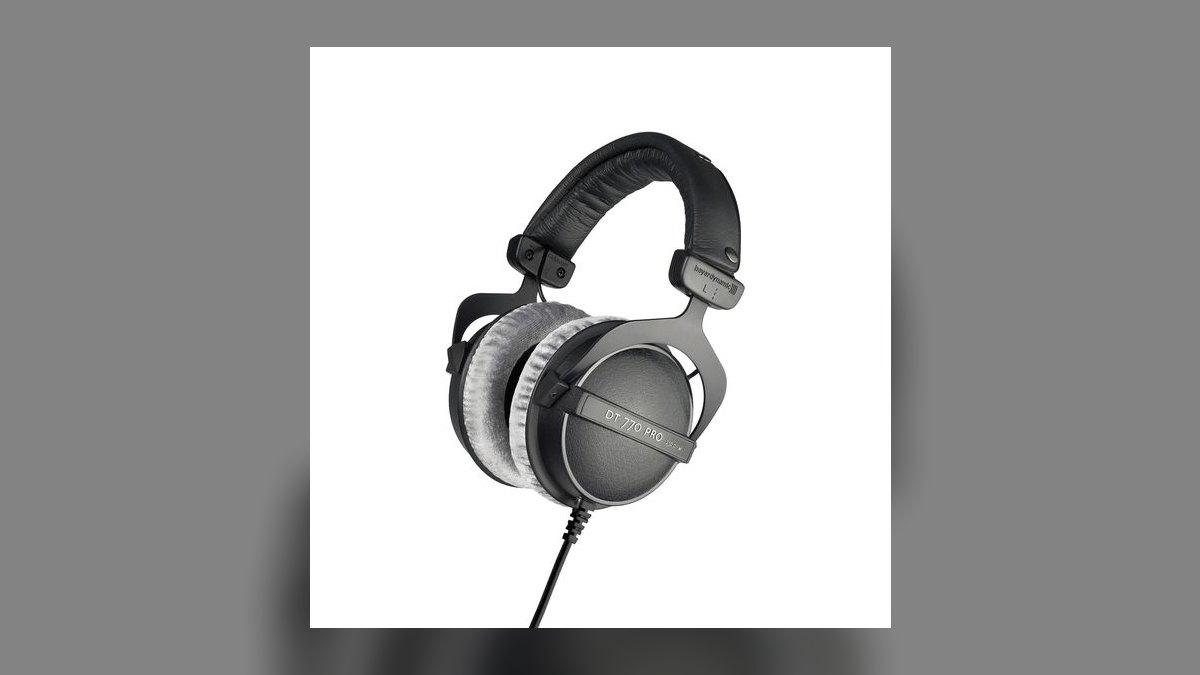
The 10 best closed-back studio headphones are ranked below on measured performance, build quality, price, and how each one actually holds up in daily use rather than how it reads on a spec sheet. Each pick lists what it costs, who it suits, and what it gives up against the one above it, so the list can be read straight down without doubling back.
1. Beyerdynamic DT 770 Pro
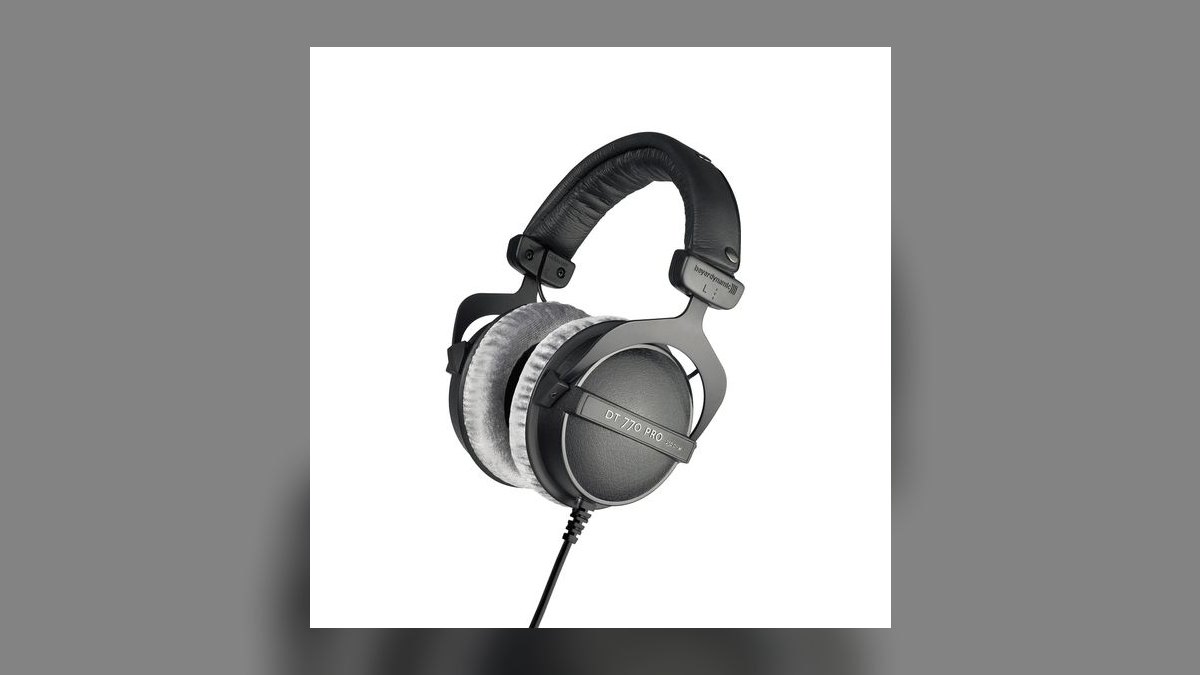
This ranks first because no other closed-back headphone is installed in as many working control rooms, and it ships in 32, 80, and 250 ohm versions so it matches any rig from a laptop to a dedicated amp. The 45mm dynamic driver sells for roughly $159 to $169. The 80-ohm variant runs cleanly off a Focusrite Scarlett-class interface while tightening the low end. Velour pads stay cool across 12-hour tracking days.
This is the tracking engineer's default: strong passive isolation keeps cue-mix bleed out of a vocal mic. You trade neutrality for excitement, since the tuning lifts both bass and treble away from a flat reference target, and the classic model's coiled cable is hard-wired rather than detachable. The DT 700 Pro X below is the more linear choice if mixing rather than tracking is the actual job. Pads and parts are cheap and user-replaceable.
2. Audio-Technica ATH-M40x
This earns second on accuracy per dollar: at roughly $73 it tunes flatter than the far more famous M50x, which makes it the more honest reference for anyone making mix decisions on headphones. The 40mm dynamic driver presents a 35-ohm load, so a phone or interface drives it to full volume without an amp. Detachable cables and foldable cups are included at that price. The midrange refuses to hype the bass.
This is for home-studio owners and beginners who need a truthful reference before they need a prestigious one. You give up low-end thump and some build flash — the chassis is plastic where rivals use metal headbands, and deep bass sits slightly recessed versus bass-forward models. Against the DT 770 Pro above, it costs less than half as much and measures closer to flat, but isolates and survives abuse somewhat less impressively.
3. Sony MDR-7506
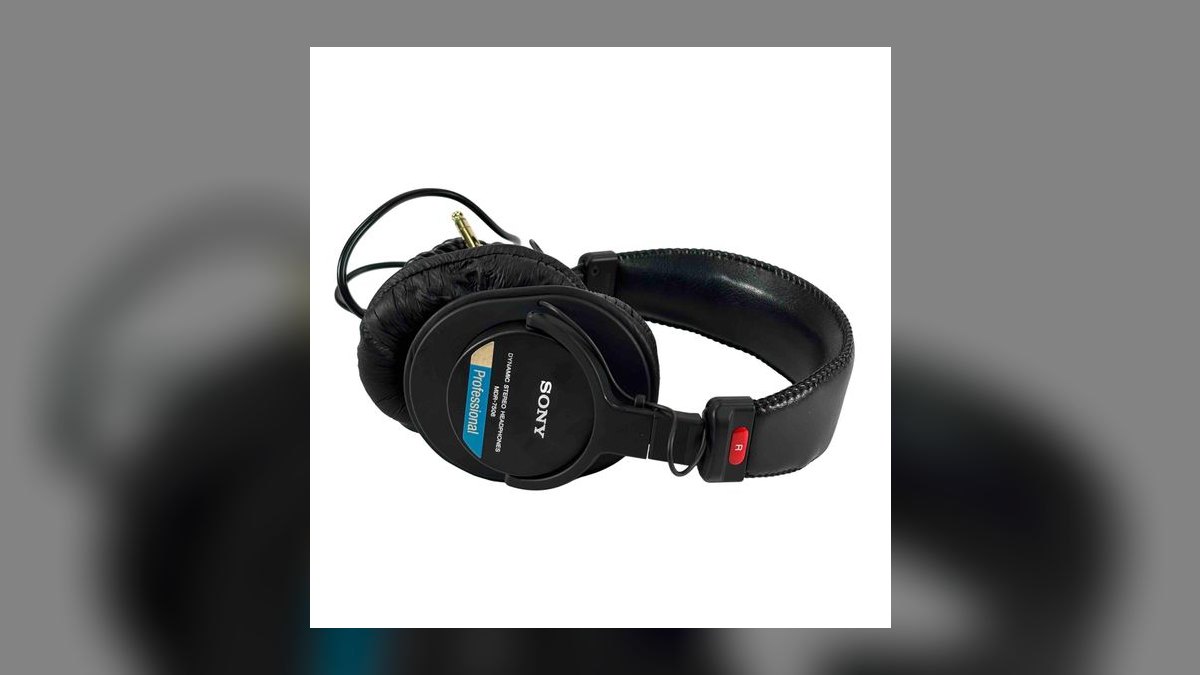
This places third on detail retrieval: its clean mids and slightly bright top end expose sibilance, mouth clicks, edit points, and reverb tails that warmer cans hide entirely. It has held broadcast and recording booths for three decades on that strength. The 40mm driver runs a 63-ohm load and street price sits near $99. The cups fold flat, making it standard kit in field and location go-bags.
This is for vocal editors, podcast producers, and dialogue engineers whose work lives in the 2kHz-to-10kHz band. The trade is fatigue — that same bright treble wears on ears across a very long day — and the coiled cable is not detachable. Compared with the ATH-M40x above, it reveals more high-frequency detail but presents a less neutral overall balance, so it is a diagnostic tool rather than a mix reference.
4. Audio-Technica ATH-M50x
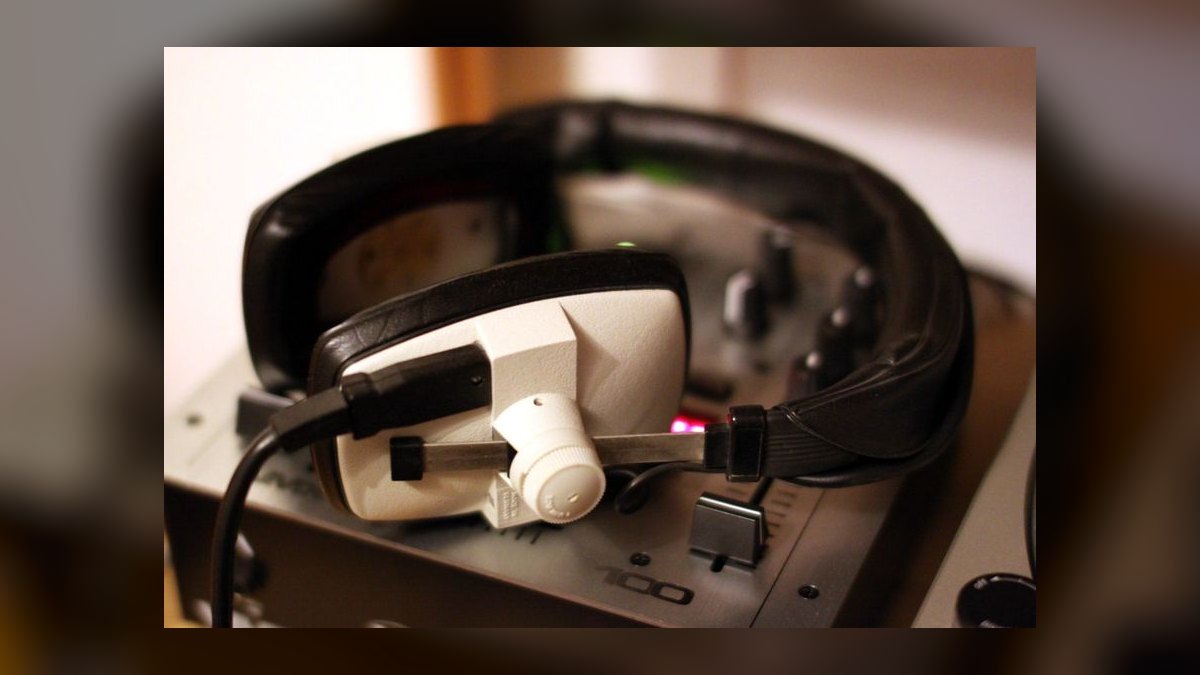
This ranks fourth as the most versatile all-rounder here, pulling out subtle reverb tails and quiet background vocals from a 45mm dynamic driver at roughly $144. The 38-ohm impedance means any interface or laptop drives it loud. Detachable cables, foldable cups, and a build that absorbs years of studio abuse explain why it is the best-known studio headphone in the world. Detail retrieval holds up across the whole band.
This is for the engineer who wants one pair for tracking, podcast editing, and everyday listening rather than three specialized sets. The trade is neutrality: bass sits elevated above a true reference target, so final mix decisions made here need checking elsewhere, and the soundstage feels congested next to open-back designs. The ATH-M40x above costs half as much and measures flatter — the M50x buys durability and bass extension, not accuracy.
5. Beyerdynamic DT 700 Pro X
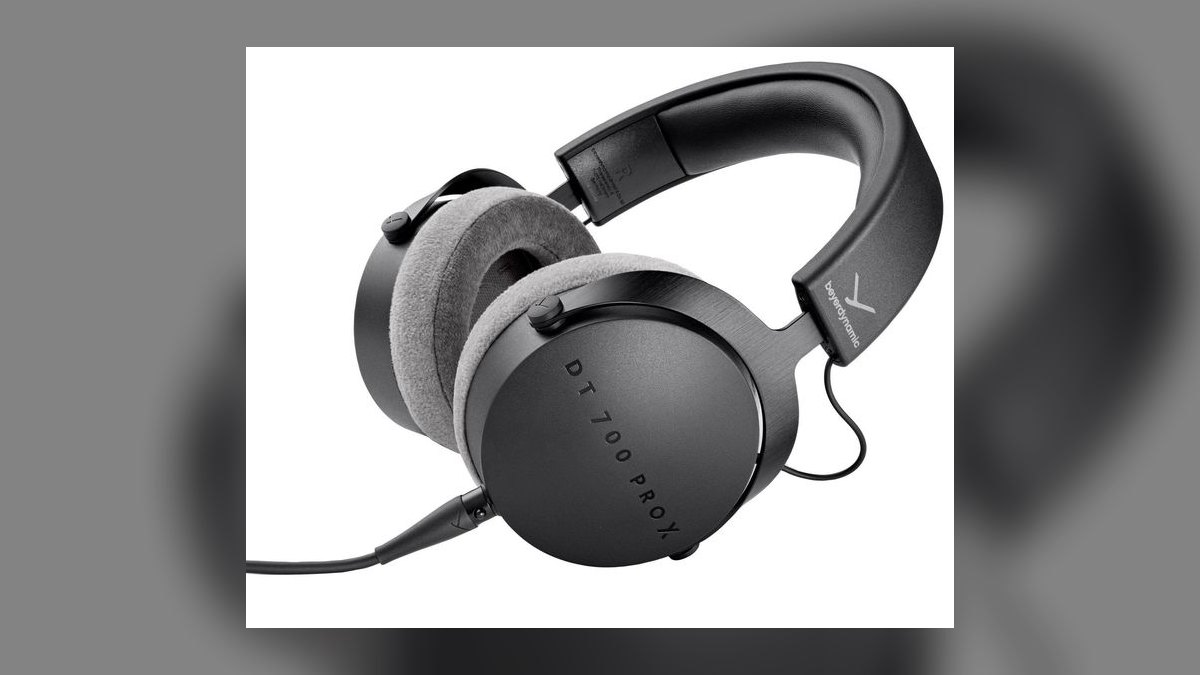
This sits fifth because it is the closed-back on this list built for mixing rather than tracking, with a more linear response and clearer mids than the classic DT 770. The STELLAR.45 driver presents a friendly 48-ohm load and plays loud from any audio interface without a dedicated amp. Price runs about $269. A detachable mini-XLR cable ships in the box, and pads are plush and replaceable.
This is for engineers who make balance calls on headphones and need dense arrangements to stay articulate with vocals sitting forward. The trade is money — it costs well over the standard DT 770 above — and it still runs bassier than a strict studio-flat target out of the box. Choose it over the DT 770 when mixing is the main job; choose the 770 when tracking and isolation matter more.
6. AKG K371
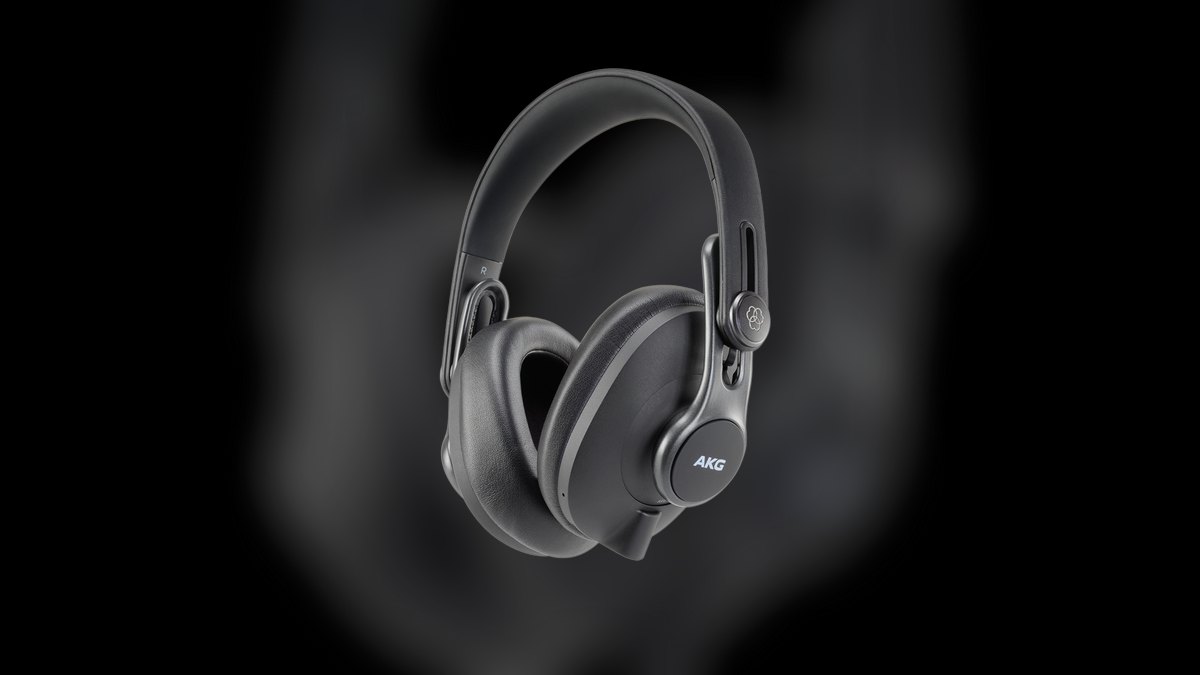
This ranks sixth for tuning that tracks the Harman reference target more closely than any other closed-back here, meaning it sounds balanced and familiar straight out of the box. Its 50mm titanium-coated driver is the largest on this list and extends deep without going sloppy. The 32-ohm load plays loud from any phone or interface, and street price sits near $149. Three detachable cables ship in the box.
This is for podcast producers and anyone whose mixes need to translate to what mass-market listeners actually hear on consumer gear. The trade is that bass reads boosted against a strictly flat target, and the build feels lighter in hand than the Beyerdynamic options. Against the DT 700 Pro X above, it costs roughly $120 less and folds for transport, but its housings and headband will not take the same long-term abuse.
7. Beyerdynamic DT 900 Pro X
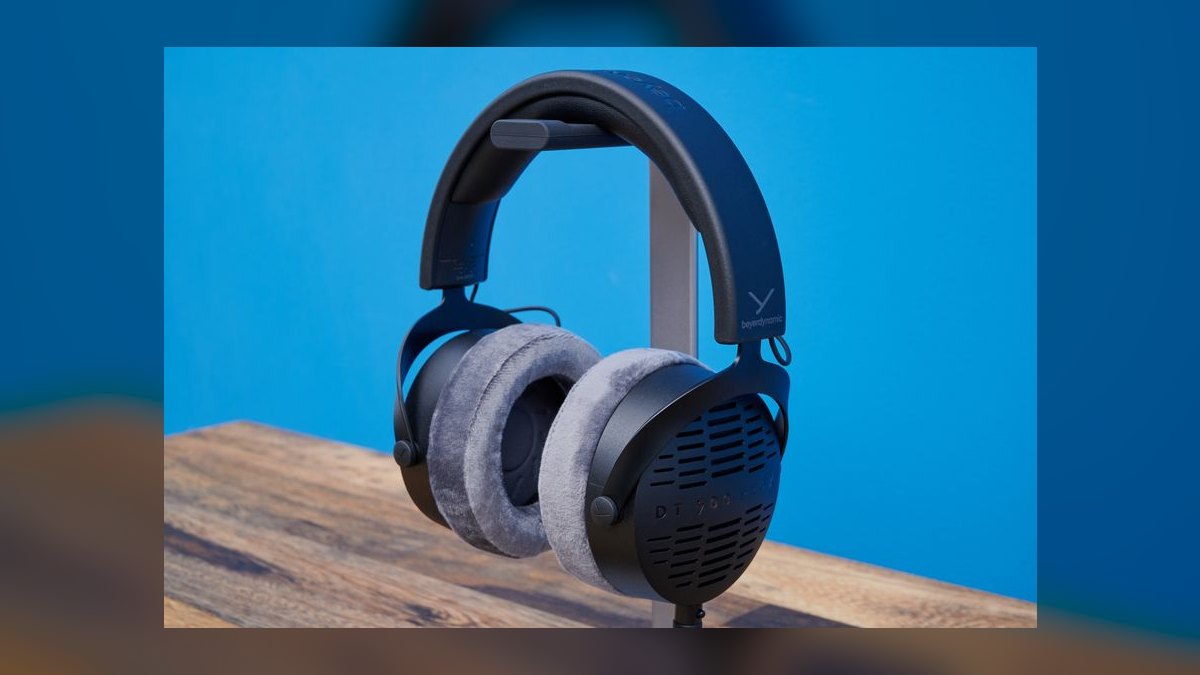
This places seventh on refinement: the same STELLAR.45 driver and 48-ohm impedance as the DT 700 Pro X, but in an open-back housing tuned for a neutral, spacious presentation, typically $300 to $350. Build quality matches Beyerdynamic's professional line, with replaceable pads and a detachable mini-XLR cable. It is the reference many engineers reach for when finalizing balance decisions after tracking is done.
This is for mixing and critical listening at a desk in a quiet room. The trade is decisive: the open back leaks sound freely, so it cannot be used near a live microphone during tracking or overdubs — the exact job the DT 770 Pro at rank one exists for. Buy it as a second pair alongside a closed-back, never as the only headphone in a working recording setup.
8. Audio-Technica ATH-M50xBT2
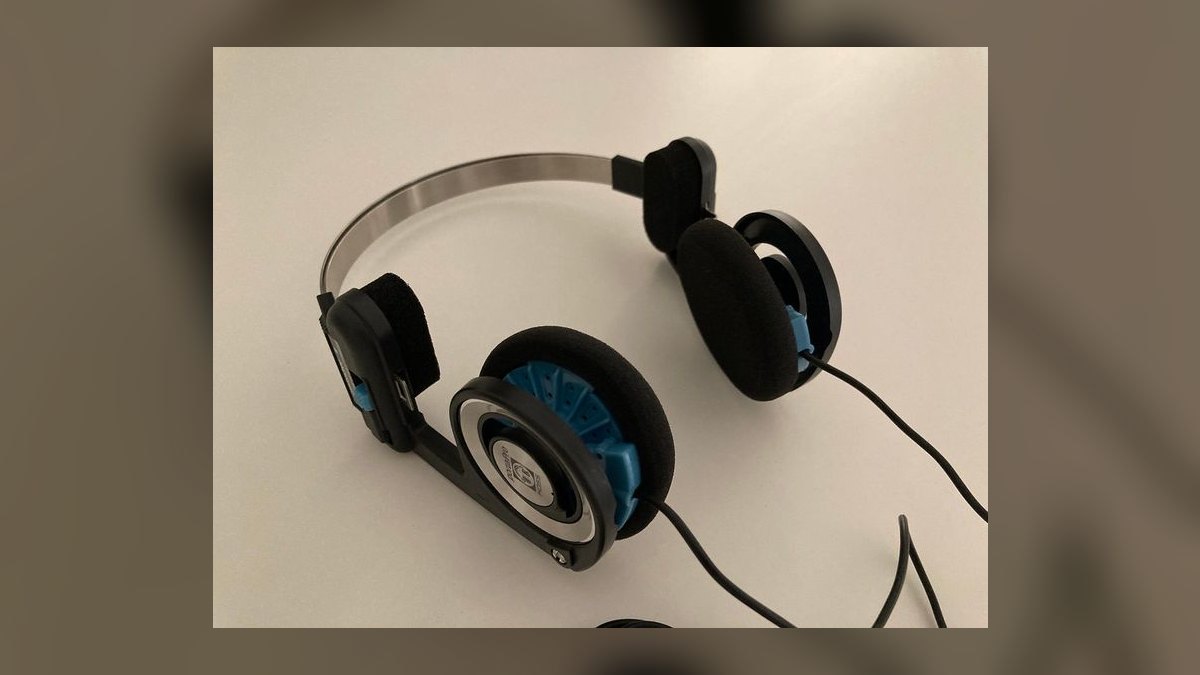
This ranks eighth because it takes the familiar 45mm M50x driver and adds Bluetooth with multipoint pairing, while keeping a wired connection for any work where latency matters. Price runs above the wired M50x's roughly $144. Battery life covers multi-day use between charges, and the foldable cups and detachable wired cable carry over from the standard model. Passive isolation matches the wired version.
This is for producers who move between a desk, a commute, and a coffee shop and want one pair covering all three. The trade is real: wireless codec latency makes it unsuitable for tracking or overdub monitoring, and you pay a premium over the wired M50x for a feature no studio session uses. Buy the plain ATH-M50x at rank four instead if the headphone never leaves the room.
9. Sony MDR-7510
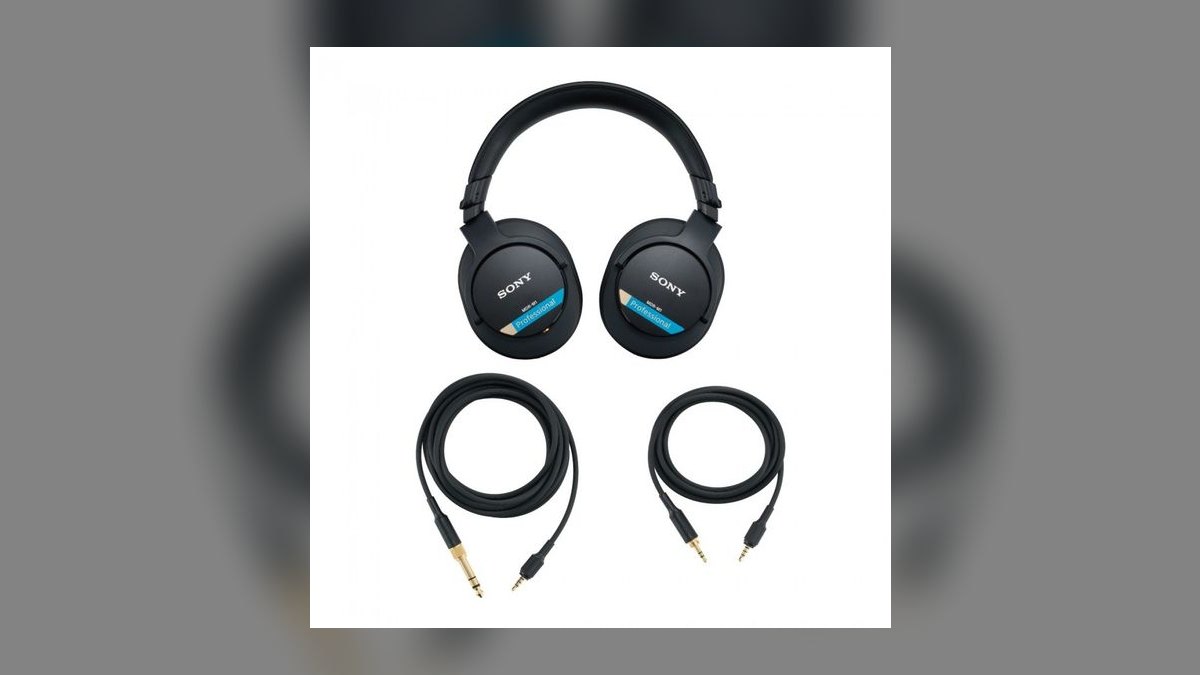
This lands ninth as the larger-driver sibling in Sony's professional line, using a 50mm dynamic driver where the MDR-7506 uses 40mm, which buys deeper low-end extension for tracking bass and drums. It keeps the same broadcast-grade build language, folding cups, and strong passive isolation that made the 7506 booth standard. The coiled cable and closed housing suit cue-mix duty next to a live microphone.
This is for tracking engineers who find the 7506 too thin in the bottom octave but want to stay inside Sony's familiar voicing. The trade is that the added low-end weight costs some of the surgical high-frequency clarity that makes the MDR-7506 above so good at catching mouth noise and sibilance. It is also far less widely stocked, so pads and replacement parts are harder to source.
10. AKG K371-BT
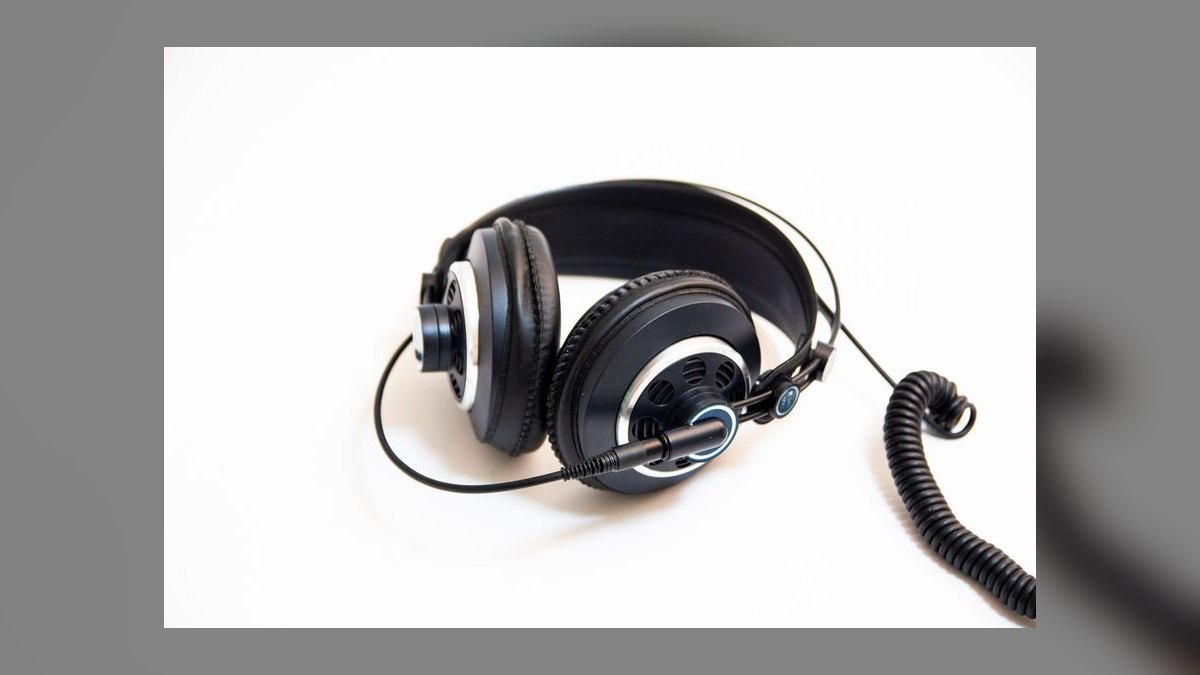
This closes the list as the wireless version of the K371, keeping the 50mm titanium-coated driver and Harman-target tuning while adding Bluetooth and an onboard battery. Wired operation over the detachable cable preserves the same balanced response as the standard K371. The 32-ohm load drives loud from any source, and the foldable design and included cable set carry over unchanged from the wired model.
This is for podcasters and content producers who want consumer-accurate tuning without being tethered to the desk between sessions. The trade is wireless latency, which rules it out for tracking or overdub monitoring, plus added weight from the battery and electronics. The wired K371 at rank six delivers identical sound for less money — pay the difference only if untethered listening is genuinely part of the workflow.
How we ranked these
Ranking weighted four measurable things: frequency response deviation from a studio-flat and Harman target, impedance and the amplification each model actually needs, passive isolation adequate for tracking beside a live mic, and long-session comfort including pad material and clamp. Build serviceability counted too — replaceable pads, detachable cables, parts availability. Prices reflect street cost, not MSRP, since every model here discounts routinely.
Deliberately ignored: wireless modes, ANC, and app EQ, because none belong in a tracking or mixing chain and all add latency. Also ignored brand prestige, soundstage width (a closed-back weakness by physics, not a defect), and any subjective "musicality" claim without a measurement behind it. Discontinued models were excluded regardless of reputation, and no ranking position was influenced by retail availability or affiliate structure.
What to look for
The real decision is tracking versus mixing, and it changes the answer completely. If you're recording vocals or acoustic instruments beside a live mic, isolation and comfort beat flatness — the DT 770 Pro's lifted bass and treble help a singer perform. If you're making balance decisions, you want linearity: the DT 700 Pro X, ATH-M40x, or AKG K371. Then match impedance to your interface before anything else.
The mistake most buyers make is treating impedance as a spec-sheet footnote. Buying the 250-ohm DT 770 for a laptop headphone jack produces thin, quiet, bass-light sound, and people blame the headphone. The second mistake is buying the famous model instead of the accurate one — the M50x outsells the M40x roughly ten to one despite the cheaper M40x tuning flatter for mix work.
Related questions
What impedance should I buy for my audio interface?
Match the load to your output. Interfaces like the Focusrite Scarlett drive 32 to 80 ohms comfortably, which covers the DT 770's 80-ohm version, the AKG K371 at 32 ohms, and the M40x at 35 ohms. The 250-ohm DT 770 needs a dedicated headphone amp to reach volume with tight bass. Underpowered high-impedance cans sound thin, not broken.
Why can't I just mix on open-back headphones?
You can, and many engineers do — open-backs give a wider, more natural soundstage. The problem is tracking. Open cups leak audio into the vocal mic, printing the backing track into your take. That bleed is unfixable in the mix and forces a re-record. Most studios keep both: closed-backs for tracking and cue mixes, open-backs for final balance decisions.
Is the ATH-M40x really flatter than the M50x?
Measurements say yes. The M50x carries a bass lift and a more pronounced treble peak, which flatters music but exaggerates low-end decisions during a mix. The M40x tracks closer to neutral through the midrange and low end. The M50x is the better all-round listening headphone; the M40x is the better reference for under a hundred dollars.
How much isolation do closed-back headphones actually provide?
Expect roughly 10 to 20 dB of passive attenuation, mostly above 1 kHz. That's enough to keep a cue mix from bleeding into a condenser mic at normal monitoring levels, and enough to hear yourself in a loud control room. It is not enough to block a drum kit in the same room — that's what in-ear monitors or hearing protection are for.
What is the Harman target and why does the AKG K371 matter?
The Harman target is a research-derived frequency curve describing what most listeners prefer in a well-tuned headphone, based on large blind preference studies. The K371 measures unusually close to it for a closed-back. That makes it useful for checking how a mix will land on mainstream consumer gear, since the target approximates what typical listeners find balanced.
Do ear pads change how a headphone sounds?
Significantly. Pad material, thickness, and seal all shift bass response and treble balance — a worn, compressed pad loses low-end because the seal breaks. Velour pads breathe better over long sessions but typically measure slightly less bass than leatherette. Replace pads every year or two of heavy use; it restores the original tuning more cheaply than any other repair.
Are detachable cables worth paying extra for?
Usually yes, because cables fail before drivers do. A hard-wired cable on the classic DT 770 or Sony MDR-7506 means a soldering iron or a dead headphone when the strain relief goes. The M40x, M50x, K371, and DT 700 Pro X all use detachable cables. In a studio where cans get yanked off desks, that single feature adds years.
How long do studio headphones actually last?
Drivers routinely run a decade or more. What fails is everything around them: pads compress and flake within one to two years of daily use, cables break at the strain relief, and headband padding cracks. Beyerdynamic, Audio-Technica, and Sony all sell replacement parts. Budget roughly twenty to forty dollars a year in consumables rather than replacing the headphone.
FAQ
What's the difference between Best Overall and Best Value here?
Best Overall is the headphone that performs most reliably across professional tracking work regardless of price — that's the DT 770 Pro, the default in studios worldwide. Best Value is the highest accuracy per dollar, which is the ATH-M40x at roughly seventy-three dollars. The value pick is not a compromise for mixing; it simply gives up build flash and low-end thump.
Which impedance version of the DT 770 Pro should I buy?
The 80-ohm version is the sweet spot for most people — efficient enough for a laptop interface, resistant enough to tighten the bass. Choose 32 ohms if you'll run it straight off a laptop or phone. Choose 250 ohms only if you own a real headphone amp; without one it will sound quiet and thin, which is the most common buyer regret.
Do I need a headphone amplifier?
It depends entirely on impedance. Anything at or under 50 ohms — the K371, M40x, M50x, and DT 700 Pro X — drives loud from a phone, laptop, or interface. The 250-ohm DT 770 genuinely benefits from an amp. Buying an amp for low-impedance headphones adds nothing measurable, so spend that money on pads or a better interface instead.
Which of these is best for editing vocals and podcasts?
The Sony MDR-7506, without much competition at its price. Its slightly bright top end surfaces mouth clicks, plosives, breaths, and reverb tails that a bass-forward headphone hides. Three decades of broadcast use built that reputation. The trade-off is listening fatigue on very long days, so many editors keep a second, warmer pair for extended sessions.
Can I use these for gaming and casual listening?
Yes. Closed-back designs isolate well, and accurate tuning means you hear positional detail without an artificial bass hump masking footsteps. The M50x and K371 are the most enjoyable for general listening because both carry a mild bass lift. The flatter M40x and MDR-7506 may sound thin at first if you're used to consumer headphones.
Why does the DT 700 Pro X cost more than the DT 770?
It uses Beyerdynamic's newer STELLAR.45 driver, tuned more linearly with clearer mids, and ships with a detachable mini-XLR cable. The 48-ohm load drives loud from any interface without an amp. You're paying roughly a hundred dollars for a headphone you can make balance decisions on, rather than one built primarily for tracking.
What should I look for in a closed-back under $200?
Replaceable pads, a detachable cable, an impedance your interface can drive, and a frequency response without dramatic peaks. Comfort matters more than buyers expect — clamp force and pad material determine whether you can wear them for six hours. Skip anything marketed on bass output or with sealed, non-serviceable construction, regardless of how good the reviews look.
Are closed-back headphones a substitute for studio monitors?
No, they're a complement. Headphones reveal detail and let you work quietly, but they bypass the room and your head-related transfer function, so stereo imaging and low-end decisions translate poorly. The standard workflow is to make broad balance calls on monitors, check details and mono compatibility on headphones, then verify on a consumer reference.
Does burn-in improve how these sound?
Measured evidence for driver burn-in is essentially nonexistent — controlled tests show changes far below audibility. What genuinely changes is the pads, which soften and reseal over the first weeks, and your own adaptation to a new tuning. Give any new headphone two weeks of listening before judging it, but don't run pink noise through it overnight.
Should I EQ my studio headphones toward flat?
Cautiously, and only with measured correction curves from a source like AutoEQ or Oratory1990 rather than by ear. Correcting a known bass lift can genuinely improve translation. The risk is that you learn your corrected curve and lose the ability to check mixes on stock gear. Many engineers keep one uncorrected reference pair for exactly that reason.
Sources
- https://www.rtings.com/headphones/reviews/beyerdynamic/dt-770-pro
- https://www.rtings.com/headphones/reviews/audio-technica/ath-m40x
- https://www.rtings.com/headphones/reviews/akg/k371
- https://www.soundguys.com/best-studio-headphones-20132/
- https://www.sweetwater.com/insync/best-studio-headphones/
- https://www.aes.org/publications/standards/
- https://www.whathifi.com/best-buys/headphones/best-over-ear-headphones
- https://europe.beyerdynamic.com/p/dt-700-pro-x
- https://www.audio-technica.com/en-us/ath-m50x
- https://pro.sony/ue_US/products/headphones/mdr-7506
Related on PULSE
- [More closed-back studio headphones rankings and buying guides](/knowledge)
- [PULSE Tools and calculators](/tools)
- [Everything on PULSE RevOps](/)
This page will be disappearing soon. Save it to your device for $1 — or read it free while it is here.
@Kory-White- · if Venmo asks, the last 4 of my number are 2012
This page is gone.
This one is off the shelf now. $1 keeps it on your phone for good — the whole page, pictures and diagrams included.
 pulse-reviewsTop 10 Battery Leaf Blowers — Best Overall + Best Value in 2027
 pulse-reviewsTop 10 Magnetic Drill Presses — Best Overall + Best Value in 2027
 pulse-reviewsTop 10 Portable Projectors — Best Overall + Best Value in 2027
 pulse-reviewsTop 10 Water Flossers — Best Overall + Best Value in 2027
 pulse-reviewsTop 10 OTC Hearing Aids — Best Overall + Best Value in 2027
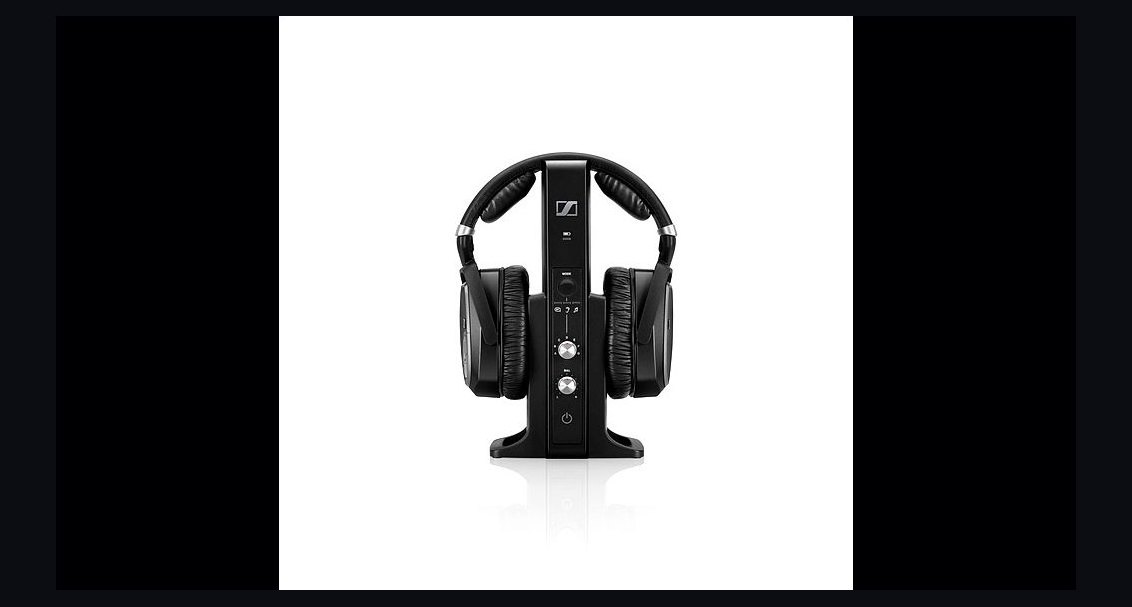 pulse-reviewsTop 10 TV Headphones for Seniors — Best Overall + Best Value in 2027
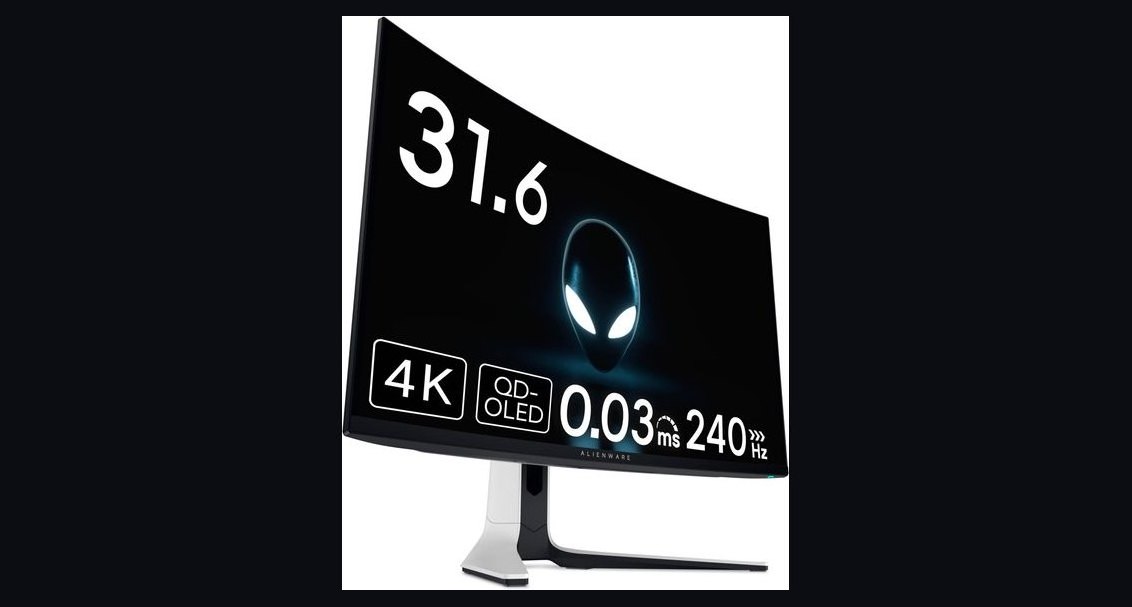 pulse-reviewsTop 10 Ultrawide 34-Inch Curved Monitors in 2027
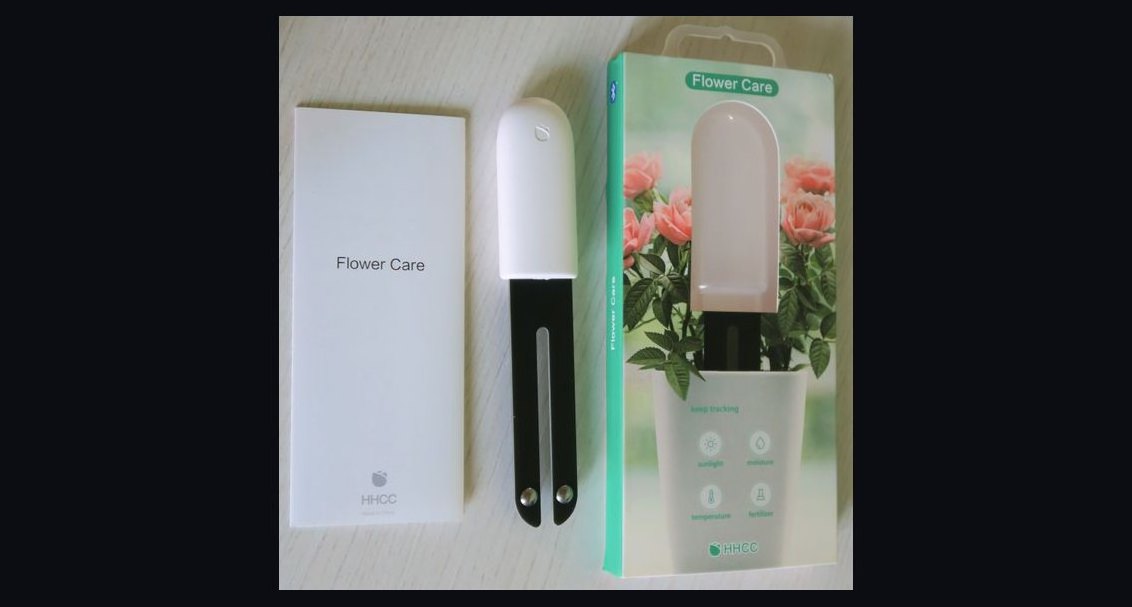 pulse-reviewsTop 10 Smart Plant Sensors — Best Overall + Best Value in 2027
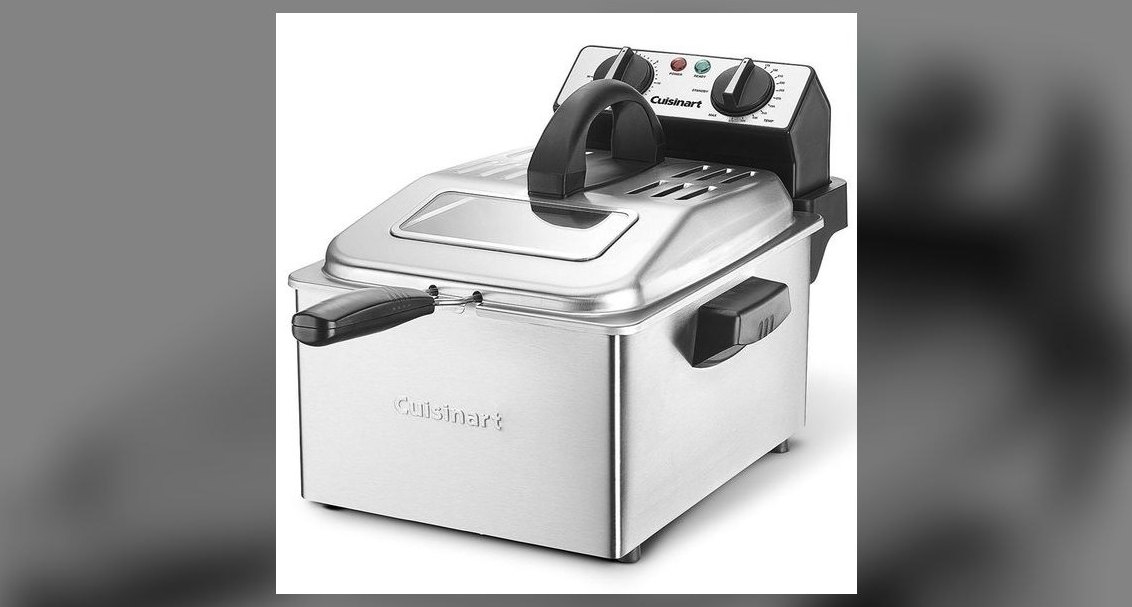 pulse-reviewsTop 10 Deep Fryers — Best Overall + Best Value in 2027
 pulse-reviewsTop 10 Waterproof Bluetooth Speakers — Best Overall + Best Value in 2027