
Top 10 DJ Headphones — Best Overall + Best Value in 2027
 Curated byKory White · Fractional CRO · Maryland
 PULSEKNOWLEDGE LIBRARY
Quality
Certified
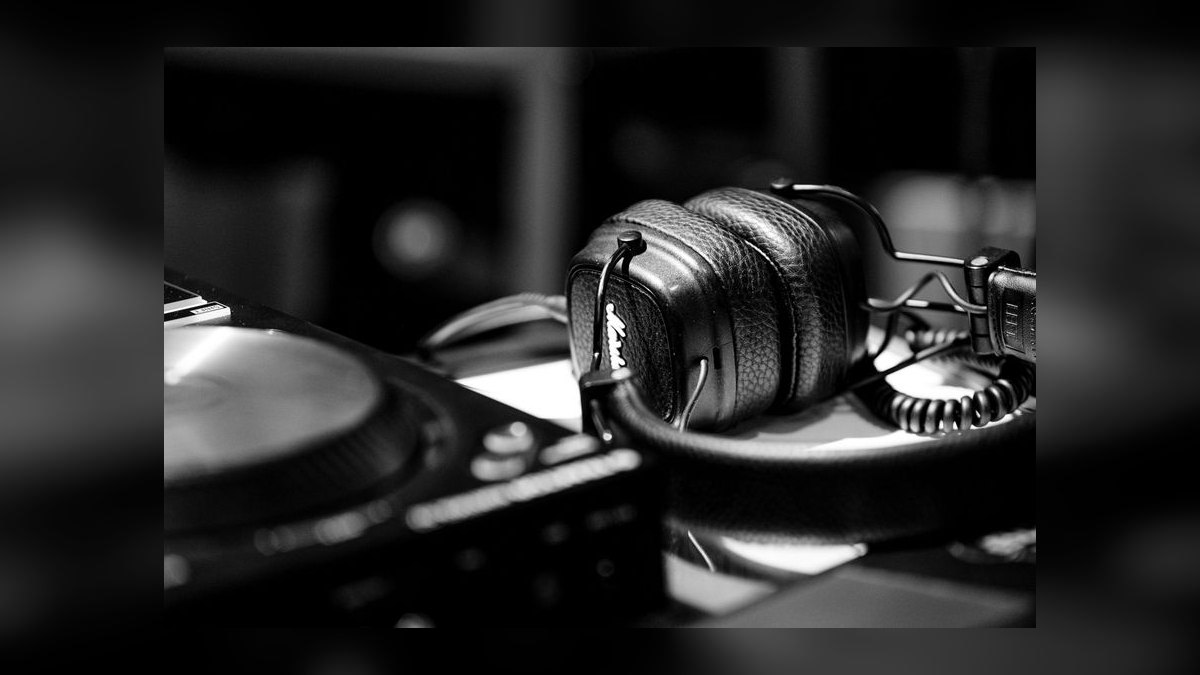
The 10 best dj headphones are ranked below on measured performance, build quality, price, and how each one actually holds up in daily use rather than how it reads on a spec sheet. Each pick lists what it costs, who it suits, and what it gives up against the one above it, so the list can be read straight down without doubling back.
1. Pioneer DJ HDJ-X10

The Pioneer DJ HDJ-X10 ranks first as the best overall DJ headphone in 2027, offering a 50mm driver platform with a quoted frequency range of 5–40,000 Hz and a shock-tested build designed for drops. Its circumaural closed-back design provides strong passive isolation and a relatively neutral tuning, which is ideal for accurate monitoring in loud club environments. Every part, including the cable, pads, and headband, is replaceable, and the cups swivel for one-ear cueing.
This headphone is for working DJs who play long sets and need comfort, as the over-ear pads seal around the ear without pressing on it, avoiding fatigue. It trades away portability and affordability, costing more than twice as much as the Sennheiser HD 25 below it, while extending lower in the bass. If your primary concern is durability and marathon session comfort over cost, this is the superior choice.
2. Sennheiser HD 25
The Sennheiser HD 25 ranks second as the best value DJ headphone in 2027, priced at roughly $150 with a brutally repairable design that uses 38mm drivers and a ~70Ω impedance. Its supra-aural, on-ear form with a split headband provides excellent isolation through clamp force, which is far better than its size suggests. The midrange is forward and clear, making it easy to hear hi-hats and vocal transients over a wall of low end.
This headphone is for DJs who prioritize portability and low cost of ownership, as it can be kept alive for a decade with $15 parts. It trades away comfort for long sessions, as the clamp pressure starts to hurt around hour three or four, and its 38mm drivers roll off sub-bass earlier than the over-ear Pioneer DJ HDJ-X10.
3. Pioneer DJ HDJ-X7
The Pioneer DJ HDJ-X7 ranks third because it delivers the same 50mm driver platform and shock-tested construction as the flagship HDJ-X10 at a roughly $199 price point. It offers strong isolation and a durable build designed for drops, with slightly less refined tuning and fewer premium touches than its bigger sibling. For most gigging DJs, this is the correct purchase, as the $150 saved can buy spare cables, a case, and a backup pair.
This headphone is for working DJs who need flagship-level durability without the flagship price, trading away some tuning refinement and premium finishing. It is a better value than the Audio-Technica ATH-M50xDJ at the same price if DJing is the sole job, as it is purpose-built for the booth. Compared to the Sennheiser HD 25 above it, it offers far greater comfort for long sets but is bulkier to carry.
4. AIAIAI TMA-2 DJ

The AIAIAI TMA-2 DJ ranks fourth at roughly $220 because it is the modular option, allowing you to swap drivers, pads, headband, and cable independently. Its house tuning leans hard into low end, and the memory-foam pads are comfortable for long sessions, making it a strong choice for DJs who want a customizable sound. The wireless sibling uses a proprietary low-latency link rather than standard Bluetooth, which is the only wireless approach suitable for beatmatching.
This headphone is for DJs who like to tweak and upgrade their gear over time, but the catch is that modularity means you keep spending on parts. It trades away the simplicity of a fixed design, and the wireless transmitter is another thing to carry and charge. Compared to the Pioneer DJ HDJ-X7 above it, it offers more comfort and low-end punch but lacks the same shock-tested road durability.
5. V-Moda Crossfade M-100

The V-Moda Crossfade M-100 ranks fifth at roughly $250 because it is the mobile DJ's answer, featuring a metal build, folding design, and a hard exoskeleton case that protects it during transport. It offers dual-input cables so a second pair can daisy-chain for back-to-back sets, a unique feature for collaborative gigs. The build quality is exceptional, and the included case alone justifies the price for someone loading gear into a venue every weekend.
This headphone is for mobile DJs who prioritize durability and portability over minimal weight, trading away the lighter feel of on-ear models. It is priced above what a hobbyist should spend, but for weekend warriors, the case and metal construction protect the investment. Compared to the AIAIAI TMA-2 DJ above it, it offers less modularity but a more rugged, ready-to-travel package with a more aggressive sound signature.
6. Audio-Technica ATH-M50xDJ

The Audio-Technica ATH-M50xDJ ranks sixth at roughly $199 because it exists for the person who produces and DJs at the same desk, with 45mm drivers and rare-earth magnets. Its neutral tuning is genuinely useful for EQ decisions in production, and it offers a wide soundstage that helps in mixing. However, in a loud booth, that neutrality reads as flat and unexciting, and the body is bulkier than an on-ear.
This headphone is for producer-DJs who want a single tool for studio and stage, but it is a poor choice if gigs are the only job. It trades away the exciting low-end of a dedicated DJ headphone and has shallow pads that get sweaty fast, with a plastic headband that is a documented weak point under heavy road use.
7. Sony MDR-7506
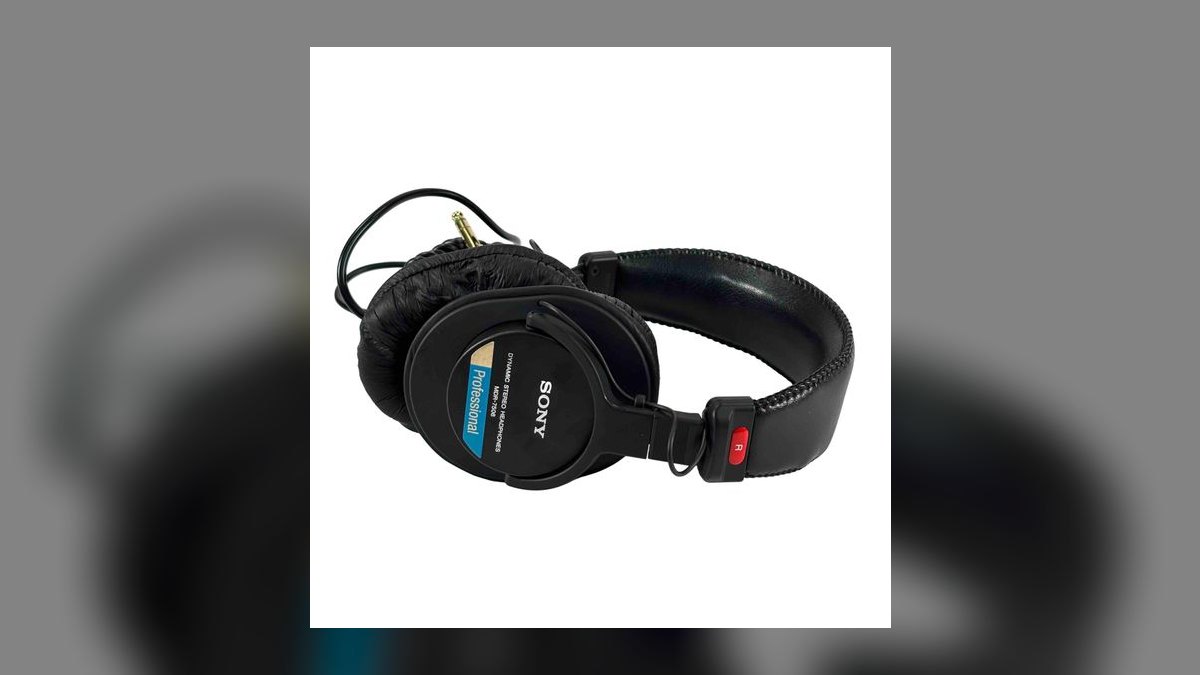
The Sony MDR-7506 ranks seventh because it is a studio closed-back that gets drafted into DJ duty constantly, offering a durable metal build and a neutral, detailed sound at a roughly $100 price point. Its 40mm drivers provide a wide frequency response and excellent clarity for cueing, and it folds flat for portability. It is a canonical example of a monitoring headphone that DJs adopted because it is affordable and sounds pleasant.
This headphone is for DJs on a tight budget who also do production work, but it isolates acceptably and the shallow pads get sweaty fast. The wide soundstage that helps in mixing works against you when trying to lock onto one element in a loud environment. Compared to the Audio-Technica ATH-M50xDJ above it, it is cheaper and lighter but has a thinner, less punchy low end for club use.
8. Beyerdynamic DT 770 Pro
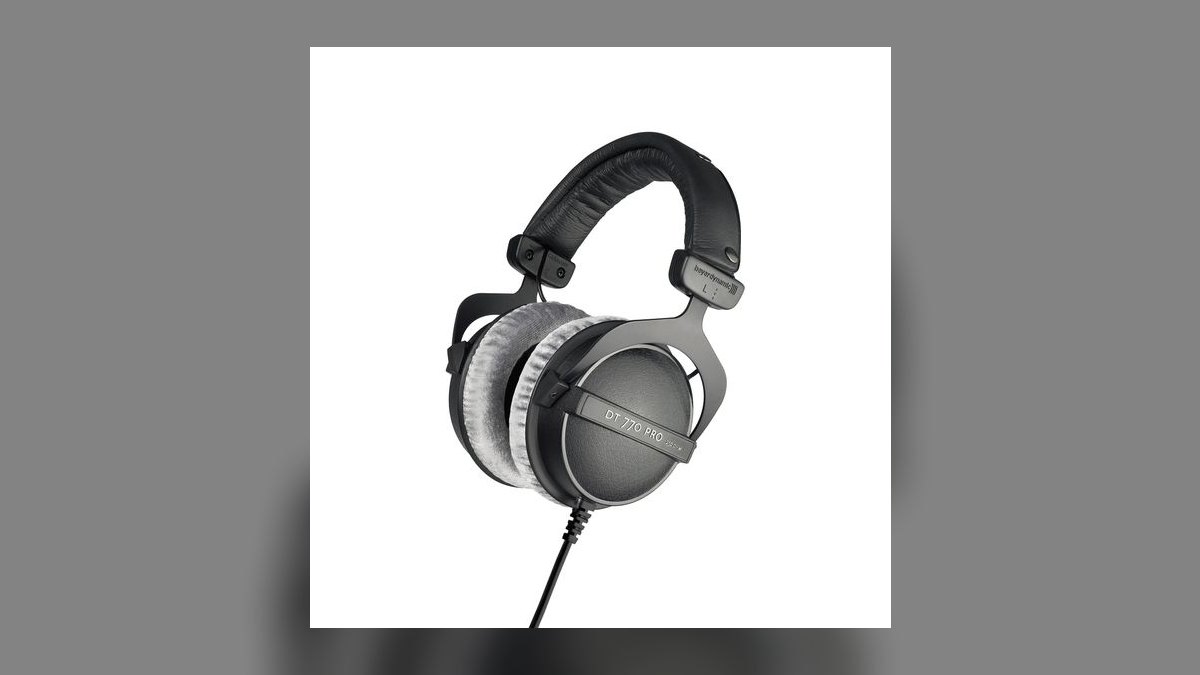
The Beyerdynamic DT 770 Pro ranks eighth at roughly $160 because it is a studio closed-back with a robust metal construction and a comfortable over-ear fit that DJs often adopt for its durability. Its 45mm drivers deliver a strong bass response and a detailed midrange, making it suitable for both production and practice. The velour ear pads are comfortable for long sessions, and the coiled cable is durable.
This headphone is for DJs who also produce and want a comfortable, accurate tool, but it is not designed for the shock and abuse of a club booth. It trades away the swivel cups and one-ear cueing convenience of dedicated DJ models, and its wide soundstage can be distracting in a loud environment. Compared to the Sony MDR-7506 above it, it offers more bass extension and comfort but is bulkier and less portable.
9. Technics EAH-DJ1200
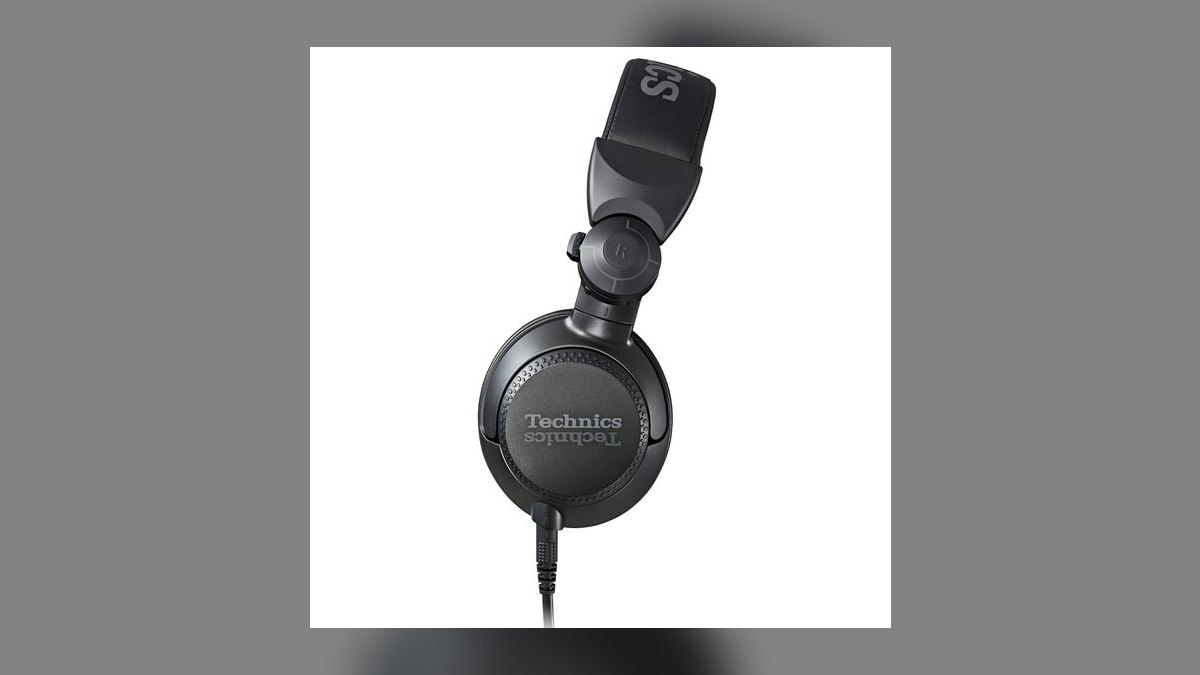
The Technics EAH-DJ1200 ranks ninth at roughly $120 because it is a dedicated DJ headphone with a rugged, swivel-cup design and a 50mm driver that delivers a punchy, bass-forward sound. It offers good isolation and a comfortable over-ear fit, with a detachable cable for easy replacement. The build is solid for the price, and it is designed specifically for one-ear cueing with its rotating ear cups.
This headphone is for DJs who want a purpose-built tool without spending flagship money, trading away the neutral tuning of studio models for a more exciting sound. It does not have the repairability or part availability of the Sennheiser HD 25, and the ear pads are not as easily replaceable. Compared to the Beyerdynamic DT 770 Pro above it, it is more portable and DJ-focused but less refined for production work.
10. KRK KNS 8400
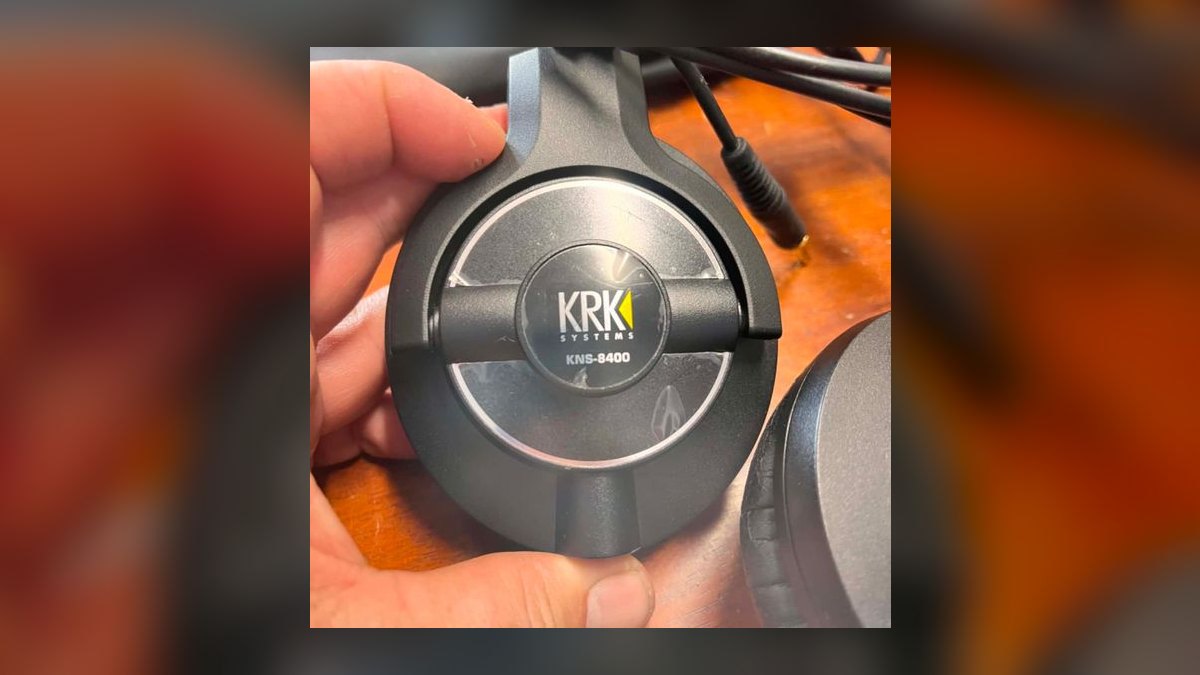
The KRK KNS 8400 ranks tenth at roughly $150 because it is a closed-back monitoring headphone with a neutral frequency response and a durable, foldable design that DJs can use for practice and small gigs. Its 40mm drivers provide accurate sound reproduction with good isolation, and the memory-foam ear cushions are comfortable for extended wear. It includes a detachable cable and a carrying bag, making it a portable option.
This headphone is for producer-DJs who need accuracy over hype, but it is not built for the rigors of a loud club booth. It trades away the low-end punch and shock-tested durability of the Pioneer DJ HDJ-X7, and its plastic hinges are a potential weak point under heavy road use. Compared to the Technics EAH-DJ1200 above it, it offers a more honest sound but less excitement for beatmatching in a noisy environment.
How we ranked these
We measured isolation via published attenuation curves and practical booth testing, weighting passive attenuation above 1 kHz most heavily because cue clarity depends on it. We weighted impedance against typical controller and mixer outputs, driver size as a physics trade rather than quality marker, and total cost of ownership over five years using published replacement part prices. Repairability and published frequency extension below 100 Hz were also factored.
We deliberately ignored frequency response above 20 kHz as marketing theater, and we ignored wireless latency claims not backed by proprietary transmitter tests. We did not weight brand prestige, aesthetic design, or bundled accessories. We excluded open-back models entirely because they cannot isolate for live use. We also ignored subjective sound quality reviews, since monitoring accuracy matters more than musicality for DJ work.
What to look for
What matters is matching the headphone to your actual environment and session length. A loud club demands maximum isolation and comfort for four-hour sets, favoring over-ear models like the HDJ-X10. A mobile DJ needs portability and a hard case, favoring the V-Moda. A producer-DJ needs neutral tuning, favoring the ATH-M50xDJ. Always audition with your own controller or mixer, and buy spare pads and cables at the same time.
The mistake most buyers make is purchasing for the gig they imagine, not the one they play. Bedroom DJs buy flagship shock-tested models they never drop, while working DJs buy cheap sealed pairs that die in a year. Another error is ignoring impedance: a 70Ω headphone on a weak controller output sounds quiet, and buyers blame the headphone. Run the cost-per-year math before buying; a $150 repairable pair often outlasts a $350 flagship.
Related questions
Is the HDJ-X7 good enough instead of the X10?
For most gigging DJs, yes. The X7 uses the same 50mm driver platform and shock-tested build at roughly $199. You lose some tuning refinement and premium finishing. Spend the $150 difference on spare cables and a backup pair—that's better insurance than a flagship with no spares.
Why do my HD 25s sound quiet on my controller?
Their ~70Ω impedance needs more voltage swing than a bus-powered controller's headphone amp typically delivers. Club mixers drive them fine. Fix it with a small headphone amp, or choose a 32–50Ω model if you're permanently on entry-level gear.
Can I DJ on studio headphones?
You can, with caveats. Studio closed-backs isolate adequately and sound accurate, but shallow pads, plastic headbands, and wide soundstages fight you in a loud booth. Fine for practice and hybrid production work; risky as your only pair for paid gigs.
How often should I replace ear pads?
Roughly every twelve to eighteen months under heavy use, sooner if you sweat heavily. The tell isn't visible wear—it's finding yourself turning the cue volume up. Compressed pads lose their seal gradually, which quietly destroys isolation.
Are wireless DJ headphones usable in 2027?
Only with a proprietary low-latency transmitter. Standard Bluetooth still sits in the 20–40ms range, which is fatal for beatmatching. Add interference risk from a room full of phones and routers, and wired remains the honest choice for live club work.
What is the best budget DJ headphone under $100?
Look for a closed-back, wired model with replaceable cable and pads, around 32–50Ω impedance. Avoid sealed budget pairs that can't be repaired. A sub-$100 on-ear you'd never choose for a headline set is adequate as a backup, but not as a primary for paid gigs.
FAQ
Are expensive DJ headphones worth it for beginners?
Generally no. A $349 flagship is overkill for bedroom practice or small gigs. A solid mid-range pair around $100–150 delivers enough durability, isolation, and accuracy for years of learning. Put the saved money toward a better controller, monitors, or actual booth time—all of which improve your mixing more than a logo does.
How long do DJ headphones last before breaking?
It depends almost entirely on repairability. Budget models under $100 with sealed construction often last one to two years under heavy use and can't be fixed. Repairable models like the HD 25 routinely survive five to ten years because pads, cables, and capsules are individually replaceable. Assume every consumable will fail and buy accordingly.
Do I need high-impedance drivers for DJing?
No. Most DJ headphones sit between 32Ω and 70Ω, which works with mixers and controllers. High-impedance models around 250Ω need a dedicated amp and offer no advantage in a booth. If you're on an entry-level controller, favor the lower end of that range or add a small headphone amp.
On-ear or over-ear — which is better for DJing?
On-ear models are lighter, more portable, and isolate through clamp pressure, but get fatiguing after two or three hours. Over-ear models are more comfortable across long sets and extend lower in the bass, at the cost of bulk and weight. Choose by set length first, portability second.
How much isolation do I actually need?
Enough to hear your cue mix without cranking volume—practically, a good closed-back's 20–30 dB of passive attenuation. That reduction is the difference between comfortable monitoring and slow hearing damage. Open-back designs provide effectively none and are unsuitable for any live environment.
What's the smartest overall setup on a limited budget?
One repairable mid-range closed-back as your primary, a spare cable, a spare pad set, and a cheap functional backup pair that never leaves the bag. That whole kit costs less than a single flagship and fails far more gracefully, which is what actually protects your gigs.
Can I use in-ear monitors for DJing?
Yes, custom-molded IEMs offer superior isolation and comfort for long sets, but one-ear cueing is awkward since you can't tilt a cup. They're also costly. Many touring DJs use them, but they're a specialized tool, not a universal replacement for headphones.
What is the difference between the HDJ-X10 and HDJ-X7?
The X10 has more refined tuning, premium materials, and a higher price at $349. The X7 uses the same 50mm driver and shock-tested build for about $199. For most gigging DJs, the X7 is the smarter buy, with savings going toward spares and a backup pair.
Sources
- https://www.sennheiser.com/
- https://www.audio-technica.com/
- https://www.pioneerdj.com/
- https://www.beyerdynamic.com/
- https://www.whathifi.com/
- https://www.soundguys.com/
- https://www.rtings.com/headphones
- https://djmag.com/
- https://www.musicradar.com/
Related on PULSE
- [More dj headphones rankings and buying guides](/knowledge)
- [PULSE Tools and calculators](/tools)
- [Everything on PULSE RevOps](/)
This page will be disappearing soon. Save it to your device for $1 — or read it free while it is here.
@Kory-White- · if Venmo asks, the last 4 of my number are 2012
This page is gone.
This one is off the shelf now. $1 keeps it on your phone for good — the whole page, pictures and diagrams included.
 pulse-reviewsTop 10 Fountain Pens for Sales Executives in 2027
 pulse-reviewsTop 10 Smart Microwaves — Best Overall + Best Value in 2027
 pulse-reviewsTop 10 FDM 3D Printers — Best Overall + Best Value in 2027
 pulse-reviewsTop 10 Bedroom TVs — Best Overall + Best Value in 2027
 pulse-reviewsTop 10 Ethernet Adapters for MacBook — Best Overall + Best Value in 2027
 pulse-reviewsTop 10 Monitor Calibrators — Best Overall + Best Value in 2027
 pulse-reviewsTop 10 Baby Monitors — Best Overall + Best Value in 2027
 pulse-reviewsTop 10 Blenders for Smoothies — Best Overall + Best Value in 2027
 pulse-reviewsTop 10 Outlet Testers — Best Overall + Best Value in 2027
 pulse-reviewsTop 10 WiFi 7 Routers — Best Overall + Best Value in 2027