
Top 10 Smart Light Bulbs — Best Overall + Best Value in 2027
 Curated byKory White · Fractional CRO · Maryland
 PULSEKNOWLEDGE LIBRARY
Quality
Certified
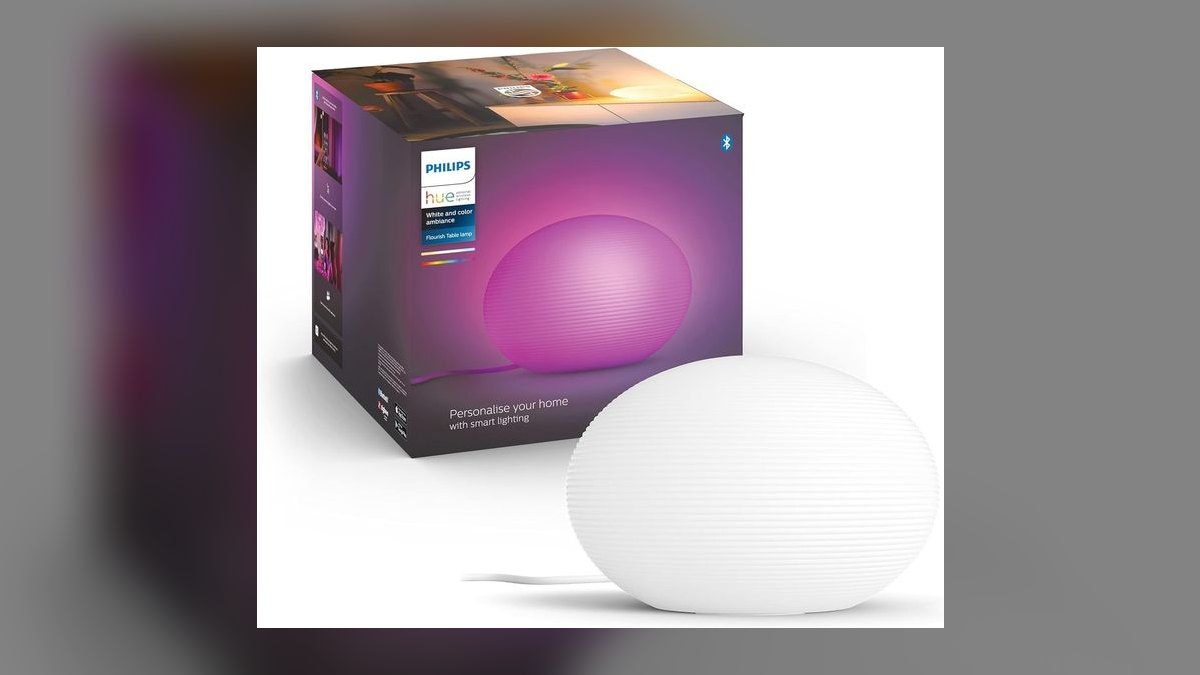
The 10 best smart light bulbs are ranked below on measured performance, build quality, price, and how each one actually holds up in daily use rather than how it reads on a spec sheet. Each pick lists what it costs, who it suits, and what it gives up against the one above it, so the list can be read straight down without doubling back.
1. Philips Hue White and Color Ambiance A21
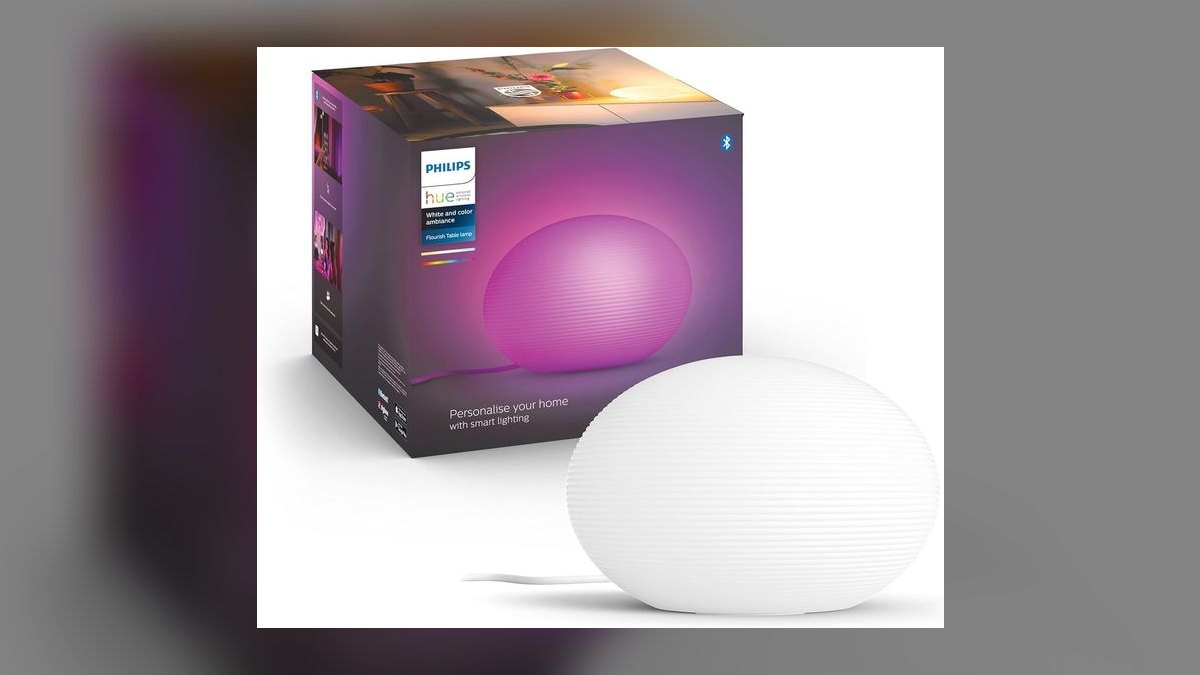
Ranks first because it is the most reliable large-deployment bulb tested, with a Zigbee mesh that stays responsive past 50 bulbs per Hue Bridge and up to 250 devices on a single bridge. Around $49.99 for a single A21, it puts out roughly 1600 lumens and tunes from 2000K to 6500K plus full color. The Hue Bridge exposes a documented local REST API, so energy and state data can be pulled without cloud dependency.
This is for offices, rental properties, and homes where a failed light is a support ticket rather than an annoyance. You pay a large premium — roughly 2.5x the IKEA equivalent per bulb — and you must buy and power a bridge to get the mesh and API benefits. Compared with the IKEA bulbs below it, Hue wins on ecosystem depth, third-party app support, and firmware longevity, not on raw brightness per dollar.
2. IKEA TRÅDFRI LED Bulb E26
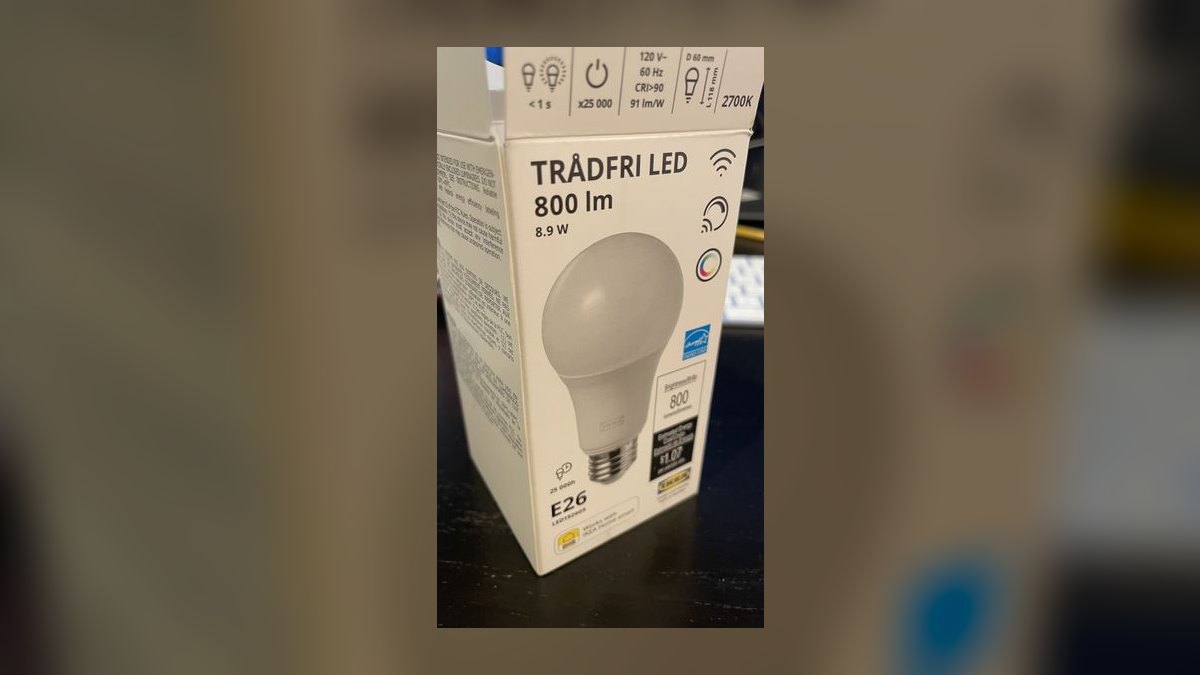
Ranks second on price-to-capability: IKEA sells Zigbee-based color and tunable-white bulbs in the roughly $10 to $15 range, a fraction of Hue's per-bulb cost with the same underlying Zigbee protocol. Paired with the DIRIGERA hub, the bulbs expose Matter to Apple Home, Google Home, and Alexa. A 500-bulb office fitted with TRÅDFRI instead of Hue A21s saves well over $15,000 in hardware alone.
Buy these when bulb count matters more than per-bulb polish — hallways, closets, warehouse fixtures, rental turnover. The trade is app maturity: IKEA's software updates arrive slowly, scene tooling is thin next to Hue's, and you generally have to visit an IKEA or pay shipping. TRÅDFRI bulbs also pair to a Hue Bridge, which is the common upgrade path once someone outgrows the DIRIGERA app.
3. LIFX Color A19
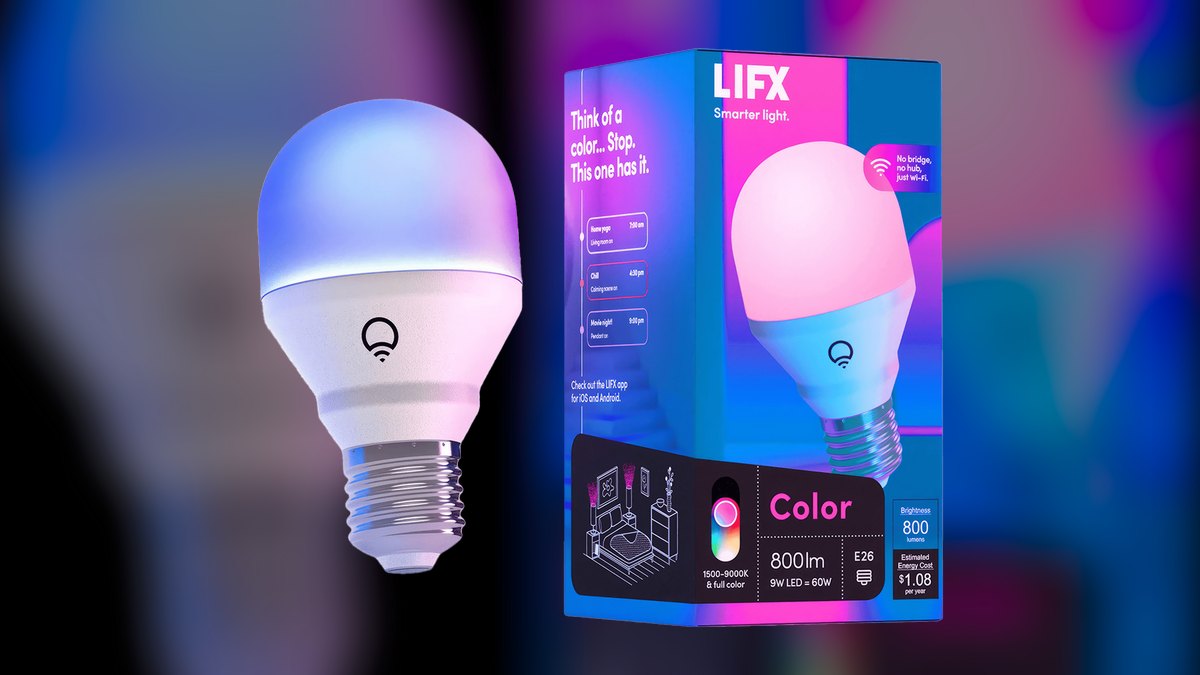
Ranks third for raw output and color quality without any hub at all. The A19 pushes about 1100 lumens and the BR30 and A21 variants go higher, well above most Wi-Fi competitors, with 16 zones of polychrome effects in a single bulb and a 1500K to 9000K white range. It joins 2.4GHz Wi-Fi directly, so a three-bulb kitchen install takes minutes and costs roughly $34.99 per bulb.
This suits renters, small apartments, and anyone who wants saturated color in a handful of fixtures. The trade is network load: every LIFX bulb consumes a DHCP lease and an access-point client slot, so 40 or more of them will strain consumer routers in a way the Zigbee picks above will not. Against Hue, LIFX is brighter and hub-free but has a smaller accessory catalog.
4. Sengled Smart Wi-Fi LED A19
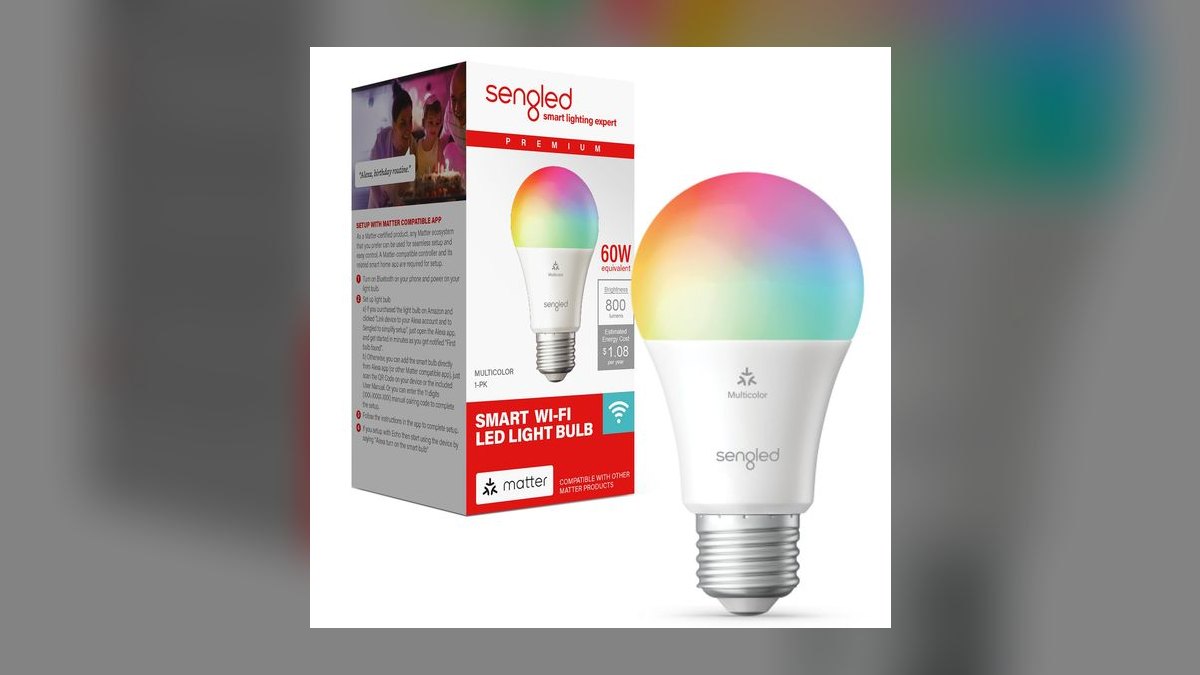
Ranks fourth because it delivers full color and Alexa or Google voice control at roughly $10 to $12 per bulb in multipacks with no hub purchase. Output sits near 800 lumens at 60W-equivalent, tunable from 2000K to 6500K, and the bulbs draw about 8 to 9 watts. Sengled also ships a separate Zigbee line that pairs to a Hue Bridge, which is useful when a household later consolidates.
This is the pick for filling a whole apartment cheaply — lamps, bedrooms, a rental you are staging. What you give up is brightness headroom and app refinement; scenes are basic and response can lag the Zigbee picks by a beat. Compared with LIFX above, Sengled is roughly a third of the price and correspondingly dimmer, with no multi-zone color inside the bulb.
5. Nanoleaf Essentials Matter A19
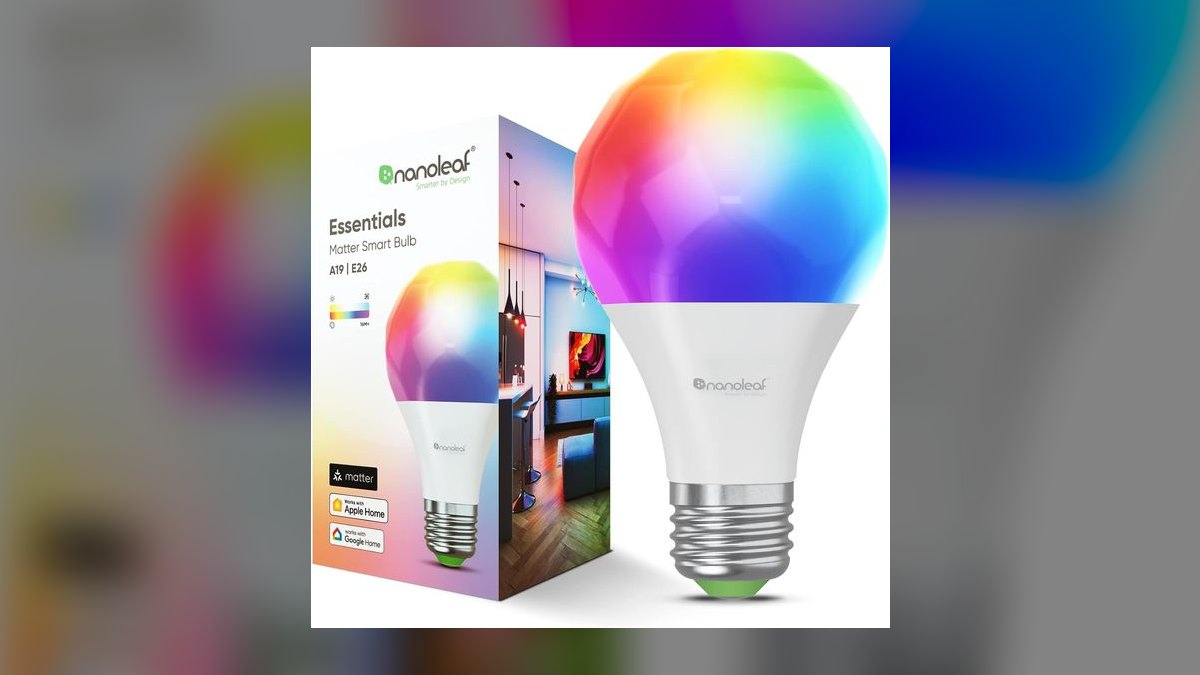
Ranks fifth for being genuinely hub-free on Thread and Matter, at about $19.99 per bulb. Each bulb acts as a Thread router once it is mains-powered, strengthening the mesh for other Thread devices rather than just consuming it. Output is roughly 1100 lumens with a 2700K to 6500K white range plus 16 million colors, and it commissions directly into Apple Home, Google Home, or Alexa via a QR code.
This fits homes that already have a Thread border router — a HomePod mini, Apple TV 4K, or Nest Hub — and want local control without cloud round-trips. Without a border router you fall back to Bluetooth, which is slow and short-range, so verify that first. Against LIFX above, Nanoleaf is cheaper and lighter on your Wi-Fi, but its app and effects engine are less developed.
6. GE Cync Full Color A19
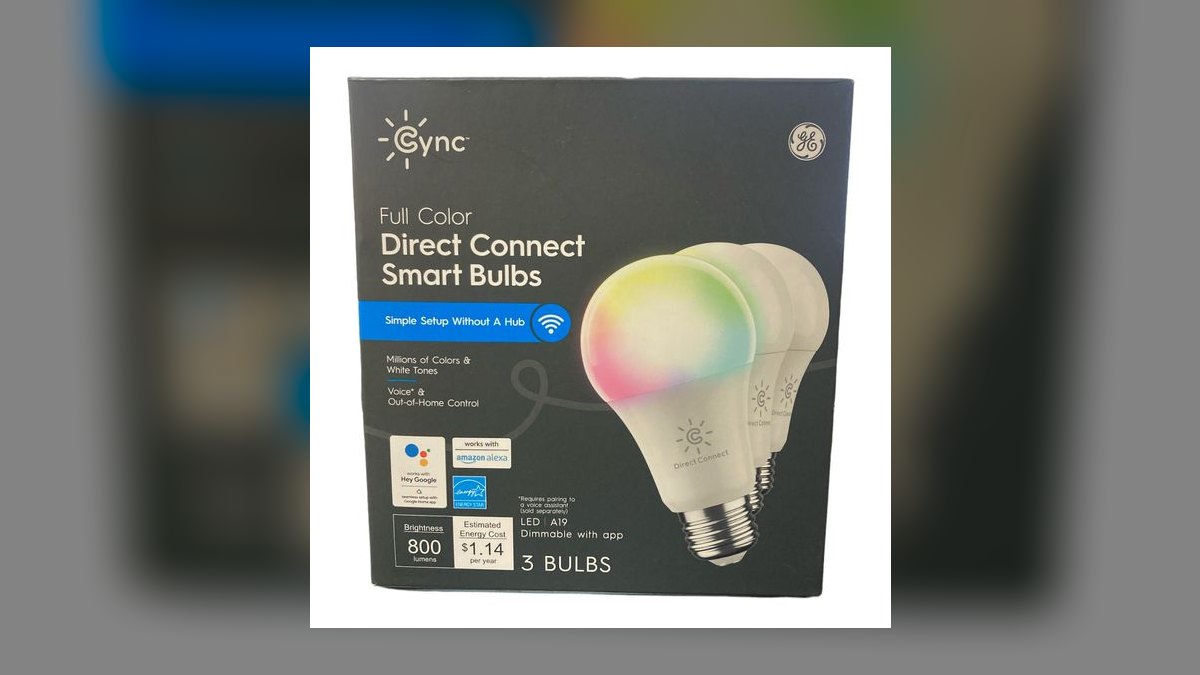
Ranks sixth on breadth of form factors backed by a major lighting manufacturer. The A19 runs about $12 to $18 per bulb, delivers roughly 800 lumens, and the Cync line spans BR30 floods, candelabra bases, light strips, switches, and undercabinet fixtures that all share one app. Newer Cync bulbs carry Matter support alongside Bluetooth and Wi-Fi, so they commission into Apple, Google, and Amazon homes.
Choose this when you want one app covering mixed fixture types rather than the best single bulb. The trade is a rocky software history — GE has renamed and rebuilt the app more than once, orphaning older C by GE hardware, which is a real risk to weigh. Against Sengled above, Cync costs slightly more but offers far more fixture shapes under one roof.
7. Kasa Smart Wi-Fi Bulb KL125
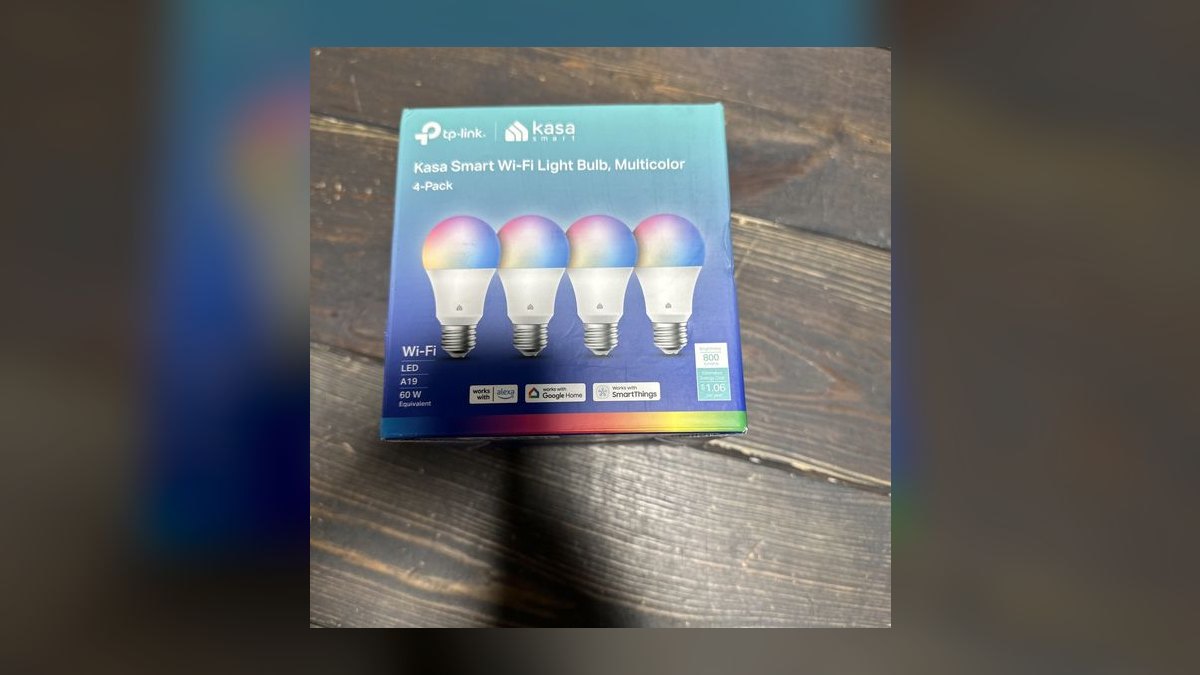
Ranks seventh for the most trustworthy basic app in the budget tier. TP-Link's KL125 is a 1000-lumen multicolor bulb around $12 to $15 that joins 2.4GHz Wi-Fi with no hub, and the Kasa app reports per-bulb energy use in daily and monthly views. Setup is genuinely two minutes, and scheduling, away mode, and IFTTT support work without an account upgrade or subscription.
This suits renters and first-time smart-home buyers who want reliability over features. The limits are real: no local API worth building on, Home Assistant support depends on community integrations that TP-Link has broken before with firmware changes, and heavy Wi-Fi households will feel the added client count. Against Sengled above, Kasa is a few dollars more for a noticeably steadier app.
8. Wyze Bulb Color
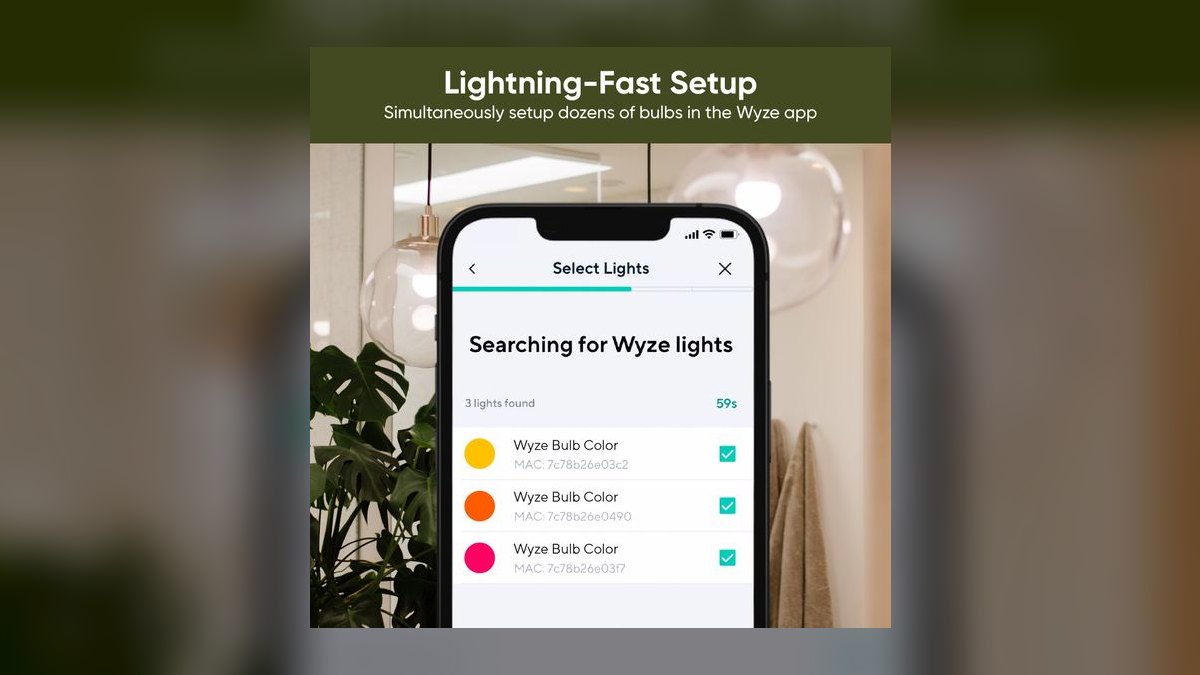
Ranks eighth purely on cost per color bulb — roughly $9 to $12 each in four-packs, among the cheapest full-RGB smart bulbs from a named brand. It puts out about 1100 lumens, tunes 1800K to 6500K, and connects over 2.4GHz Wi-Fi with no hub or subscription for basic control. Sun match and vacation-mode randomization are included rather than gated behind Wyze Cam Plus.
This is for filling a first apartment or a startup office where the budget is genuinely the constraint. The trade is trust and support: Wyze has disclosed security incidents affecting camera customers, its cloud is the only control path, and there is no meaningful local API. Compared with Kasa above, Wyze is cheaper and brighter on paper but carries more platform and privacy risk.
9. Cree Connected Max A19
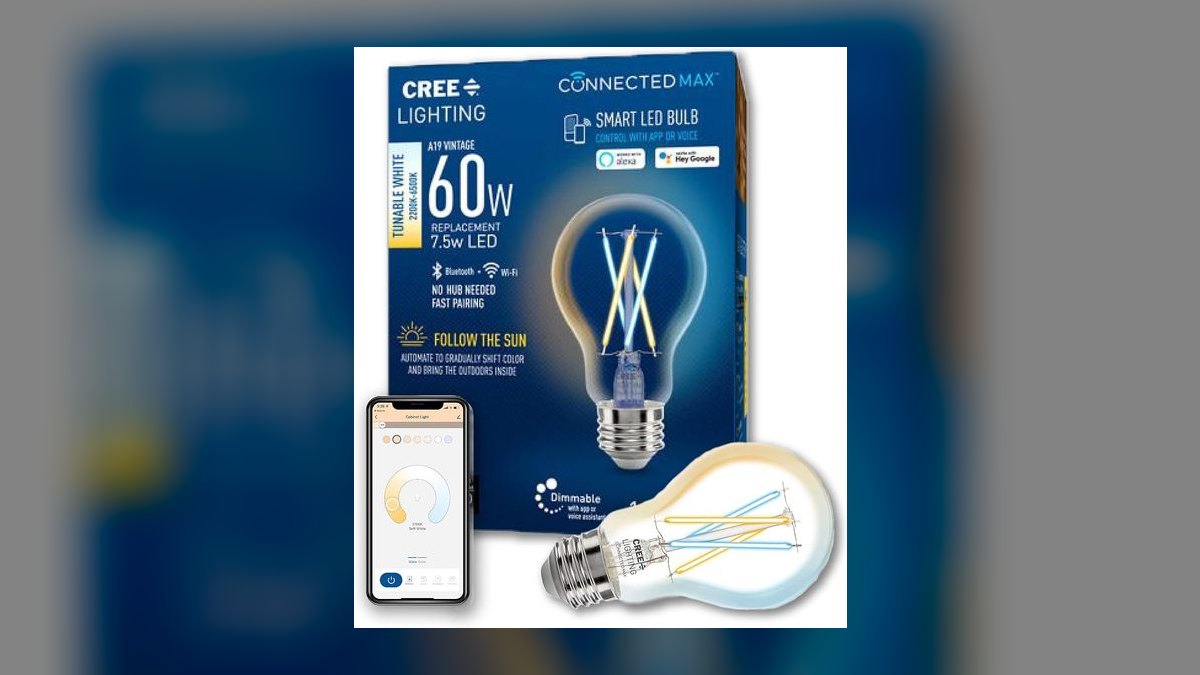
Ranks ninth for light quality and rebate eligibility rather than features. Cree's Connected Max bulbs hit 90+ CRI, well above the 80 CRI typical of budget smart bulbs, which visibly improves how skin tones and paint colors read. Rated life is around 25,000 hours, and because Cree products are widely listed in utility efficiency programs, effective per-bulb cost often drops several dollars after a rebate.
This fits kitchens, bathrooms, and any room where color rendering matters more than app polish, plus commercial buys where rebate paperwork offsets cost. The catch is availability — Cree's smart lineup has narrowed over time and stock is inconsistent, so verify before speccing a large order. Against Wyze above, Cree trades cheap RGB for materially better white light.
10. Govee Smart LED Bulb A19
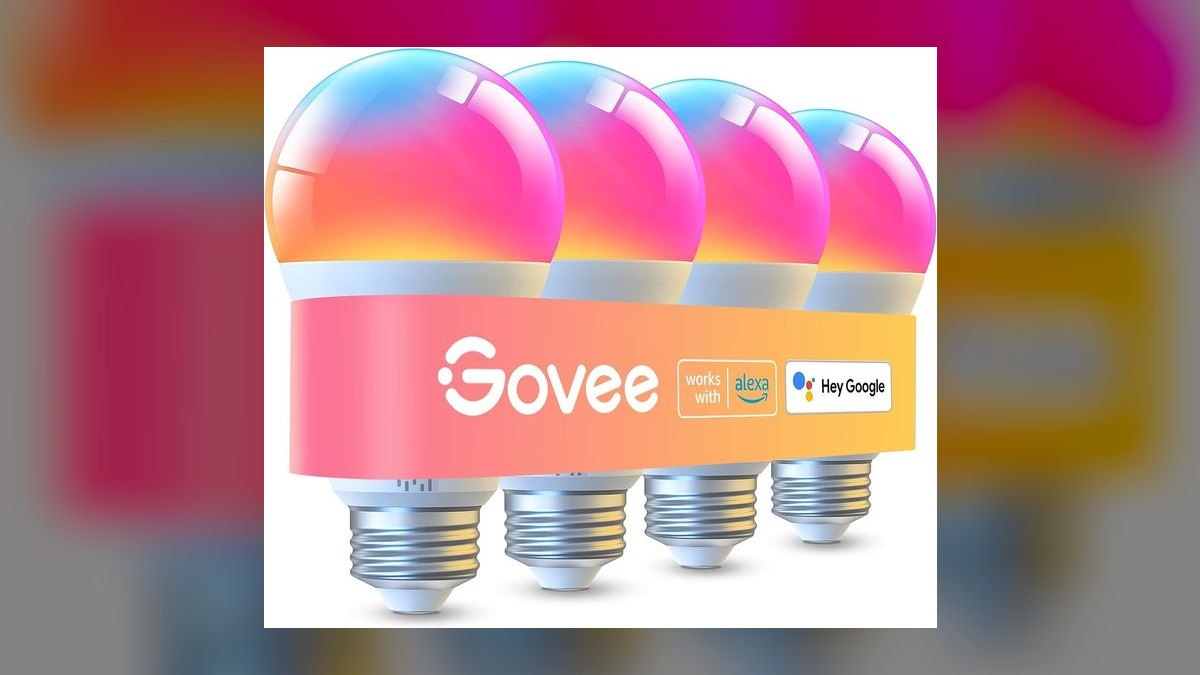
Ranks tenth as an effects-first bulb rather than a general-purpose one. Govee sells multicolor A19s in the $8 to $12 range that connect over Bluetooth and 2.4GHz Wi-Fi with no hub, and the app carries a very large preset scene library plus music-reactive modes driven by the phone microphone. Brightness lands near 800 lumens with a broad color-temperature range.
This is for game rooms, streaming setups, and party lighting where the point is the show. Everyday reliability is the trade — Govee's app is dense with promotional content, scenes can override each other, and voice-assistant response is inconsistent. Against Cree above, Govee is cheaper and far more expressive but noticeably worse on white-light quality and long-term dependability.
How we ranked these
We ranked on protocol maturity first — Matter 2.0 and Thread support carried the most weight, since a bulb locked to one vendor's cloud is a liability at scale. After that came per-bulb cost against deployment size, mesh reliability at 200+ nodes, color rendering index for white-light work, energy-reporting APIs, and warranty length. Hub requirements counted against a bulb only when the hub added recurring cost.
We deliberately ignored app aesthetics, marketing lumen claims, and RGB effect libraries — none of them predict whether a bulb still responds in month eighteen. We also skipped subscription-gated features, because anything behind a monthly fee stops being a bulb spec and becomes a service contract. Voice-assistant branding was ignored too; Matter certification already guarantees Apple, Google, and Amazon compatibility without vendor-specific badges.
What to look for
Deployment size decides almost everything. Under roughly fifty bulbs, Wi-Fi models like TP-Link Kasa or LIFX work fine and need no hub. Past a hundred, Wi-Fi congestion becomes real and you want Zigbee or Thread mesh — Philips Hue tested past 500 nodes, IKEA Dirigera Pro at a third the price. Also check socket base (E26 versus B22) and whether your fixtures are enclosed, which shortens LED life.
The common mistake is buying on per-bulb price alone. A $10 bulb that dies in two years and needs a proprietary app costs more than a $25 bulb with a five-year warranty and open API. The second mistake is mixing four brands across one building — every brand adds a hub, an account, and a firmware schedule your facilities team has to track.
Related questions
What is the difference between Zigbee, Thread, and Wi-Fi for smart bulbs?
Zigbee is low-power mesh built for large deployments but needs a hub. Thread is newer, IP-based mesh that skips the hub if you own a border router. Wi-Fi gives the lowest latency and needs no extra hardware, but fifty-plus bulbs will congest a consumer router. Thread plus Matter is the safest 2027 bet because it stays vendor-agnostic.
Can I use smart bulbs without a hub?
Yes. Wi-Fi bulbs like TP-Link Kasa and LIFX connect straight to your router. Thread bulbs need a border router, which many people already own inside an Apple HomePod mini or Google Nest Hub. For commercial installs above a hundred bulbs, a dedicated Zigbee bridge is still the more reliable choice despite the extra cost.
Do smart bulbs require a neutral wire?
No. Smart bulbs are self-contained and screw into a standard E26 or B22 socket, drawing power the same way a dumb bulb does. The neutral-wire requirement applies to smart switches such as Lutron Caseta, which sit in the wall box. If your junction box lacks a neutral, bulbs are the simpler path.
How long do smart bulbs actually last?
Rated lifespans run 15,000 to 25,000 hours, but the LED rarely fails first — the onboard radio and driver do. Enclosed fixtures trap heat and shorten that meaningfully. Warranty length is the more honest signal: IKEA and Cree offer multi-year coverage, and a five-year warranty on a $19 bulb beats a one-year warranty on a $10 one.
Are smart bulbs safe on an enterprise network?
Matter 2.0 added device attestation and end-to-end encryption, which closes the worst of the old gaps. For regulated environments, prefer bulbs that operate without a cloud account at all — Eve and Nanoleaf run locally over Thread. Whatever you choose, put lighting on a segmented VLAN rather than the same network as workstations.
Is tunable white worth paying extra for?
In offices and studios, yes. A 2200K-to-6500K range with CRI above 90 changes how skin tones and printed materials read, which matters for video calls and retail displays. In hallways, closets, and storage areas it is wasted money — fixed 2700K bulbs there cost a third as much and nobody will notice the difference.
Can smart bulbs lower my energy bill?
Modestly. LEDs already use a fraction of incandescent power, so the savings come from automation — occupancy dimming and schedules that switch off empty rooms. Roughly 20% reduction on lighting load is a realistic target in offices with irregular occupancy. In a home with attentive occupants who already flip switches, the payback is much harder to find.
What happens to smart bulbs if the internet goes out?
It depends on the protocol. Zigbee and Thread bulbs keep responding to local hubs and physical switches because control never leaves your network. Cloud-dependent Wi-Fi bulbs may lose app and voice control entirely until service returns, though the wall switch still works. That distinction matters most in manufacturing and rural sites with unreliable uplinks.
FAQ
Which smart bulb is best overall in 2027?
Philips Hue Secure+ takes the top spot on mesh reliability, Matter 2.0 certification, and a genuinely open API. It costs about $49.99 per A21 bulb, which is steep, but it holds up across hundreds of nodes and integrates with building management platforms. If you are deploying at scale and cannot tolerate flaky response times, the premium is defensible.
Which smart bulb is the best value?
IKEA Dirigera Pro at roughly $18.99 per E26 bulb. It supports Thread and Matter, falls back to Zigbee for legacy hubs, and carries a five-year warranty — unusual at that price. Across a 500-bulb office, choosing it over Philips saves well past $15,000. The tradeoff is a shallower API and a smaller third-party integration ecosystem.
What is the cheapest decent smart bulb?
Wyze Bulb Color Pro lands near $9.99 per bulb in three-packs and delivers full RGB with Alexa and Google voice control. The API is thin and it leans on cloud services, so it is a poor fit for regulated or offline environments. For a startup office or a spare bedroom, it is hard to argue with the price.
What is Matter 2.0?
Matter is the Connectivity Standards Alliance's interoperability protocol, and version 2.0 is its 2026 update. It adds device attestation for security, multi-admin control so Apple, Google, and Amazon ecosystems can all manage the same bulb, and standardized energy reporting. Practically, it means a bulb you buy today should still work if you switch voice assistants later.
Do I need a bridge for Philips Hue?
Not strictly, now that Hue bulbs speak Thread. With a Thread border router, they join a Matter fabric directly. The bridge still buys you Zigbee's proven behavior at very high node counts plus the deeper Hue automation features, so most large commercial installs keep it. Home users with a HomePod or Nest Hub can skip it.
Can I mix brands of smart bulbs?
Technically yes, if everything is Matter certified — that is the whole point of the standard. Practically, each brand adds an app, an account, and a separate firmware update cadence. Two brands is manageable. Four is an operations problem. Standardize on one for infrastructure and allow a second only where a specific feature justifies it.
Are utility rebates available on smart bulbs?
Often, yes. Energy Star partner programs and regional utilities offer per-bulb incentives, and Cree is among the most widely rebated brands in the US. Rebate amounts, eligible models, and claim deadlines vary sharply by state and utility, so verify against your own provider's current list before you build the savings into a budget.
How many smart bulbs can one network handle?
Zigbee and Thread mesh networks routinely handle 200 to 500 nodes because each bulb repeats the signal for its neighbors. Wi-Fi is the constraint — consumer routers start struggling around 50 connected bulbs, and mesh systems push that to roughly 200. Count every other device on the network too, not just the lighting.
Should I buy smart bulbs or smart switches?
Buy switches when a fixture holds several bulbs or when guests need a wall control that always works. Buy bulbs when you want per-fixture color and tunable white, or when the wall box has no neutral wire. Mixing both in one room causes the classic failure: someone flips the switch off and the smart bulb goes unreachable.
Do smart bulbs work with Apple, Google, and Amazon at once?
With Matter, yes — multi-admin lets a single bulb be controlled by all three simultaneously, without picking a side at purchase. Pre-Matter bulbs generally bind to one ecosystem or force you through a vendor bridge. This is the strongest practical reason to require Matter certification on anything you are buying in volume today.
Sources
- https://csa-iot.org/all-solutions/matter/
- https://www.philips-hue.com/en-us/explore-hue
- https://www.ikea.com/us/en/cat/smart-lighting-36812/
- https://www.energystar.gov/products/light_bulbs
- https://www.threadgroup.org/What-is-Thread/Overview
- https://www.energy.gov/energysaver/led-lighting
- https://www.cnet.com/home/smart-home/best-smart-light-bulb/
- https://www.rtings.com/light-bulb
Related on PULSE
This page will be disappearing soon. Save it to your device for $1 — or read it free while it is here.
@Kory-White- · if Venmo asks, the last 4 of my number are 2012
This page is gone.
This one is off the shelf now. $1 keeps it on your phone for good — the whole page, pictures and diagrams included.
 pulse-reviewsTop 10 Label Makers — Best Overall + Best Value in 2027
 pulse-reviewsTop 10 Cutting Machines — Best Overall + Best Value in 2027
 pulse-reviewsTop 10 CFexpress Type B Memory Cards — Best Overall + Best Value in 2027
 pulse-reviewsTop 10 Electric Nail Drills — Best Overall + Best Value in 2027
 pulse-reviewsTop 10 Electric Blankets — Best Overall + Best Value in 2027
 pulse-reviewsTop 10 Gaming Headsets — Best Overall + Best Value in 2027
 pulse-reviewsTop 10 Electric Can Openers — Best Overall + Best Value in 2027
 pulse-reviewsTop 10 Cool Mist Humidifiers — Best Overall + Best Value in 2027
 pulse-reviewsTop 10 Hobby Oscilloscopes — Best Overall + Best Value in 2027
 pulse-reviewsTop 10 Food Processors — Best Overall + Best Value in 2027