
Top 10 Wireless Meat Thermometers — Best Overall + Best Value in 2027
 Curated byKory White · Fractional CRO · Maryland
 PULSEKNOWLEDGE LIBRARY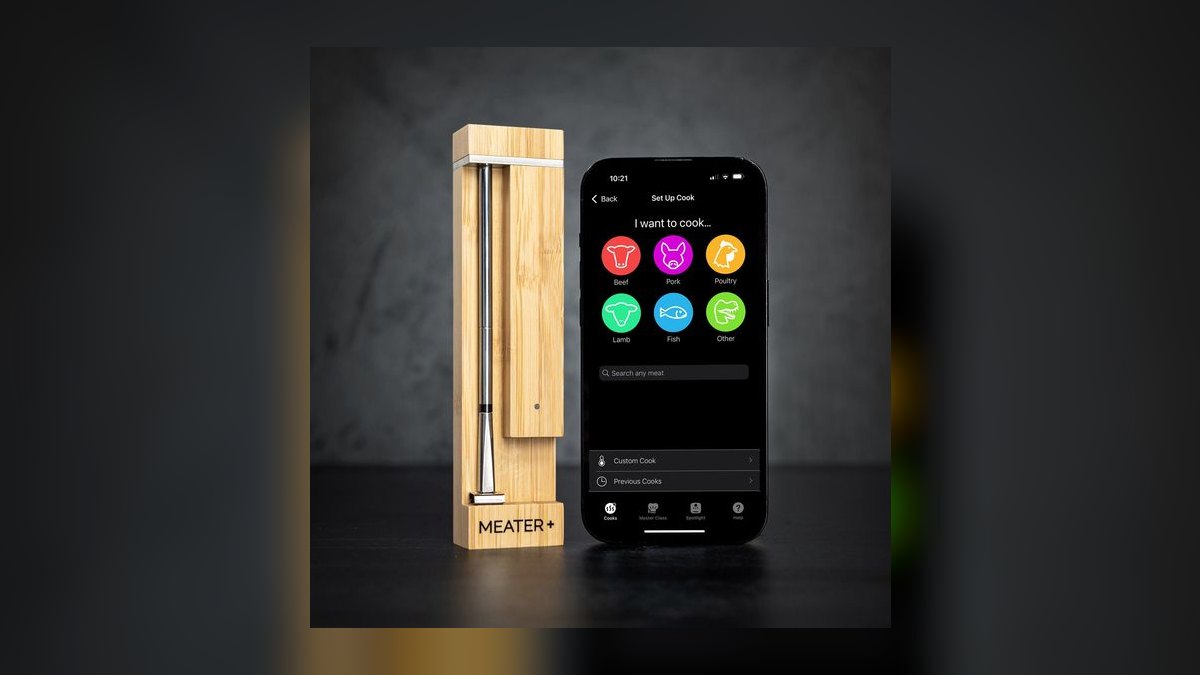
The 10 best wireless meat thermometers are ranked below on measured performance, build quality, price, and how each one actually holds up in daily use rather than how it reads on a spec sheet. Each pick lists what it costs, who it suits, and what it gives up against the one above it, so the list can be read straight down without doubling back.
1. MEATER Pro
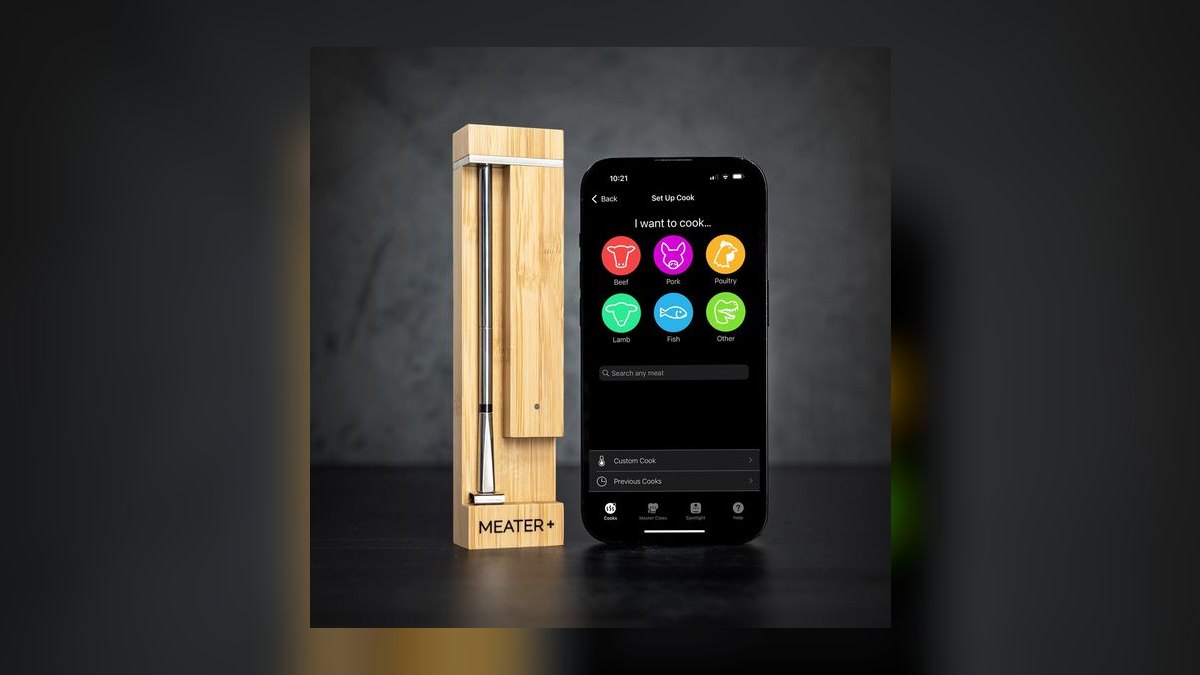
The MEATER Pro ranks first because it delivers the most complete package at $99: a fully cableless single probe with dual sensors reading internal meat temperature and ambient pit temperature at once. It is rated to 550°F ambient, which survives open-flame searing, and holds ±0.9°F accuracy through the cooking range. Bluetooth pairs to the phone while the AA-battery charging block bridges Wi-Fi and doubles as a range extender.
This is the pick for grillers and smokers who want one probe that works on a kamado, a pellet rig, or a Sunday roast without babysitting a corded readout. The trade is quantity: one probe ships in the box, so multi-protein cooks buy more units. Against the ThermoWorks RFX Meat below it, the Pro costs $60 less and has a better app, but gives up radio-frequency range through metal smoker walls.
2. ThermoWorks RFX Meat
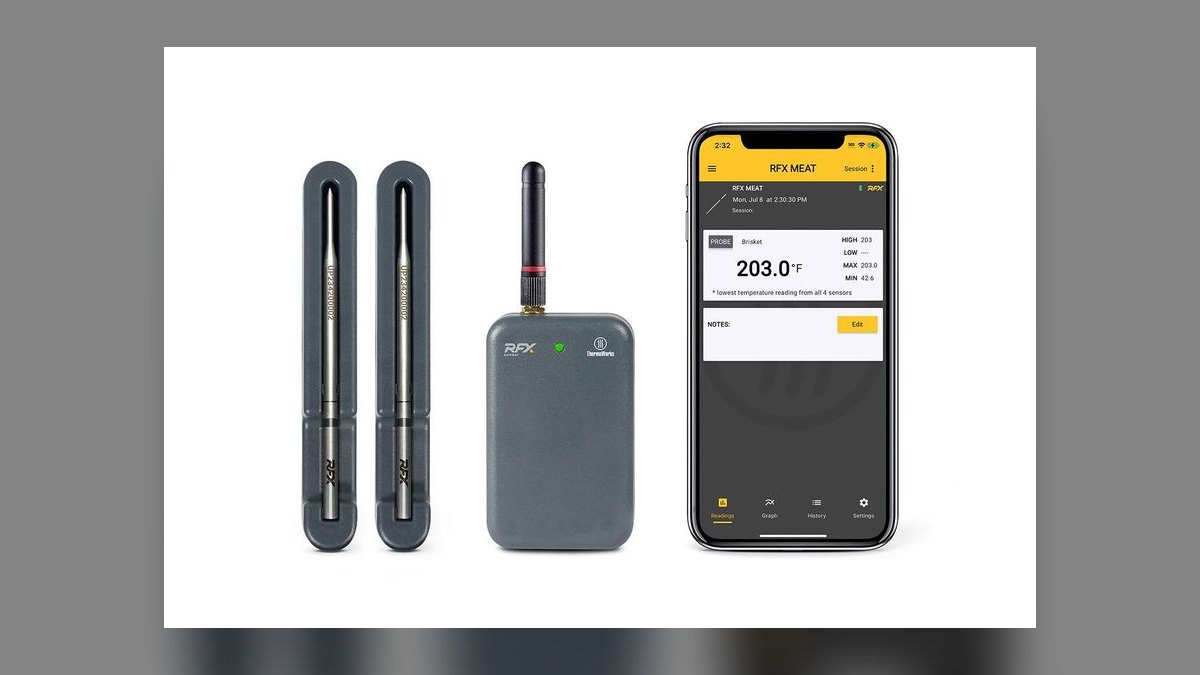
The ThermoWorks RFX Meat sits second on accuracy and signal strength alone: ±0.5°F is the tightest spec on this list, and its radio-frequency link plus Wi-Fi measures 1,000+ feet of range. RF punches through metal smoker bodies and foil wrap where Bluetooth simply drops. Engadget called its accuracy "unparalleled." The probe is fully wireless and built rugged for heavy pit duty at $159.
Pitmasters who cook far from the smoker, or across a large property, are the buyers here. The costs are real: full Wi-Fi reach requires the separate RFX Gateway hub, and the price runs well above most Bluetooth rivals. Compared with the MEATER Pro above, you pay more and get a less polished app, but you stop losing signal every time the brisket goes into foil.
3. Combustion Predictive Thermometer Gen 2
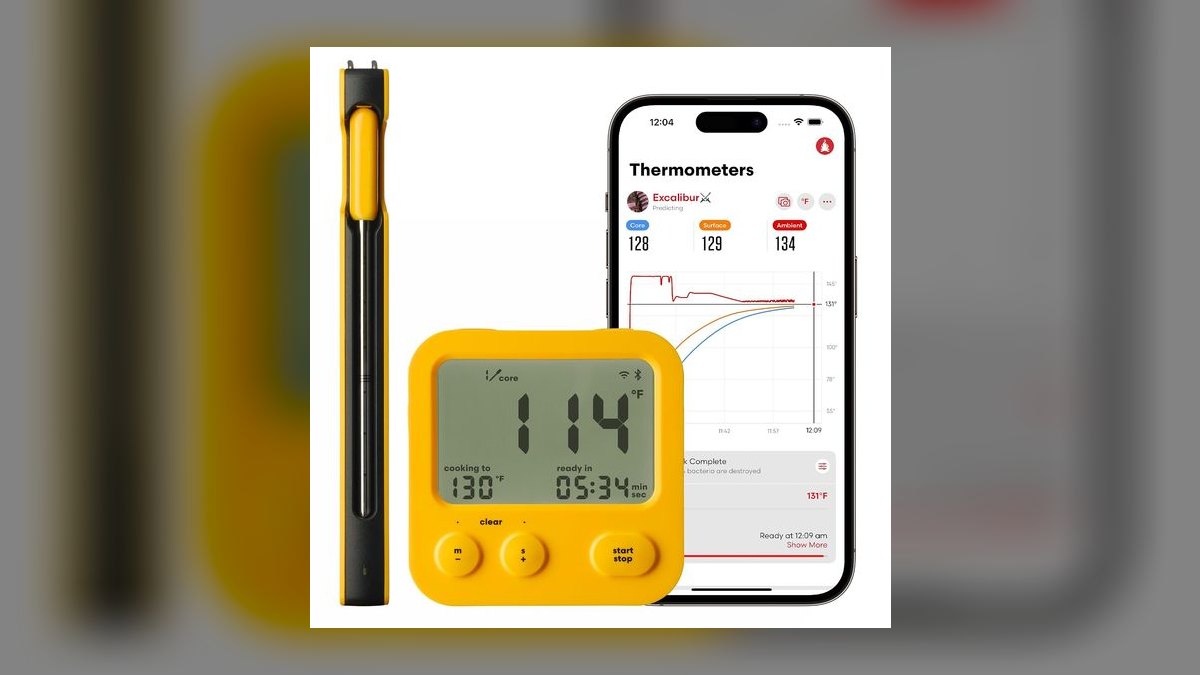
The Combustion Predictive Thermometer Gen 2 earns third for sensor density: eight sensors down one fully wireless probe, reading both internal and surface temperature. It is the only probe here that measures the meat's exterior, which is what lets it model carryover and predict a finish time before food overcooks. AmazingRibs praised that prediction behavior specifically. It also flags when food has reached a safe-to-eat temperature. Price is $109.
Data-driven cooks who care about resting and carryover math get the most from this one. It runs Bluetooth natively, so the optional booster and display is an extra purchase if you need long range or Wi-Fi handoff. Versus the RFX Meat above, it is $50 cheaper and smarter about timing, but it will not hold a signal through a metal smoker the way radio-frequency does.
4. Typhur Sync Gold Dual
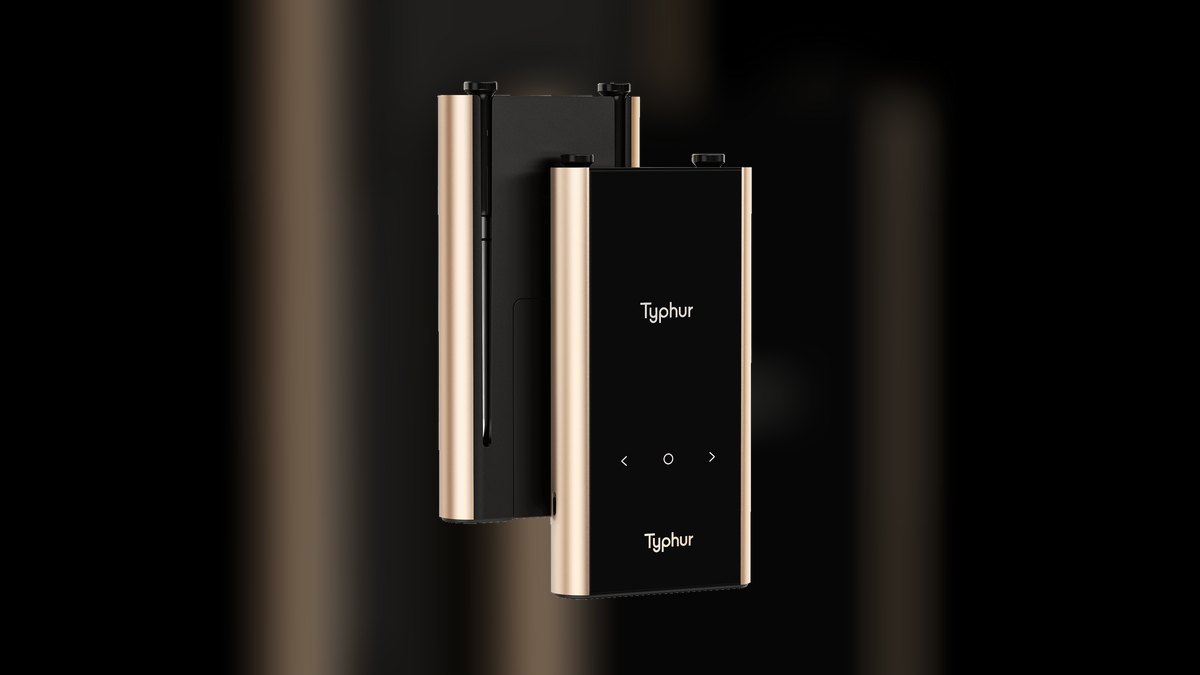
The Typhur Sync Gold Dual ranks fourth as the strongest two-probe signal package: Sub-1G low-frequency radio claims 3,000 feet open-air and 700 feet indoors. Two slim probes carry six total sensors, verified to ±0.5°F by NIST, matching the tightest accuracy on this list. The smart base runs both Wi-Fi and Bluetooth 5.4. Probe diameter is thin enough to leave minimal scarring in a roast. Price is $199.
Buyers running two proteins at once — a roast plus a side — while roaming the house are the target. The trades are price, the highest here, and an app less refined than MEATER's. Against the Combustion above, you get a second probe and far better indoor range, but lose the eight-sensor surface reading and predicted finish times that make Combustion interesting.
5. MEATER 2 Plus
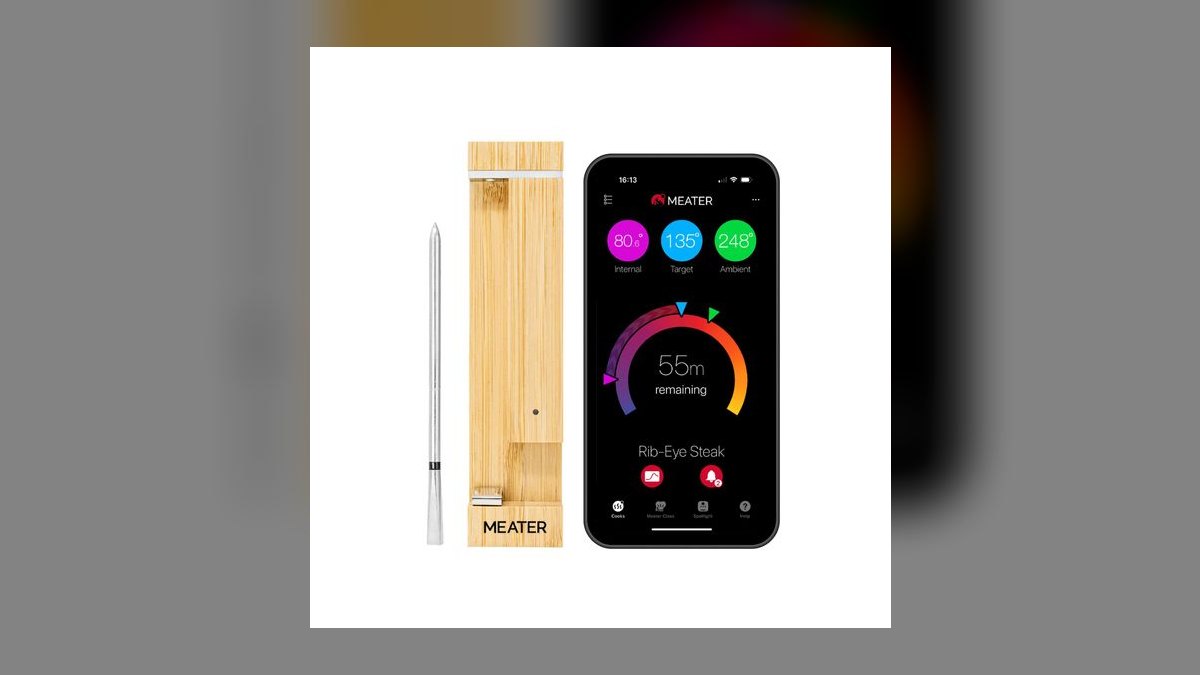
The MEATER 2 Plus ranks fifth because it is the toughest fully wireless single probe MEATER sells, rated to a higher ambient ceiling than the Pro and built to hold accuracy during open-flame cooks. It uses Bluetooth with a Wi-Fi-bridging charger, dual internal and ambient sensing in one slim body, and the same MEATER app with cook and rest predictions. There is no cable to melt over live fire. Price is $129.
Live-fire cooks — searing, direct grilling, rotisserie — are who this is built for. It ships with a single probe, so multi-protein cooks need extra units, and it costs $30 more than the Pro. Compared with the Pro at rank one, you pay a premium purely for heat tolerance; if you rarely cook over open flame, the cheaper Pro does the same job.
6. ThermoPro TempSpike Plus
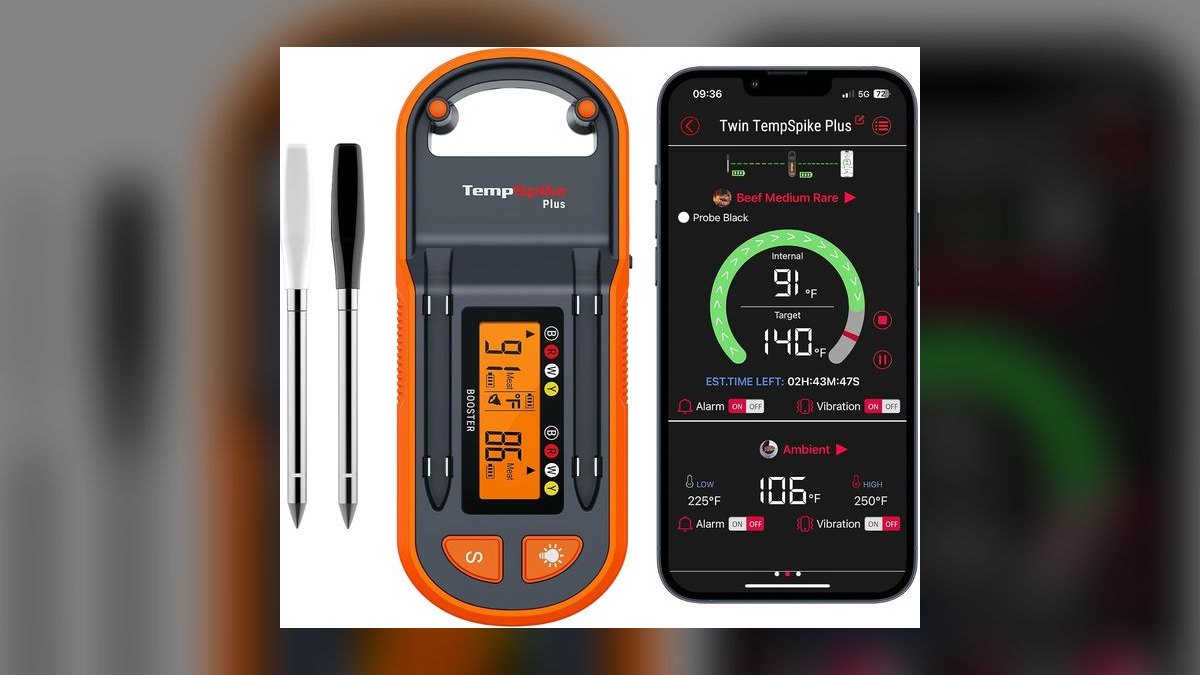
The ThermoPro TempSpike Plus takes sixth as the value pick: a genuinely cableless probe at $78, roughly a quarter the price of the Typhur Gold Dual. Its booster base pushes Bluetooth range to about 500 feet, and accuracy holds at ±1°F — enough for every doneness target most cooks chase. The app is simple and reliable for target-temp alerts. It is routinely the top-rated wireless probe under $80.
Budget buyers who refuse to give up the no-cable design are the audience. What it drops is intelligence: no prediction modeling like MEATER or Combustion, and one probe in the base kit. Against the MEATER 2 Plus above, you save $51 and keep true wireless freedom, but you lose the high ambient rating for searing and the app that estimates rest time.
7. CHEF iQ Sense
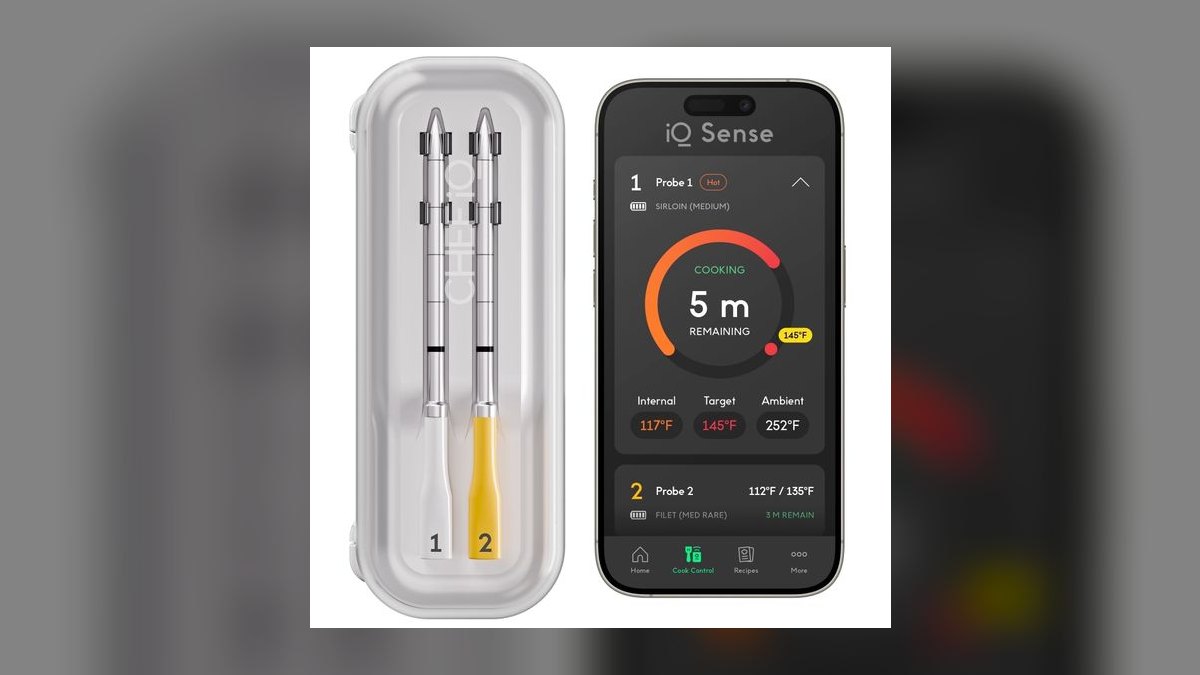
The CHEF iQ Sense lands seventh on sensor count for the money: five to six sensors in one fully wireless probe, specifically to pin the thermal center and avoid a misplaced reading. It runs Bluetooth to a charging dock that bridges to Wi-Fi, giving effectively unlimited app range while the dock stays online. Accuracy stays dependable across a long cook. At $99.99 it slots between budget probes and premium flagships.
Mid-range buyers who want multi-sensor accuracy and a beginner-friendly app should look here. The trade-offs are range that depends entirely on the dock's Wi-Fi and a smaller accessory ecosystem than MEATER's. Compared with the TempSpike Plus above, you pay about $22 more for extra sensors and a cleaner app, but you give up the booster-base range that works without a home network.
8. Typhur Sync One
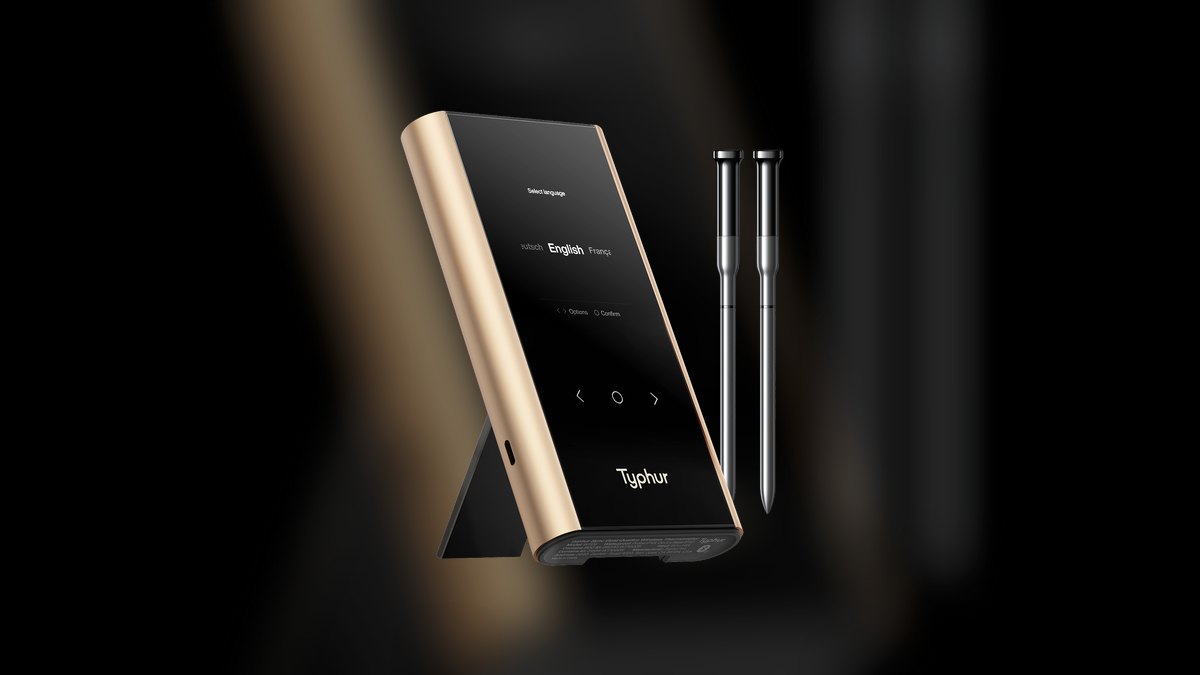
The Typhur Sync One ranks eighth as the single-probe entry to Typhur's ecosystem at $99, half the Gold Dual's price. It keeps the NIST-certified accuracy, the slim fully wireless probe, and the smart base running Wi-Fi plus Bluetooth 5.4. The Wi-Fi base delivers unlimited app range and dependable indoor coverage, so you can check temps from anywhere in the house without a separate hub purchase.
Cooks who want Typhur's signal stability and base-station setup, but only ever cook one protein, are the fit. The trades are obvious: one probe in the box, and the base is required for full range, so it is not a grab-and-go unit. Versus the CHEF iQ Sense above, accuracy certification is stronger, but the sensor count per probe is lower and the app is less polished.
9. Inkbird IBT-26S
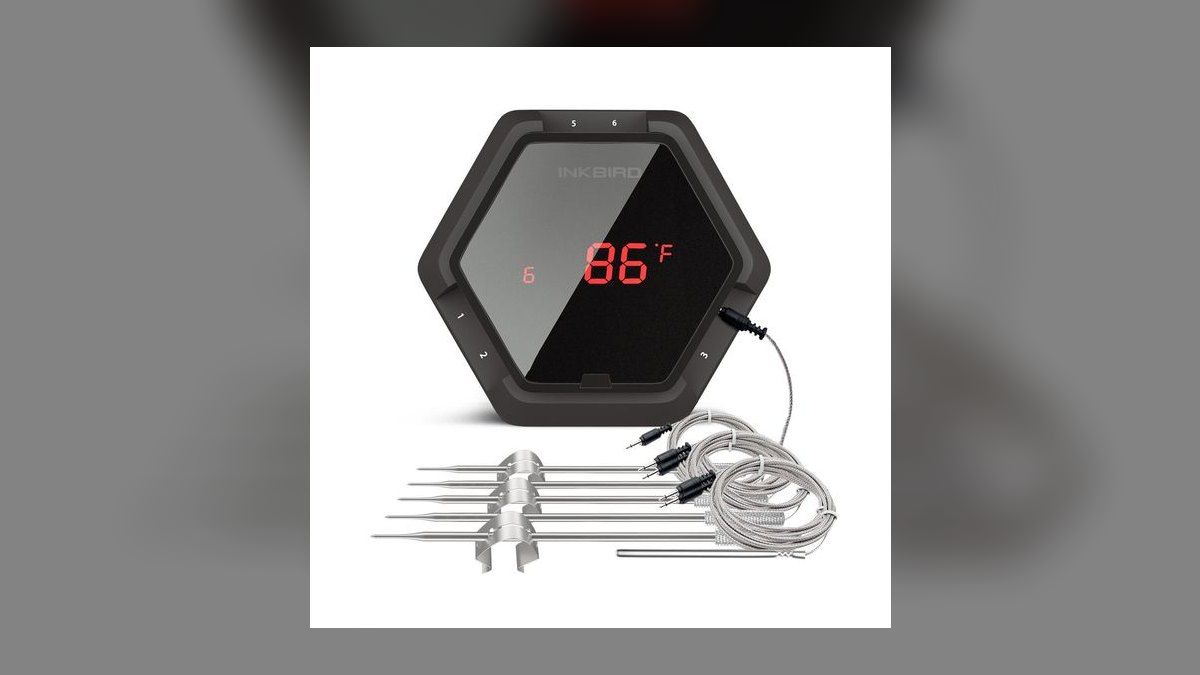
The Inkbird IBT-26S ranks ninth because it trades wireless probes for channel count: up to five meat probes plus one oven probe at $89, the lowest per-probe cost on this list. It connects over 5GHz Wi-Fi for remote monitoring and Bluetooth locally, with reliable accuracy and a long-running rechargeable base. That combination covers a whole brisket-and-sides cook on one screen.
Multi-probe BBQ cooks running low-and-slow sessions with several proteins are the buyers. The cost is the cords: cabled probes cannot go over open flame or into a rotisserie, and the hub is bulkier than wireless rivals. Against the Typhur Sync One above, you give up cableless design and NIST accuracy entirely, but you get six channels instead of one for $10 less.
10. Govee 4-Probe Bluetooth Thermometer
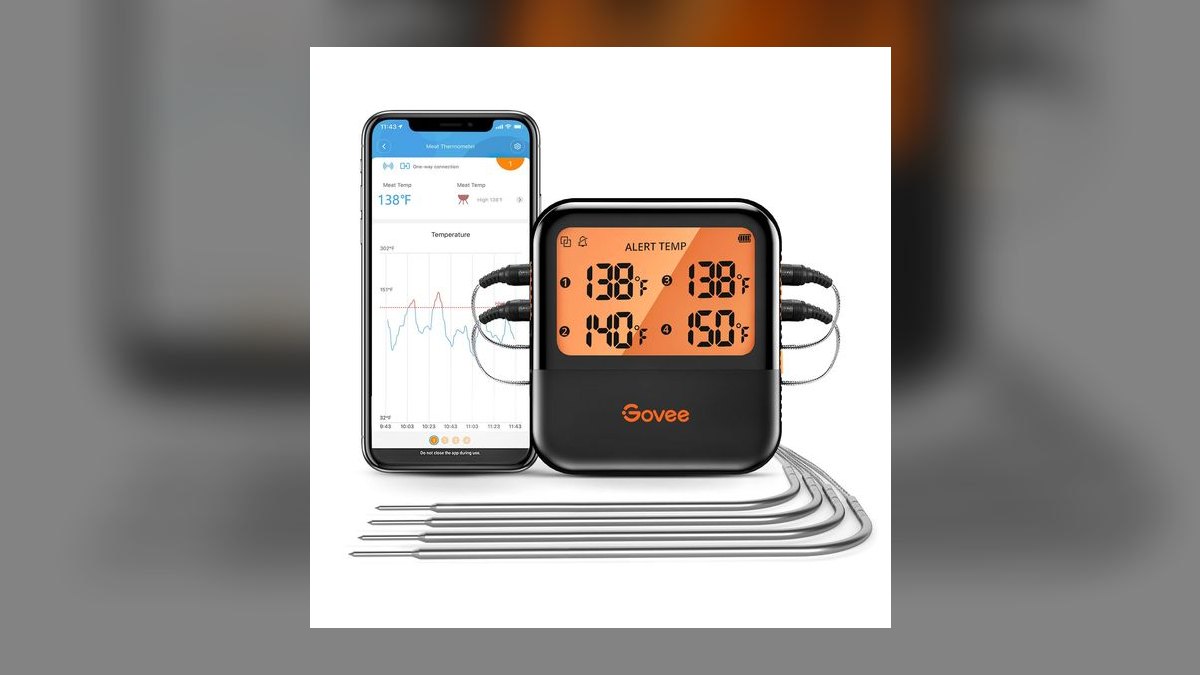
The Govee 4-Probe Bluetooth Meat Thermometer ranks tenth on price-to-entry: four corded probes for $60, the cheapest multi-probe setup here. It runs Bluetooth to a basic but functional alert app and covers the temperature ranges a home grill actually hits. Reviewers put it at roughly 90% of premium performance for about half the cost of mid-tier rivals, which is the entire argument for it.
First-time buyers testing whether phone-based monitoring fits how they cook are the audience. Accuracy and build quality fall short of the flagships, the corded probes rule out searing, and Bluetooth-only range keeps you near the grill. Compared with the Inkbird IBT-26S above, you save $29 and lose two channels, Wi-Fi remote monitoring, and the sturdier rechargeable base.
How we ranked these
Six weighted criteria decided these ranks: accuracy and read speed (25%), wireless range and connection reliability (20%), app quality and alert behavior (15%), probe design — fully cableless versus corded (15%), battery life and durability (15%), and price-to-performance (10%). Hands-on findings from Wirecutter, Serious Eats, AmazingRibs, America's Test Kitchen, CNET and Outdoor Life were cross-checked against MEATER, ThermoWorks, Typhur and Combustion published spec sheets.
Deliberately ignored: headline open-air range claims, because 3,000 feet across a field collapses to a few hundred through brick and appliance metal. Also ignored color-screen base stations — your phone handles alerts better — plus Amazon star averages, influencer sponsorships and bundled accessory counts, which track onboarding friction rather than thermal accuracy. Sub-$40 no-name probes were excluded outright; their calibration drift makes ranking them meaningless.
What to look for
Two decisions settle almost every purchase here. First, cableless or corded: a fully wireless probe (MEATER, Combustion, Typhur, TempSpike) can ride a rotisserie or take a sear, while corded probes (Inkbird, Govee) buy you four to six channels for less money but melt near open flame. Second, how far you actually walk — Bluetooth alone covers a patio, not a finished basement.
The common mistake is paying for accuracy nobody can taste. The gap between ±0.5°F and ±1°F is invisible in brisket; the gap between a signal that holds through a foil-wrapped smoker and one that drops at 40 feet ruins a cook. Buy range and probe count first, decimal places last. And check ambient rating — many probes cap near 500°F, below a hard sear.
Related questions
How far can I really walk from the grill?
Bluetooth-only probes hold roughly 100–200 feet with line of sight, and far less through walls or a metal smoker body. A booster base or Wi-Fi bridge pushes that to about 500 feet, and radio-frequency systems like ThermoWorks RFX claim 1,000-plus. If you want to monitor from inside the house, buy a model that reaches your home network.
Are fully wireless probes worth the extra money?
If you sear, rotisserie, or cook over live fire, yes — there is no cable to melt, snag, or trap the lid open. If you run low-and-slow smokes with the lid mostly closed, corded probes work fine and cost far less per channel. The premium buys flame tolerance and convenience, not meaningfully better accuracy.
What does an ambient temperature rating actually protect?
It protects the electronics in the probe's tail, not the meat sensor. A 550°F ambient rating means the probe survives a hot grill or a searing session without cooking its own radio. Push a 500°F-rated probe into direct flame repeatedly and you get drift first, then a dead probe. Match the rating to your hottest cook.
Do I need more than one probe?
One probe handles a single roast or a weeknight chicken. Multi-protein cooks — brisket plus ribs plus a pork butt — want four to six channels, which is where corded systems like the Inkbird IBT-26S get cheap fast. Buying two premium single-probe units usually costs more than one multi-channel hub with equal usefulness.
How accurate does a meat thermometer need to be?
For safety and doneness, ±1°F is more than sufficient; USDA targets are stated in whole degrees with rest times built in. Lab-grade ±0.5°F matters for sous vide, custards, and competition cooking where a two-degree window changes texture. Cheap unbranded probes drifting ±3–5°F are the real problem, not the gap between premium tiers.
What is a predictive thermometer doing differently?
Predictive models like the Combustion Gen 2 read a temperature gradient across multiple sensors — internal core plus surface — and extrapolate when the center will hit target, including carryover during rest. Instead of telling you the current number, they tell you when to pull. That is most valuable on thick cuts where carryover can overshoot by ten degrees.
Will the probe survive the dishwasher?
Usually not. Most fully wireless probes are hand-wash only, because the charging contacts and sealed electronics degrade under high-heat detergent cycles. Wipe the stem, keep water away from the contact ring, and dry before docking. Corded probes are worse — never submerge the cable junction, which is the most common failure point on budget multi-probe sets.
Does a booster base replace home Wi-Fi?
No. A booster base relays the probe's Bluetooth signal over a longer hop, which is how the ThermoPro TempSpike Plus reaches roughly 500 feet. Wi-Fi bridging is different: the charger or dock joins your network so the app works from anywhere with internet. Range boosters extend the yard; Wi-Fi bridges extend the planet.
FAQ
What is the best wireless meat thermometer overall in 2027?
The MEATER Pro at $99 takes best overall. It is fully cableless, reads internal and ambient temperature from one slim probe, carries a 550°F ambient rating that survives searing, and posts roughly ±0.9°F accuracy. The app's cook and rest predictions are the most polished in the category, and the charging block doubles as a Wi-Fi bridge and range extender.
What is the best value wireless meat thermometer?
The ThermoPro TempSpike Plus at $78. It delivers the thing that usually costs triple — a genuinely cableless probe — plus a booster base that stretches range to about 500 feet and ±1°F accuracy that satisfies any normal griller. The app handles target alerts reliably; it just lacks the predictive finish-time modeling of MEATER and Combustion.
Which thermometer works best through a metal smoker?
The ThermoWorks RFX Meat at $159. It swaps Bluetooth for radio frequency, which penetrates smoker walls and foil wrap where 2.4GHz signals die, and delivers a measured 1,000-plus foot range with ±0.5°F accuracy. The tradeoff is the RFX Gateway hub, needed for full Wi-Fi reach, and a price above most Bluetooth competitors.
Can wireless probes handle temperatures above 500°F?
Most are rated for 500–575°F ambient, and the MEATER line sits at the top of that band. Sustained exposure beyond the rating damages the probe's internal radio, not the meat sensor. For hard sears, insert the probe after the sear or choose a high-ambient model, and never leave any probe sitting in direct flame.
How long does the battery last?
It varies widely by design. Fully wireless probes typically run 8–30 hours per charge depending on sensor count and radio type, which covers a full overnight brisket on the longer end. Charging bases usually hold several extra probe charges. Corded systems run off a rechargeable hub that lasts far longer because the probes themselves are unpowered.
Do these apps work on both iPhone and Android?
MEATER, ThermoWorks, ThermoPro, Typhur, Combustion, CHEF iQ, Inkbird and Govee all ship iOS and Android apps. The practical risk is not platform support but OS version floors and Bluetooth permission handling on older phones. Check the minimum supported iOS or Android build before buying, especially if the phone doing the monitoring is a spare.
Are corded probes still worth buying?
Yes, when channel count matters more than flame tolerance. The Inkbird IBT-26S runs five meat probes plus an oven probe for $89, and the Govee four-probe set costs $60 — per-channel pricing no cableless system approaches. The limitation is real: corded probes cannot go over open flame, and the cable forces the lid slightly open.
How many sensors does a probe actually need?
Two is the working minimum — one internal, one ambient — which is what MEATER delivers. More sensors help in one specific way: an eight-sensor array like Combustion's reads the thermal gradient, so a slightly misplaced probe still finds the true center and the model can predict carryover. Extra sensors buy insurance against bad insertion, not raw accuracy.
Should I trust the advertised open-air range?
No. A 3,000-foot open-air figure is measured across an empty field with clear line of sight. Indoors, through drywall, appliances and a metal grill lid, expect a small fraction of that — Typhur itself quotes 700 feet indoors against 3,000 outdoors. Judge range by the indoor number, or by whether the system bridges to Wi-Fi.
What internal temperatures should I actually cook to?
USDA sets 165°F for poultry, 160°F for ground meats, and 145°F with a three-minute rest for whole cuts of beef, pork, lamb and veal. Barbecue convention runs higher for collagen-heavy cuts — brisket and pork butt near 200–205°F — because that is a texture target, not a safety one. Verify against the official chart.
Sources
- https://www.nytimes.com/wirecutter/reviews/best-meat-thermometer/
- https://www.seriouseats.com/best-meat-thermometers-5524610
- https://amazingribs.com/ratings-reviews/thermometers/
- https://www.americastestkitchen.com/equipment_reviews/2390-wireless-meat-thermometers
- https://www.cnet.com/home/kitchen-and-household/best-meat-thermometer/
- https://www.fsis.usda.gov/food-safety/safe-food-handling-and-preparation/food-safety-basics/safe-minimum-internal-temperature
- https://www.foodsafety.gov/food-safety-charts/safe-minimum-cooking-temperature
- https://www.thermoworks.com/rfx-meat/
- https://combustion.inc/products/predictive-thermometer-gen2
- https://www.meater.com/
Related on PULSE
- [More wireless meat thermometers rankings and buying guides](/knowledge)
- [PULSE Tools and calculators](/tools)
- [Everything on PULSE RevOps](/)
 pulse-reviewsHow much does Electronics cost in 2027?
 pulse-reviewsHow much does a DJI Avata 2 cost in 2027?
 pulse-reviewsWhat should you know before investing in Electronics in 2027?
 pulse-reviewsWhat are the most common mistakes in Electronics in 2027?
 pulse-reviewsTop 10 best Electronics options in 2027
 pulse-reviewsHow do you get started with Electronics in 2027?
 pulse-reviewsTop 10 Electronics strategies for 2027
 pulse-aquariumsTop 10 Canister Filters 2027
 aqTop 10 Hang-On-Back Aquarium Filters 2027
 pulse-reviewsTop 10 Cabin Cruiser Boats 2027