
Top 10 Automatic Pour-Over Coffee Makers — Best Overall + Best Value in 2027
 Curated byKory White · Fractional CRO · Maryland
 PULSEKNOWLEDGE LIBRARY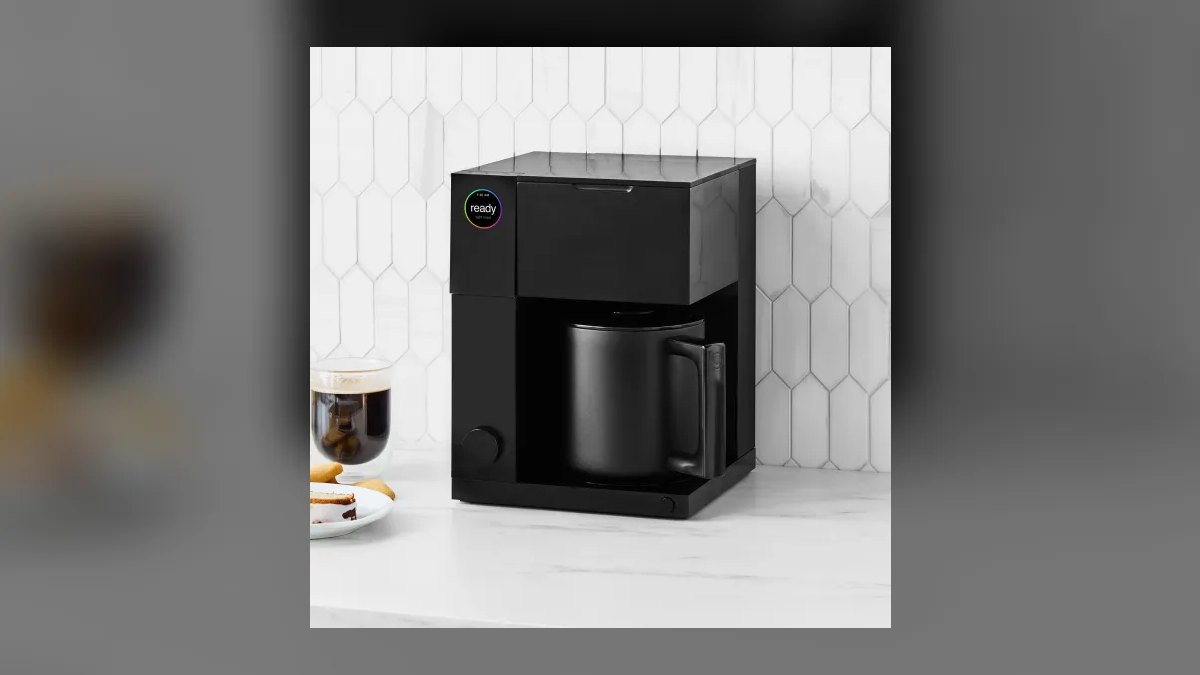
The 10 best automatic pour-over coffee makers are ranked below on measured performance, build quality, price, and how each one actually holds up in daily use rather than how it reads on a spec sheet. Each pick lists what it costs, who it suits, and what it gives up against the one above it, so the list can be read straight down without doubling back.
1. Fellow Aiden Precision Coffee Maker
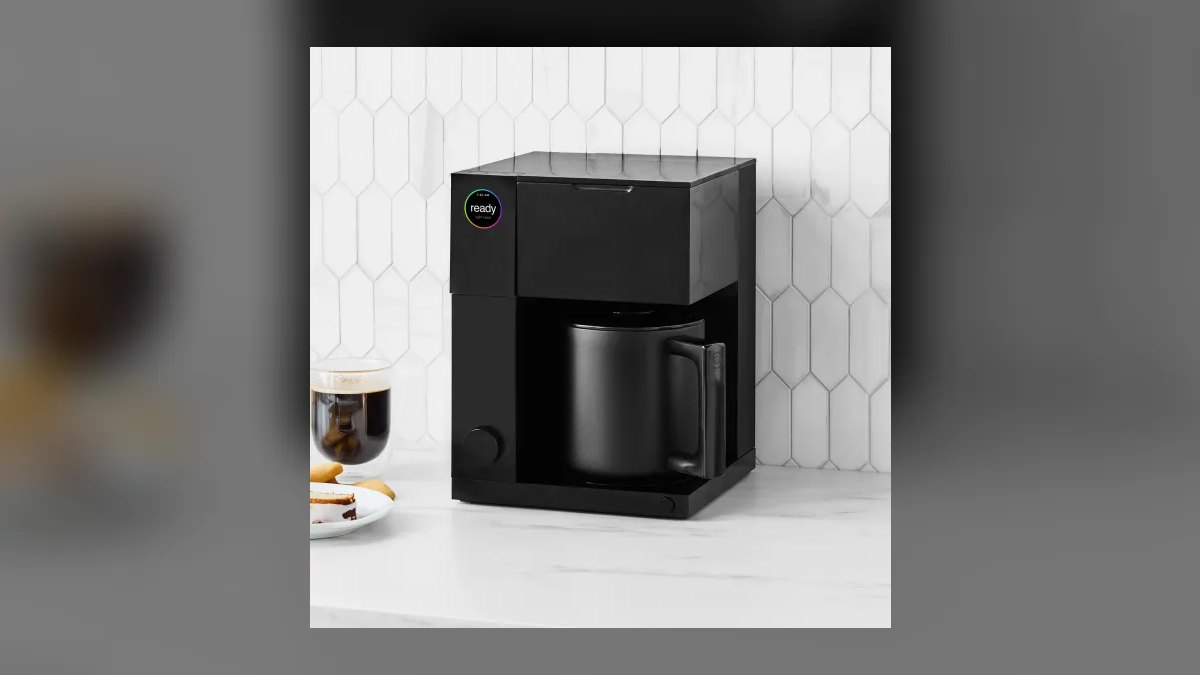
The Aiden ranks first at $399 because it is the only SCA-certified home brewer that exposes bloom ratio, bloom temperature, pulse count, and pulse interval as user-set values. A PID-controlled thermoblock holds water inside the 194–205°F Golden Cup window for the entire cycle, not just the first pour. A dual shower head wets the bed evenly, and the 10-cup thermal carafe skips the hot plate entirely. Cold brew finishes in roughly 90 minutes.
This is for tinkerers who want manual pour-over control without standing over a gooseneck kettle. You trade away material quality — the plastic exterior reads cheaper than $399 — and you accept app-driven menus that a casual morning drinker will never touch. Against the Moccamaster KBGV Select below it, the Aiden wins on programmability and carafe type but loses on hand-built repairability and the sense that it will outlive you.
2. Technivorm Moccamaster KBGV Select
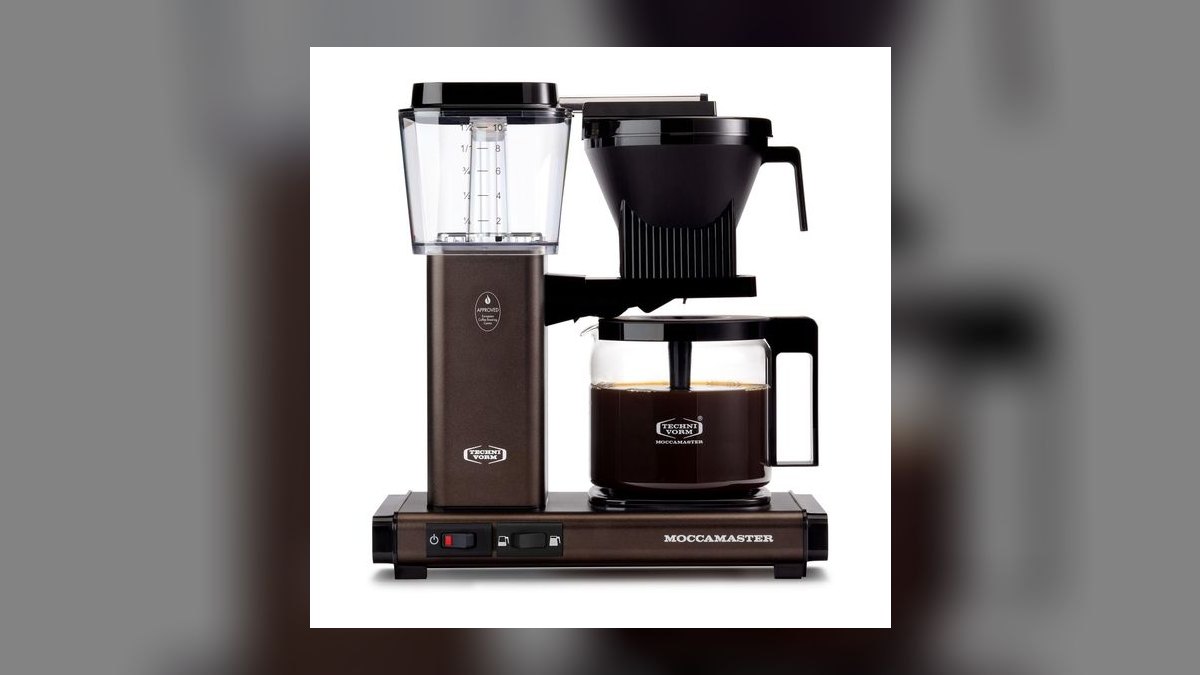
The KBGV Select takes second at $369 on durability rather than features. A copper heating element drives water into the 196–205°F band and finishes a full pot in about six minutes, and the nine-hole shower head saturates grounds evenly with a Select switch for half batches. It is SCA-certified, hand-assembled in the Netherlands, carries a five-year warranty, and nearly every part is user-replaceable — which is why owners keep them a decade or more.
Buy this if you want zero fuss and one machine for the next ten years. The trade is real: a 40-ounce glass carafe on a hot plate rather than a thermal carafe, and no bloom programming or app of any kind. Compared to the Fellow Aiden above, you give up all pour-pattern control; compared to the Breville Luxe below, you give up six brew modes for a single switch.
3. Breville Luxe Brewer BDC465
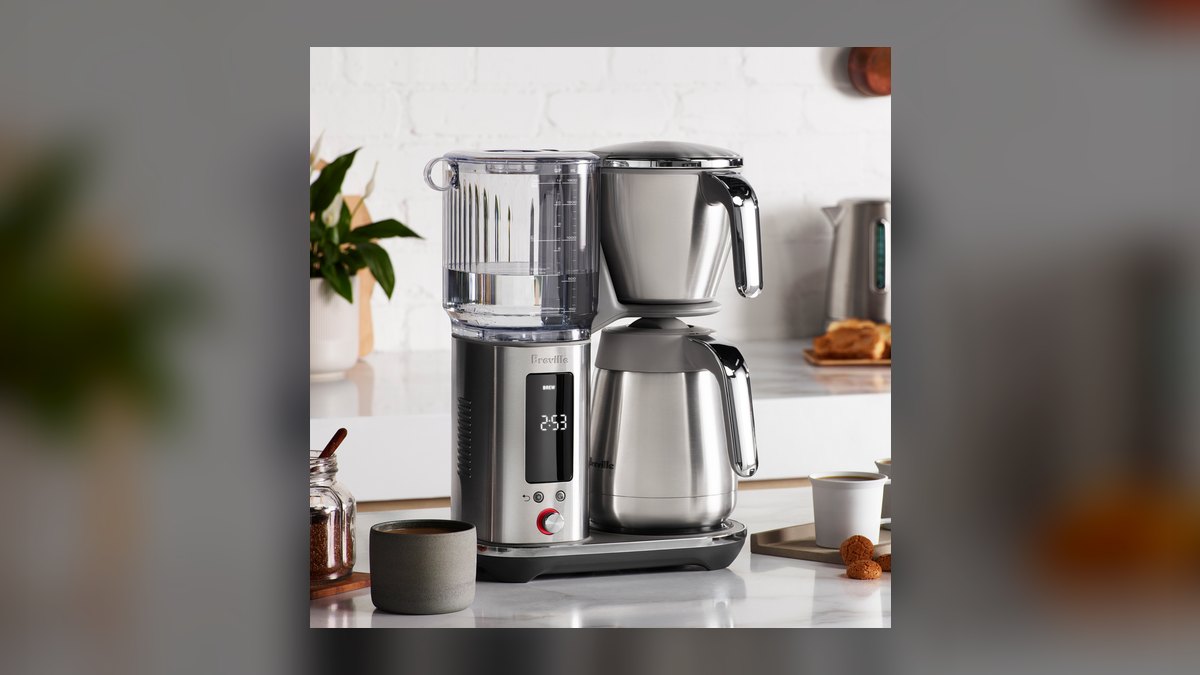
The Luxe Brewer earns third at $350 for range: its Gold Cup preset brews to SCA standard at 197–204°F, and a custom mode lets you set temperature, flow rate, and bloom time by hand. Six modes cover Gold Cup, Fast, Strong, Iced, Cold Brew, and My Brew. The 12-cup dual-wall thermal carafe is the largest here and holds heat about four hours. An adjustable shower head and steep-and-release valve control saturation.
This suits households that want preset simplicity on weekdays and deep tuning on weekends. What you give up is counter space and patience — the footprint is bulky and the menu depth is overkill for one morning cup. Versus the Moccamaster above, it trades hand-built longevity for programmability and a thermal carafe; versus the Ratio Six below, it is the opposite philosophy entirely.
4. Ratio Six Series 2
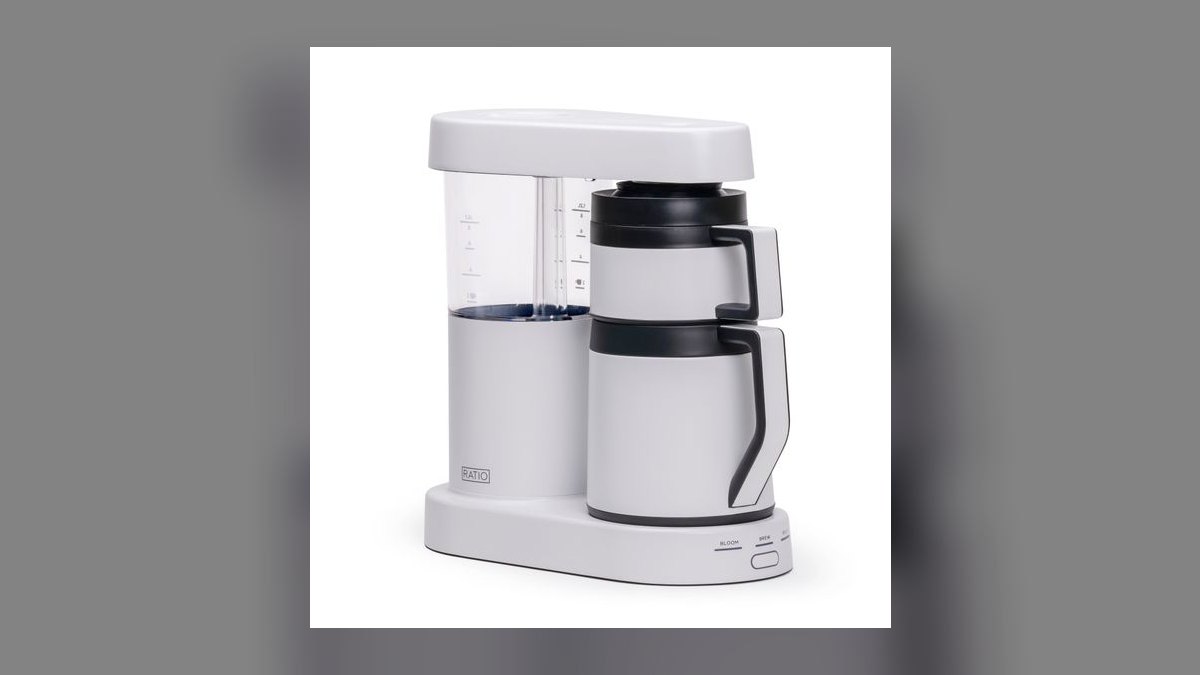
The Ratio Six lands fourth at $345 by doing one thing correctly with no interface at all. It holds SCA Golden Cup certification, brews in the 195–205°F range, and runs an automatic pre-infusion bloom before the main pour. A wide shower head handles even saturation, and the build — borosilicate glass, stainless steel, walnut accents — makes it the best-looking brewer on this list. Operation is a single switch, no screens or app.
This is for design-forward buyers who want SCA coffee and refuse to configure anything. The trade is steep for the price: no programmability, no timer, and a 40-ounce glass carafe rather than thermal. Against the Breville Luxe above, you pay nearly the same money for a fraction of the features; against the OXO 9-Cup below, you pay $145 more for looks and simplicity, not better coffee.
5. OXO Brew 9-Cup Coffee Maker
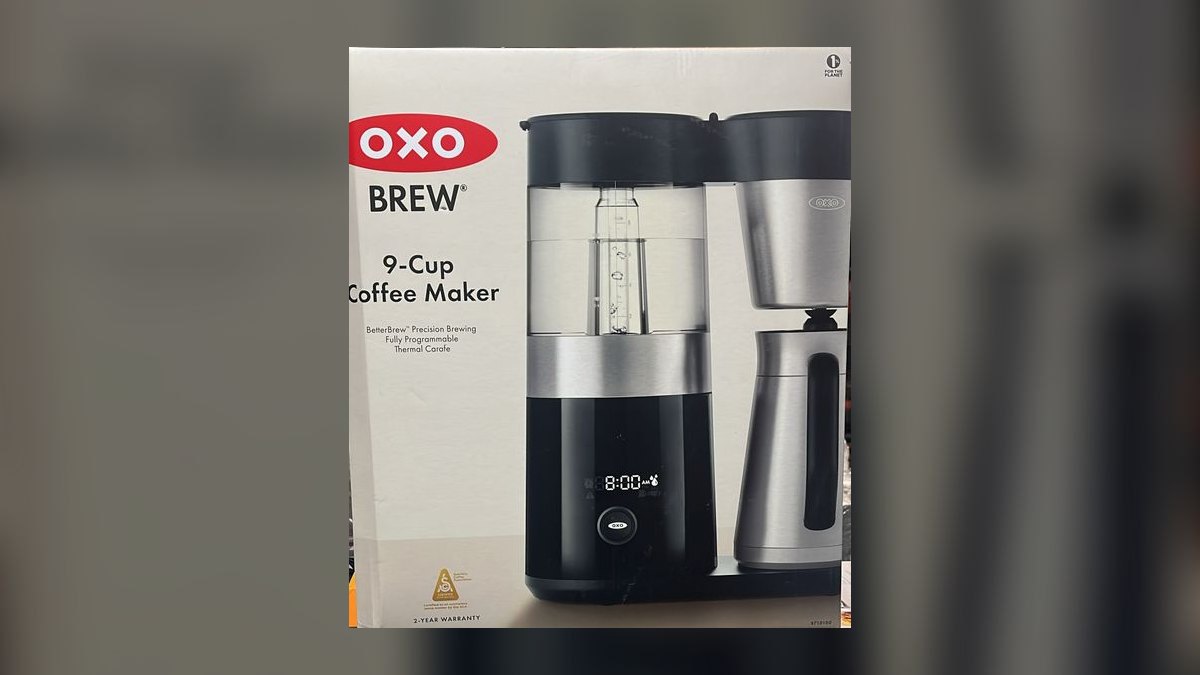
The OXO Brew 9-Cup ranks fifth at $200 as the cheapest brewer here that is both SCA-certified and genuinely programmable. A microprocessor-controlled cycle holds the 197–204°F range, and a rainmaker shower head mists water across the whole bed rather than drilling one spot. A built-in bloom soaks fresh grounds before the full pour. A backlit dial sets a wake-up pot, and it switches between a single mug and the stainless thermal carafe.
This fits value-minded buyers who still want a timer and a thermal carafe. You trade away fine control — there is no pulse tuning or temperature adjustment — and the dial interface takes a session to learn. Compared to the Ratio Six above, it gives up build materials and gains programming plus $145. Compared to the Bonavita below, it costs $10 more and buys you the clock.
6. Bonavita Connoisseur BV1901TS
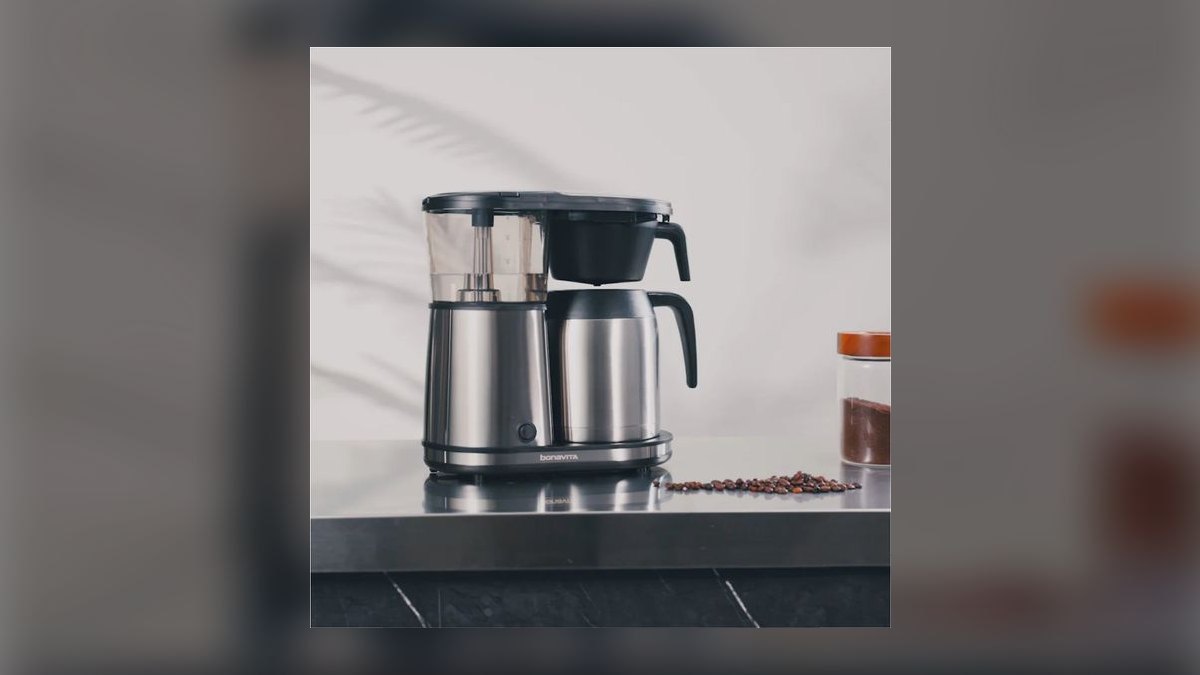
The Bonavita Connoisseur sits sixth at $190 and is the best value on this list. A 1500-watt heater drives water into the 195–205°F Golden Cup range, a wide shower head wets grounds evenly, and an optional pre-infusion mode blooms fresh coffee before the full pour. It is one-touch, finishes a pot in about six minutes, and pours into a double-wall stainless thermal carafe — no hot plate cooking the coffee flat.
This is for anyone who wants certified Golden Cup extraction and refuses to spend $350 to get it. The trades are cosmetic and convenience-side: spartan controls with no clock-based timer, and plain styling next to a Ratio or Moccamaster. Against the OXO 9-Cup above, you lose the programmable timer and single-serve mode but keep the thermal carafe, the bloom, and the certification for $10 less.
7. OXO Brew 8-Cup Coffee Maker
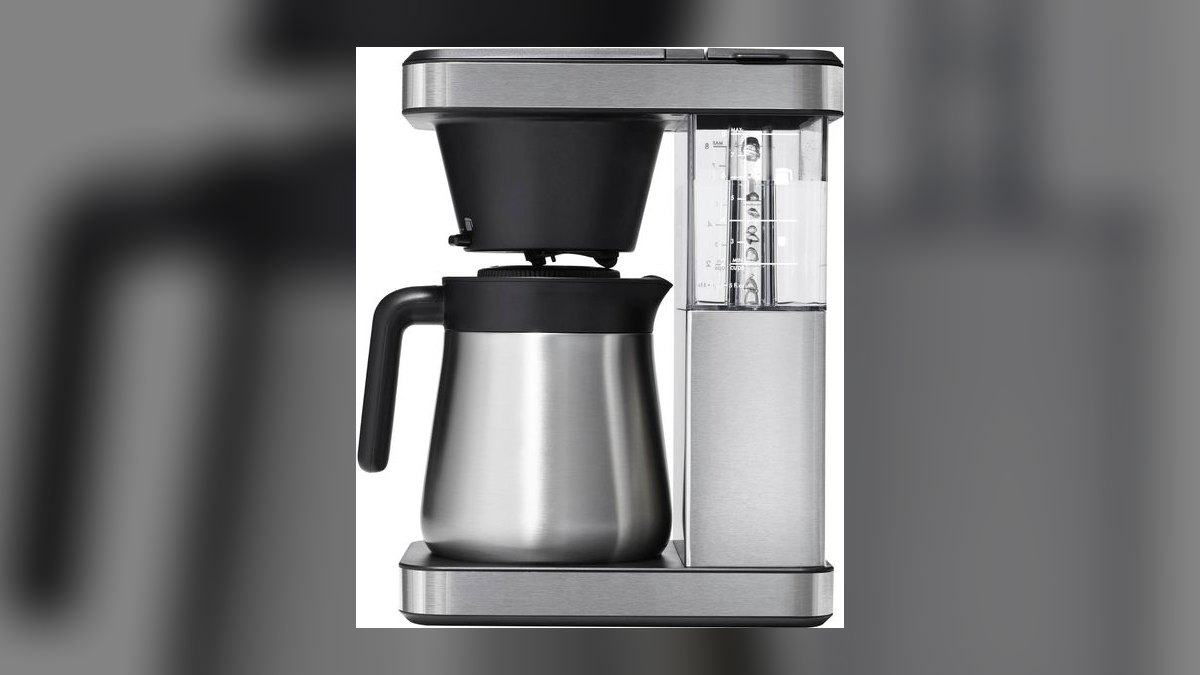
The OXO Brew 8-Cup ranks seventh at $200 because it delivers the same brew science as its 9-cup sibling in a narrower body. It carries SCA certification, holds the 197–204°F Golden Cup band, and uses the identical rainmaker shower head with an automatic bloom for fresh grounds. You can brew a single mug or fill the included thermal carafe, and a one-button face keeps operation simple on a crowded apartment counter.
This is for one- or two-person households where counter width is the binding constraint. You trade away programming options relative to the 9-cup and get a capacity that runs tight for a coffee-heavy house. Against that 9-cup above, you pay the same $200 for a smaller footprint and fewer settings — worth it only if the bigger machine genuinely will not fit your space.
8. Wilfa Performance WSP-1A
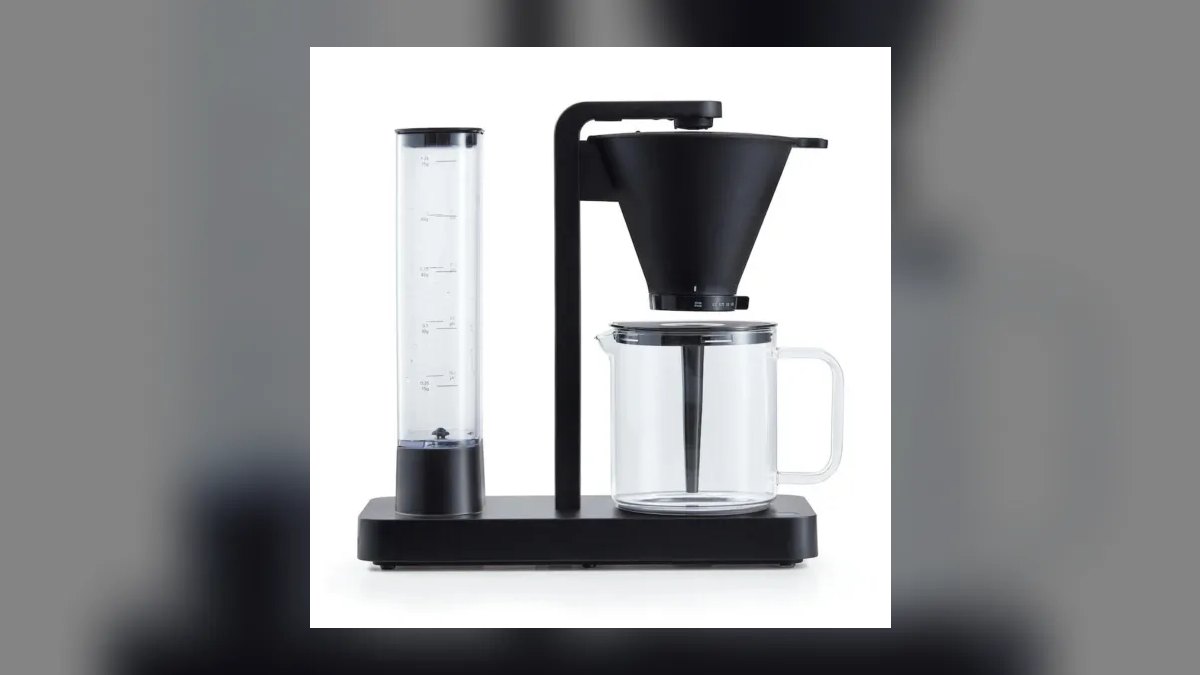
The Wilfa Performance takes eighth at $249 on tunability rather than certification. This Norwegian drip brewer holds water in the 195–205°F sweet spot, offers adjustable brew strength, and runs a pre-infusion bloom to wet grounds before the main pour. A flow-control showerhead spreads water across the bed evenly, and the aluminum-accented body is one of the more considered designs at this price. It follows European ECBC testing rather than carrying the SCA seal.
This suits design lovers who want to dial strength up or down by batch. The trades: a glass carafe instead of thermal, and ECBC testing rather than the SCA certification US buyers can look up directly. Against the OXO 8-Cup above, you gain adjustable strength and Scandinavian build for $49 more but lose the thermal carafe and the SCA seal.
9. Moccamaster Cup One
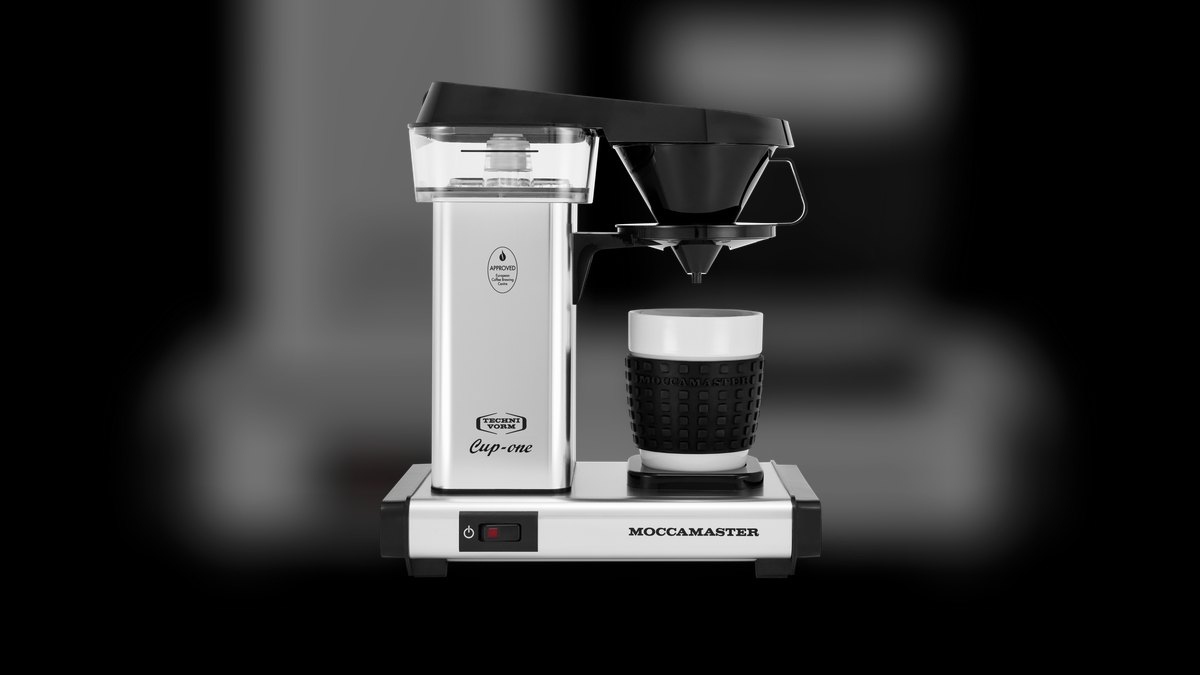
The Cup One ranks ninth at $259 because it brings Technivorm's SCA Golden Cup certification down to a single-serve machine, which almost nothing else does. A copper heating element hits the 196–205°F target, the compact outlet saturates a small bed evenly, and it brews a 10-ounce mug in about four minutes straight into a stainless cup. It is the same hand-built, repairable engineering as the full-size KBGV Select, shrunk.
This is for solo drinkers who never brew a full pot and hate reheating. The trade is brutal on a per-cup basis: $259 buys you one mug of capacity with no carafe option at all. Against the KBGV Select at rank two, you get identical Technivorm build and temperature accuracy for $110 less, but you give up the 40-ounce pot entirely — a fine deal if you drink alone.
10. Breville Precision Brewer BDC450
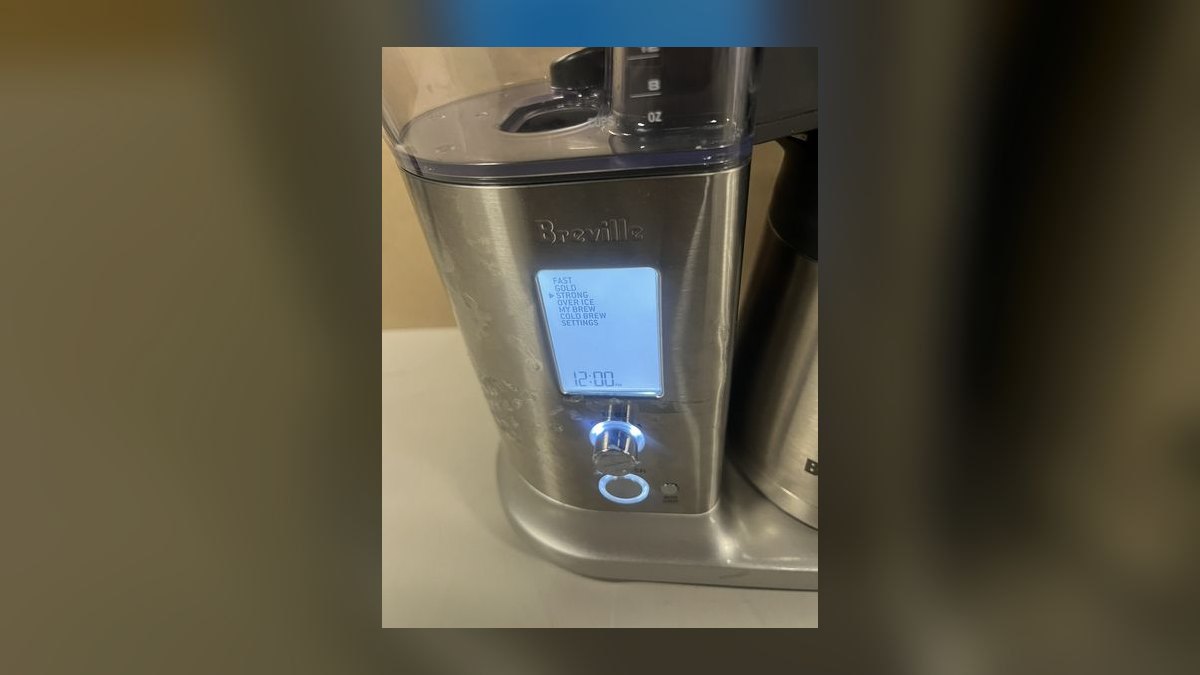
The outgoing Precision Brewer closes the list at $280 as the discount route to programmable SCA brewing. Gold Cup mode brews at 197–204°F to SCA standard, and a custom mode tunes temperature, flow rate, and bloom time. Six modes run from Fast to Cold Brew, the 60-ounce thermal carafe holds a large batch hot, and an adjustable shower head plus steep-and-release valve control saturation like a manual pour-over.
This is for bargain hunters who want the Breville feature set without the Luxe price. You trade away the newer interface — this one is dated — and you surrender a large stretch of countertop. Against the Luxe Brewer at rank three, you save $70 and gain carafe volume while losing refinement; against the Wilfa above, you gain six modes and a thermal carafe for $31 more.
How we ranked these
We weighted brew science first: SCA Golden Cup certification, whether water stays in the 195–205°F band for the entire cycle rather than only at the start, shower-head dispersion across the grounds bed, and whether the machine runs a real bloom or pre-infusion. Pour-over simulation counted 20%, capacity and speed 15%, ease of use and programmability 15%, build and carafe 10%, and price-to-performance the final 10%.
We deliberately ignored touchscreen polish, app ecosystems, and smart-home integration as ranking factors — they are pleasant, but none of them fix a brewer that drifts off temperature mid-cycle. We ignored maximum cup ratings as a virtue in themselves, since most households brew two mugs. We also ignored discontinued models, prototypes, and crowdfunded machines; every pick is currently shipping from an established brand.
What to look for
Three specs decide the cup: temperature stability across the whole cycle, shower-head coverage, and whether there is a genuine bloom. A copper boiler (Moccamaster) or PID thermoblock (Fellow Aiden) holds the band; a single-jet spout does not wet the bed evenly. After that, carafe type is a lifestyle question — thermal if you sip for an hour, glass-on-hot-plate only if you finish within thirty minutes.
The common mistake is buying capacity and features you will never use. A 12-cup machine brewing two mugs under-saturates a shallow bed and tastes thin, and programmable pulse profiles gather dust if you press one button at 6 a.m. The other mistake: spending $399 on a brewer while grinding stale pre-ground coffee. A $150 burr grinder improves your cup more than a $200 brewer upgrade.
Related questions
What is the difference between SCA certification and ECBC testing?
Both verify that a brewer hits correct water temperature, contact time, and extraction strength. The Specialty Coffee Association runs the certified-equipment program used in the United States; the European Coffee Brewing Centre runs the Nordic equivalent. The Wilfa Performance follows ECBC rather than carrying an SCA seal, but it targets the same 195–205°F Golden Cup window.
Does a thermoblock heat differently than a copper boiler?
Yes. A copper element like the Moccamaster's heats a slug of water fast and dumps it over the bed, reaching brew temperature within seconds. A PID-controlled thermoblock, as in the Fellow Aiden, heats water continuously as it flows and corrects to a target within about a degree, which is what makes programmable pulse pours possible.
Why do some machines offer a single-serve mode?
Brewing a small dose in a full-size basket leaves a shallow grounds bed that water channels straight through, producing weak coffee. The OXO Brew models and the Breville brewers include a dedicated single-mug basket and adjust flow accordingly. The Moccamaster Cup One skips the problem entirely by being built around one 10-ounce mug.
How long does a thermal carafe actually keep coffee hot?
A good double-wall stainless carafe holds drinkable temperature for two to four hours; Breville rates the Luxe Brewer's 12-cup carafe at roughly four. Preheating the carafe with hot tap water before brewing adds meaningful time. Unlike a hot plate, a thermal carafe does not continue cooking the coffee, so flavor stays stable rather than turning bitter.
Are these machines repairable, or disposable?
Technivorm builds the Moccamaster by hand in the Netherlands, sells most parts individually, and backs it with a five-year warranty — owners routinely run them a decade. Ratio and Fellow support parts too. The cheaper end of the market is less serviceable, which is part of what the Moccamaster's $369 price actually buys you.
Can any of these brew cold brew?
Yes, three can. The Fellow Aiden runs a cold brew cycle in about 90 minutes rather than the usual overnight steep. Both Breville brewers — the Luxe BDC465 and the older Precision BDC450 — include Cold Brew among their six modes, alongside Gold Cup, Fast, Strong, Iced, and a custom My Brew setting.
Does grind size matter more on an automatic than a manual pour-over?
It matters roughly equally, but you have fewer levers to correct it. With a manual kettle you can slow the pour to compensate for a grind that runs fast. An automatic brewer holds its flow rate, so a too-fine grind stalls the bed and a too-coarse one under-extracts. Medium, consistent burr grind is the target.
Is the Breville Precision BDC450 worth buying over the newer Luxe?
If you want the features cheaply, yes. At $280 the outgoing Precision Thermal keeps the SCA Gold Cup preset, the custom temperature/flow/bloom controls, all six brew modes, and a 60-ounce thermal carafe. The $350 Luxe updates the interface and carafe design rather than the brew science, so the older model is the better value buy.
FAQ
What does SCA Golden Cup certification actually mean?
The Specialty Coffee Association tests a brewer's water temperature, contact time, and resulting extraction strength against a published standard. A certified machine reliably brews within the ideal range, so you get balanced coffee without measuring anything yourself. It certifies the machine's fundamentals — it says nothing about your beans, your grind, or your water quality.
Is an automatic pour-over really as good as hand pouring?
For most drinkers, yes. The Fellow Aiden and Moccamaster hold temperature more consistently than a person with a kettle. Hand pouring still gives you finer control over pour pattern and agitation, but a machine with programmable bloom and pulse timing closes most of the gap — and does it identically every morning without attention.
Why does the bloom step matter?
Fresh coffee releases carbon dioxide when it first meets hot water. A bloom — a small pre-pour followed by a short pause — lets that gas escape so water can then saturate the bed evenly instead of channeling around trapped pockets. The result is sweeter, less sour coffee. Beans roasted within two weeks benefit most.
Should I choose a thermal or glass carafe?
Choose thermal if you drink a pot over an hour or more, since a hot plate slowly cooks glass-carafe coffee and turns it bitter. Glass is fine if you pour everything within twenty to thirty minutes. The Moccamaster and Ratio Six use glass; the Bonavita, OXO, Breville, and Fellow picks all include thermal carafes.
Which is the best value SCA coffee maker?
The Bonavita Connoisseur 8-Cup (BV1901TS) at about $190. It carries SCA Golden Cup certification, runs a 1500-watt heater into the 195–205°F range, offers an optional pre-infusion bloom, and pours into a double-wall stainless thermal carafe. Nothing else here brews as well for the money — the tradeoff is spartan controls and no clock timer.
Do I still need to grind my own beans?
Yes. No brewer can fix stale pre-ground coffee, because most of what you taste as freshness evaporates within minutes of grinding. Pairing any machine on this list with a burr grinder and beans roasted in the last few weeks produces a bigger jump in cup quality than upgrading from a $190 brewer to a $399 one.
Which machine is best for a small apartment counter?
The OXO Brew 8-Cup at $200 keeps the SCA certification, rainmaker shower head, and automatic bloom of its 9-cup sibling in a narrower body. If you only ever brew for yourself, the Moccamaster Cup One at $259 is smaller still — a single 10-ounce mug in about four minutes, with the same copper heating element as the full-size machines.
What is the fastest brewer on this list?
The Moccamaster Cup One finishes a single mug in roughly four minutes. Among full-pot machines, the Moccamaster KBGV Select and the Bonavita Connoisseur both complete a full carafe in about six minutes. Speed comes from heating power — the Bonavita's 1500-watt element and the Moccamaster's copper boiler both reach brew temperature quickly.
Do I need the Fellow Aiden's app to use it?
No. The Aiden brews from its onboard controls without ever pairing a phone. The app stores brew profiles and pushes expert presets from roasters, which is genuinely useful if you tinker. If you just want a hot pot at 6 a.m., the app-driven menus are more machine than you need — a Bonavita or Ratio Six suits you better.
How often should these machines be descaled?
Every one to three months depending on water hardness; manufacturers generally specify a cycle in the manual. Scale buildup is the main reason a brewer drifts below the 195–205°F window over time, so descaling is the single maintenance step that protects the brew quality you paid for. Filtered water slows buildup considerably.
Sources
- https://sca.coffee/certified-home-brewer
- https://www.nytimes.com/wirecutter/reviews/the-best-drip-coffee-maker/
- https://www.seriouseats.com/best-coffee-makers-5089799
- https://www.thespruceeats.com/best-drip-coffee-makers-4142887
- https://www.cnet.com/home/kitchen-and-household/best-coffee-maker/
- https://www.americastestkitchen.com/equipment_reviews/1980-drip-coffee-makers
- https://fellowproducts.com/products/aiden-precision-coffee-maker
- https://us.moccamaster.com/products/kbgv-select
- https://www.breville.com/us/en/products/coffee/bdc450.html
- https://www.techradar.com/best/best-coffee-makers
Related on PULSE
- [More automatic pour-over coffee makers rankings and buying guides](/knowledge)
- [PULSE Tools and calculators](/tools)
- [Everything on PULSE RevOps](/)
 pulse-reviewsHow much does Electronics cost in 2027?
 pulse-reviewsHow much does a DJI Avata 2 cost in 2027?
 pulse-reviewsWhat should you know before investing in Electronics in 2027?
 pulse-reviewsWhat are the most common mistakes in Electronics in 2027?
 pulse-reviewsTop 10 best Electronics options in 2027
 pulse-reviewsHow do you get started with Electronics in 2027?
 pulse-reviewsTop 10 Electronics strategies for 2027
 pulse-aquariumsTop 10 Canister Filters 2027
 aqTop 10 Hang-On-Back Aquarium Filters 2027
 pulse-reviewsTop 10 Cabin Cruiser Boats 2027