
Top 10 Jack Stands — Best Overall + Best Value in 2027
 Curated byKory White · Fractional CRO · Maryland
 PULSEKNOWLEDGE LIBRARY
The 10 best jack stands are ranked below on measured performance, build quality, price, and how each one actually holds up in daily use rather than how it reads on a spec sheet. Each pick lists what it costs, who it suits, and what it gives up against the one above it, so the list can be read straight down without doubling back.
1. Esco 10498 Performance Jack Stand
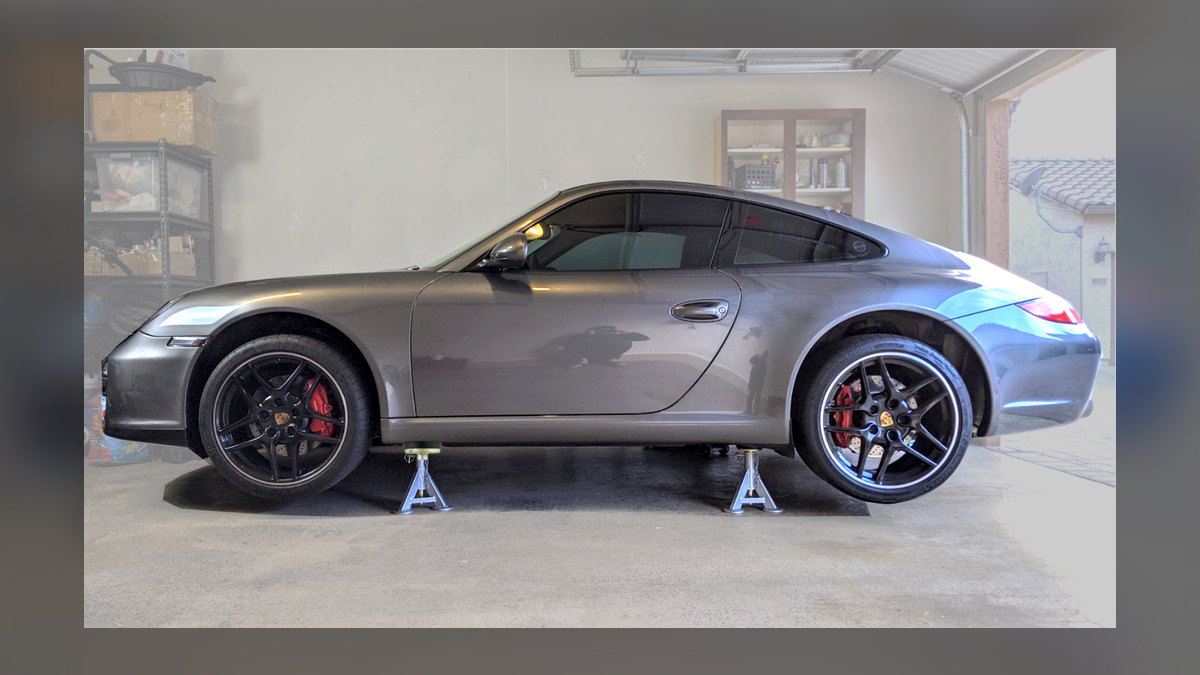
The Esco 10498 ranks first because it is the only pick here with a solid forged steel center shaft plus ASME PASE testing at an A2LA-certified lab. The 3 ton per pair stand adjusts from a 13.2 inch minimum to a 21.5 inch maximum saddle height across 10 locked positions. A rubber-cushioned flat top protects pinch welds and frame rails, and the wide circular base pad keeps it planted on shop concrete.
This is for serious home mechanics and pro shops who buy certification first and price second, at roughly $132 per pair. You trade away money and portability: it costs more than big-box steel stands and weighs more than aluminum alternatives. Against the Sunex 1410 below it, the Esco gives up enormous capacity and reach in exchange for a low 13.2 inch minimum that actually fits under a car.
2. Sunex 1410 10 Ton Jack Stand
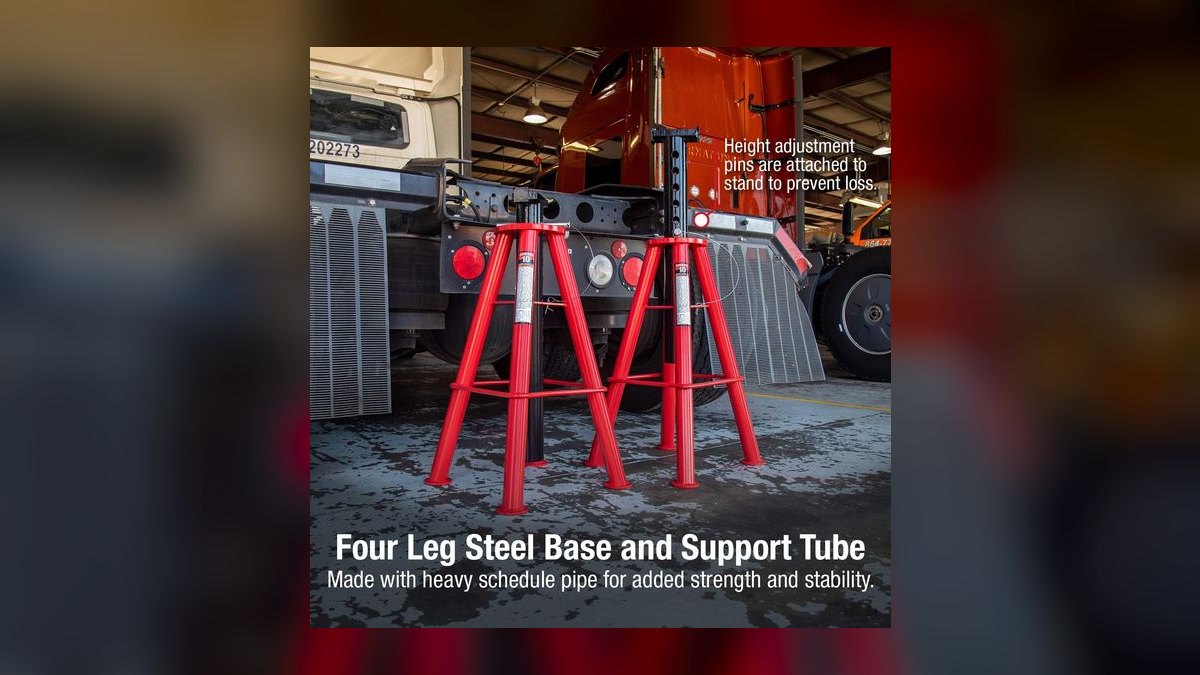
The Sunex 1410 ranks second on raw capacity and lock type: 10 tons, 20,000 lb per stand, held by a drop-in steel pin rather than a sawtooth bar that could skip. It ranges from a 28.1 inch minimum to a 46.5 inch maximum in 10 intervals of 2 inches. Each stand sits on a 15.7 by 15.7 inch base with a 3.1 by 5.1 inch saddle, and the pair weighs 115.6 lb.
Buy this for lifted 4x4s, duallies, RVs, and heavy equipment where lift points sit high off the floor. At about $320 it is expensive, and the 115.6 lb pair weight makes repositioning a chore. The 28 inch minimum is the real disqualifier for sedans — the Esco 10498 above starts at 13.2 inches and fits under normal cars this stand cannot touch.
3. Torin Big Red T43002A Jack Stand
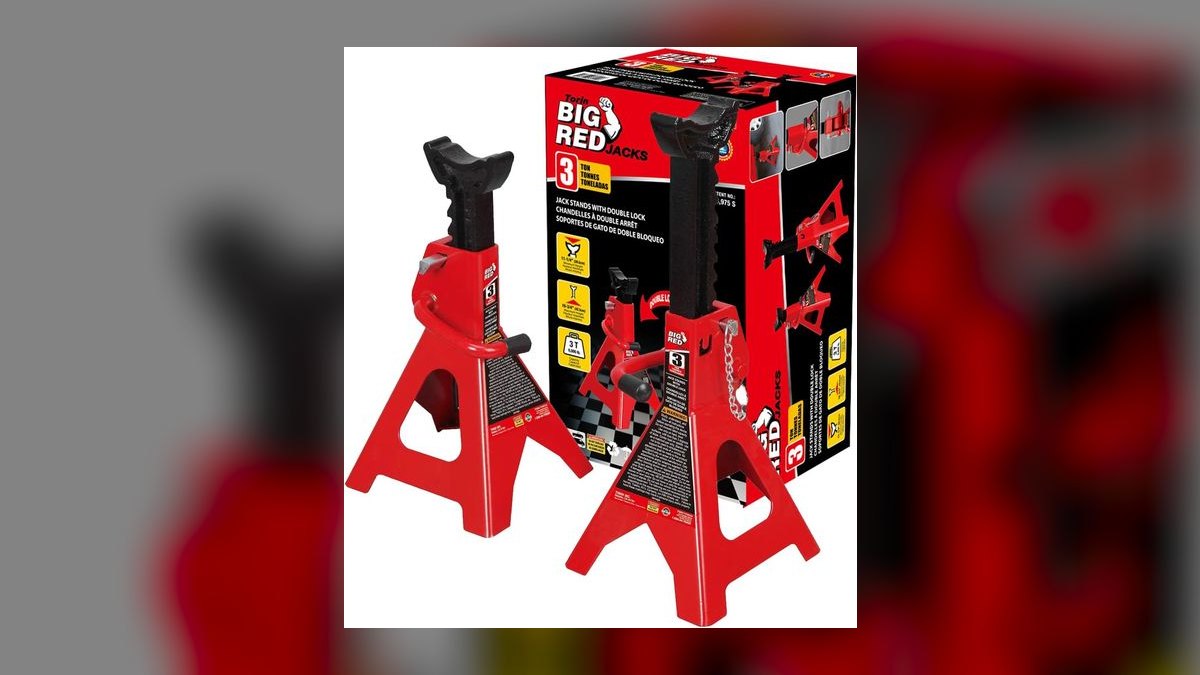
The Torin T43002A takes third as the value pick because roughly $49.99 per pair buys a patented double-lock system: the sawtooth ratchet bar engages, then a secondary safety pin drops in behind it. Capacity is 3 tons, 6,000 lb per pair from a welded high-grade steel frame, adjusting from an 11-1/4 inch minimum to a 16-3/4 inch maximum. The whole set is tested to ASME standards.
Budget DIYers working on cars and crossovers get the most here, especially anyone unwilling to trust a single ratchet tooth. The trades are height and footprint: a 16.75 inch ceiling rules out most truck work, and the roughly 7.7 by 6.9 inch base is smaller than premium stands. Compared with the Esco 10498, you give up the solid forged shaft and 21.5 inch reach for about a third of the price.
4. Daytona 6 Ton Ratcheting Jack Stand
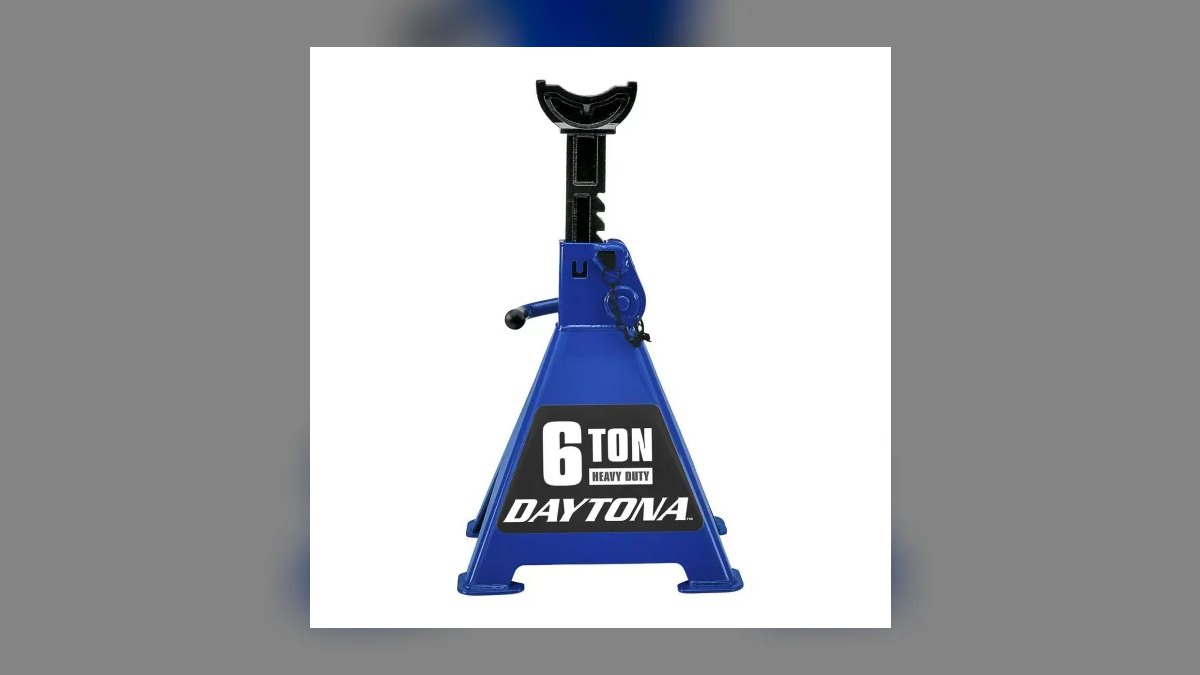
The Daytona 6 Ton ranks fourth on capacity per dollar: 12,000 lb per pair for about $79.99, or roughly $59.99 when Inside Track Club pricing hits. The locking setup pairs an easy ratcheting system with double-locking mobility pins for a second margin of security. Ratchet teeth are coarse and set without fighting them, and the heavy steel body over a wide stamped base feels planted under a loaded truck.
Truck and SUV owners who want six tons without pro-tool pricing are the target, and Harbor Freight stock makes it a same-day buy. The trades are weight — these are a chore to shuffle around a garage — and a ratchet-based lock instead of a pure drop pin. Against the Sunex 1410, you lose pin-only support and 46.5 inch reach but pay roughly a quarter of the price.
5. Hein-Werner HW93503 Jack Stand
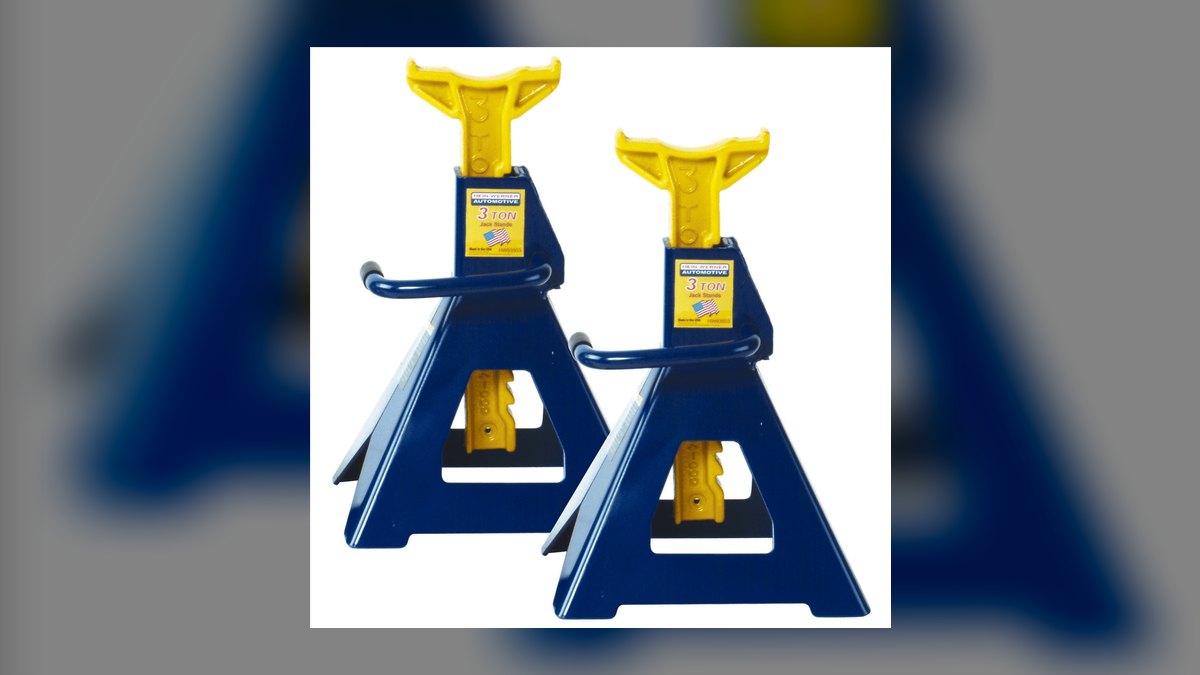
The Hein-Werner HW93503 places fifth as the best-built 3 ton ratchet stand short of the Esco. Its saddle column adjusts from an 11-1/2 inch minimum to a 17 inch maximum, and the 7-1/2 by 9 inch base is noticeably wider than most stands in its capacity class. A dual-purpose handle serves as both a carry grip and a saddle column release for controlled lowering. Each stand runs about 19 lb gross.
Techs who want professional build quality for car and light-truck work without paying for ten tons of steel should look here, at roughly $95 per pair. You give up height — 17 inches maximum is modest — and you get a ratchet bar rather than a drop pin. Versus the Torin T43002A, the Hein-Werner costs about double and returns a far wider, more stable stance.
6. Powerbuilt 620471 Unijack
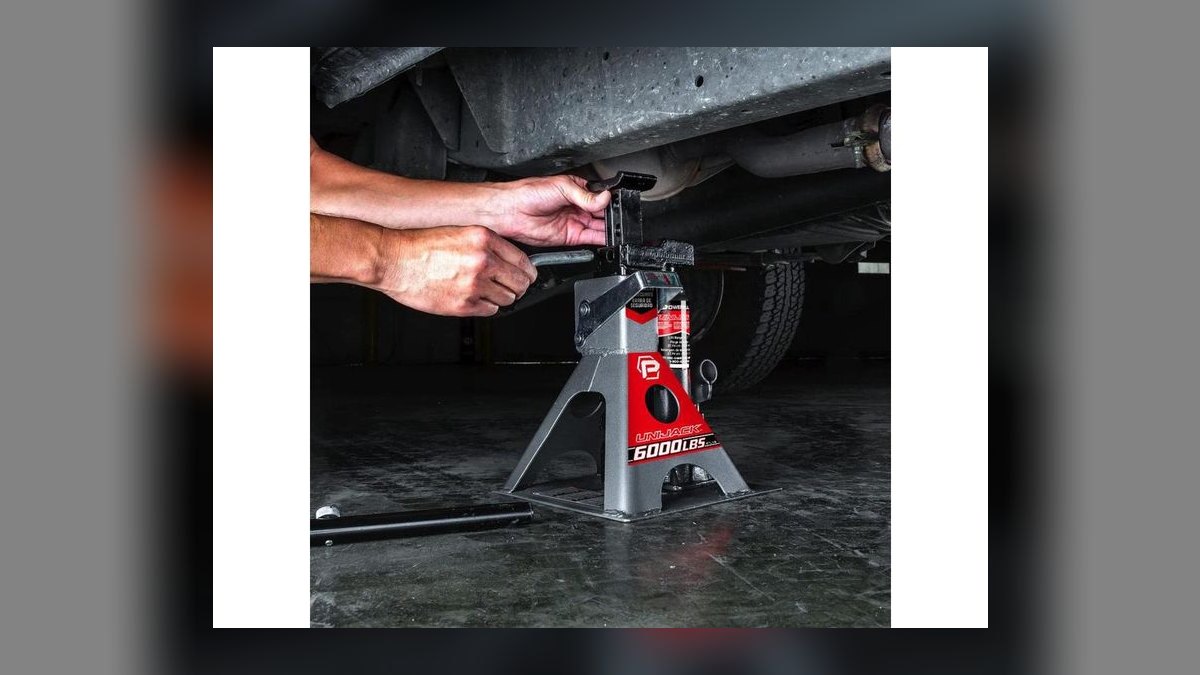
The Powerbuilt 620471 Unijack ranks sixth for solving a specific hazard: it is a hydraulic bottle jack and jack stand in one unit, so there is no transfer step where a car can slip off a stand. Rated 3 tons, 6,000 lb, it lifts from an 11 inch minimum to a 21 inch maximum. As you pump, an automatic safety locking device drops into position so load rests on a mechanical lock rather than hydraulic pressure. It is ASME certified.
This suits single-corner work on unibody cars, trucks, SUVs, and RV leveling, at about $114.99. The limitation is structural: it lifts and holds one corner at a time, and it is bulkier and heavier than a plain stand. Unlike the Hein-Werner HW93503 above, you cannot support two or four corners simultaneously without buying multiple units.
7. Esco 10497 Axle-Top Jack Stand
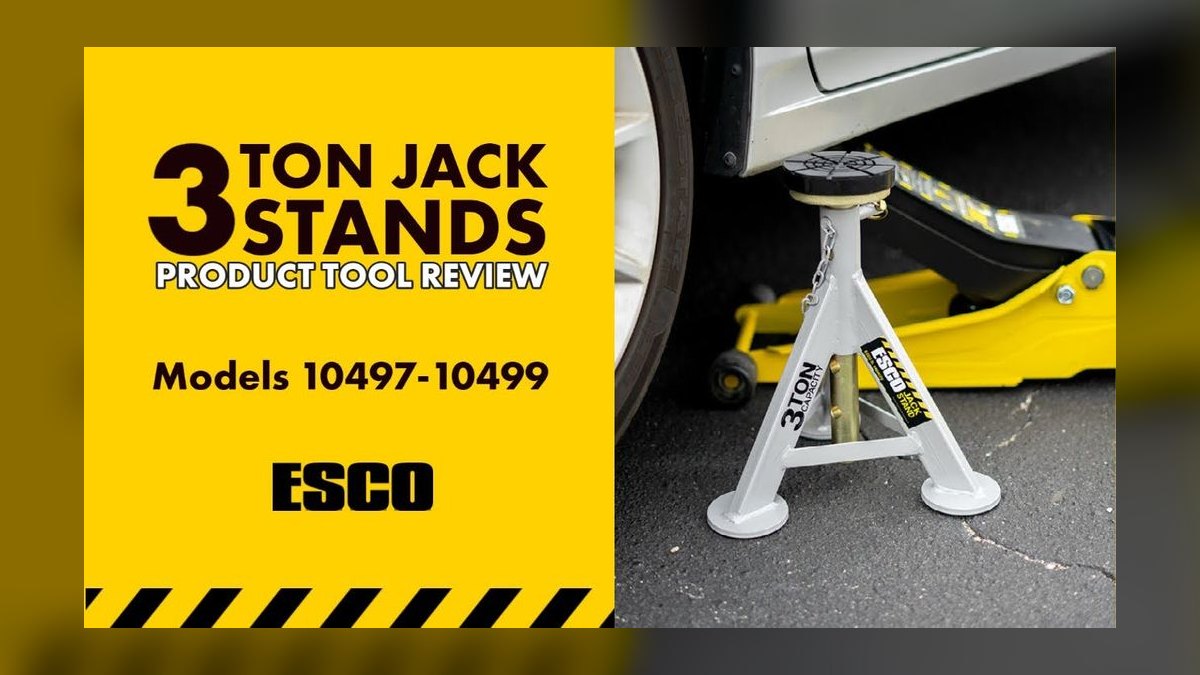
The Esco 10497 ranks seventh because it is the overall winner's axle-top sibling — same 3 ton per pair rating, same solid forged center shaft, same ASME PASE testing — with a V-notch axle cradle replacing the flat saddle. That notch grips round axle tubes and tie points instead of sliding off them. Height range and the wide circular base mirror the 10498, and the powder-coat finish holds up in a working shop.
Choose this when your lift points are solid rear axles, axle tubes, or heavy control arms rather than flat frame rails. The trade is exactly that specialization: the V-notch is less ideal under flat pinch welds, and pricing is the same premium roughly $132 as the 10498. Many buyers sidestep the choice with the 10498-K kit, which bundles flat-top and axle-top stands.
8. Sunex 1340 Service Jack Stand
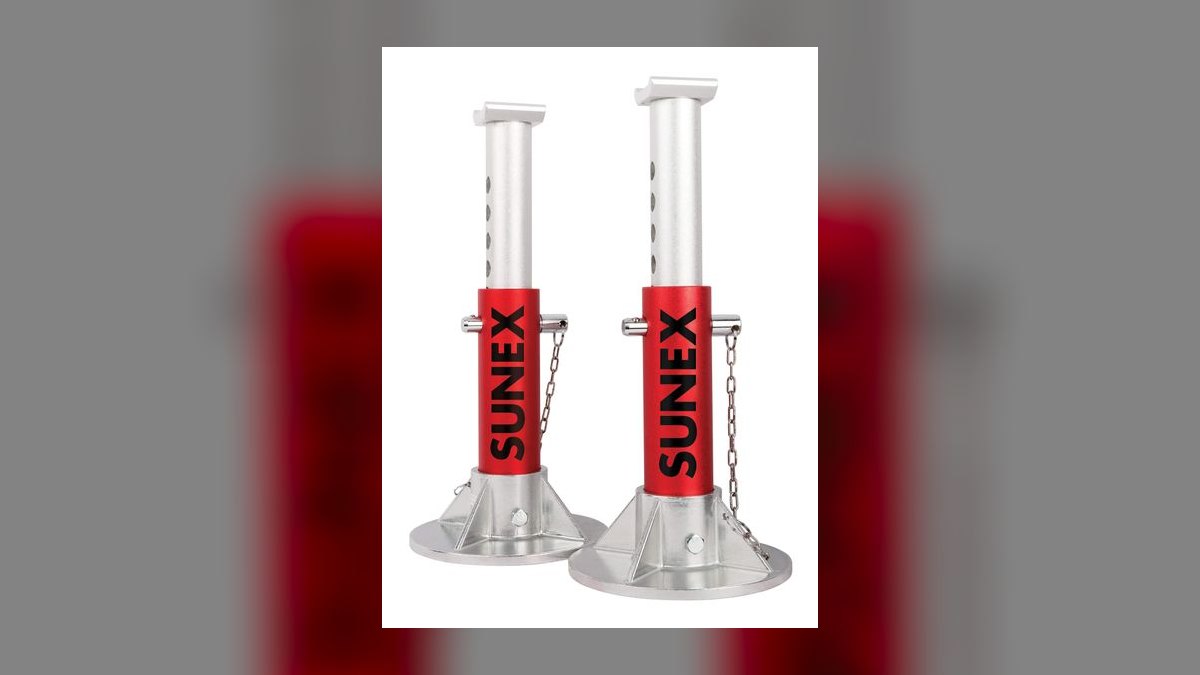
The Sunex 1340 lands eighth by pairing a pin-type lock with 3.5 ton, 7,000 lb per-stand capacity — a half-ton of margin over the standard 3 ton stands ranked above it. The drop pin means load sits on solid steel rather than a ratchet tooth that could skip under shock. A heavy-gauge steel column mounts to a wide cast base, and the welds and finish reflect a tool built for daily professional use.
Shop techs working on loaded SUVs and half-ton trucks get the most from that extra capacity headroom, at about $120 per pair. You pay more than big-box 3 ton stands and carry more weight than a basic ratchet unit. Compared with the Daytona 6 Ton, the Sunex trades away four tons of rated capacity for a pin lock and shop-grade construction.
9. Daytona 3 Ton Ratcheting Jack Stand
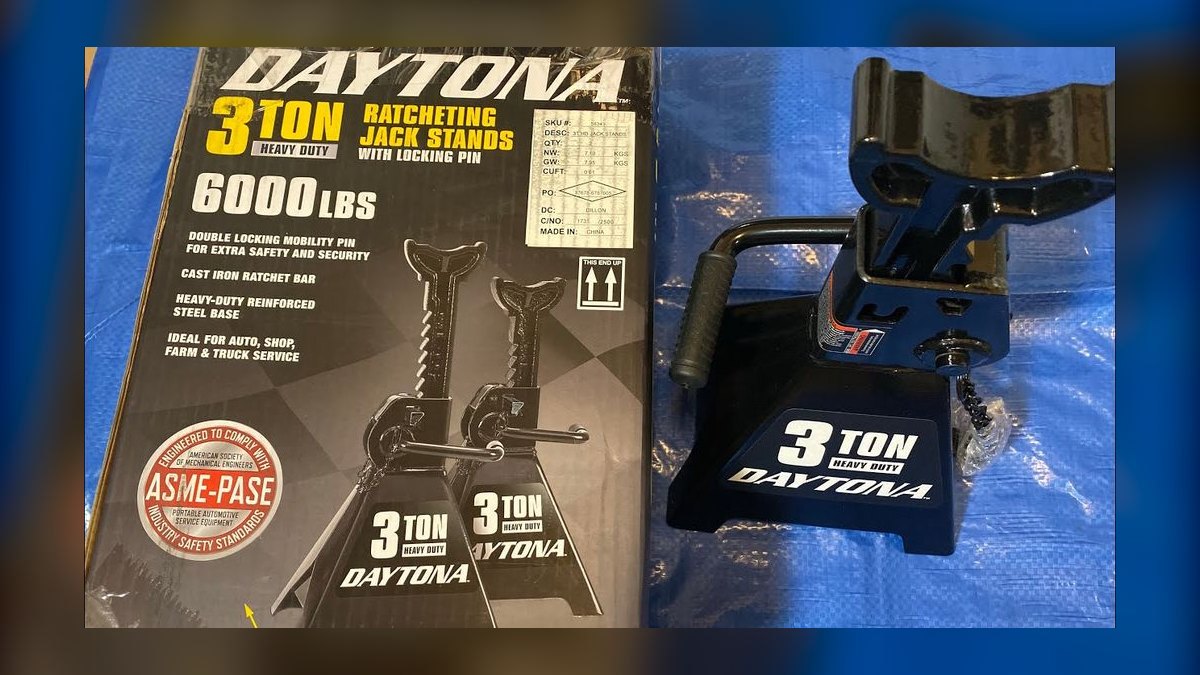
The Daytona 3 Ton sits ninth as a compact budget pair: 6,000 lb per pair at about $49.99, using the same easy ratcheting system as the 6 ton version in a smaller body sized for cars and crossovers. The steel build is heavier than the price suggests, the ratchet teeth are coarse and confidence-inspiring, and the base is wide enough to stay planted on level garage concrete.
Car owners who prefer buying in person will like Harbor Freight's same-day in-store availability. The trade against the Torin T43002A at the same price is the lock: this tier uses a single ratchet without a separate secondary safety pin. Height range is also shorter than truck-focused stands, so confirm your lift points clear before committing to a pair.
10. Torin Big Red 6 Ton Jack Stand
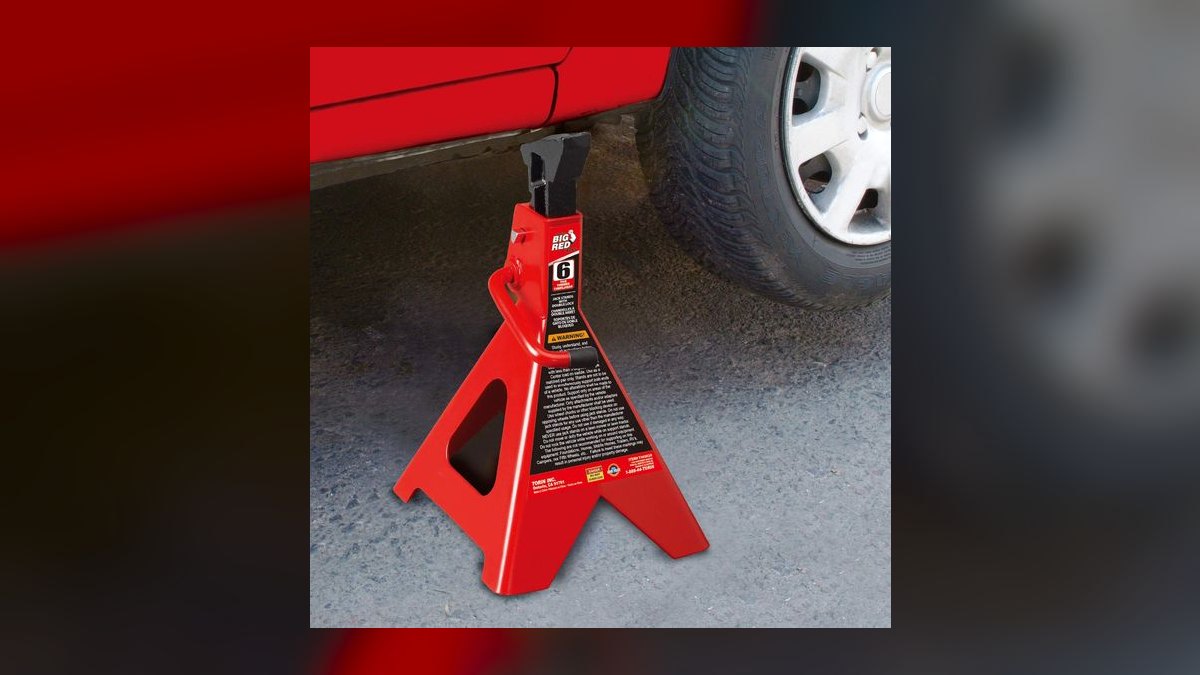
The Torin Big Red 6 Ton ranks tenth as the cheapest honest route to 12,000 lb per pair, roughly $59.99, with a ratchet bar backed by a sliding metal safety pin. Like the 3 ton T43002A it is ASME tested, so the capacity number has verification behind it. The taller, heavier frame is built around full-size trucks and SUVs rather than cars, which is why DIY forums keep recommending it for heavy vehicles.
Budget truck owners who have outgrown 3 ton stands are the buyer here. The costs are a taller minimum height than the 3 ton model — verify it clears your lift points before ordering — and more weight to carry and store. Against the Daytona 6 Ton, you get identical pair capacity for about $20 less, with a thinner build and less retail availability.
How we ranked these
We ranked currently shipping stands on six weighted factors: rated capacity and safety certification at 30 percent, build and stability at 20, height range and adjustment at 15, pin versus ratchet locking at 15, ease of use and weight at 10, and price-to-performance at 10. Inputs came from manufacturer spec sheets, hands-on reviews at The Drive, Car and Driver, Pro Tool Reviews and ToolGuyd, plus live retailer listings.
We deliberately ignored brand loyalty, paint color, and headline capacity numbers that carry no ASME PASE testing behind them, because an uncertified six ton claim is worth less than a certified three ton stand. We also set aside star-rating averages, which mix shipping complaints with actual load performance, and skipped discontinued models, aluminum novelty stands, and ramp systems that solve a different problem than supporting a lifted corner.
What to look for
Three things decide this: height range, locking type, and saddle shape. Measure your pinch weld height with the tire still down, then confirm the stand's minimum clears it — the Torin tops out at 16.75 inches, useless under a lifted truck, while the Sunex 1410 starts at 28 inches, useless under a low car. Flat rubber saddles suit pinch welds; V-notch tops like the Esco 10497 grip axle tubes.
The common mistake is buying capacity instead of certification. A no-name six ton pair with a hollow tube shaft is not safer than a certified three ton Esco or Torin, because the printed number was never proof-loaded by an A2LA lab. The second mistake is skipping the backup: on ratchet stands, drop the secondary safety pin every time, and never trust a hydraulic jack alone as your only support.
Related questions
Do jack stands wear out or need replacing?
Steel stands do not have an expiration date, but they do fail inspection. Retire any stand with a bent column, cracked weld, elongated pin hole, rounded ratchet teeth, or deep rust at the base. Check the saddle for spread, and confirm the pin still drops fully through both sides. If a stand was ever loaded past its rating or dropped, replace it rather than gambling.
Can I use jack stands on asphalt or a gravel driveway?
No. Asphalt softens in summer heat and the small base pad will sink under thousands of pounds, tipping the load. Gravel and dirt shift the same way. Level concrete is the only surface that qualifies. If concrete is not available, large steel plates or thick plywood pads can spread the load on packed surfaces, but that is a compromise, not a fix.
What real difference does 3.5 ton make over a 3 ton stand?
The Sunex 1340 adds 1,000 pounds of margin per stand over a standard three ton. On a loaded half-ton truck or a full-size SUV, that headroom means the stand operates further from its rated limit, where deflection and pin stress stay low. It also usually comes with a heavier column and wider base, so you gain stability along with the extra capacity number.
Should I buy two jack stands or four?
Two is the minimum for one axle, and it covers most brake, suspension, and tire work. Four is worth it if you want the vehicle fully off the ground for exhaust, driveshaft, or transmission jobs, or if you need even chassis support for alignment-sensitive work. Buying four of the same model at once keeps height increments matched across all corners.
Are aluminum jack stands worth the extra money?
Aluminum saves weight, which matters if you haul stands to a track day or move them constantly. For a home garage, steel wins on price, stiffness, and durability. The Esco solid forged shaft and the Hein-Werner cast base both rely on steel mass for stability, and heavier stands are less likely to be knocked sideways by a dropped tool or a stray boot.
What is the Powerbuilt Unijack and who should buy one?
The Powerbuilt 620471 combines a three ton hydraulic bottle jack and a stand in one body. As you pump, a mechanical safety lock drops into place, so the load rests on steel rather than hydraulic pressure. It suits anyone who dislikes transferring a car from jack to stand, and it works well for single-corner tire changes and RV leveling at 11 to 21 inches.
How should I store jack stands between jobs?
Keep them off a damp concrete floor, which invites rust at the base and inside the column. A shelf or wall hook works. Wipe the ratchet bar or pin holes clean of grit, since debris is what keeps a pin from seating fully. Store pairs together so you never mix mismatched heights, and inspect the welds and saddle each time you pull them down.
FAQ
How many tons of jack stand do I need for my car?
For most passenger cars, crossovers, and small SUVs, a three ton per pair rating is plenty, because stands only ever carry part of the vehicle's weight. Full-size trucks, vans, and lifted rigs should step up to six ton or higher for margin. The Torin T43002A and Daytona 3 Ton cover cars; the Daytona 6 Ton and Torin 6 Ton cover trucks.
Are pin-type or ratchet jack stands safer?
A pin-type lock rests the load on a solid steel pin through the column and physically cannot skip a tooth, which is why the Sunex 1410 and 1340 use it. Ratchet stands adjust faster and are perfectly safe when they add a secondary safety pin, as the Torin double-lock and Daytona mobility-pin designs do. Avoid a single ratchet with no backup.
What does ASME PASE certification actually mean?
ASME PASE is the American standard for portable automotive service equipment, jack stands included. A stand tested to it by an A2LA-accredited laboratory has been proof-loaded and verified, not just assigned a number by the factory. The Esco 10498 and 10497 carry that testing, and the Torin and Powerbuilt lines are ASME tested. Uncertified capacity claims are marketing, not engineering.
Is the Esco 10498 worth double the price of the Torin?
If you work under vehicles often, yes. At about $132 the Esco 10498 gives you a solid forged center shaft instead of a hollow tube, ASME PASE testing at an A2LA lab, a rubber flat saddle that spares pinch welds, and 21.5 inches of reach. The $49.99 Torin is genuinely safe for occasional car work, but it is a lighter tool.
What is the best value jack stand in 2027?
The Torin Big Red T43002A at about $49.99 per pair. It delivers 6,000 pounds of pair capacity, a welded steel frame, and a patented double lock where a secondary safety pin backs up the ratchet bar, all ASME tested. The Daytona 3 Ton matches the price with in-store availability, and the Daytona 6 Ton at $79.99 is the capacity-per-dollar leader.
How tall a jack stand do I need for a lifted truck?
Measure from level ground to your frame or axle lift point with the suspension drooped, then add a few inches of working clearance. Standard three ton stands topping out near 17 inches will not reach. The Sunex 1410 spans 28.1 to 46.5 inches in 2 inch increments, which covers lifted 4x4s, duallies, and motorhomes that ordinary stands cannot touch.
Can jack stands hold a car safely overnight or for weeks?
Properly rated stands on level concrete can hold a vehicle indefinitely, which is why long restorations sit on them. Use four stands rather than two, place them at manufacturer-designated support points, chock any wheel still on the ground, and re-check that every pin is seated before you crawl under. Never leave a car resting on a hydraulic jack for any length of time.
Do I still need wheel chocks if the car is on jack stands?
Yes. Chocks stop the vehicle from rolling while you are jacking, positioning stands, and lowering. Place them against the tires that stay on the ground, on the side opposite the lift. Set the parking brake when the rear wheels remain down, and leave the transmission in park or in gear. Chocks cost a few dollars and remove the most common way stands get knocked over.
Where do I place jack stands under a unibody car?
Use the reinforced pinch welds or the factory jacking points shown in the owner's manual, never the floor pan, oil pan, or a suspension arm. A rubber-cushioned flat saddle like the Esco 10498's protects the seam from gouging; a slotted pinch weld adapter is better still. On body-on-frame trucks, use the frame rails or the axle tube with a V-notch stand.
Sources
- https://www.asme.org/codes-standards
- https://www.a2la.org/
- https://www.osha.gov/motor-vehicle-safety
- https://www.cpsc.gov/Recalls
- https://esco.net/
- https://www.sunexauto.com/
- https://www.harborfreight.com/
- https://www.homedepot.com/
- https://toolguyd.com/
- https://www.protoolreviews.com/
Related on PULSE
- [More jack stands rankings and buying guides](/knowledge)
- [PULSE Tools and calculators](/tools)
- [Everything on PULSE RevOps](/)
 pulse-reviewsHow much does Electronics cost in 2027?
 pulse-reviewsHow much does a DJI Avata 2 cost in 2027?
 pulse-reviewsWhat should you know before investing in Electronics in 2027?
 pulse-reviewsWhat are the most common mistakes in Electronics in 2027?
 pulse-reviewsTop 10 best Electronics options in 2027
 pulse-reviewsHow do you get started with Electronics in 2027?
 pulse-reviewsTop 10 Electronics strategies for 2027
 pulse-aquariumsTop 10 Canister Filters 2027
 aqTop 10 Hang-On-Back Aquarium Filters 2027
 pulse-reviewsTop 10 Cabin Cruiser Boats 2027