


Top 10 Wireless Security Camera Systems — Best Overall + Best Value in 2027
Quality
Certified
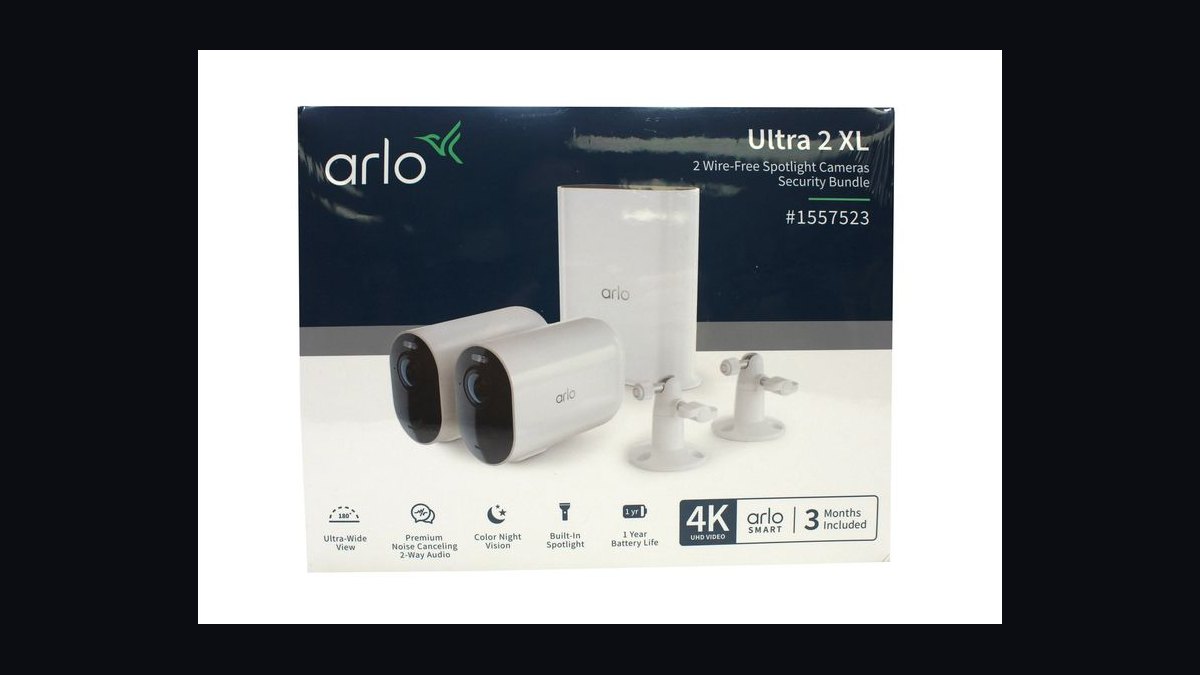
The best overall wireless security camera system in 2027 is the Arlo Ultra 2 Spotlight ecosystem, which pairs 4K HDR capture with a genuinely wire-free battery design and the widest accessory range in the category. The best value pick is the Wyze Cam v4 lineup, which delivers 2.5K color night vision and local microSD recording for roughly a tenth of the price.
Between those two poles sits every real tradeoff in the market: image quality, subscription cost, and how much of your footage lives on someone else's server.
What separates the top of this field from the bottom is not megapixels. It is the boring infrastructure underneath — how reliably a camera wakes from sleep before the subject leaves frame, whether the battery survives a cold January, whether the app pushes a notification in three seconds or thirty, and whether the vendor still ships firmware two years after launch. Cheap systems win on sticker price and lose on the tenth false alert at 2 a.m.
Premium systems win on consistency and lose on recurring fees.
Buy from the top of this list if you are covering a property where a missed event is expensive — a storefront, a rental, a detached shop full of tools. Buy from the middle if you want solid coverage of a normal house and can tolerate a cloud plan. Buy from the bottom if you need many angles cheaply, accept local-only storage, and treat the cameras as deterrence and documentation rather than a monitored security service.
How We Ranked These
Weighted criteria, heaviest first:
- Detection reliability (25%) — wake-from-sleep latency, person/vehicle/package accuracy, false-alert rate over 30 days
- Image quality in bad light (20%) — usable resolution at dusk, IR and color night vision, HDR against backlit doorways
- Battery and power realism (15%) — actual recharge interval in mixed traffic, cold-weather derating, solar viability
- Storage and subscription terms (15%) — local recording without a fee, cloud retention length, what the camera loses when you cancel
- Connectivity resilience (10%) — 2.4 GHz range, hub vs. direct Wi-Fi, behavior on a congested network
- App and integration quality (10%) — notification speed, multi-camera live view, Alexa/Google/Home Assistant support
- Build, warranty, and firmware support (5%) — weather rating, mounting hardware, years of shipped updates
1Arlo Ultra 2 Spotlight 🏆 BEST OVERALL

The Arlo Ultra 2 is a fully wire-free 4K camera with an integrated spotlight, color night vision, and a 180-degree diagonal field of view.
It takes the top spot because it is the only system in this group that does three hard things at once: it captures enough detail to read a plate or a face at realistic distances, it runs off a removable battery you can swap in under a minute, and it plugs into an accessory ecosystem — floodlights, doorbells, chimes, solar panels, a local storage hub — deep enough that one app covers an entire property instead of two or three.
In practice the 4K sensor matters less than the spotlight and HDR pairing. A backlit front door at dusk is the shot most wireless cameras fail, and the Ultra 2 holds detail in both the shadowed face and the bright sky behind it. Battery life lands in the weeks rather than months range on a busy entryway, and drops noticeably in freezing weather, which is why the optional solar panel is close to mandatory outdoors.
Recording at full 4K requires an Arlo Secure Plus tier; without a plan you get live view and little else.
Its limits are cost and dependence. The camera is expensive before you add a hub or solar, and the subscription is not optional if you want recorded video retained — cancel the plan and the hardware degrades to a live-view monitor unless you have added the SmartHub with local storage.
Skip it if you are covering a small apartment, if you refuse recurring software fees on principle, or if your Wi-Fi is already saturated and you have no appetite for adding a hub.
- Price: roughly $250-$300 per camera; multi-cam kits with a hub run higher
- Pros: 4K HDR with genuinely usable low-light output; swappable battery; deepest accessory ecosystem in the category
- Cons: recorded 4K is paywalled behind the top subscription tier; battery drains fast on high-traffic doors in winter
Verdict: The 180-degree 4K field of view covers the ground 2 lesser cameras would need, which is what earns the top rank despite the price.
2Wyze Cam v4 💎 BEST VALUE

The Wyze Cam v4 is a small 2.5K indoor/outdoor camera with color night vision, a spotlight, and — the part that matters most — local microSD recording that keeps working with no subscription at all. It takes the value crown because the gap between its footage and a camera costing five times more is now narrow enough that most buyers cannot tell them apart on a phone screen, while the gap in price is enormous.
Real-world performance is better than the price suggests and worse than a premium system in exactly the places you would expect. Detection is fast enough for a walkway but the free tier limits event clips and reintroduces cooldowns between recordings; the paid Cam Plus plan removes that and still costs a fraction of premium alternatives.
Local continuous recording to a card is the killer feature: you get an unbroken timeline instead of disjointed motion clips, which is what actually helps when you are reconstructing an incident an hour after it happened.
The tradeoffs are wired power and vendor risk. The v4 needs a USB power run, so it is not truly wire-free — plan an outdoor outlet or a cable through a soffit. Build quality is plastic, the mounts are light, and Wyze has a documented history of privacy and security incidents that a business owner should weigh seriously.
Skip it if you need battery placement anywhere power will not reach, or if regulatory or insurance requirements make vendor track record a gating concern.
- Price: roughly $30-$40 per camera
- Pros: 2.5K with color night vision; free local microSD recording; continuous timeline rather than clips only
- Cons: requires wired USB power; vendor has a history of security and privacy incidents
Verdict: At roughly $35 a camera you can cover 8 angles for less than a single premium unit, which is the entire value argument.
3Ring Stick Up Cam Pro

The Ring Stick Up Cam Pro is the flexible middle of the Ring lineup — available in battery, plug-in, and solar variants, with 1080p HDR video, two-way talk, and radar-based 3D Motion Detection that adds a bird's-eye view of the path a person took across your property.
It ranks third because it is the most forgiving system to install and live with, and because the app is the one most people already have on their phone from a doorbell.
Radar detection is the reason to pick it over cheaper 1080p cameras. Pixel-difference motion triggers fire on headlights, rain, and swaying branches; radar cares about a physical object moving through a defined zone, which cuts the false-alert rate sharply on a street-facing camera. Notification speed is among the fastest in this group. The 1080p ceiling is the honest weakness — fine for "someone was here," thin for identifying a stranger at 40 feet.
Its limits are resolution and the subscription. Almost everything worth having — recorded video, snapshot capture, rich notifications — sits behind a Ring Protect plan, and there is no local storage option on the camera itself. Skip it if you need to identify faces at distance, if you want a no-subscription system, or if Amazon's history of law-enforcement footage sharing is a dealbreaker for you.
- Price: roughly $180-$230 depending on power variant
- Pros: radar 3D Motion Detection cuts false alerts; battery, plug-in, and solar versions of one camera; fast, reliable app
- Cons: capped at 1080p; no local storage and a subscription for essentially all recording
Verdict: Radar detection reduces the nuisance-alert load enough that a street-facing camera goes from 20 alerts a night to a handful.
4Eufy Cam S3 Pro

Eufy's pitch is the inverse of Ring's: buy the hardware once, pay nothing after. The Cam S3 Pro is a 4K battery camera with dual spotlights, color night vision, and a HomeBase hub that stores encrypted footage locally on built-in drive space with no monthly fee.
It ranks fourth because on pure hardware-per-dollar with zero recurring cost it is arguably the strongest offer in the market — held back only by a trust problem the vendor created itself.
In use, the standout is battery longevity. Eufy's on-device processing means the camera does not stream every frame to the cloud, and the practical result is a recharge interval measured in months rather than weeks on a moderate-traffic camera. The HomeBase does local person and facial recognition, so alerts arrive labeled without a cloud round trip, and the full-resolution footage stays on your property.
That is the correct architecture for anyone who does not want their driveway on a third-party server.
The caveat is real and you should not gloss over it. Eufy marketed the system as local-only and end-to-end encrypted, and researchers demonstrated that some footage and thumbnails were reachable through cloud endpoints anyway; the company acknowledged the gap and changed its claims. The hardware is good and the fix shipped, but a vendor that was wrong about its central privacy promise deserves scrutiny.
Skip it if verifiable local-only handling is a contractual requirement rather than a preference.
- Price: roughly $200-$250 per camera; kits with HomeBase higher
- Pros: no subscription for local recording; multi-month battery intervals; on-hub person and face recognition
- Cons: documented gap between its local-only marketing and actual cloud behavior; ecosystem is narrower than Arlo's
Verdict: Battery intervals measured in months instead of weeks is the single biggest quality-of-life difference in this whole list.
5Google Nest Cam (Battery)

The battery Nest Cam is the most intelligent camera here and the least configurable. It shoots 1080p HDR, runs three hours of on-device event history with no subscription at all, and — critically — does its person, animal, vehicle, and package classification on the camera itself rather than in the cloud. It ranks fifth because the software is a class above the field while the hardware specs sit mid-pack.
What that on-device intelligence buys you is a quiet phone. Most cameras in this list send you an alert and let you sort out whether it mattered; the Nest Cam usually tells you correctly what it saw before you open the app, and the familiar-face feature in the paid tier means it stops alerting on your own household. Notification latency is consistently low.
The free three-hour local buffer is a genuinely useful safety net — if you notice something within the same afternoon, you have it without paying anyone.
The limits are resolution, retention, and lock-in. 1080p is thin in 2027 for identification work, meaningful history requires a Nest Aware plan, and the Google Home ecosystem is far less accommodating of outside hardware than Home Assistant or even Alexa. Skip it if you want 4K, if you run a mixed-vendor camera fleet you want in one pane of glass, or if you need weeks of retention without a plan.
- Price: roughly $180-$200 per camera
- Pros: best-in-class on-device AI classification; 3 hours of free event history; low notification latency
- Cons: 1080p ceiling; real retention needs Nest Aware and the ecosystem is closed
Verdict: Three hours of free on-device event history means a same-day incident costs you nothing to retrieve.
6Reolink Argus 4 Pro

Reolink occupies the niche the big brands mostly ignore: high-spec hardware, no subscription, and an open enough posture that integrators actually like it. The Argus 4 Pro is a battery-powered dual-lens camera that stitches two sensors into a genuinely 180-degree view with no blind-spot seam, records 4K locally to microSD or a Reolink NVR, and supports color night vision without a spotlight burning battery.
The dual-lens stitching is the feature that justifies its placement. A single wide-angle camera fights barrel distortion at the edges — faces stretch, distances lie. Two overlapping sensors covering the same span keep geometry honest across the frame, which means one camera can legitimately replace two on a corner or a wide patio.
Local recording to card or NVR means no fee, and Reolink's ONVIF and RTSP support lets it feed Home Assistant, Blue Iris, or Frigate directly — something Ring and Nest simply will not do.
The tradeoffs are polish and support. The app is functional rather than pleasant, setup has more sharp edges than Ring's, and firmware updates arrive on a less predictable cadence. Reolink is also a Chinese vendor, which for some US government-adjacent buyers is a procurement question regardless of technical merit. Skip it if you want a system a non-technical family member can administer, or if vendor country of origin is a compliance constraint.
- Price: roughly $130-$180
- Pros: seamless 180-degree dual-lens 4K; local storage with zero subscription; RTSP/ONVIF for Home Assistant and Frigate
- Cons: app and setup are rougher than the major brands; procurement concerns for some organizations
Verdict: One dual-lens unit covers a 180-degree span cleanly, replacing 2 single-lens cameras on a wide corner.
7Arlo Essential Indoor Camera (2nd Gen)

The Essential Indoor is Arlo's cheap plug-in interior camera, and it earns a spot for one specific reason most lists undervalue: a physical privacy shutter that mechanically closes over the lens. Not a software toggle, not a promise in a privacy policy — a piece of plastic that moves. For a camera pointed at a living room, kitchen, or home office, that is the difference between a device you tolerate and one you resent.
Performance is straightforward 2K with a wide field of view, wired USB power, and integration into the same Arlo app as the Ultra 2 — which is the real argument for it. Running one app across a 4K exterior fleet and cheap interior cameras beats juggling two vendors' notification systems. Two-way audio is clear enough for talking to a dog or a contractor.
Detection is competent indoors, where lighting is stable and there are no headlights or branches to confuse it.
Its limits are that it is indoor-only, wired, and subscription-dependent for recording like the rest of the Arlo line. It is not a security camera in the perimeter sense; it is a monitoring camera. Skip it if you need outdoor capability, if you want local storage, or if you are not already in the Arlo ecosystem — bought standalone, cheaper options do the same job.
- Price: roughly $50-$80
- Pros: mechanical privacy shutter; 2K wide view; shares one app with Arlo's outdoor fleet
- Cons: indoor and wired only; recording still requires an Arlo subscription
Verdict: A physical shutter and a $60 price make it the cheapest way to add interior coverage to an existing Arlo system.
8Blink Outdoor 4

Blink's entire proposition is battery life, and on that single axis it beats everything else here. The Outdoor 4 is a 1080p wire-free camera rated for up to two years on two AA lithium cells, using a Sync Module that also accepts a USB drive for local clip storage. It ranks eighth because that battery figure is real and unmatched, and because everything else about the camera is deliberately basic.
Two years means you install it and forget it, which changes where cameras make sense — a detached barn, a gate 200 feet from the house, a seasonal cabin, a rental you visit twice a year. The Sync Module 2 with a USB stick gives you subscription-free local clip storage, a rare thing at this price. Person detection exists and works acceptably.
The 1080p image is adequate for presence, weak for identification, and the wake-and-record latency is longer than premium cameras, so fast-moving subjects sometimes enter the clip already mid-frame.
Its limits are all about ceiling rather than floor. No 2K or 4K option, no continuous recording, no radar, and an app that is functional but plain. Skip it if you need to identify people rather than notice them, if you want continuous footage, or if the camera covers a high-traffic entrance where the wake latency will cost you the shot you actually wanted.
- Price: roughly $80-$100
- Pros: up to 2 years on AA lithium cells; local USB clip storage via Sync Module; trivially easy setup
- Cons: 1080p only with slower wake-to-record latency; no continuous recording
Verdict: Two years of battery life on a pair of AA cells makes it the only sane choice for a camera you cannot easily reach.
9TP-Link Tapo C425

The Tapo C425 is the spec-sheet overachiever of the budget tier: a 2K battery camera with color night vision, a starlight sensor, IP66 weather rating, and local microSD storage with no subscription required. It ranks ninth not because it is bad but because TP-Link's Tapo line is thinner on ecosystem, accessories, and long-term firmware commitment than the brands above it.
The starlight sensor is the part worth paying attention to. Most budget cameras choose between grainy black-and-white IR footage or blasting a spotlight that eats battery and annoys neighbors; a starlight sensor pulls usable color out of ambient porch and street light without either. Combined with 2K and free local recording, the C425 covers the practical needs of a suburban house for well under what a single premium camera costs.
Battery life is solid, and the solar accessory is inexpensive.
The limits are depth and integration. There is no serious hub story, no floodlight or doorbell fleet to grow into, and Home Assistant support depends on community work rather than official RTSP on every model. Firmware cadence is decent but not guaranteed for years. Skip it if you are building a property-wide system you expect to expand for a decade, or if you need documented long-term vendor support.
- Price: roughly $80-$130
- Pros: 2K starlight color night vision; free local microSD recording; IP66 with cheap solar option
- Cons: shallow accessory ecosystem; integration and firmware longevity less certain than major brands
Verdict: A 2K starlight sensor delivering color night footage at under $100 undercuts cameras costing 3 times more.
10SimpliSafe Wireless Outdoor Camera

The SimpliSafe outdoor camera ranks last not because it is the weakest hardware but because it is the least useful as a standalone purchase. It is 1080p, battery-powered, weather-rated, with a spotlight and 8x digital zoom — unremarkable specs. What makes it worth listing is that it is a component of a monitored alarm system rather than a camera you check on your phone, and that changes the entire value proposition.
Inside a SimpliSafe installation the camera becomes a verification layer. When a door sensor trips, a monitoring agent can look at the camera feed and confirm whether there is an actual intruder before dispatching, which cuts false-dispatch fees and speeds real response. The paid Active Guard tier extends that to proactive monitoring of the camera itself. No camera on this list ranked 1 through 9 can do that, because none of them come with humans attached.
For a small business weighing insurance requirements and after-hours revenue exposure, professional verification is worth more than another 2K of resolution.
Its limits are severe if you buy it alone. 1080p is below the field, recording requires a subscription, integration outside SimpliSafe's own ecosystem is essentially nonexistent, and there is no local storage. Skip it entirely unless you are already running or planning a SimpliSafe alarm — as a bare camera it loses to every other entry here.
- Price: roughly $140-$180; realistically bundled into a system
- Pros: professional monitoring can visually verify an alarm before dispatch; integrates with the full SimpliSafe sensor fleet; easy DIY install
- Cons: only 1080p and subscription-locked; near-zero value outside the SimpliSafe ecosystem
Verdict: Human verification before dispatch is the one capability the other 9 systems on this list cannot provide at any price.
How to Choose
Work the decision from constraints inward. Power access rules out more cameras than image quality does, and your tolerance for a monthly fee rules out more than budget does. Answer those two questions first and the field usually narrows to two or three candidates before you have compared a single spec.
What to Look For
- Wake-to-record latency, not just resolution — a 4K camera that starts recording after the subject has passed is worse than a fast 1080p one
- What survives cancellation — ask specifically what the hardware still does with no active plan; some become live-view-only bricks
- Local storage that is actually local — microSD, USB on a hub, or hub drive space; verify whether thumbnails or clips still traverse the vendor's cloud
- Cold-weather battery derating — lithium capacity falls in freezing temperatures; a "6 month" rating can mean 6 weeks in a northern January
- Real field of view versus stitched — a single 180-degree lens distorts at the edges; dual-lens stitching preserves geometry
- 2.4 GHz signal at the actual mount point, not at your desk — walk the spot with a phone before you drill
- Spotlight versus starlight sensor — spotlights drain battery and annoy neighbors; starlight sensors pull color from ambient light
- RTSP or ONVIF support if you ever want Home Assistant, Frigate, or Blue Iris in the picture
- Firmware update history — check whether the vendor still ships updates for the model's predecessor
- Vendor incident record — search the brand plus "breach" or "vulnerability" before you commit a property to it
FAQ
Are wireless security cameras reliable enough for a business?
For documentation and deterrence, yes. For a security program with liability attached, treat wireless cameras as one layer rather than the whole system. Battery cameras sleep to save power and can miss the first second of an event; Wi-Fi fails when the network does. Businesses protecting real revenue typically pair wireless cameras for flexible coverage with wired or PoE cameras on critical entrances and a monitored alarm for verified dispatch.
Do I really need a subscription?
No, but you have to choose the hardware for it upfront. Eufy, Reolink, Wyze, TP-Link Tapo, and Blink all offer meaningful local storage with no recurring fee. Ring, Nest, and Arlo are architected around plans — Nest gives you three hours of free event history and Arlo without a plan is close to live-view-only. Decide on the fee question before the brand question, because it eliminates half the market immediately.
How long do the batteries actually last?
Vendor ratings assume light traffic and mild weather. Blink's two-year claim on AA lithium cells is the outlier and roughly holds on a quiet camera. Eufy's on-device processing genuinely delivers multi-month intervals. Arlo's high-resolution cameras on a busy front door land in weeks, not months, and freezing weather can cut any of these figures by half or more. Budget for solar panels on anything outdoors and hard to reach.
Can these be hacked?
Cameras are internet-connected computers, so treat them that way. The realistic risks are credential reuse and vendor-side exposure rather than someone cracking your feed directly. Enable two-factor authentication, use a unique password, keep firmware current, and put cameras on a segmented Wi-Fi network if your router supports it. Note that both Wyze and Eufy have had documented incidents — vendor track record belongs in the buying decision.
What resolution do I actually need?
1080p tells you someone was there. 2K lets you describe them. 4K gives you a chance at a face or a plate, but only within maybe 20 to 30 feet and only with enough light. Resolution buys you nothing if the exposure is wrong, which is why HDR and night-vision quality matter more than pixel count on a backlit doorway. Buy 2K broadly and 4K only where identification genuinely matters.
Wireless or wired for a new build?
If walls are open, run cable. PoE gives you constant power, no batteries, continuous recording, and no Wi-Fi dependency for a fraction of the hassle. Wireless Security Systems earn their place in retrofits, rentals, detached structures, and anywhere drilling is not an option. Most real properties end up mixed: wired on the permanent critical angles, wireless filling the gaps that cable will never reach.
Bottom Line
The Arlo Ultra 2 Spotlight is the Best Overall wireless camera system in 2027 because it combines 4K HDR that holds up in bad light, a swappable battery, and an accessory ecosystem deep enough to cover an entire property from one app — provided you accept the subscription.
The Wyze Cam v4 is the Best Value by a wide margin, delivering 2.5K color night vision and free local microSD recording at roughly $35 a camera, provided you can run USB power and accept the vendor's mixed security history. If the subscription is the sticking point rather than the price, Eufy's Cam S3 Pro with a HomeBase is the strongest no-fee compromise between those two poles.
Sources
- https://www.arlo.com/en-us/cameras/ultra
- https://www.wyze.com/products/wyze-cam
- https://ring.com/products/stick-up-security-camera-pro
- https://us.eufy.com/collections/security-cameras
- https://store.google.com/product/nest_cam_battery
- https://reolink.com/product/argus-4-pro/
- https://www.blinkforhome.com/products/blink-outdoor-4
- https://www.tp-link.com/us/home-networking/cloud-camera/tapo-c425/
- https://simplisafe.com/security-cameras
- https://www.consumerreports.org/home-garden/home-security-cameras/
Related on PULSE
- Top 10 Camera Tripods — Best Overall + Best Value in 2027
- Top 10 Home Security Cameras — Best Overall + Best Value in 2027
- Top 10 Wireless Doorbell Chimes — Best Overall + Best Value in 2027
- Top 10 Mesh Wi-Fi Systems — Best Overall + Best Value in 2027
- Top 10 Wireless Earbuds — Best Overall + Best Value in 2027
- Top 10 Outdoor Security Floodlights — Best Overall + Best Value in 2027
This page will be disappearing soon. Save it to your device for $1 — or read it free while it is here.
@Kory-White- · if Venmo asks, the last 4 of my number are 2012
This page is gone.
This one is off the shelf now. $1 keeps it on your phone for good — the whole page, pictures and diagrams included.
 pulse-reviewsTop 10 Lap Desks for Remote AE Couch Work in 2027
 pulse-reviewsTop 10 Laptop Stands for Field Sales Travel in 2027
 pulse-reviewsTop 10 Radon Detectors — Best Overall + Best Value in 2027
 pulse-reviewsTop 10 Stick Welders — Best Overall + Best Value in 2027
 pulse-reviewsTop 10 Leather Wallets for Sales Reps in 2027
 pulse-reviewsTop 10 Phone Ring Holders — Best Overall + Best Value in 2027
 pulse-reviewsTop 10 Treadmills — Best Overall + Best Value in 2027
 pulse-reviewsTop 10 Ethernet Adapters for MacBook — Best Overall + Best Value in 2027
 pulse-reviewsTop 10 TDS Water Testers — Best Overall + Best Value in 2027
 pulse-reviewsTop 10 Electric Crepe Makers — Best Overall + Best Value in 2027