


What is the average price range for noise-cancelling earbuds in 2027?
Quality
Certified

In 2027, expect noise-cancelling earbuds to span roughly $50–$350, with the average street price for a competent pair landing near $120–$180. Budget models cluster around $50–$80, mainstream picks at $130–$200, and flagship models from major audio brands at $250–$350, with frequent discounts pulling real transaction prices lower.
The tiers you are actually choosing between
The phrase "average price" hides the fact that noise-cancelling earbuds are not one market — they are four overlapping ones, and the average only makes sense once you know which tier you are shopping in. Treating the category as a single number is how buyers end up disappointed: they read a $150 average, buy a $60 pair, and wonder why the cancellation feels thin.
The budget tier, roughly $40–$80. These are earbuds with real active noise cancellation silicon rather than passive isolation marketed as ANC. Expect a single feedforward or a basic hybrid feedback/feedforward setup, cancellation that meaningfully reduces low-frequency drone — bus engines, HVAC hum, plane cabin rumble — and very little help above about 1 kHz, where voices and keyboard clatter live. Battery life is usually competitive here because the drivers and processing are less demanding. What you give up is transparency-mode quality (often hissy), microphone performance on calls, multipoint Bluetooth reliability, and app-side customization. Firmware support is short: one or two updates and then silence.
The mainstream tier, roughly $100–$200. This is where the volume is and where the category average sits. You get hybrid ANC with multiple microphones per bud, adaptive modes that adjust cancellation strength to ambient conditions, credible transparency, multipoint pairing to a laptop and phone at once, and wear detection. Codec support broadens — AAC and SBC universally, aptX or LDAC or LC3 depending on the chipset and your phone. Water resistance around IPX4 is standard, case charging is USB-C with wireless charging appearing near the top of the band.
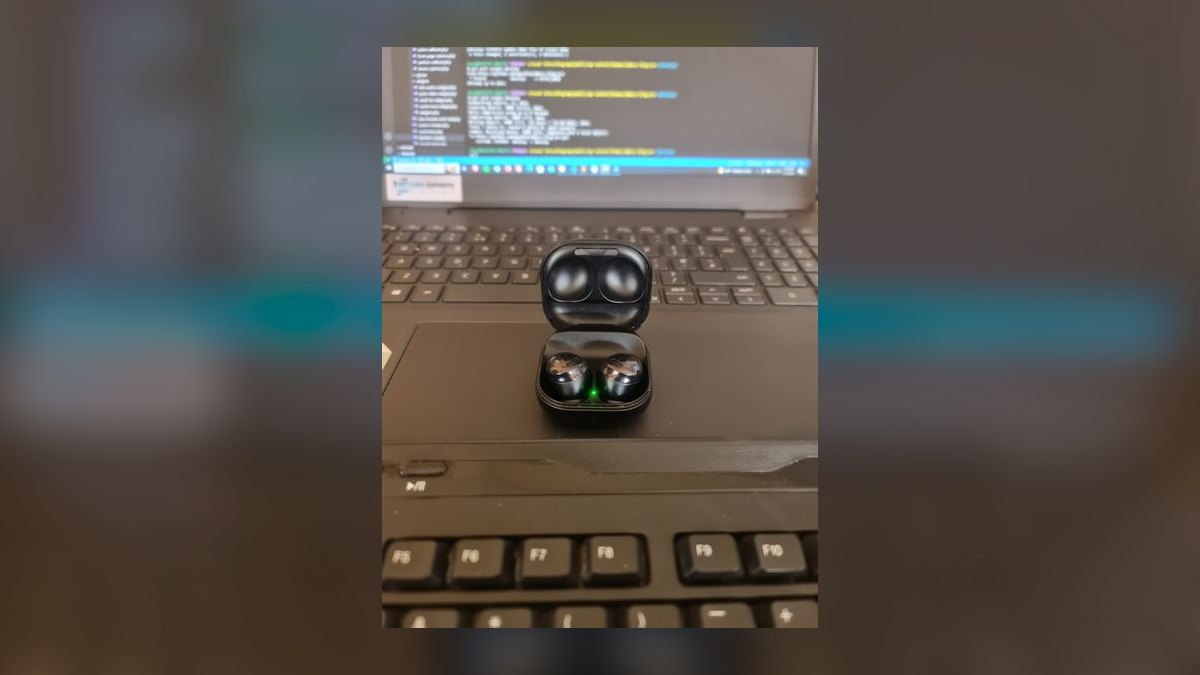
The flagship tier, roughly $230–$350. Marquee models from established audio and phone brands. The cancellation gains over a good $150 pair are real but they are incremental — better attenuation in the 500 Hz to 2 kHz band where cheaper systems fall off, less "pressure" sensation, smoother adaptive transitions when you move from a quiet room to a street. The bigger differentiators are call quality in wind, spatial audio with head tracking, tighter ecosystem integration, longer firmware support windows, and better replacement-part availability.
The specialty and pro tier, above $350. Small volume, and it distorts naive averages if you include it. Think audiophile-oriented models with unusual driver arrangements, hearing-health features positioned as medical-adjacent, or ruggedized industrial hearing protection with communications built in. These rarely appear in a consumer's consideration set, but they show up in scraped price data and pull the arithmetic mean upward.
The practical consequence: a mean computed across every listing on a marketplace will read higher than what people actually pay, because the long tail of expensive and obscure models has a lot of SKUs and very few units sold. A median of units sold sits far lower than a mean of listings. When someone quotes you "the average price of noise-cancelling earbuds," ask which of those two numbers they computed.
How to decide which tier your money belongs in
Deciding is easier if you stop asking "what is the best pair" and start asking "what noise am I actually fighting, and how many hours a week am I fighting it." Those two variables predict satisfaction better than any spec sheet.
Low-frequency, continuous noise — aircraft cabins, train carriages, open-plan HVAC — is the easiest thing for ANC to cancel and the cheapest to solve. A $70 pair handles it surprisingly well. Broadband and irregular noise — conversation, café clatter, children, construction — is the hard problem, and it is precisely where the mainstream and flagship tiers earn their premium. If your dominant noise is human voices, budget ANC will frustrate you and the extra $80 is well spent.
Hours matter because they amortize the cost. A commuter wearing earbuds ten hours a week for three years is buying about 1,500 hours of use; a $200 pair costs roughly 13 cents an hour. Someone who flies twice a year gets a far worse rate on the same purchase and should stay in the budget tier or borrow the over-ear headphones already in the house.
A second decision axis that buyers systematically underweight: fit. Noise cancellation is a system, and passive isolation from a properly sealed eartip does a large share of the work, particularly at high frequencies where electronic cancellation is weak. A $250 pair with a bad seal underperforms a $90 pair with a good one. If your ears are awkward — shallow concha, mismatched canal sizes, a history of buds falling out — prioritize models shipping four or more eartip sizes and consider third-party foam tips, which typically run $15–$30 for a multi-size pack and can rescue an otherwise unusable pair.
The third axis is ecosystem. If everything you own comes from one manufacturer, that brand's earbuds unlock features — instant pairing, automatic device switching, find-my integration — that genuinely change daily use. That convenience is worth paying for if you live inside the ecosystem, and worth nothing at all if you do not. Do not pay a flagship premium for handoff features you cannot use.
The numbers behind each tier
Concrete figures make the tiers actionable. What follows are the structural realities behind pricing rather than claims about specific unreleased models.
Bill of materials and why the floor is where it is. A pair of wireless earbuds with functioning ANC requires two Bluetooth SoCs with DSP capability, four to six MEMS microphones, two dynamic drivers, three lithium cells (two buds plus case), a charging case with hinge and magnets, and antenna tuning. That hardware stack has a hard cost floor. Below roughly $40 retail, something has been cut — usually the feedback microphone, meaning the ANC is feedforward-only and cannot compensate for how the bud actually sits in your ear. This is why the very cheap end of the market delivers cancellation that measures well on paper and disappoints in the ear.
Discount cadence. Consumer audio is a heavily promoted category. A model launching at $199 typically sees its first meaningful discount within three to four months, settles into a street price 15–25% below list within six months, and gets pushed to 30–40% off during major sales events or when its successor is announced. This has a direct implication for the average price question: the list-price average and the transaction-price average diverge by roughly 20% across a product's life. If you are patient, the effective average price of a mainstream pair is closer to $130 than $170.
The successor discount. The single most reliable way to buy above your budget is to buy last generation. When a flagship line refreshes — typically on a 24- to 36-month cadence for major audio brands — the outgoing model often drops 35–50% and remains supported with firmware for years. A two-year-old flagship at $170 will generally out-cancel a brand-new $170 mainstream model, because ANC performance is driven by microphone count, acoustic design, and DSP maturity, none of which degrade with age.
Total cost beyond the sticker. Budget the accessories honestly. Replacement eartips run $10–$30. A replacement charging case, when the manufacturer sells one at all, runs $40–$80. Out-of-warranty battery service is rarely offered; earbud batteries are usually not user-serviceable, and after two to three years of daily charge cycles you should expect 60–75% of original runtime. That degradation curve is the real reason earbuds behave like a consumable rather than a durable good, and it argues against buying at the very top of the market unless you use them heavily.
Regional and tax variance. The same model can differ 20–35% across markets due to VAT, import duty, and distribution structure. Price comparisons pulled from one country's marketplace do not transfer. If you are computing an average, specify the market.

Refurbished and open-box. Manufacturer-refurbished units typically run 20–30% below new with a shortened warranty, often 90 days to a year. For earbuds specifically, refurbished carries more risk than it does for headphones or speakers, because the battery is the wear item and refurbishment programs do not always replace cells. Ask whether cells are replaced; if the answer is no or unclear, treat the discount as compensation for unknown battery age.
Sequencing a purchase so you do not overpay
Buying well is mostly about ordering the steps correctly. Most overpaying happens because people pick a model first and then rationalize the price.
Step one: define the noise. Spend a week noticing where you actually want silence. Write down the three environments. If two of the three are low-frequency and continuous, you have permission to shop the budget tier.
Step two: set the ceiling before you browse. Pick a number from the hours-of-use math above. If your amortized cost target is 10–15 cents an hour, multiply your expected hours over three years by that rate and you have your ceiling. Browsing before setting a ceiling is how a $120 need becomes a $299 purchase.
Step three: filter on fit and return policy, not on reviews. Reviews describe someone else's ear canal. A generous return window is worth more than a favorable review, because ANC satisfaction is dominated by seal quality that no review can predict for you. Prefer retailers offering at least 30 days with no restocking fee on opened audio.

Step four: check the release calendar. If the model you want is 18+ months old, a successor is plausibly near, which means either a discount is coming or you should wait. If it is under six months old, you are paying the launch premium — expect to pay 15–25% more than you would in the same year's second half.
Step five: buy, test hard in week one, and return without sentiment. Test in your actual three environments, not in a store. Test call quality by recording a voice memo through the buds outdoors. Test the seal by playing pink noise and rocking your jaw — if cancellation wobbles when you chew or talk, the tip is wrong.
Sequencing for organizations. If you are buying for a team — support reps in an open-plan floor, field technicians, a call center — the calculus shifts. Volume pricing on consumer earbuds is thin, typically 5–12% off list through a reseller, so the savings come from standardizing on one model rather than negotiating hard. Standardization also cuts the support burden: one pairing procedure, one firmware baseline, one accessory SKU to stock. For voice-heavy roles, weight microphone performance and multipoint stability far above cancellation depth, which usually means the mainstream tier rather than the flagship one. Budget replacement at roughly one-third of headcount per year; loss and damage, not failure, drive that number.
Adjacent tradeoffs worth knowing before you commit

The earbuds question sits inside a slightly bigger one, and answering the bigger one sometimes saves the whole budget.
Earbuds versus over-ear headphones. At any given price, over-ear active noise cancelling headphones outperform earbuds on cancellation depth, battery life, and comfort over long sessions — the physics favor a larger cavity and more room for microphones and drivers. A $180 over-ear pair generally beats a $180 earbud pair on raw quieting. Earbuds win on portability, on wearing under a hood or helmet, on not overheating your ears, and on call use where you want to look less encumbered. If your dominant use case is a desk or a long flight and portability is secondary, the over-ear route delivers more quiet per dollar.
Earbuds versus open-ear and bone conduction. A growing share of buyers who thought they wanted cancellation actually want awareness — runners, cyclists, parents, anyone who needs to hear a door. Open-ear designs, typically $80–$200, deliberately do not cancel. Buying ANC earbuds and living in transparency mode is paying for silicon you never use.
Hearing-health features. Regulatory changes around over-the-counter hearing assistance have pulled amplification features into mainstream earbuds. This blurs the price ladder: a pair with a hearing-assist mode may price above its cancellation quality because you are also paying for an audiological feature. If you do not need it, do not pay for it; if you do, it can substitute for a far more expensive device.
Warranty and repairability. Earbuds are among the least repairable consumer electronics. Sealed construction, glued assemblies, and tiny cells mean a failed bud is usually replaced rather than fixed. Some brands sell individual replacement buds at 30–40% of the pair price, which materially changes the math on losing one. Check that before you buy — it is a hidden cost difference between two models at the same list price.
Codec and phone pairing. Paying for a high-bitrate codec your phone does not support is wasted money. Confirm what your device negotiates before treating codec support as a reason to move up a tier. For most listeners on most content, the cancellation quality and fit matter far more to perceived audio quality than the codec does.
Software longevity. The under-discussed depreciation factor is firmware. A budget pair typically stops receiving updates within a year, which means bugs in multipoint switching or transparency mode become permanent. Mainstream and flagship models from established brands generally receive updates for three or more years. If you plan to keep a pair for the long haul, the support window is part of the price you are paying.
Related questions
Do more expensive earbuds always cancel more noise?
No. Above roughly $150 the returns flatten sharply. Fit and eartip seal often matter more than the extra spend. A well-sealed mainstream pair regularly out-quiets a poorly fitted flagship, especially at higher frequencies where passive isolation dominates.
Is it better to buy last year's flagship or this year's mid-range?
Usually last year's flagship. It typically drops 35–50% after a refresh, retains firmware support, and carries superior acoustic design and microphone count. The main risks are shorter remaining warranty and battery cells that have aged on the shelf.
When during the year are prices lowest?

Discounts cluster around major retail sale periods and around successor announcements. Across a product's life, street prices settle 15–25% under list within six months and reach 30–40% off at end of life. Buying in the second half of a model year generally beats launch.
Do earbuds get cheaper as the technology matures?
The floor drops but the ceiling holds. Capable ANC has migrated into cheaper hardware, so entry pricing has fallen. Flagships hold their price by adding features — spatial audio, hearing assistance, ecosystem integration — rather than by getting cheaper.
FAQ
What is a reasonable budget for a first pair of noise-cancelling earbuds?
Around $100–$150 for most people. That band buys hybrid cancellation, usable transparency, multipoint pairing, and a real warranty, without paying for ecosystem features or spatial audio you may not use. If your noise is mostly engine drone or HVAC hum, drop to $60–$80 and spend the difference on better eartips.
Why do published averages for this category vary so much?
Because they measure different things. An average across all listings on a marketplace includes thousands of obscure and expensive SKUs and reads high. An average weighted by units sold reads far lower, because sales concentrate in the $80–$200 band. List-price averages also ignore discounting, which runs 20% or more across a product's life.
Are $50 earbuds with ANC a waste of money?

Not necessarily, but know what you are getting. At that price the cancellation is usually feedforward-only, effective on low-frequency continuous noise and weak on voices. Transparency mode is typically noisy, call quality is mediocre, and firmware support is short. For occasional flights they are fine; for daily office use they will frustrate you.
How long should a pair last before the price stops making sense?
Plan on two to three years of daily use. Lithium cells in earbuds see many shallow charge cycles and typically retain 60–75% of original runtime by year three, and they are rarely serviceable. That lifespan is why amortizing cost per hour is the right way to set a ceiling, and why the very top of the market is hard to justify for light users.
Does spending more improve call quality as much as it improves cancellation?
Call quality scales with price more steeply than cancellation does. Microphone count, beamforming, wind-noise handling, and voice-isolation processing are expensive to do well, and the gap between a $70 pair and a $200 pair on an outdoor call is much larger than the gap in how quiet they make a plane cabin. If you take calls in transit, weight this heavily.
Should I factor accessories into the price?
Yes. Add $10–$30 for better eartips, which many buyers end up needing, and know that a replacement charging case runs $40–$80 where offered at all. Also check whether the brand sells single replacement buds — if it does, losing one costs 30–40% of the pair price instead of the whole thing.
Sources
- https://www.consumerreports.org/electronics/headphones/
- https://www.rtings.com/headphones
- https://www.which.co.uk/reviews/wireless-and-bluetooth-headphones
- https://www.bluetooth.com/learn-about-bluetooth/tech-overview/
- https://www.fda.gov/medical-devices/hearing-aids/otc-hearing-aids-what-you-should-know
- https://www.cdc.gov/niosh/topics/noise/default.html
- https://www.nidcd.nih.gov/health/noise-induced-hearing-loss
- https://www.ifixit.com/Device/Headphone
- https://www.cta.tech/Research
- https://www.epa.gov/clean-air-act-overview/epa-identifies-noise-levels-affecting-health-and-welfare
Related on PULSE
- How do you evaluate hardware purchases for a distributed support team?
- What should a company budget per employee for workplace equipment?
- How do you standardize device procurement across a growing team?
- When does buying last-generation hardware beat buying new?
- How do you calculate total cost of ownership for consumable office electronics?
- What return and warranty terms should you require from a hardware reseller?
This page will be disappearing soon. Save it to your device for $1 — or read it free while it is here.
@Kory-White- · if Venmo asks, the last 4 of my number are 2012
This page is gone.
This one is off the shelf now. $1 keeps it on your phone for good — the whole page, pictures and diagrams included.
 pulse-reviewsTop 10 Soft Box Lighting Kits — Best Overall + Best Value in 2027
 pulse-reviewsTop 10 Laptop Sleeves — Best Overall + Best Value in 2027
 pulse-reviewsTop 10 Smartwatches for Fitness — Best Overall + Best Value in 2027
 pulse-reviewsTop 10 Battery Hedge Trimmers — Best Overall + Best Value in 2027
 pulse-reviewsTop 10 Dual-Display Monitor Arms in 2027
 pulse-reviewsTop 10 E-Readers — Best Overall + Best Value in 2027
 pulse-reviewsTop 10 Garage Storage Systems — Best Overall + Best Value in 2027
 pulse-reviewsTop 10 Podcast Mixers — Best Overall + Best Value in 2027
 pulse-reviewsTop 10 Benchtop Band Saws — Best Overall + Best Value in 2027
 pulse-reviewsTop 10 Prebuilt Gaming PCs — Best Overall + Best Value in 2027