


How do you dispose of old UPS batteries safely and legally in 2027?
Quality
Certified
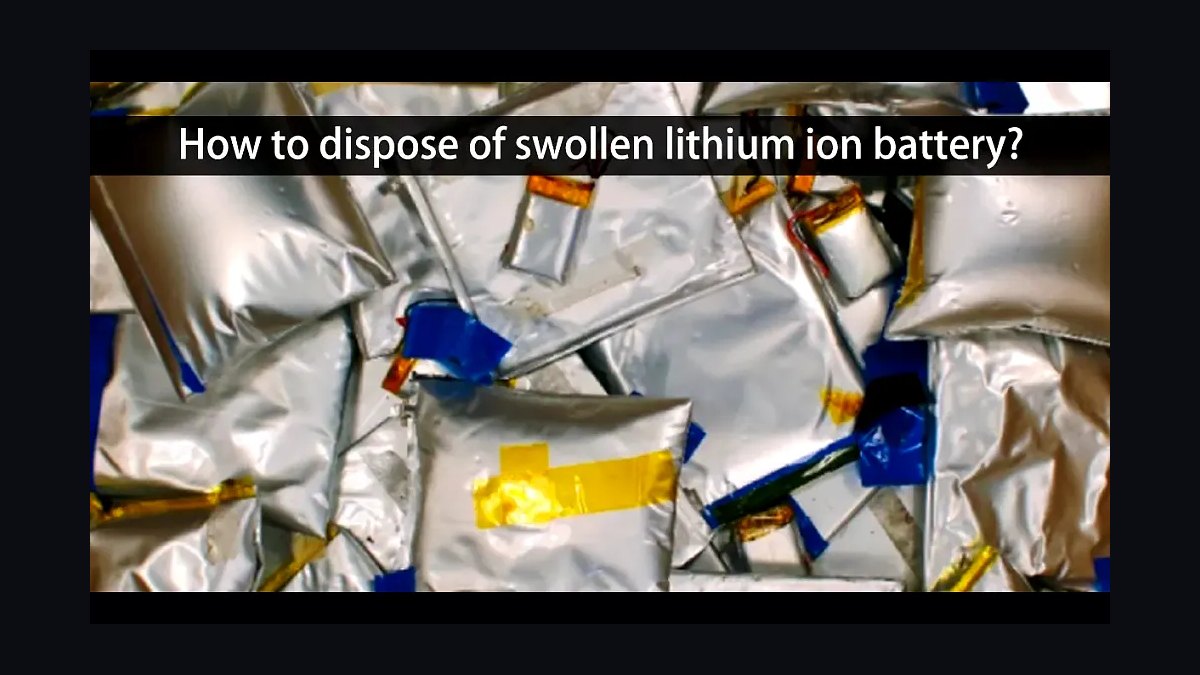
Dispose of old UPS batteries by treating them as regulated waste, never household trash: sealed lead-acid units go back through a retailer or recycler under Call2Recycle or a core-exchange program, and lithium-ion packs go to a certified e-waste or battery recycler with terminals taped. This satisfies RCRA universal-waste rules and keeps you legally covered while disposing of batteries safely in 2027.
The outcome you should expect
Once you commit to a compliant disposal path, the practical outcome is a paper trail plus a battery that never enters a landfill or an incinerator. For sealed lead-acid (SLA/VRLA) batteries — still the dominant chemistry in UPS units under about 3kVA — the expected path is a manifest or receipt from a permitted recycler showing weight, date, and destination facility. Retailers enrolled in Call2Recycle or similar programs will hand you a drop-off confirmation, and larger facilities operating as "universal waste handlers" under 40 CFR Part 273 keep a log of accumulation start dates for every battery they store.
For lithium-ion UPS batteries, which have become common in rack-mount and modular UPS lines since roughly 2019, the expected outcome differs slightly: you should receive confirmation that the pack was shipped or handed off as UN3480 (lithium-ion batteries, not contained in equipment) or UN3481 (packed with or contained in equipment), because DOT hazmat rules classify damaged, swollen, or high-capacity lithium cells as Class 9 miscellaneous hazardous material. A responsible disposer will either put the battery through a licensed lithium-battery recycler (several now operate dedicated thermal or hydrometallurgical lines) or route it through a hazardous-waste transporter if it's been physically damaged.

In either case, you should expect zero cost for small quantities at most big-box electronics or hardware retailers, and a modest per-pound or per-unit recycling fee once you're disposing of batteries in bulk from a server room or data closet — typically in the range of $0.50 to $2.50 per pound for lead-acid, and higher for lithium-ion given the added hazmat handling.
What drives that outcome
Three forces determine whether a UPS battery disposal event stays legal and safe: the chemistry of the cell, the volume you're disposing of, and the jurisdiction you're disposing in. Lead-acid batteries are federally classified as "universal waste" under RCRA, which is a lighter regulatory tier than full hazardous waste — it allows storage up to a year and simplified handling, but it still requires that the battery leave your custody through a permitted channel, not a dumpster. Lithium-ion cells are not universal waste in most states; they're handled under DOT hazmat transport rules because of thermal-runaway risk, which is why terminal taping and rigid packaging matter before you ever hand one off.

Volume changes who's responsible. A single UPS swapped out in a home office is a "small quantity generator" scenario and nearly every state lets you use retail take-back with no paperwork. A business decommissioning a rack of UPS units becomes a generator of regulated waste and may need to register, track accumulation dates, and use a licensed transporter — some states, including California and New York, impose stricter thresholds and extended producer responsibility (EPR) fees that manufacturers and importers pay into, which indirectly funds free consumer recycling.
Jurisdiction is the third lever. State battery laws vary enough that "legal" in Ohio can mean noncompliant in California — some states ban lead-acid batteries from landfills outright with fines per unit, others rely on federal universal-waste rules alone. Because that map keeps shifting as EPR laws expand, always verify current state rules before a bulk disposal event rather than relying on last year's list.
Benchmarks and realistic ranges
A typical UPS sealed lead-acid battery weighs between 4 and 25 pounds depending on VA rating, and lasts 3 to 5 years before replacement — meaning most households or small offices generate one to two disposal events per UPS over a decade. Recyclers generally recover 95-99% of the lead and plastic in an SLA battery, which is part of why lead-acid recycling infrastructure is mature and widely available: most auto parts stores, hardware chains, and electronics retailers accept them at no charge, sometimes with a small core credit of $5-$15 toward a replacement.
Lithium-ion UPS batteries run lighter per unit (often 1-6 pounds for small modules) but carry a materially higher handling cost, typically $1-$4 per pound once packaging and hazmat documentation are factored in, because thermal-runaway risk means damaged or swollen cells require individual bagging or vermiculite packing before transport. Turnaround from drop-off to final processing at a certified recycler generally runs 2-6 weeks, and larger facilities may batch shipments monthly to hit minimum-load thresholds for the smelter or hydrometallurgical processor.

For a mid-size business retiring a data-closet UPS fleet — say 10-30 units — budget for a scheduled pickup from a licensed electronics/battery recycler rather than individual retail drop-offs; most recyclers offering pickup service set minimums around 100-500 pounds of combined battery weight, and the per-pound rate typically drops 20-40% compared to small-quantity drop-off pricing once you cross that threshold. If your organization operates under EPA hazardous waste generator status for other reasons, folding battery disposal into your existing manifest system is usually cheaper than a standalone battery-only pickup.
Risks, edge cases, and failure modes
The most common failure mode is treating a lithium-ion UPS battery like the lead-acid battery it replaced — tossing it loose into a general e-waste bin. A punctured or short-circuited lithium cell can ignite, and multiple documented waste-facility fires have been traced to exactly this mistake; taping terminals and isolating cells from metal contact is not optional once you're past the "it's just a battery" mental model.
A second failure mode shows up with swollen or physically damaged battery packs, which can occur after a UPS has run in a hot, poorly ventilated closet for years. A swollen lithium pack should never go through standard retail take-back — it needs to be handled as damaged/defective hazmat, usually meaning a call to the recycler or a hazardous-materials transporter before it ever leaves the building, because standard ground shipping carriers will refuse or the shipment could violate DOT rules if it's mislabeled.

Cross-state shipping is another edge case: mailing a UPS battery to a recycler across state lines invokes both DOT hazmat shipping rules (which restrict how lithium cells can move via ground and virtually forbid air transport for damaged cells) and potentially differing state e-waste import rules. It's almost always simpler and more defensible, legally, to find a recycler within your own state or use a national take-back chain with a local drop point rather than shipping the battery yourself.
Finally, businesses sometimes assume a "let the IT asset disposition (ITAD) vendor handle it" contract covers batteries the same way it covers servers and drives — verify explicitly, because some ITAD contracts exclude batteries or lithium-specific hazmat handling, leaving you exposed if the vendor simply landfills what it can't resell. Ask for a certificate of recycling or destruction that names the battery chemistry, not just "electronics," so you have documentation if a regulator ever asks how you disposed of UPS batteries.
A practical rollout plan
For a single UPS at home, the rollout is simple: identify the chemistry from the label (most say "Sealed Lead Acid" or "Li-ion" explicitly), tape the terminals with electrical tape regardless of chemistry, and bring it to a retailer participating in Call2Recycle — most major hardware and electronics chains post a battery-recycling bin near the entrance. Keep the drop-off receipt if you want a paper trail, though it's rarely required at this scale.

For a business retiring multiple units, start by inventorying every UPS by model number and pulling the battery chemistry from the manufacturer spec sheet rather than guessing — this determines which regulatory path applies before a single battery moves. Next, contact two or three licensed battery/electronics recyclers for pickup quotes once your combined weight crosses a bulk threshold, and confirm each one provides a written manifest or certificate of recycling naming battery chemistry, weight, and destination. Stage batteries in a dry, covered area away from flammables while awaiting pickup — under universal-waste rules for lead-acid this storage period can run up to a year, but don't treat that ceiling as a target; faster turnover reduces both liability and floor-space burden. Finally, log the disposal event internally (date, quantity, recycler, manifest number) so that if a state inspector or an internal audit asks how the organization disposes of batteries, you can show the same information for every UPS since the last audit cycle.
Related questions
Can you throw a UPS battery in regular household trash?
No — sealed lead-acid and lithium-ion UPS batteries are both banned from ordinary trash and landfill disposal in most states under universal-waste or hazardous-waste rules. Even where not explicitly banned, doing so risks fires from lithium cells and lead contamination from lead-acid units, so a take-back or recycler path is required to dispose of it legally.
Do UPS battery recyclers pay for old batteries?
Sometimes, for lead-acid: retailers running core-exchange programs often credit $5-$15 toward a new battery because the recovered lead has scrap value. Lithium-ion UPS batteries rarely carry a payout, since recycling them costs more than the recovered materials are currently worth in most markets.
How long can you legally store a dead UPS battery before recycling it?
Under federal universal-waste rules, lead-acid batteries can be accumulated for up to one year from the date removed from service, provided that date is documented. Lithium-ion batteries have no such standardized federal storage allowance and should move to a recycler promptly, especially if swollen or damaged.
Is it illegal to ship a lithium UPS battery through the mail?

Standard USPS and most carriers restrict or prohibit shipping damaged, swollen, or loose lithium-ion cells, and even healthy cells require UN3480/3481 hazmat labeling and packaging. It's almost always safer and more compliant to find a local recycling drop-off than to attempt shipping a UPS battery yourself.
What's the difference between recycling a car battery and a UPS battery?
Both are typically sealed lead-acid chemistry and follow the same universal-waste framework, so most retailers that take car batteries will also take UPS batteries. The key difference is that UPS batteries are more likely to be lithium-ion in newer units, which shifts them into DOT hazmat handling rather than the simpler lead-acid path.
FAQ
Is it legal to keep a dead UPS battery in storage indefinitely?
No — universal-waste rules for lead-acid batteries cap accumulation at one year from the date the battery was taken out of service, and that date must be documented, typically with a label or log entry. After that window, you're technically out of compliance even if the battery is just sitting on a shelf, so recycle before hitting the limit rather than treating storage as a permanent option.
Do I need a special permit to recycle a few UPS batteries from my home office?
No — small-quantity household or home-office disposal through a retail take-back program requires no permit or paperwork. Permits and generator registration become relevant only once you're disposing of batteries at business or bulk scale, where state hazardous-waste generator thresholds may apply.

What happens if a UPS battery is accidentally thrown in the trash?
At minimum it risks fines under state e-waste or battery-disposal bans, which in some states run per-violation rather than per-incident. More seriously, a punctured lithium-ion cell in a garbage truck or landfill compactor has caused real fires, so beyond the legal risk there's a genuine safety hazard to waste workers.
Can I recycle a UPS battery at the same place I recycle my UPS unit?
Often yes, but not always — many e-waste recyclers accept the UPS chassis and electronics but route the battery separately to a battery-specific recycler because of the different regulatory classification. Ask specifically whether the facility handles the battery chemistry in your unit before assuming one drop-off covers everything.
Are there different rules for lithium-ion versus lead-acid UPS batteries?
Yes, meaningfully different ones. Lead-acid falls under RCRA's universal-waste category with relatively simple handling, while lithium-ion is governed by DOT hazmat transport rules due to fire risk, requiring terminal protection and often individual packaging before it can move to a recycler.
Will a UPS manufacturer take back the battery for free?
Some manufacturers and enterprise UPS vendors offer trade-in or take-back programs, particularly for larger rack-mount and data-center units, sometimes bundled with a replacement-battery purchase. It's worth checking with the manufacturer directly before paying a third-party recycler, since a mail-back program with prepaid hazmat-compliant packaging is sometimes included at no extra cost.
Sources
- https://www.epa.gov/hw/universal-waste
- https://www.call2recycle.org
- https://www.energizer.com/battery-care/how-to-recycle-batteries
- https://www.dot.gov/hazmat
- https://www.batterycouncil.org
- https://www.nerc.com
- https://www.nema.org
- https://www.apc.com/us/en/faqs/FA158852/
Related on PULSE
This page will be disappearing soon. Save it to your device for $1 — or read it free while it is here.
@Kory-White- · if Venmo asks, the last 4 of my number are 2012
This page is gone.
This one is off the shelf now. $1 keeps it on your phone for good — the whole page, pictures and diagrams included.
 pulse-reviewsTop 10 Clothes Steamers — Best Overall + Best Value in 2027
 pulse-reviewsTop 10 Wireless Earbuds for Quick Sales Calls in 2027
 pulse-reviewsTop 10 Backpack Leaf Blowers — Best Overall + Best Value in 2027
 pulse-reviewsTop 10 85-Inch TVs — Best Overall + Best Value in 2027
 pulse-reviewsTop 10 Posture Correctors — Best Overall + Best Value in 2027
 pulse-reviewsTop 10 Mirrorless Cameras — Best Overall + Best Value in 2027
 pulse-reviewsTop 10 Hair Dryers — Best Overall + Best Value in 2027
 pulse-recentHow do I choose the right desk setup for a small apartment home office in 2027?
 pulse-reviewsTop 10 Foldable Phones — Best Overall + Best Value in 2027
 pulse-reviewsTop 10 Premium Dress Shoes for Sales Executives in 2027