


How much does it cost to get a mechanical keyboard's switches professionally lubed in 2027?
Quality
Certified
In 2027, having a mechanical keyboard's switches professionally lubed typically costs $45 to $120 for a full board, depending on switch count, whether you ship the keyboard or supply loose switches, and the service tier. Budget builders charge around $0.30–$0.60 per switch; premium shops with filmed, spring-swapped, and tested work run $0.80–$1.50 per switch plus return shipping.
The two service models compared
When people ask what it costs to get switches professionally lubed, they are almost always choosing between two fundamentally different service models, and the price gap between them is larger than most first-time buyers expect. Understanding the distinction before requesting quotes is the single biggest factor in whether you pay $50 or $150 for what sounds like the same job.
The first model is ship-your-board service. You mail the entire assembled keyboard to a builder, who desolders or hot-swaps the switches, lubes each one, and returns the finished board. This is the most convenient option and the one most beginners choose, because it requires no tools and no disassembly skill on your end. The trade-off is that you pay round-trip shipping on a heavy object, you are without your keyboard for one to three weeks, and the builder assumes risk if anything is damaged in transit. Typical 2027 pricing for this tier lands between $70 and $120 for a standard 65% or TKL board, before shipping.
The second model is loose-switch service. You pull the switches yourself, or buy a fresh batch and have them shipped directly to the lube shop, and the shop returns a bag of lubed switches. You then reinstall them at home. This is meaningfully cheaper — usually $0.30 to $0.80 per switch — because the shop never touches your keyboard, never assumes shipping risk on a finished product, and can batch your order alongside dozens of others in a single work session. A 68-switch board at $0.50 per switch comes to $34 plus two-way shipping on a small padded envelope, which is often under $10 total.
There is also a middle path that has become more common: buy pre-lubed switches outright. Several vendors now sell factory-lubed or hand-lubed switch batches as a product rather than a service. You are not paying for labor on your own hardware; you are paying a markup on new switches. This is the cheapest route per switch in absolute terms but only makes sense if you were already planning to buy that exact switch model.
The key insight is that the service model, not the switch brand, drives most of the price variance. A shop charging $1.20 per switch for loose-switch work is expensive; a shop charging $1.20 per switch for full-board service including return shipping is competitive. Always confirm which model a quote refers to before comparing numbers.
How to decide between them
The decision tree is simpler than the pricing tables suggest. Three variables determine which model is right for you: whether your switches are hot-swappable, how many switches you need lubed, and how much you value your own time versus your money.
If your board is hot-swappable, loose-switch service is almost always the better economic choice. Pulling 68 switches with a $10 switch puller takes about fifteen minutes, and reinstalling them takes another fifteen. You save $40 to $70 in labor and avoid shipping a heavy keyboard. The only reason to choose full-board service on a hot-swap board is if you also want the shop to do stabilizer tuning, foam modding, or case work at the same time — bundling those services into one shipment can justify the higher tier.
If your board is soldered, the calculus flips. Desoldering 68 switches without damaging pads requires a temperature-controlled iron, a desoldering pump or wick, and real practice. Most owners should not attempt it. In that case, full-board service is worth the premium because the alternative is risking a $150–$300 PCB. Some shops also offer a "solder service" add-on where they desolder, lube, and resolder for a flat fee, which is a distinct line item from the lube labor itself.

The third variable — switch count — matters more than people assume. A 40% board with 45 switches at $0.60 per switch is $27. A full-size 104-key board at the same rate is $62. Shops that quote flat rates for "a keyboard" are effectively charging full-size owners a discount and 40% owners a penalty. Per-switch pricing is fairer and has become the industry norm for loose-switch work, while flat-rate pricing dominates full-board service because the disassembly and reassembly labor is roughly constant regardless of switch count.
Concrete numbers behind each option
Per-switch pricing in 2027 clusters into three recognizable tiers, and knowing which tier a quote falls into tells you a lot about what you are actually buying.
Budget tier: $0.30–$0.50 per switch. This is typically a hobbyist or small shop doing batch work with a lubing station, usually charging by the switch with a minimum order of 60–70 switches. At this price you get consistent linear lubing — typically Krytox 205g0 on the housing and a lighter oil like 105 on the springs — but you generally do not get filming, spring swapping, or per-switch testing. Turnaround is often two to four weeks because your batch waits for others. This tier is the sweet spot for a first lubed build where you want to hear the difference without committing $100.

Mid tier: $0.55–$0.85 per switch. Here you start seeing value-added steps: switch films installed, springs bag-lubed separately, and a basic function test on every switch before packing. Some shops in this tier offer a choice of lubricant viscosity or a "clacky versus thocky" tuning preference. Turnaround is usually one to two weeks. For most enthusiasts this is the correct tier — the marginal quality gain over budget work is real, and the jump to premium pricing buys diminishing returns.
Premium tier: $0.90–$1.50 per switch. Premium shops at this level typically include filmed switches as standard, offer spring swaps to a weight you specify, hand-test each switch for smoothness and consistency, and sometimes provide a sound sample video of your actual batch before shipping. Some also offer "broken-in" service where switches are actuated thousands of times mechanically before lubing to smooth the plastic-on-plastic contact points. Turnaround can stretch to three or four weeks. This tier makes sense for a flagship build where the switches are the centerpiece and you intend to keep the board for years.
For full-board service, flat rates in 2027 generally run $70–$120 for standard layouts. Add-ons stack on top: stabilizer tuning is commonly $15–$30, foam or gasket modding $20–$40, and a full desolder-and-resolder service $40–$80 on top of the lube labor. A fully loaded job — lube, film, spring swap, stab tuning, and foam — on a soldered TKL can realistically reach $180–$220 before shipping.

Shipping is the hidden cost that surprises first-timers. A full keyboard in a proper box with padding weighs three to five pounds and costs $15–$30 each way depending on distance and carrier, so round-trip shipping alone can add $30–$60 to a full-board job. Loose switches ship in a small padded envelope for $5–$10 each way. This single difference often makes loose-switch service cheaper than full-board service even when the per-switch labor rate is identical.
Materials cost is worth understanding because it explains why some quotes seem high. A tube of Krytox 205g0 runs $15–$25 and lubes roughly 150–250 switches depending on application thickness. Switch films cost $10–$20 per 110-pack. Replacement springs run $8–$15 per 110-pack. A shop doing 68 switches uses maybe a third of a lube tube, so materials per job are typically $8–$15 — a small fraction of the labor charge. The rest is time: a skilled lubist takes roughly 45–90 seconds per switch for a full lube and film, meaning a 68-switch batch is 50 to 100 minutes of focused hand work. At $0.60 per switch that works out to roughly $25–$40 per hour of labor, which is a reasonable rate for specialized hand work and explains why quotes below $0.30 per switch are usually either machine-assisted or cutting corners.
Implementation details and sequencing
If you decide to go the loose-switch route, the sequencing matters more than most guides admit, and getting it wrong can mean paying for a lube job that does not survive installation.
Step one: confirm hot-swap compatibility and socket type. Pull one switch with a proper puller and check the socket. Most 2027 boards use either Kailh or Gateron hot-swap sockets, both of which accept standard MX-style pins. If your board uses a low-profile or optical switch, most lube shops cannot service it at all — optical switches have no metal leaf contact to lubricate in the traditional sense, and low-profile switches use different housing geometry. Confirm this before requesting a quote.
Step two: decide whether to lube your existing switches or buy new ones. Lubing used switches means the shop has to work around any existing wear, and heavily used switches may have worn stems that lube cannot fix. If your switches have more than a year of daily use, buying a fresh batch and having it shipped directly to the shop is often the better call — you get a clean baseline and you keep your old switches as spares.
Step three: communicate your tuning preference in writing. "Lube my switches" is not a specification. A good order specifies: lubricant for housing and stem (Krytox 205g0 is the common default), spring lubricant (Krytox 105 or GPL 106), whether you want films, whether you want a spring swap and to what weight, and whether you prefer a lighter or heavier application. Light application preserves more of the switch's stock sound character; heavy application smooths more but can mute tactility on tactile switches. If you have tactile switches, say so explicitly — many shops default to a linear-appropriate heavy lube that will deaden a tactile bump.
Step four: package correctly. Loose switches should ship in a rigid container, ideally the original tray or a small box with bubble wrap, not a soft envelope alone. Bent pins are the most common shipping damage, and a shop that receives bent pins will either charge to straighten them or reject the batch. Label the package with your order number and the switch count.
Step five: test on arrival before full installation. Install ten to fifteen switches first and type on them before committing the whole batch. If the lube application is too heavy, too light, or inconsistent, you want to catch it before you have seated 68 switches. Most reputable shops will rework a batch if a meaningful percentage of switches are defective, but the window for that is short and usually requires you to report within a few days of delivery.
Step six: understand what lubing does and does not fix. Lubing smooths the friction between stem and housing and between spring and housing, and it changes sound by damping high-frequency rattle. It does not fix a wobbly stem, a scratchy leaf in a tactile switch, or a bent pin. If your switches have a fundamental defect, lube will mask it slightly but not repair it. This is why premium shops test every switch — they are filtering out the ones that should never have been in the batch.
Turnaround expectations in 2027 are worth setting realistically. Budget batch shops quote two to four weeks and often run longer during holiday periods. Mid-tier shops quote one to two weeks. Premium shops with per-switch testing quote two to four weeks because the testing itself is slow. If a shop promises 48-hour turnaround on a hand-lubed batch, ask whether the work is actually hand-done or machine-assisted — machine lubing is a legitimate service but produces different, usually less consistent results, and should be priced lower.
Related questions

Is professional lubing worth it versus doing it yourself?
DIY lubing costs $25–$40 in materials and a few hours of practice, but the learning curve is real — over-lubing is the most common beginner mistake and can make switches feel mushy. Professional service makes sense if your time is limited, your board is soldered, or you want a guaranteed consistent result on a flagship build.
How long does a professional lube job last?
A properly applied lube job typically holds its feel for one to three years of daily use. The lubricant does not evaporate, but it migrates and picks up dust over time. Heavily used boards may need relubing after 18–24 months, and switches that were filmed tend to hold their feel longer because the film reduces housing wobble.
Can any switch be professionally lubed?
Most standard MX-style mechanical switches can be lubed, including linear, tactile, and clicky types — though clicky switches are rarely worth lubing because the lube dampens the click mechanism. Optical, low-profile, and some Hall-effect switches generally cannot be serviced this way, so confirm compatibility before paying for shipping.
Does lubing void a keyboard warranty?
Often yes, if you disassemble the board yourself or ship it to a third party. Most keyboard warranties cover manufacturing defects only and explicitly exclude damage from disassembly or third-party modification. If your board is under warranty and you are worried about a defect, wait until the warranty expires before having it lubed.
FAQ
Why does the price range for professional lubing vary so widely?
The variance comes almost entirely from the service model, not the switch. Loose-switch batch work at $0.30–$0.50 per switch is cheap because the shop never touches your keyboard. Full-board service at $70–$120 includes disassembly, reassembly, and risk on a finished product. Premium per-switch rates of $0.90–$1.50 add filming, spring swaps, and per-switch testing. Compare quotes only within the same model.
Is per-switch or flat-rate pricing better for me?
Per-switch pricing favors smaller boards and is fairer overall. A 40% board with 45 switches at $0.60 per switch is $27, while a full-size 104-key board at the same rate is $62. Flat rates effectively subsidize full-size owners at the expense of compact-board owners. For loose-switch work, insist on per-switch pricing; for full-board work, flat rates are normal because disassembly labor is roughly constant.
What is actually included in a standard lube job?
A standard job covers housing and stem lubrication, spring lubrication, and reassembly. Films, spring swaps, and per-switch function testing are usually add-ons or tier differentiators. Always ask explicitly what is included, because "lubed" can mean anything from a quick brush pass to a full film-and-test job, and the price difference between those two is roughly double.
How much does shipping add to the total cost?
For loose switches, expect $5–$10 each way in a small padded envelope. For a full keyboard, expect $15–$30 each way because of weight and box size. Round-trip shipping on a full board can add $30–$60 to the job, which is often more than the labor difference between loose-switch and full-board service. Factor shipping in before comparing quotes.
Should I have my switches filmed at the same time?
Filming reduces housing wobble and produces a tighter, more consistent sound, and it is cheapest to do while the switches are already open for lubing. Films typically add $0.10–$0.25 per switch or $10–$20 per batch. If you are already paying for professional labor, bundling films is almost always worth it; doing them separately later means paying the labor cost twice.
How do I know if a lube shop is reputable?
Look for per-switch pricing transparency, a written specification sheet, a stated turnaround time, and evidence of function testing. Ask whether they hand-lube or machine-lube, and whether they will rework defective switches. A shop that cannot answer those questions clearly, or that quotes a suspiciously low per-switch rate, is usually cutting a step you will notice later.
Sources
- https://www.reddit.com/r/MechanicalKeyboards/
- https://geekhack.org/
- https://www.keebtalk.com/
- https://www.tomshardware.com/
- https://www.rtings.com/keyboard
- https://www.keychron.com/blogs/news
- https://drop.com/
- https://www.anandtech.com/
Related on PULSE
This page will be disappearing soon. Save it to your device for $1 — or read it free while it is here.
@Kory-White- · if Venmo asks, the last 4 of my number are 2012
This page is gone.
This one is off the shelf now. $1 keeps it on your phone for good — the whole page, pictures and diagrams included.
 pulse-reviewsTop 10 Sewing Machines — Best Overall + Best Value in 2027
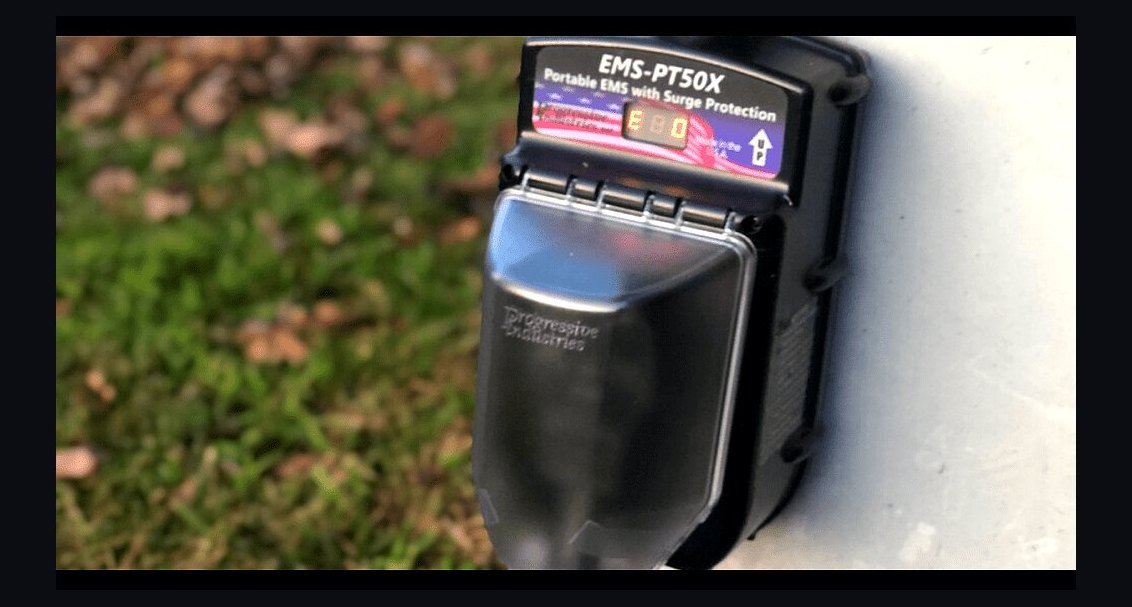 pulse-reviewsTop 10 RV Surge Protectors — Best Overall + Best Value in 2027
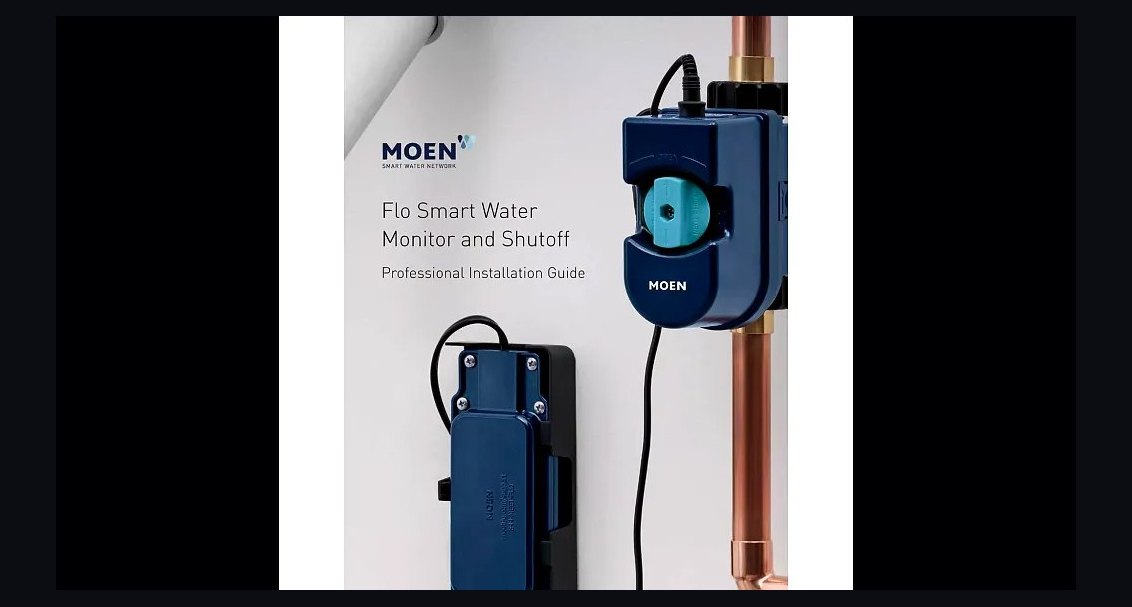 pulse-reviewsTop 10 Smart Water Leak Detectors — Best Overall + Best Value in 2027
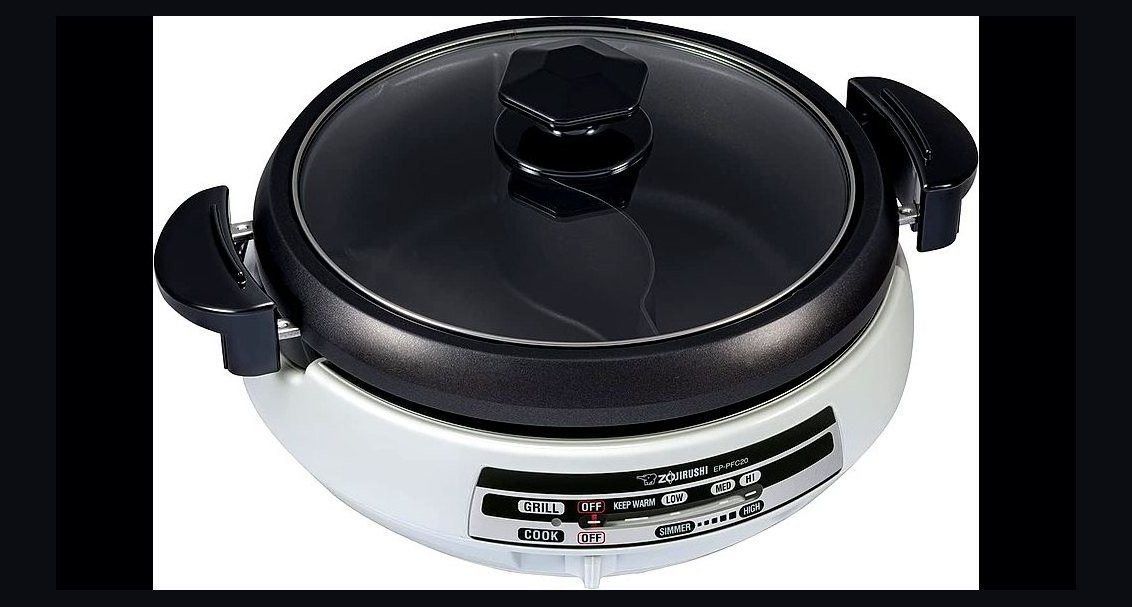 pulse-reviewsTop 10 Electric Hot Pots — Best Overall + Best Value in 2027
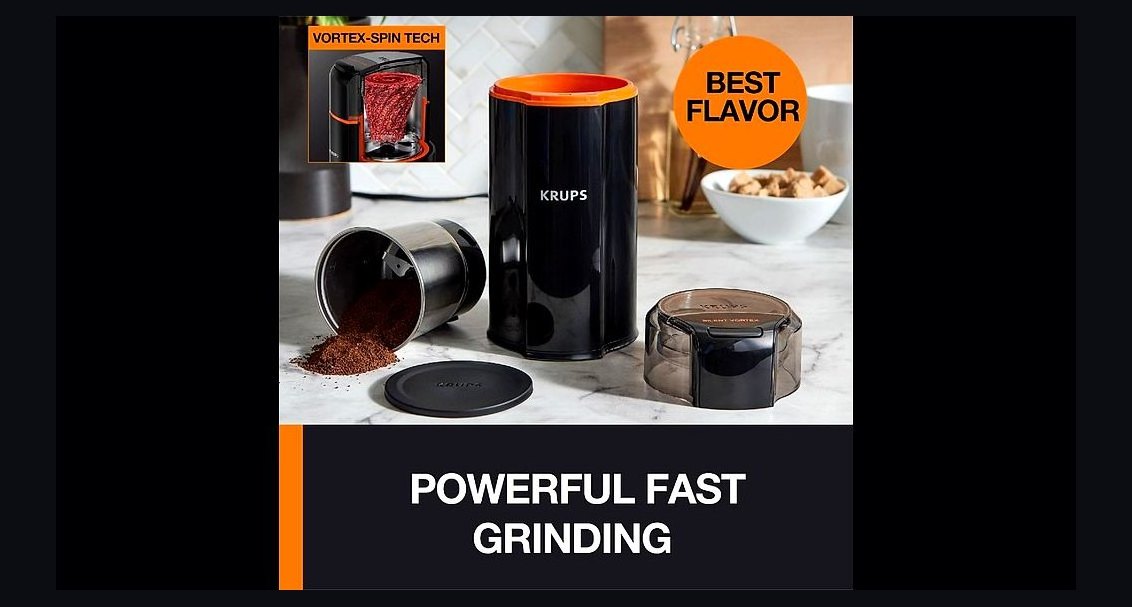 pulse-reviewsTop 10 Electric Spice Grinders — Best Overall + Best Value in 2027
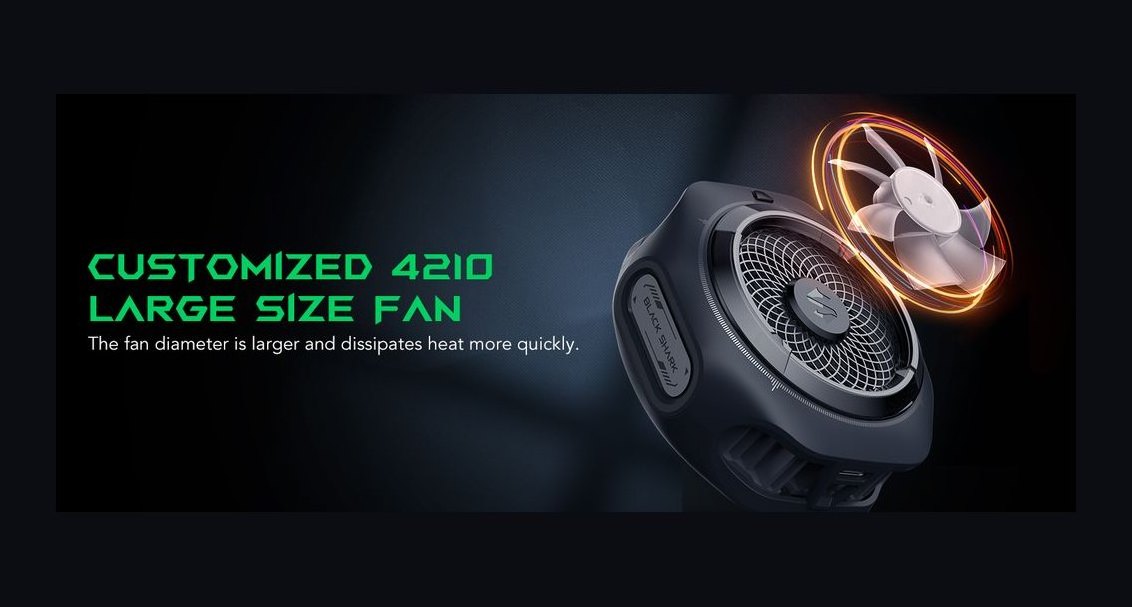 pulse-reviewsTop 10 Phone Cooling Fans — Best Overall + Best Value in 2027
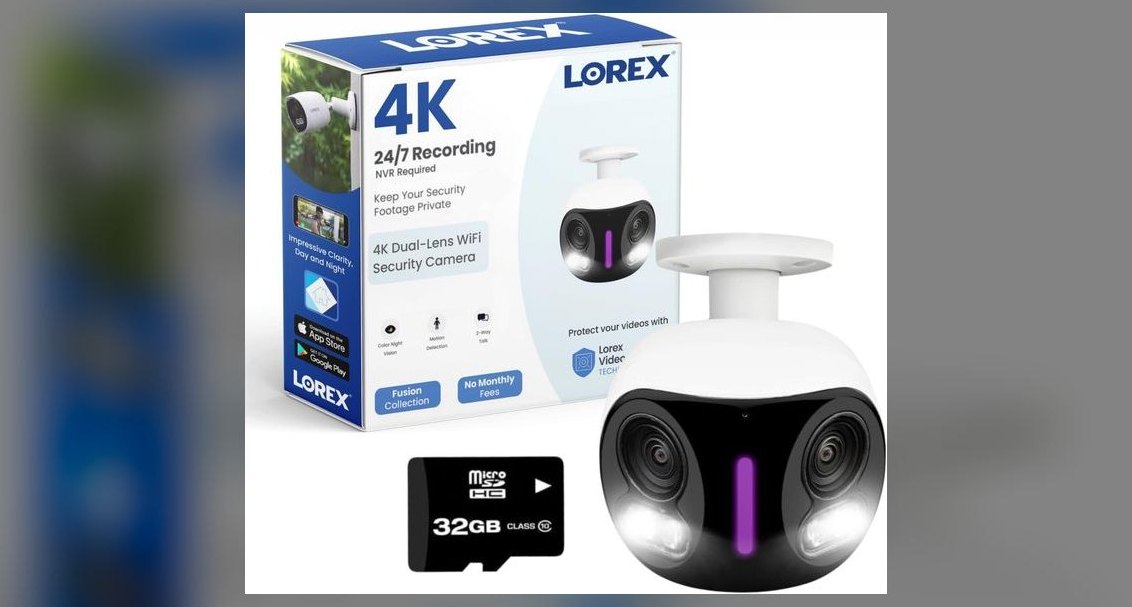 pulse-reviewsTop 10 Outdoor Smart Lighting — Best Overall + Best Value in 2027
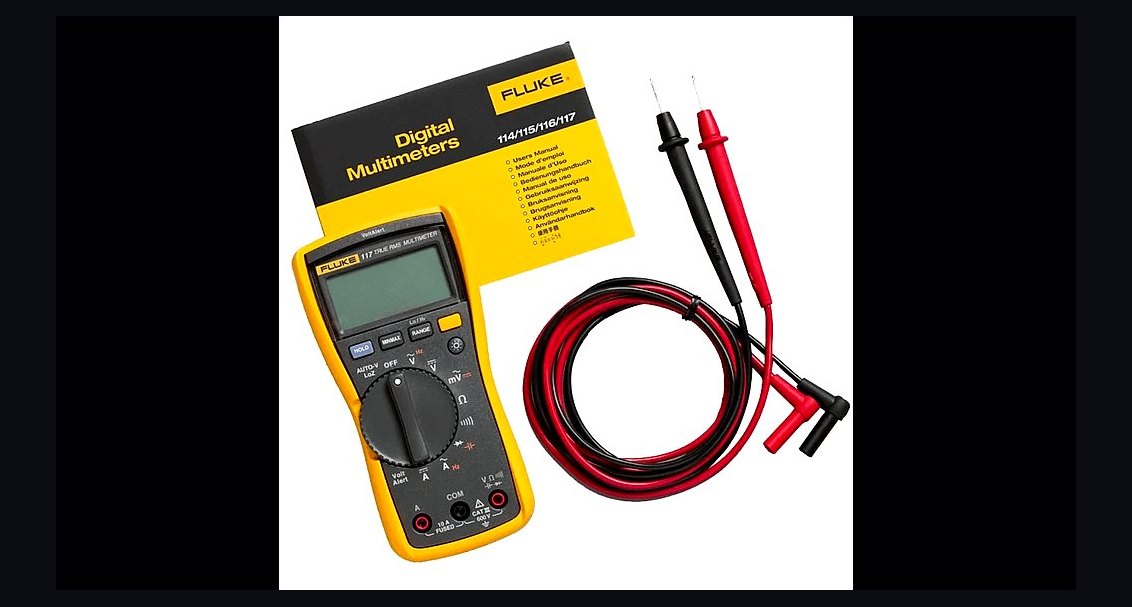 pulse-reviewsTop 10 Multimeters — Best Overall + Best Value in 2027
 pulse-reviewsTop 10 Noise-Cancelling Headphones — Best Overall + Best Value in 2027
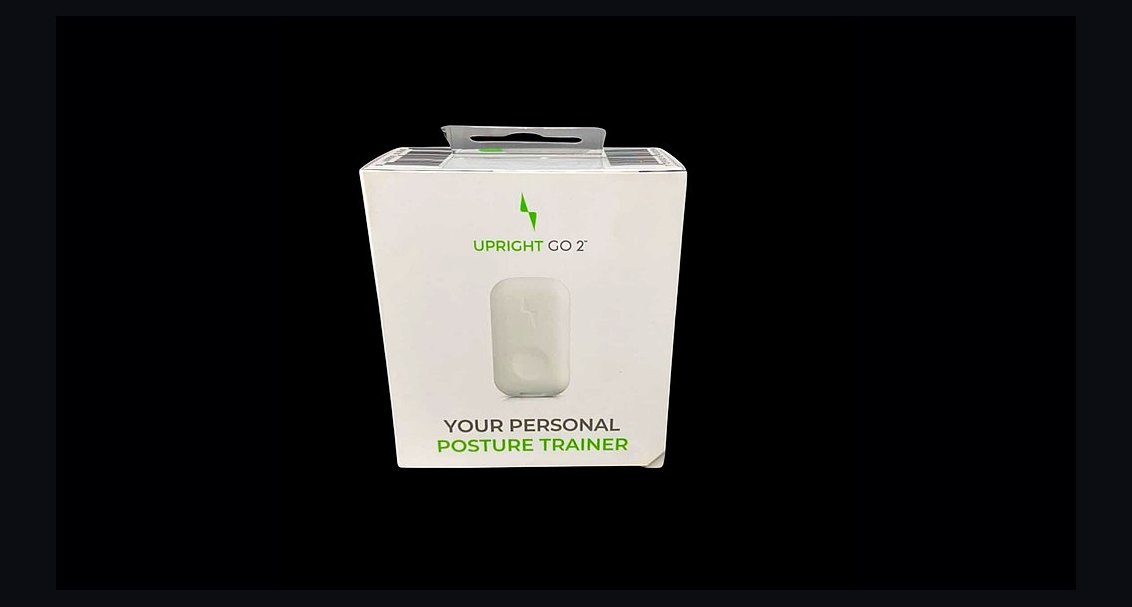 pulse-reviewsTop 10 Posture Correctors — Best Overall + Best Value in 2027